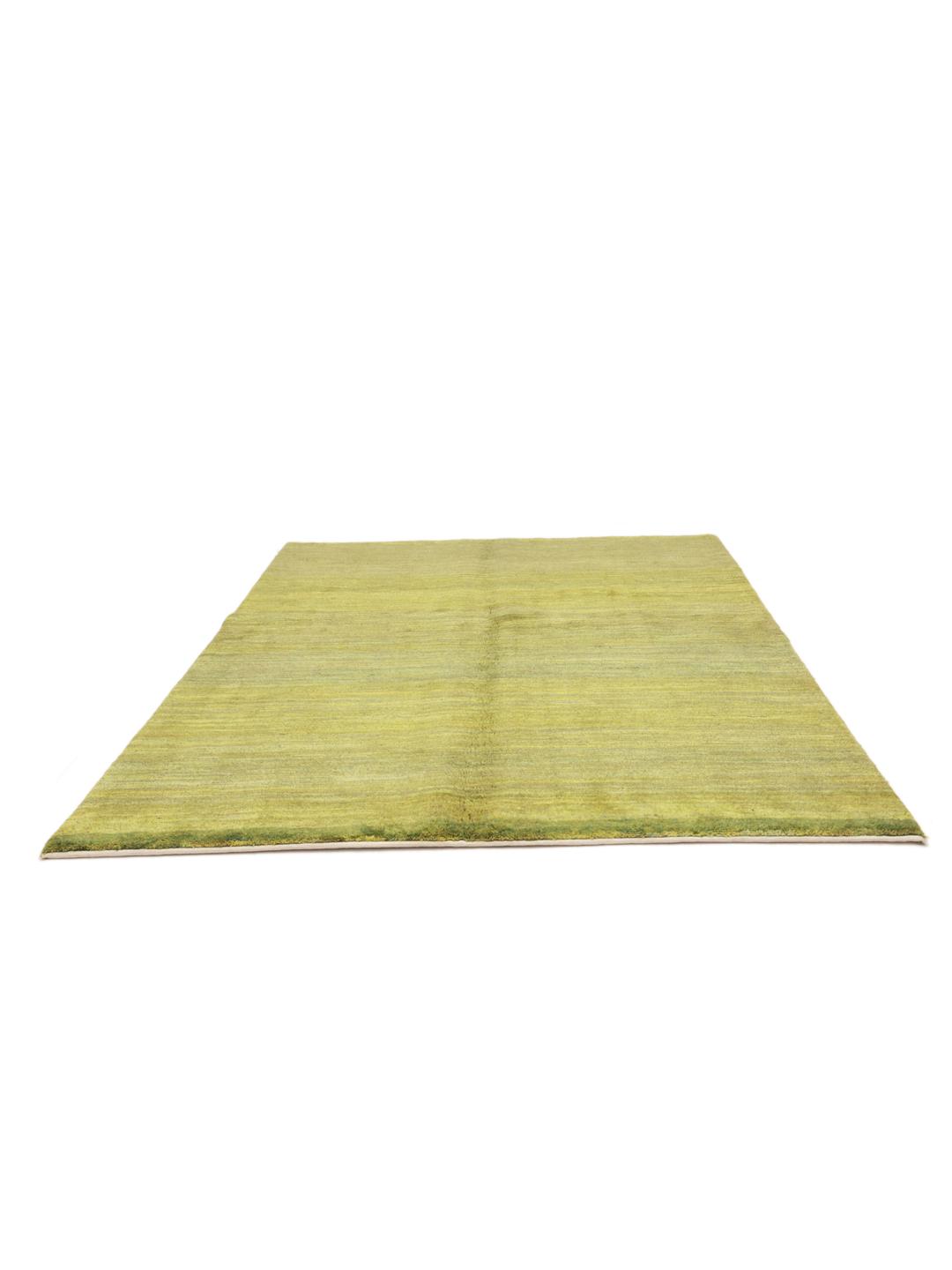
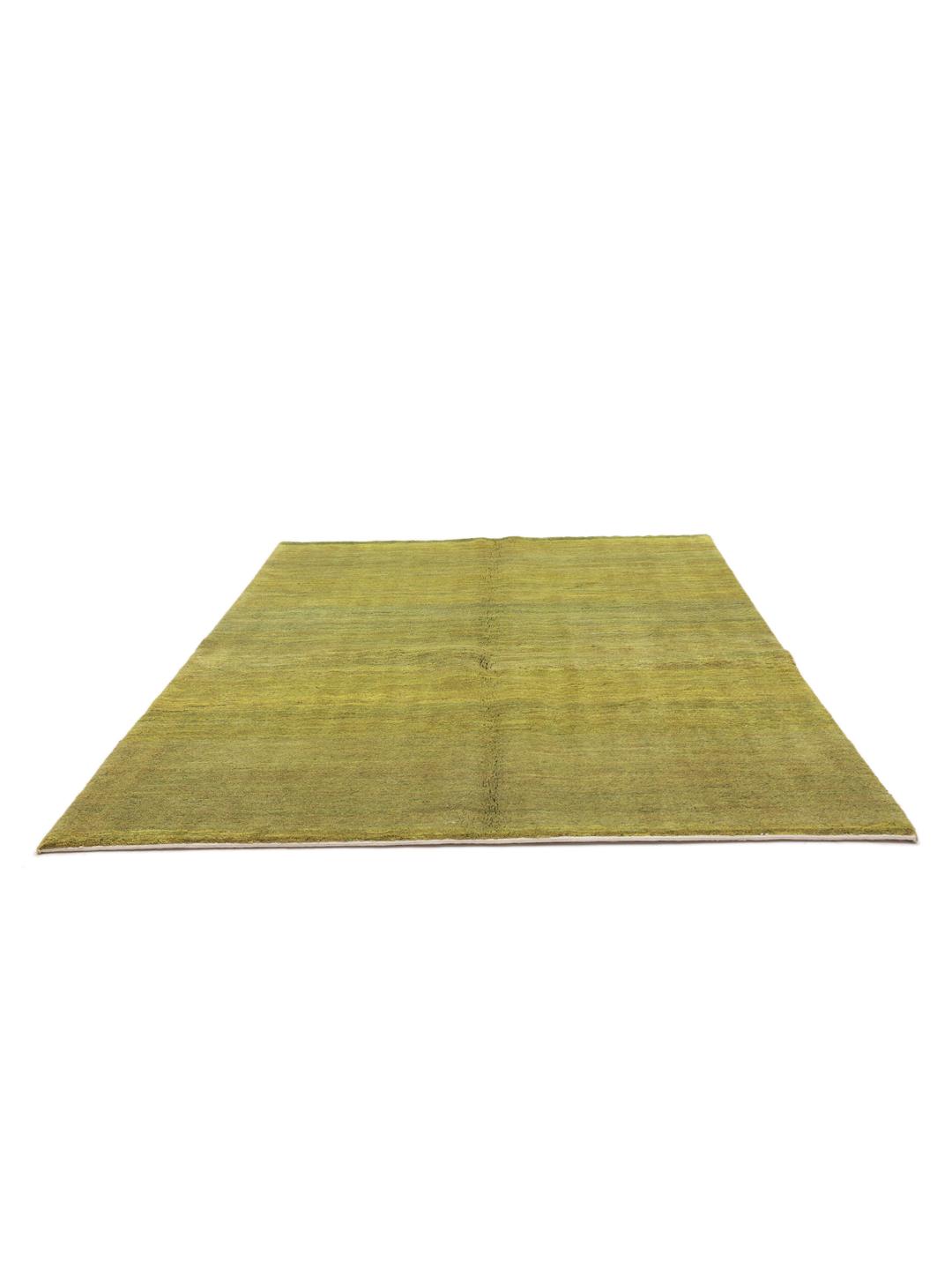
Gabbeh rugs originate from the tribal regions of the Middle East, primarily woven by nomadic groups who have passed down their weaving traditions through generations. Traditionally, these rugs were created for personal use within the home, serving as warm, protective bedding and floor coverings for families living in harsh, high-altitude climates. This history gives them an inherently functional and grounded character that remains central to their appeal today.
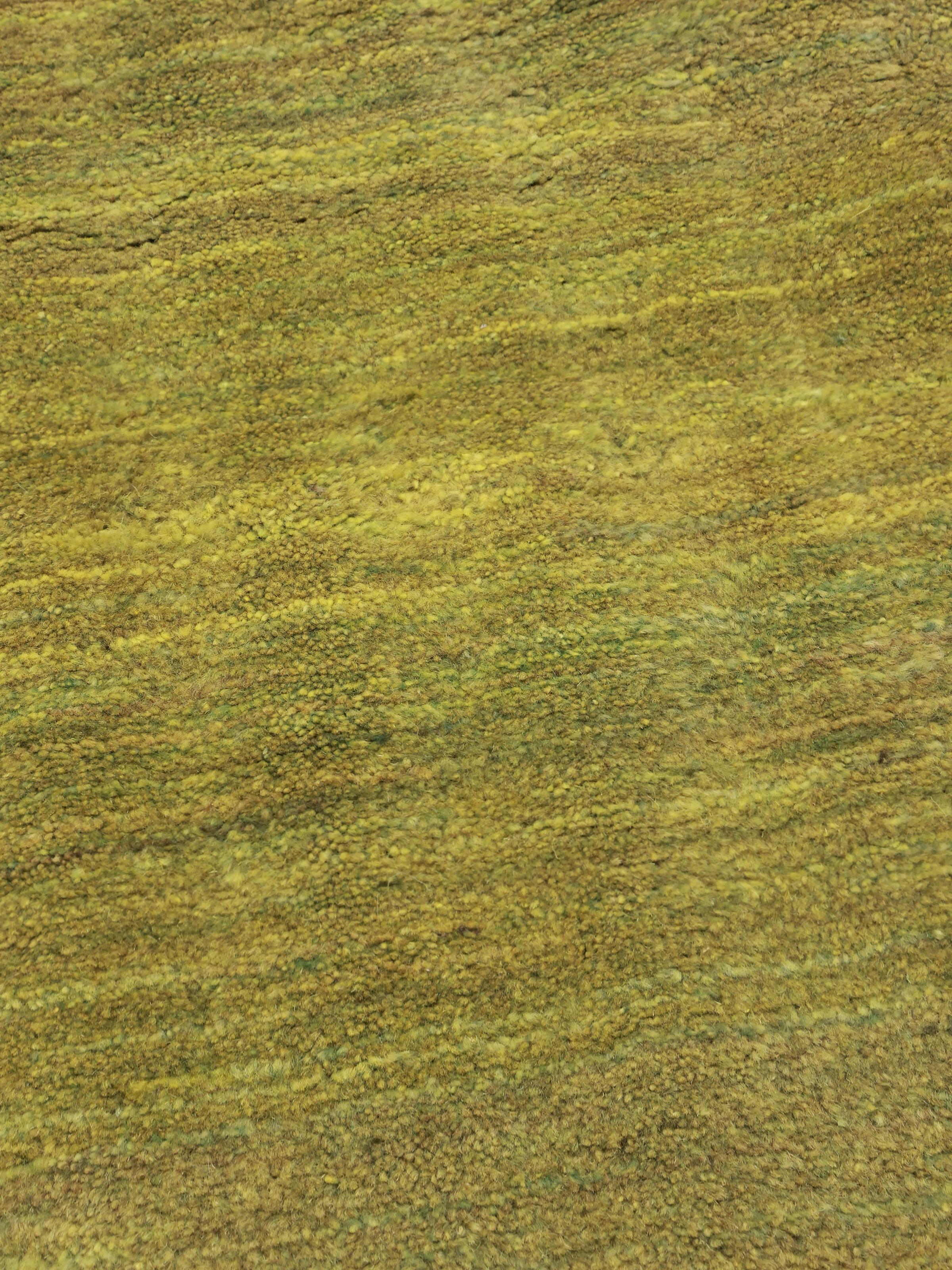
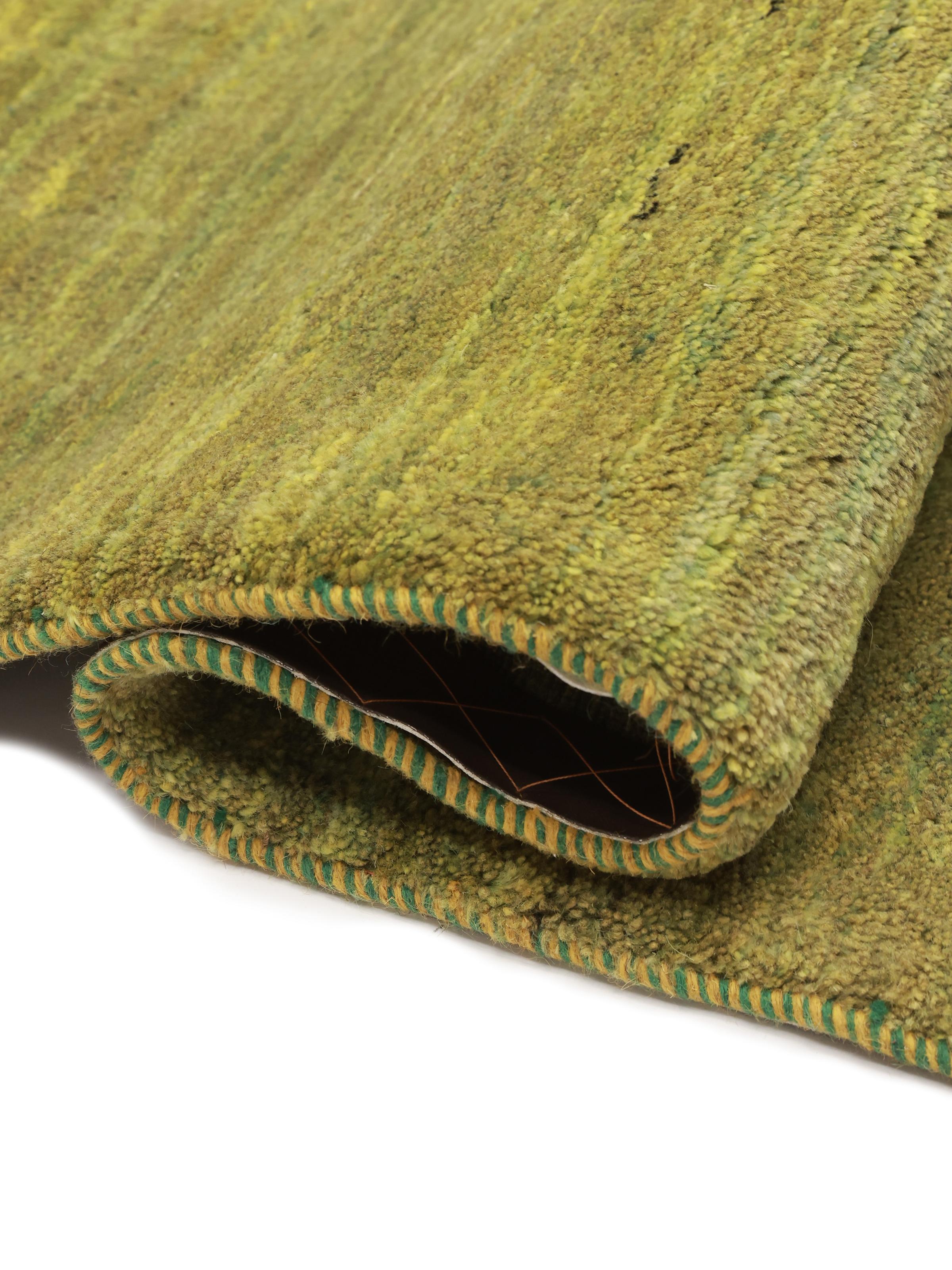
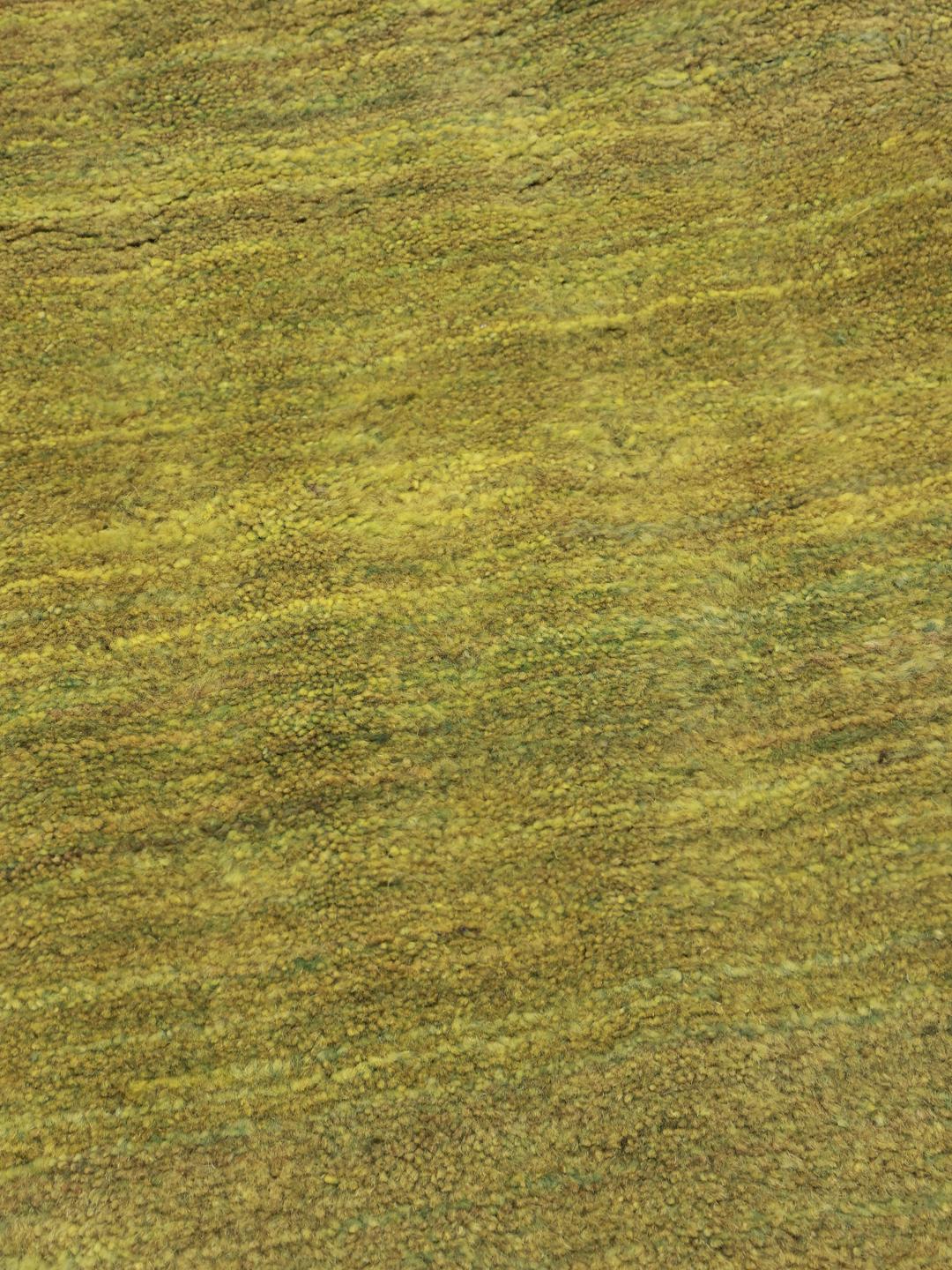
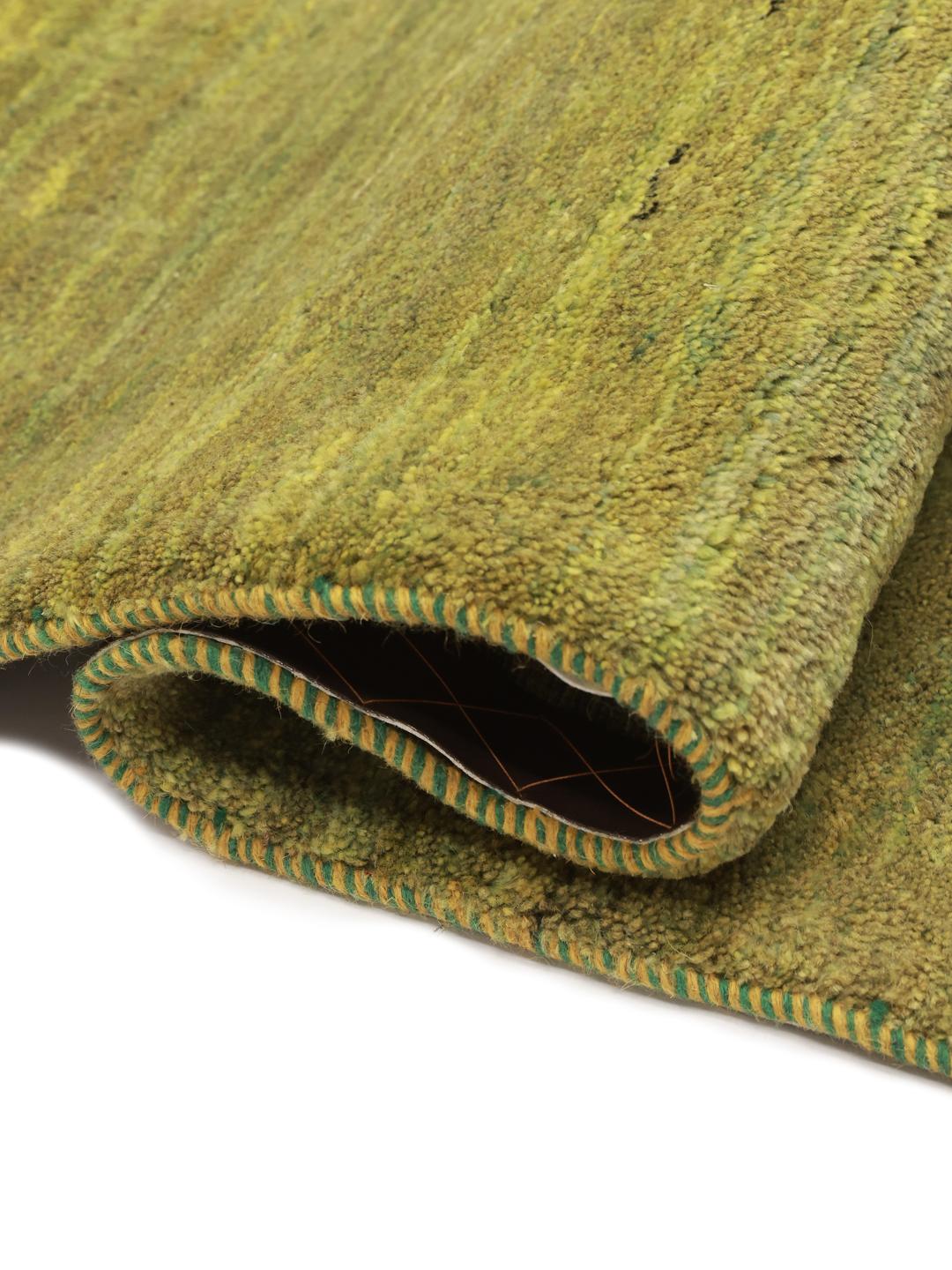
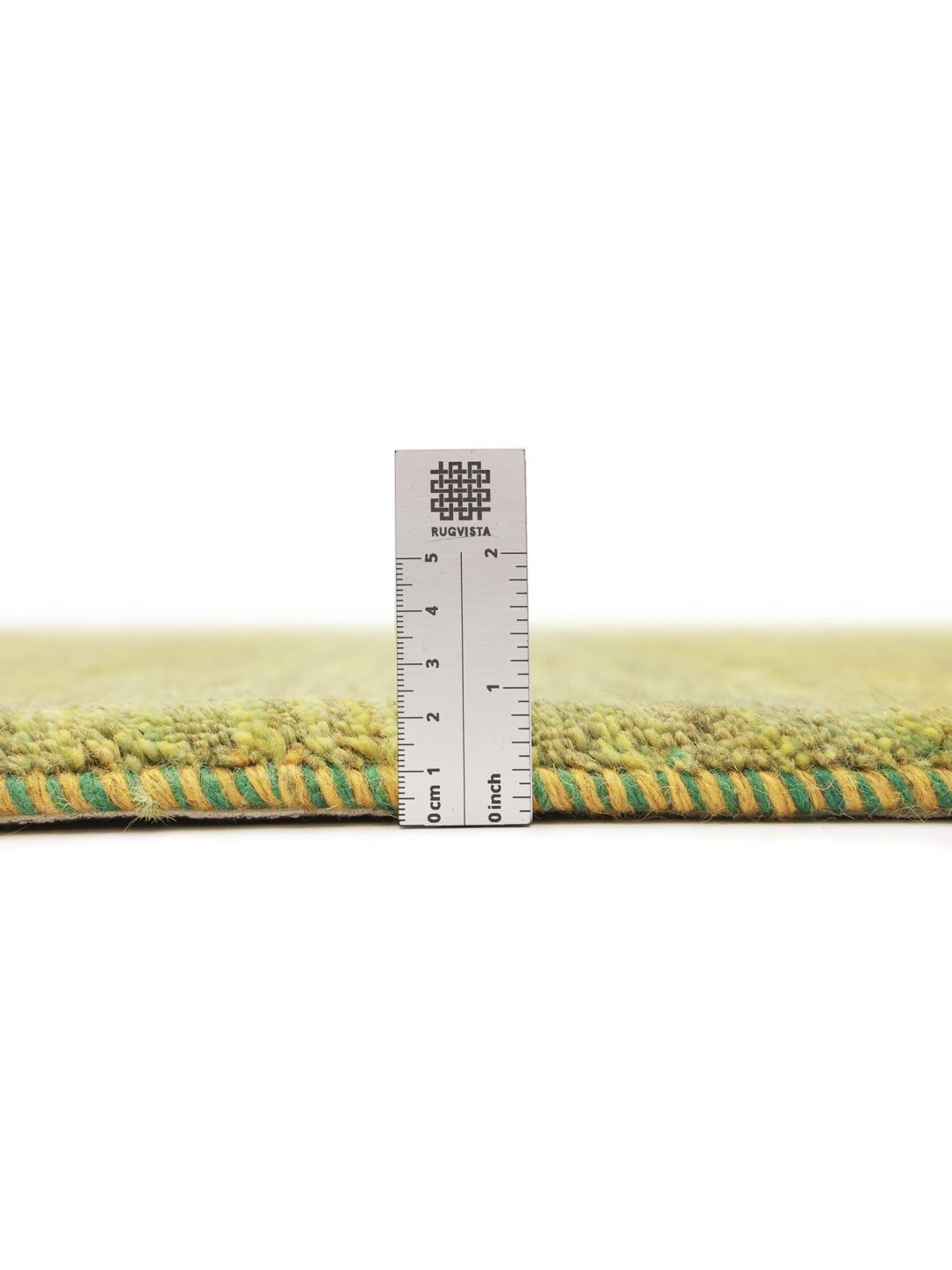
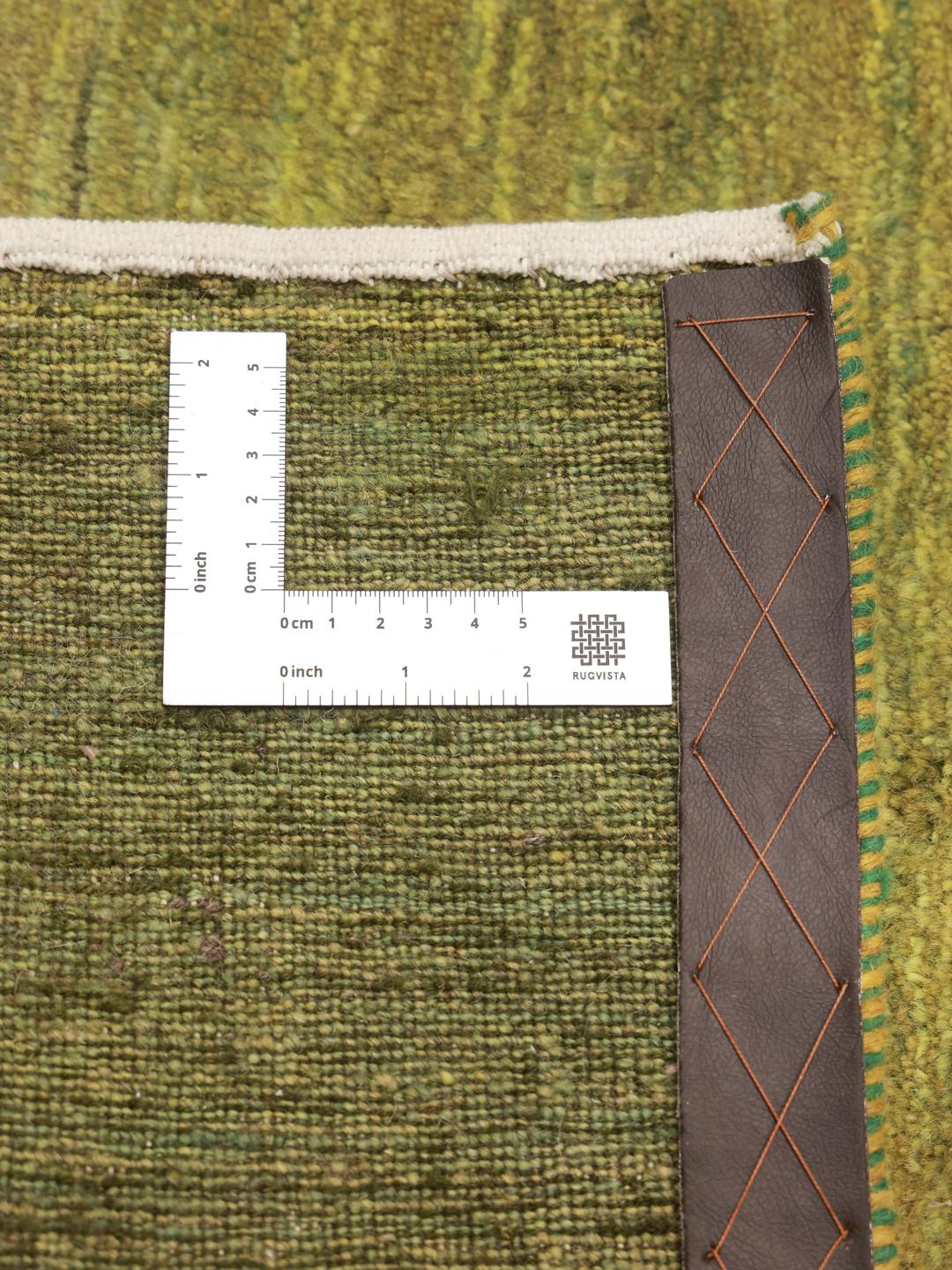
The term Gabbeh refers to a specific style of rug that is typically thicker and more loosely knotted than traditional formal carpets. This construction style is intentional, prioritising a dense, plush pile that provides superior warmth. The wool used in these pieces is often hand-spun, retaining its natural lanolin, which gives the finished rug a soft, oily, and incredibly durable feel that is highly resistant to wear.
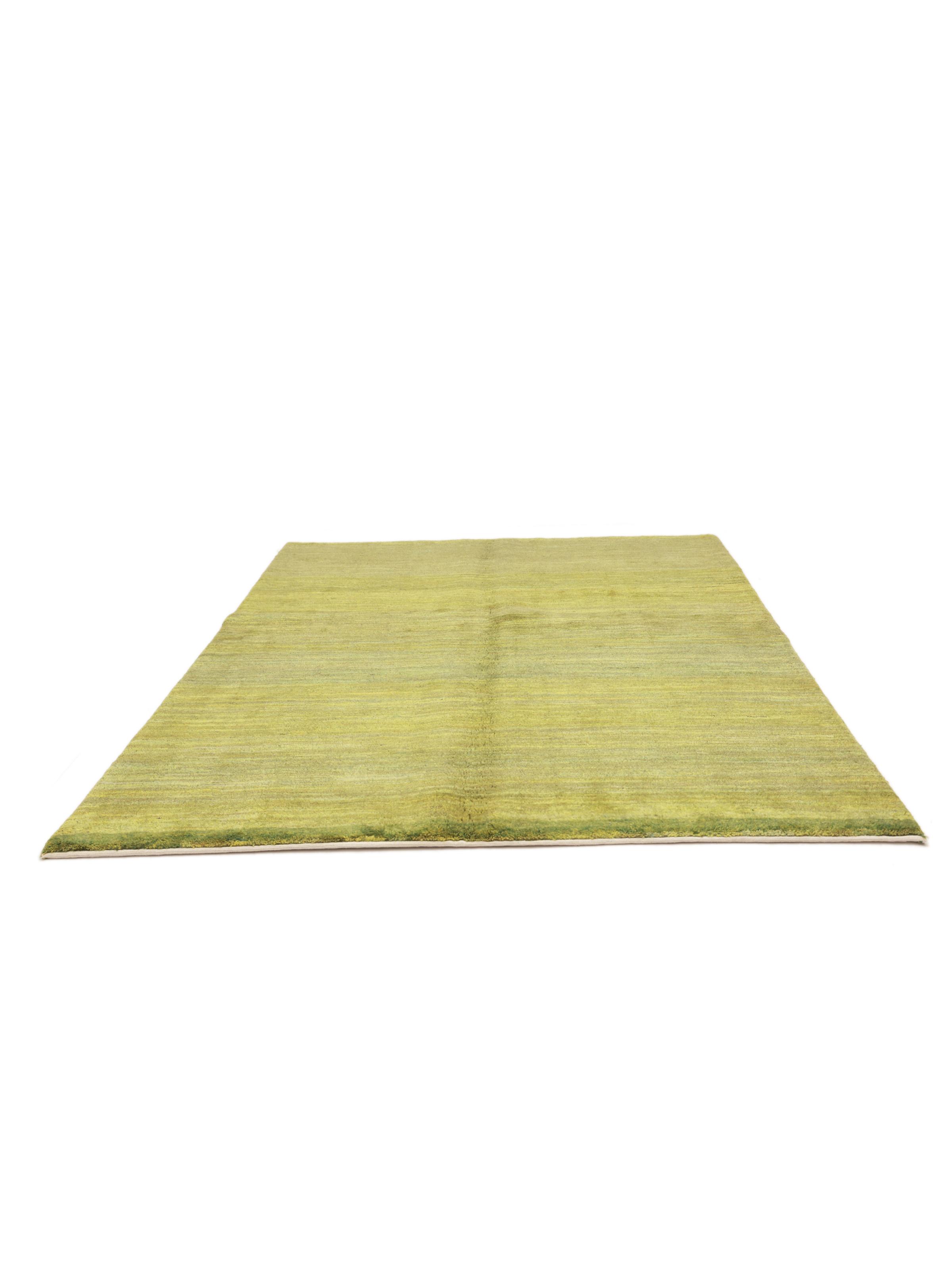
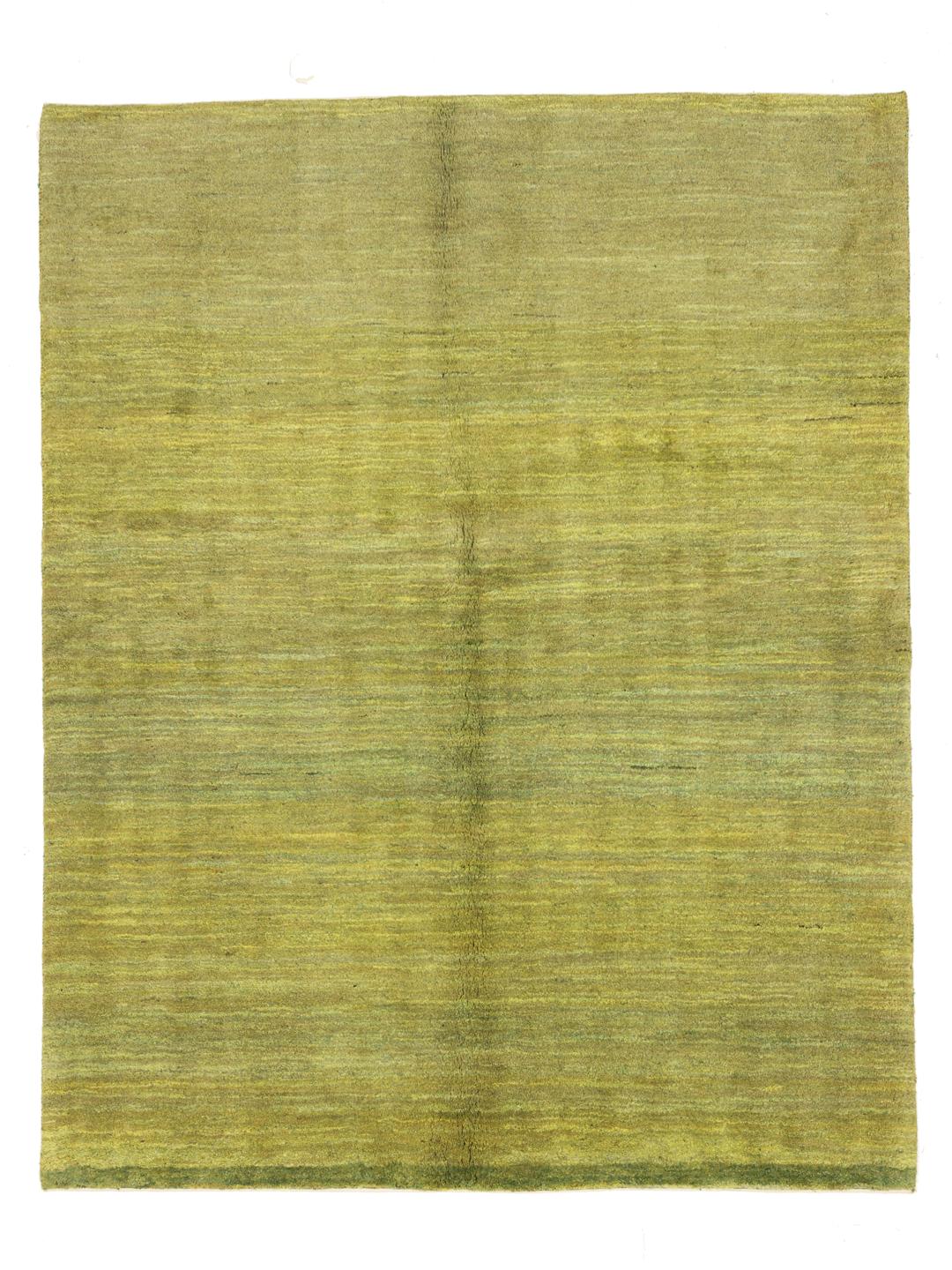
Visually, Gabbeh rugs are celebrated for their artistic simplicity. Unlike the intricate, curvilinear patterns found in city-made carpets, these rugs often feature bold, geometric, or abstract designs that reflect the weaver's personal expression and surroundings. The use of natural, vegetable-based dyes creates a range of warm, earthy colours that harmonise beautifully, often resulting in a soft, abrash-style colour variation that is highly prized by collectors.
Today, owning a Gabbeh is a way to connect with a centuries-old tradition of nomadic artistry. These rugs are valued not only for their aesthetic beauty but also for the raw, human skill required to produce them. Because each rug is a reflection of the weaver's unique vision and the materials available to them, they are considered true pieces of cultural heritage, offering a depth of character and history that mass-produced items simply cannot provide.