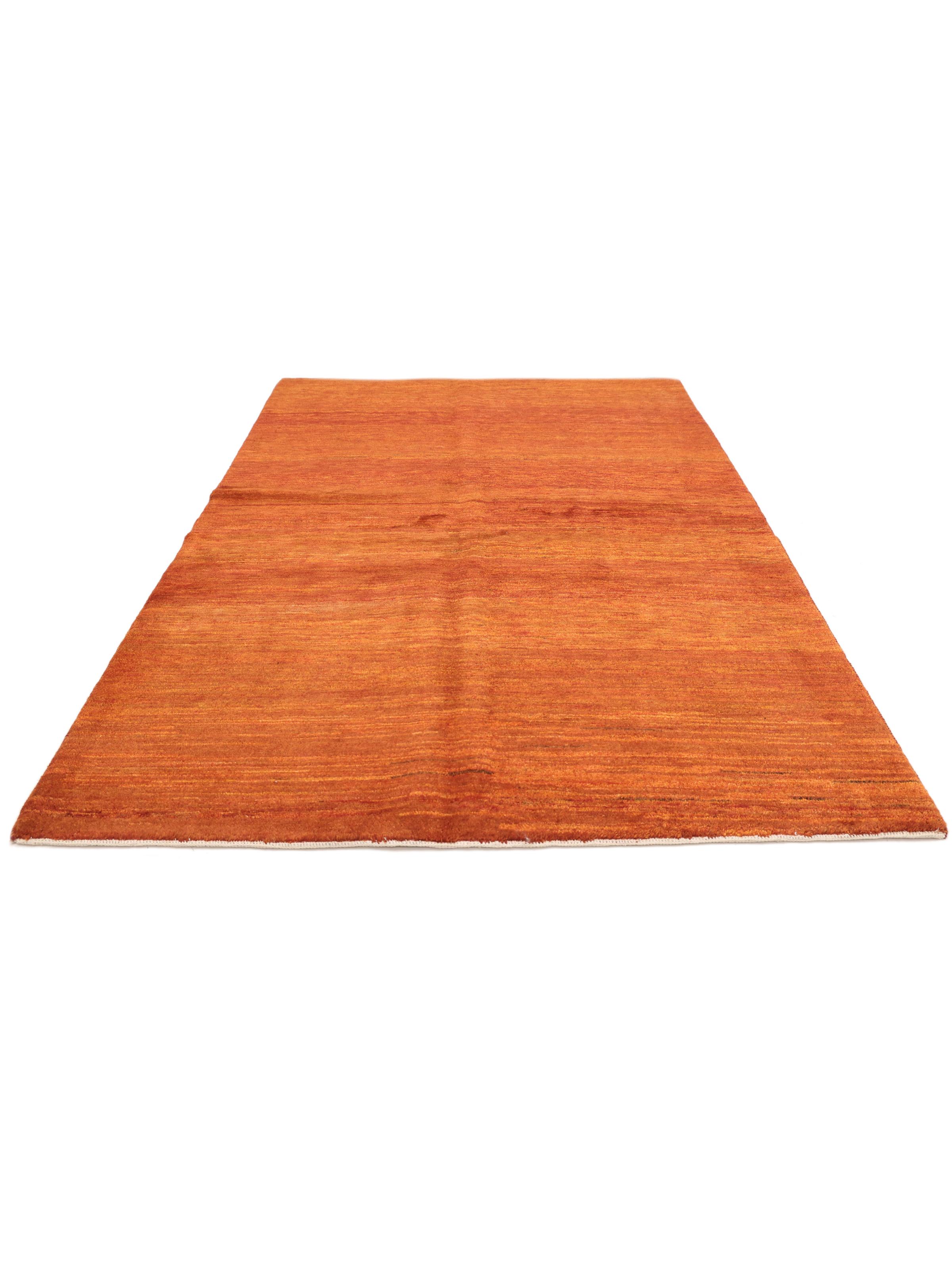
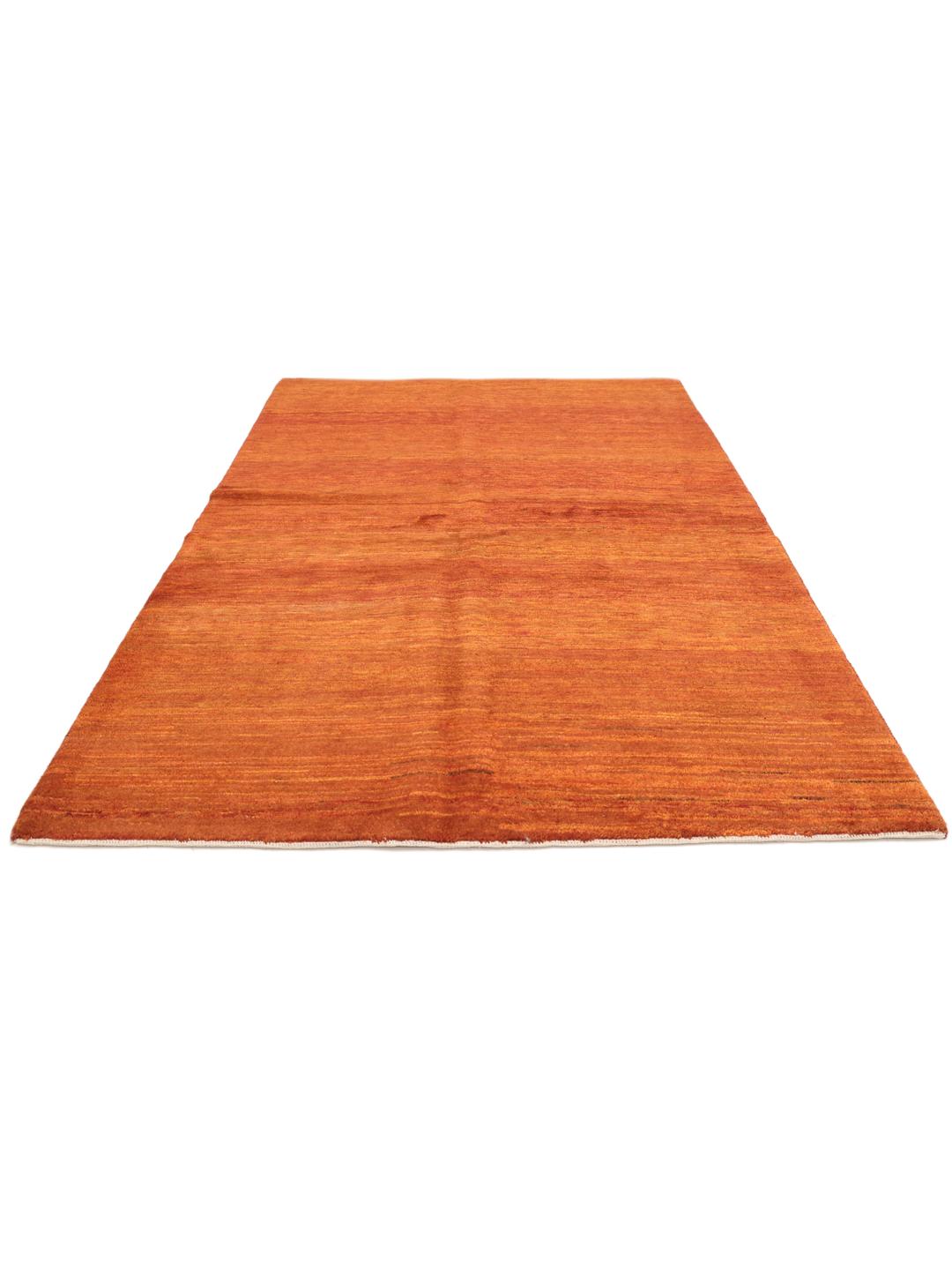
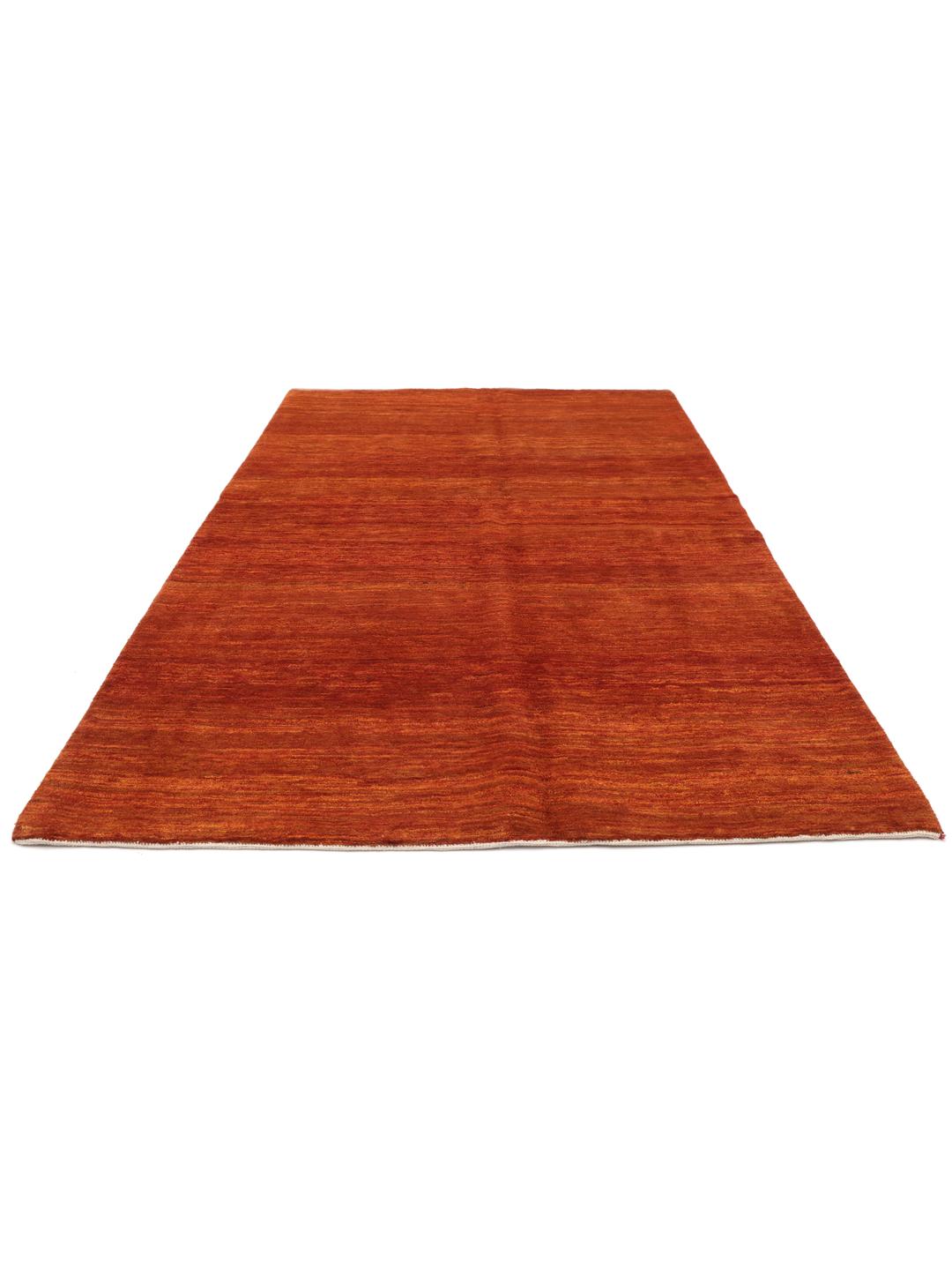
Gabbeh rugs have a long and storied history, originating from the nomadic tribes of the Middle East. Unlike more formal, city-made rugs, these pieces were traditionally woven for personal use within the home, intended to provide warmth, protection, and comfort against the rugged terrain.
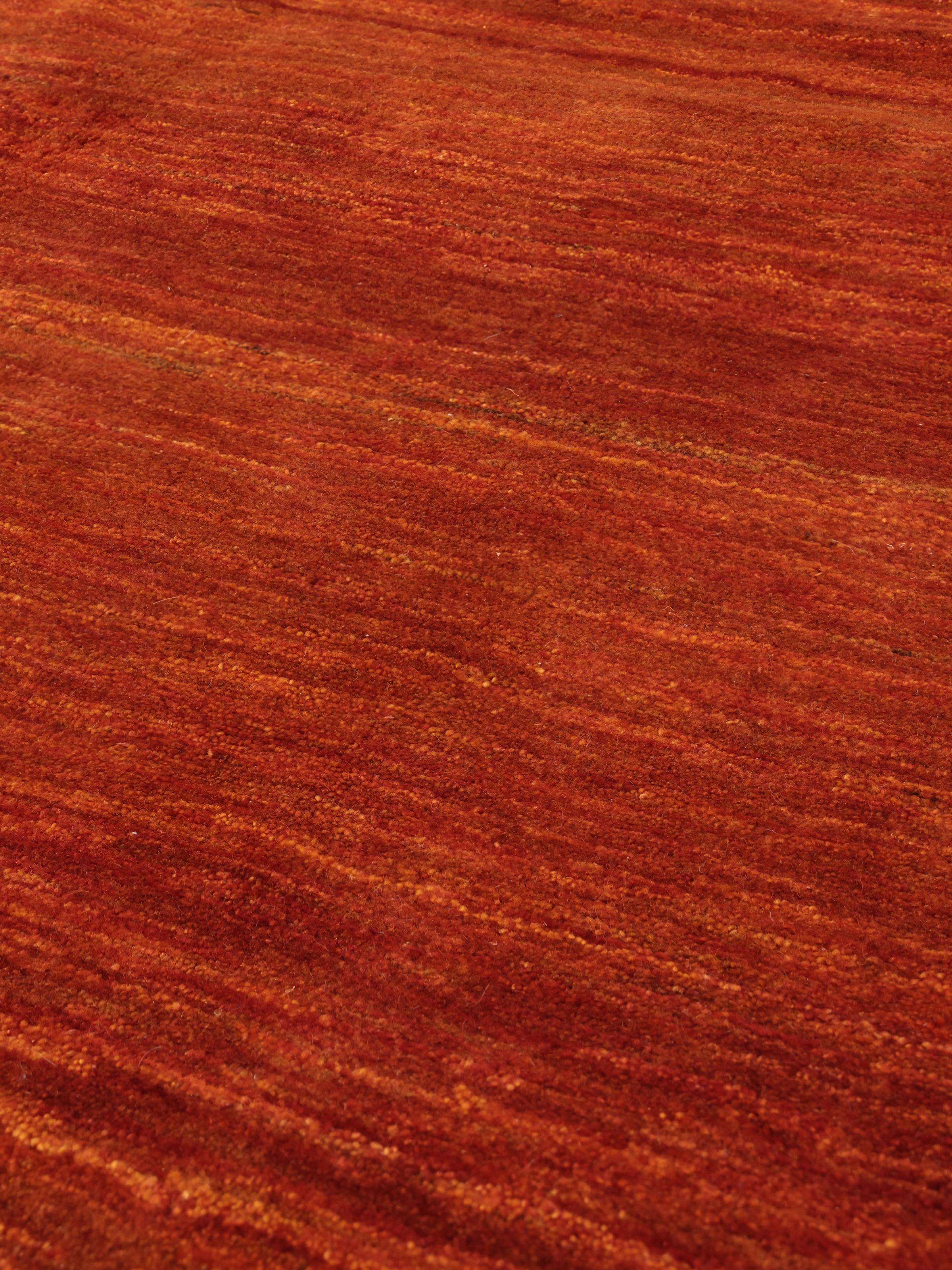
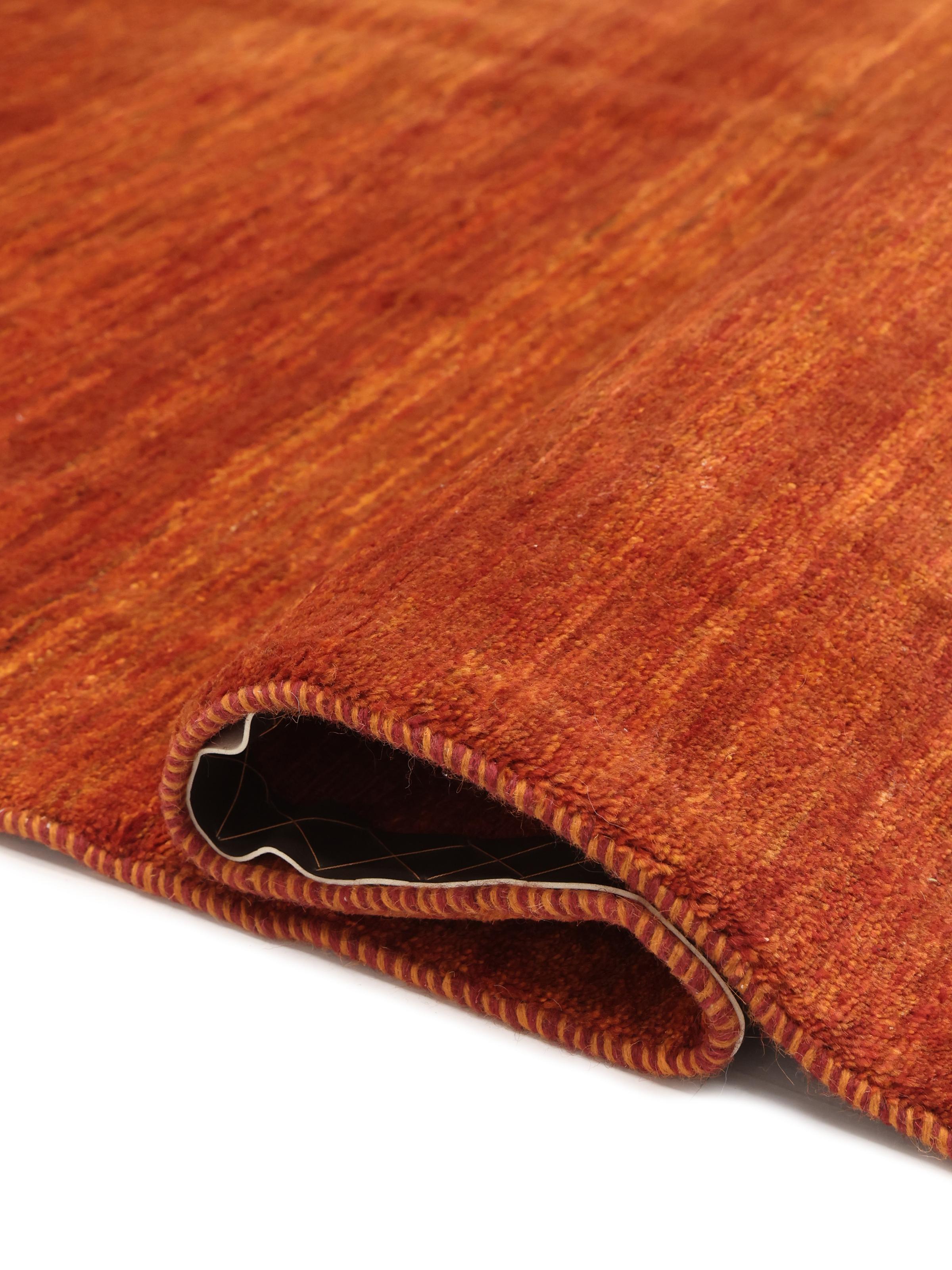
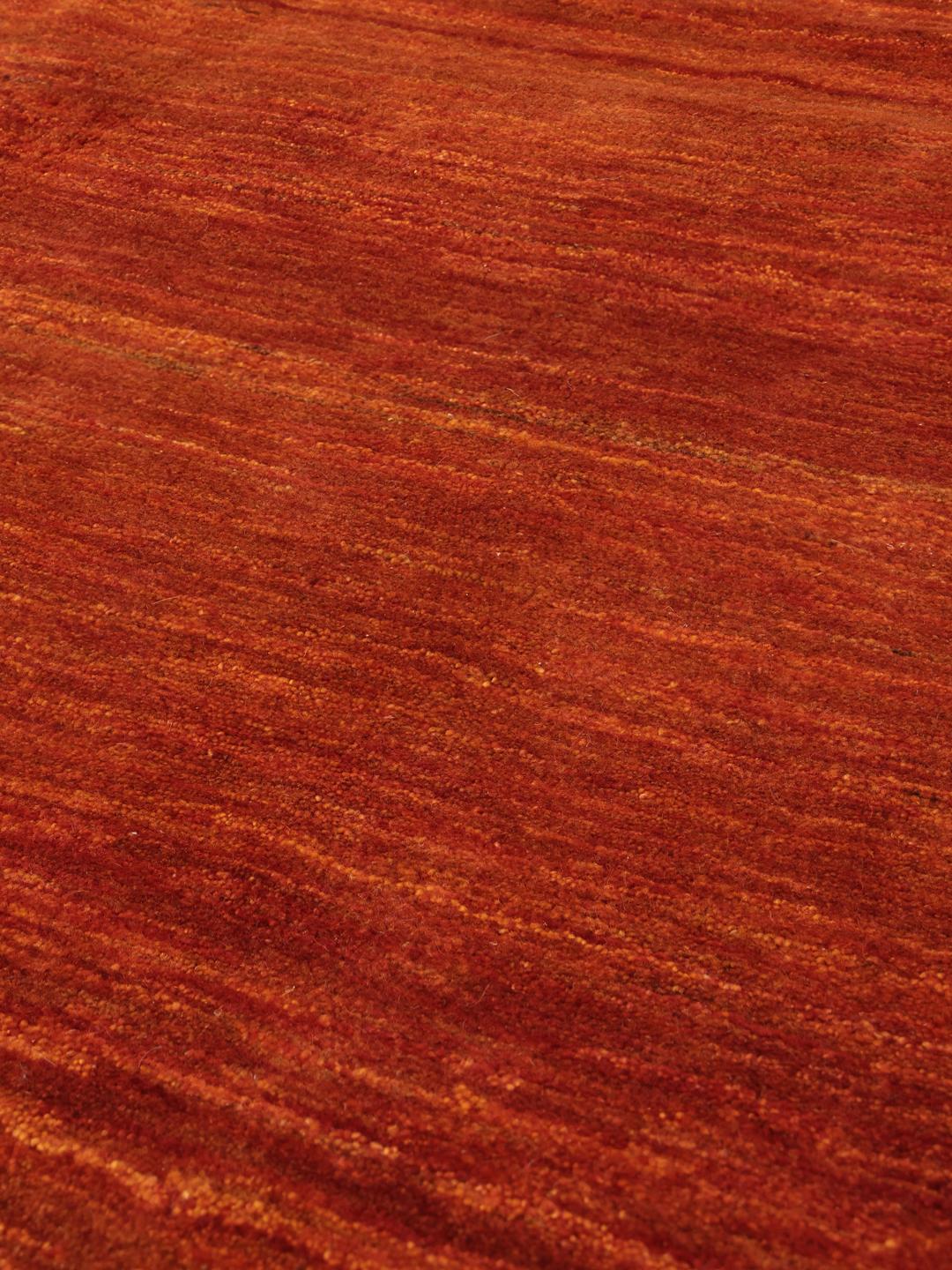
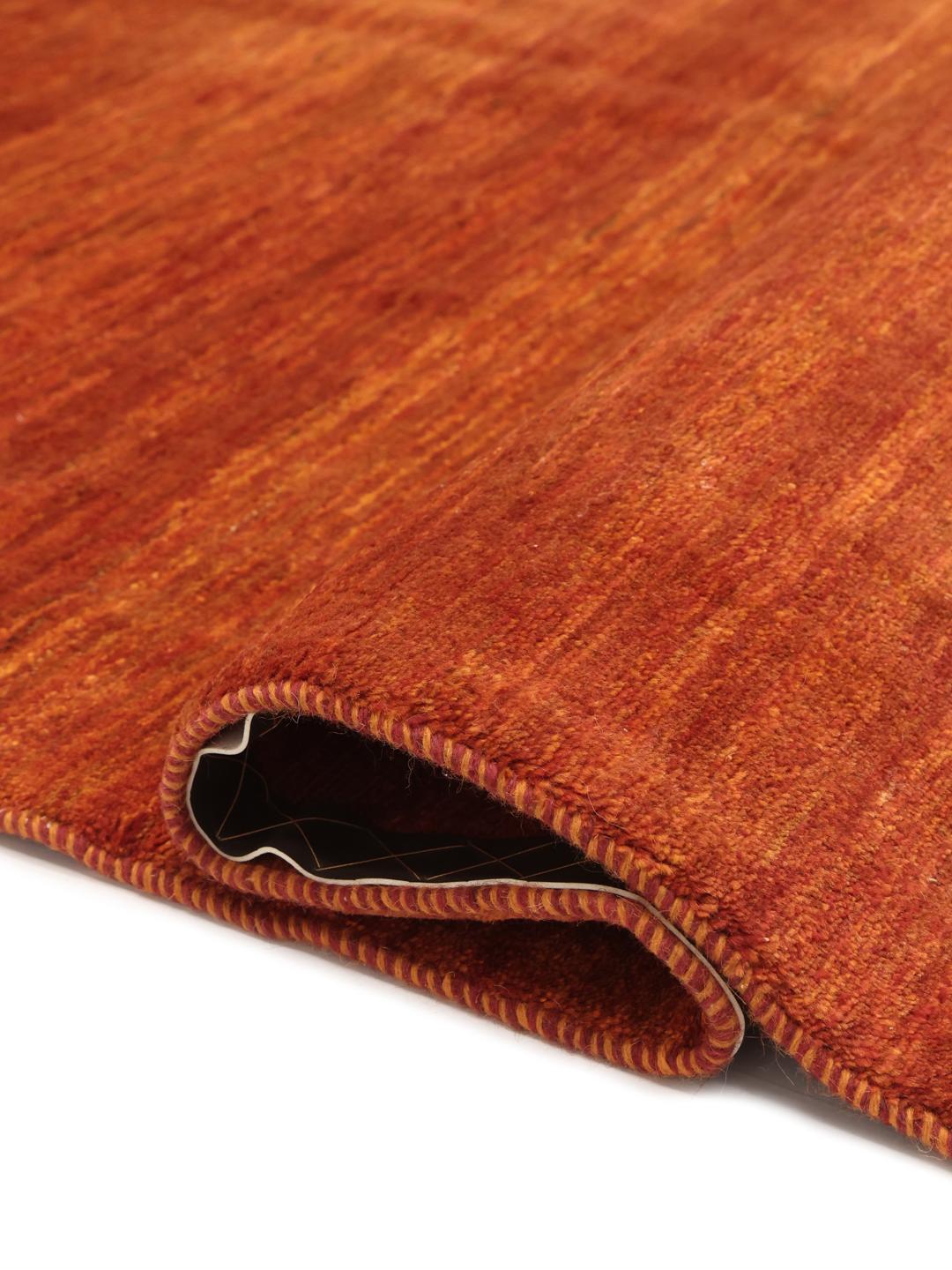
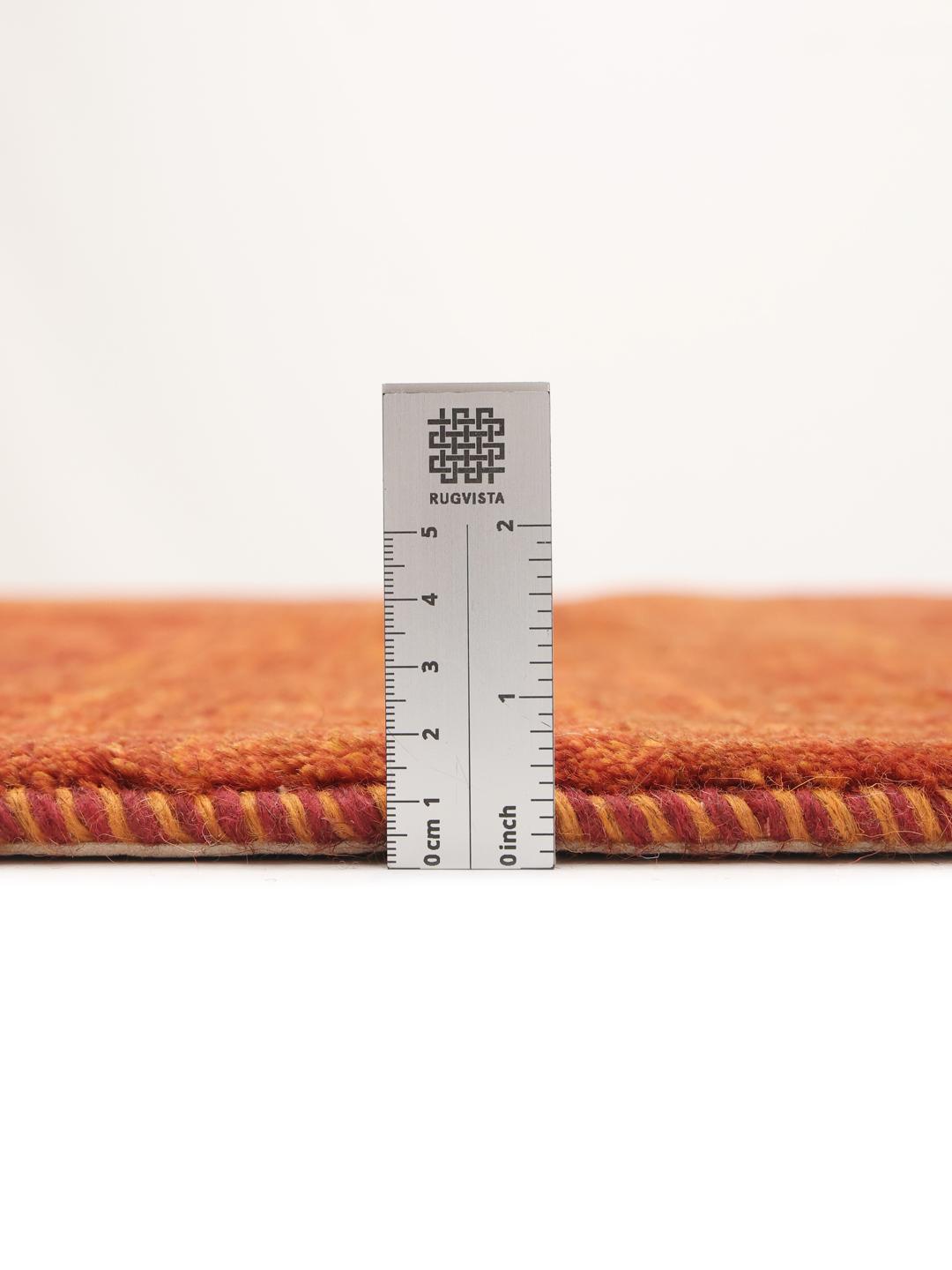
The word Gabbeh itself is often translated as raw, natural, or unclipped, which reflects the tradition of keeping the pile longer and thicker than many other rug varieties. This technical approach results in a plush, tactile surface that offers superior insulation and a distinct, cosy aesthetic that has remained popular for centuries.
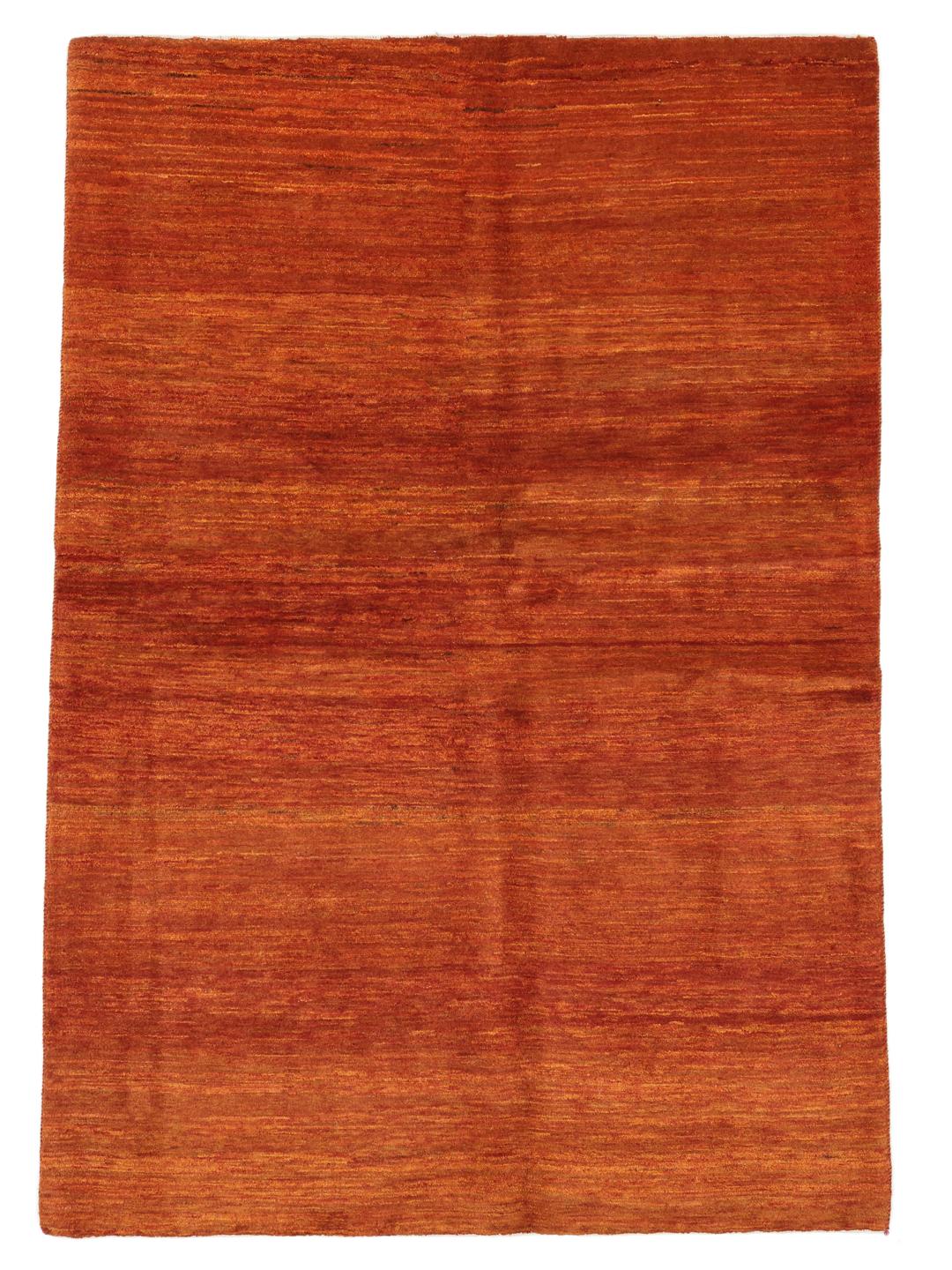
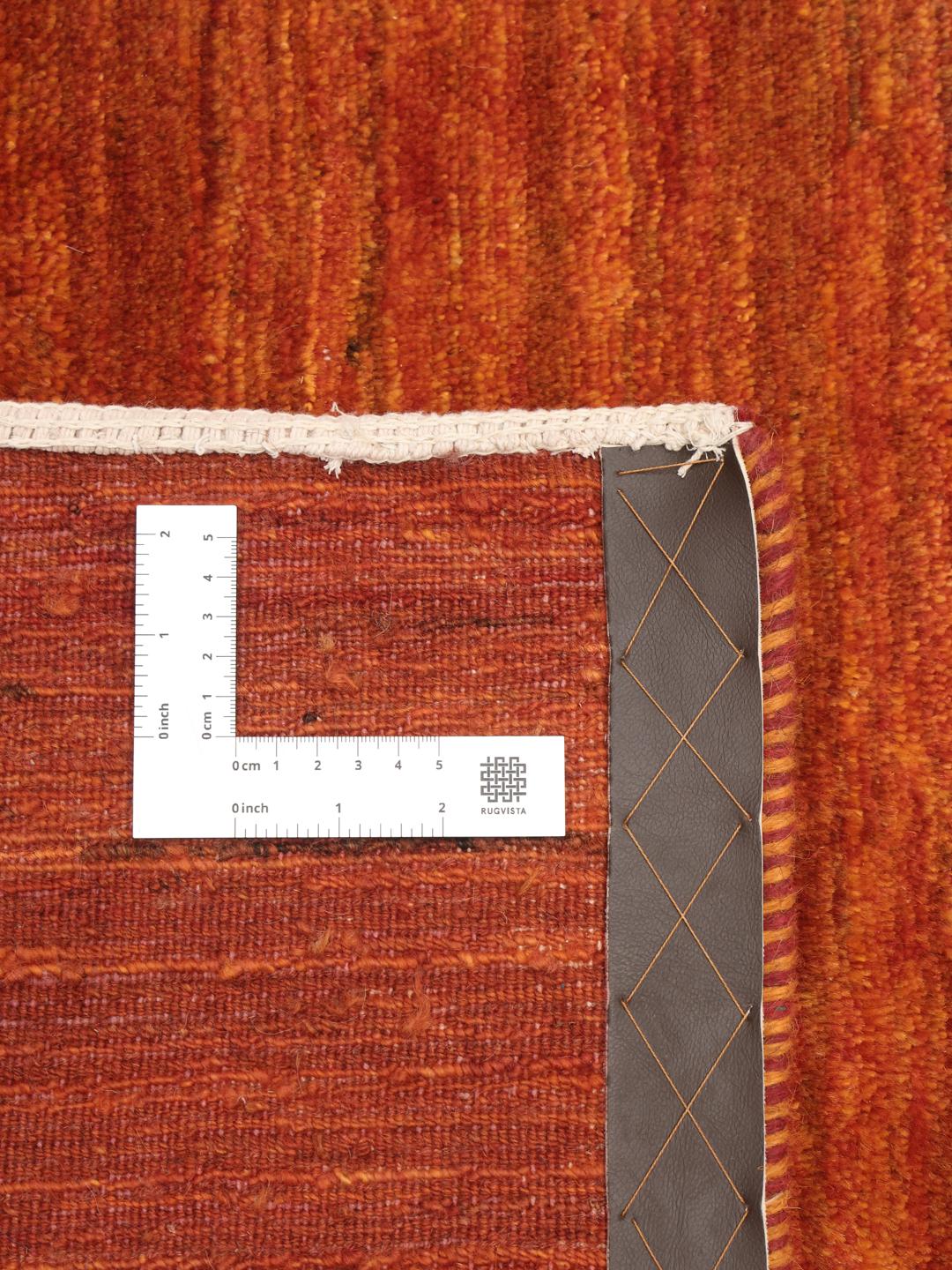
Visually, these rugs are known for their minimalist yet powerful approach to design. They often prioritise colour fields and simple, geometric motifs over the elaborate, intricate patterns found in other regional traditions. This focus allows the natural beauty of the wool to take centre stage, often showcasing subtle, tonal variations that occur as the weaver changes dye batches.
Today, owning a Gabbeh is seen as a way to connect with a genuine, nomadic heritage. These rugs are highly valued by collectors and homeowners alike for their authenticity, the skill required to weave them, and the way they bring a sense of history and human touch into modern living spaces.