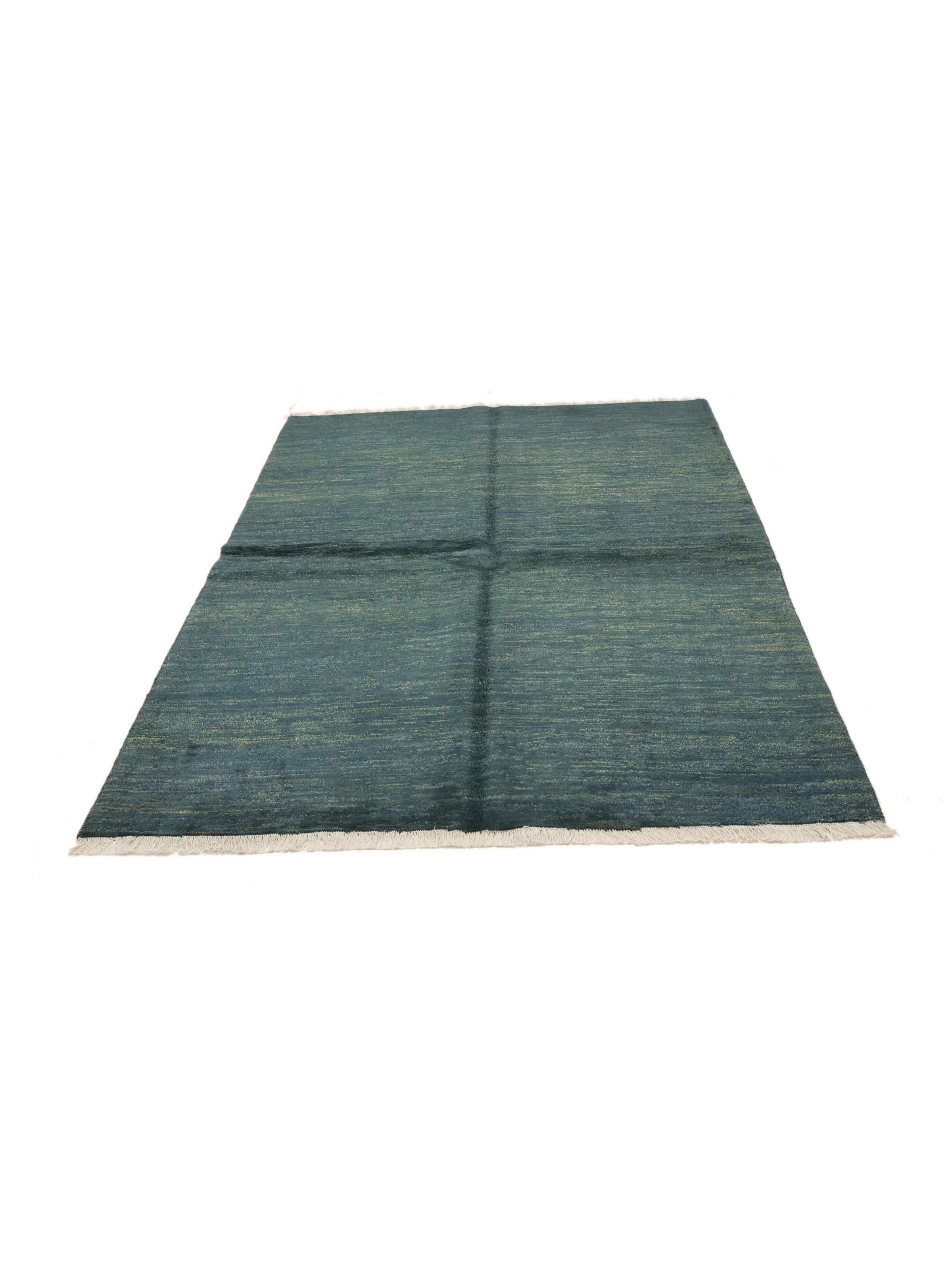
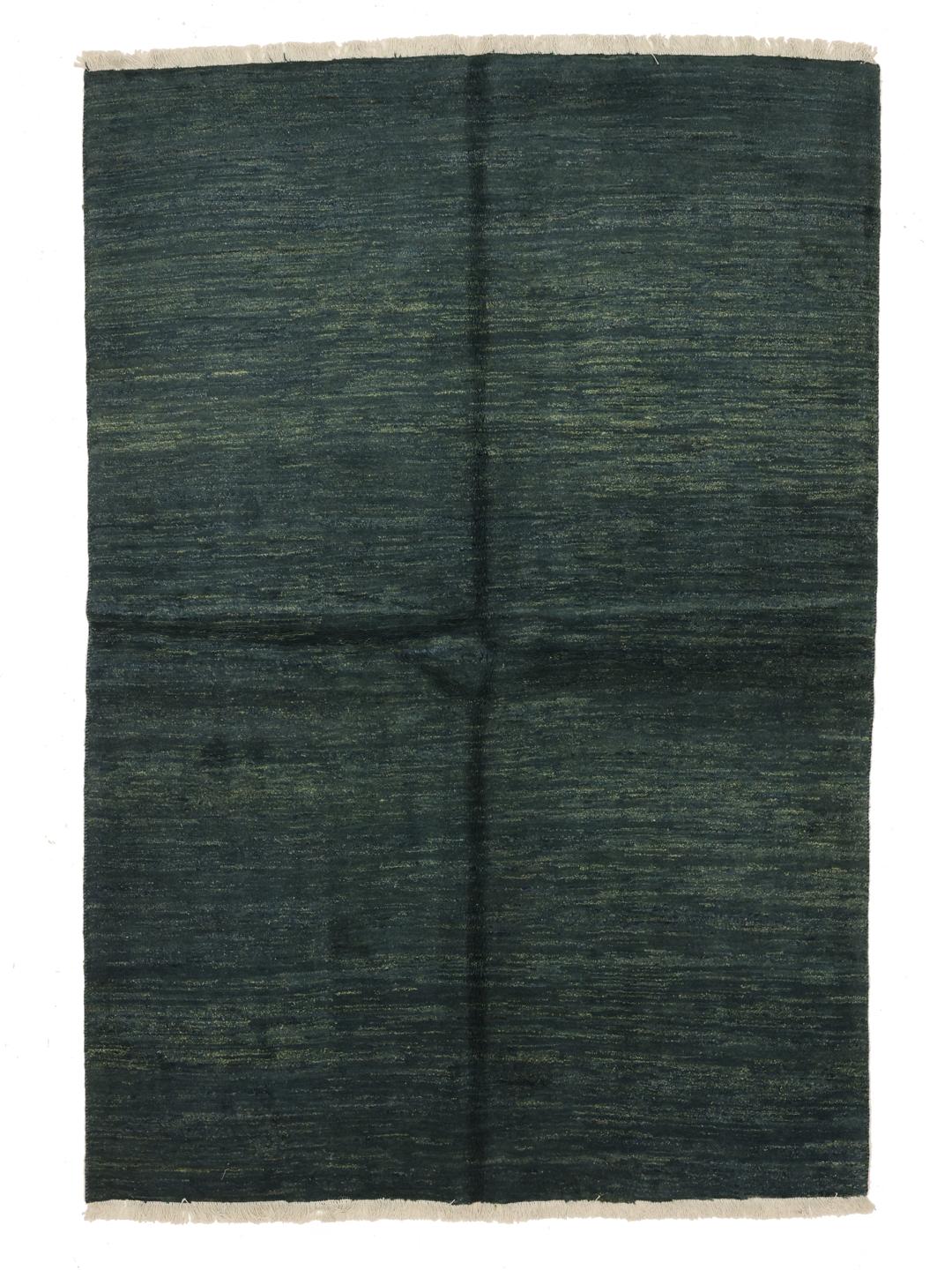
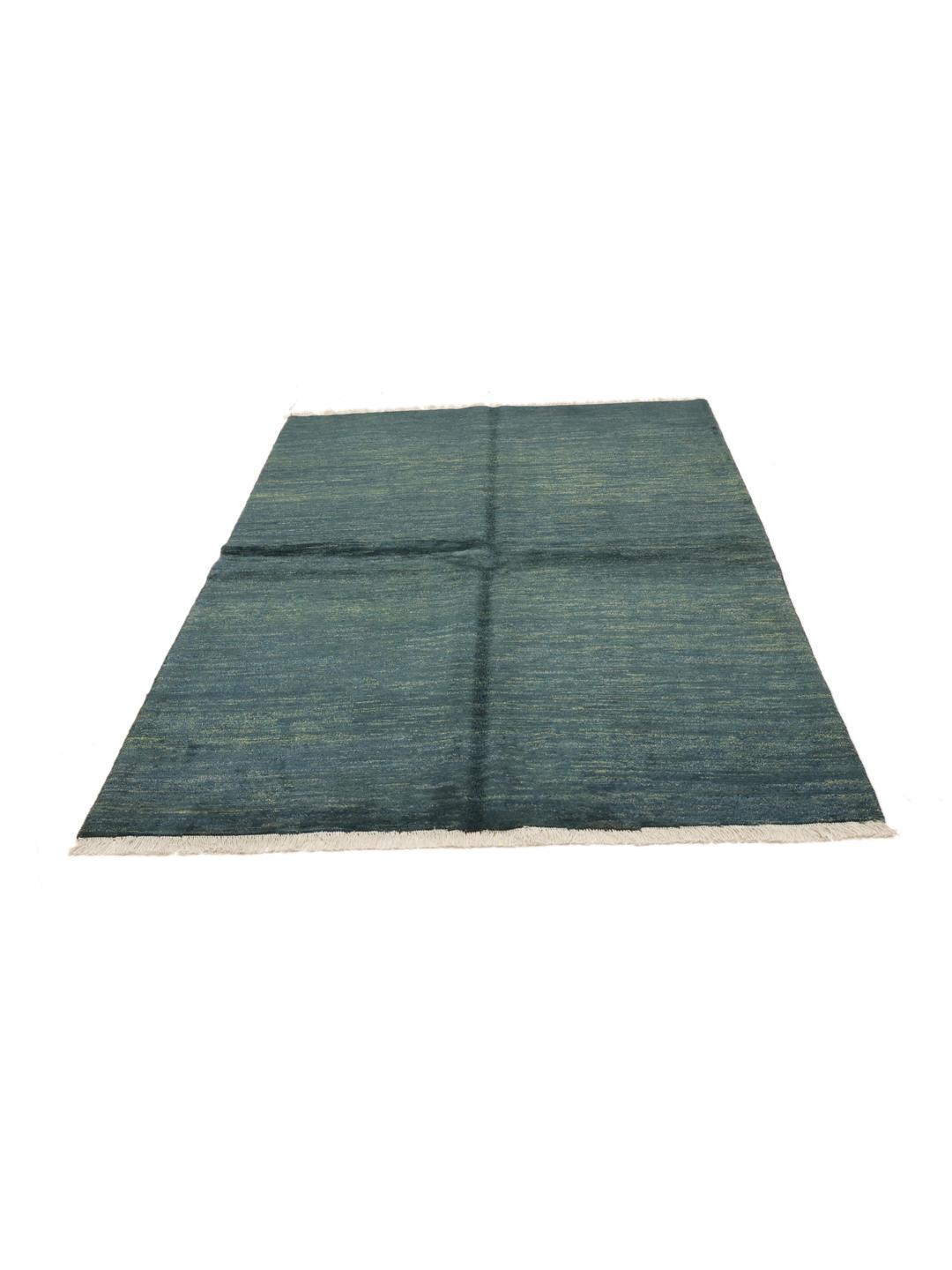
Gabbeh rugs trace their history to the nomadic tribes of the Middle East, where they were originally woven for personal use rather than for trade. Unlike formal, city-made rugs, these pieces were expressions of the weaver's life, environment, and memories. The term Gabbeh itself refers to a rug that is 'natural' or 'raw', reflecting the unpretentious and honest spirit of these nomadic creations.
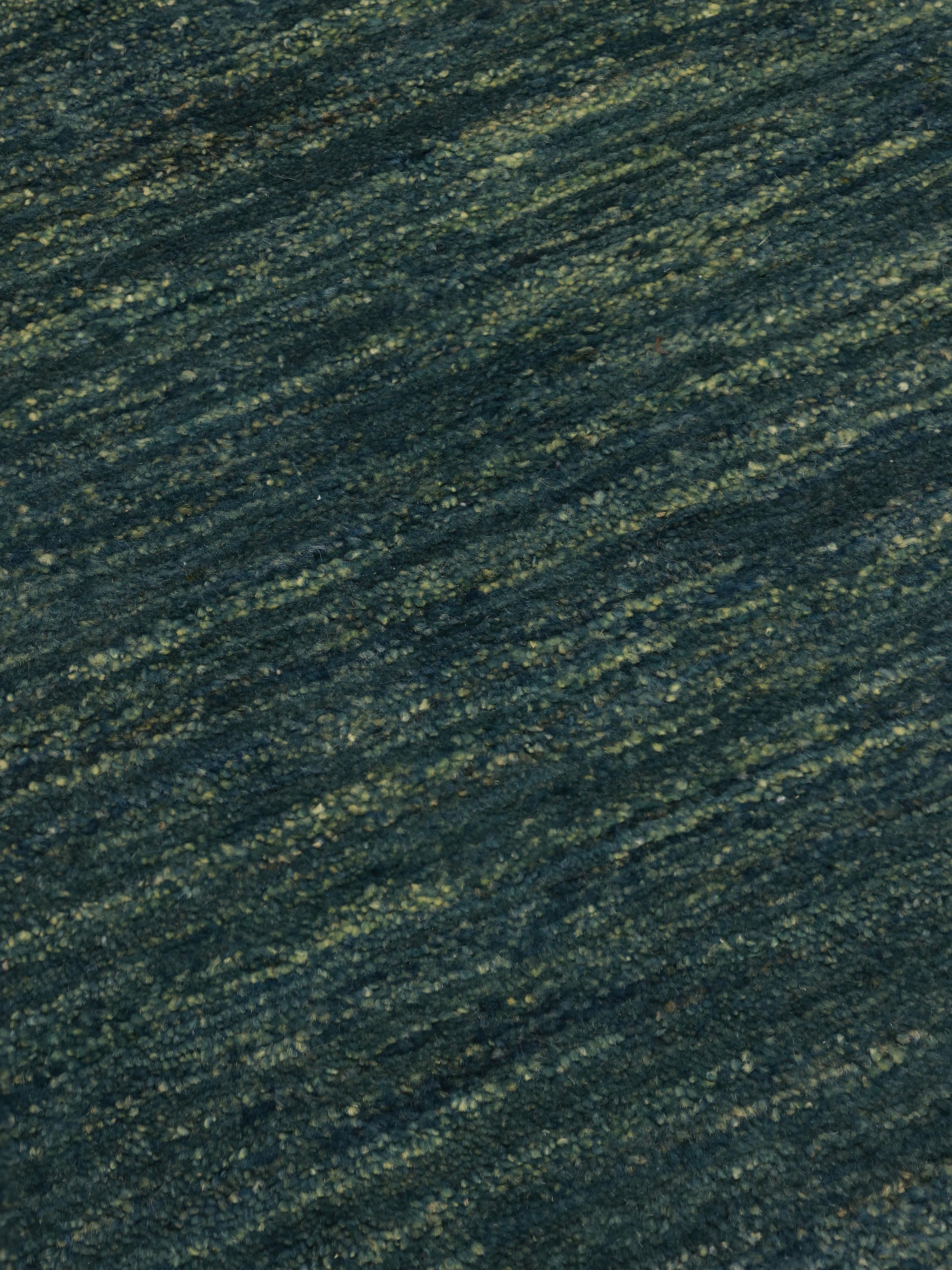
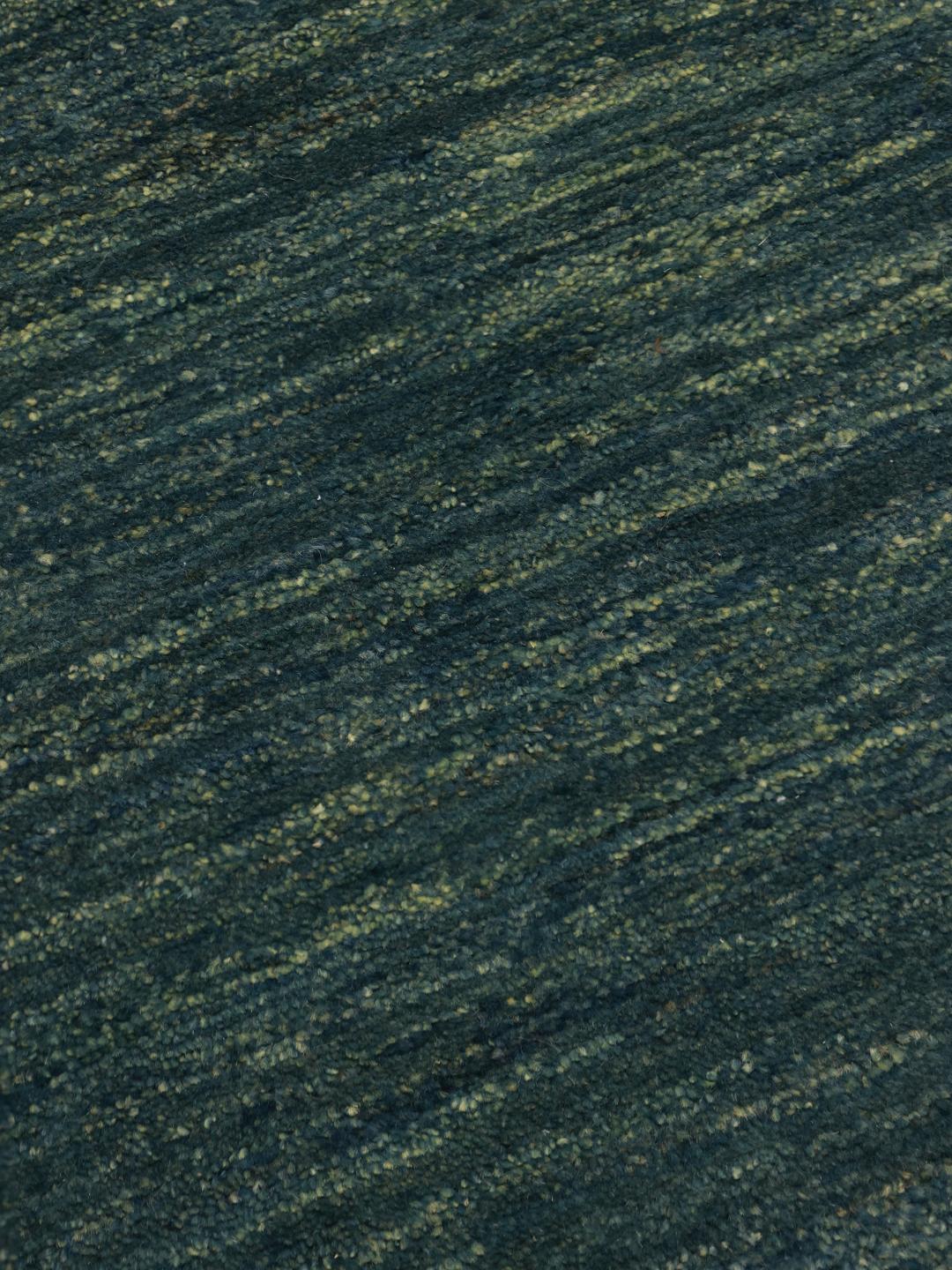
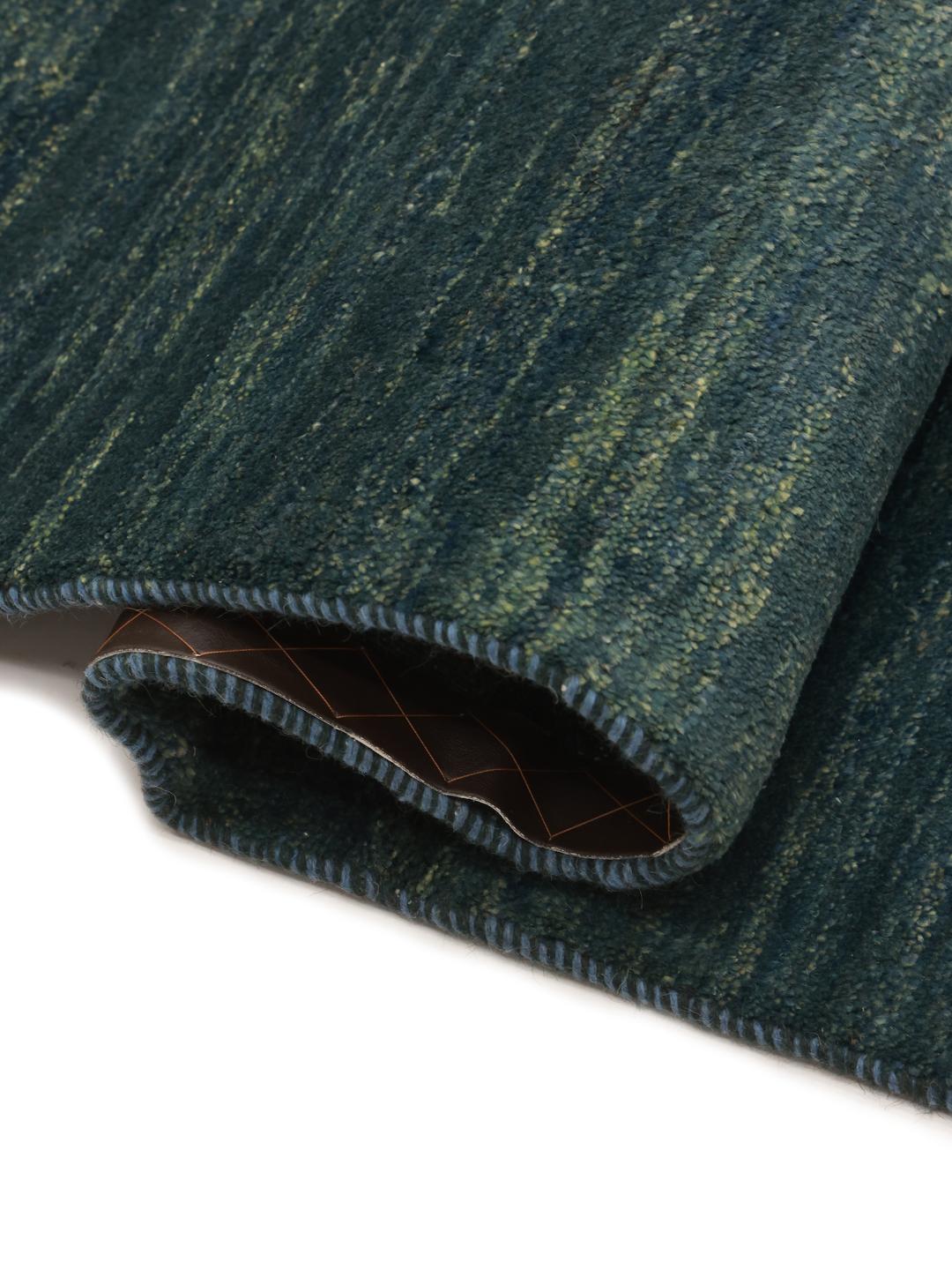
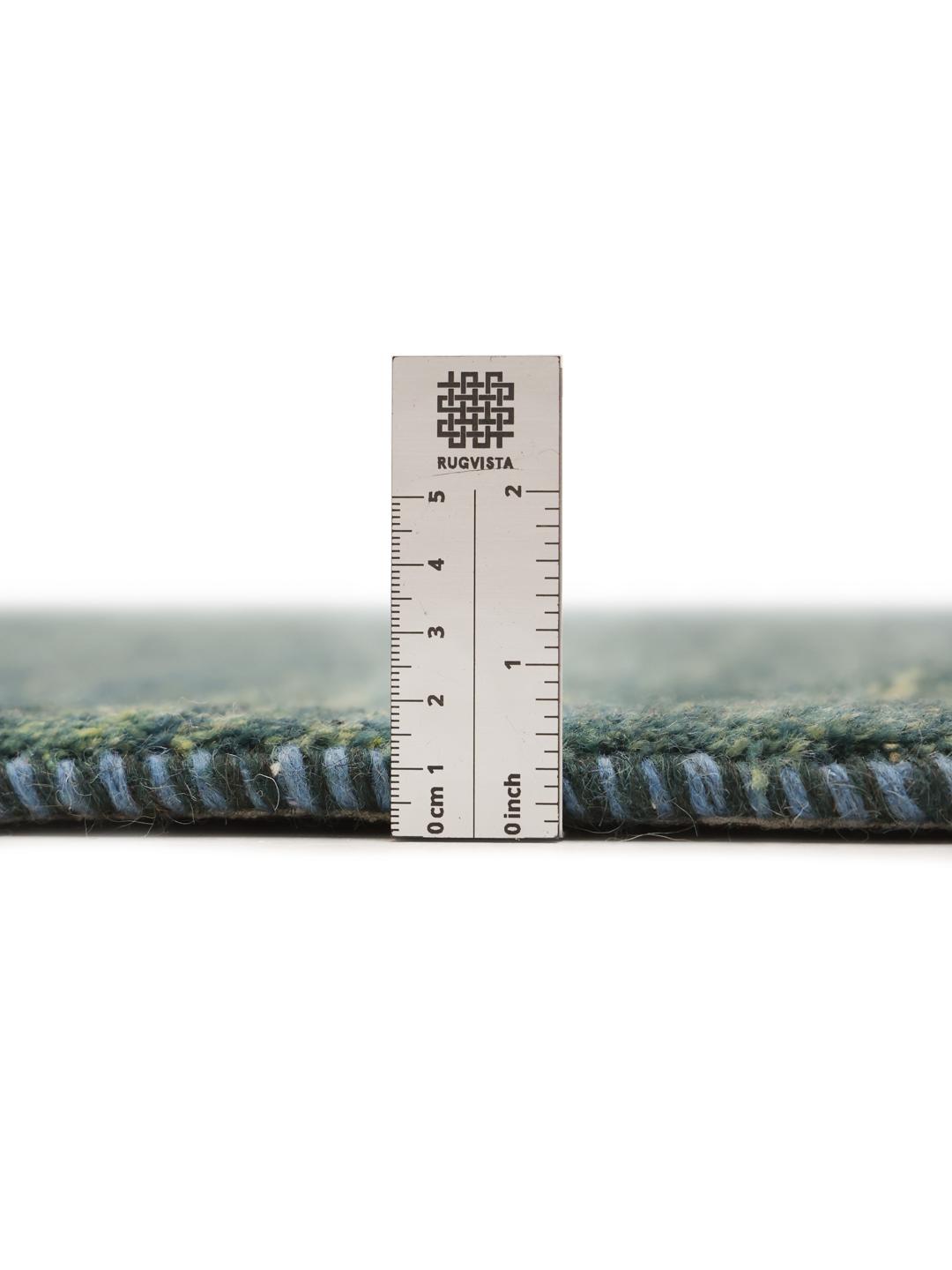
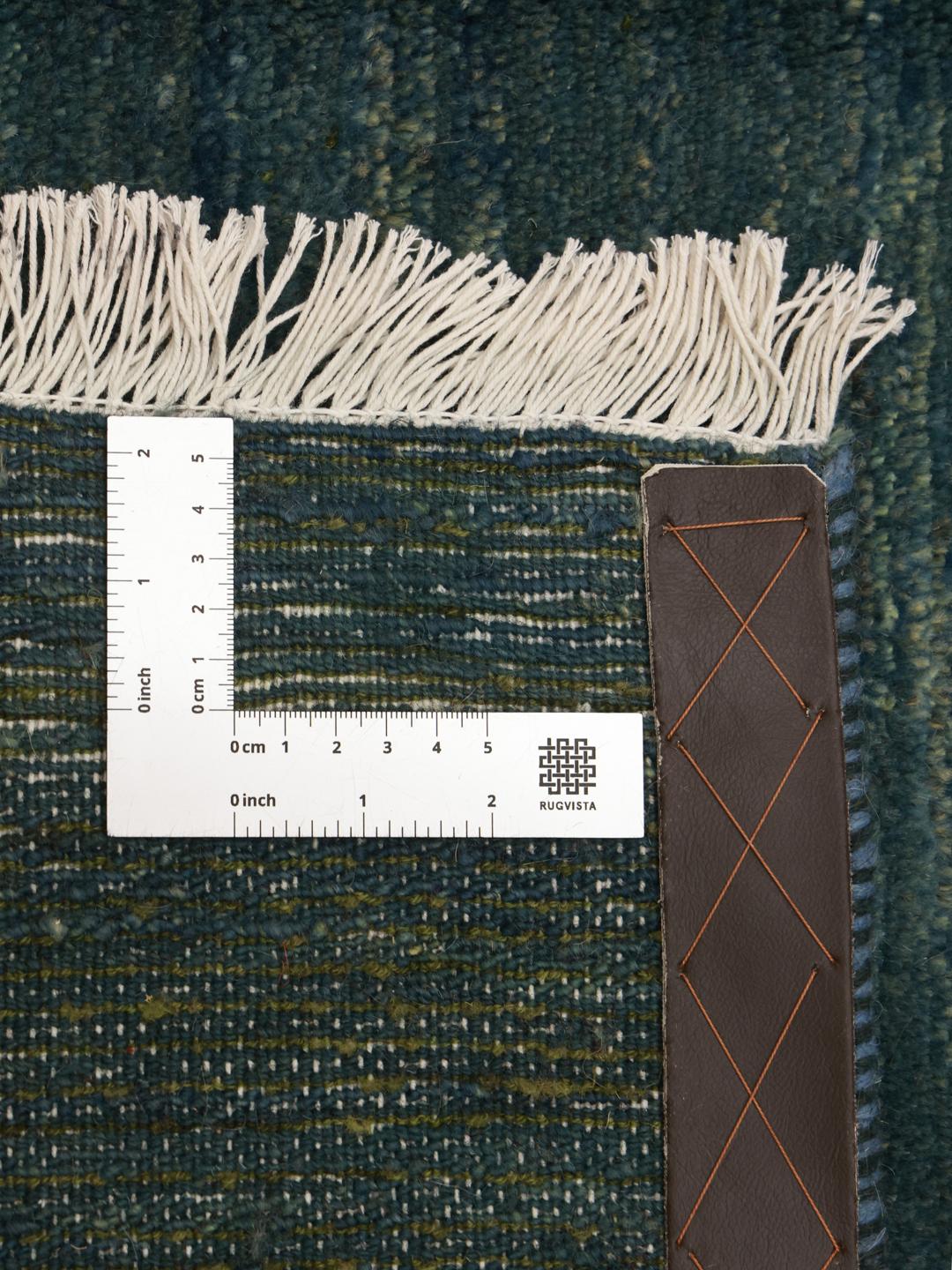
The quality of these rugs is defined by their straightforward construction and the heavy, hand-spun wool used for the pile. This approach creates a thick, substantial fabric that is naturally durable and insulating. The technical simplicity of the weave allows the natural character of the wool to shine, resulting in a product that is both robust and incredibly soft to the touch.
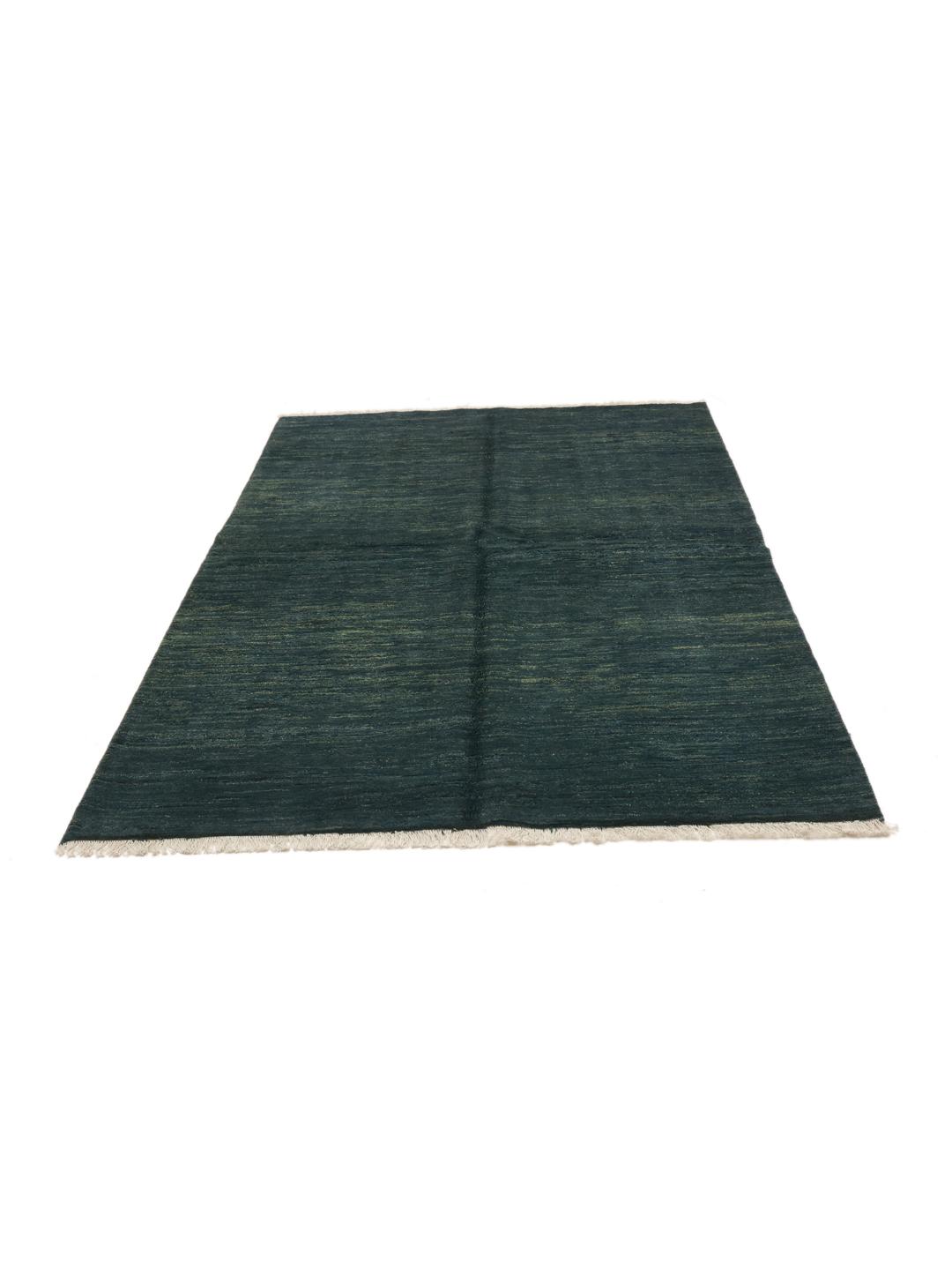
Visually, Gabbeh rugs are celebrated for their minimalist and artistic approach to design. While many traditional rugs are filled with complex, symmetrical medallions, the Gabbeh often features open fields of colour, subtle tonal variations, or simple, abstract motifs inspired by the surrounding landscape. This specific rug captures that tradition, showcasing a deep, rich colour palette that relies on the beauty of the material itself rather than intricate patterns.
Collecting a Gabbeh is an opportunity to own a piece of cultural history that values intuition and individual expression. These rugs are highly regarded not only for their aesthetic warmth but for the skill required to maintain such a high standard of craftsmanship in a nomadic setting. Owning one is a testament to an appreciation for the human element in design and the enduring appeal of heritage techniques.