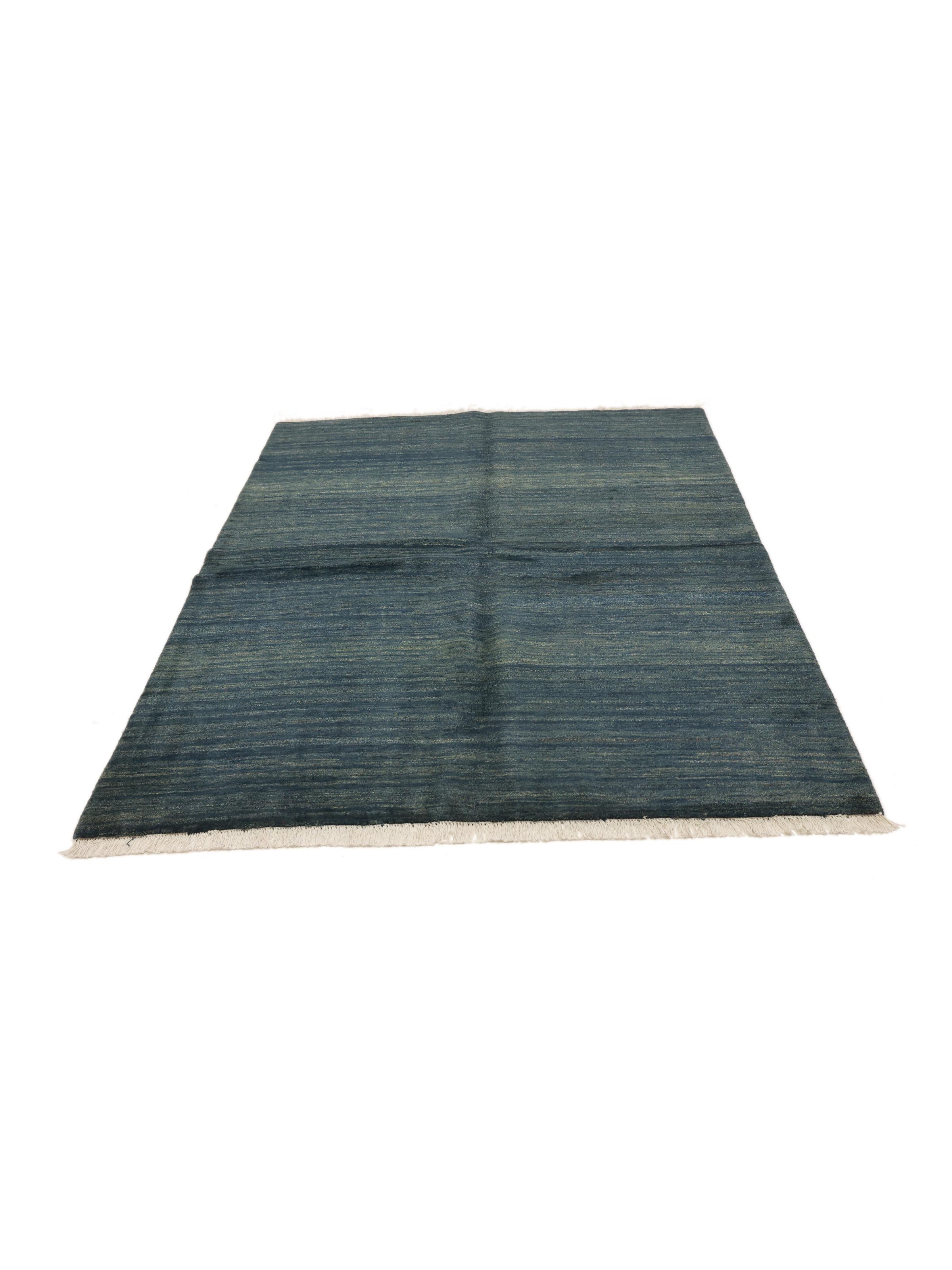
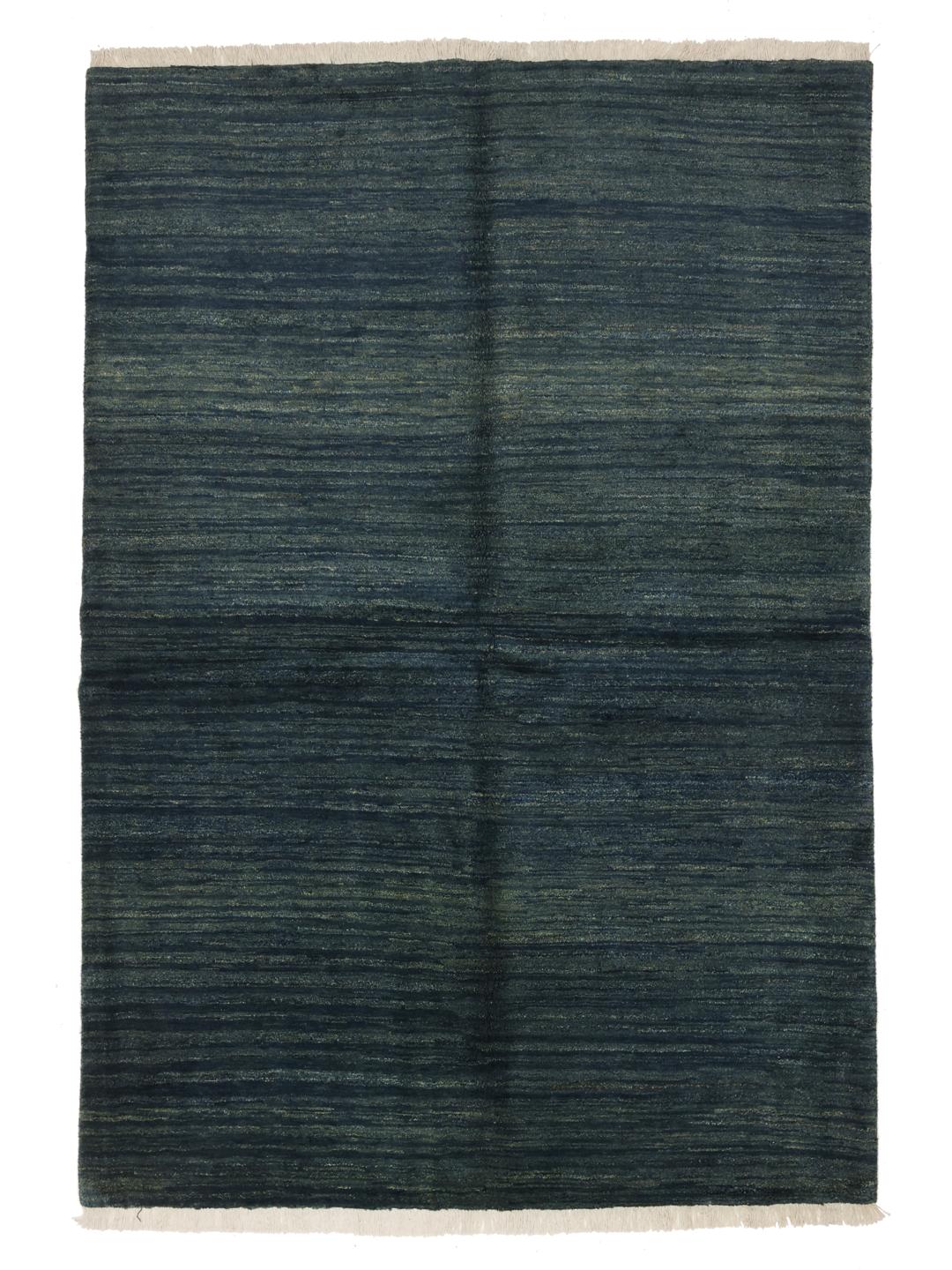
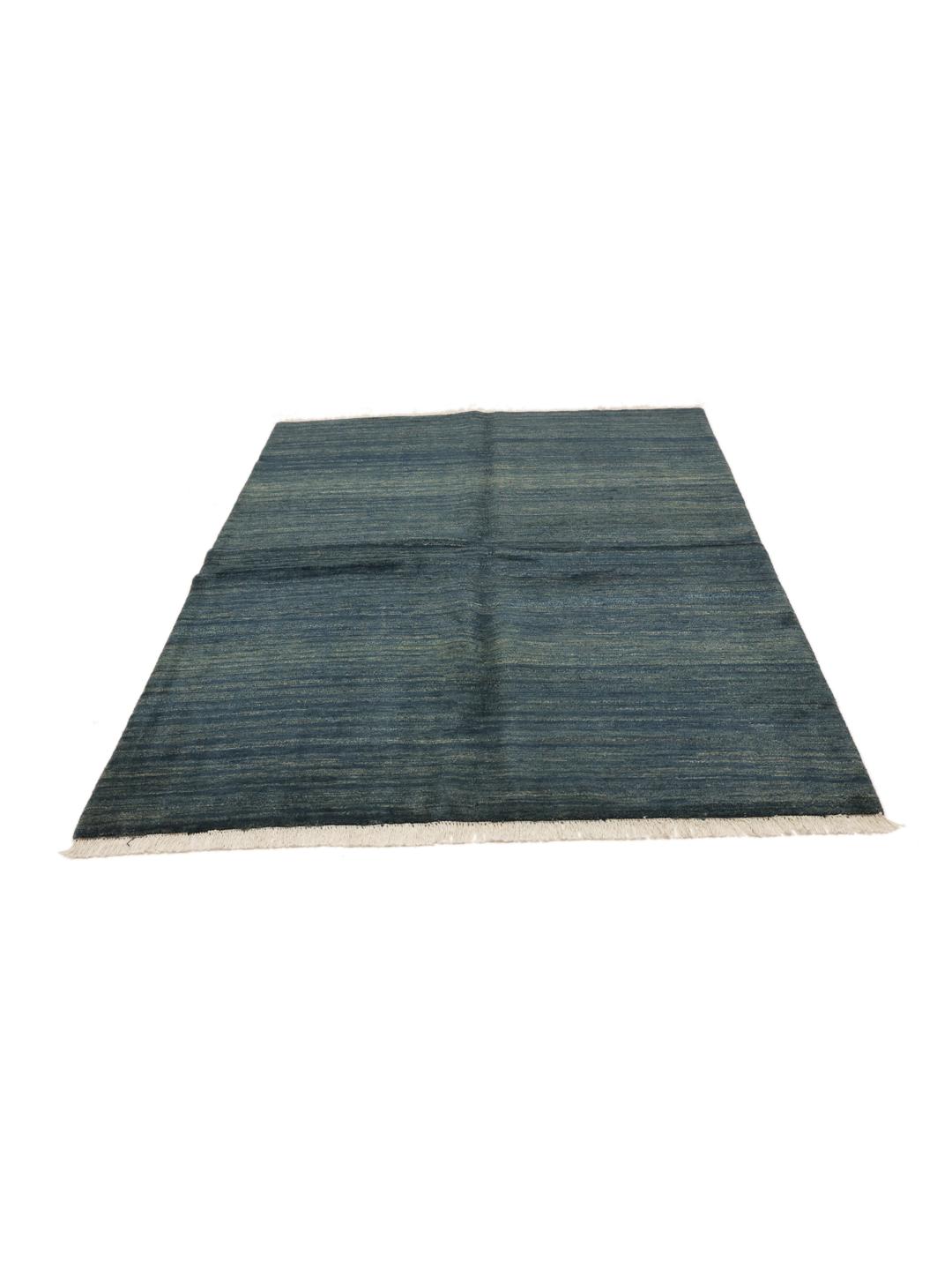
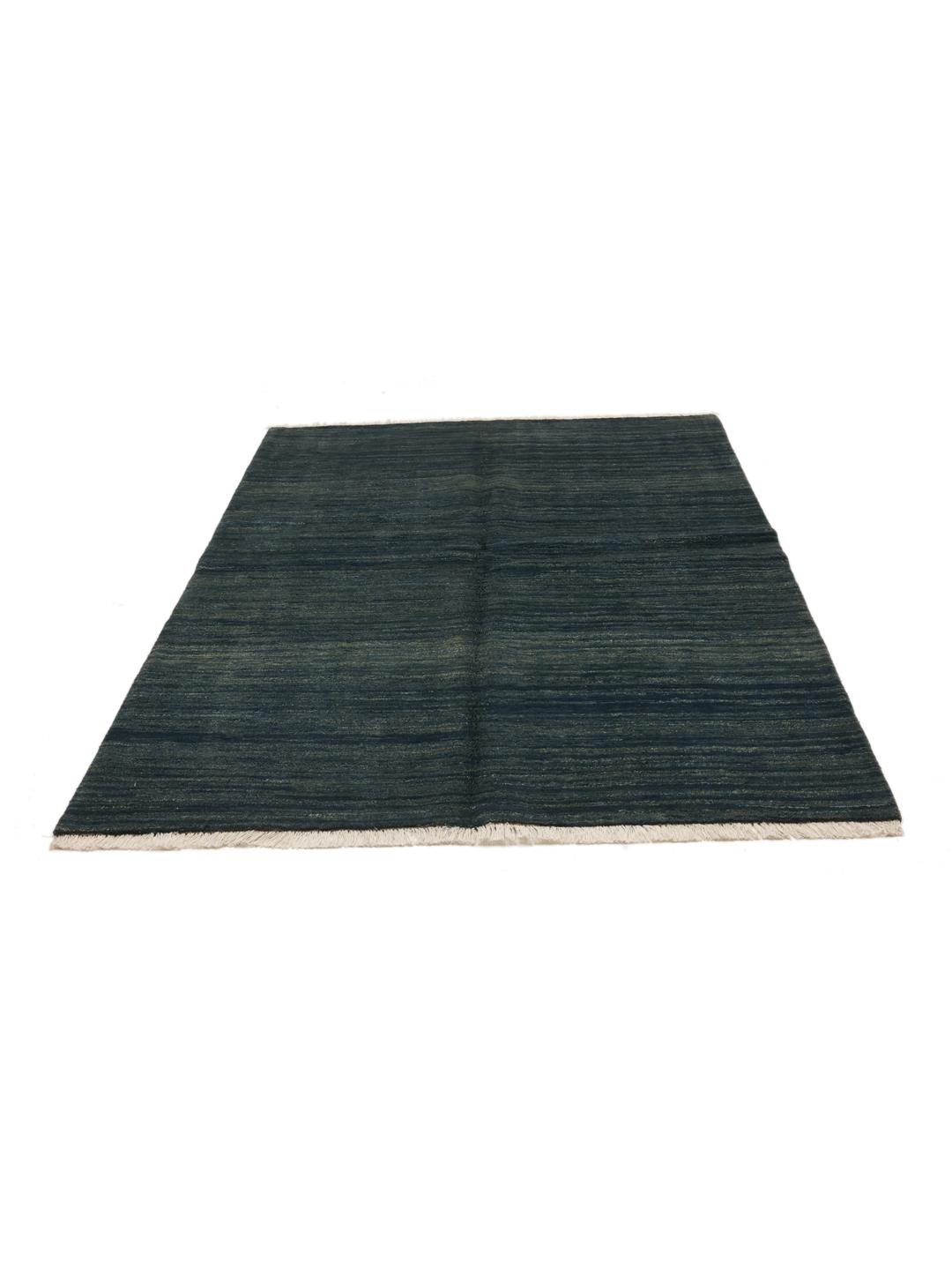
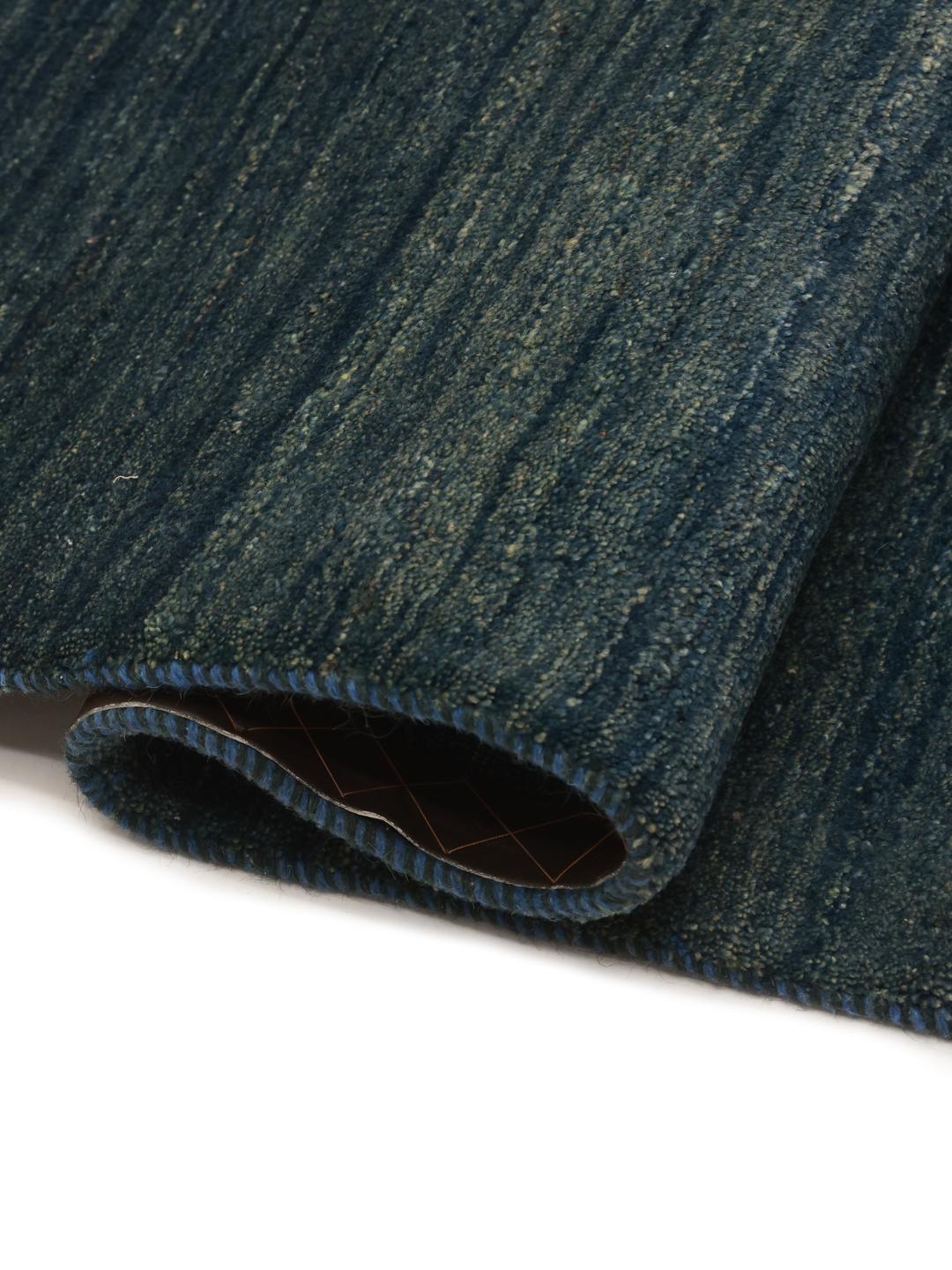
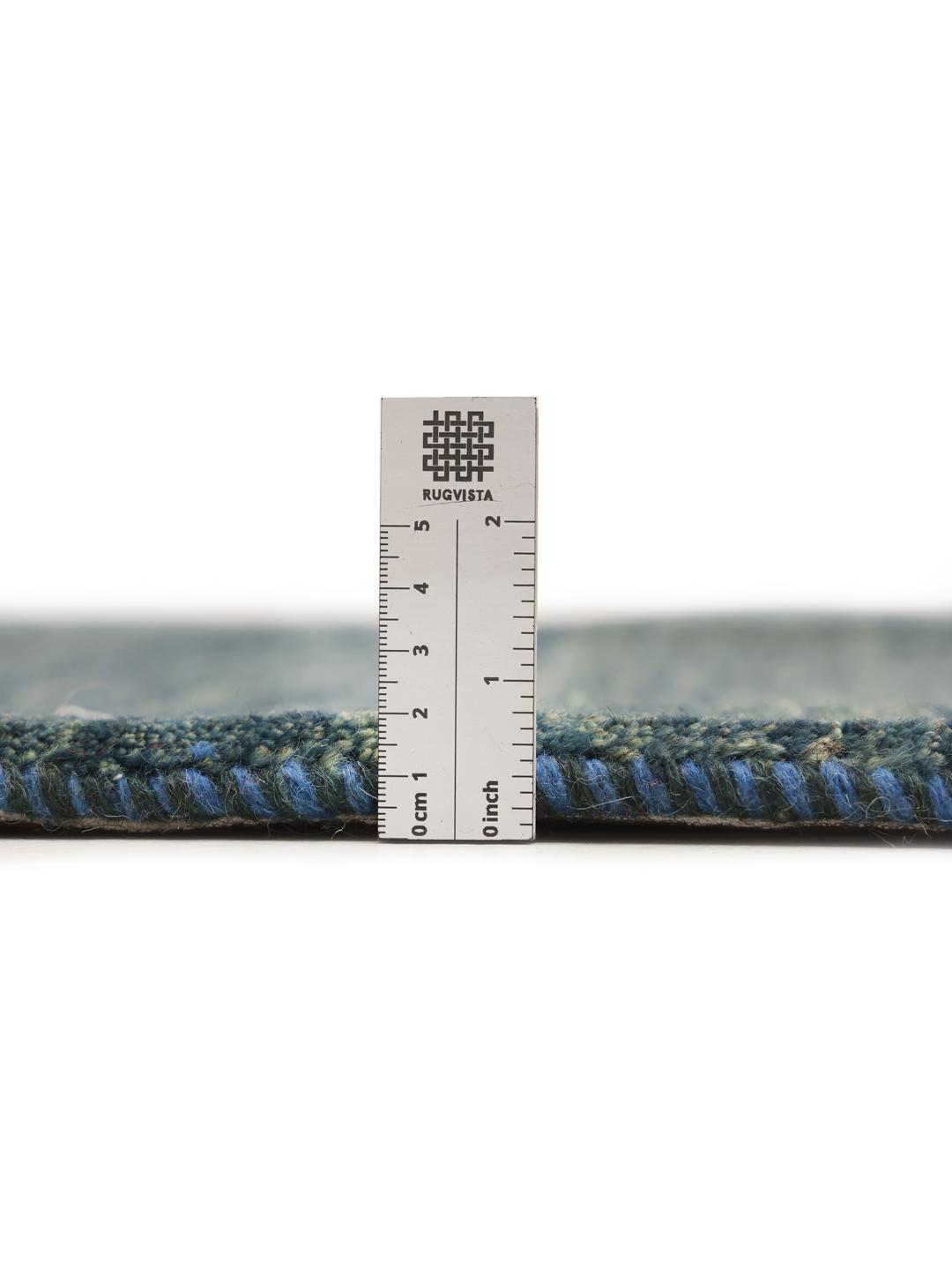
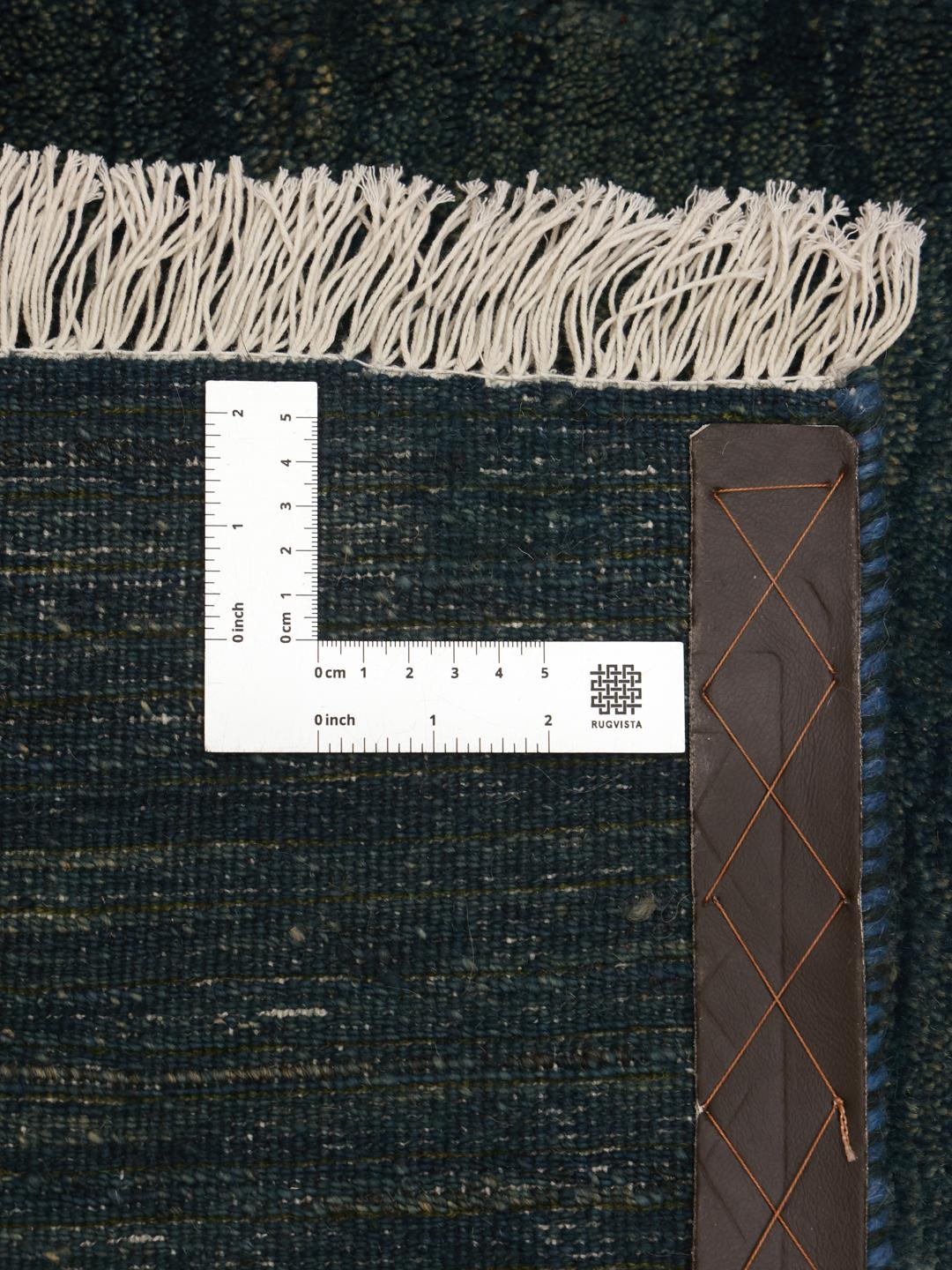
Gabbeh rugs have a long and storied history, originating from the nomadic tribes of the Middle East. Traditionally, these rugs were woven by tribal women for their own personal use, such as sleeping mats or heavy blankets, rather than for trade. This functional origin is why they are celebrated for their thick, protective pile and simple, honest construction.
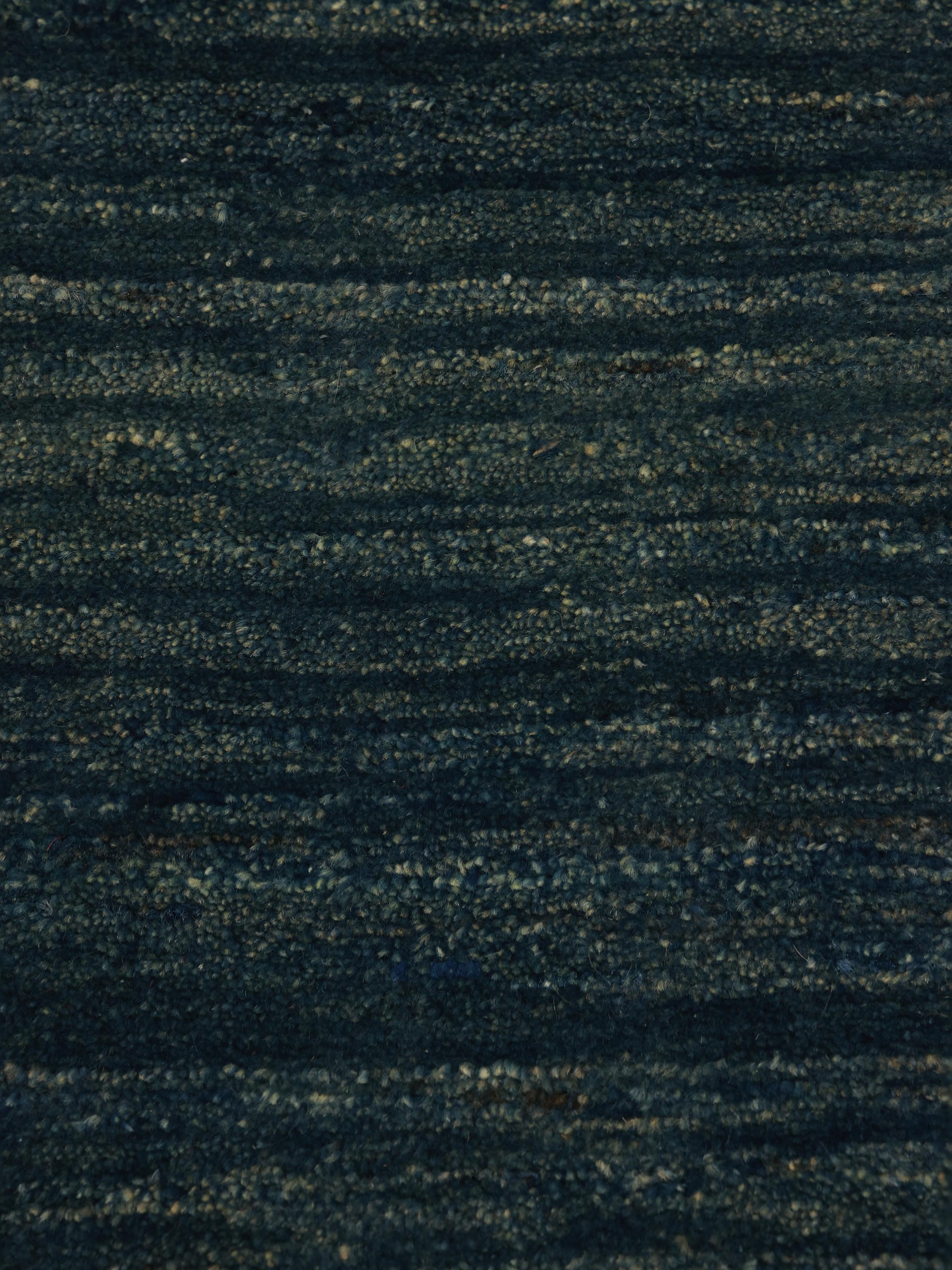
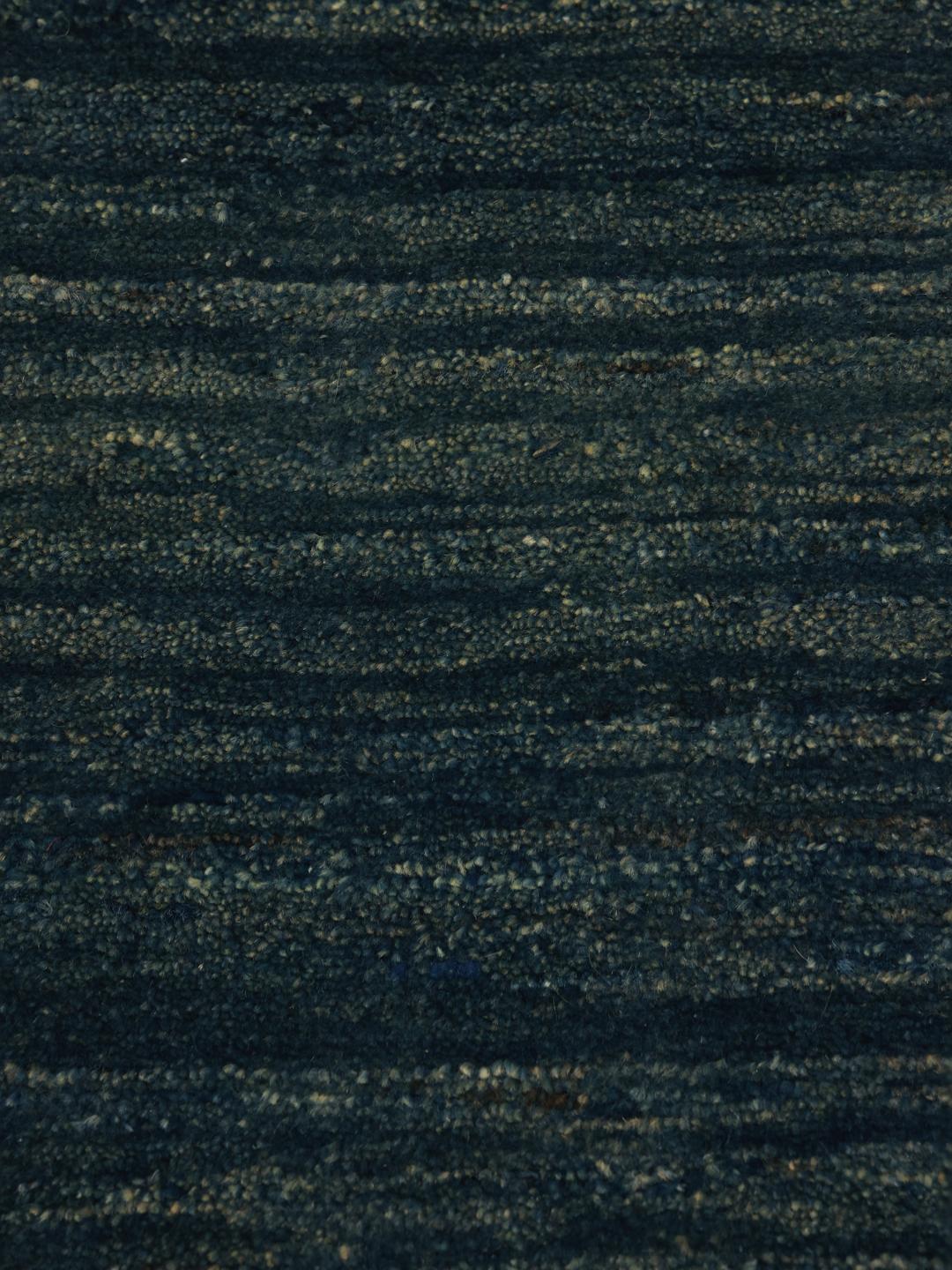
The term Gabbeh itself refers to a style that is intentionally raw and minimalist. Unlike more formal urban rugs that rely on precise, complex floral patterns, the Gabbeh is defined by its freedom of expression. The weavers often used hand-spun wool and natural dyes, creating subtle variations in colour that give each rug a living, breathing quality.
Visually, these rugs are known for their expansive, open fields and abstract compositions. While they may appear simple, the design often incorporates hidden symbols and motifs drawn from the weaver's environment and daily life. The lack of a rigid, symmetrical pattern is a hallmark of the tradition, reflecting a more spontaneous and artistic approach to weaving.
Today, these rugs are highly sought after by collectors who value the intersection of ancestral skill and contemporary aesthetic appeal. Owning a Gabbeh is not just about floor coverage; it is about connecting with a heritage of independence and creativity. Each piece tells the story of the artisan who made it, preserving a cultural legacy that remains vibrant and relevant in modern homes.