Gabbeh rugs originate from the tribal traditions of the Middle East, primarily woven by nomadic groups who lived in harmony with the natural landscape. Historically, these rugs were created for personal use within the home, serving as thick, protective floor coverings that provided warmth against the cold desert nights. Unlike more formal, city-made rugs, Gabbehs were never intended for commercial export, which is why they retain such an authentic, unpretentious spirit.
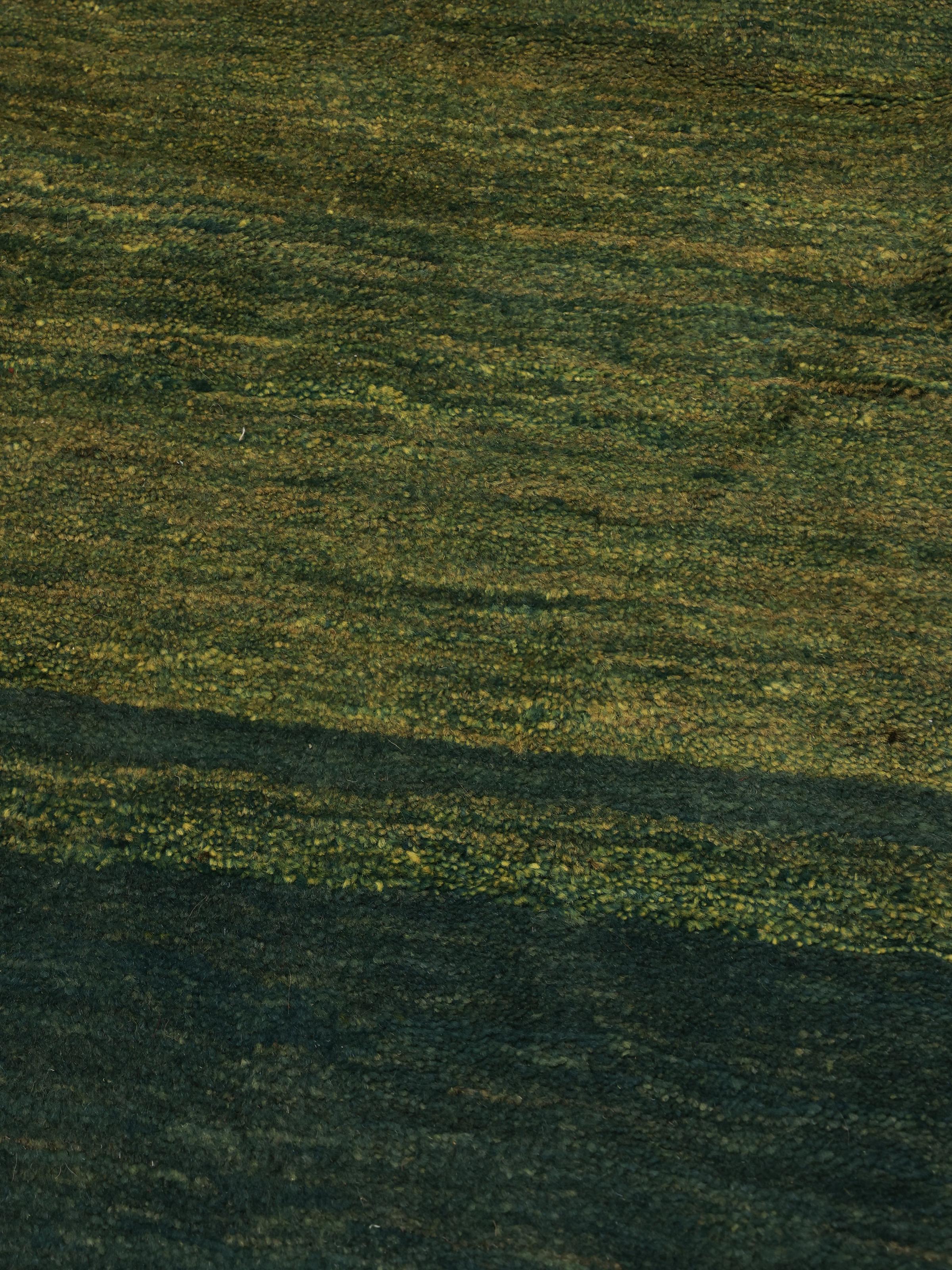
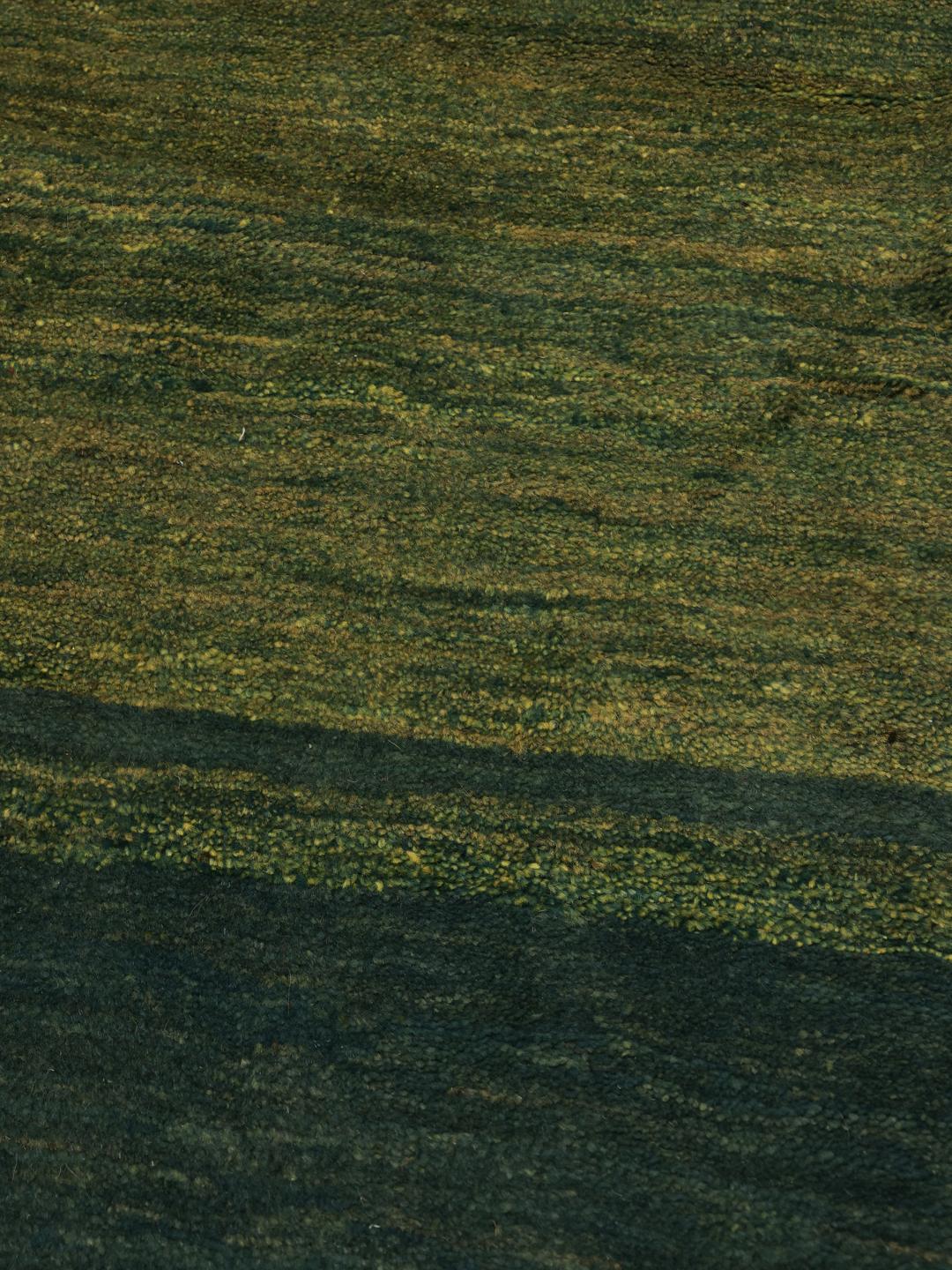
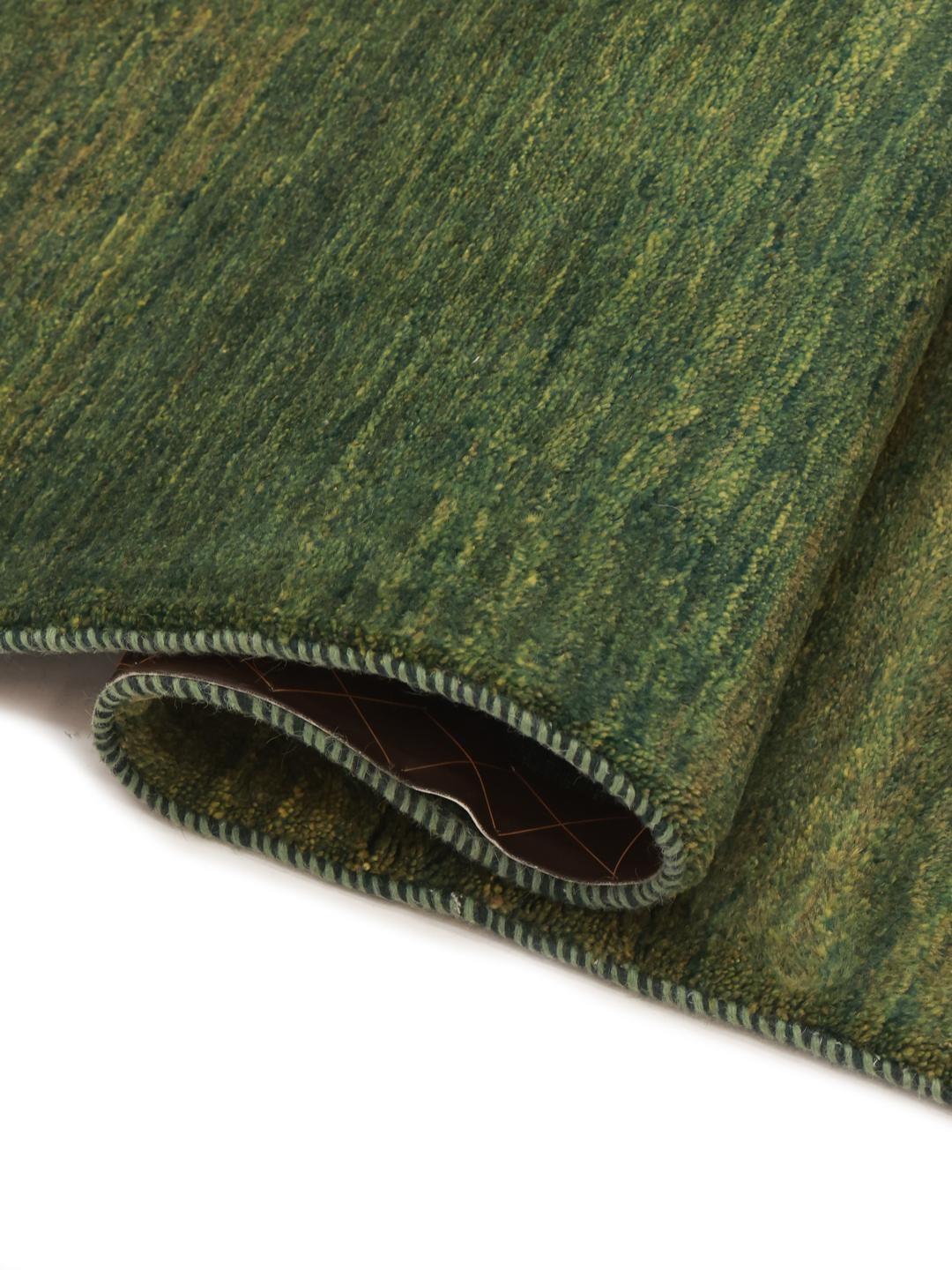
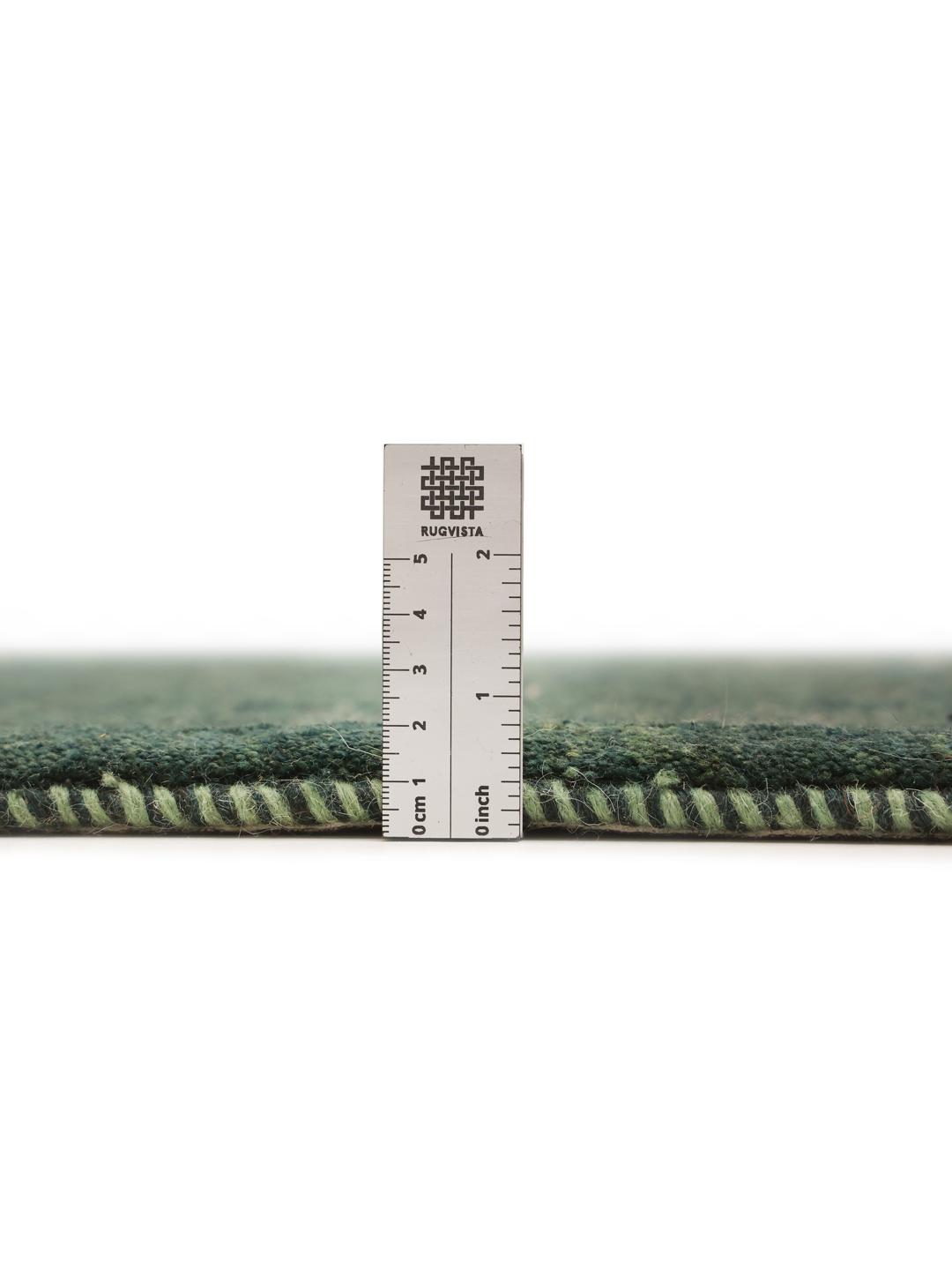
The term Gabbeh itself refers to the raw, natural, or unfinished state of the Wool, which reflects the rug's connection to the earth. These pieces are known for their thicker, more substantial pile, which is achieved by using a lower knot density compared to intricate palace carpets. This allows the weavers to create a softer, more tactile surface that highlights the quality of the Wool and the depth of the natural dyes used in the process.
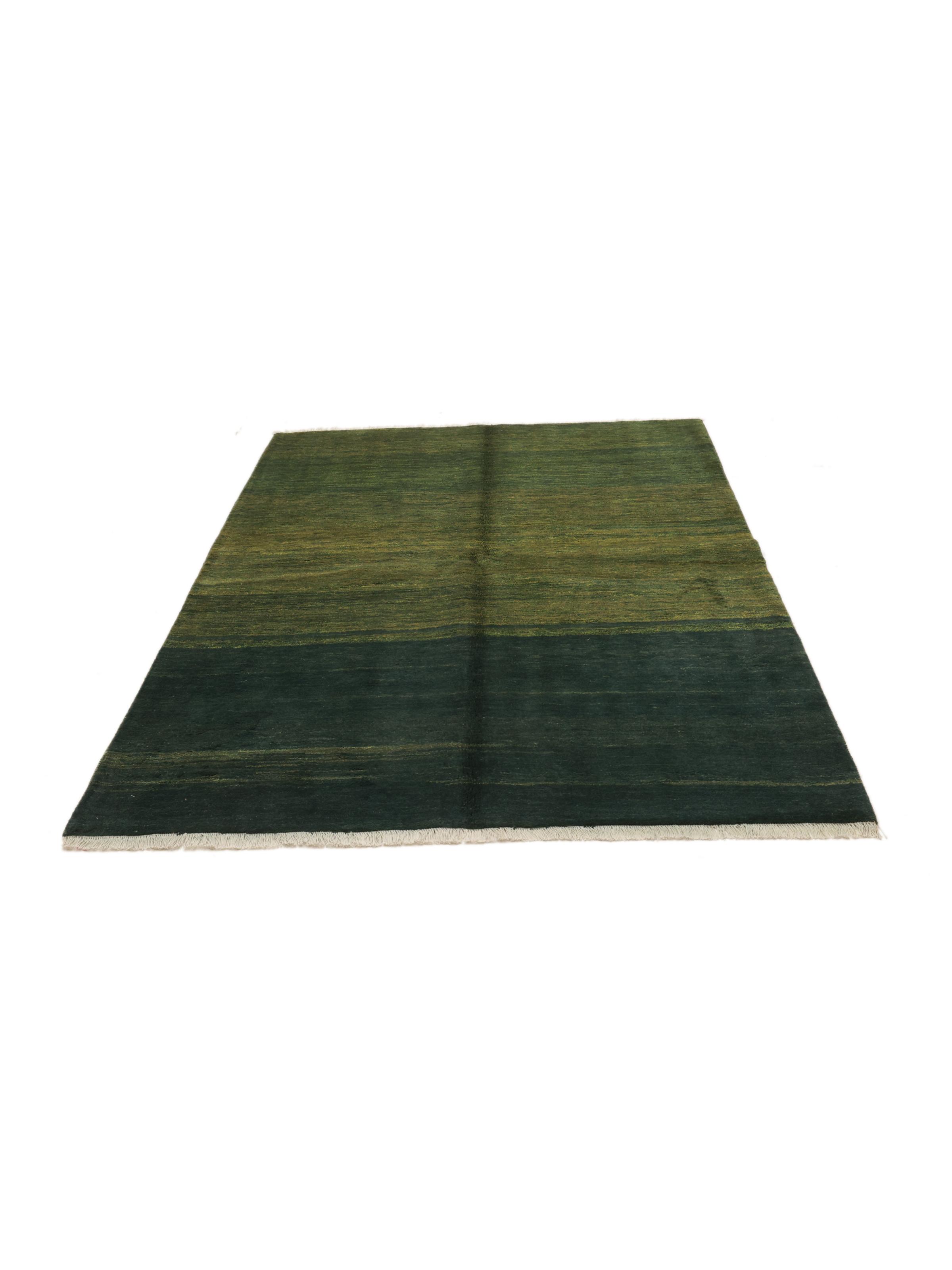
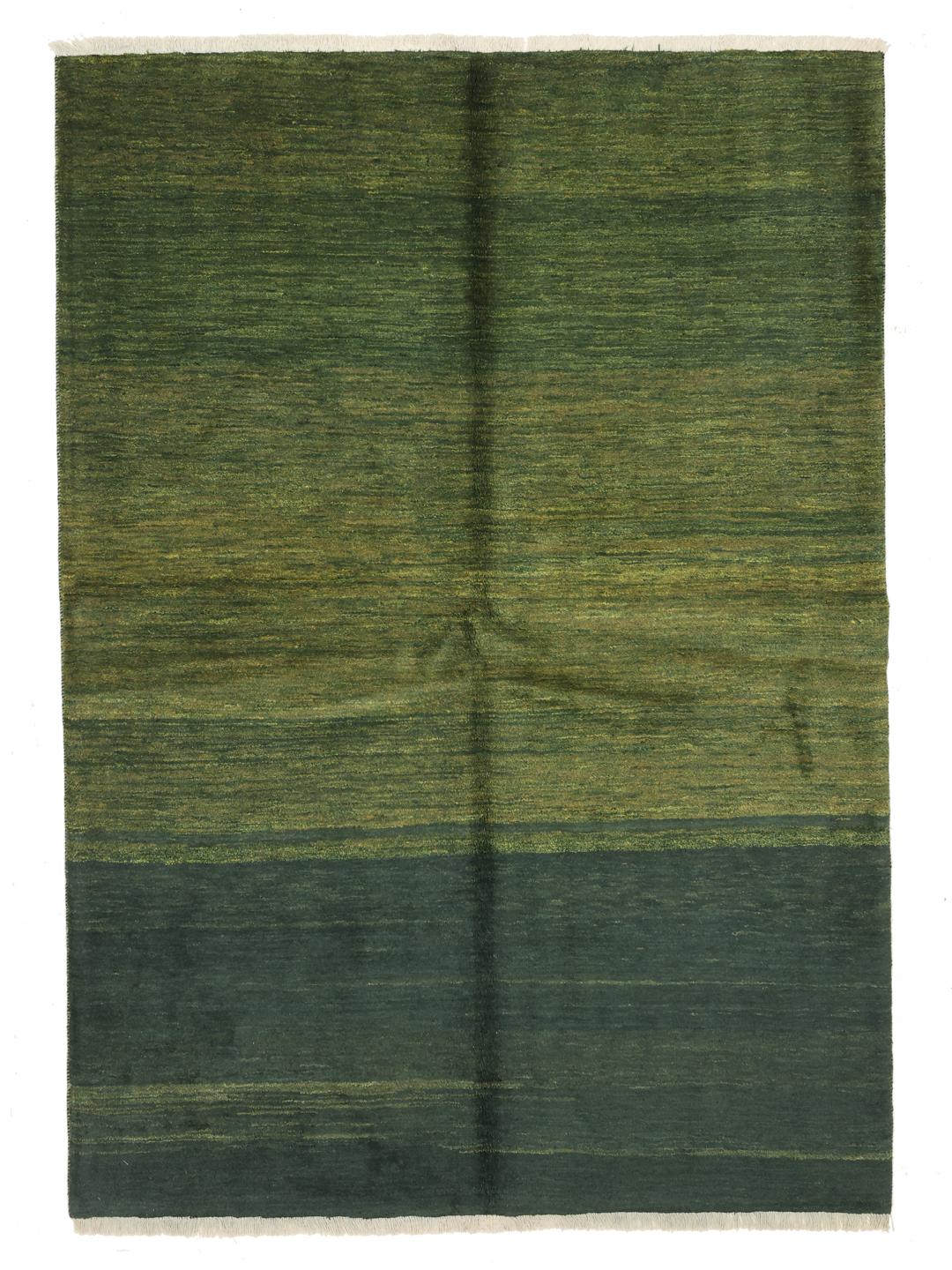
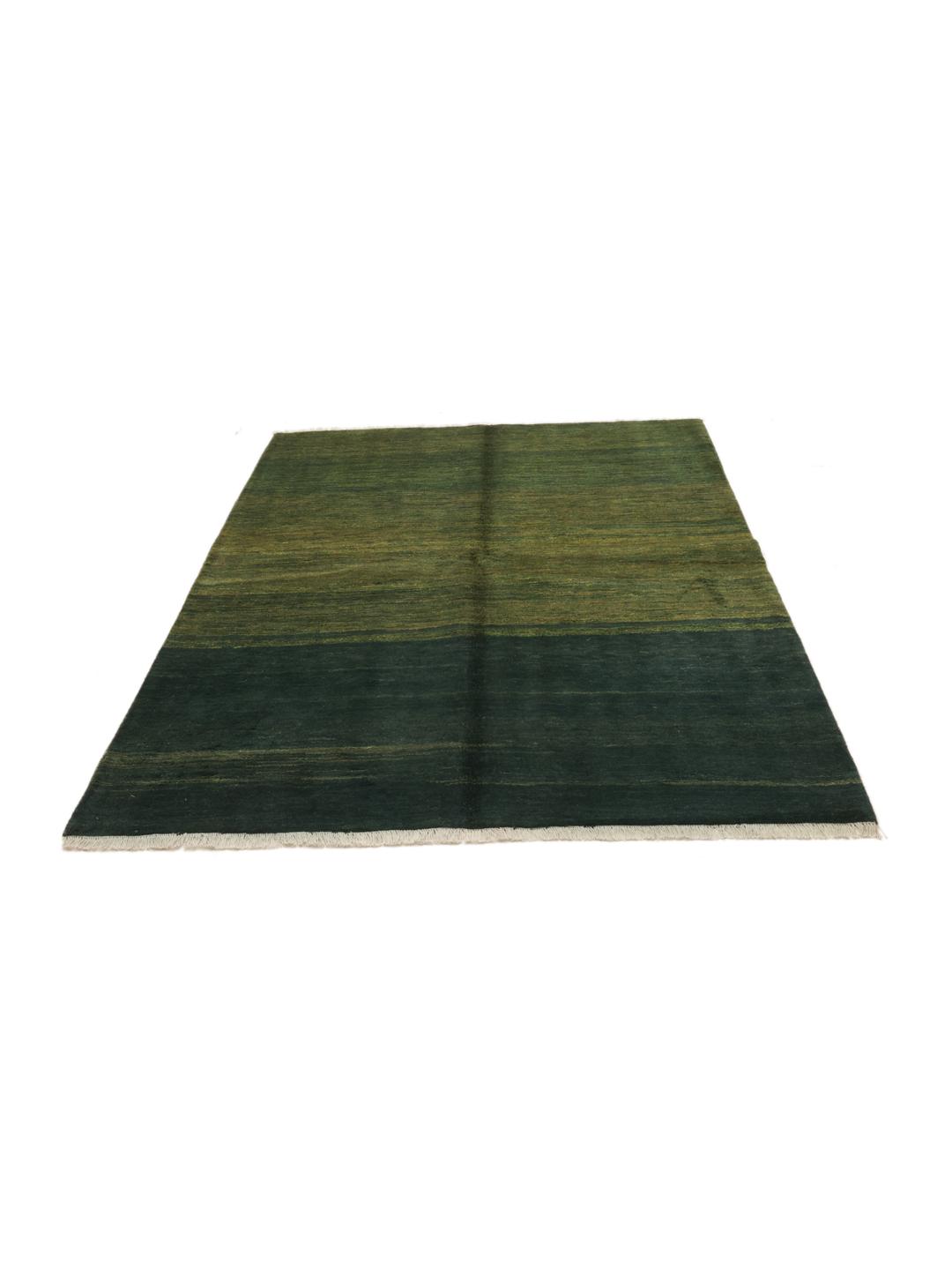
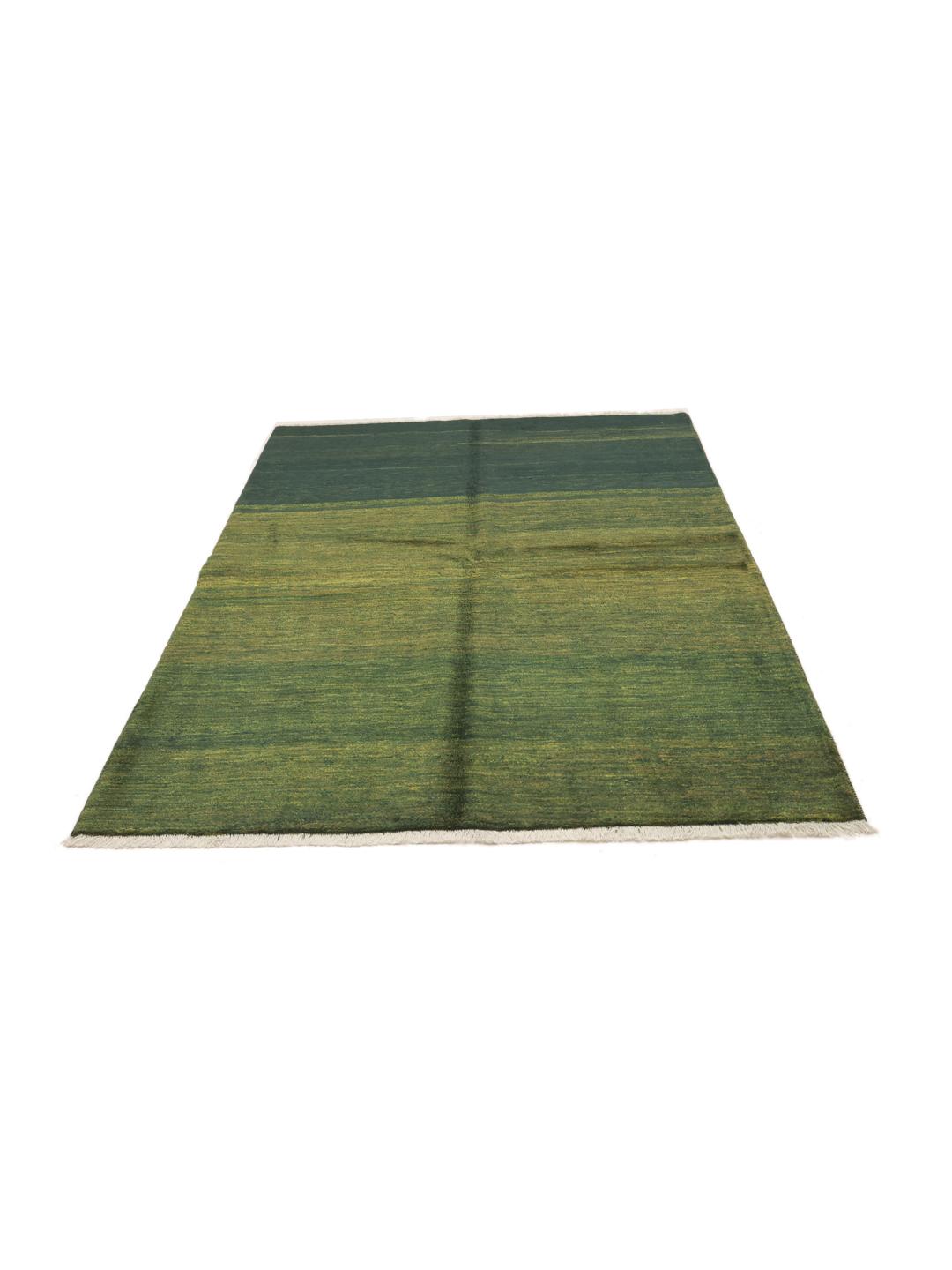
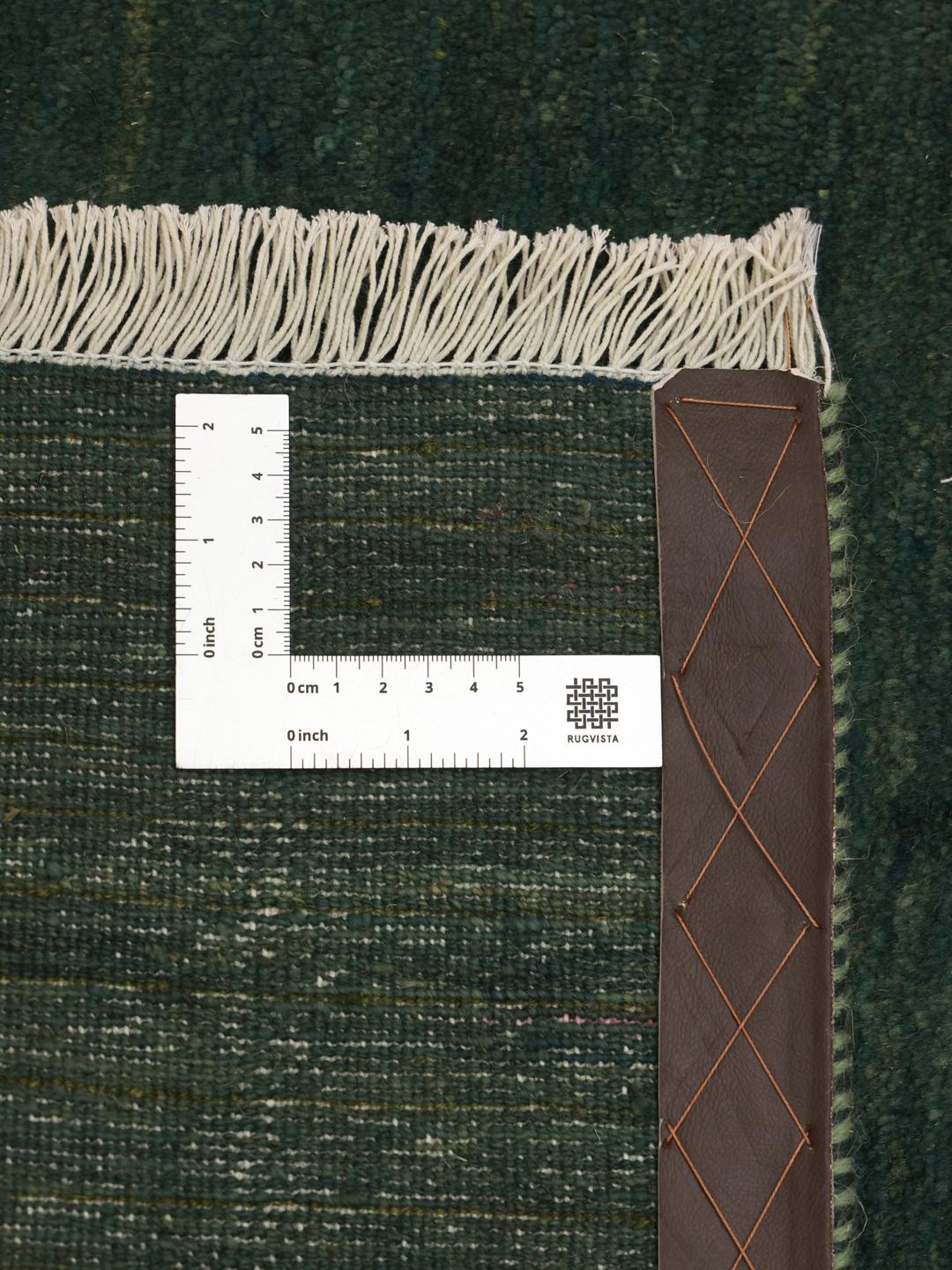
Visually, Gabbeh rugs are celebrated for their artistic and abstract designs. Rather than following rigid, pre-planned patterns, the weavers often draw inspiration from their surroundings, incorporating simple geometric shapes, stylized animals, or subtle shifts in colour that represent the landscape. This rug’s deep, layered green palette is a classic example of how these traditions use colour to evoke the feeling of nature and growth.
Today, these rugs are highly sought after by collectors who value the human element behind every stitch. Owning a Gabbeh is not just about acquiring a floor covering; it is about preserving a centuries-old tradition of nomadic expression. Each rug tells a story of its maker and the environment in which it was born, offering a sense of heritage and connection that is increasingly rare in the modern world.