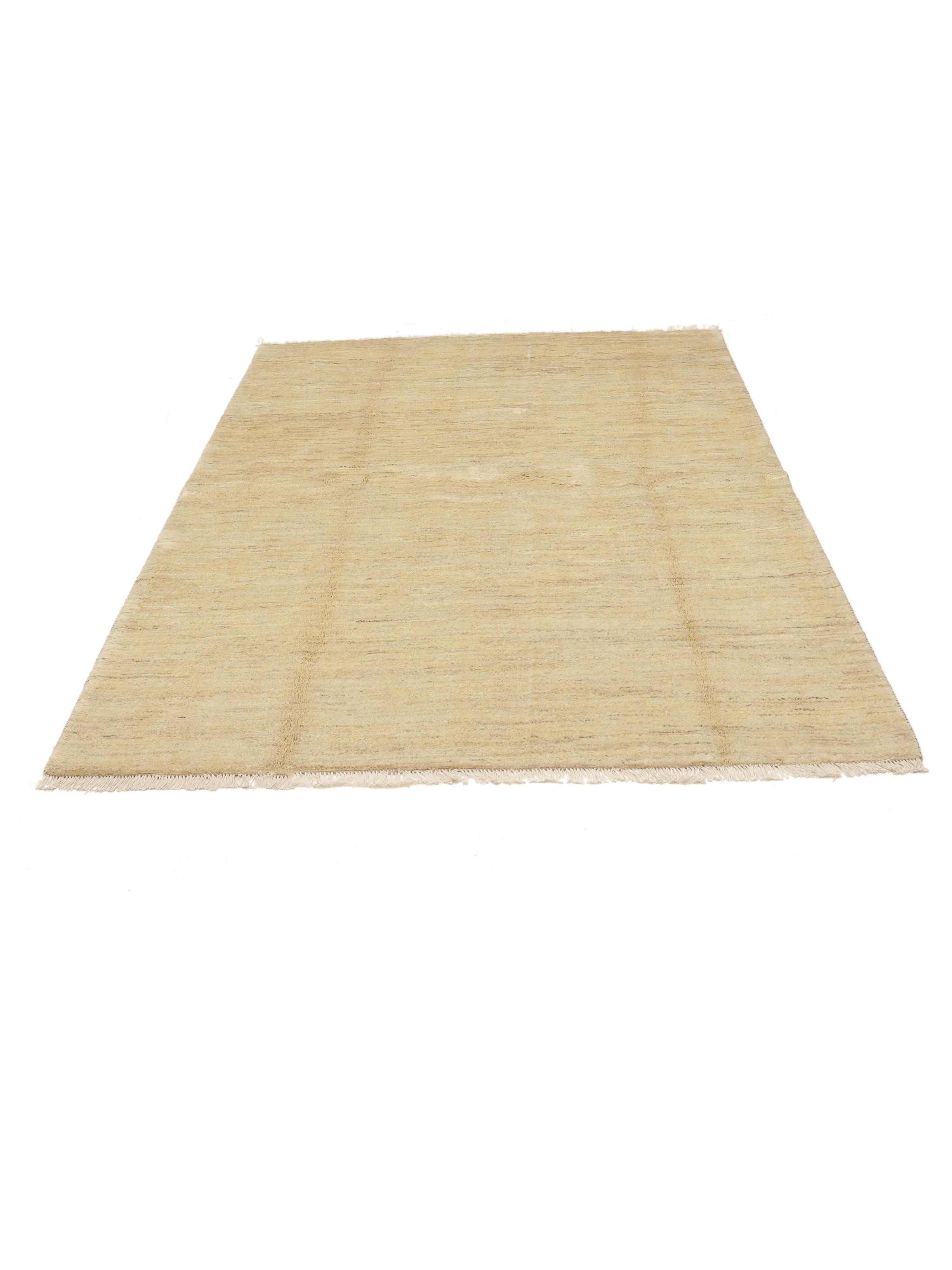
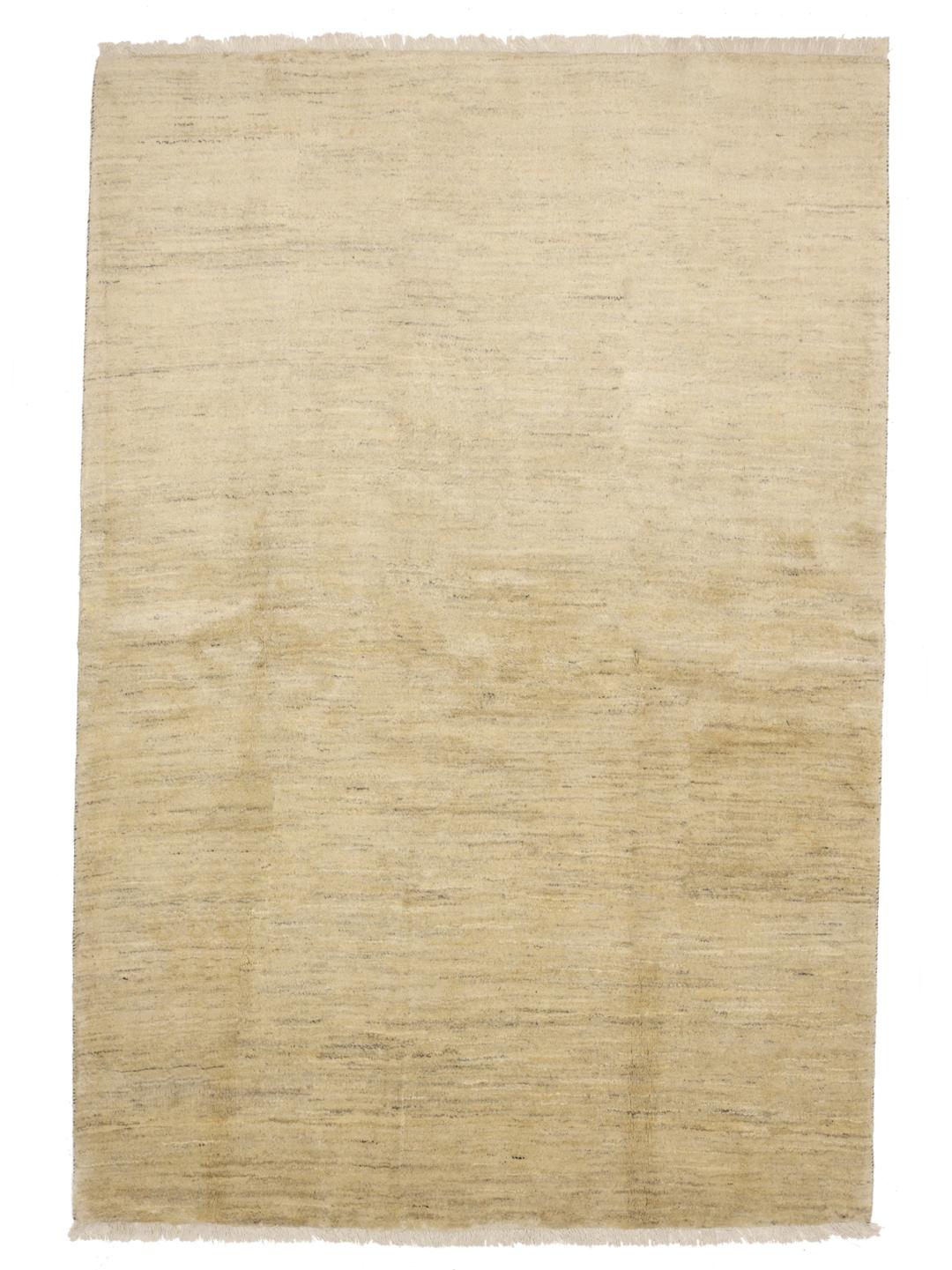
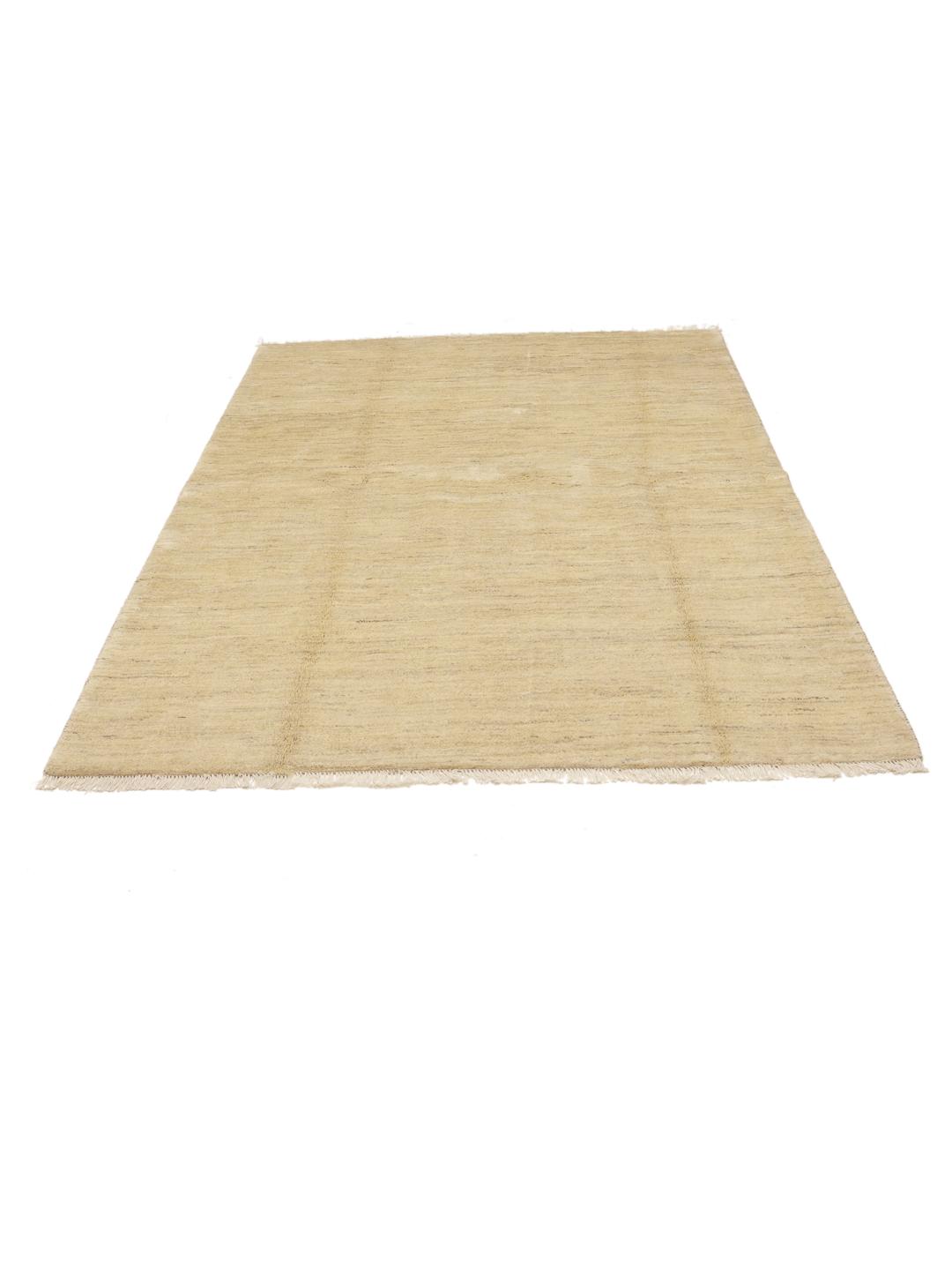
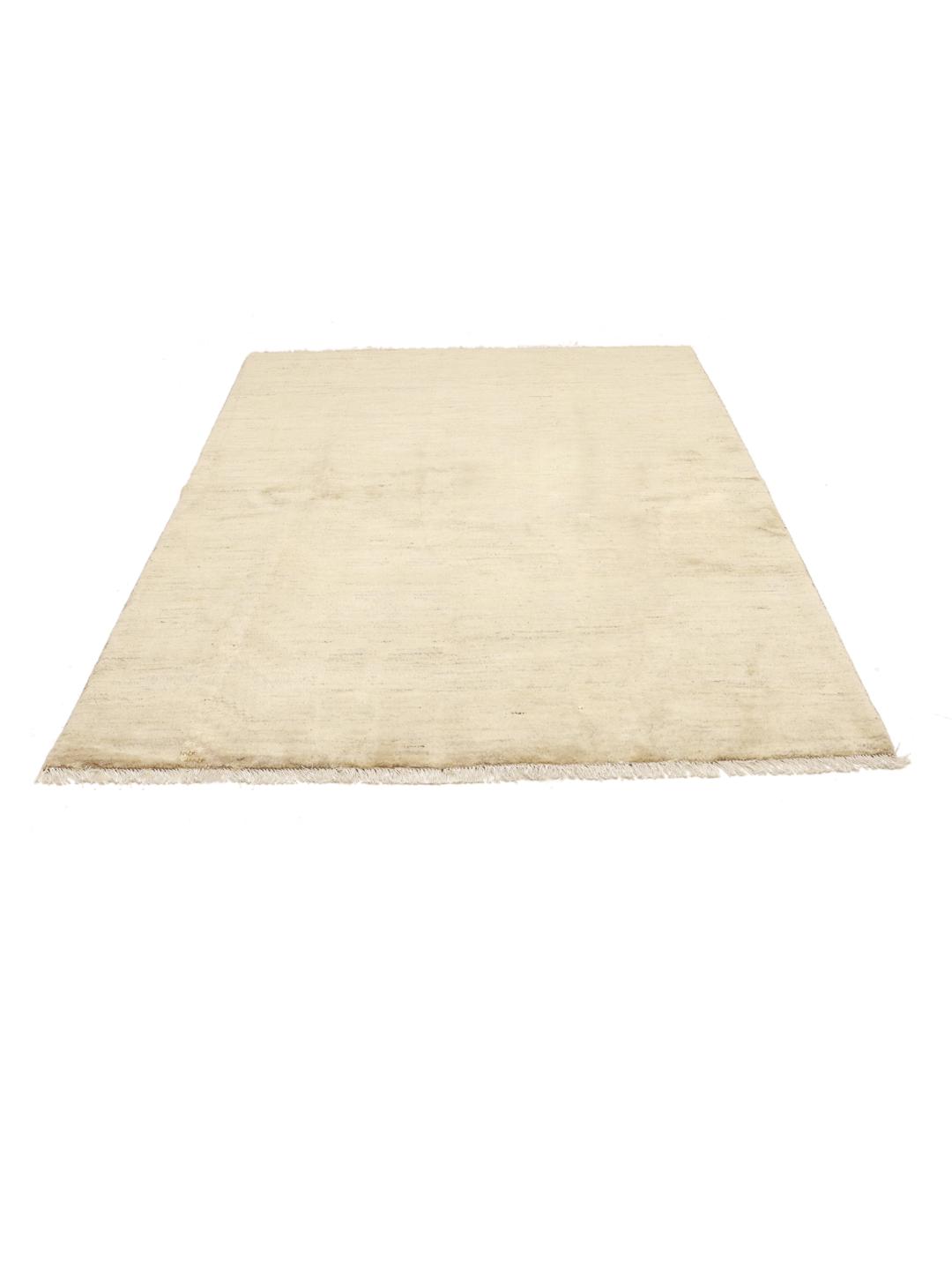
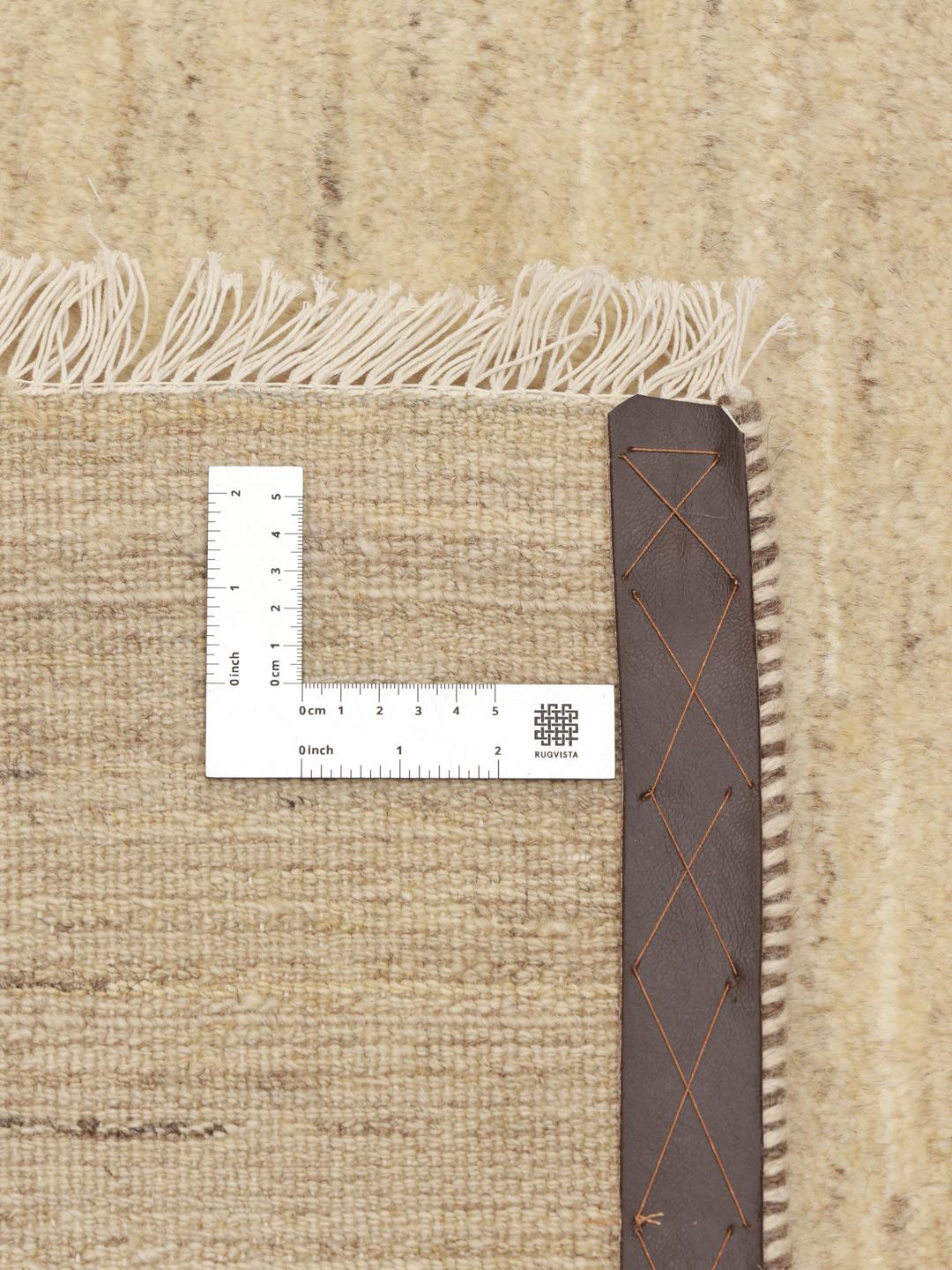
Gabbeh rugs originated among the nomadic tribes of Southwestern Persia, where weavers created thick, plush rugs primarily for personal use as bedding and floor coverings. Over time, the style expanded to neighboring weaving regions, including Pakistan, where artisans adapted the tradition using their own local wool and refined weaving techniques while preserving the style's distinctive minimalist spirit.
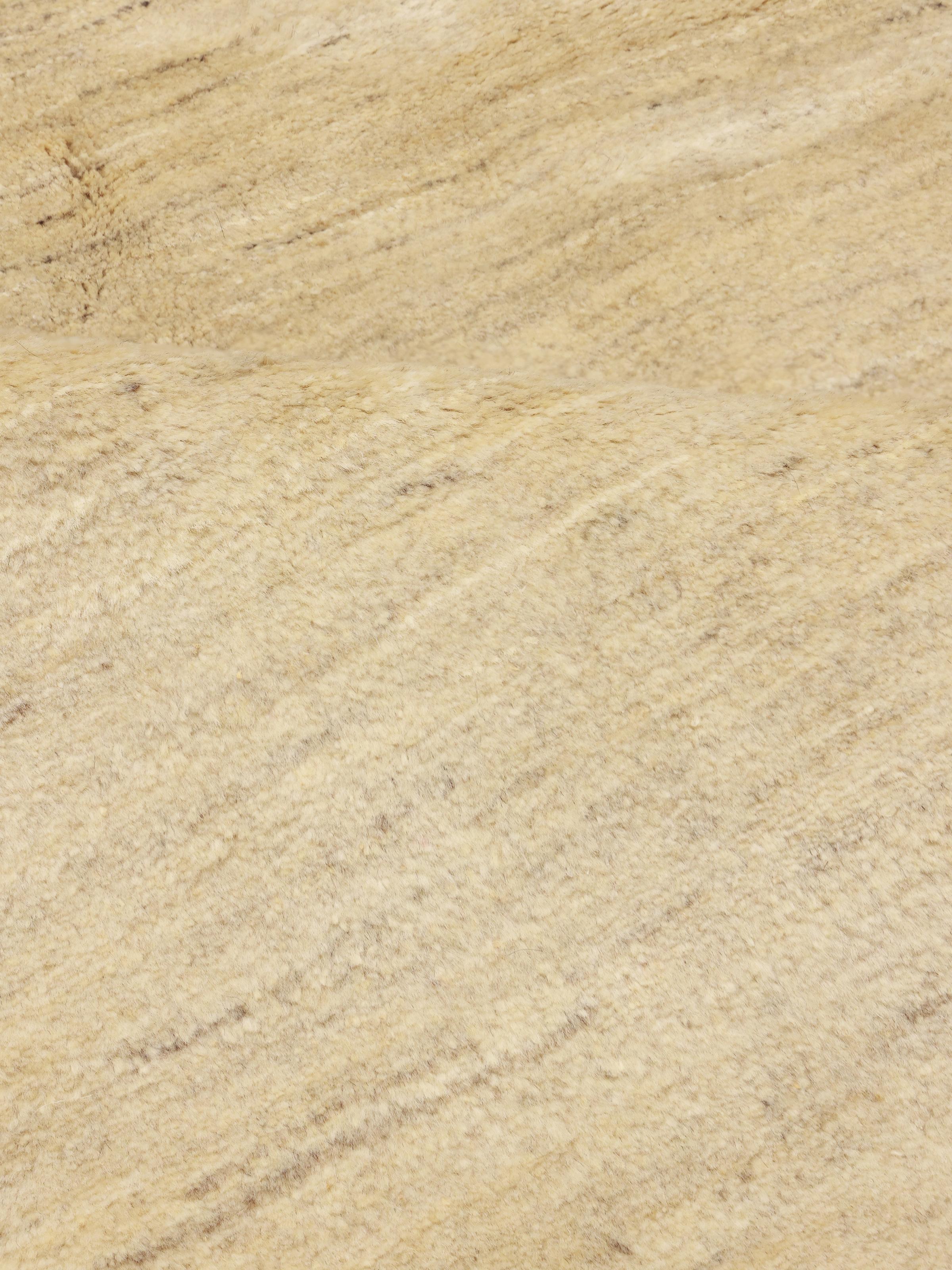
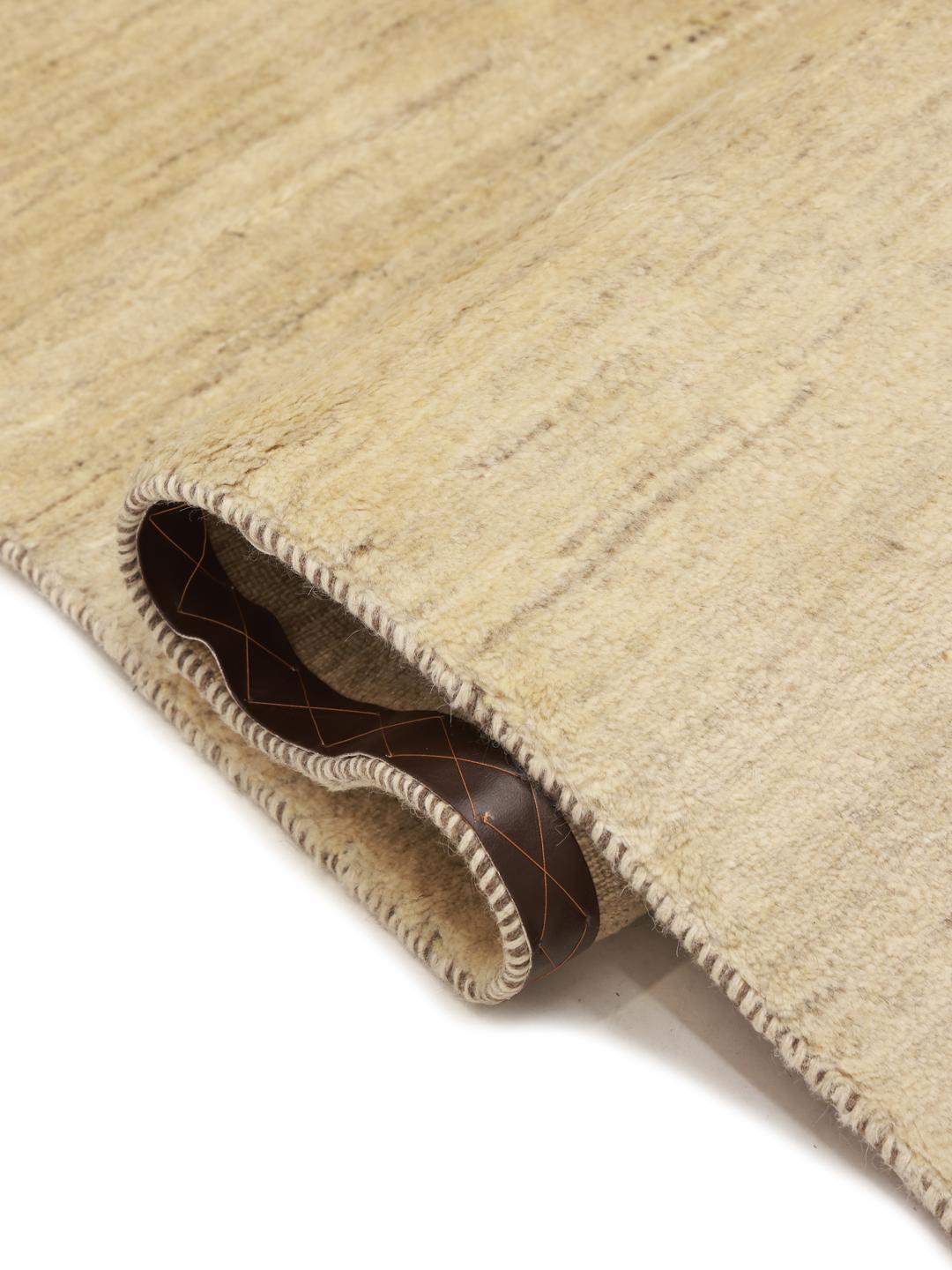
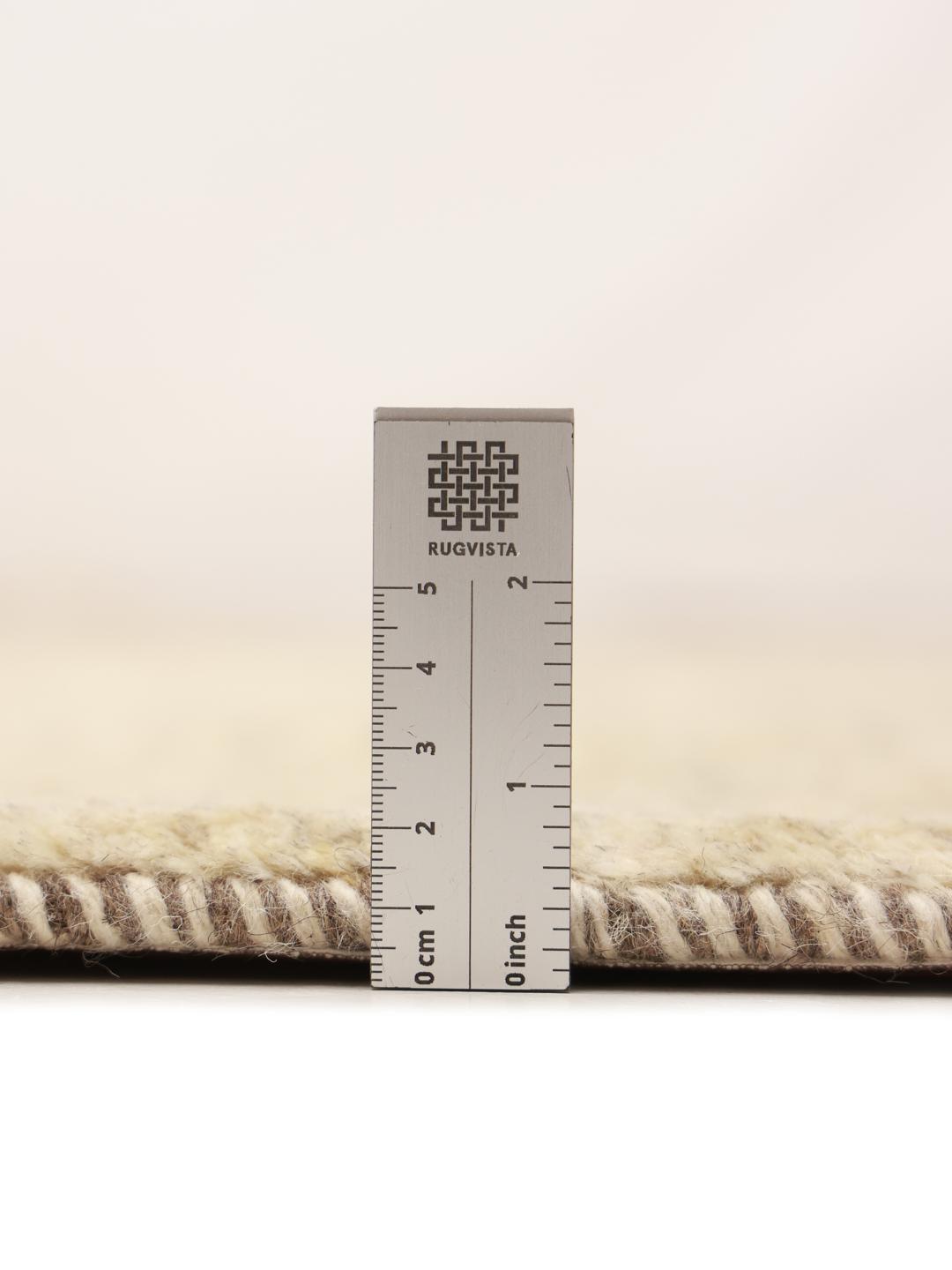
The term Gabbeh translates roughly to raw, natural, or uncut, referring to the characteristic thick pile and informal design approach. Unlike complex court rugs, Gabbeh textiles feature low knot counts with heavy wool yarn, resulting in a plush surface that emphasizes warmth and physical comfort over intricate figurative details.
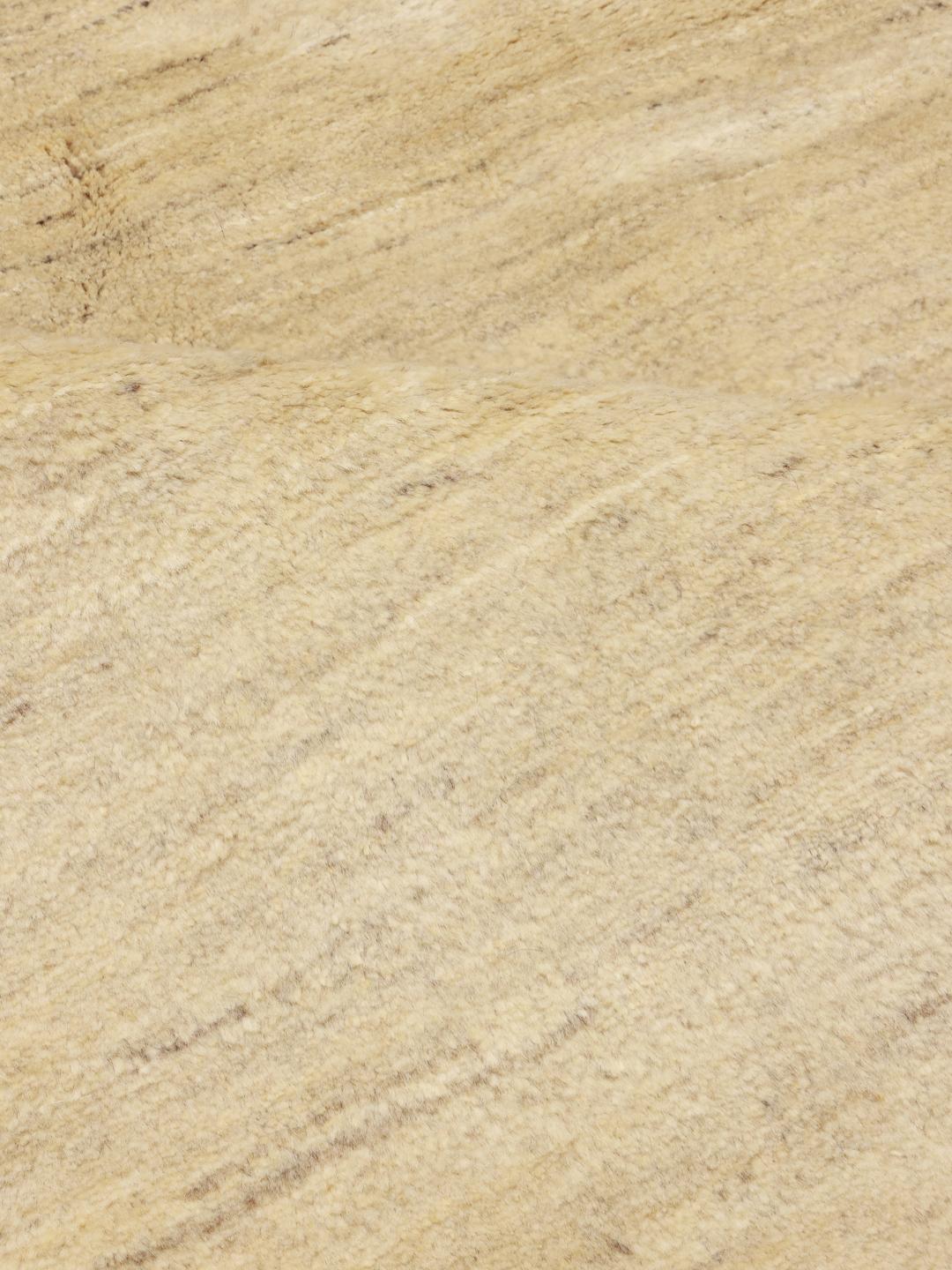
Visually, Gabbeh rugs are celebrated for their open fields and subtle color variations, known as abrash. These tonal shifts occur naturally as different dye batches absorb into the wool, giving simple, unadorned surfaces an organic depth that moves gently across the room as light changes throughout the day.
Today, Gabbeh rugs are prized by collectors and homeowners alike for their versatile modern aesthetic and link to nomadic weaving heritage. Their minimalist character allows them to blend easily into contemporary spaces while offering the authentic feel of a hand-knotted textile.