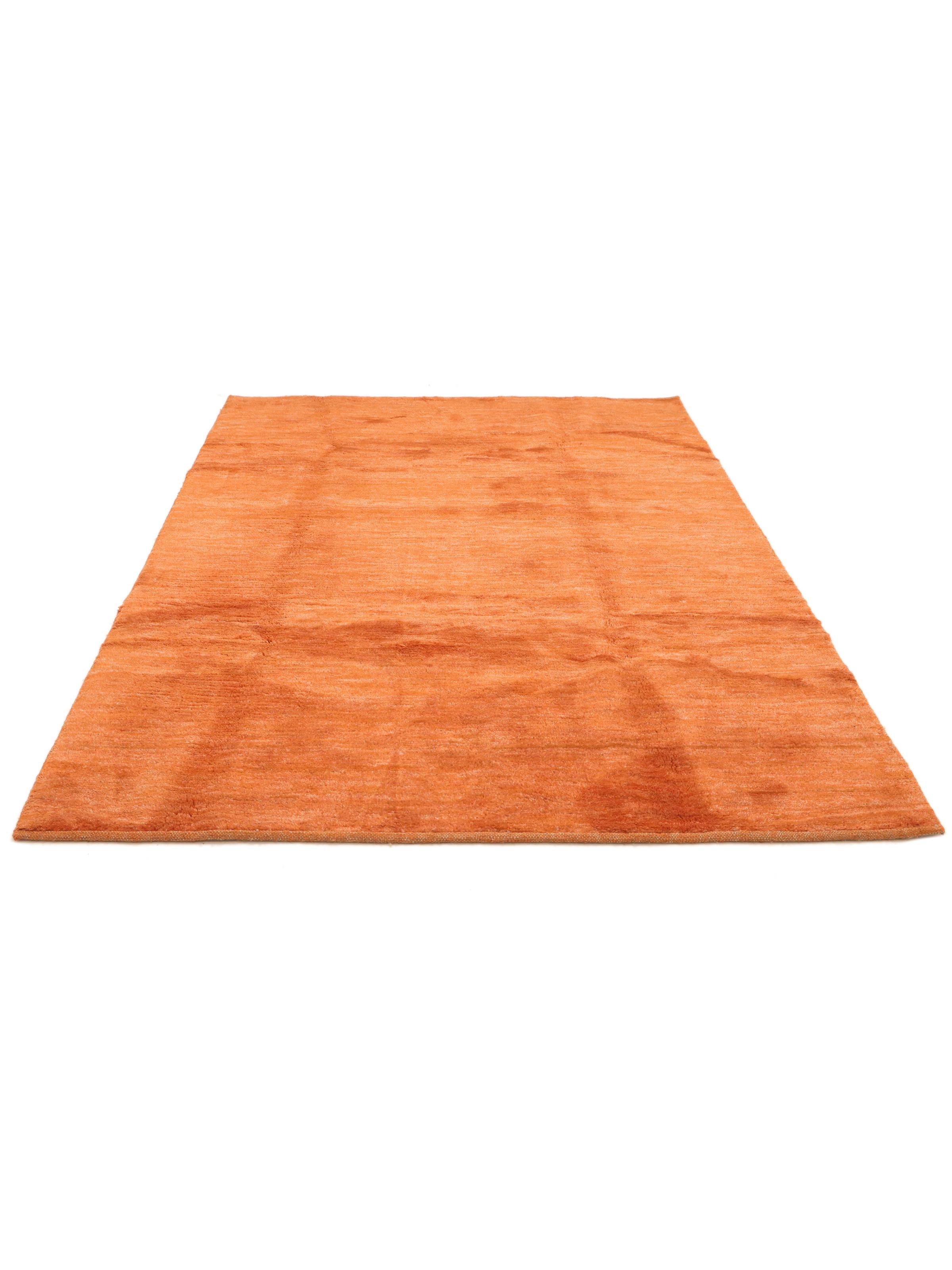
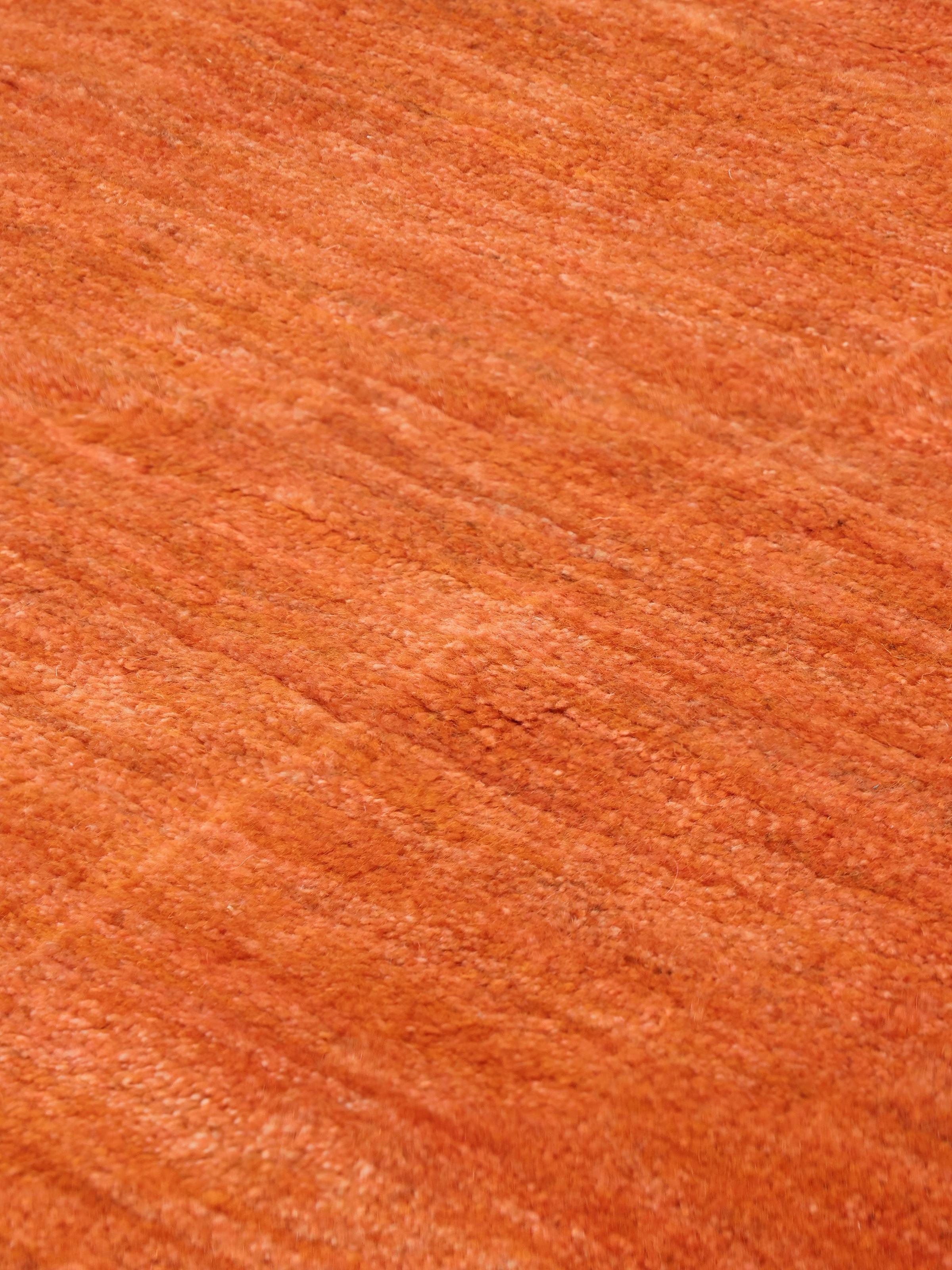
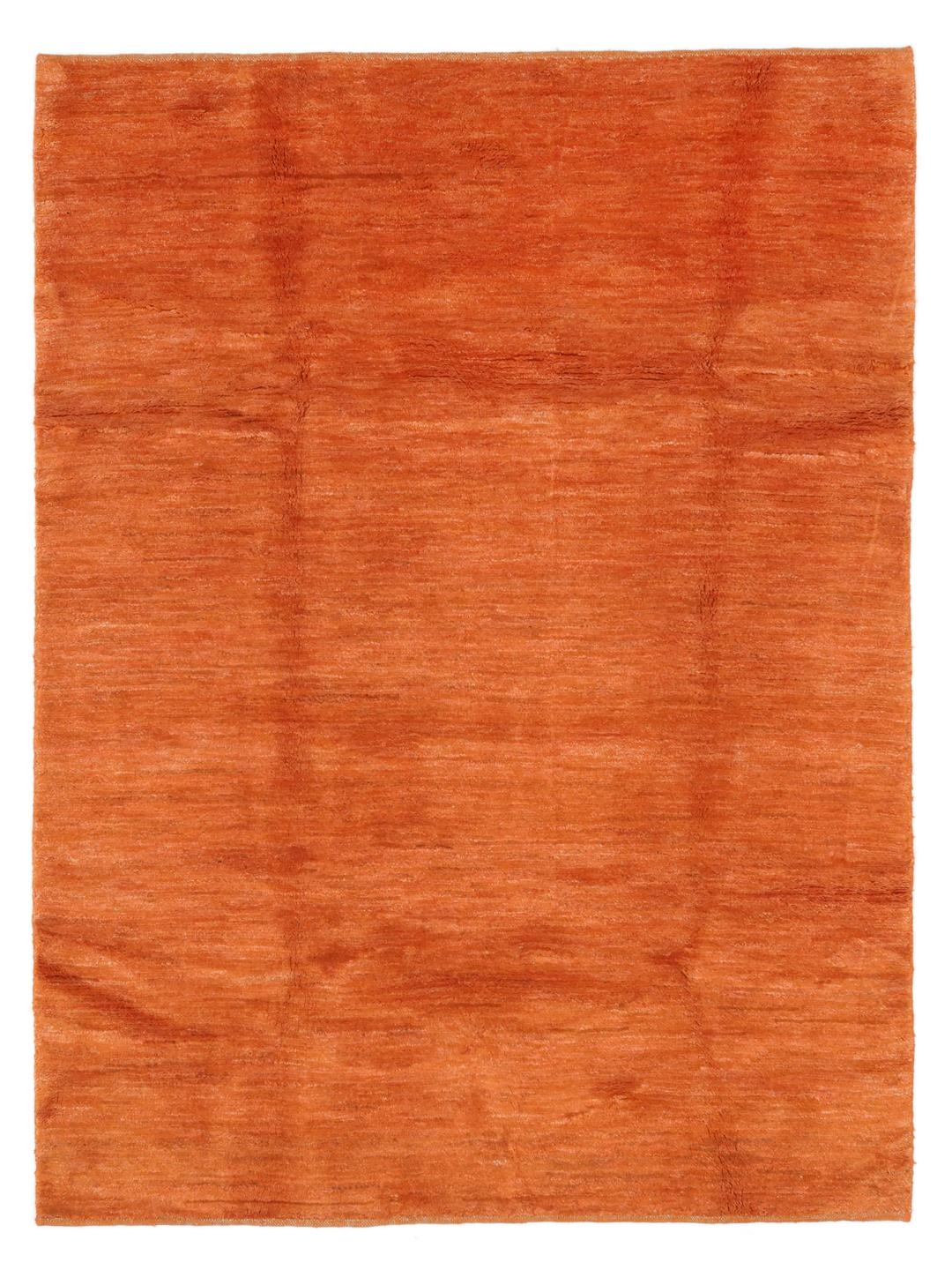
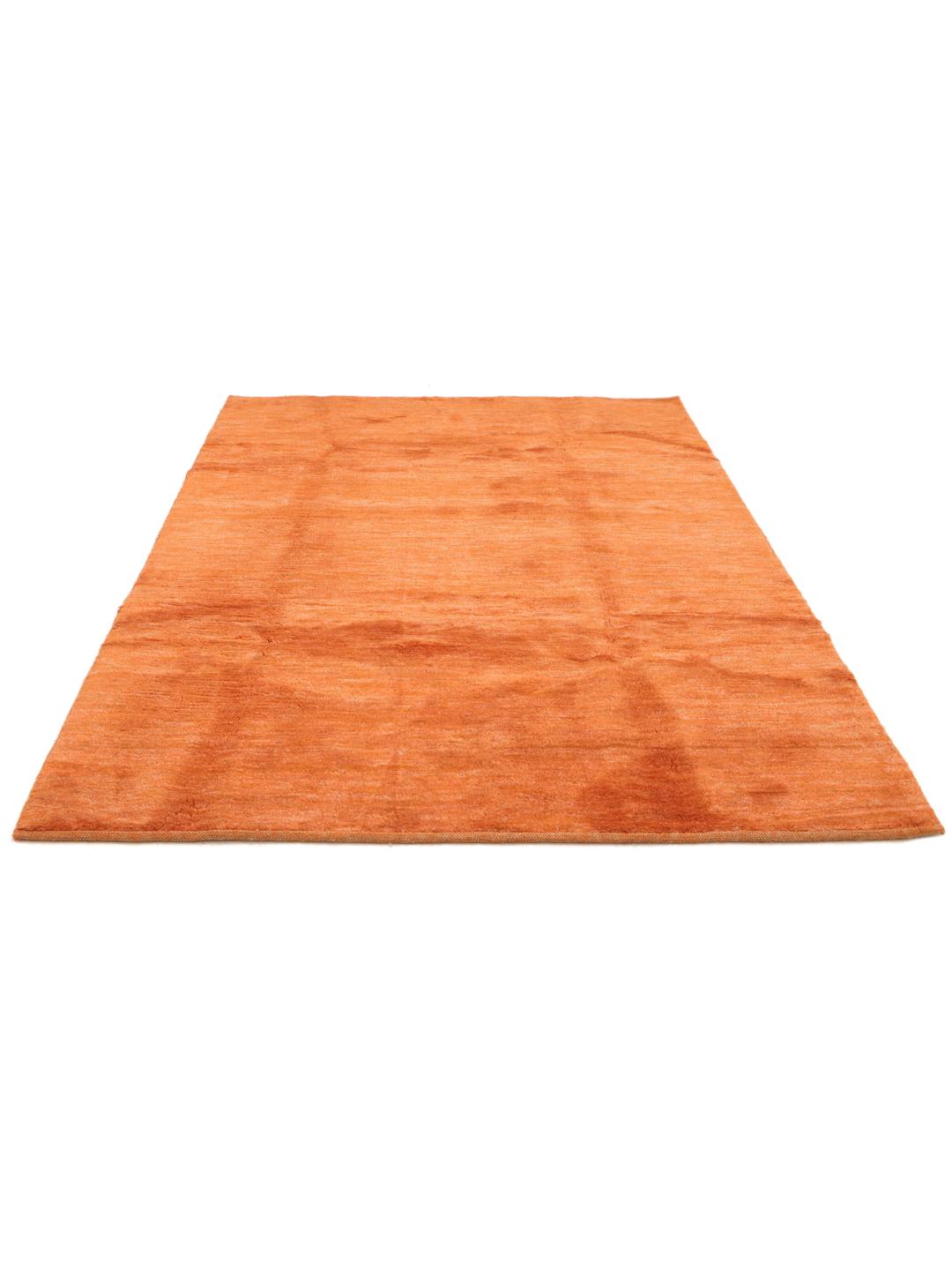
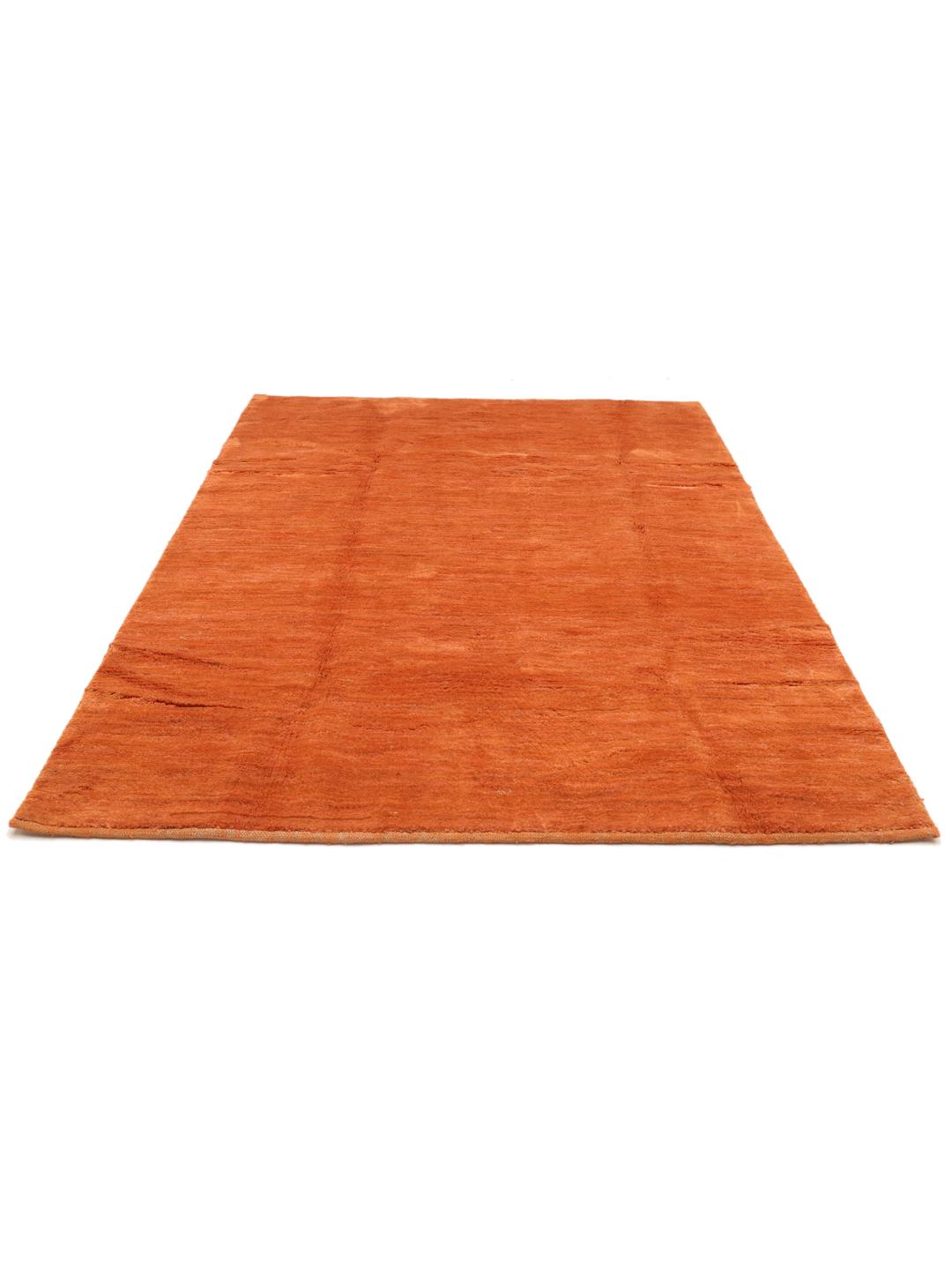
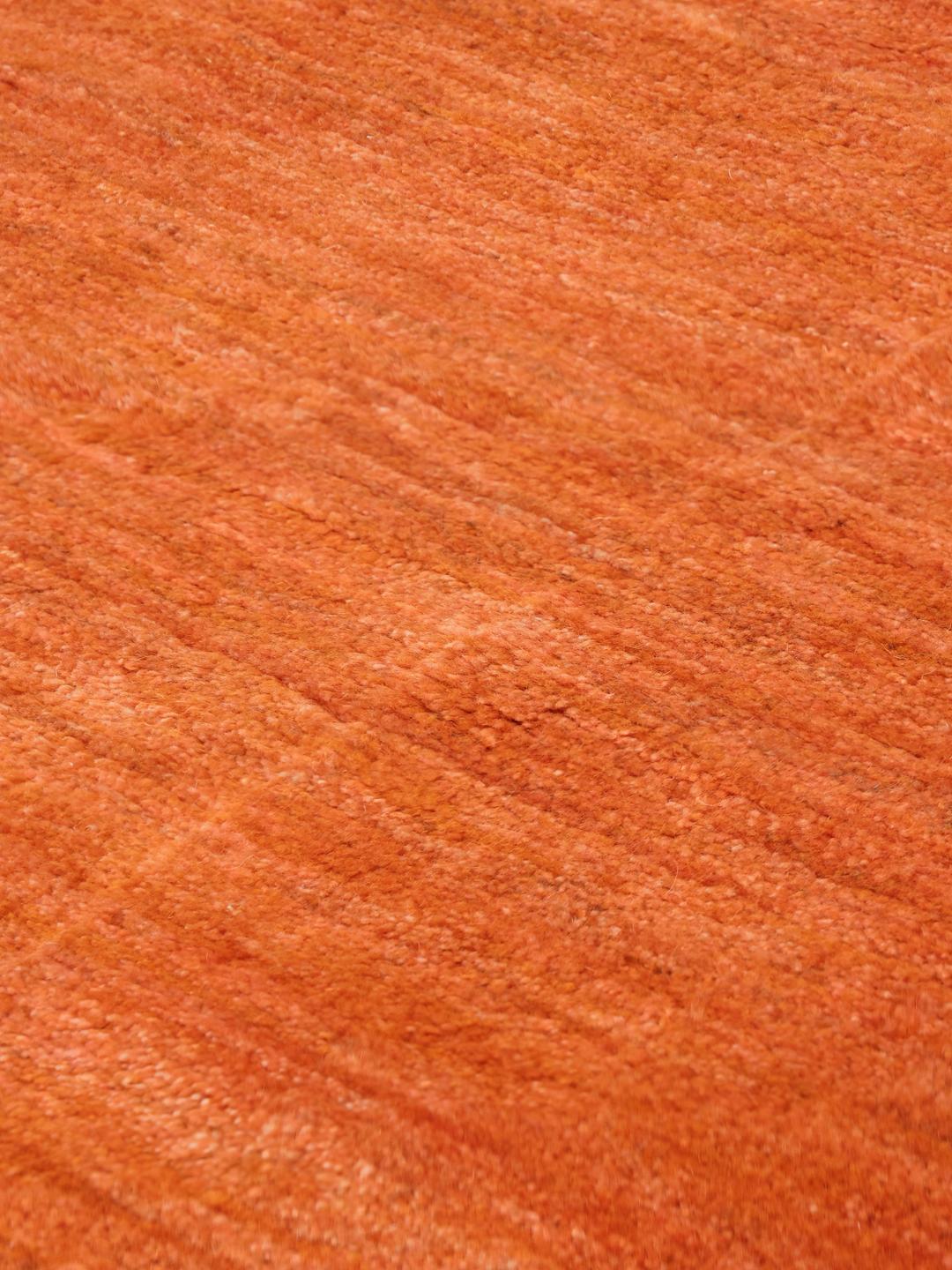
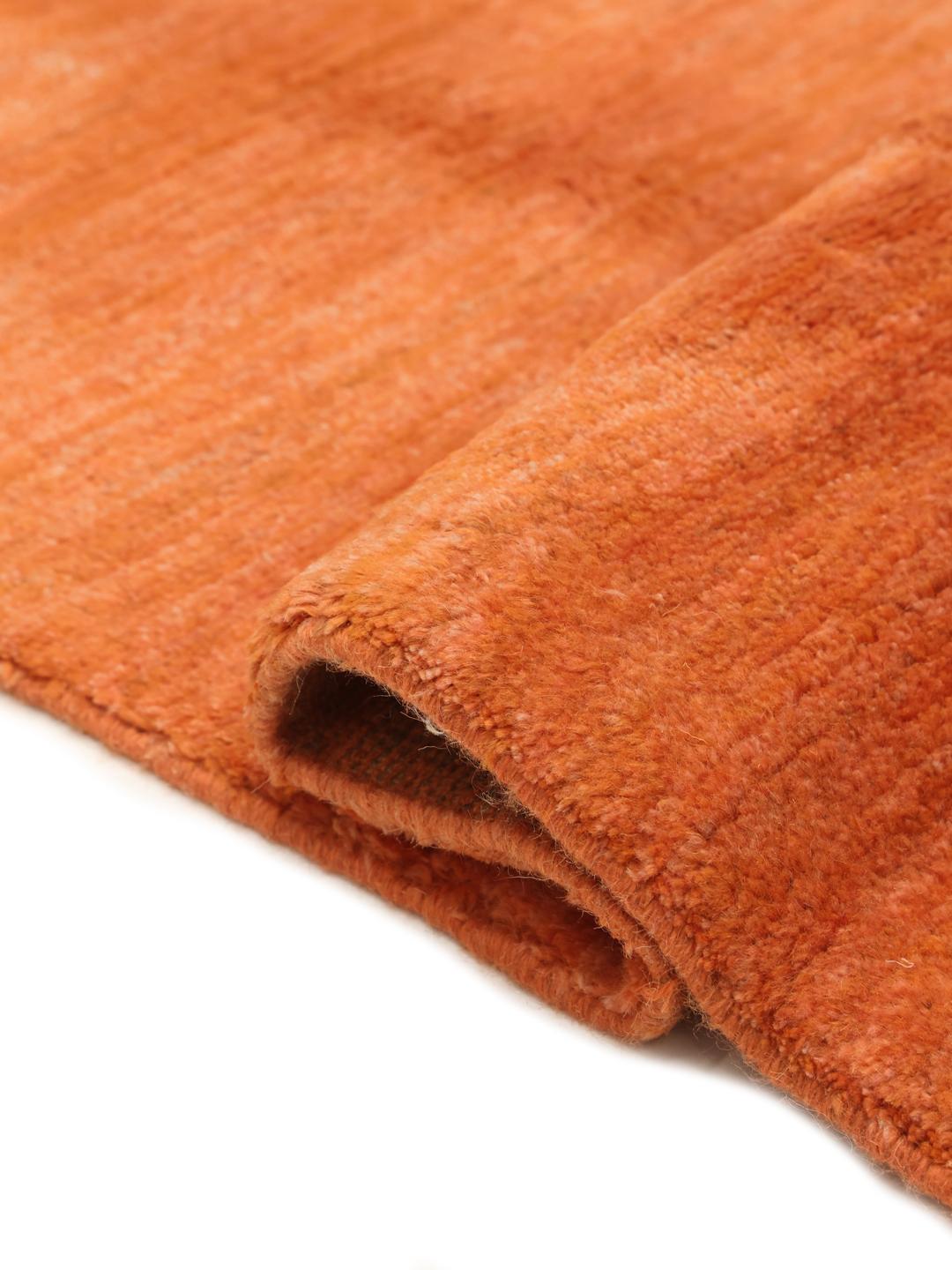
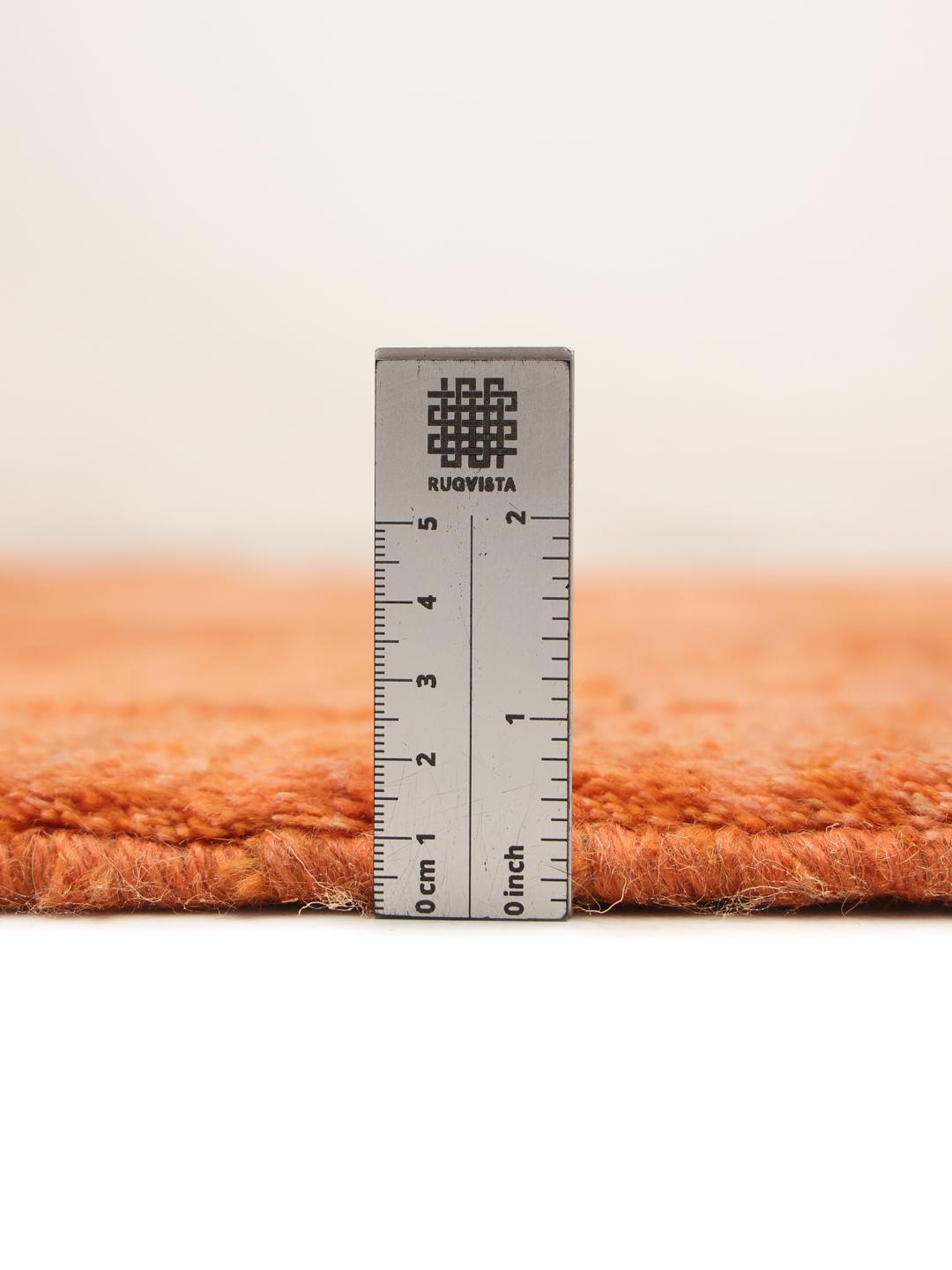
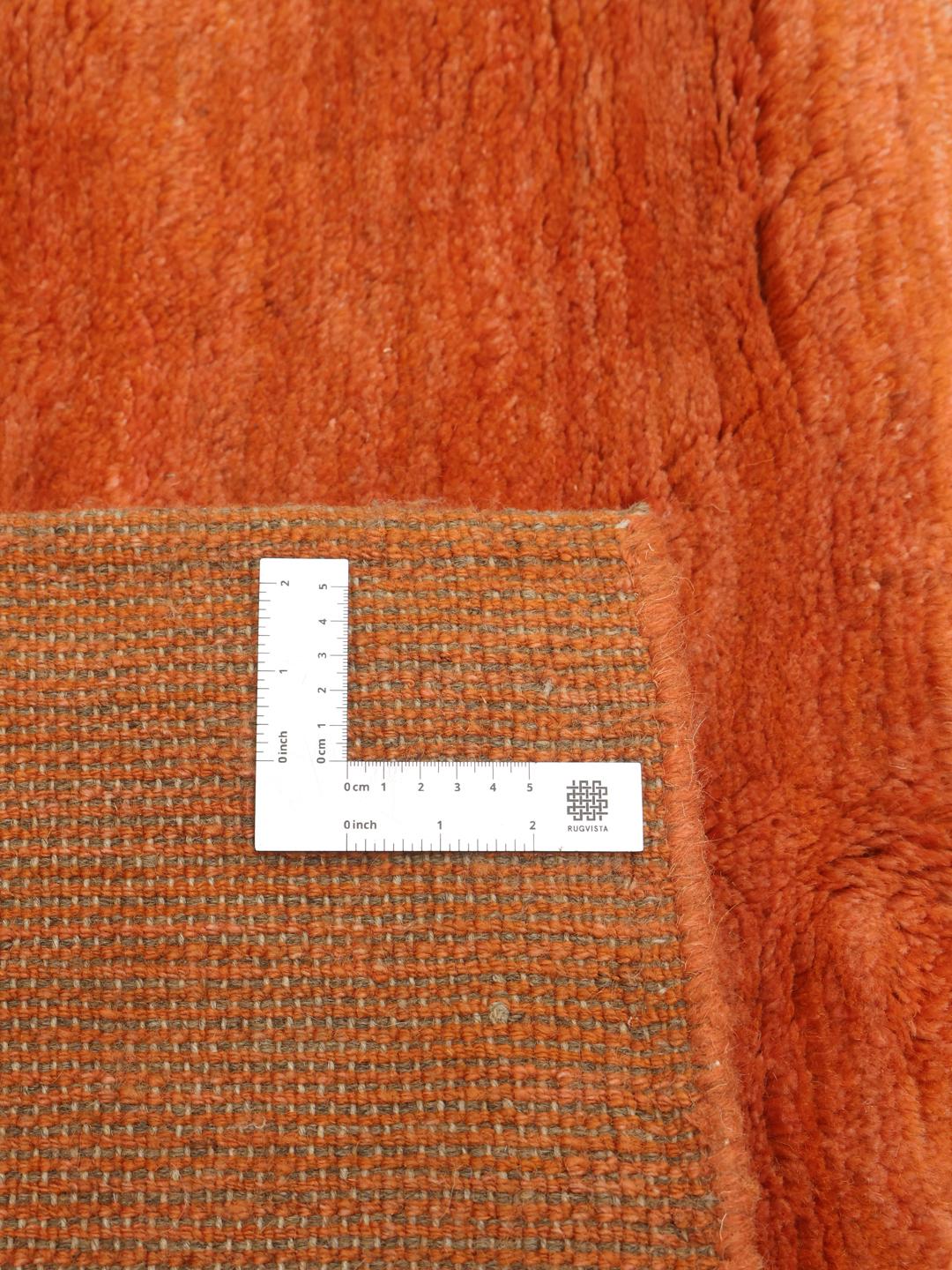
Gabbeh rugs originated among nomadic tribes in the Middle East, traditionally woven for practical everyday use within tribal tents rather than for commercial trade. These early rugs were defined by their thick, plush pile, simple geometric motifs, and reliance on natural vegetable dyes, capturing the personal expressions and everyday life of the weavers.
Over time, the Gabbeh tradition spread to renowned weaving centers in Pakistan, where artisans embraced the style while refining the weaving process. Pakistani Gabbeh rugs maintain the thick pile and expressive, minimalistic artistic language of the traditional originals, combining regional weaving mastery with enduring quality.
The signature characteristic of a classic Gabbeh is its minimalist, field-focused design. Unlike elaborate floral or medallion rugs, Gabbeh compositions feature expansive fields of single or subtly varied tones, occasionally accented by small nomadic symbols such as goats, trees, or human figures that carry protective meanings.
Today, Gabbeh rugs are highly prized by interior designers and collectors for their timeless art quality. Their minimalist aesthetics allow them to feel modern despite being rooted in centuries of nomadic heritage, making them enduring pieces of textile art.