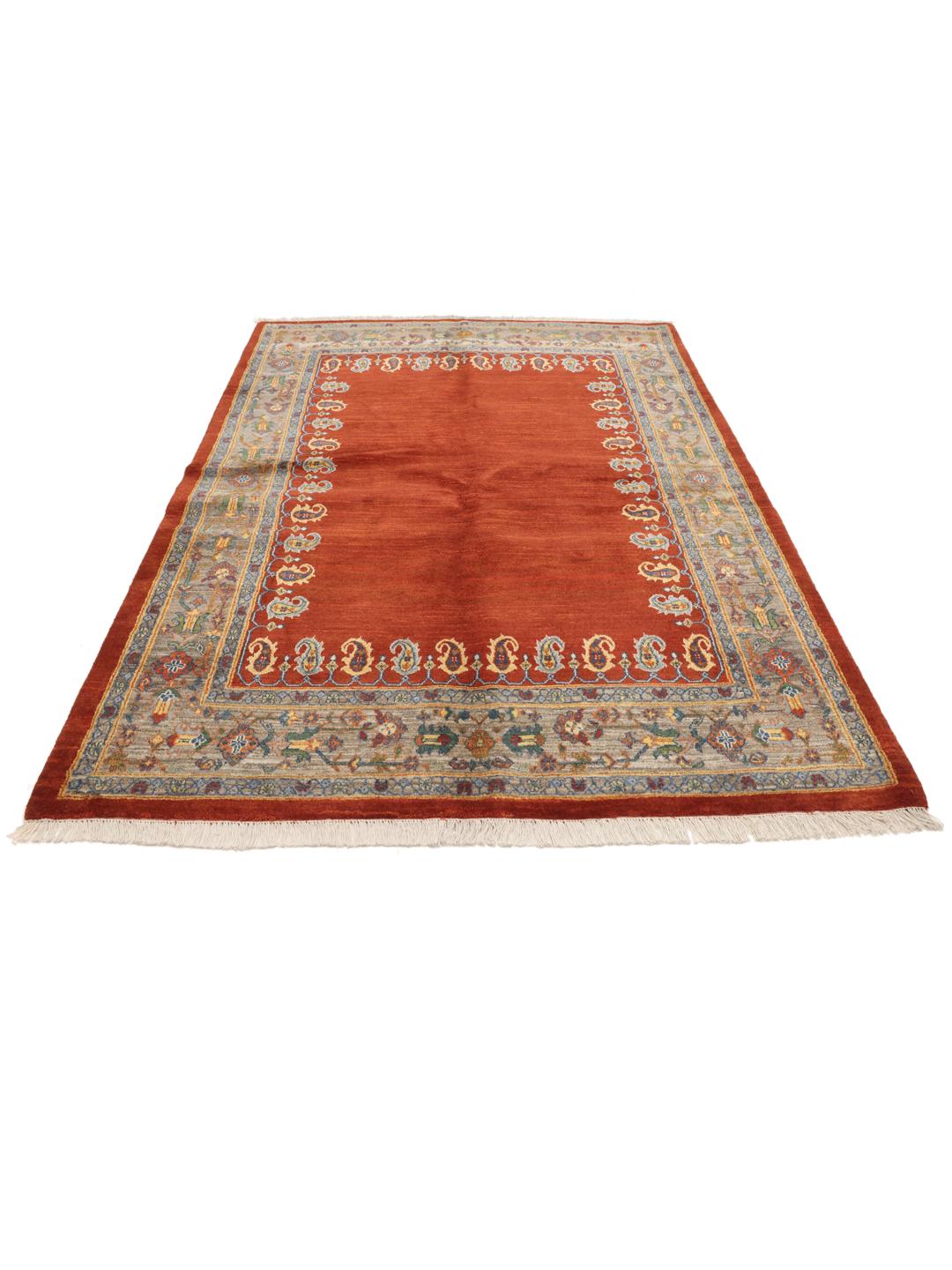
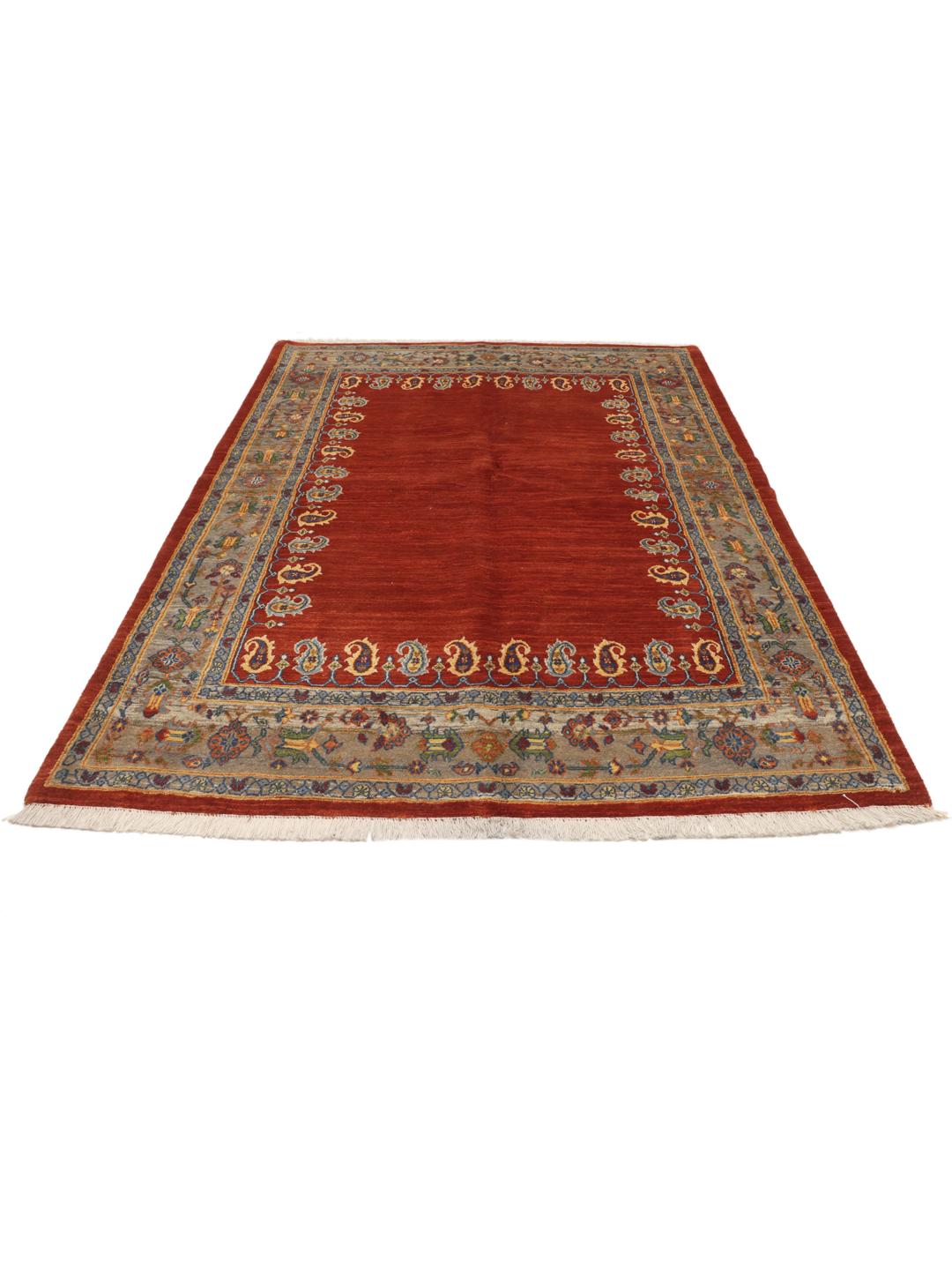
Gabbeh rugs trace their roots to the nomadic weaving traditions of the Middle East, where tribal artisans wove floor coverings primarily for their own daily use rather than for trade.
These weavers relied on memory and local surroundings to inspire their patterns, creating a distinct visual language rooted in rural life.
The term Gabbeh refers to a raw, natural style of weaving characterised by simpler designs and a thicker pile compared to formal city workshop carpets.
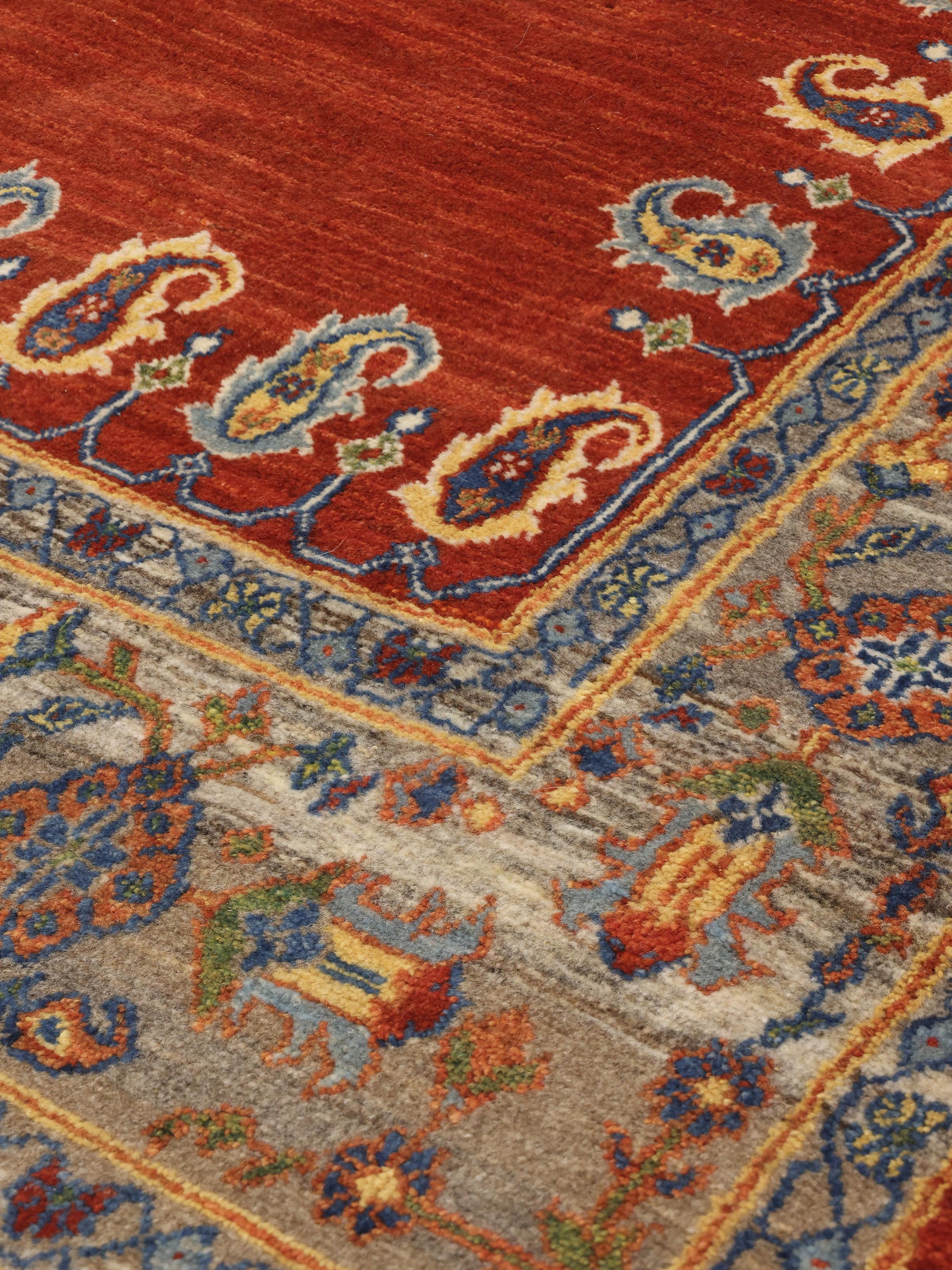
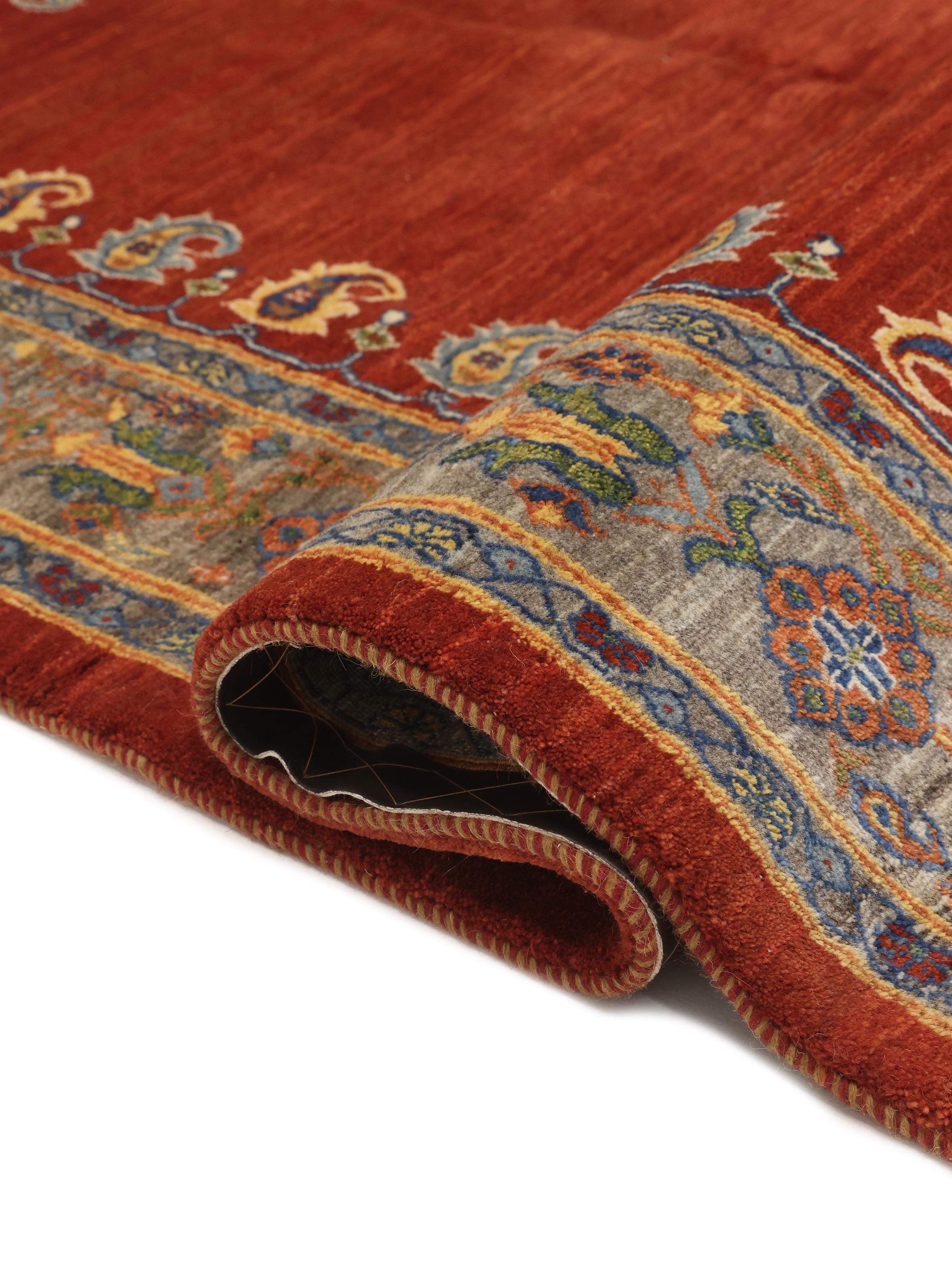
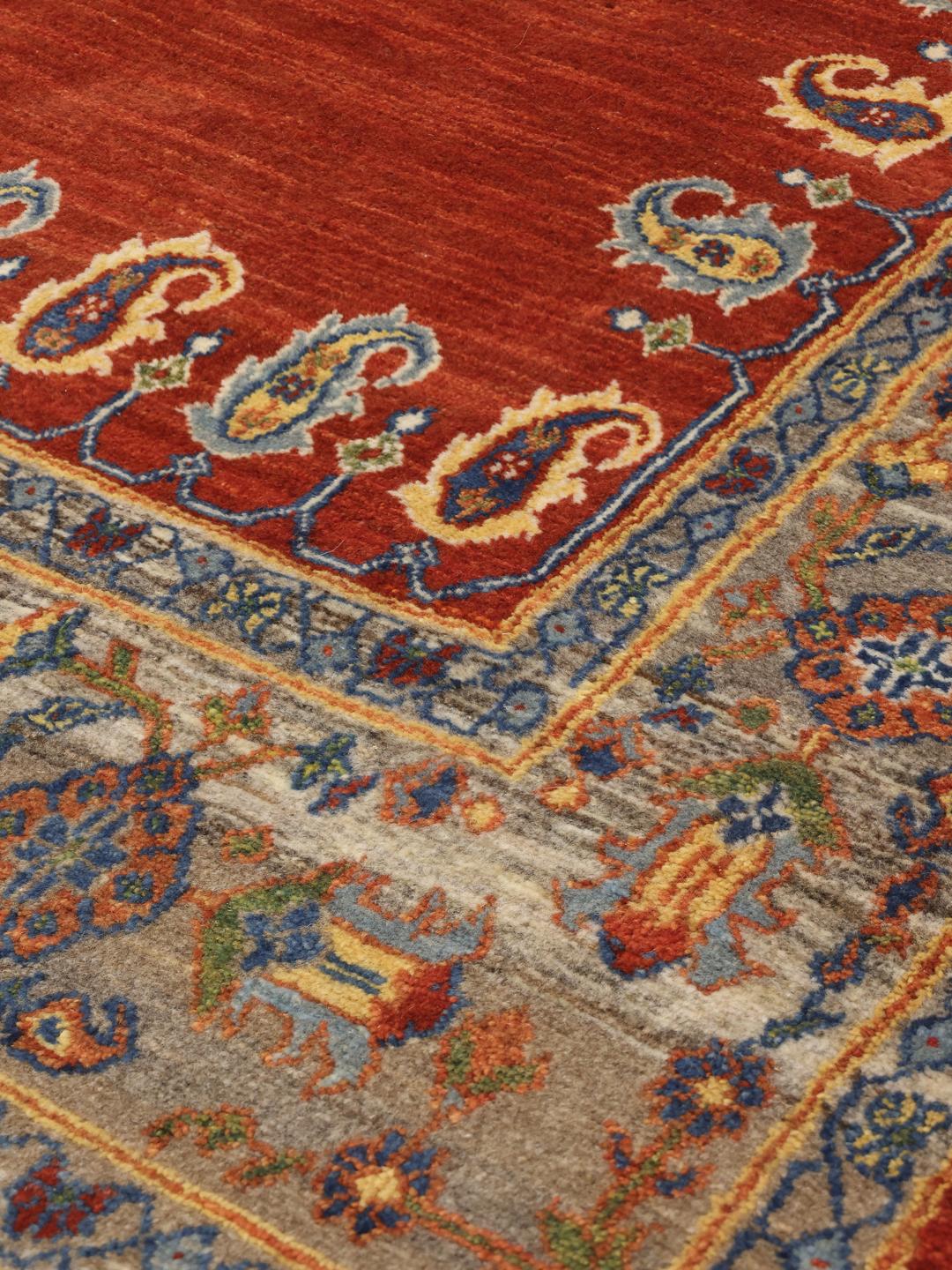
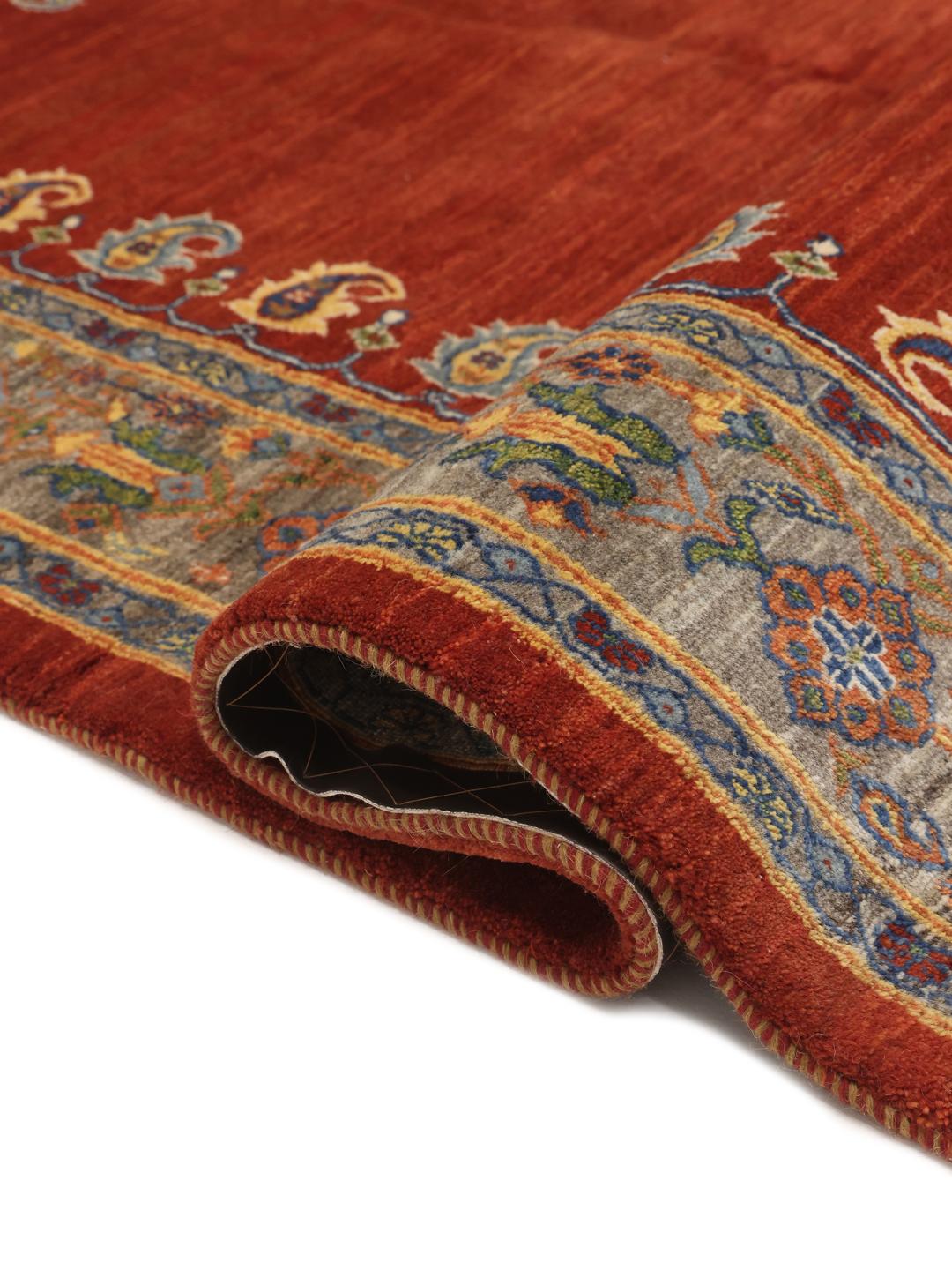
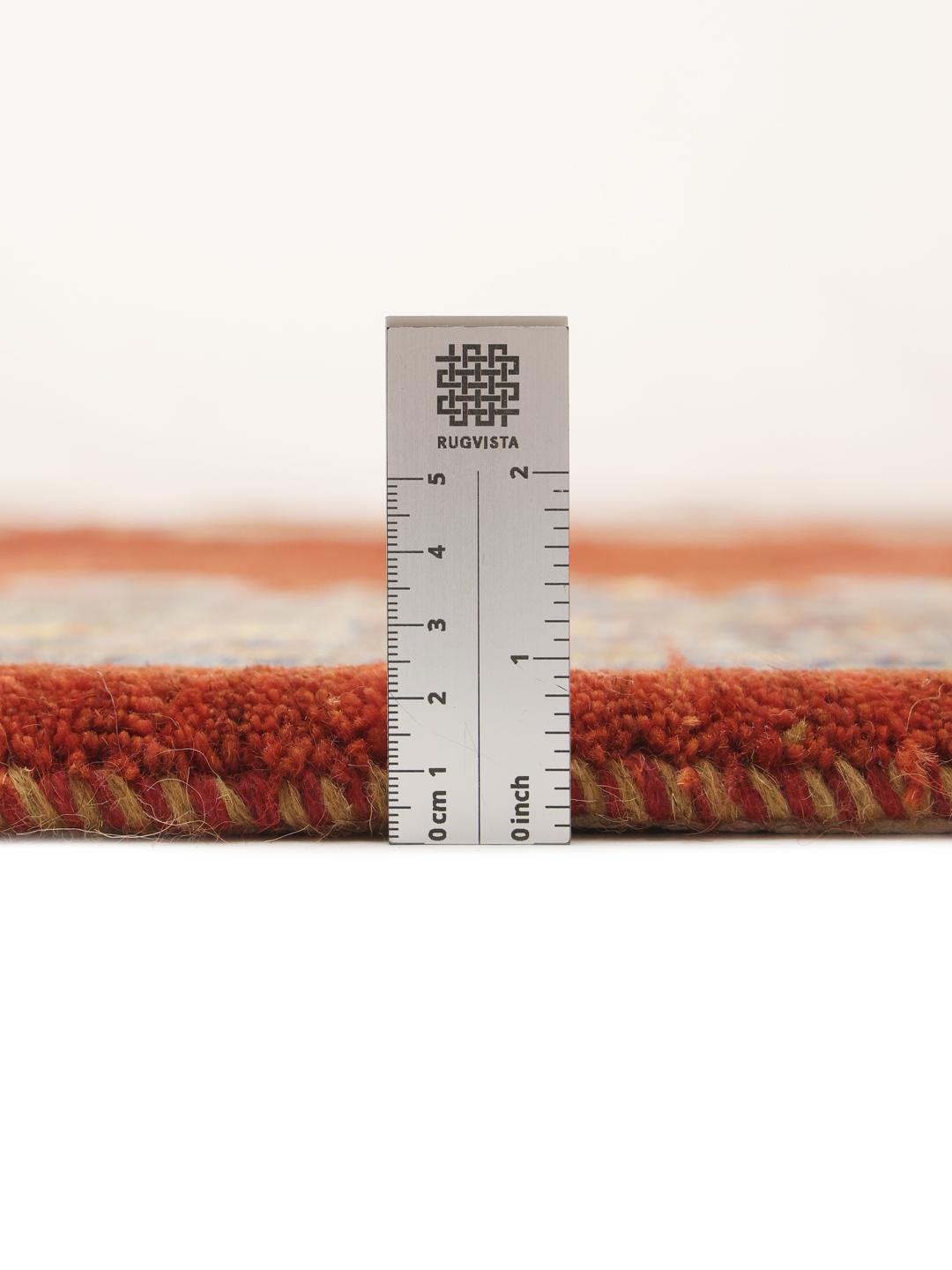
The heavy pile construction provides exceptional warmth and resilience, a practical feature originally designed to insulate tent floors against cold ground.
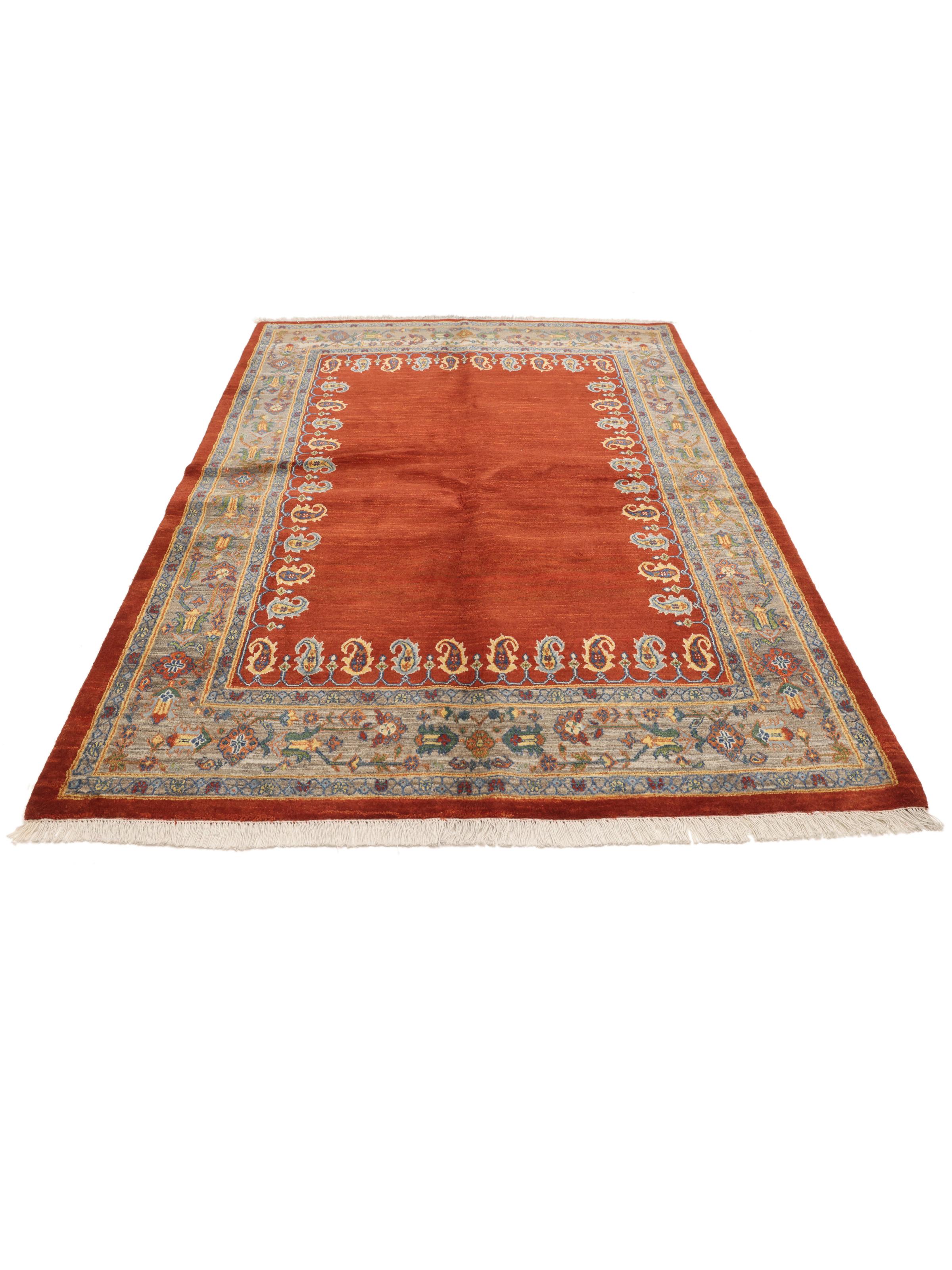
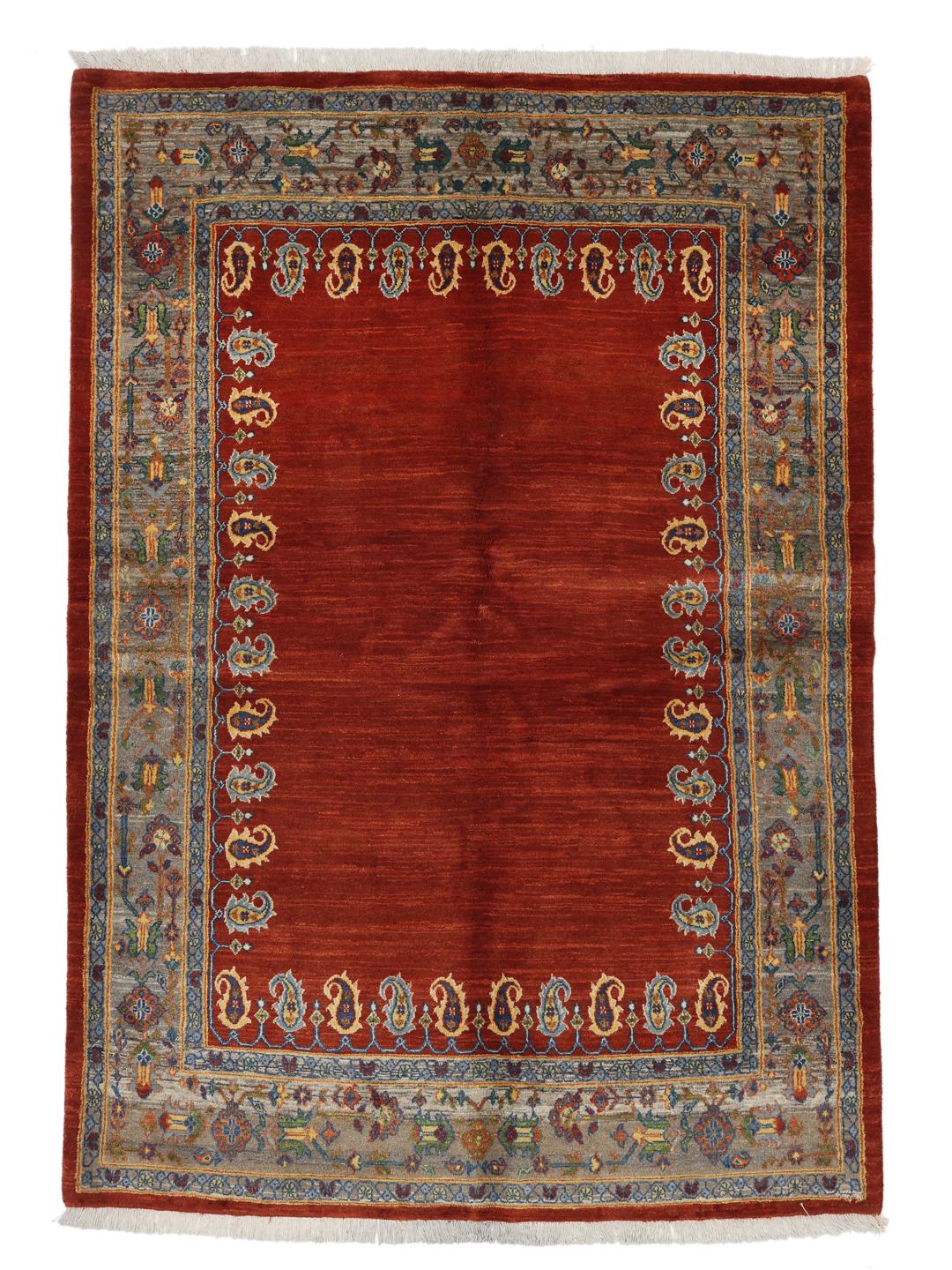
Unlike the tightly packed floral motifs of urban workshops, traditional Gabbeh design often features open fields of rich colour accompanied by sparse, symbolic geometric motifs or stylised figures.
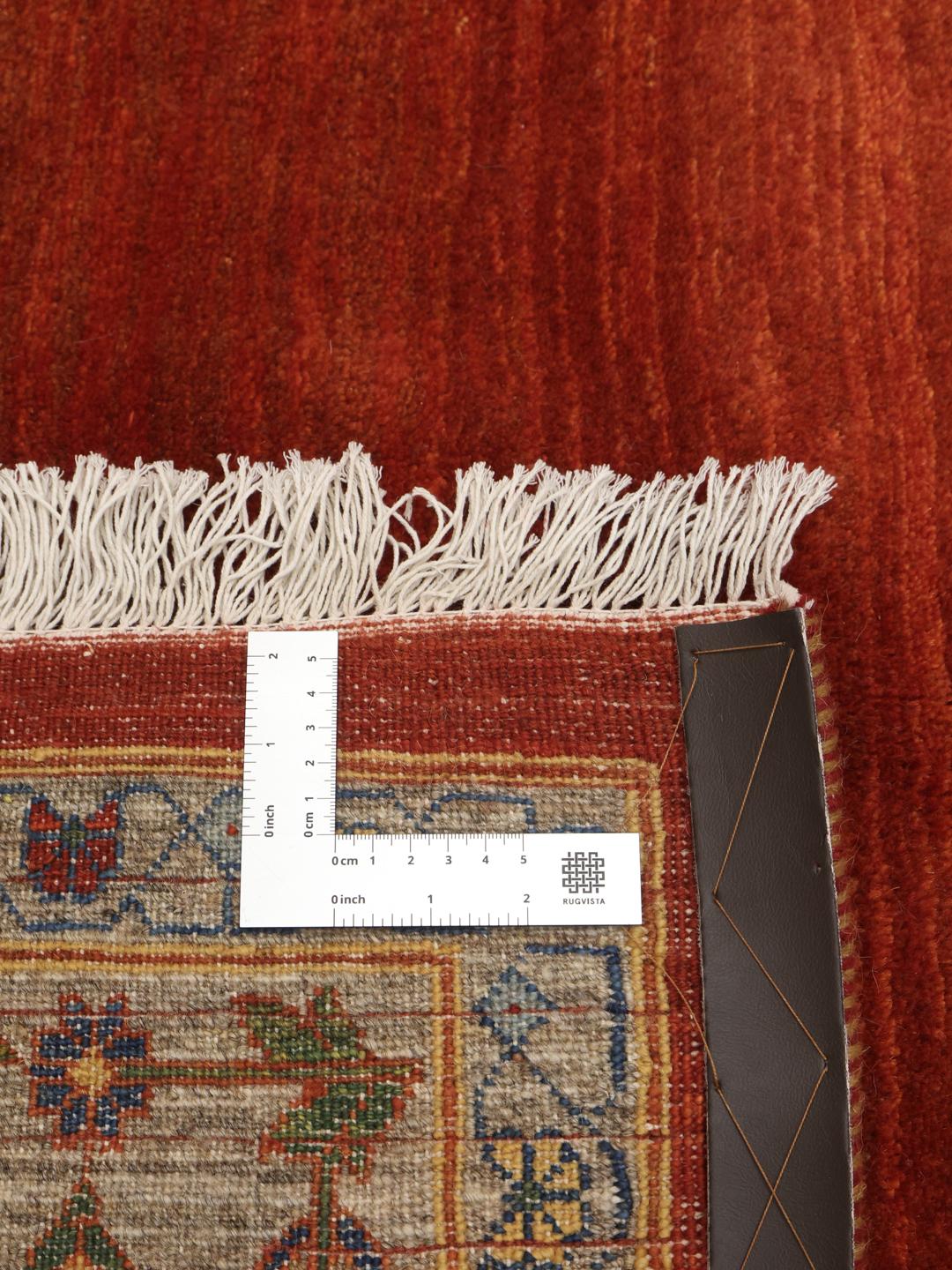
The deep red background seen here reflects historic dye traditions using natural roots and plants found across the region.
Collecting a vintage or traditional Gabbeh means owning a piece of living folk art that carries forward centuries of unwritten weaving heritage.
These rugs are valued not for courtly symmetry, but for the genuine expression of the artisan and the enduring quality of their hand-spun wool.