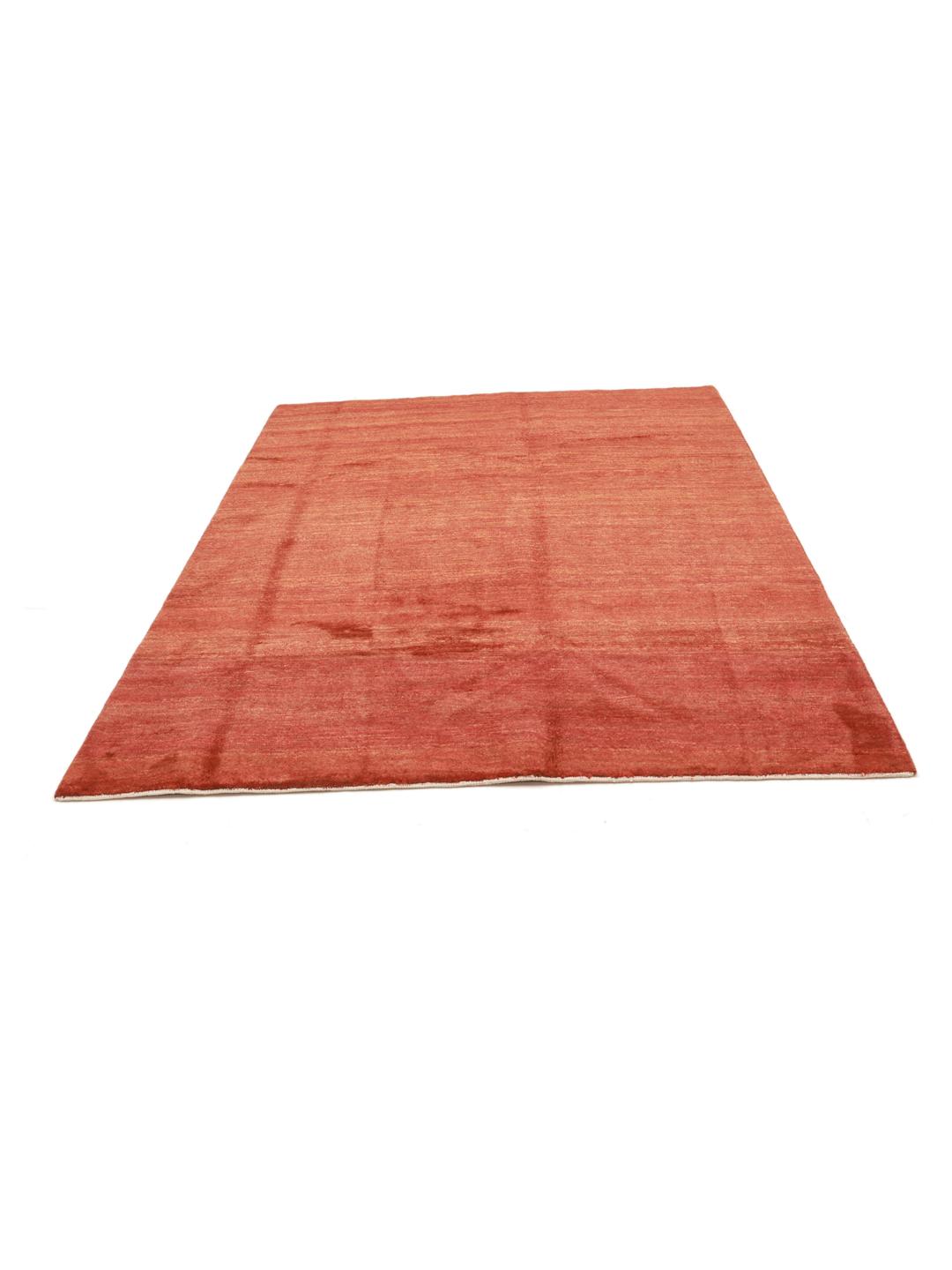
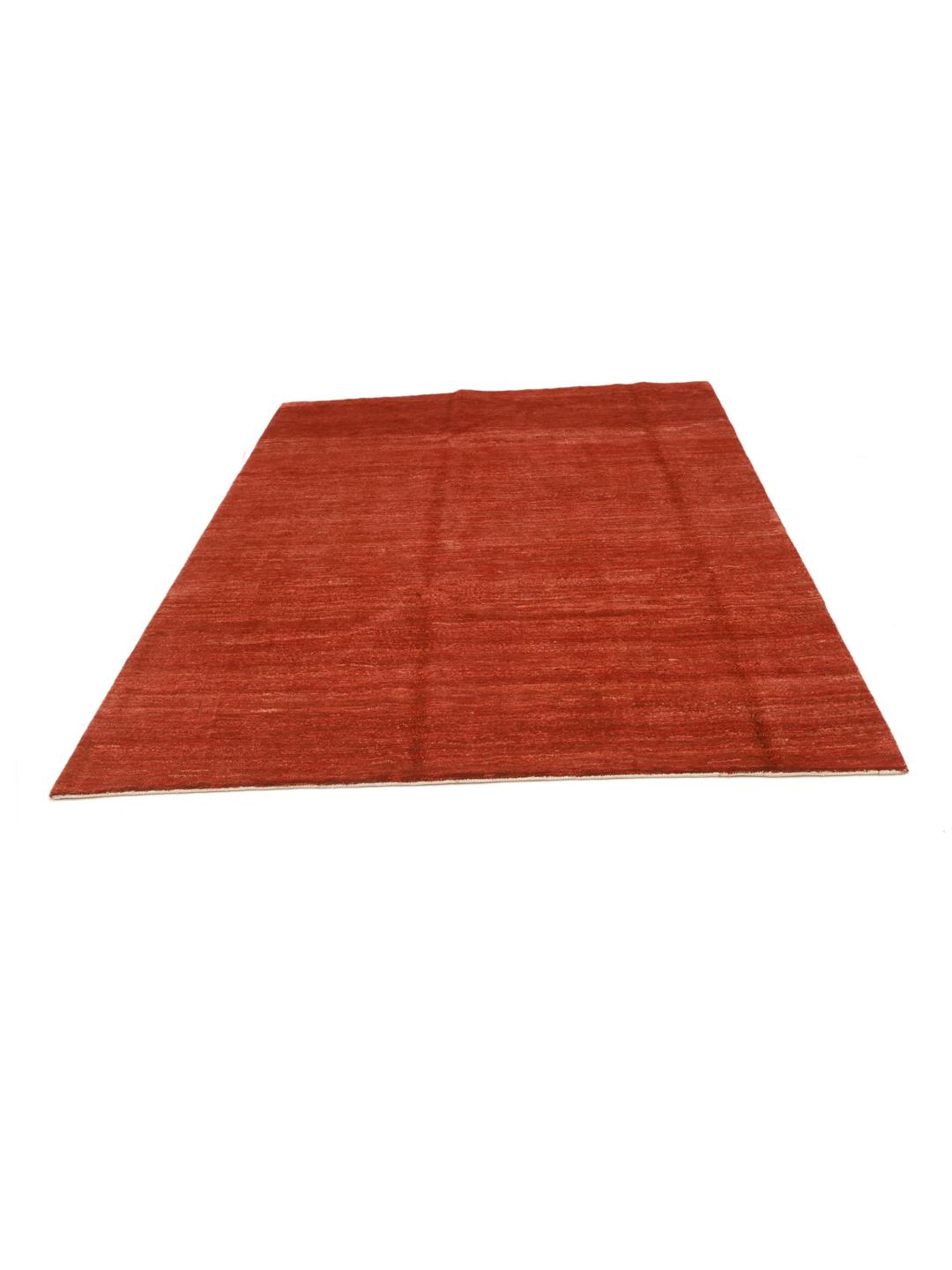
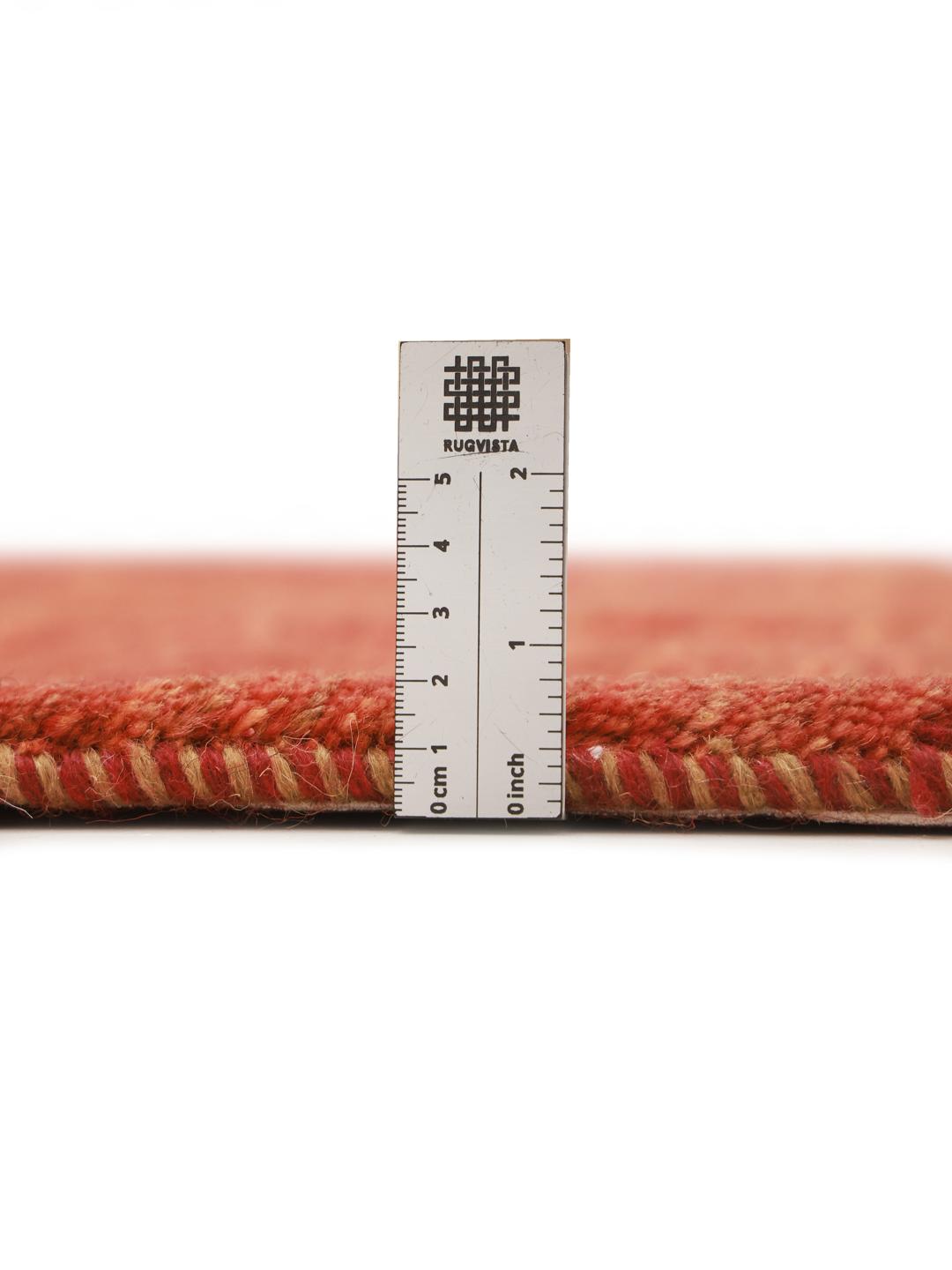
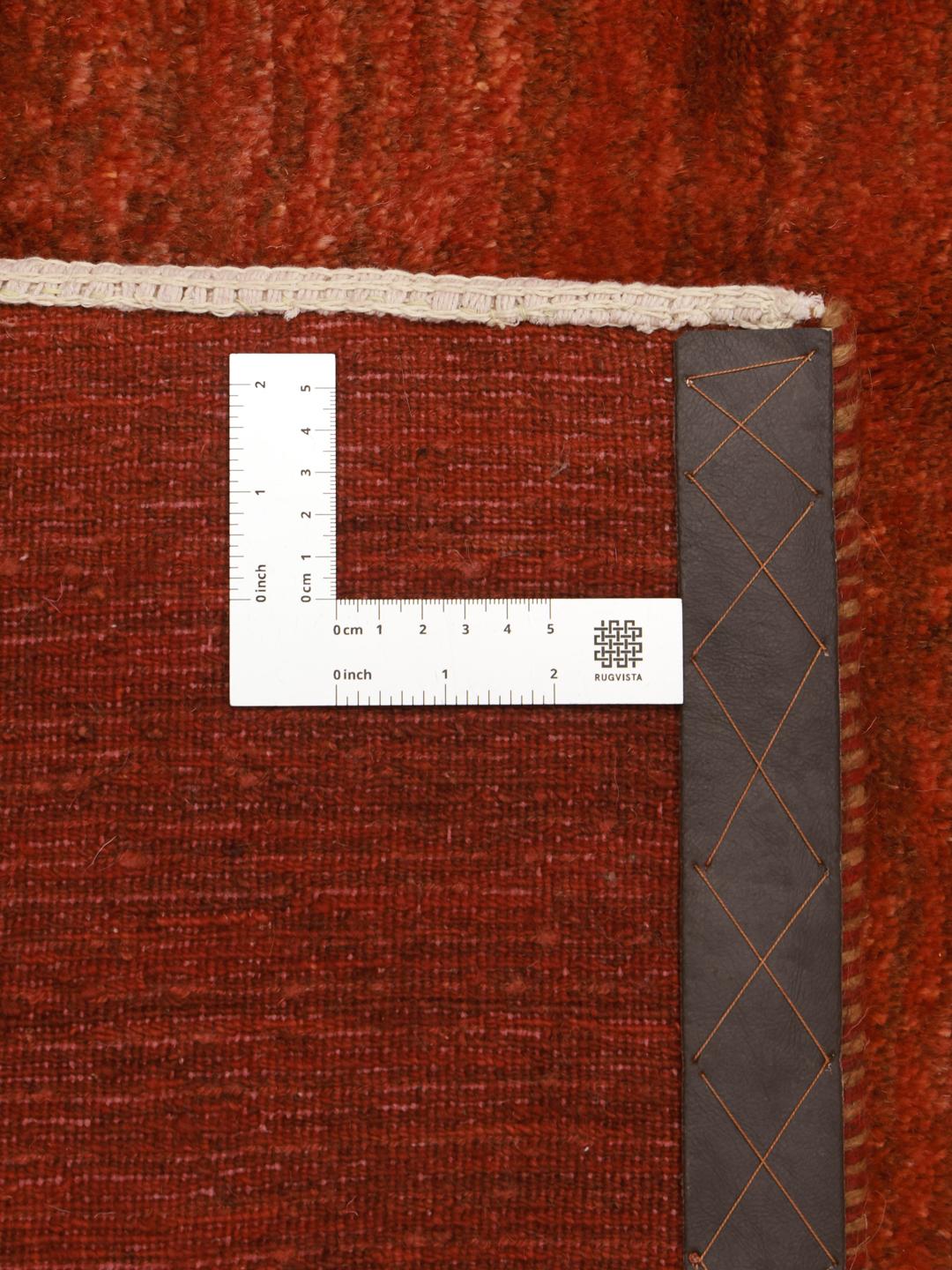
Gabbeh rugs have a long and fascinating history rooted in the nomadic traditions of the Middle East. Originally woven by tribal women for their own personal use, these rugs were designed to be durable, comfortable, and warm, intended to provide a soft place to sleep and live inside tents during harsh winters.
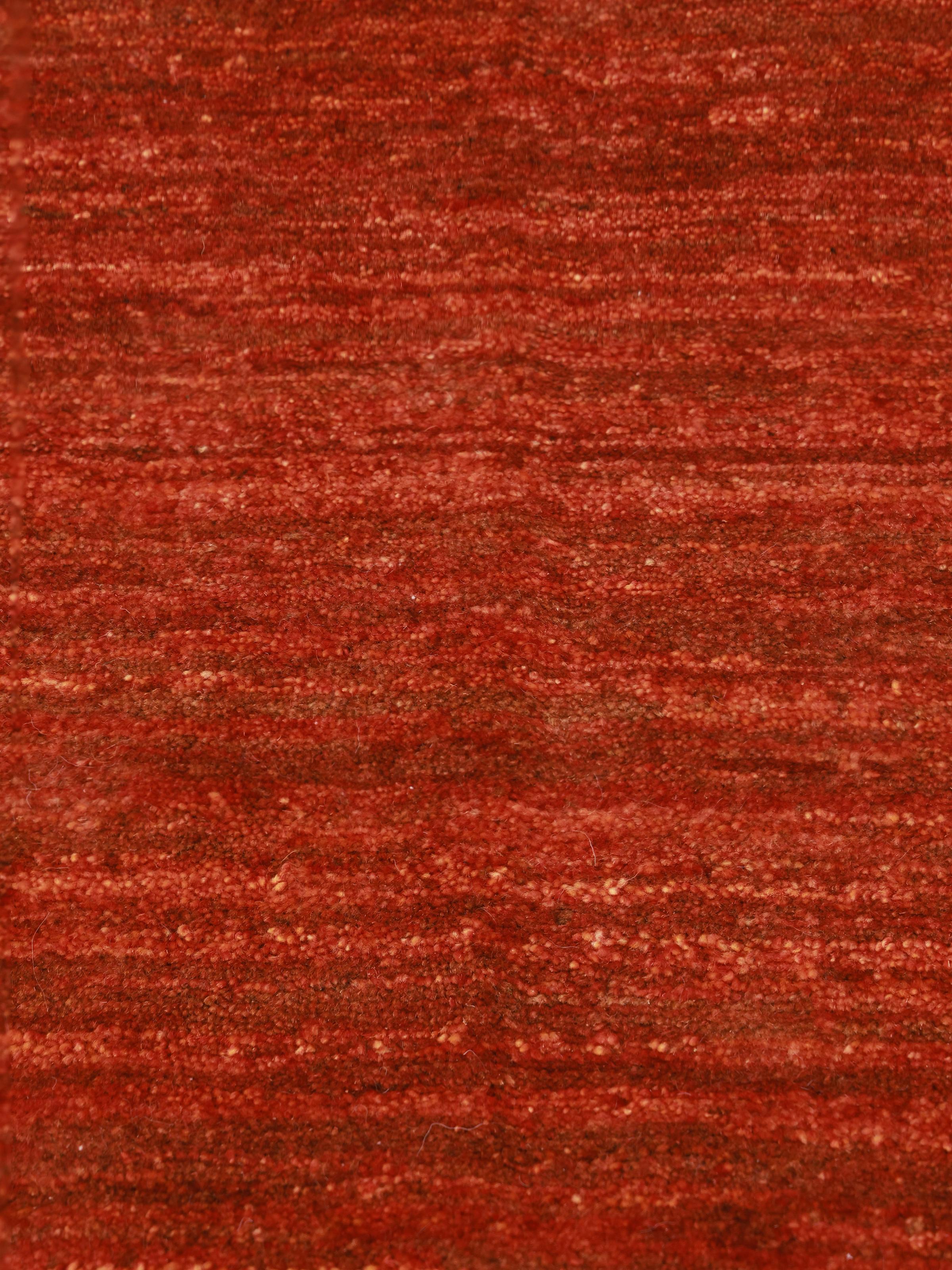
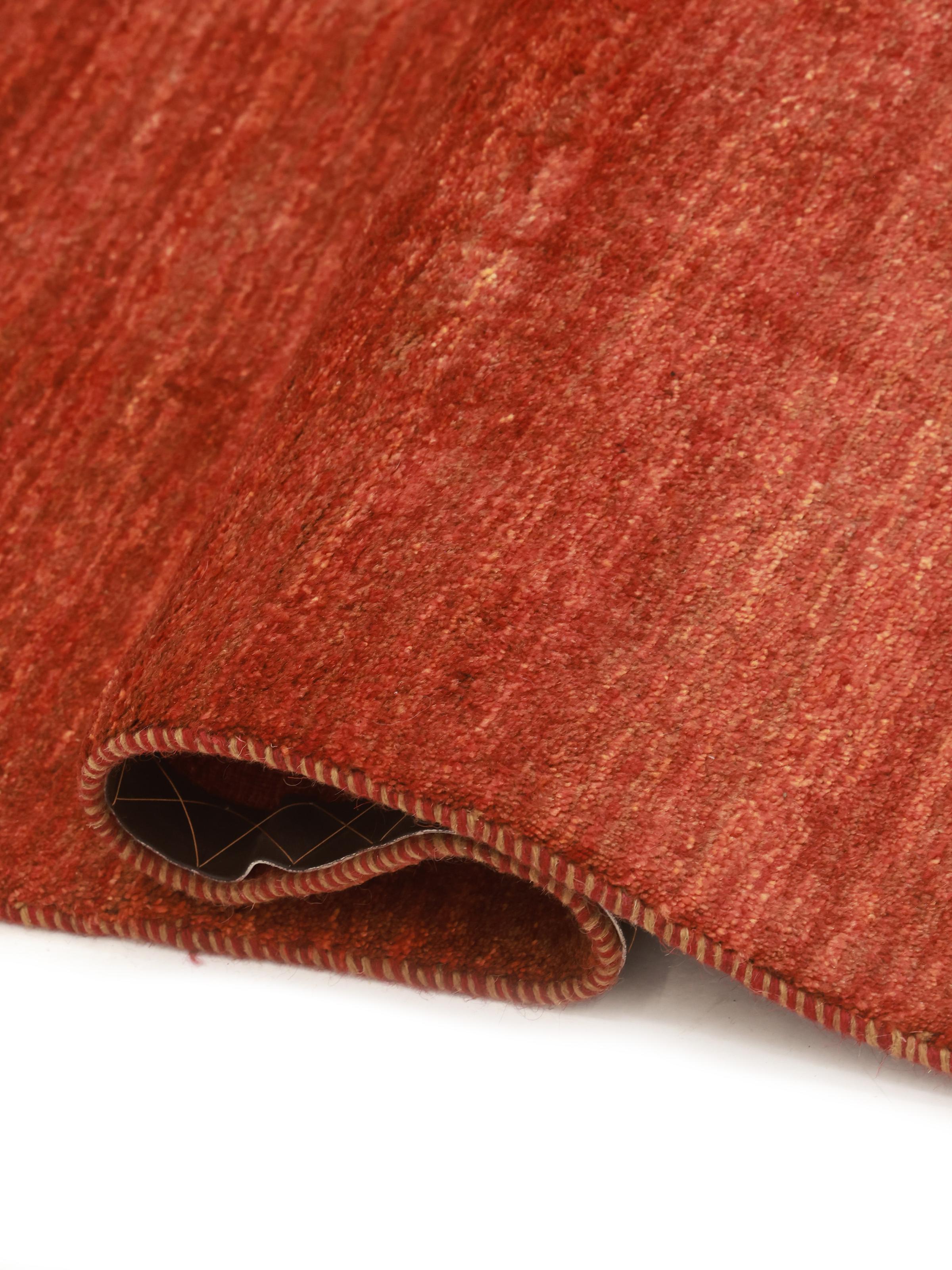
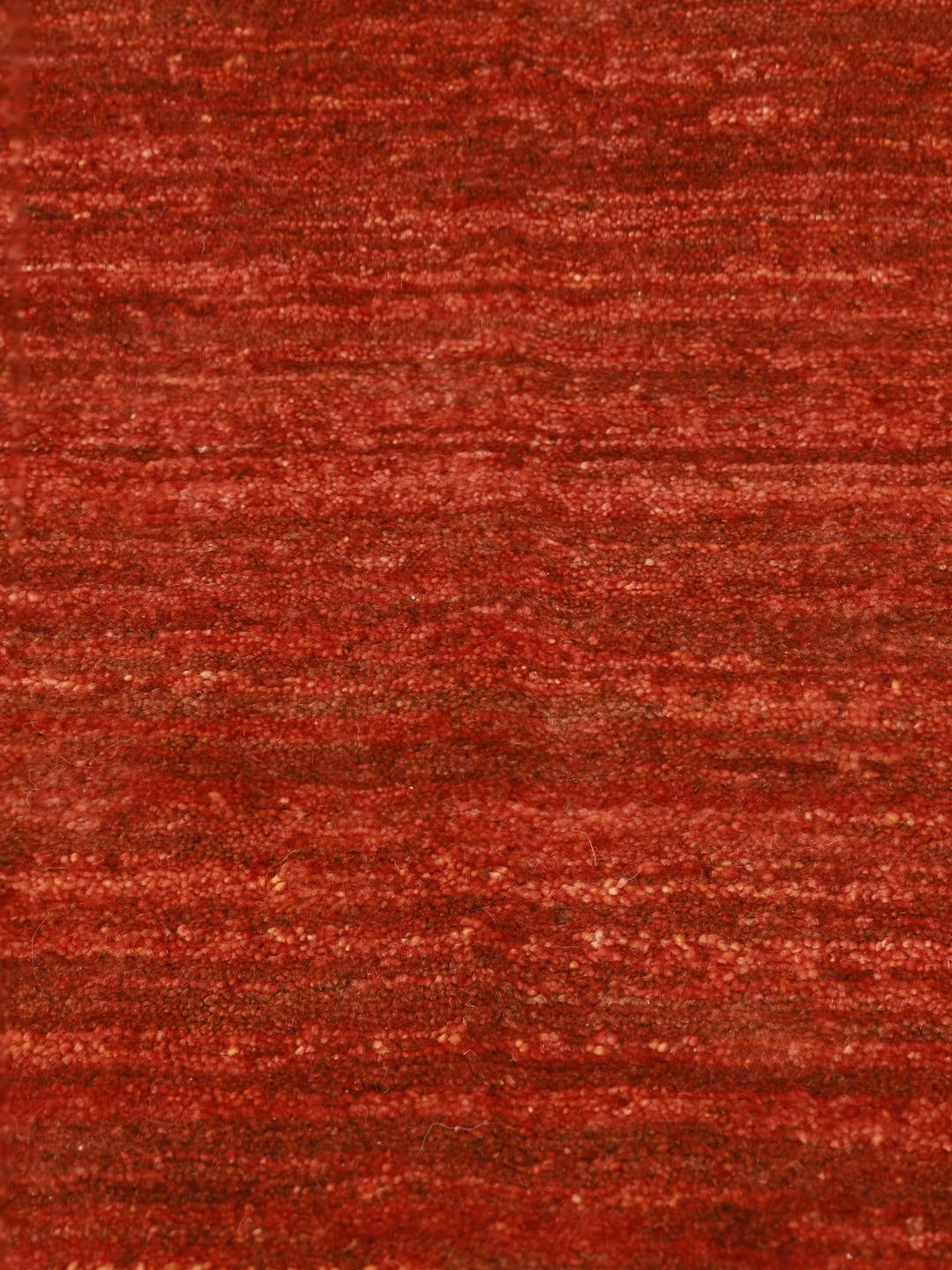
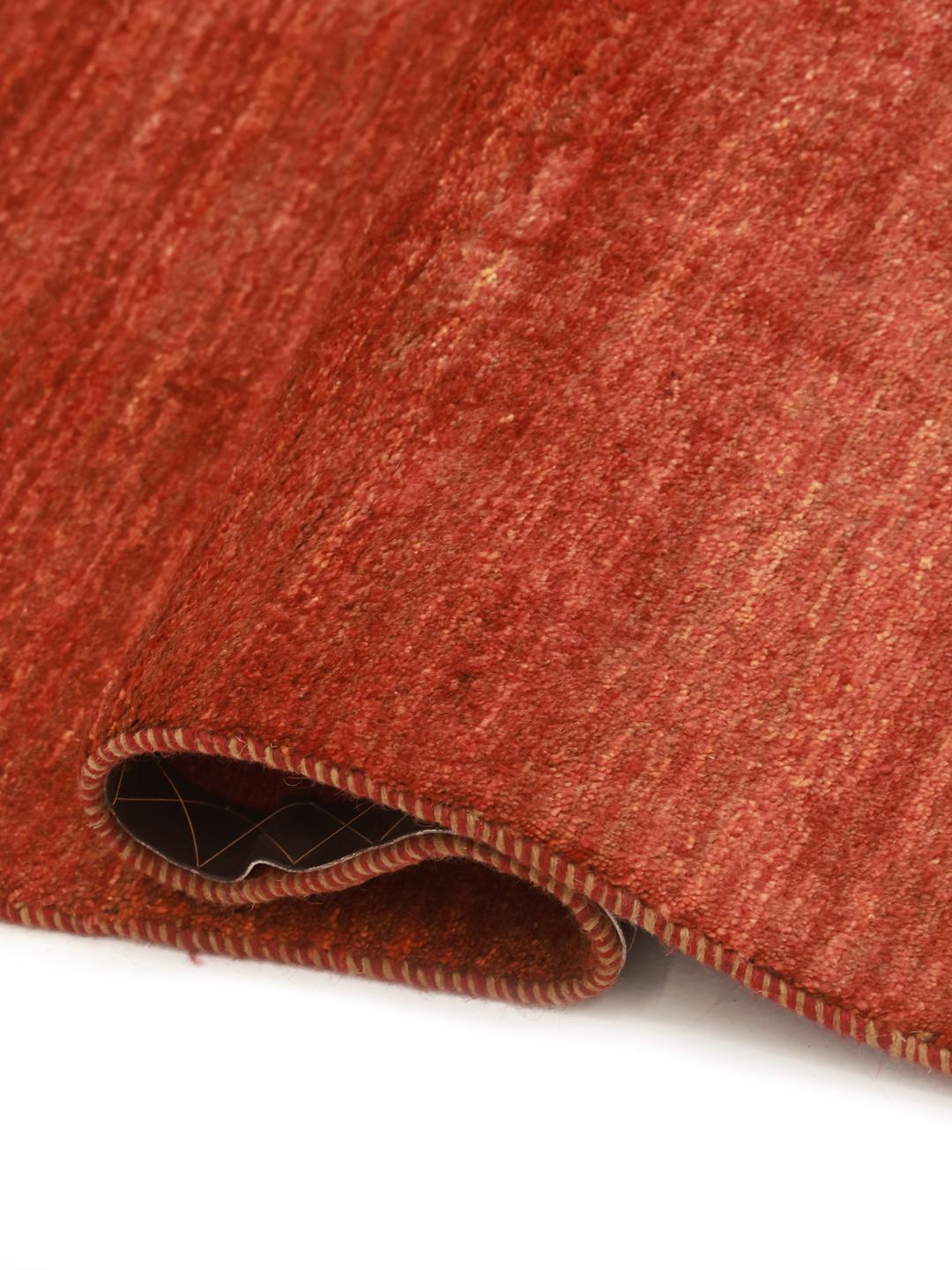
The term Gabbeh essentially means raw, natural, or unclipped, which speaks to the tradition of leaving the pile longer and thicker than in other types of rugs. This specific construction technique results in a heavier, more cushioned feel that is highly prized for its functional comfort.
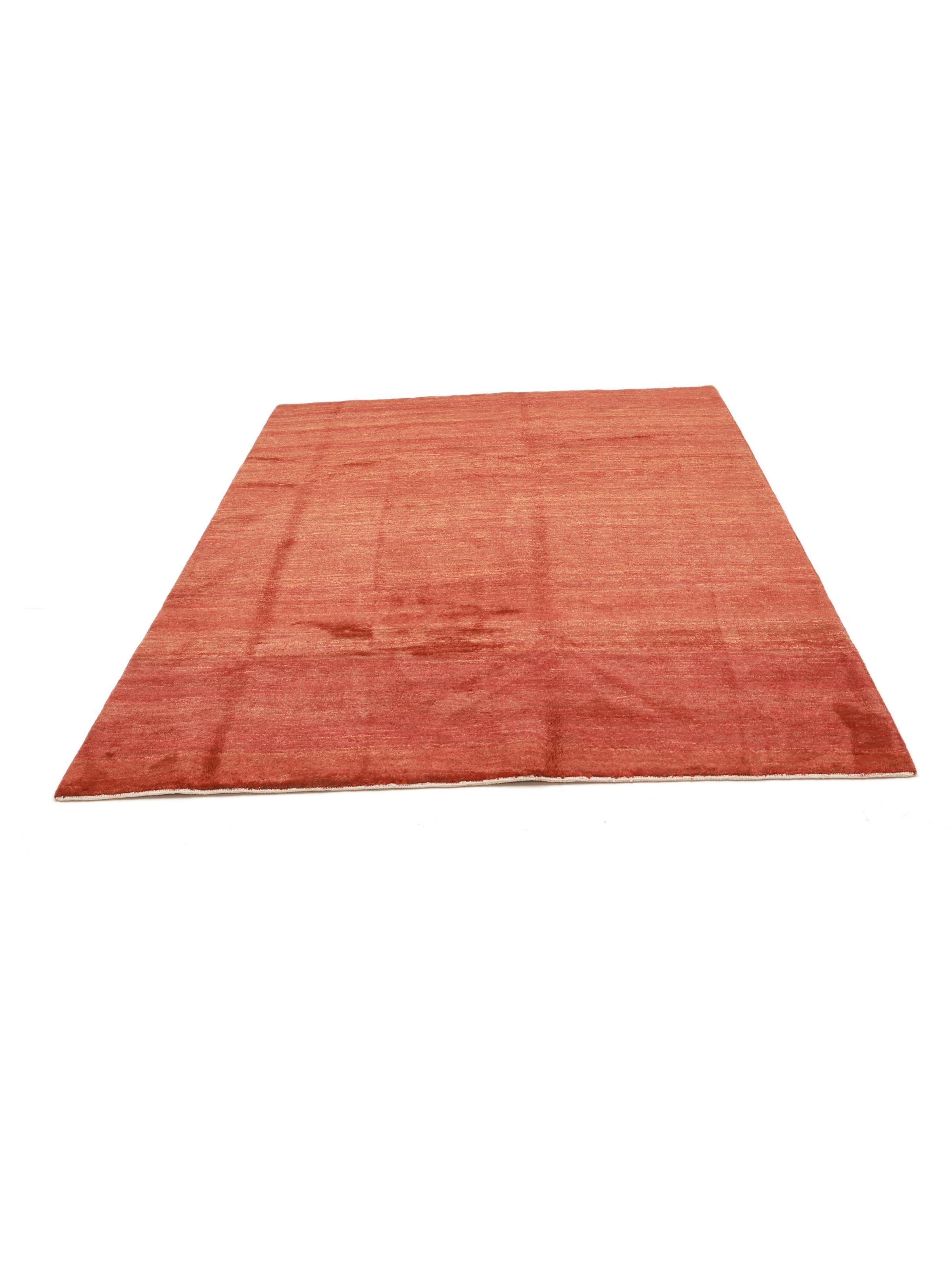
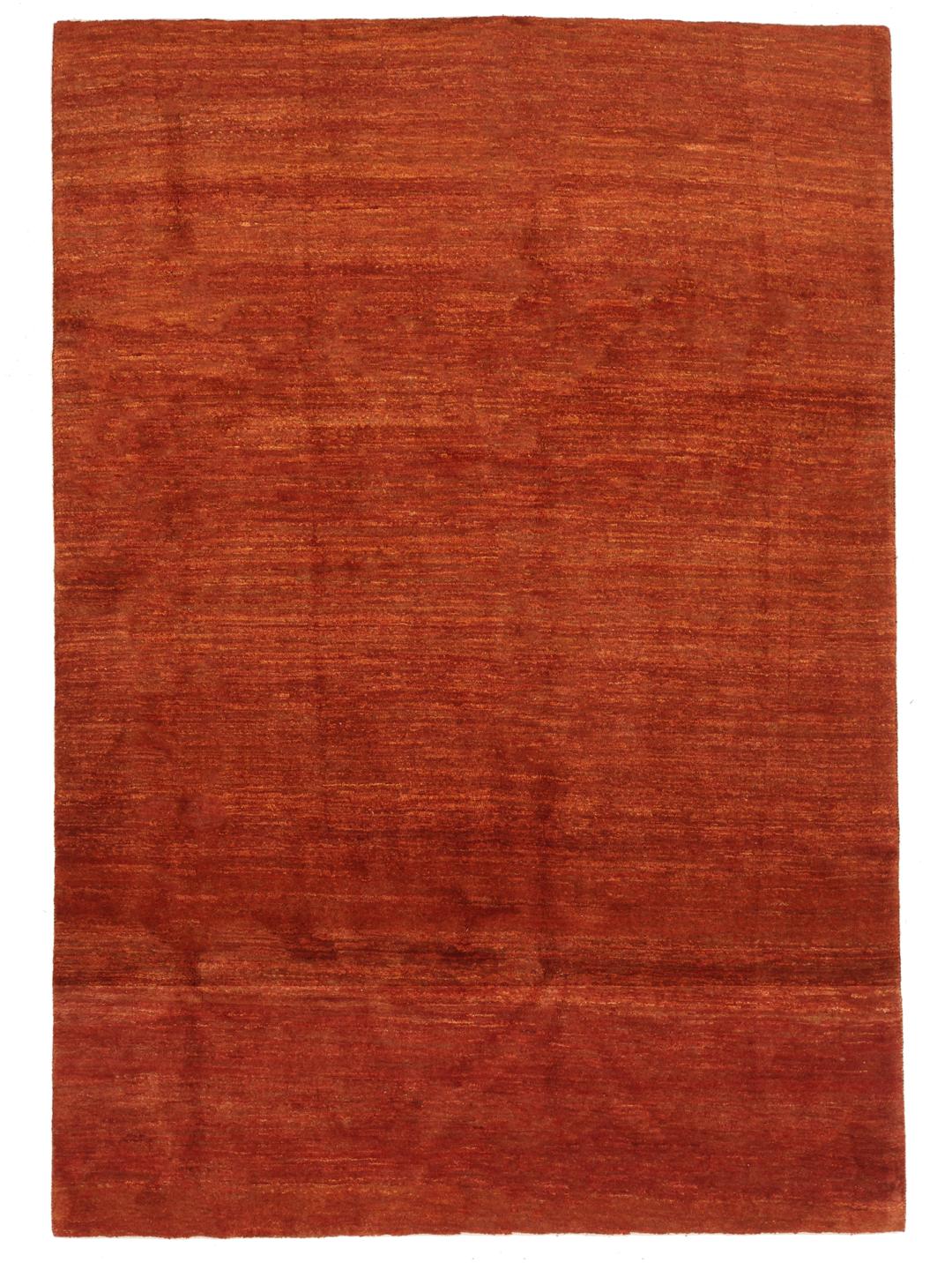
Design-wise, these rugs are known for their minimalist and artistic approach. While many Middle Eastern rugs are defined by intricate, formal patterns, the Gabbeh typically features a more open, often monochromatic or subtly variegated field. This style allows the natural beauty of the Wool to take centre stage, often showcasing vibrant, earthy colours derived from traditional vegetable dyes.
Today, owning a Gabbeh is a way to connect with a centuries-old tradition of nomadic artistry. These rugs are highly valued by collectors not just for their aesthetic appeal, but for the skill and spontaneity of the weavers who create them without the constraints of rigid, pre-drawn patterns.