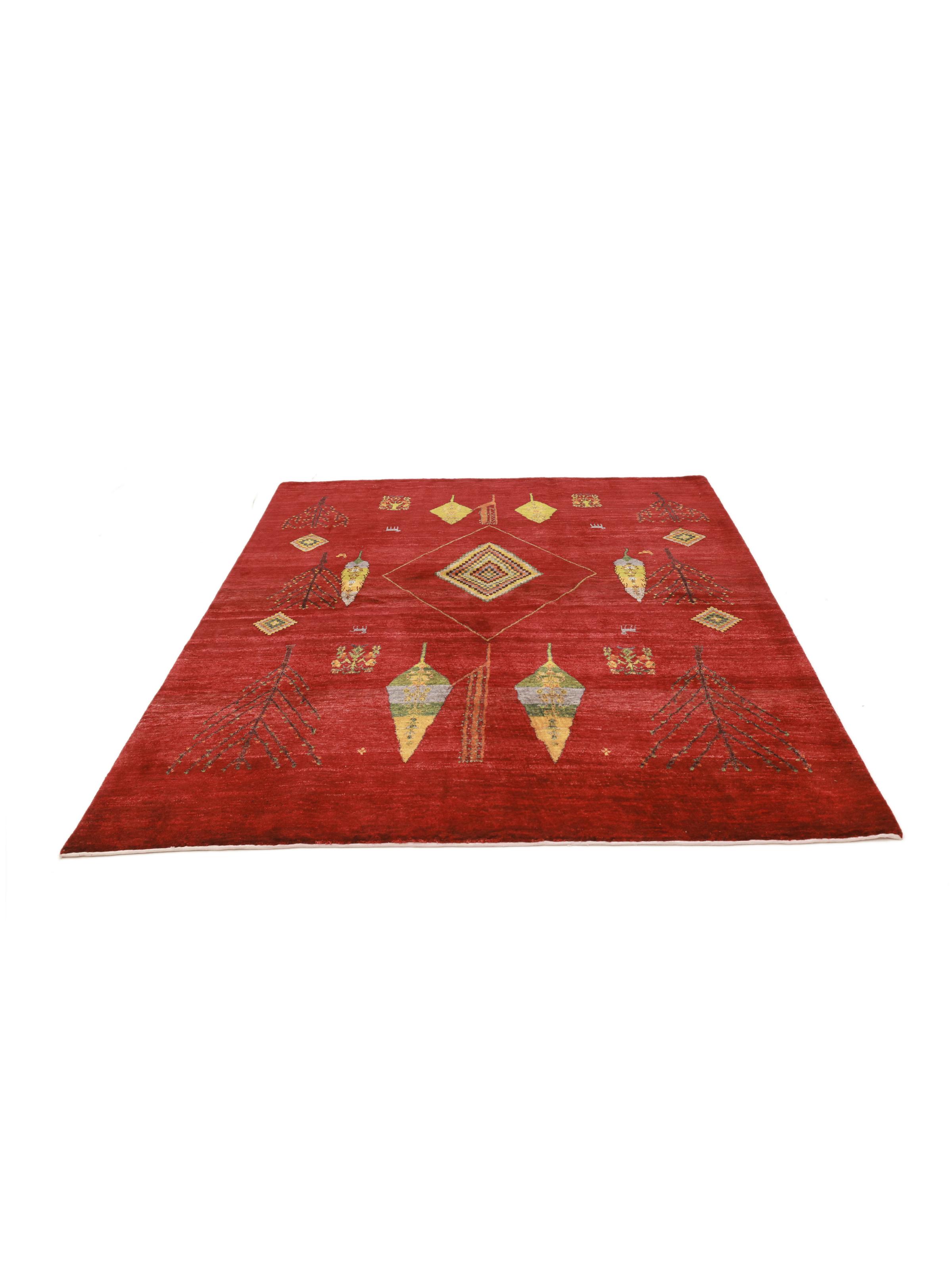
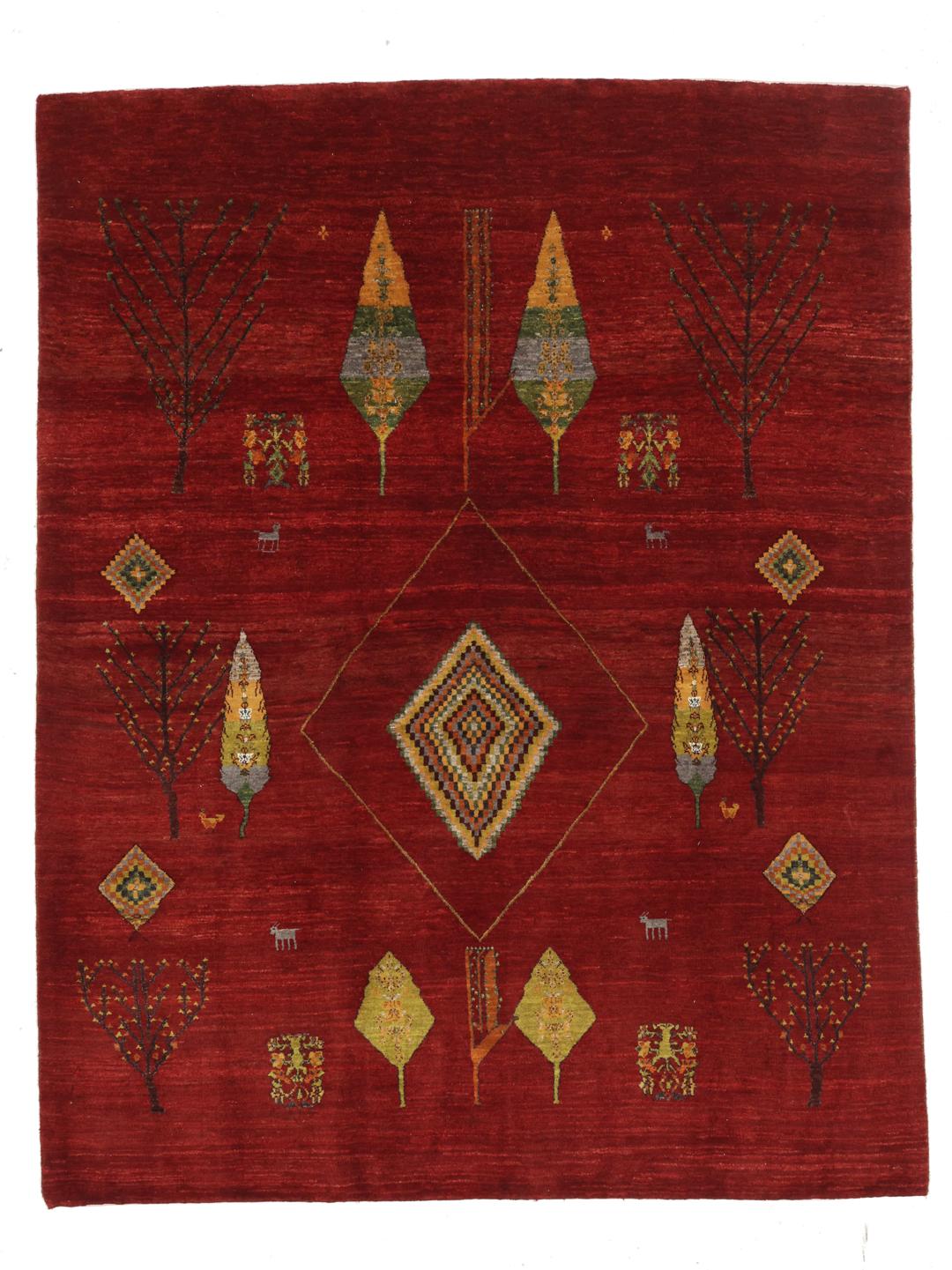
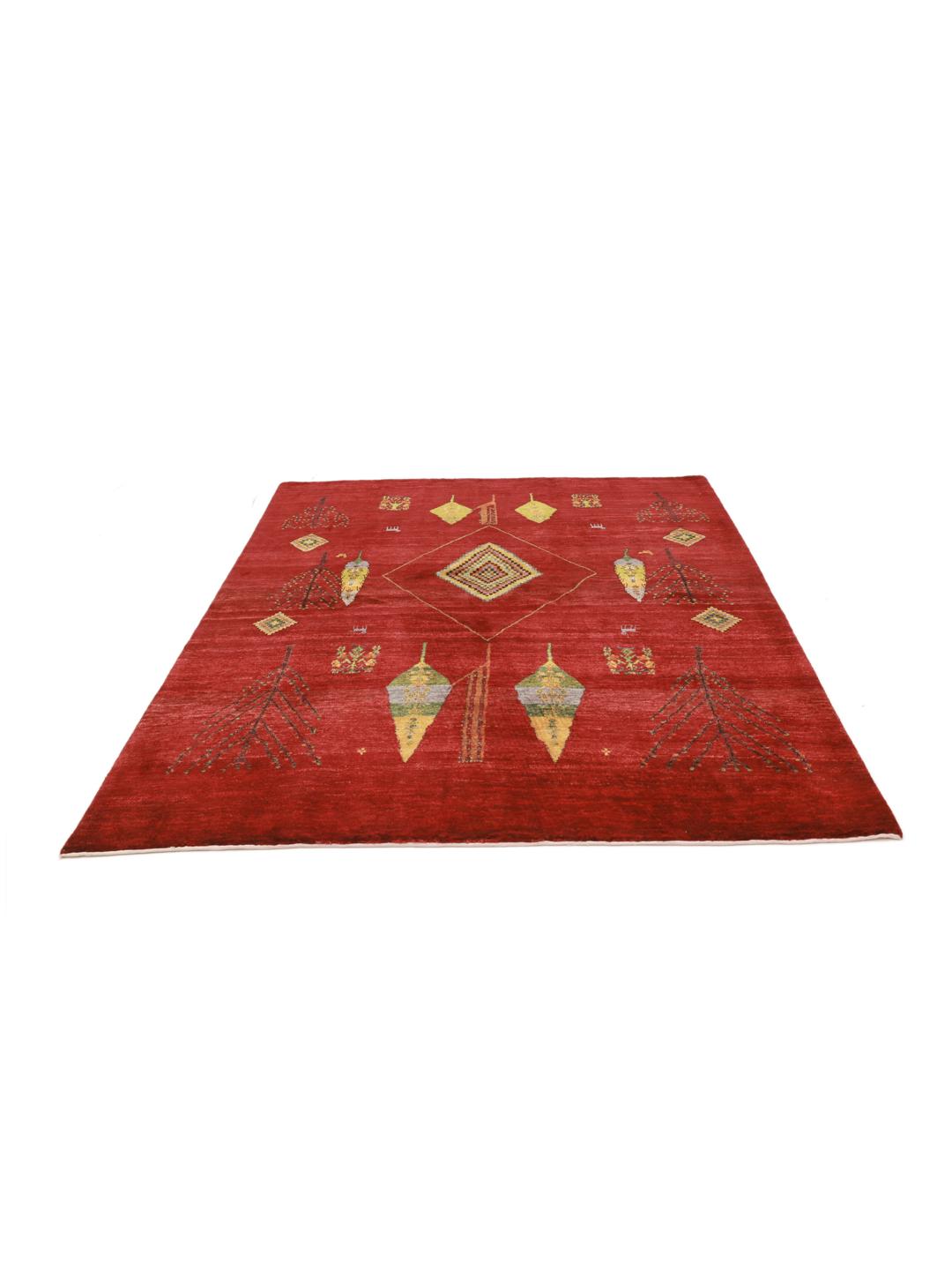
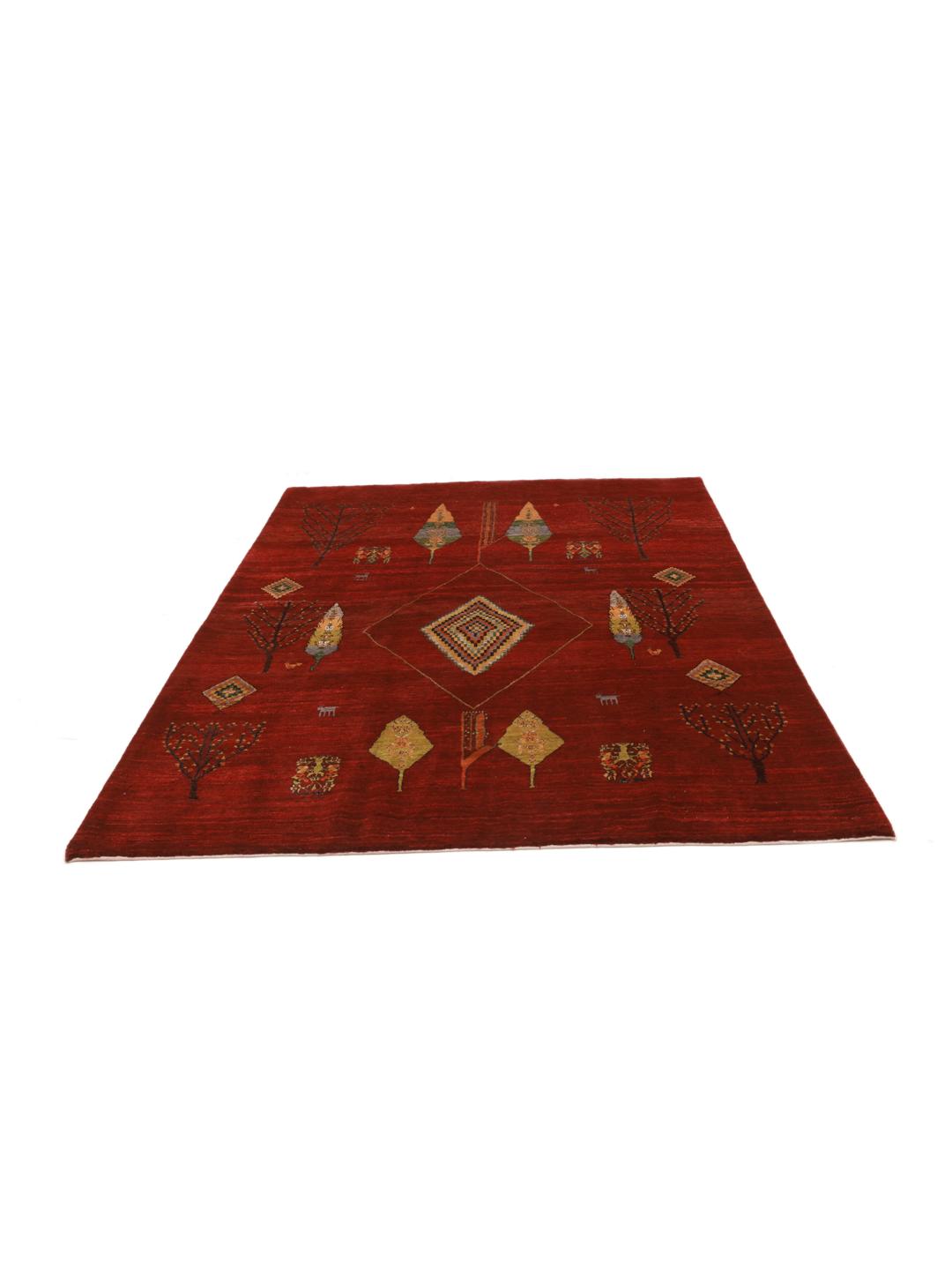
The Gabbeh tradition traces its roots to the nomadic tribes of the Middle East, particularly those inhabiting the rugged, mountainous landscapes. Traditionally, these rugs were woven for personal use rather than commerce, serving as essential, insulating floor coverings for nomadic tents that were as functional as they were beautiful.
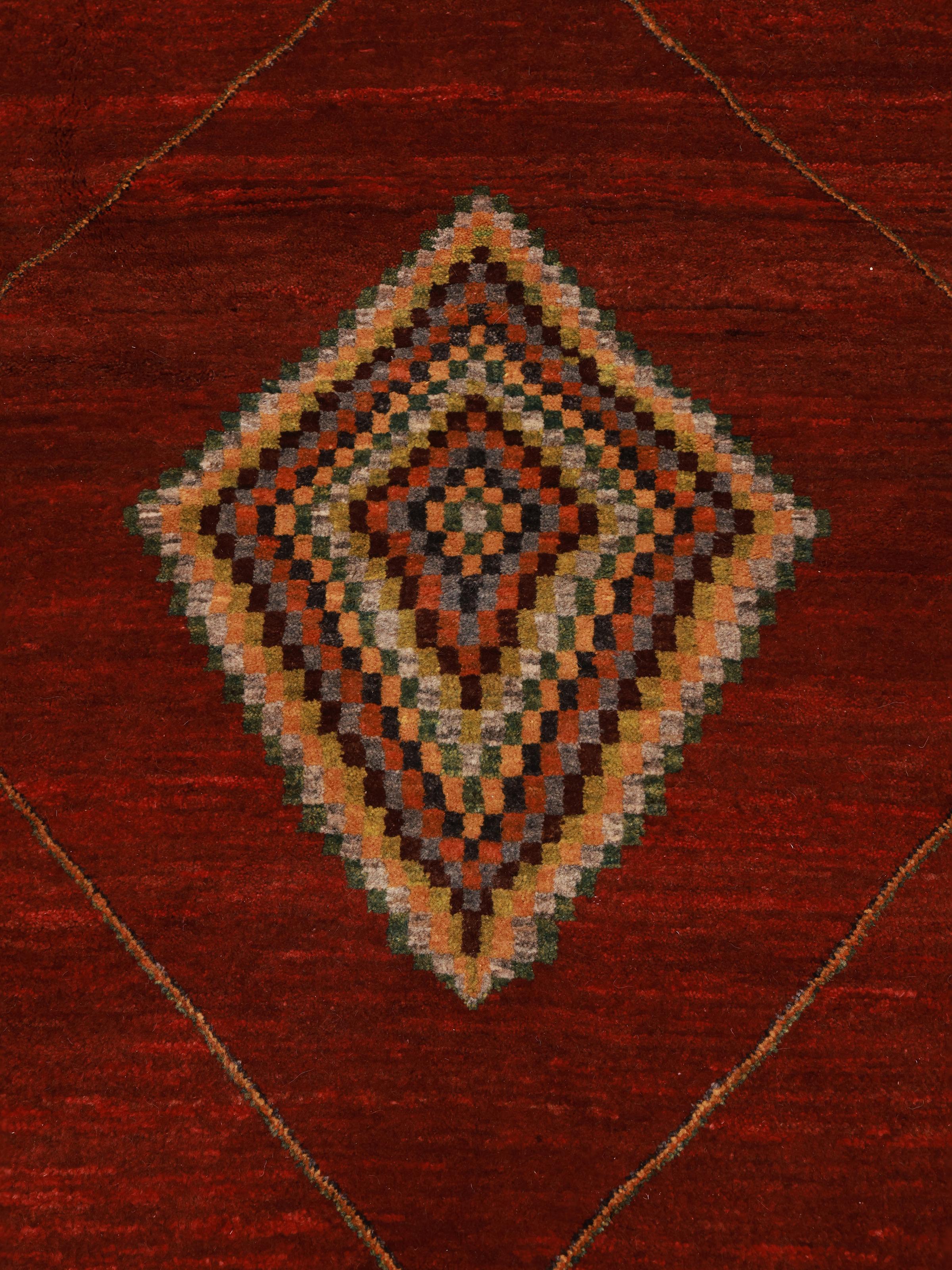
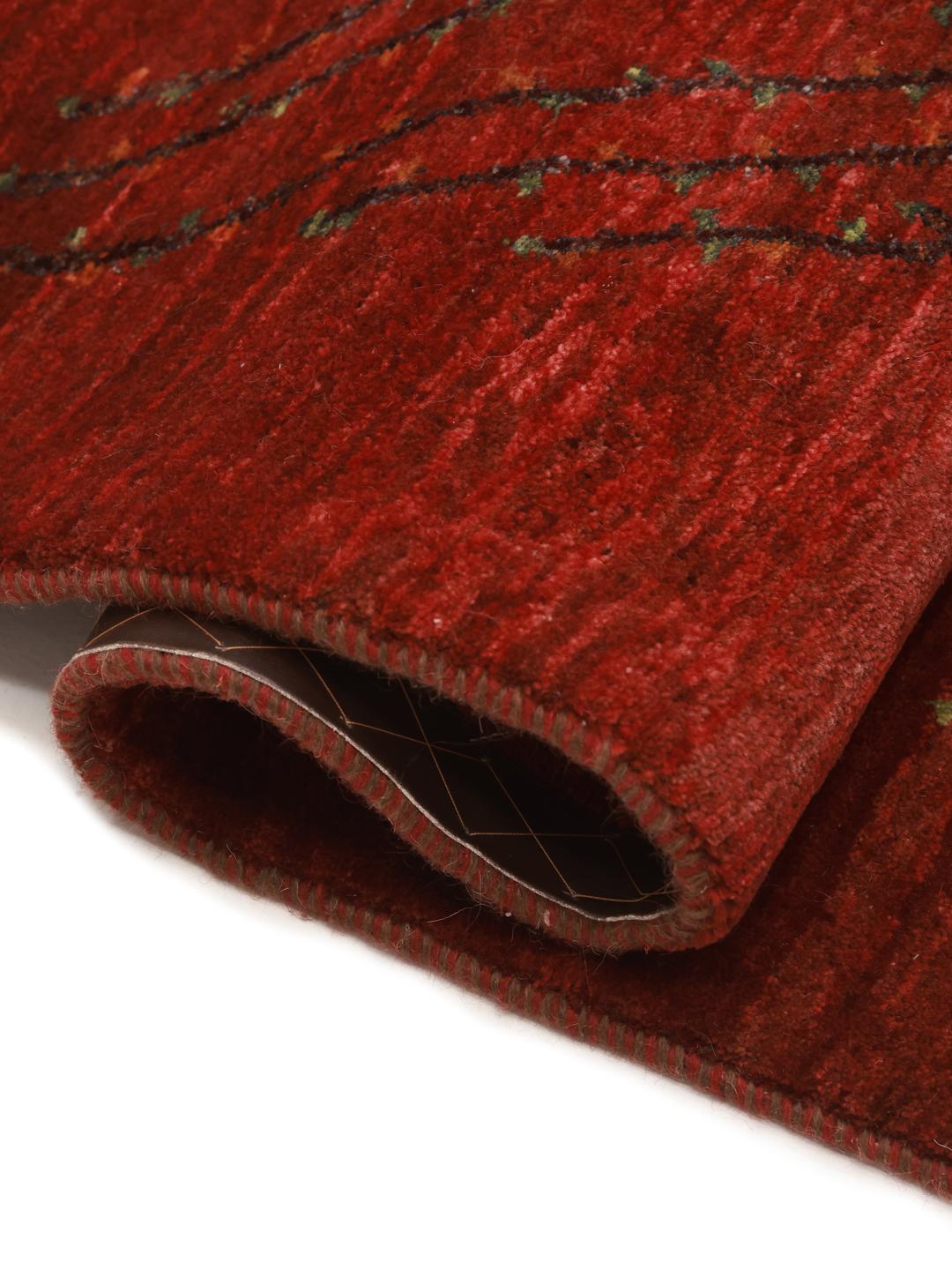
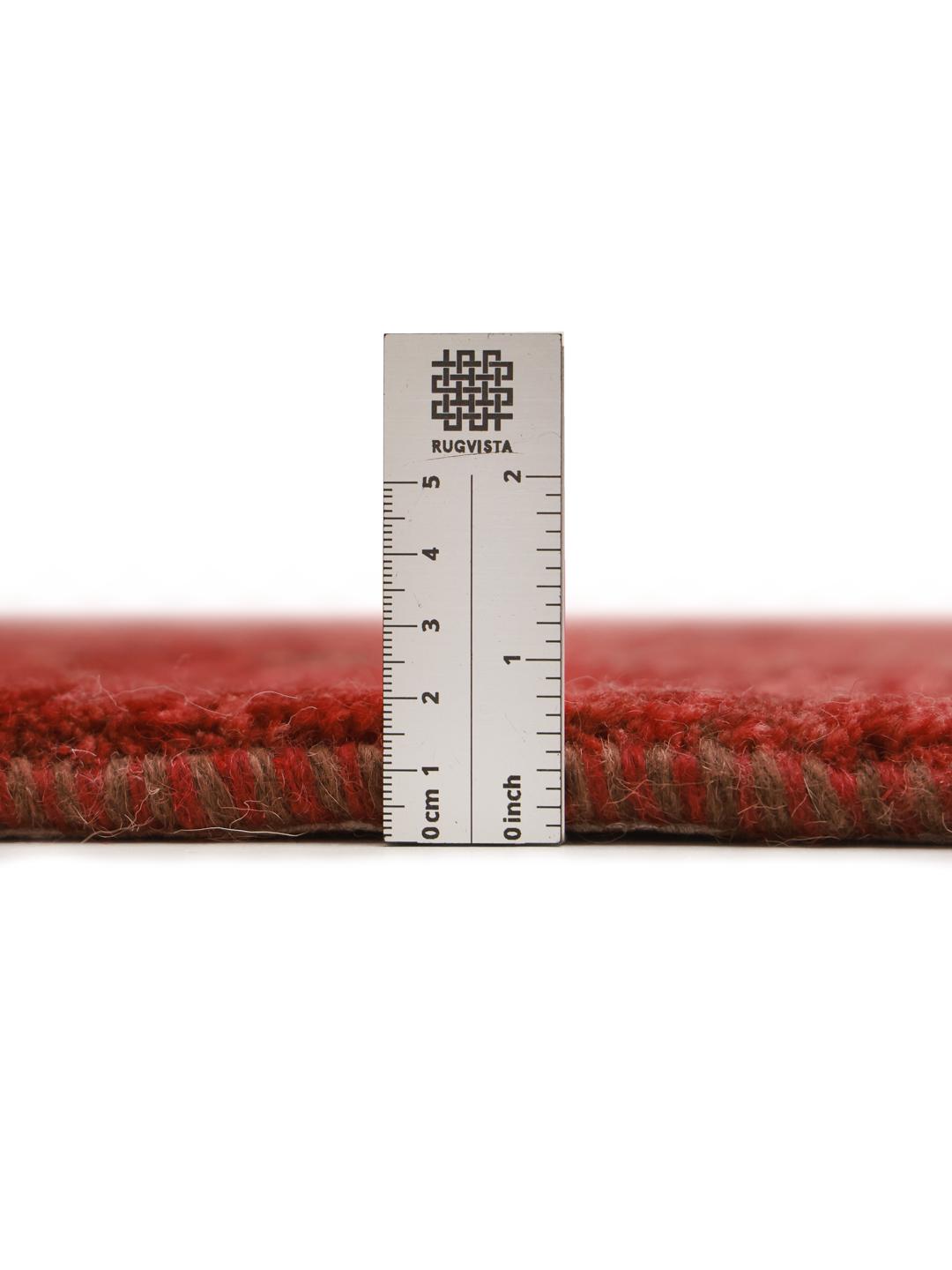
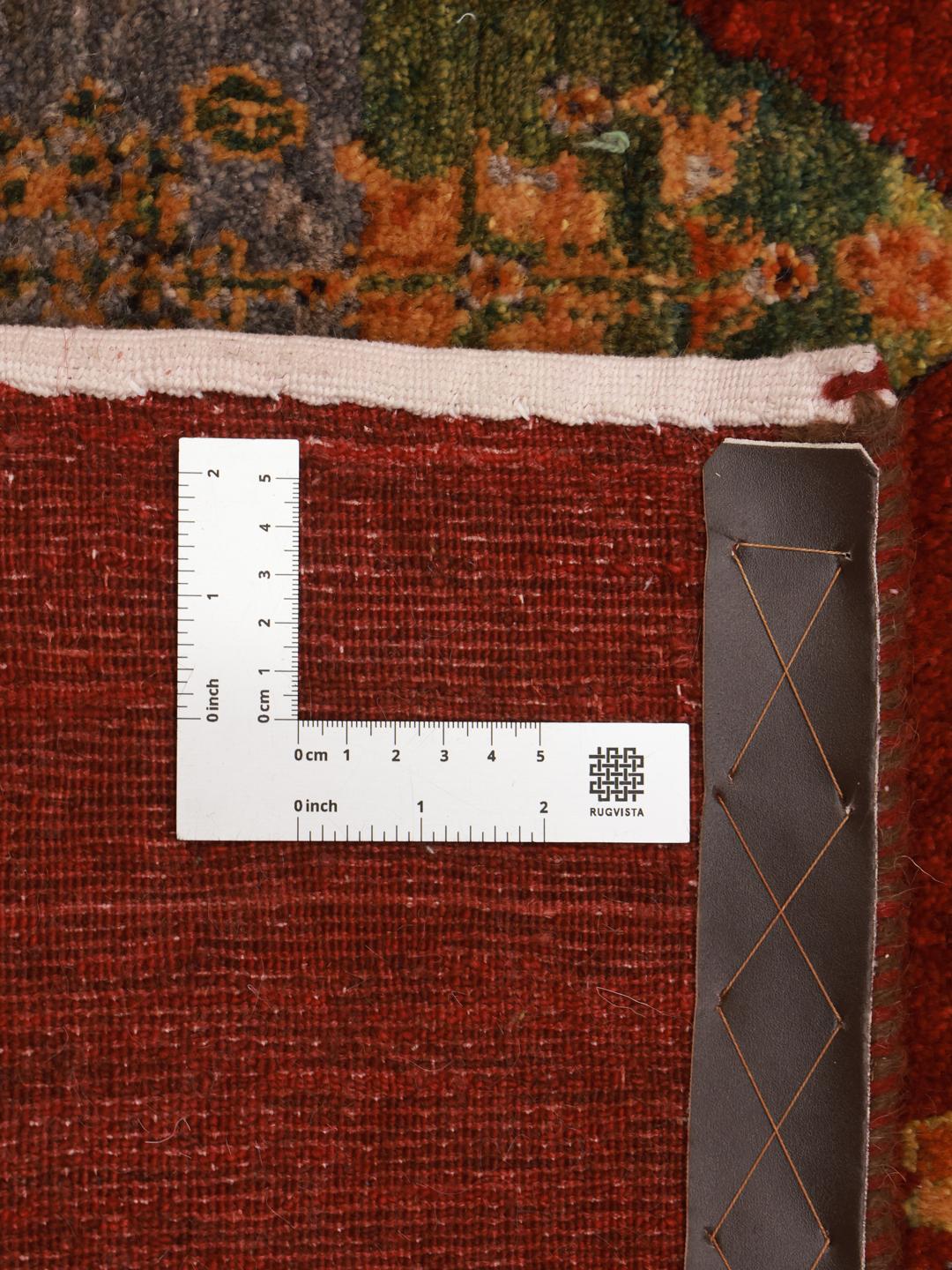
A Gabbeh is characterised by its simplistic, often spontaneous design and thick, shaggy pile. The term itself implies something raw or natural, and this aesthetic is reflected in the use of hand-spun, often naturally dyed wool. The resulting texture is coarse yet incredibly soft, offering a tactile experience that feels deeply connected to the earth.
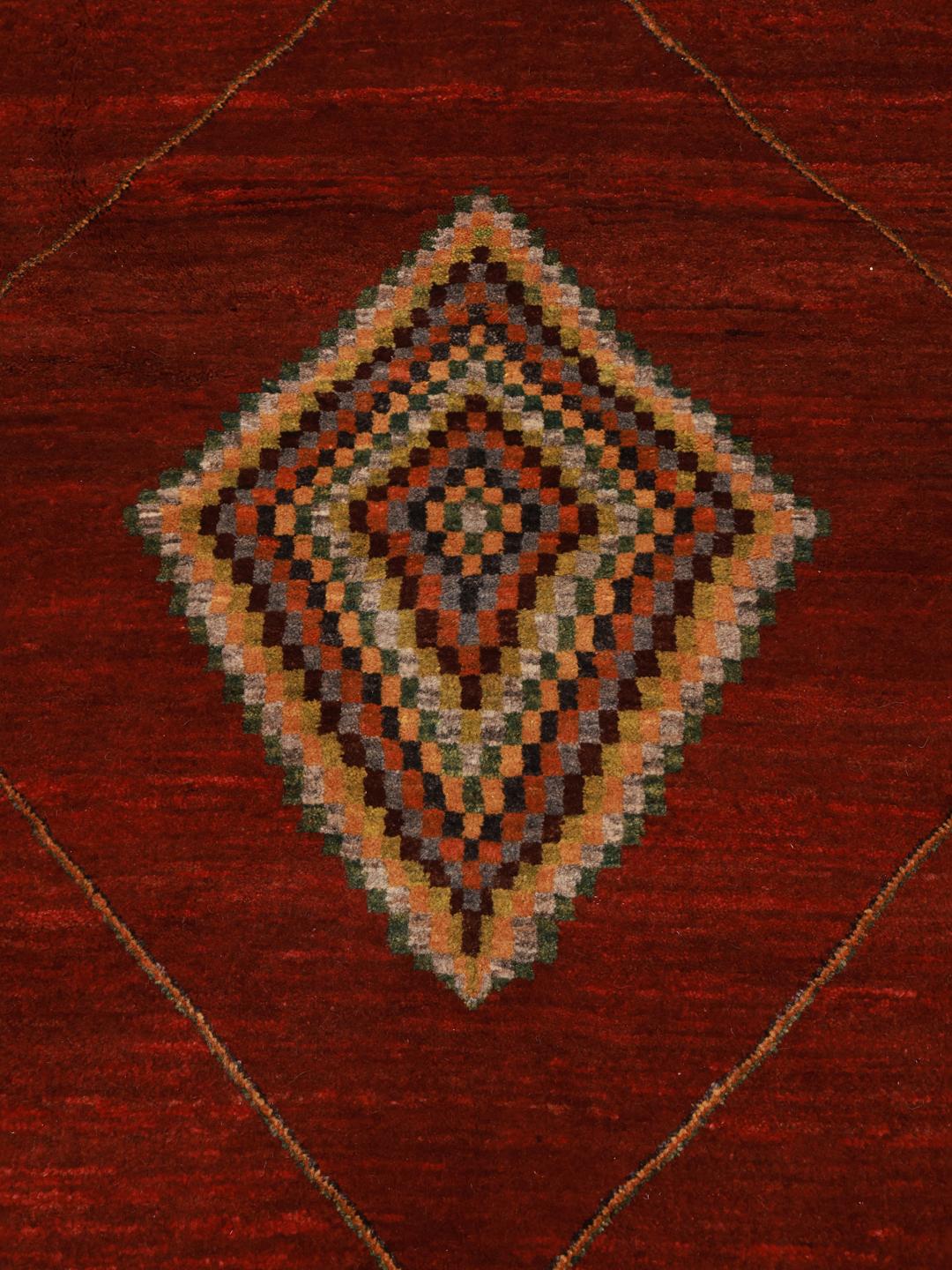
Visually, these rugs are defined by their open, uncrowded fields and bold, geometric interpretations of the natural world. Instead of the intricate, formal patterns found in city-made rugs, Gabbeh designs often highlight trees, animals, and abstract shapes, allowing the weaver's personal vision and local surroundings to dictate the final look.
Today, these rugs are highly prized by collectors for their authentic, unpretentious spirit. Owning a piece from this tradition is an invitation to appreciate the human element in art, as each rug represents a unique chapter in a tribe's cultural narrative, preserved through generations of weaving expertise.