Gabbeh rugs trace their origins to the nomadic tribes of the Middle East, where they were traditionally woven for personal use and protection against the elements. Unlike formal, city-woven rugs that follow rigid patterns, these pieces were expressions of the weaver's imagination and environment. The tradition is rooted in a culture that valued utility and natural beauty, leading to the creation of rugs that were as durable as they were aesthetically striking.
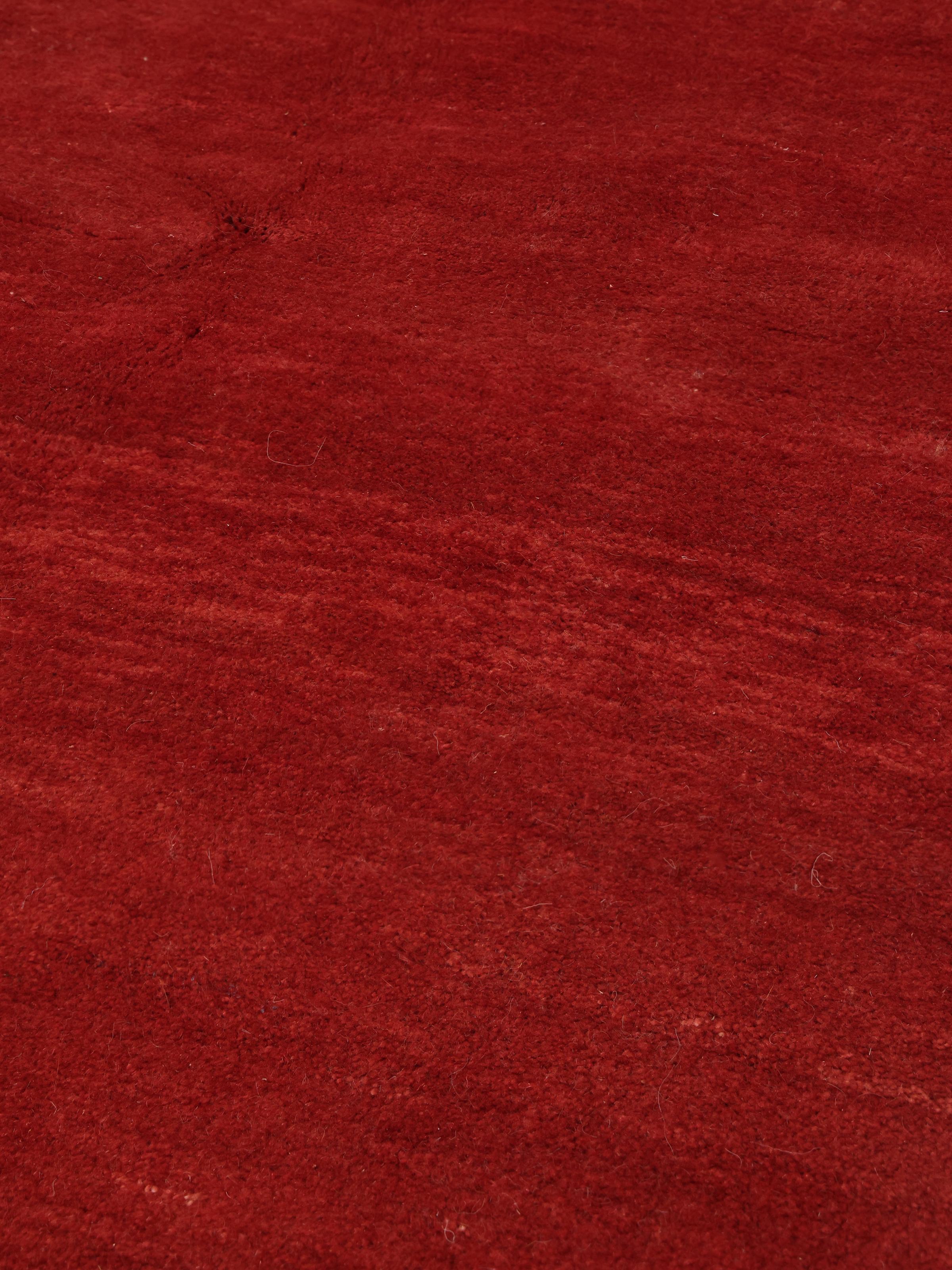
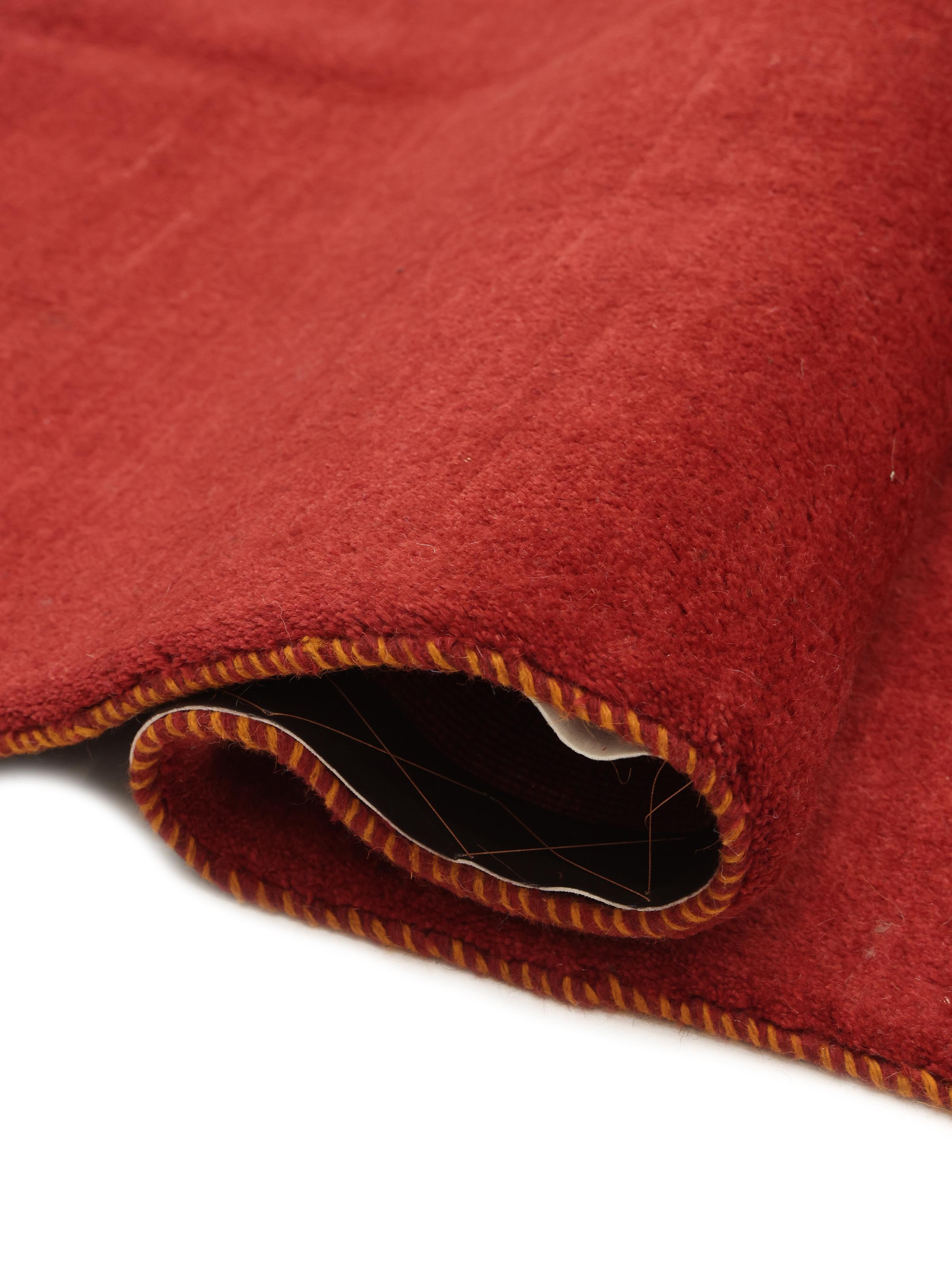
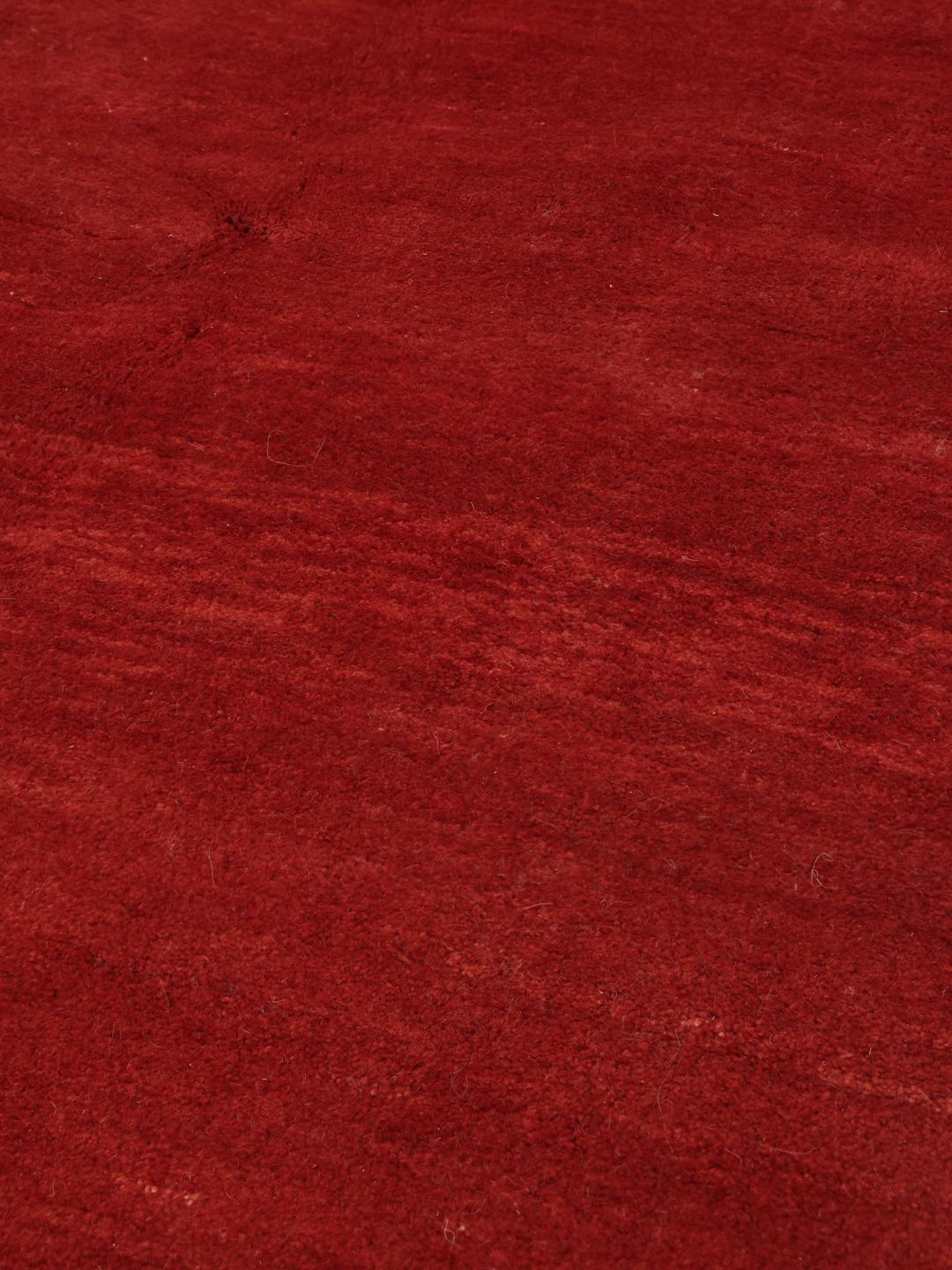
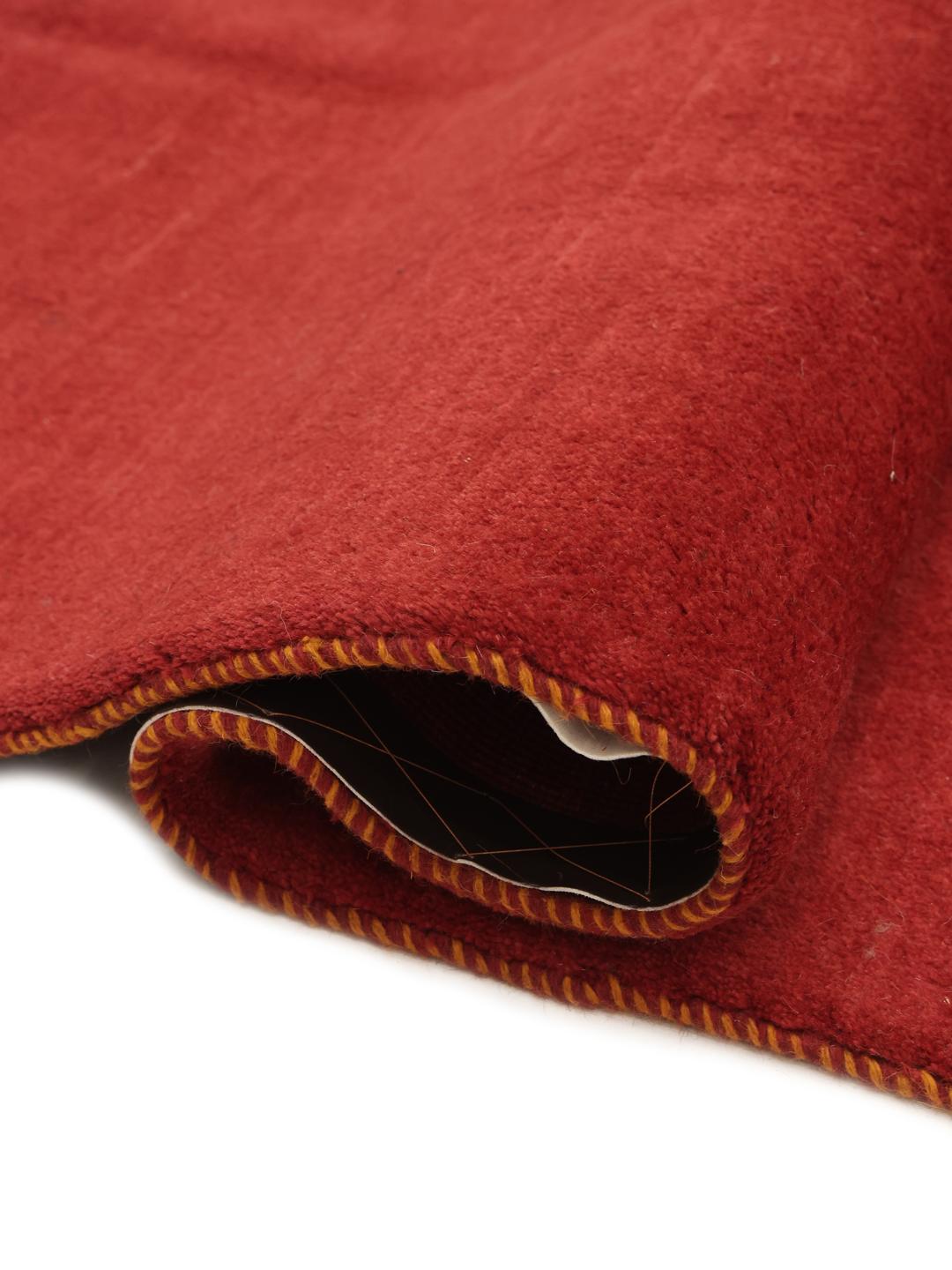
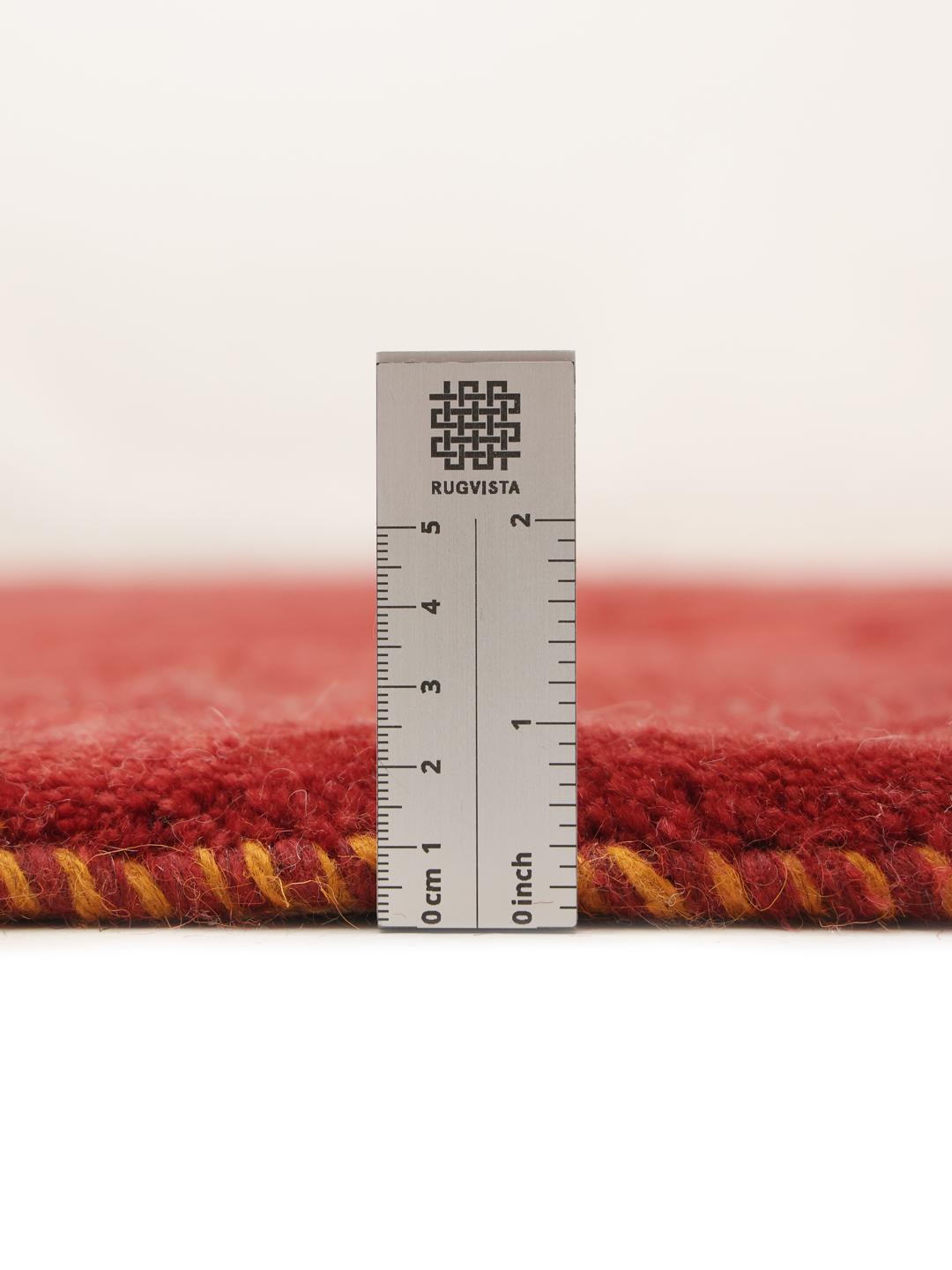
The term Gabbeh itself refers to a 'natural' or 'raw' style, often characterised by a thicker, longer pile compared to other varieties. This construction is a hallmark of the tradition, designed to provide maximum warmth and comfort in the rugged, high-altitude regions where the weavers lived. The use of hand-spun wool and natural dyes creates a subtle variation in colour—often called abrash—which gives the rug a vibrant, living quality that changes slightly depending on the light in your room.
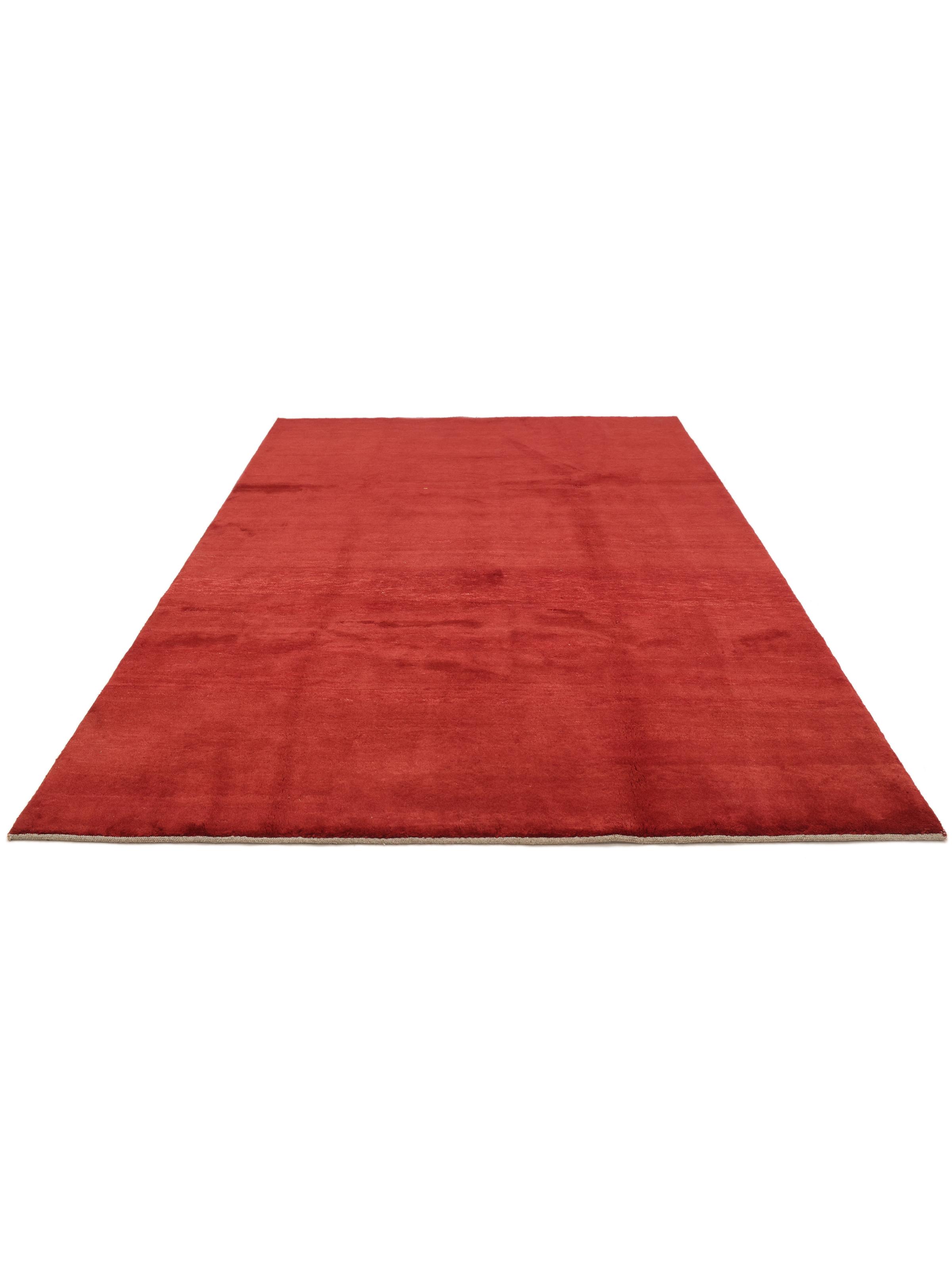
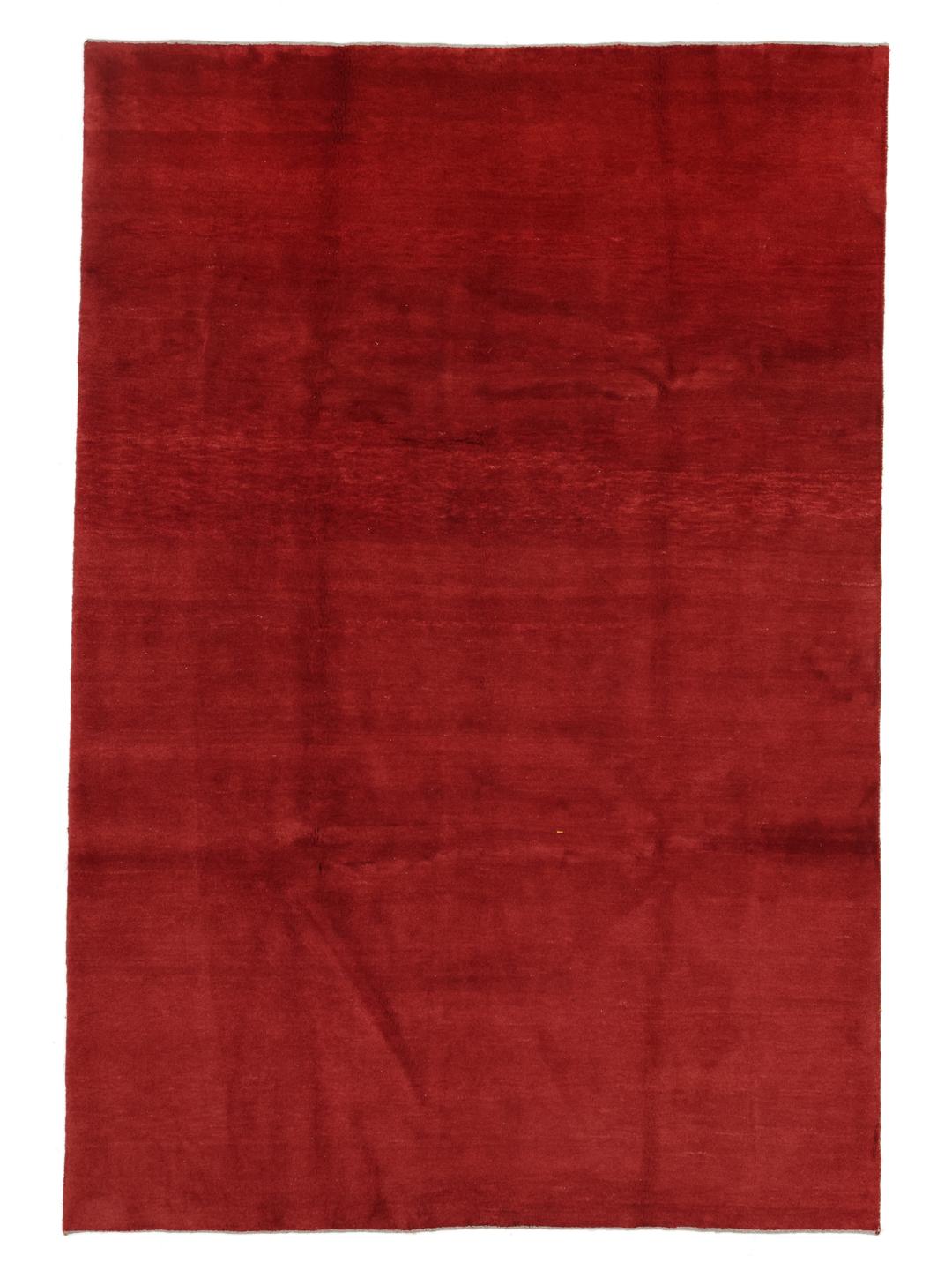
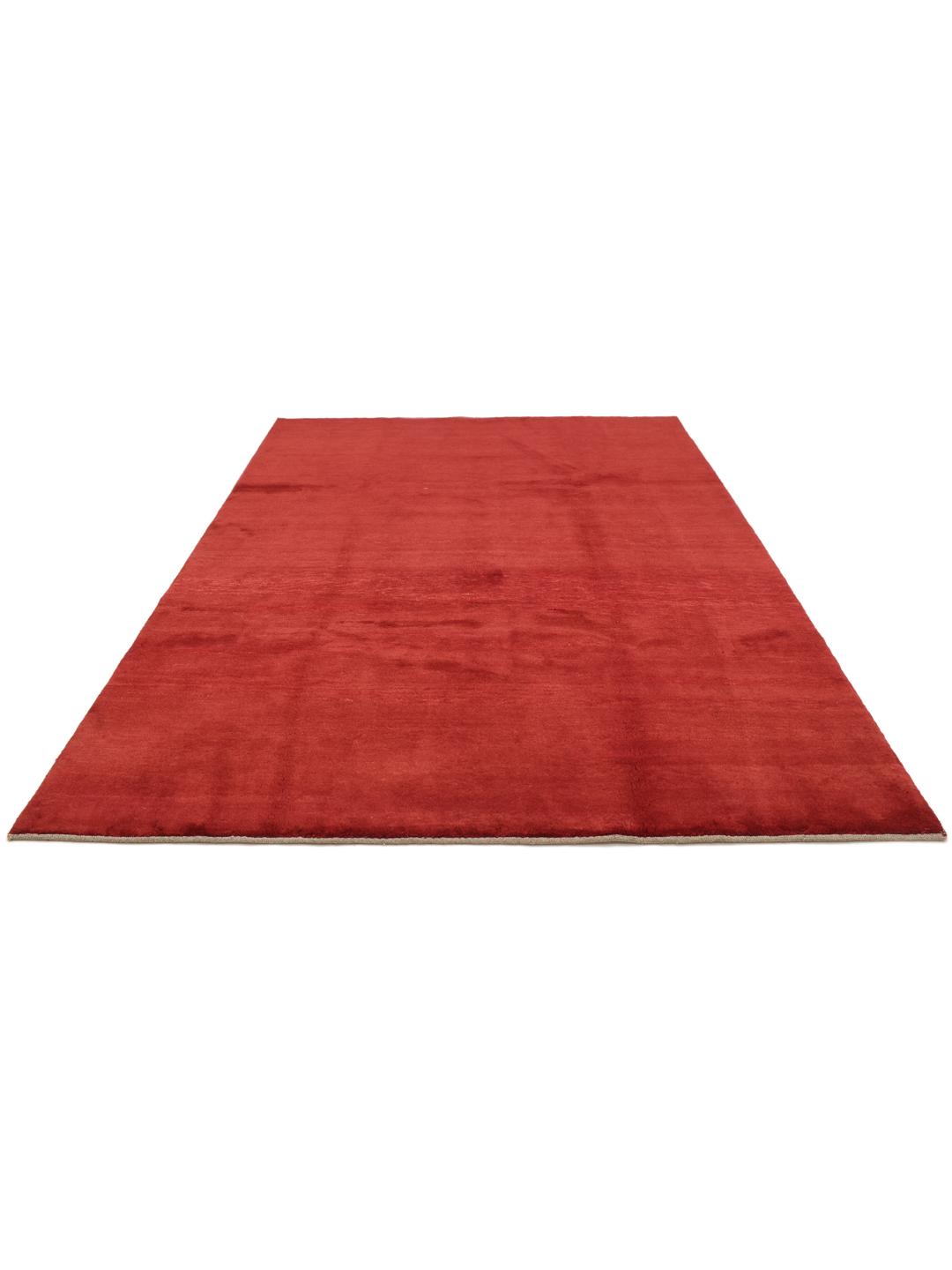
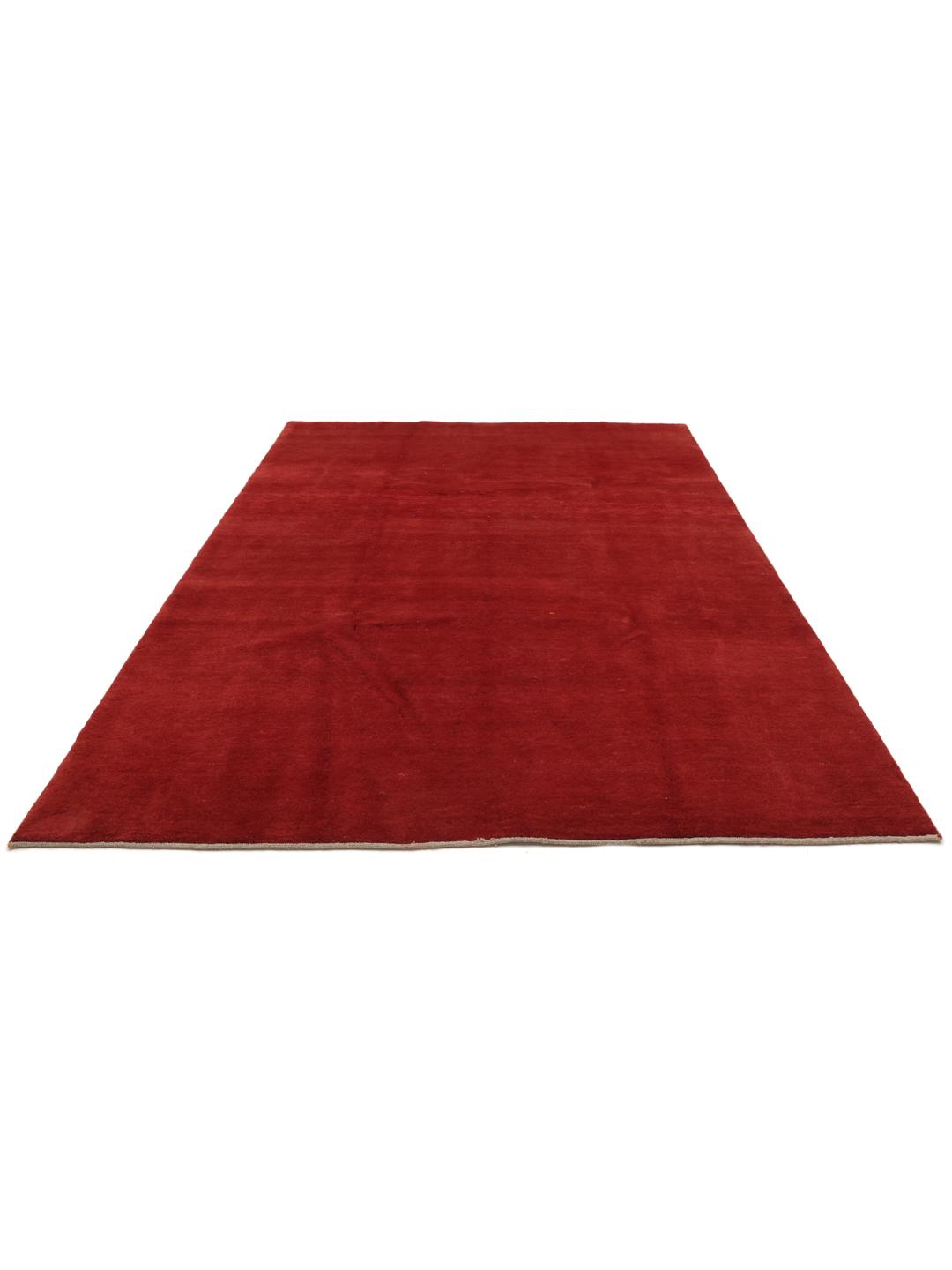
Visually, these rugs are defined by their minimalist approach, often featuring large, open fields of colour with sparse, symbolic motifs. While traditional examples may include stylised animals or geometric shapes, the focus remains on the purity of the wool and the depth of the dye. This design philosophy creates a calming, meditative atmosphere, making these rugs highly sought after for modern homes that seek a balance between tradition and simplicity.
Today, these rugs are considered collector's items, valued for their authenticity and the human story woven into every knot. Owning one is a connection to a long-standing heritage of craftsmanship, where skill is passed down through generations. These pieces carry a cultural weight, offering more than just a floor covering; they bring a sense of history, warmth, and genuine human connection into the modern living space.