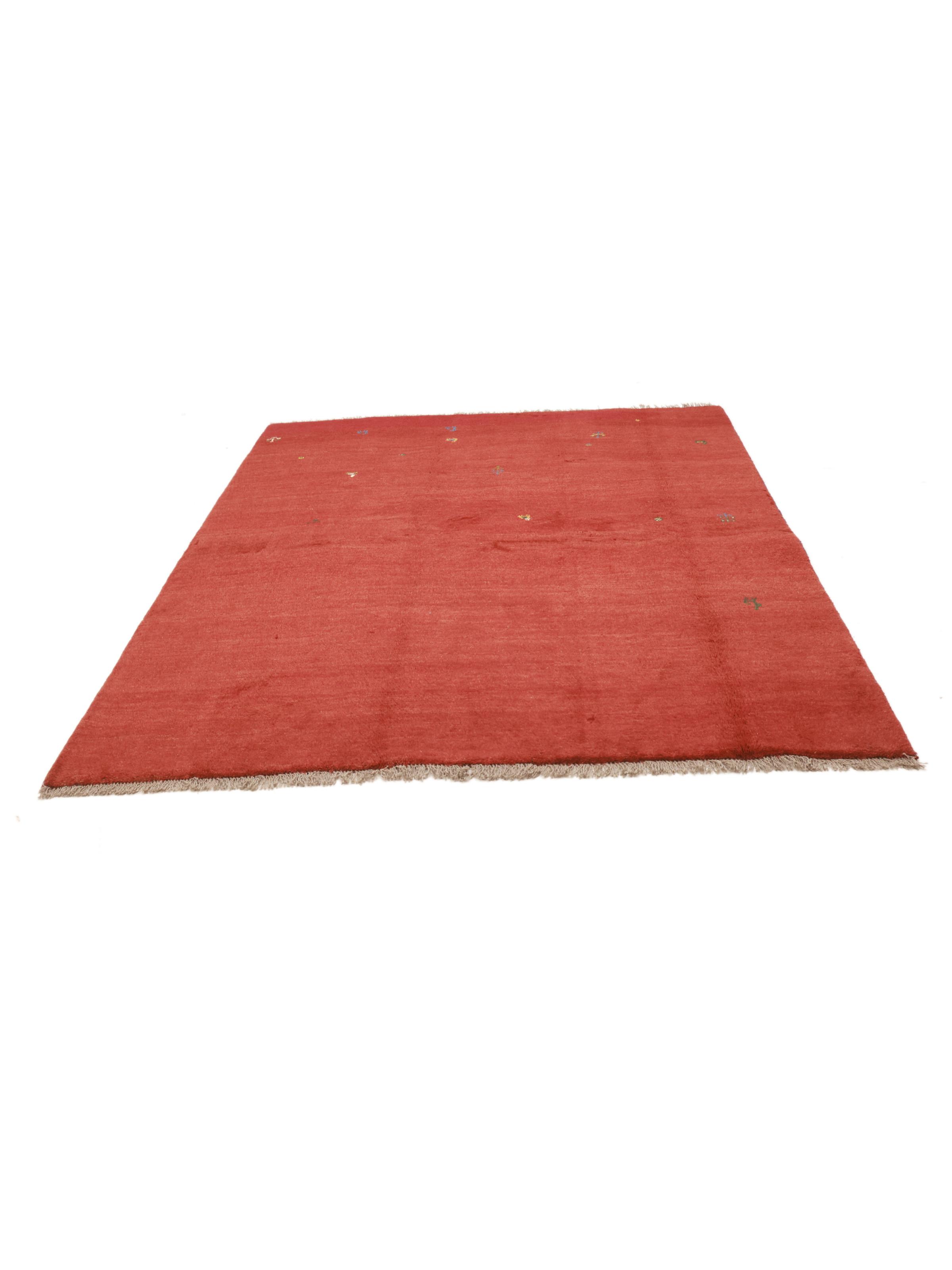
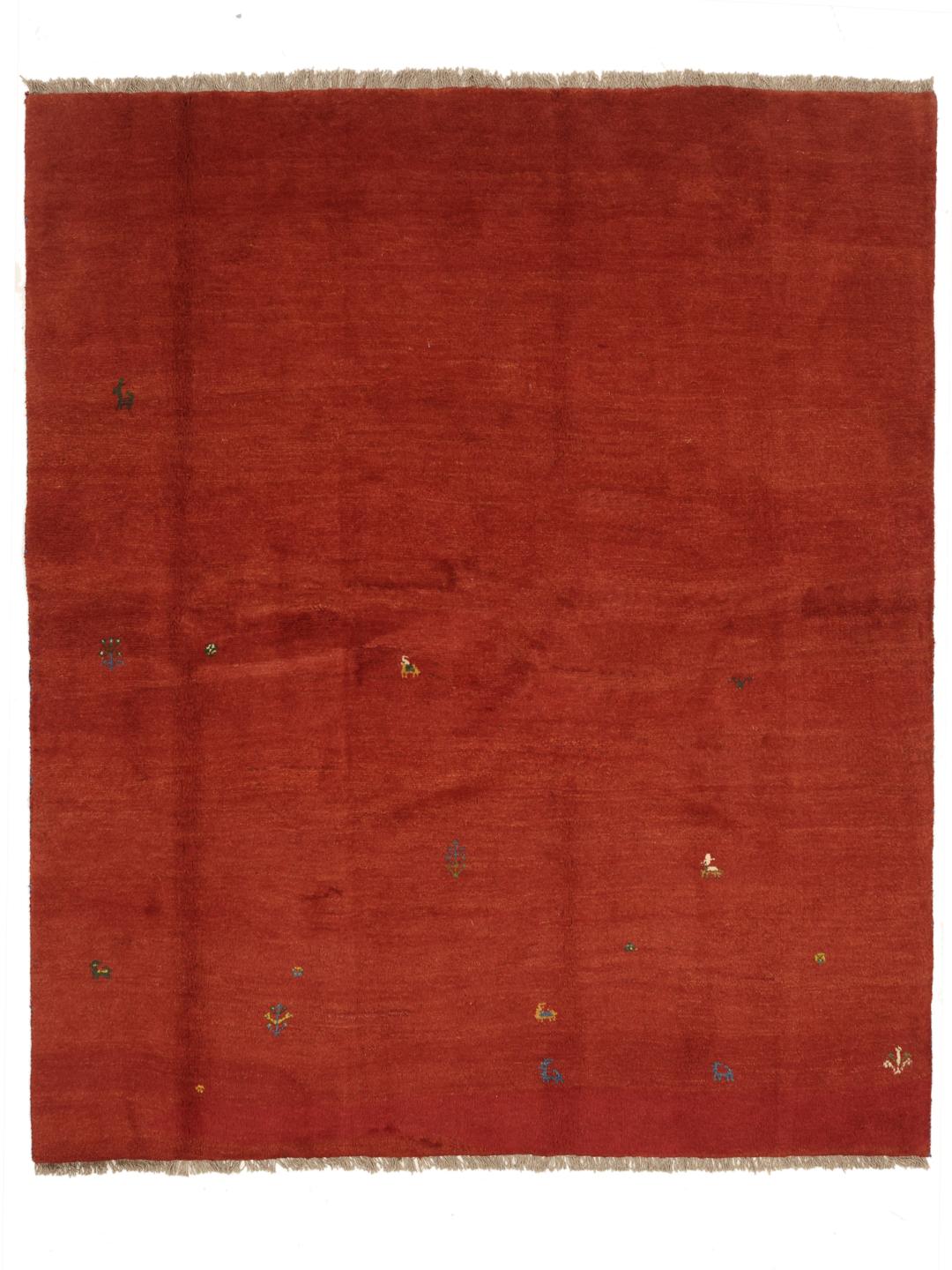
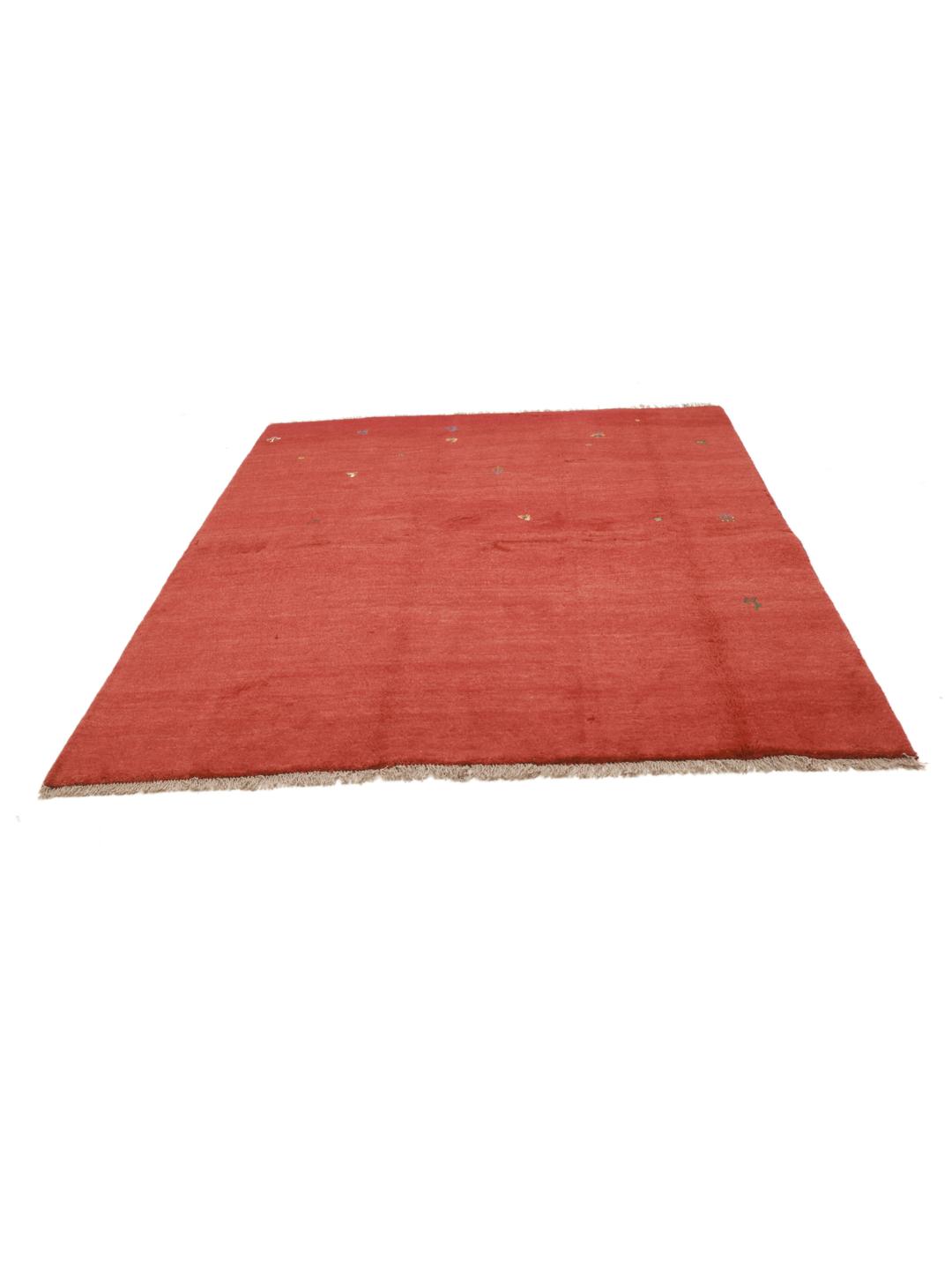
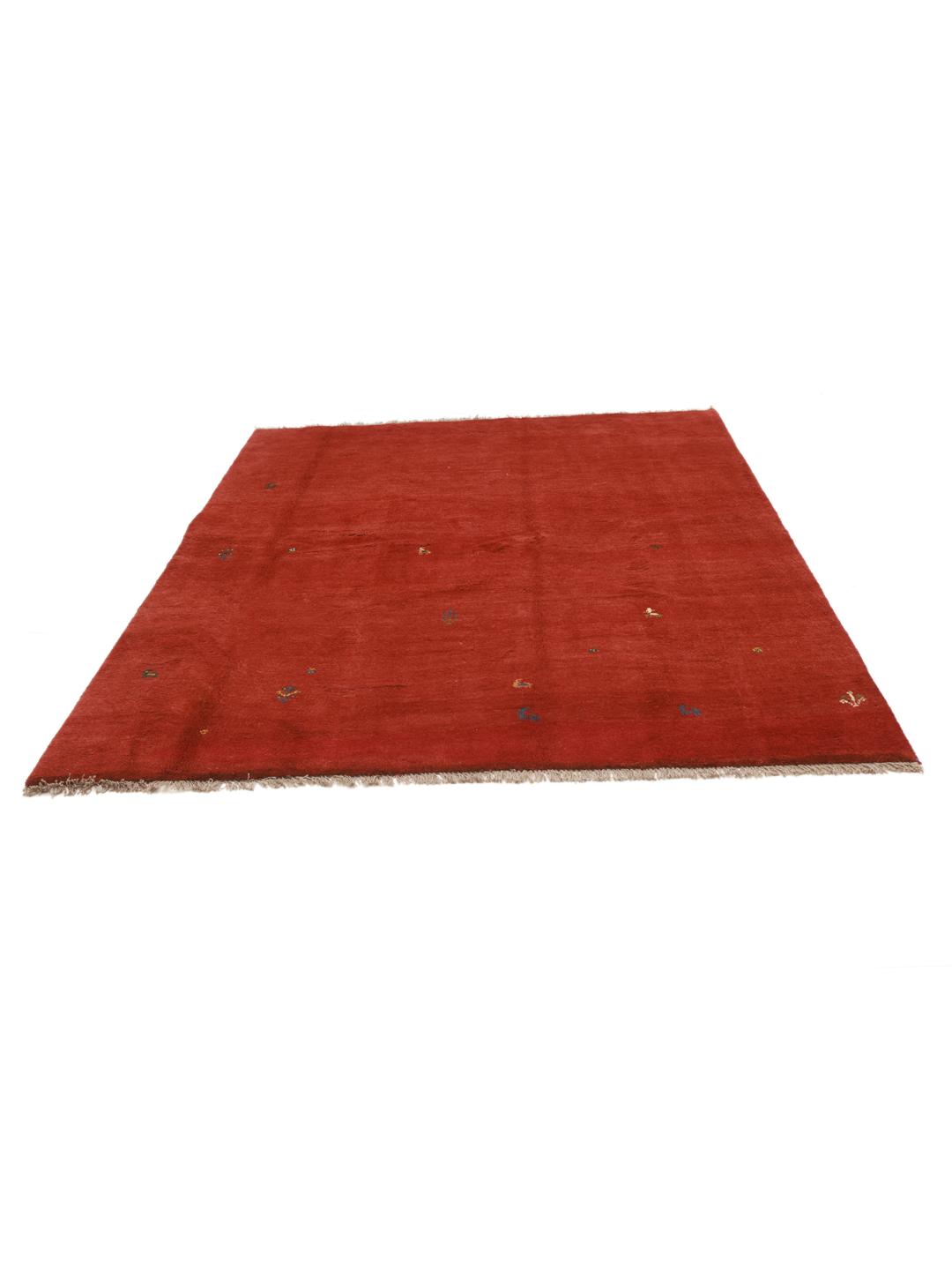
Gabbeh rugs originate from the nomadic tribes of the Middle East, specifically crafted by the Ghashghai and other tribal groups to serve as warm, practical floor coverings. These rugs were traditionally woven for personal use within the home, rather than for the commercial market, which allowed the weavers complete creative freedom in their patterns and colour choices.
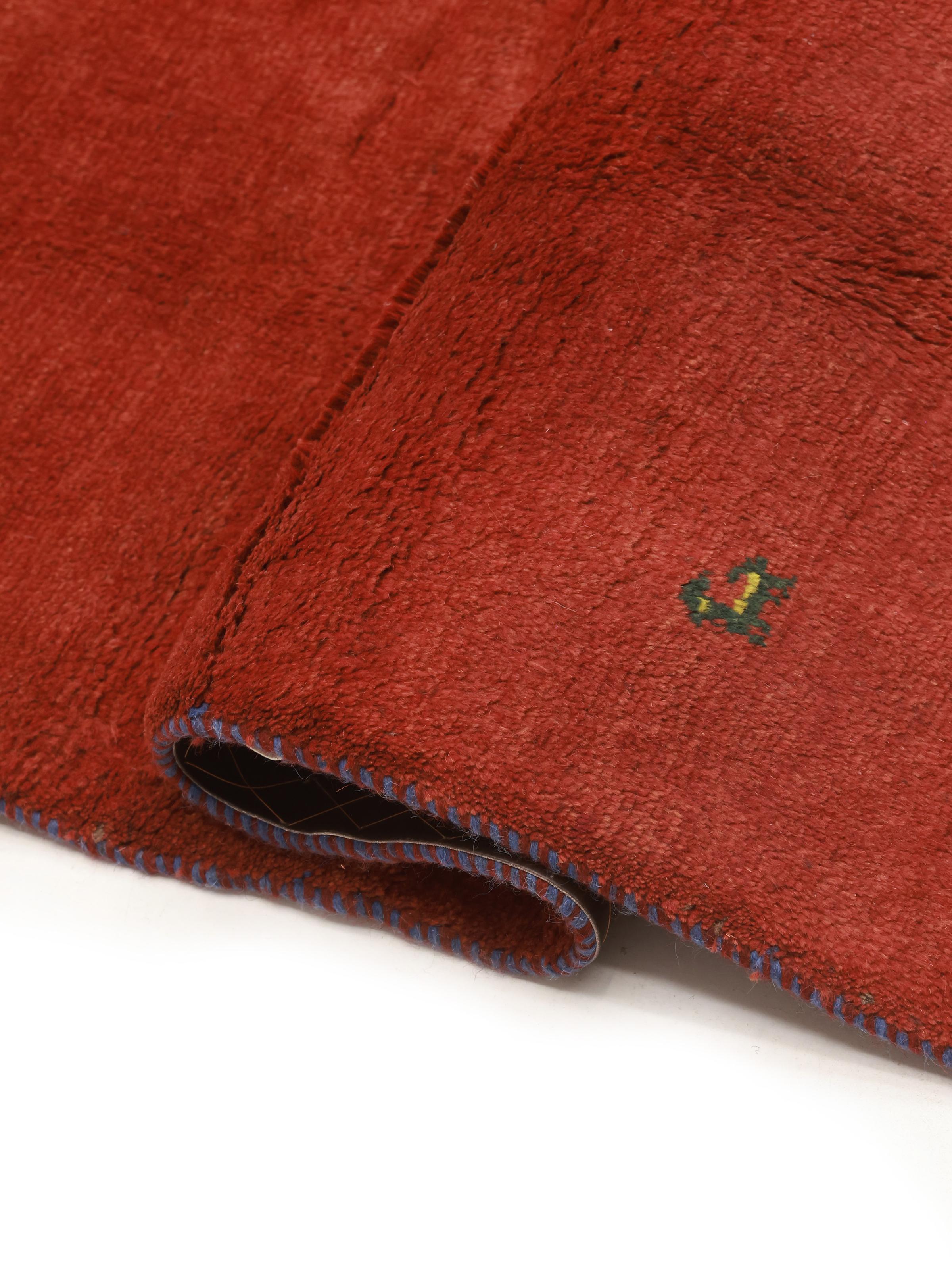
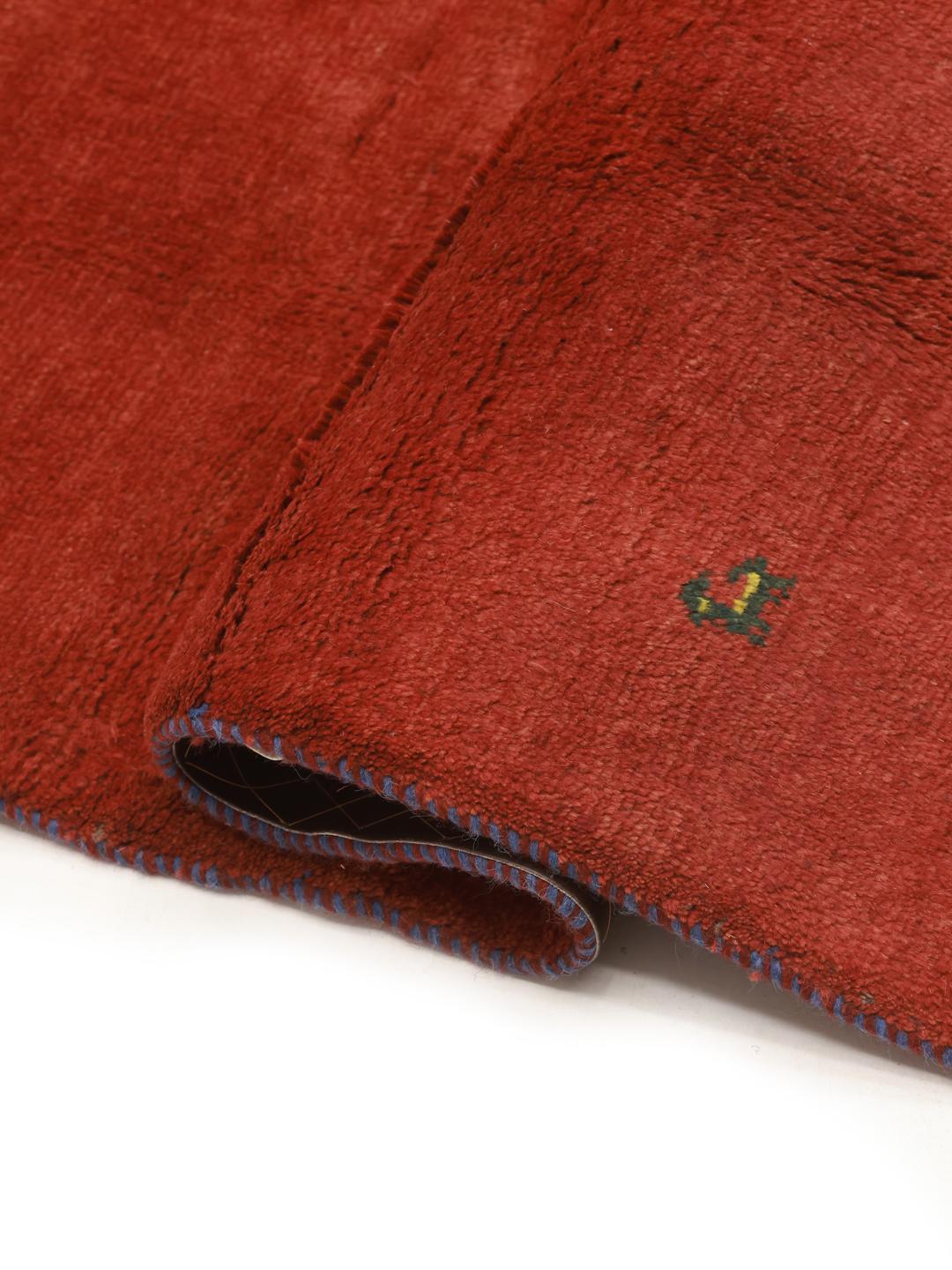
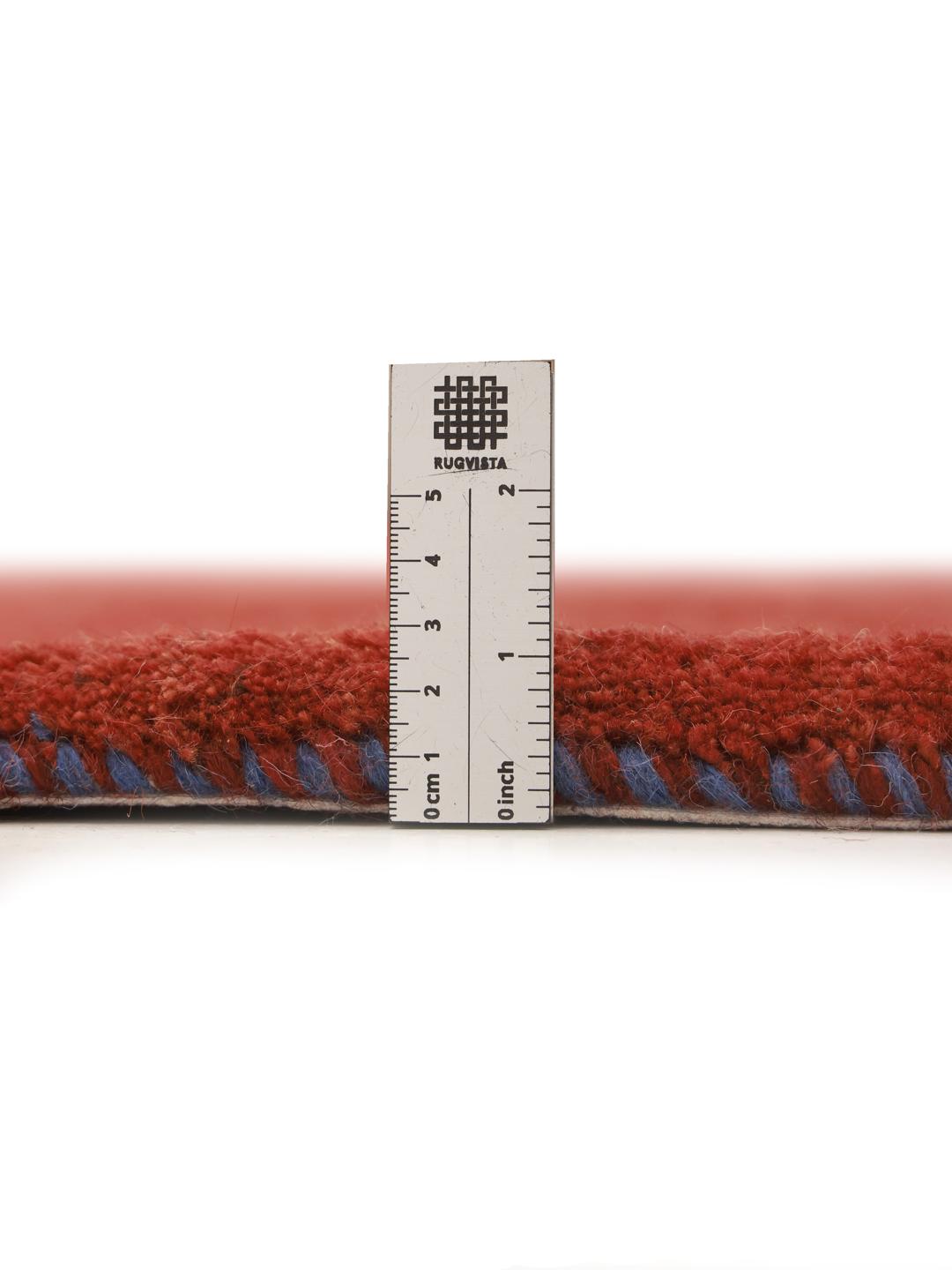
The term Gabbeh essentially means raw, natural, or unclipped in the local dialect, referring to the thick, long-pile construction that provides exceptional insulation against the harsh conditions of mountainous landscapes. This traditional method focuses on simplicity and tactile comfort, prioritising the quality of the wool and the depth of the natural dyes above all else.
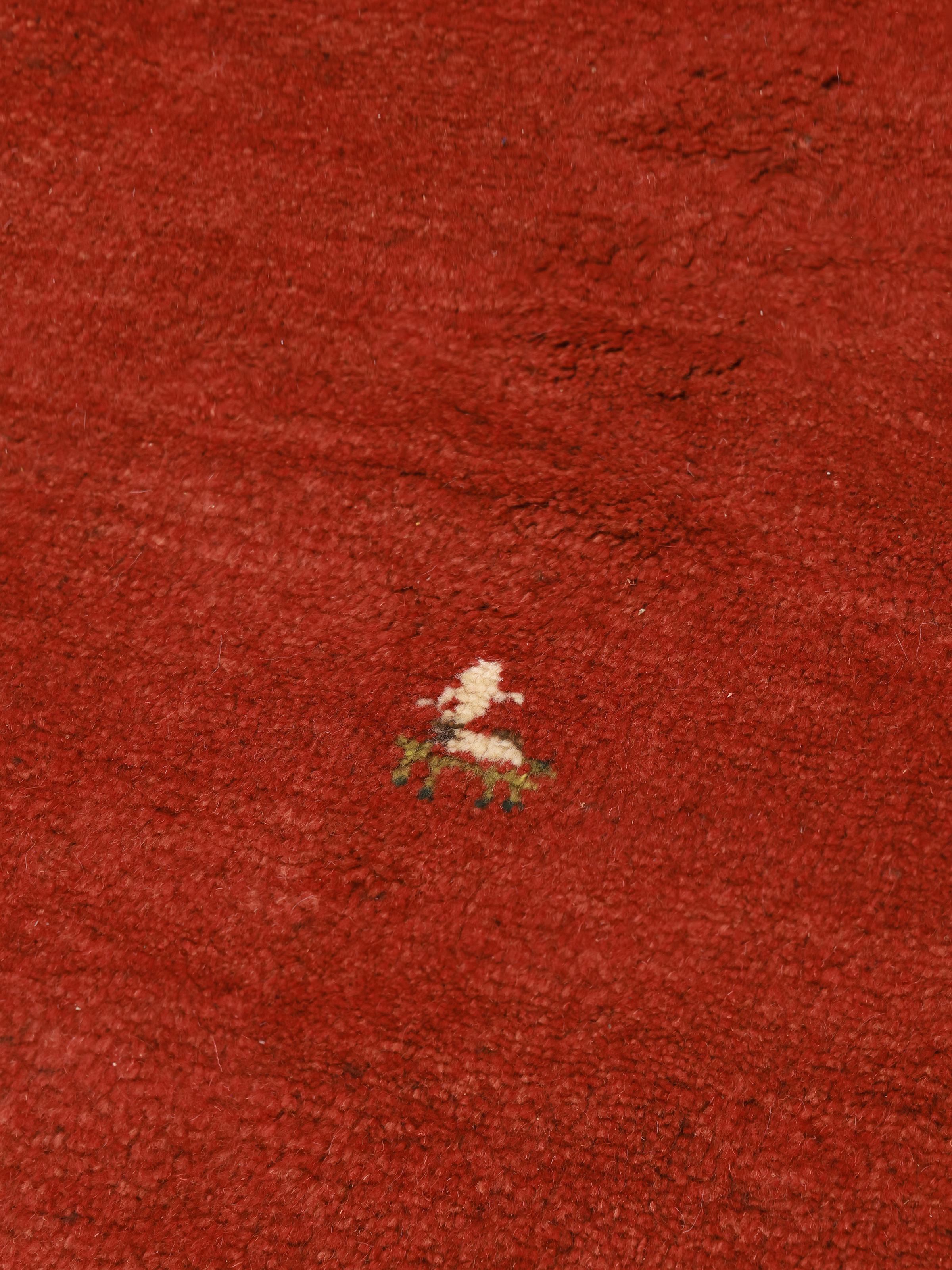
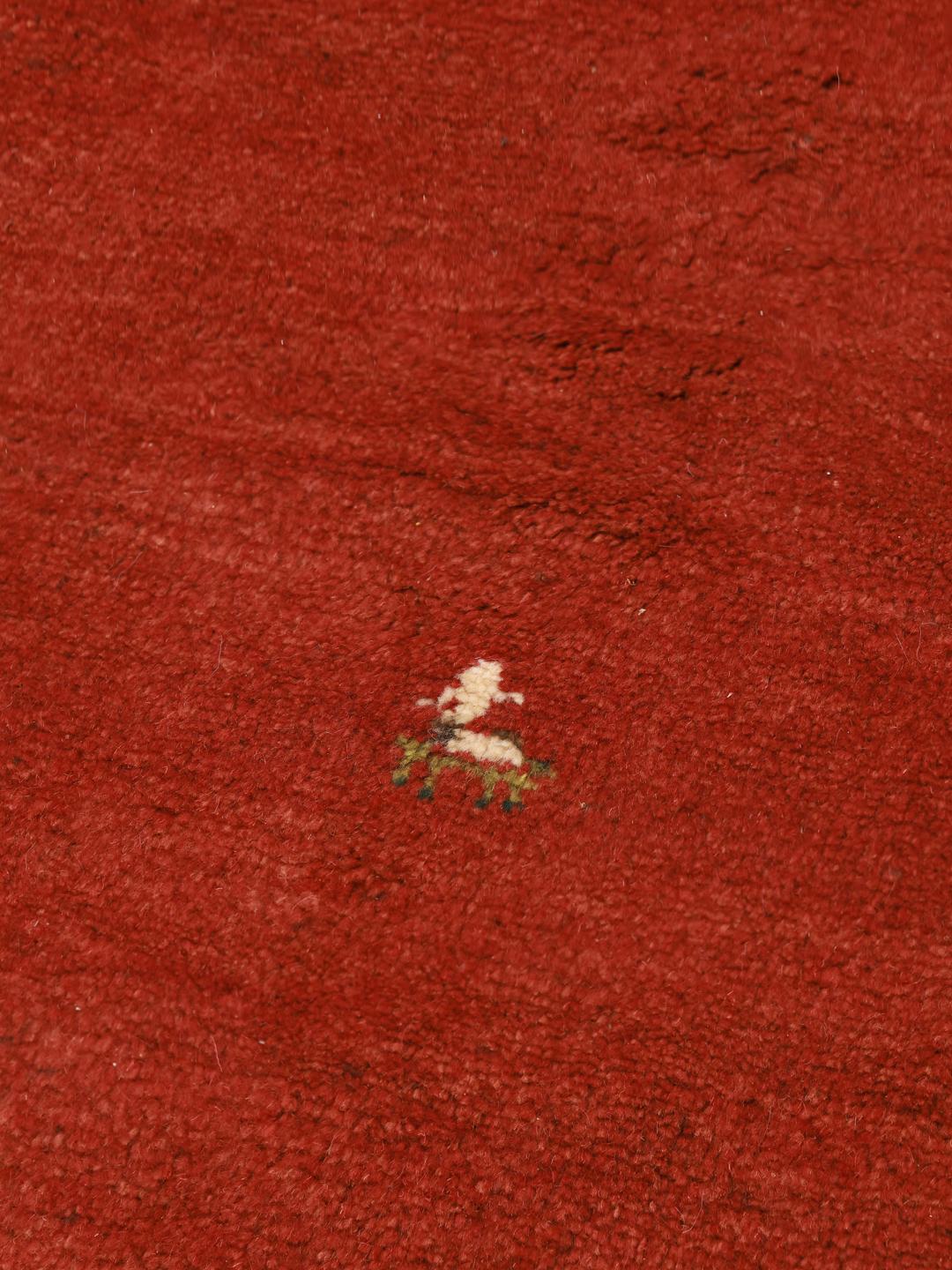
Visually, Gabbeh rugs are known for their minimalist aesthetic, often featuring a vast, monochromatic field punctuated by small, symbolic motifs representing animals, plants, or daily life. While many modern interpretations exist, the classic Gabbeh style remains defined by its bold, unpretentious use of colour and the organic, slightly irregular nature of its hand-drawn designs.
Owning a Gabbeh is to possess a piece of cultural heritage that celebrates the skill of the individual weaver. These rugs are highly valued by collectors for their authenticity and the way they bridge the gap between ancient nomadic traditions and contemporary interior design, offering a timeless warmth that connects the past to the present.