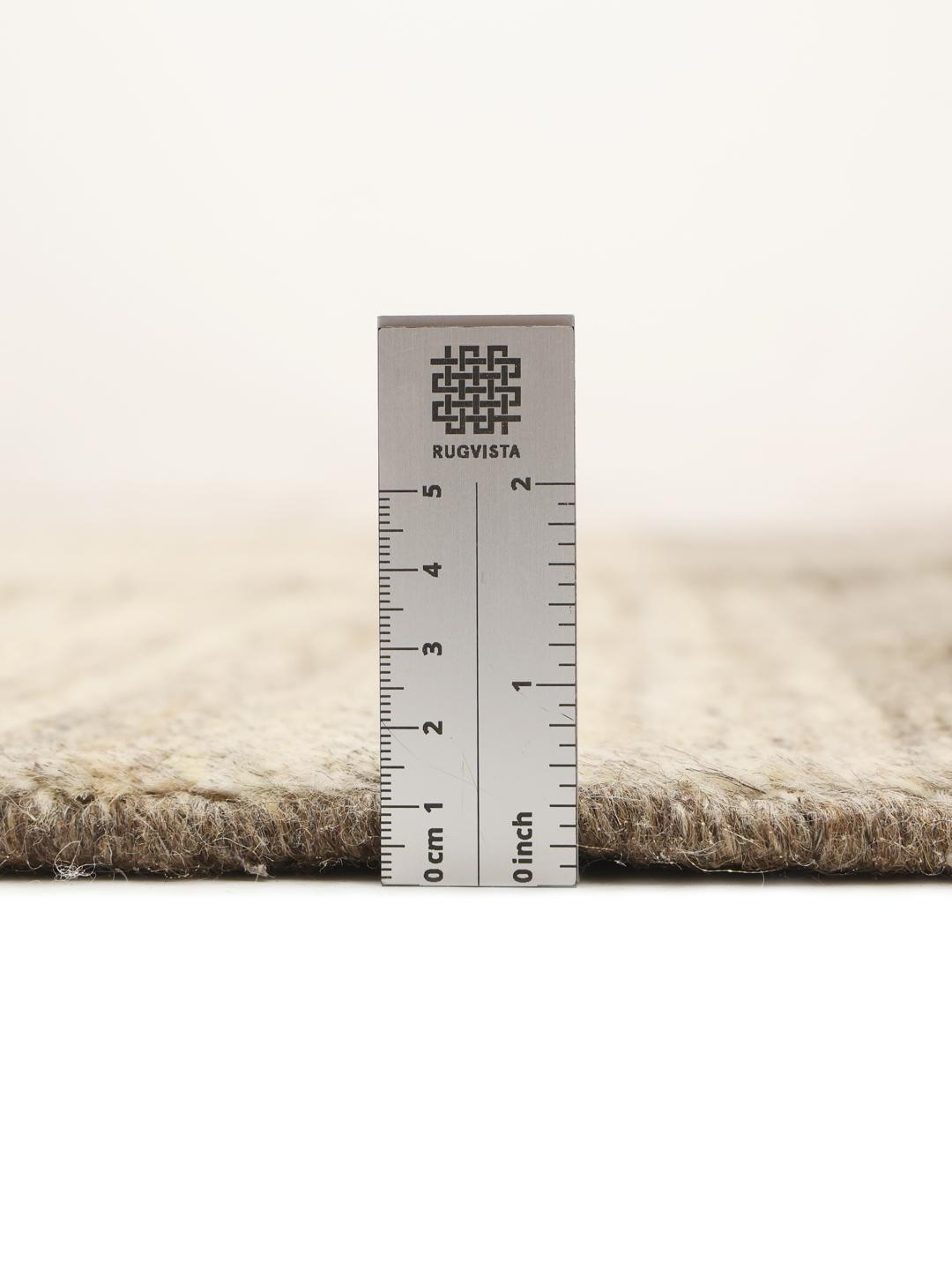
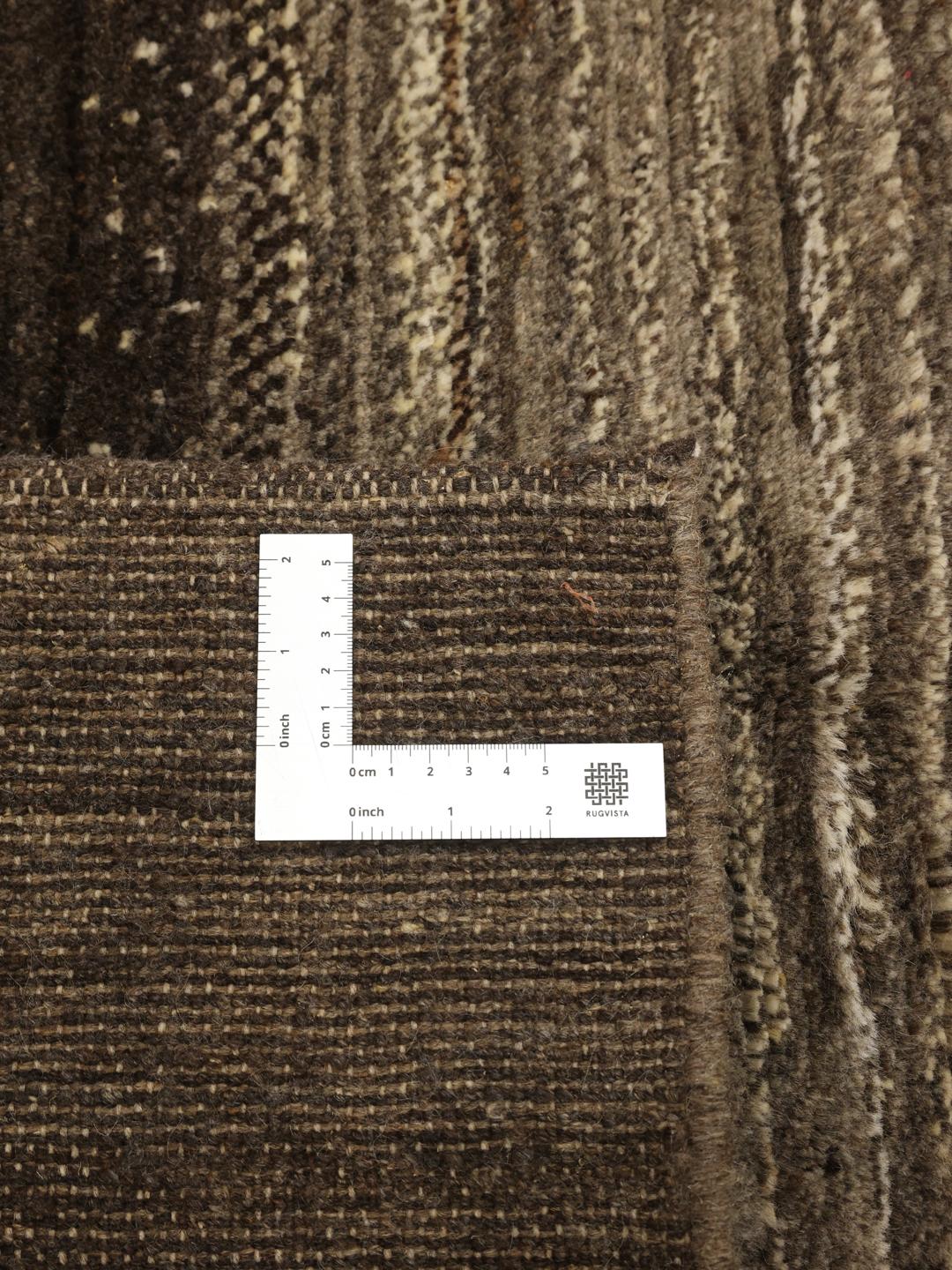
The Gabbeh tradition traces its roots to the nomadic tribes of the Middle East, who originally crafted these rugs for their own daily utility rather than for trade. These rugs were designed to provide warmth and comfort in harsh environments, often used as bedding or as a soft layer on the cold ground inside tents.
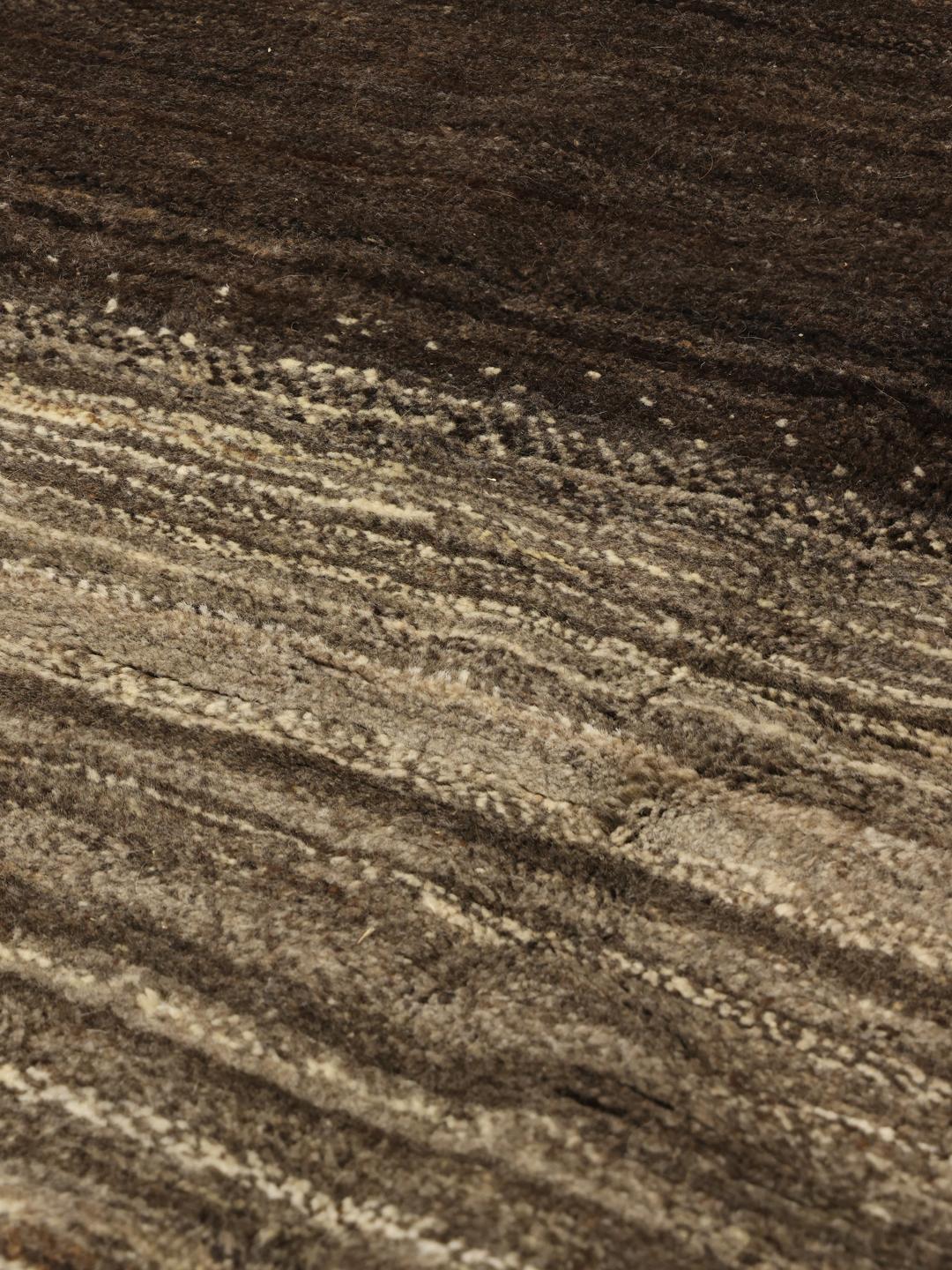
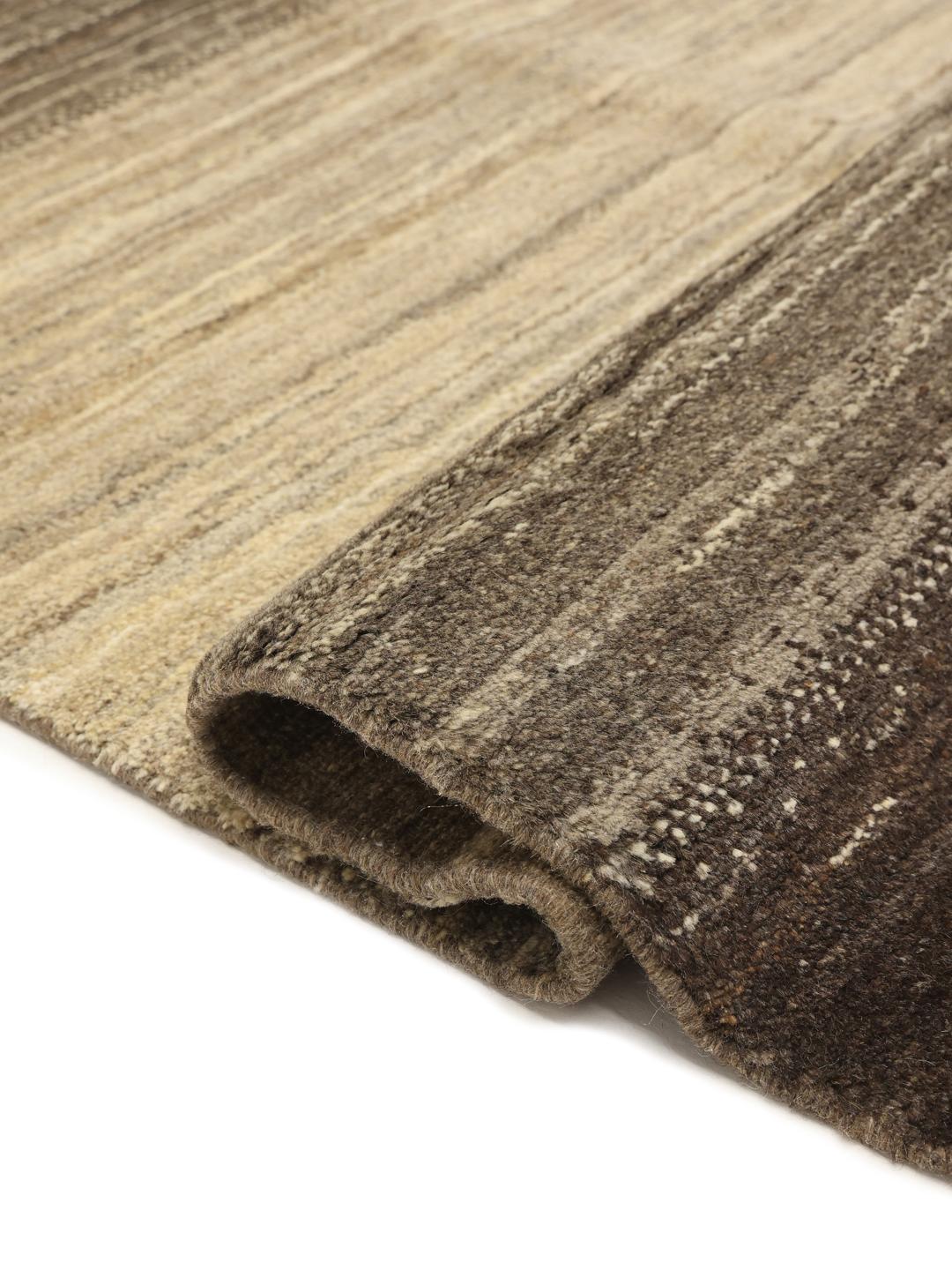
The term Gabbeh itself implies something raw, natural, or unclipped, which perfectly describes the aesthetic of these pieces. Unlike formal, highly structured city rugs, Gabbeh rugs are known for their thicker, longer pile and more spontaneous, artistic expression, allowing the weaver to improvise and tell stories through colour and simple geometric motifs.
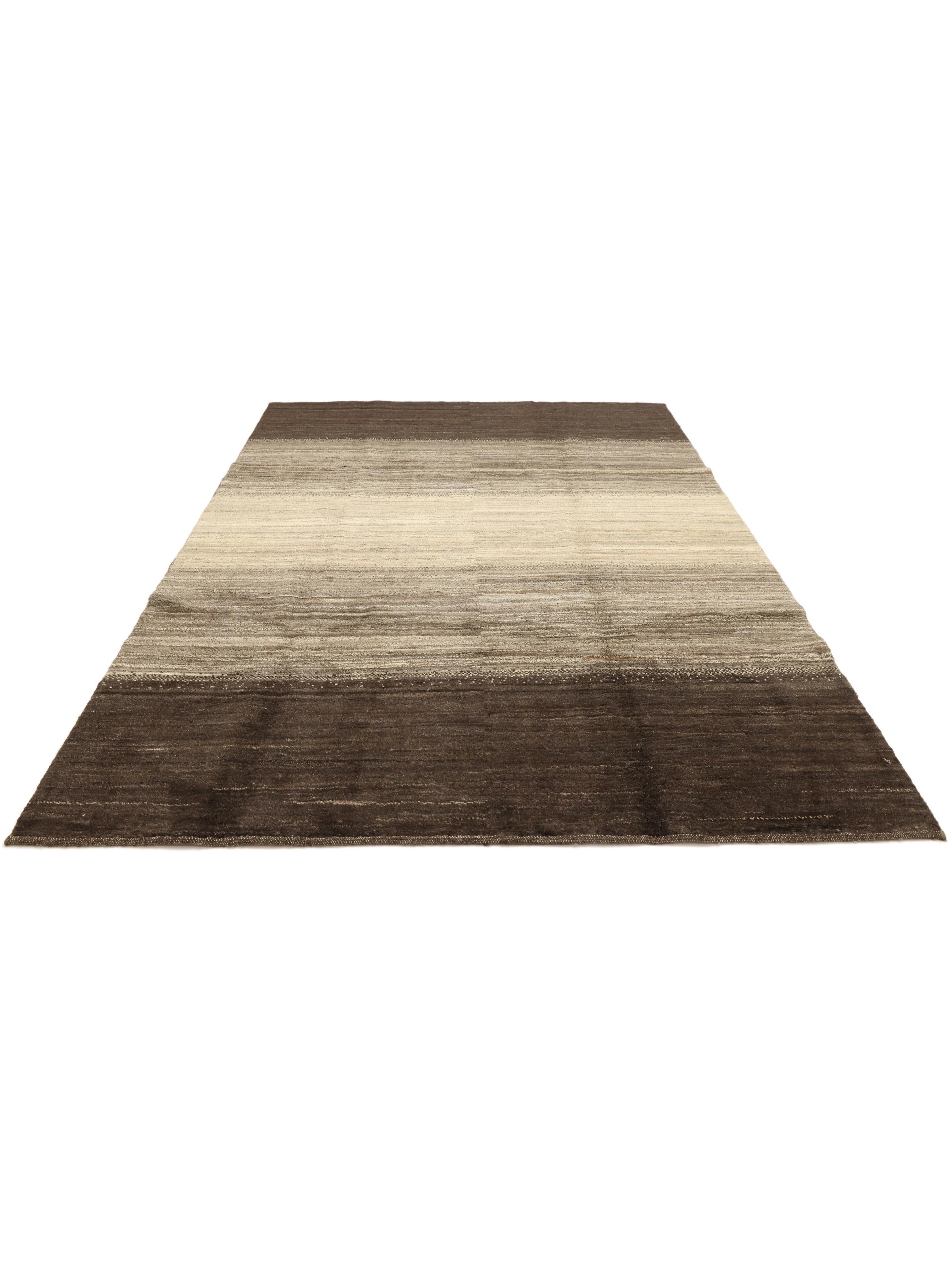
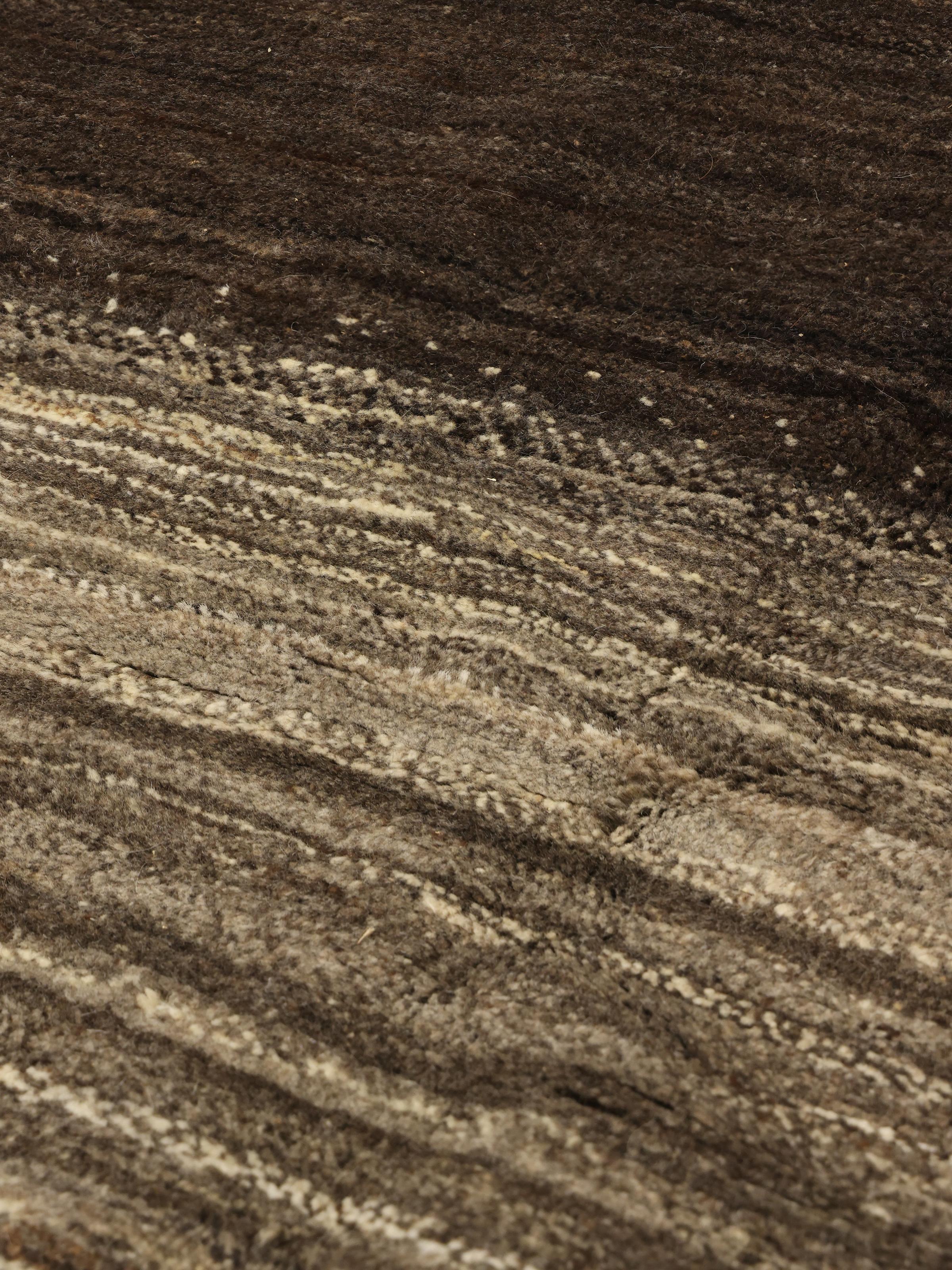
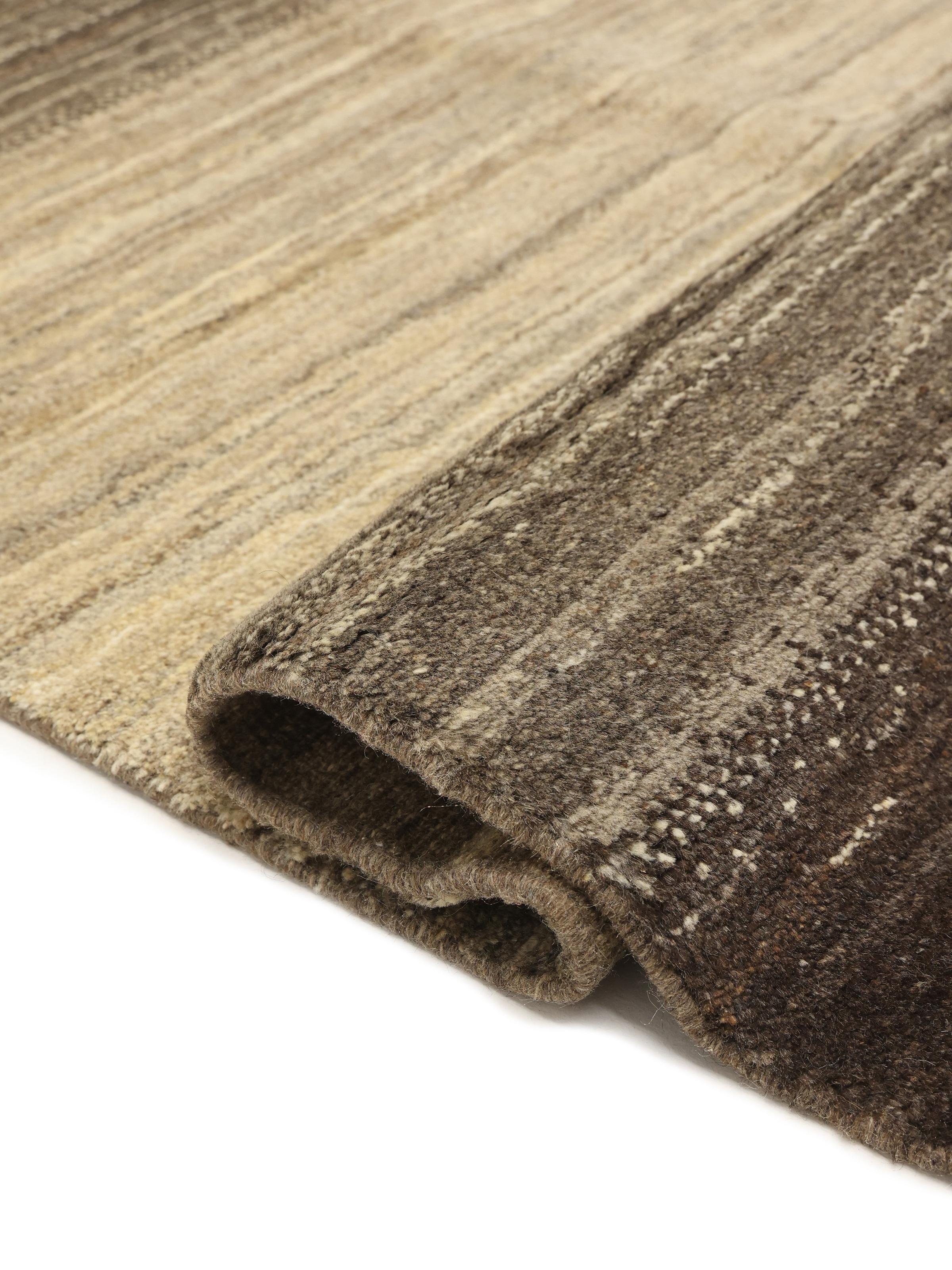
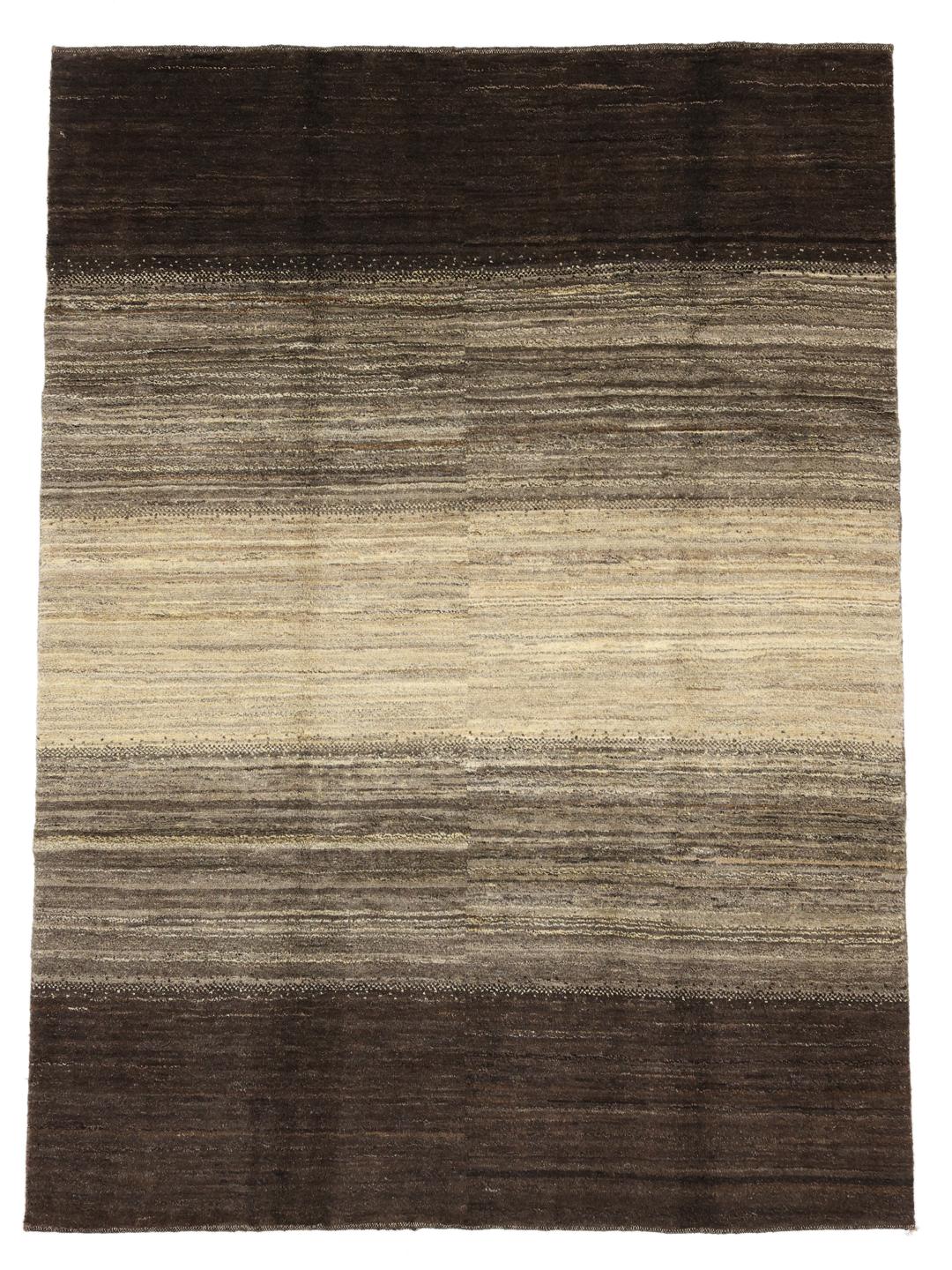
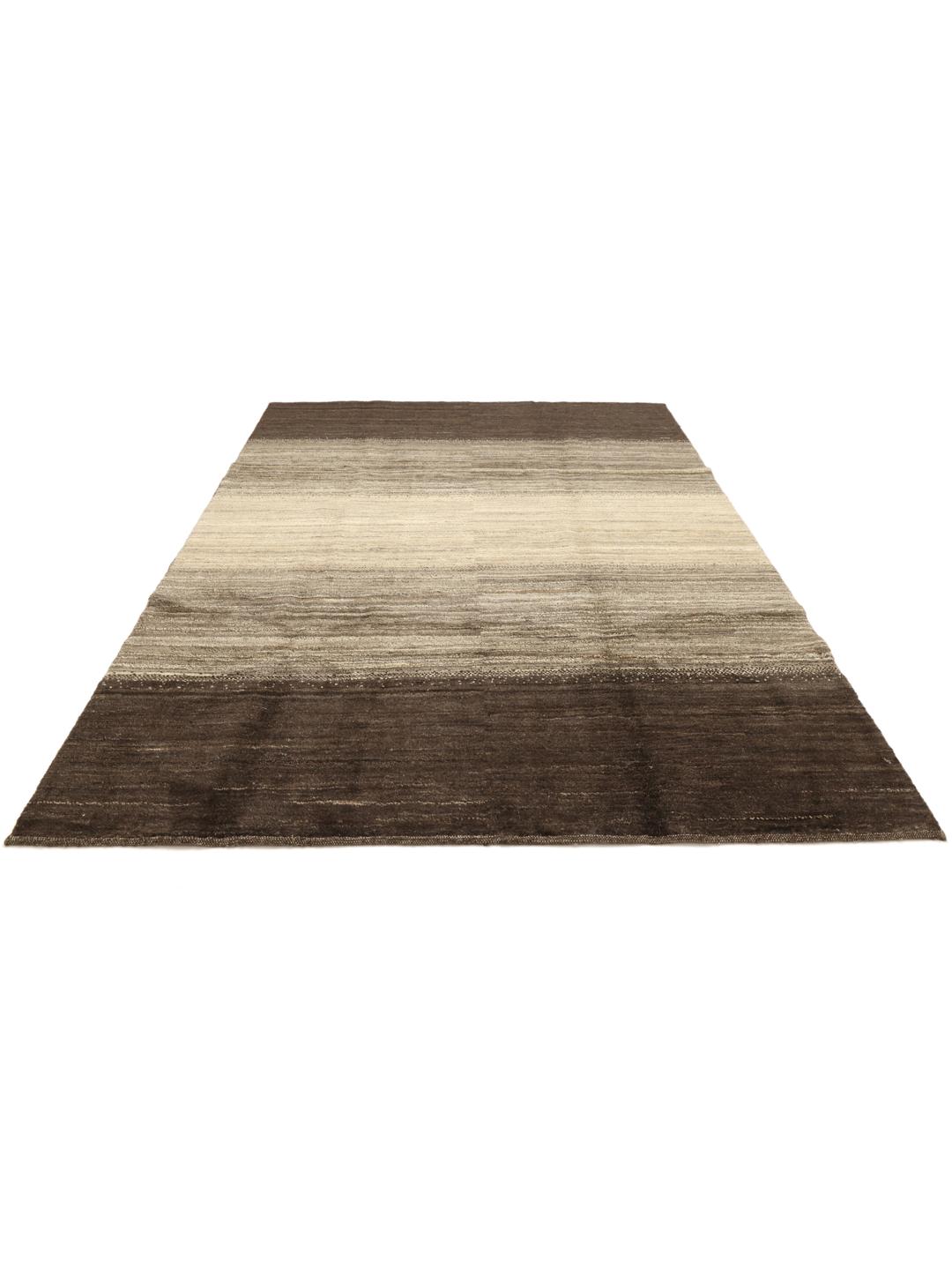
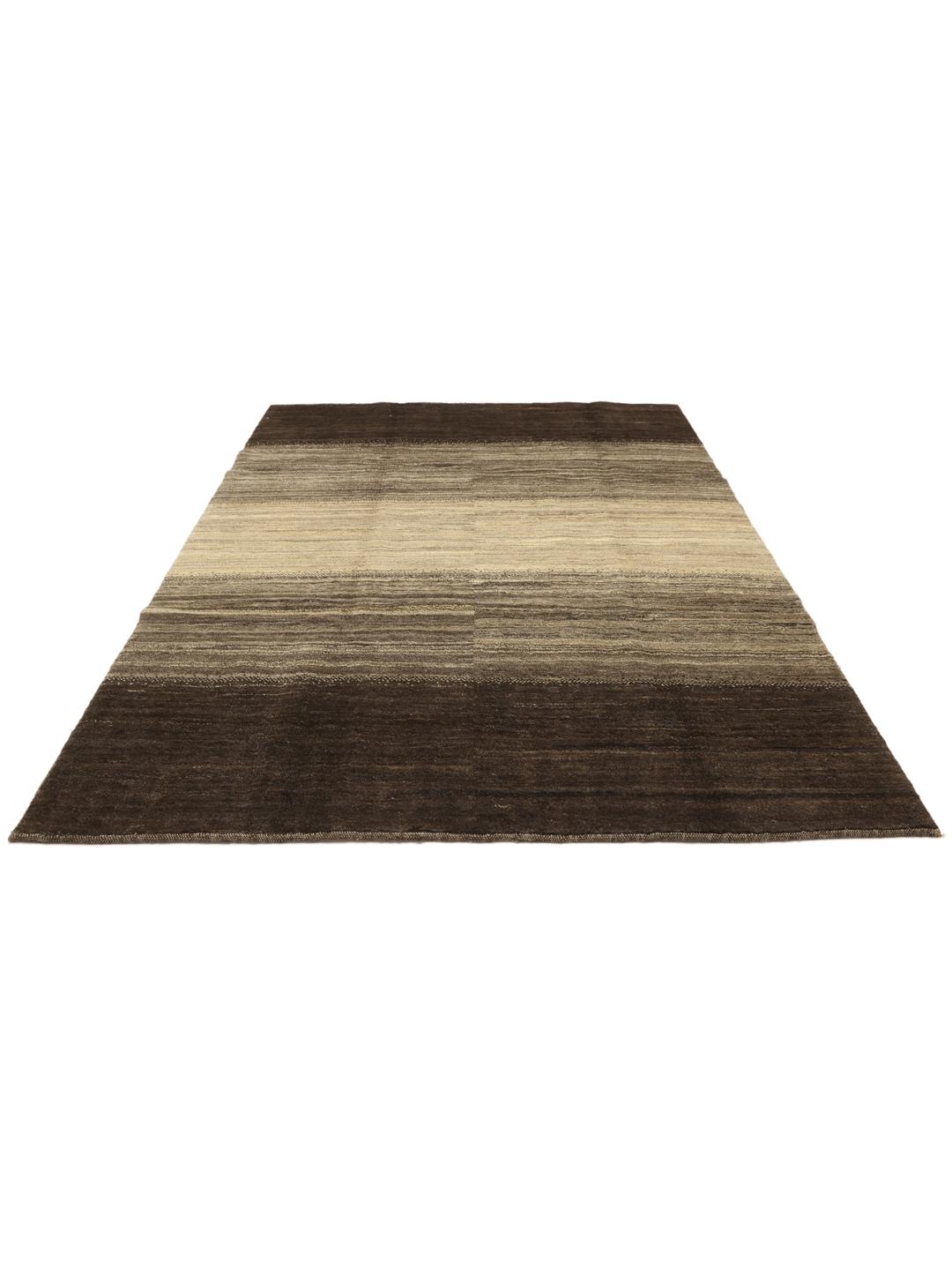
Visually, these rugs are defined by their minimalist yet powerful use of space. They often feature large, open fields of colour or simple striped patterns, utilising natural, undyed wool tones or rich, earthy pigments derived from local plants and minerals. This specific rug captures that spirit with its layered, striped composition that feels both ancient and remarkably modern.
Collecting a Gabbeh is an act of preserving a nomadic craft that values human intuition over rigid patterns. Because they are not mass-produced, each rug serves as a document of the weaver's personal vision and skill, making them highly valued by those who appreciate the intersection of cultural heritage and authentic, functional art.