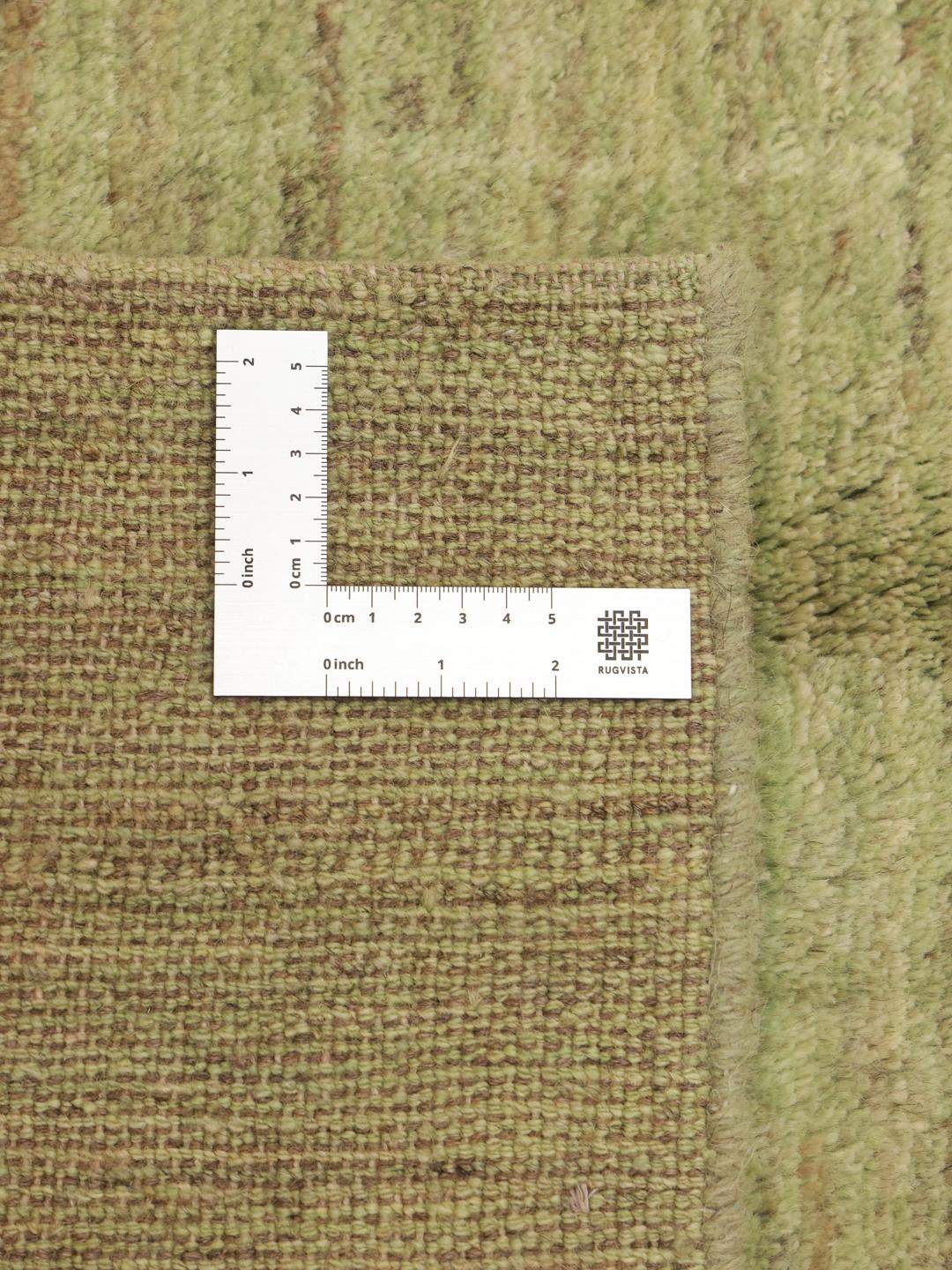
The Gabbeh tradition traces its roots to the nomadic tribes of the Middle East, who originally wove these rugs for their own daily use rather than for trade. These rugs were designed to provide warmth and comfort in harsh, mountainous environments, serving as essential bedding and floor coverings within the tent.
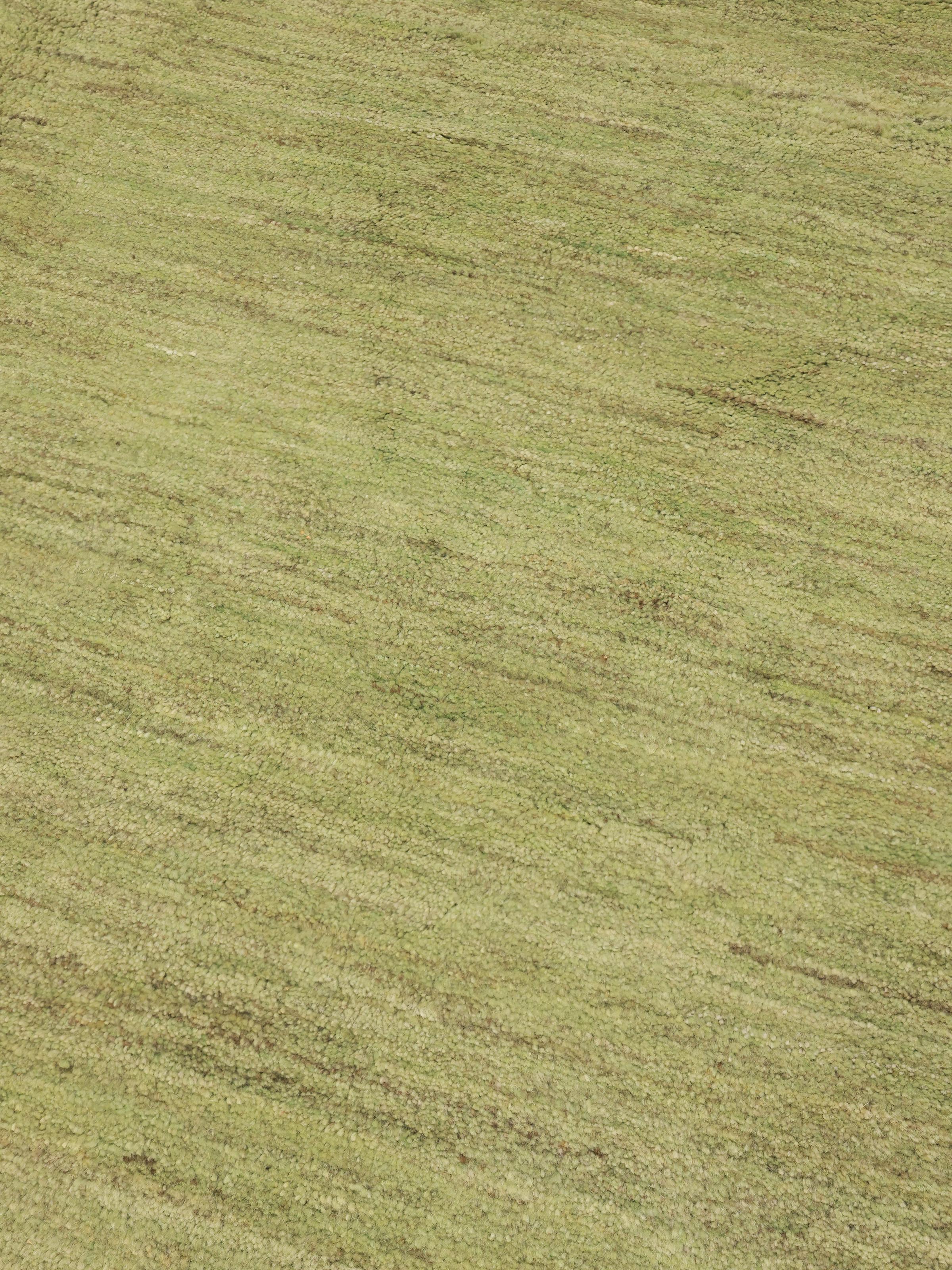
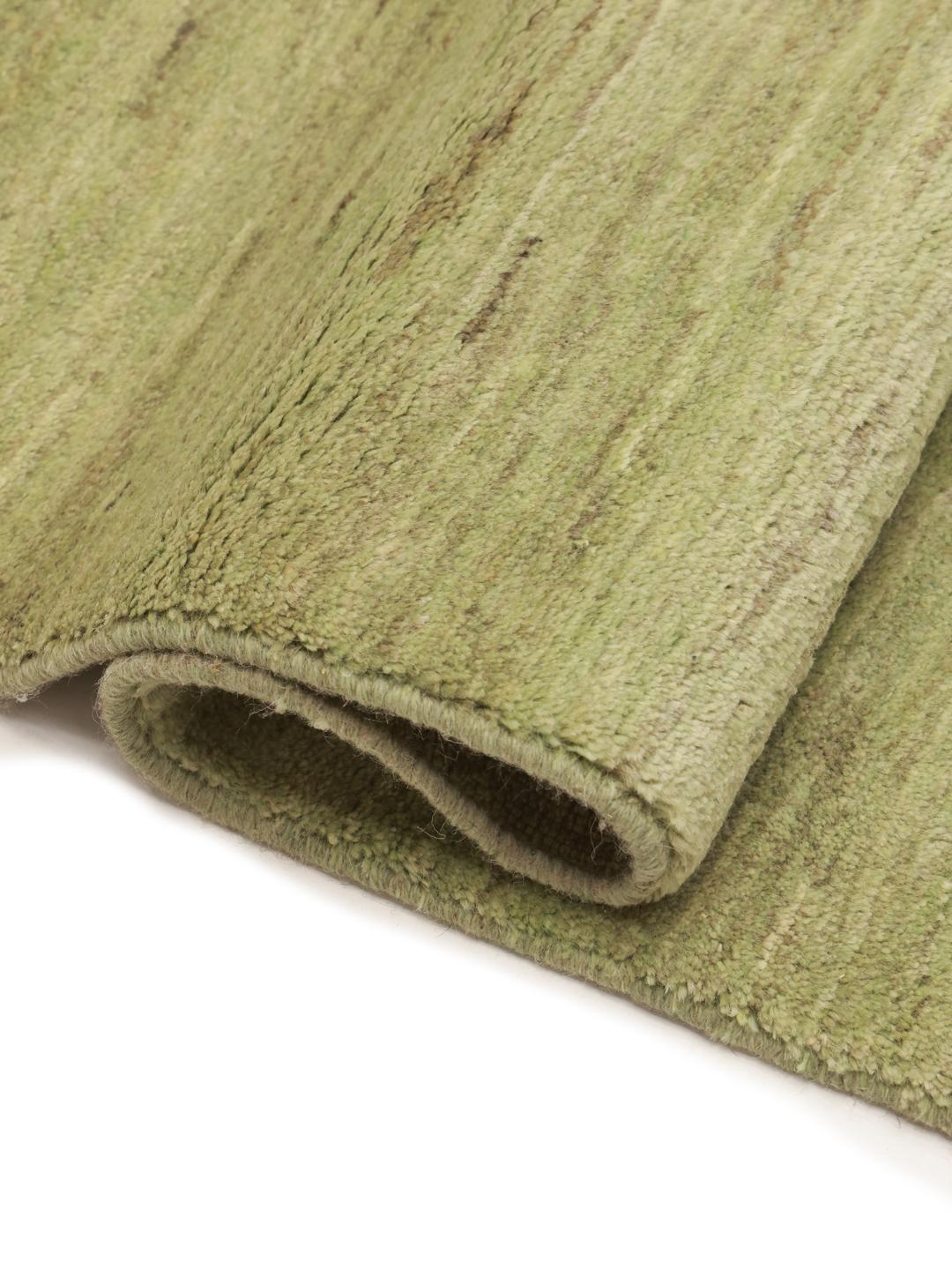
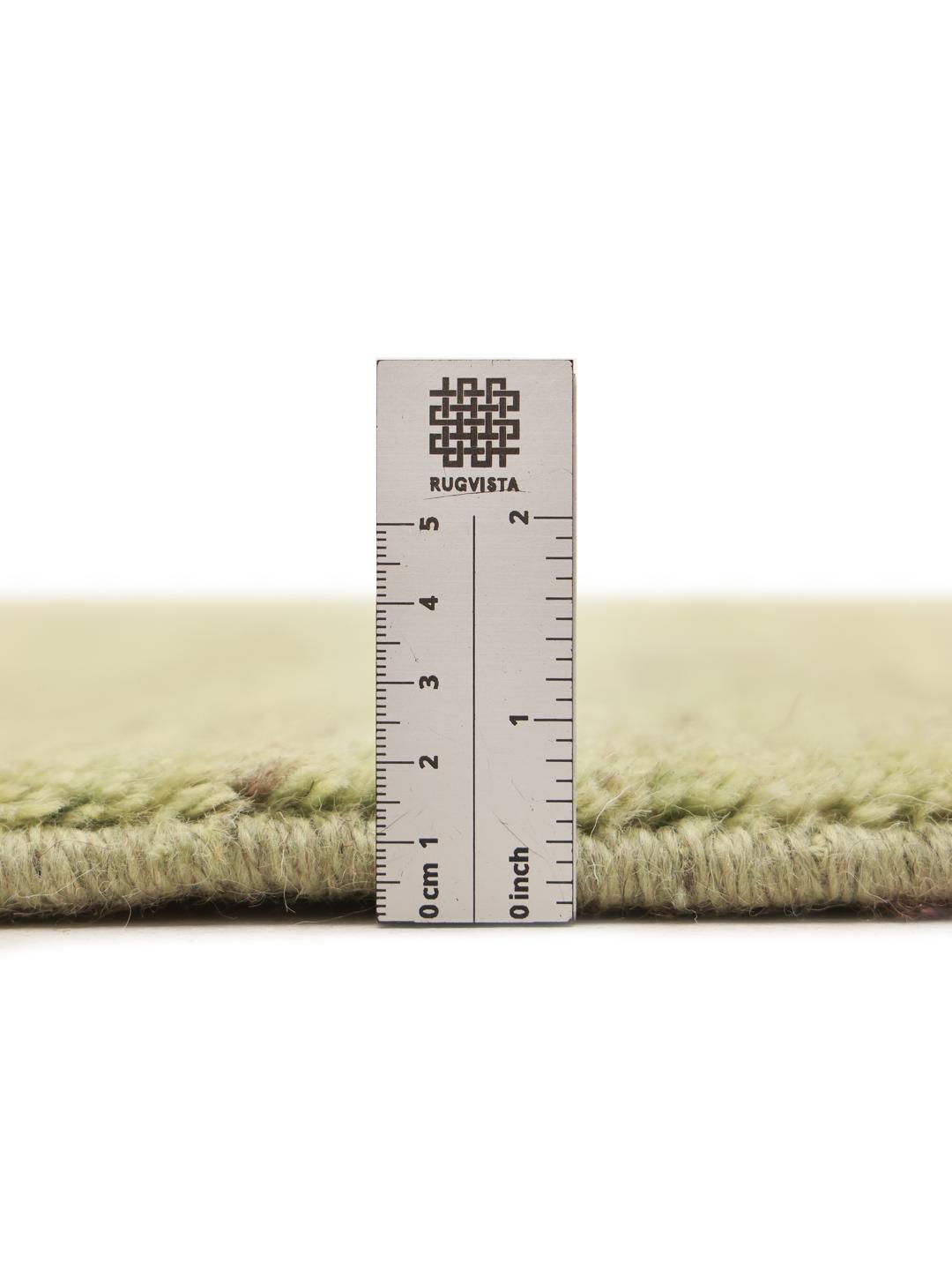
The term Gabbeh itself means raw, natural, or unclipped in the local language, which speaks to the straightforward and honest nature of their construction. Unlike more formal, intricate city rugs, the focus here is on the quality of the Wool and the depth of the pile, resulting in a thick, hearty rug that prioritises function and tactile comfort.
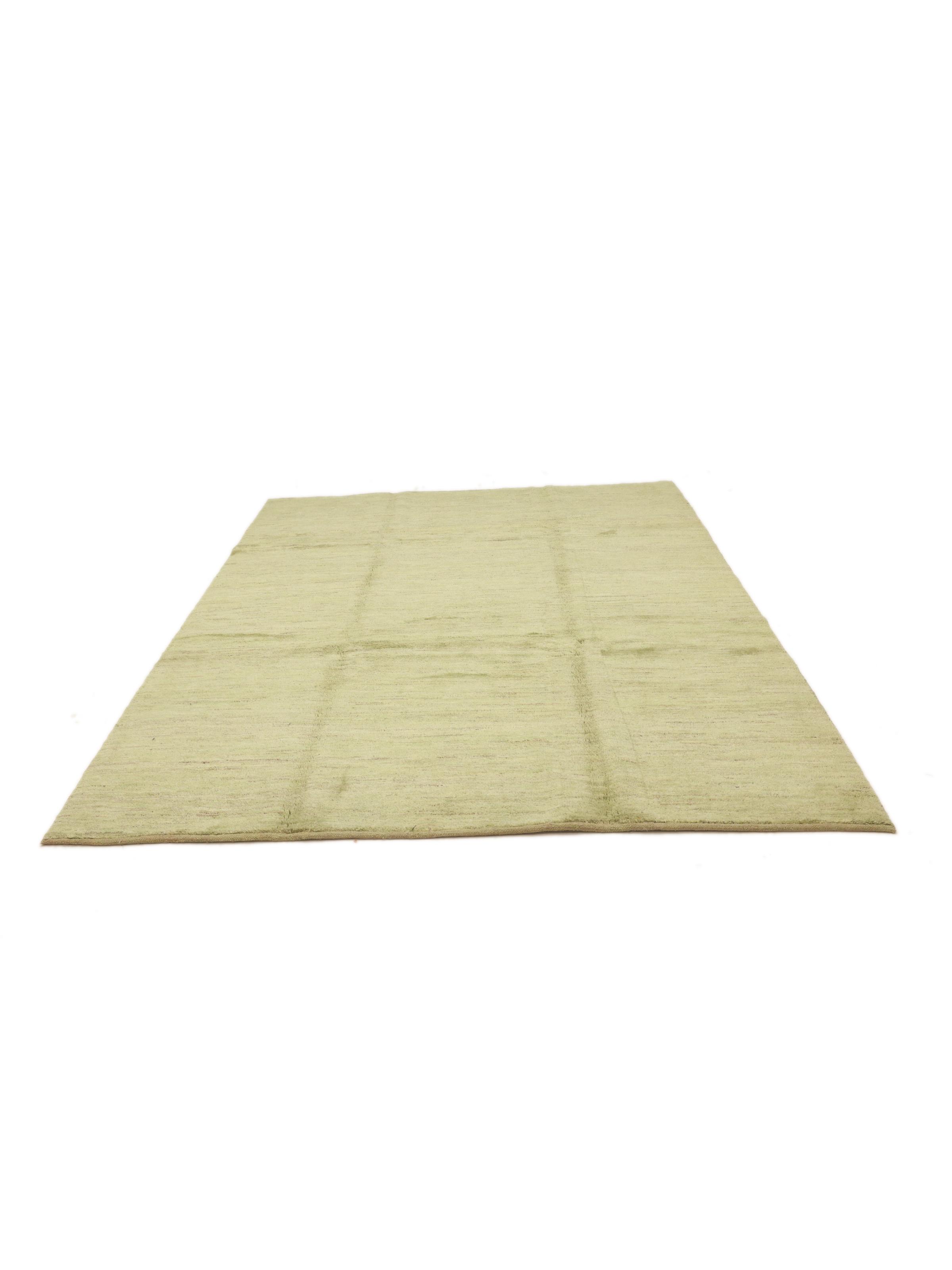
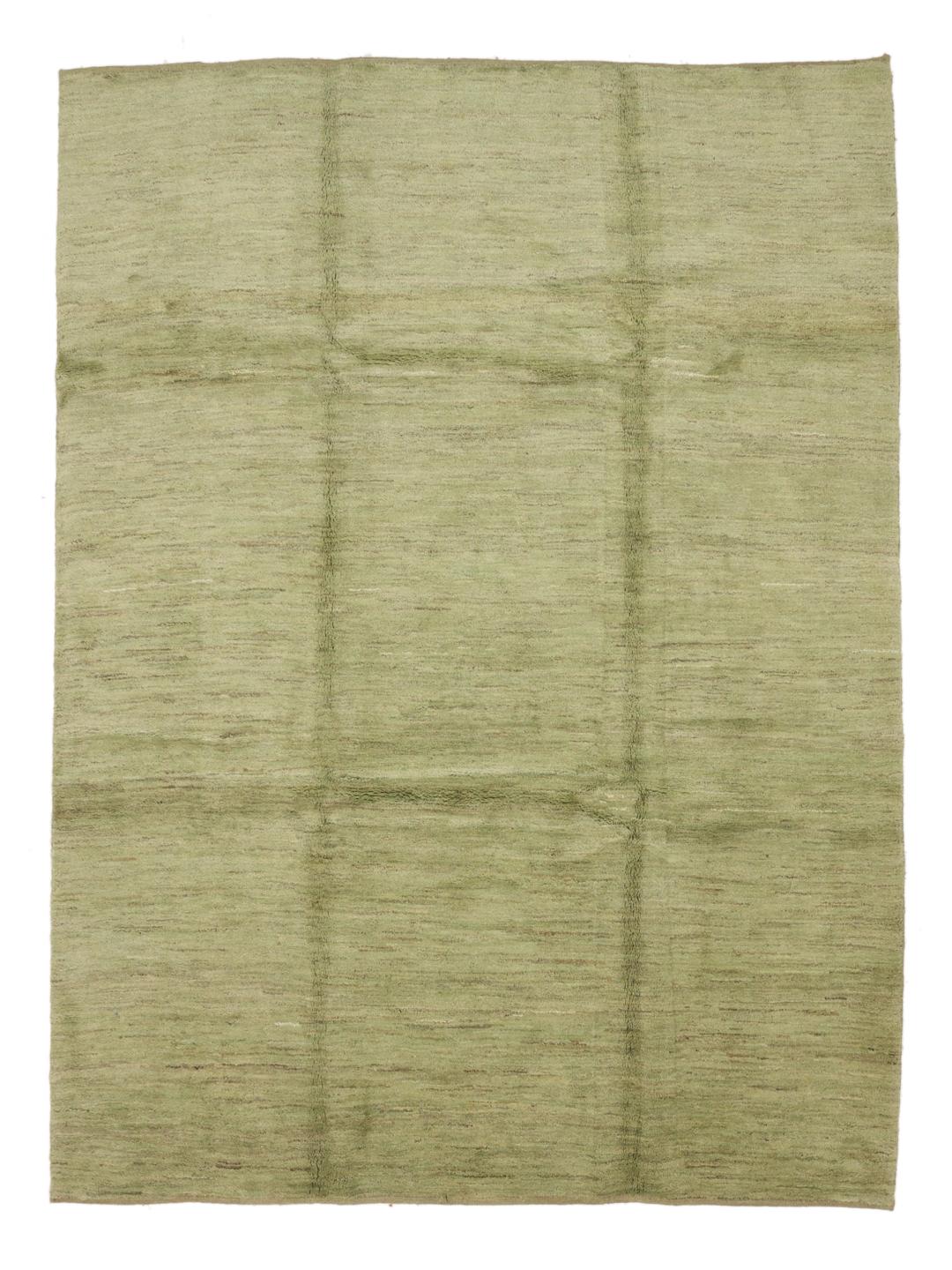
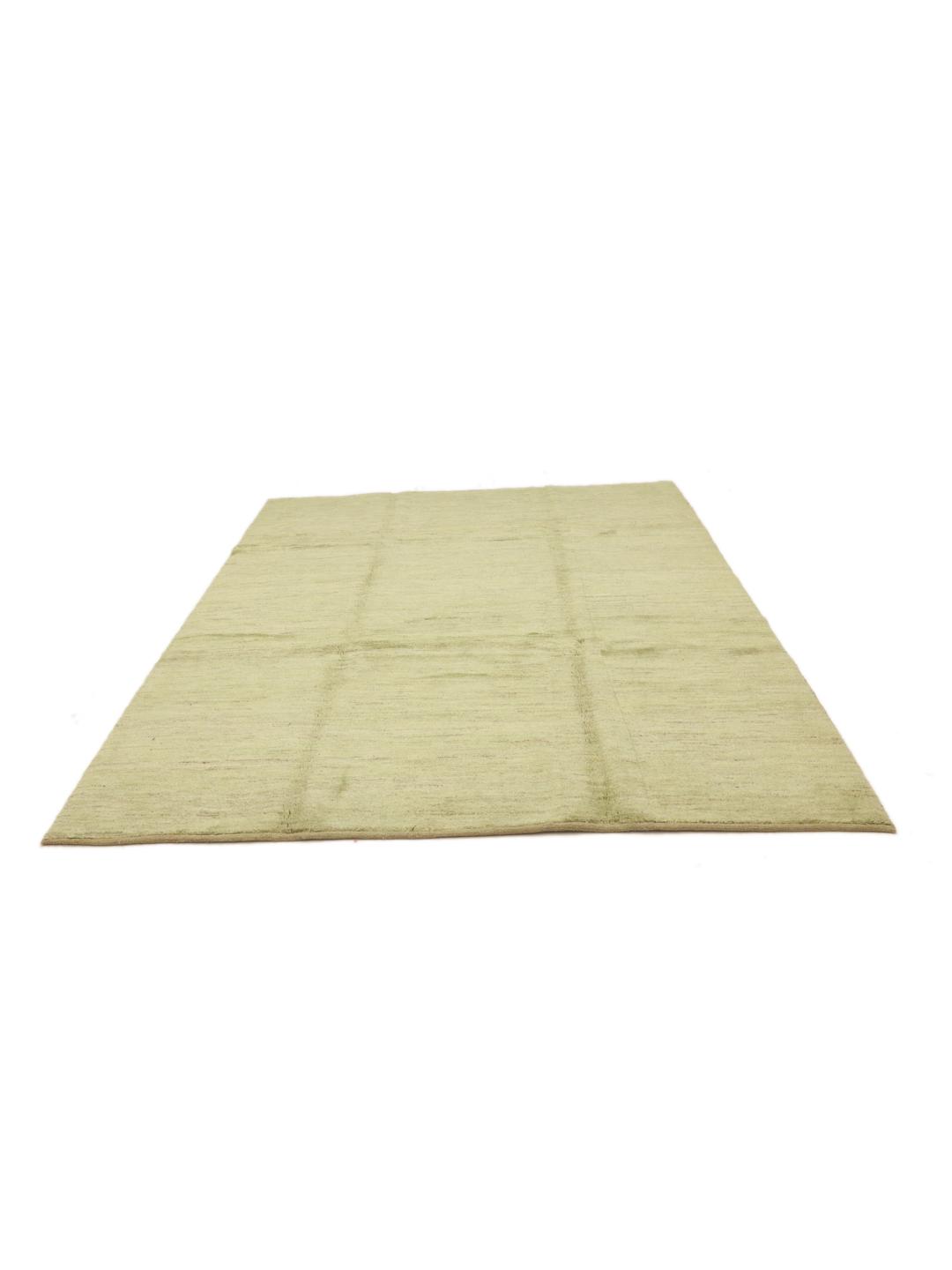
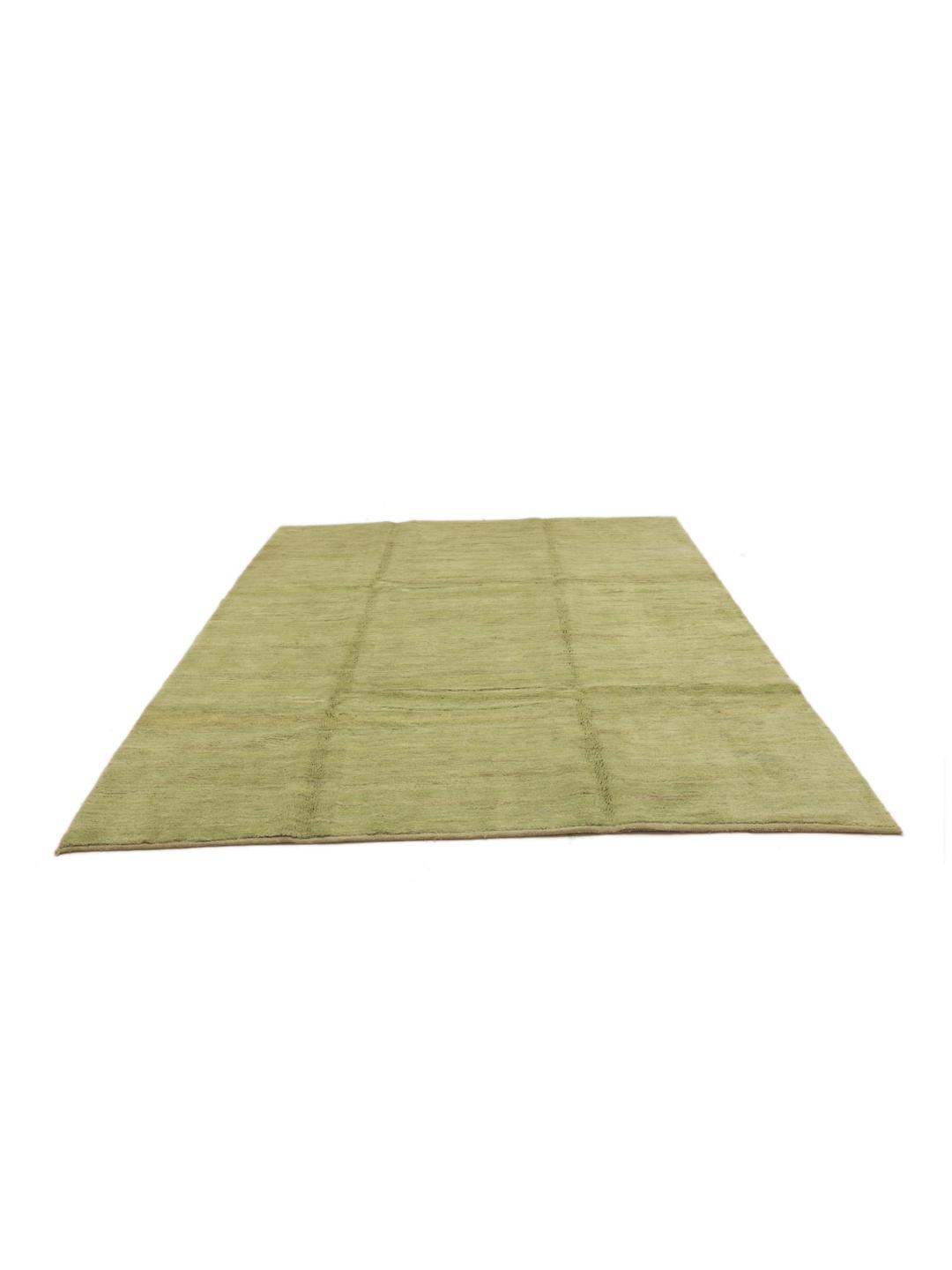
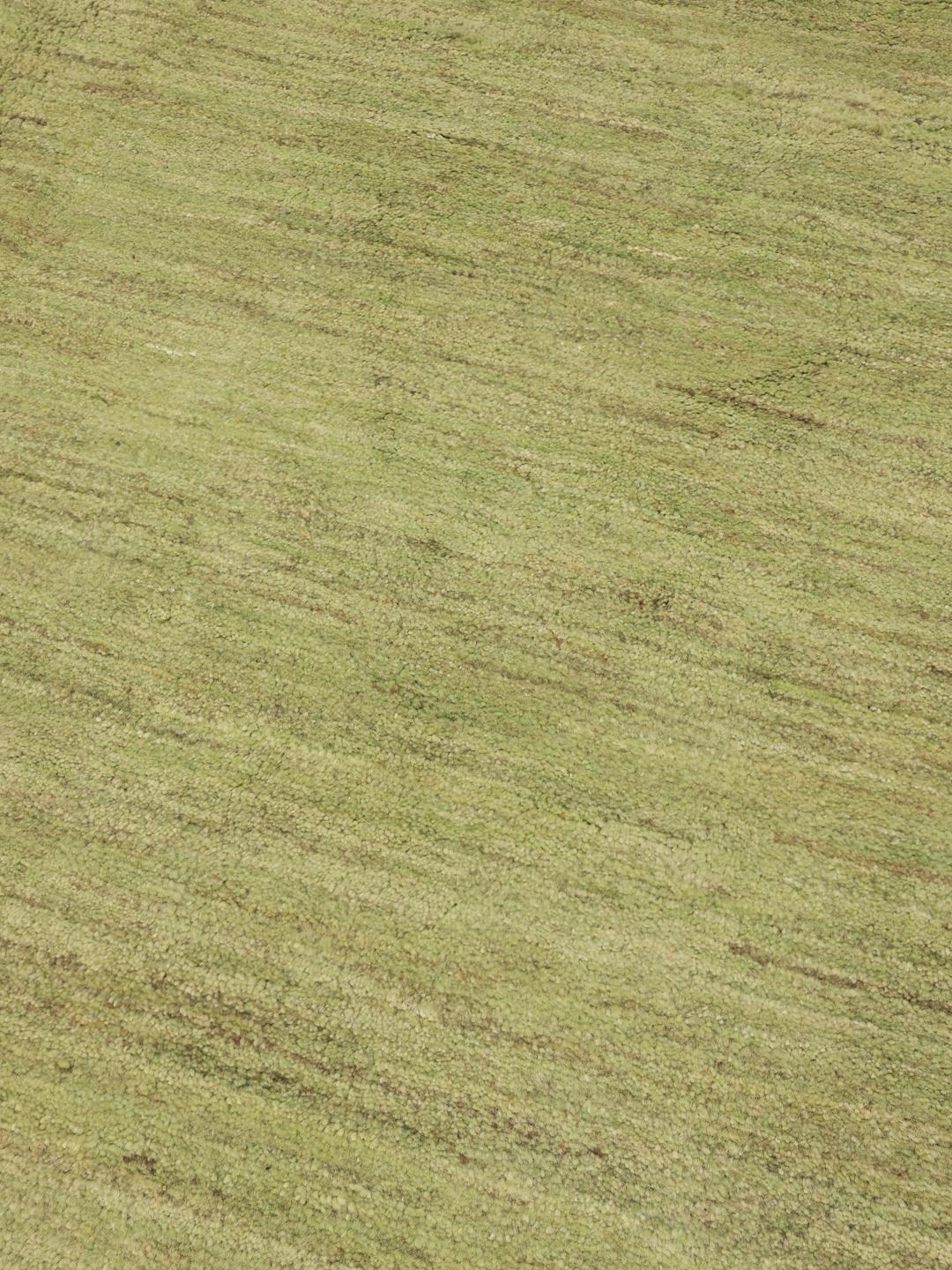
Visually, Gabbeh rugs are celebrated for their minimalist and abstract aesthetic. While traditional weavers often drew inspiration from their surrounding landscapes, the designs are typically sparse, featuring open fields of colour or simple, geometric motifs. This particular piece highlights the beauty of natural colour variations, reflecting the authentic, unpretentious spirit of the genre.
Collecting a Gabbeh is an act of preserving a nomadic heritage that has remained largely unchanged for centuries. These rugs are highly valued for their artistic freedom and the personal stories woven into every strand. Owning one is an investment in a living tradition, offering a sense of history that mass-produced items simply cannot replicate.