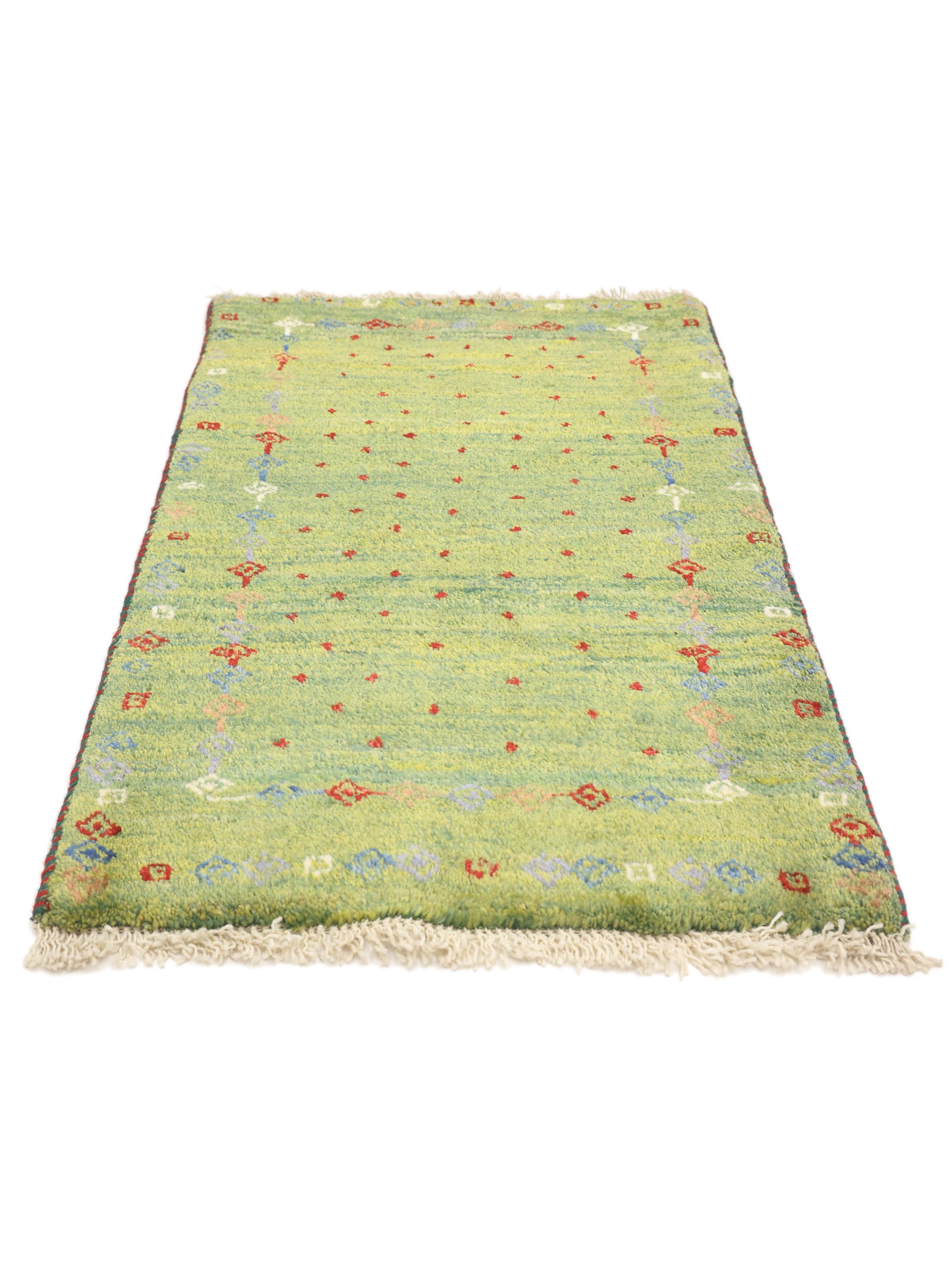
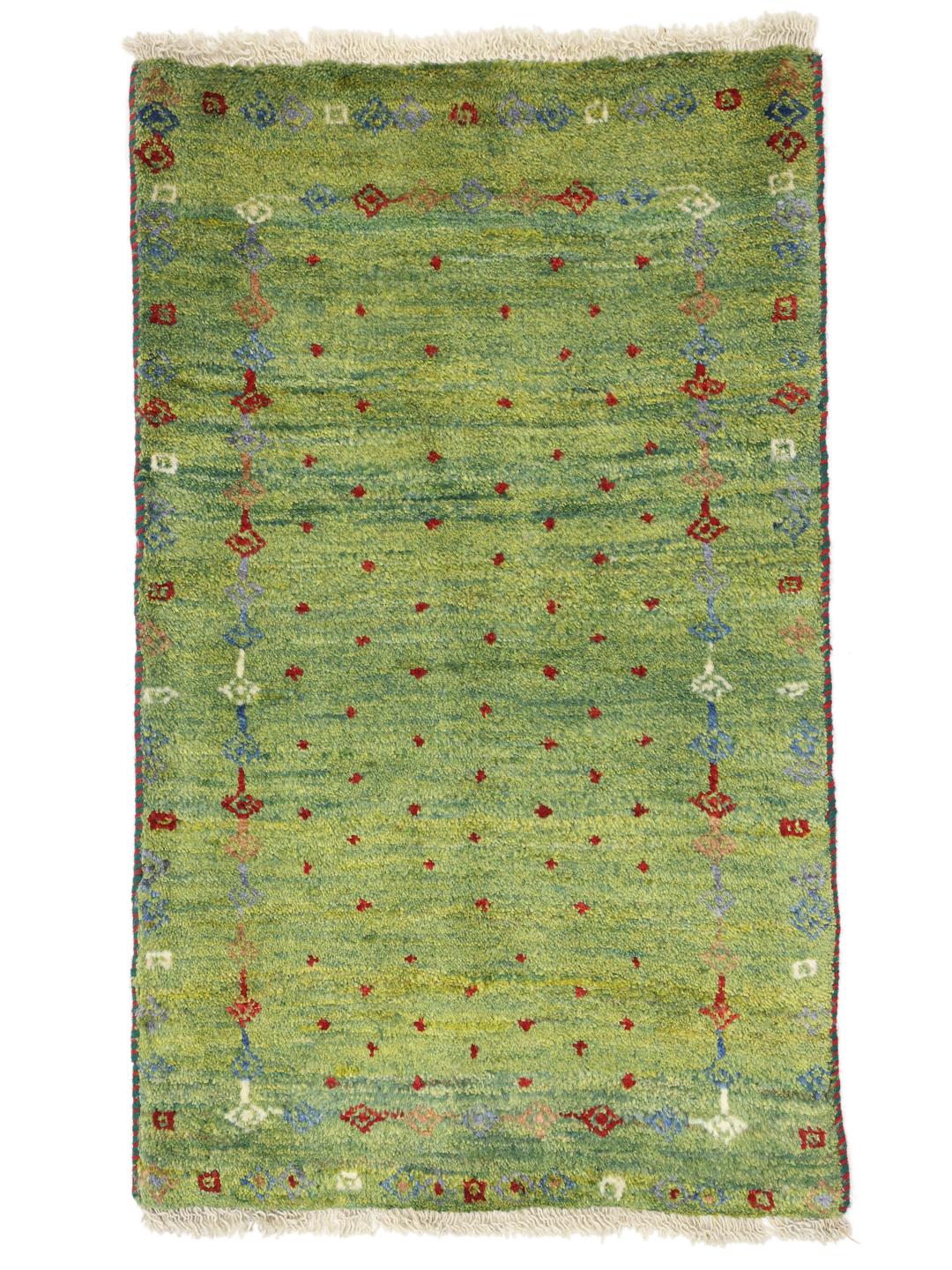
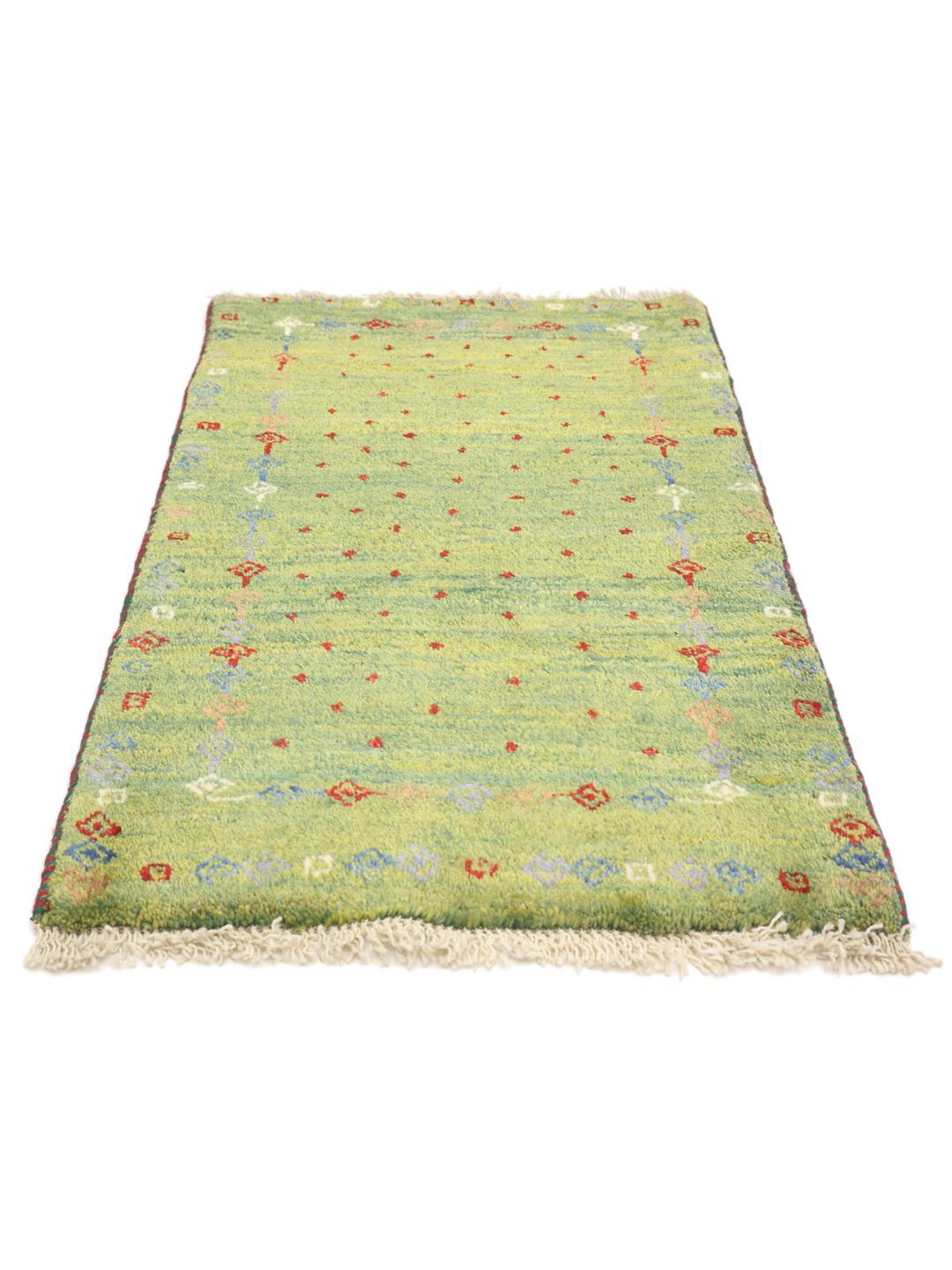
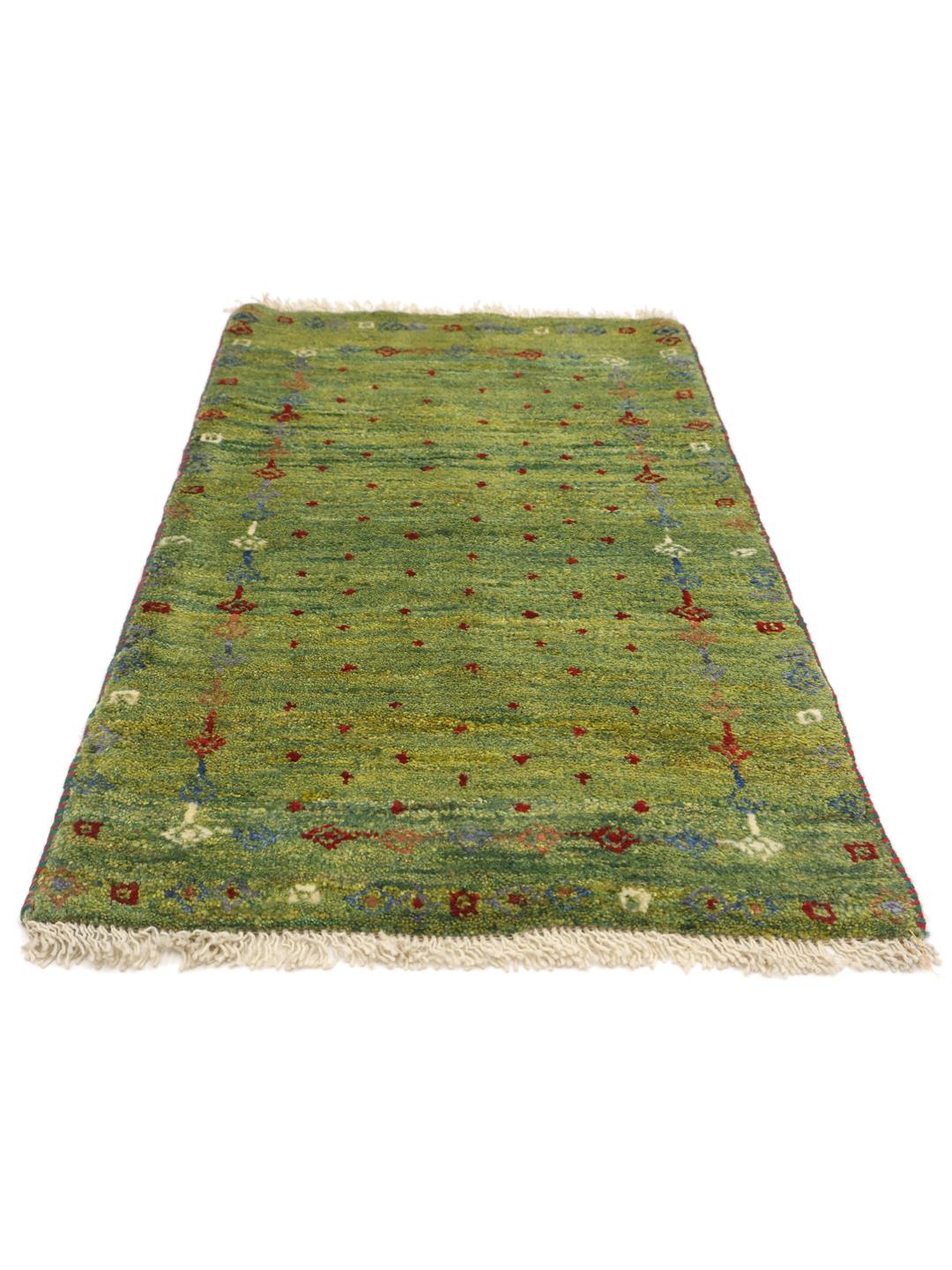
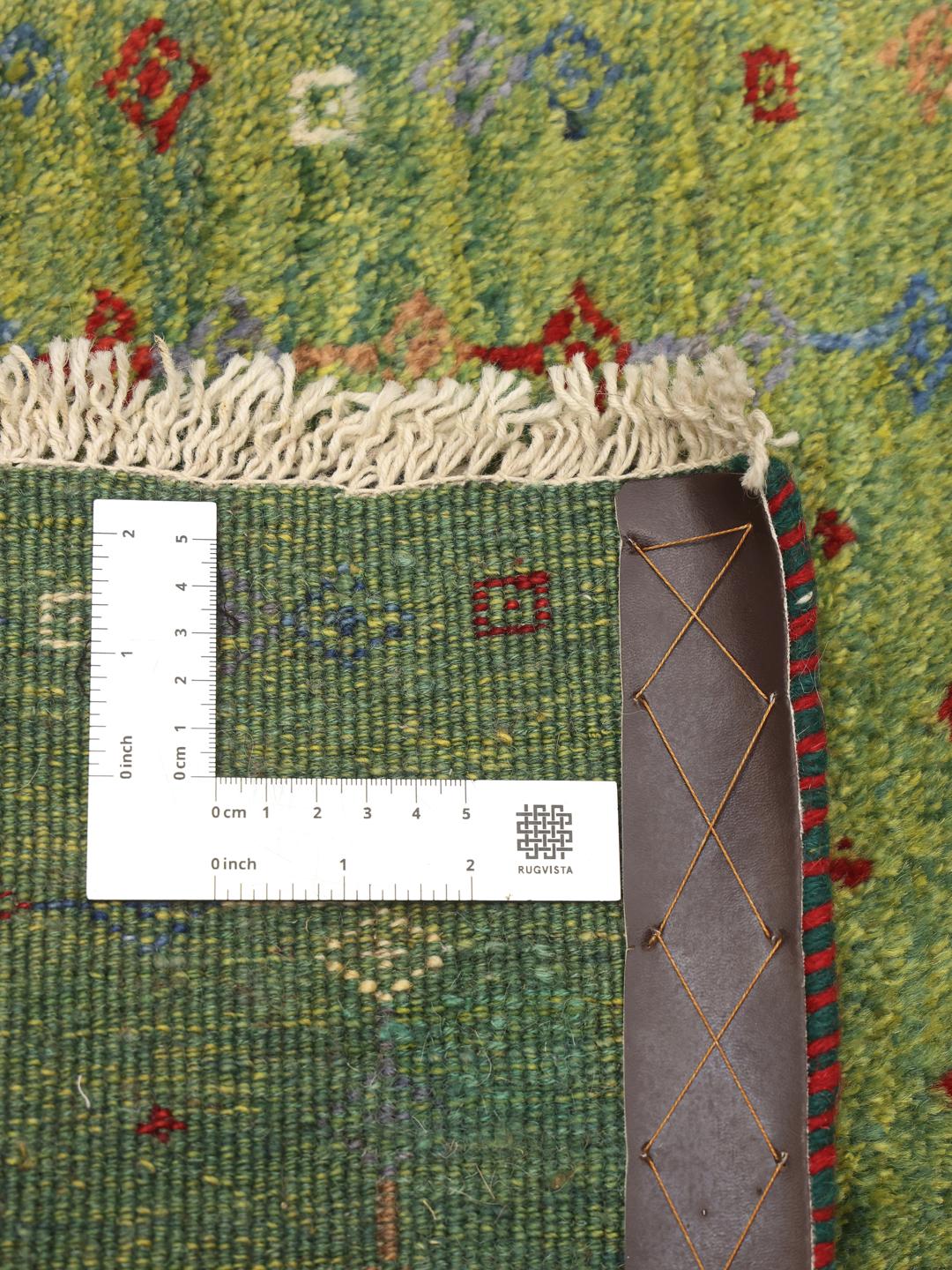
Gabbeh rugs were originally woven by nomadic tribes across the Middle East for practical use inside tents, serving as warm floor coverings and sleeping blankets. Over generations, these rugs evolved into a celebrated weaving tradition recognized globally for their rustic charm and expressive freedom.
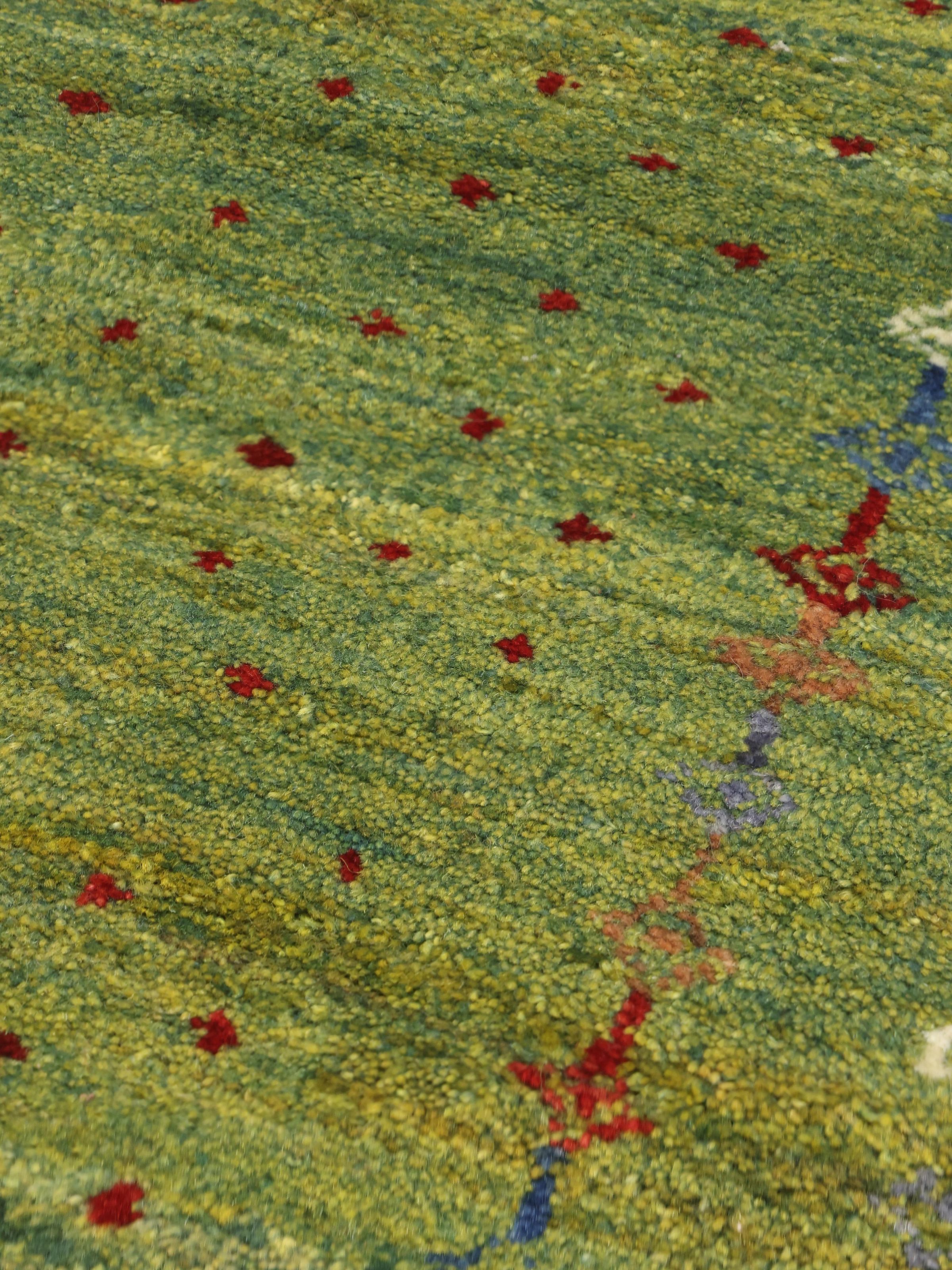
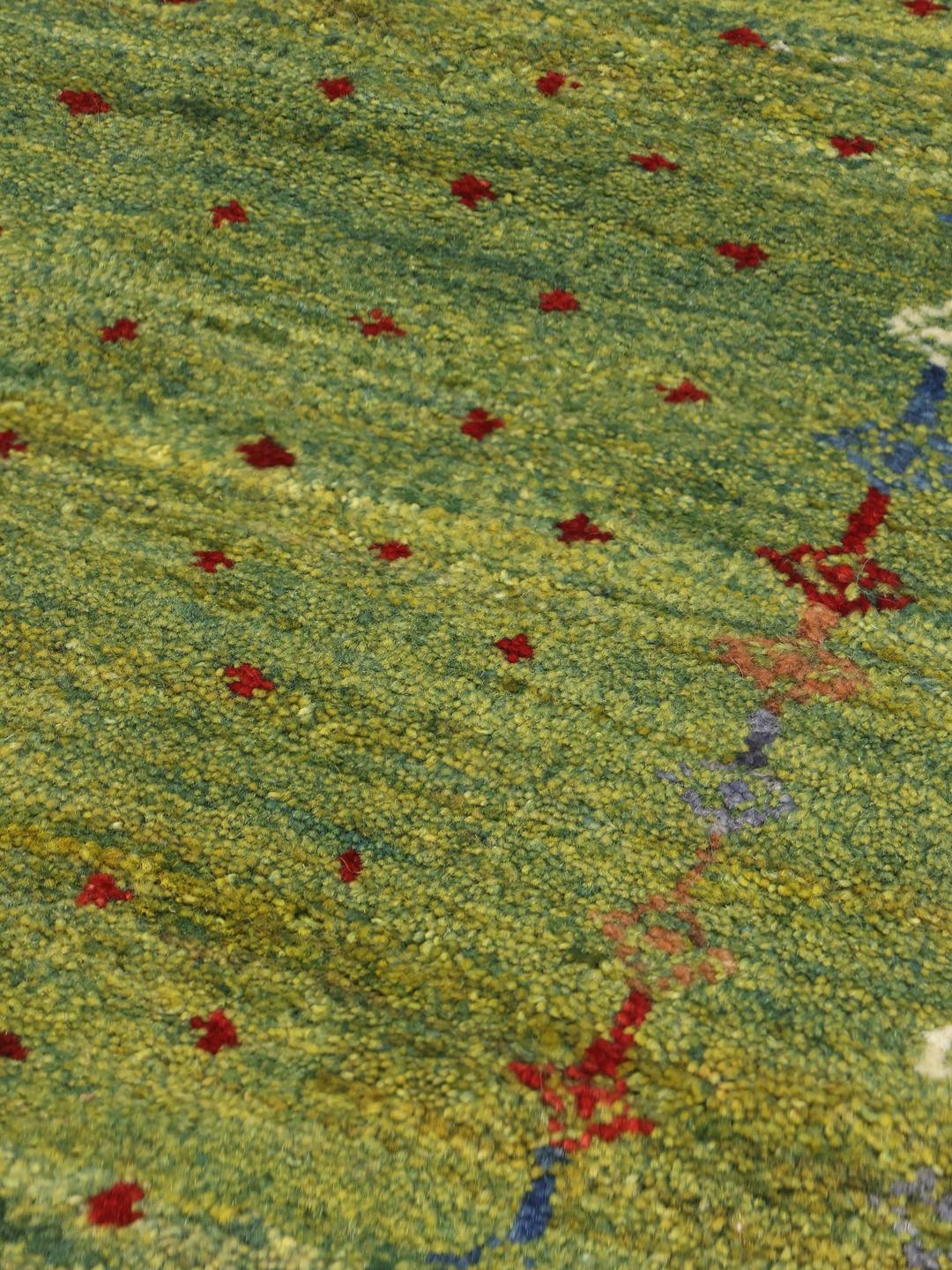
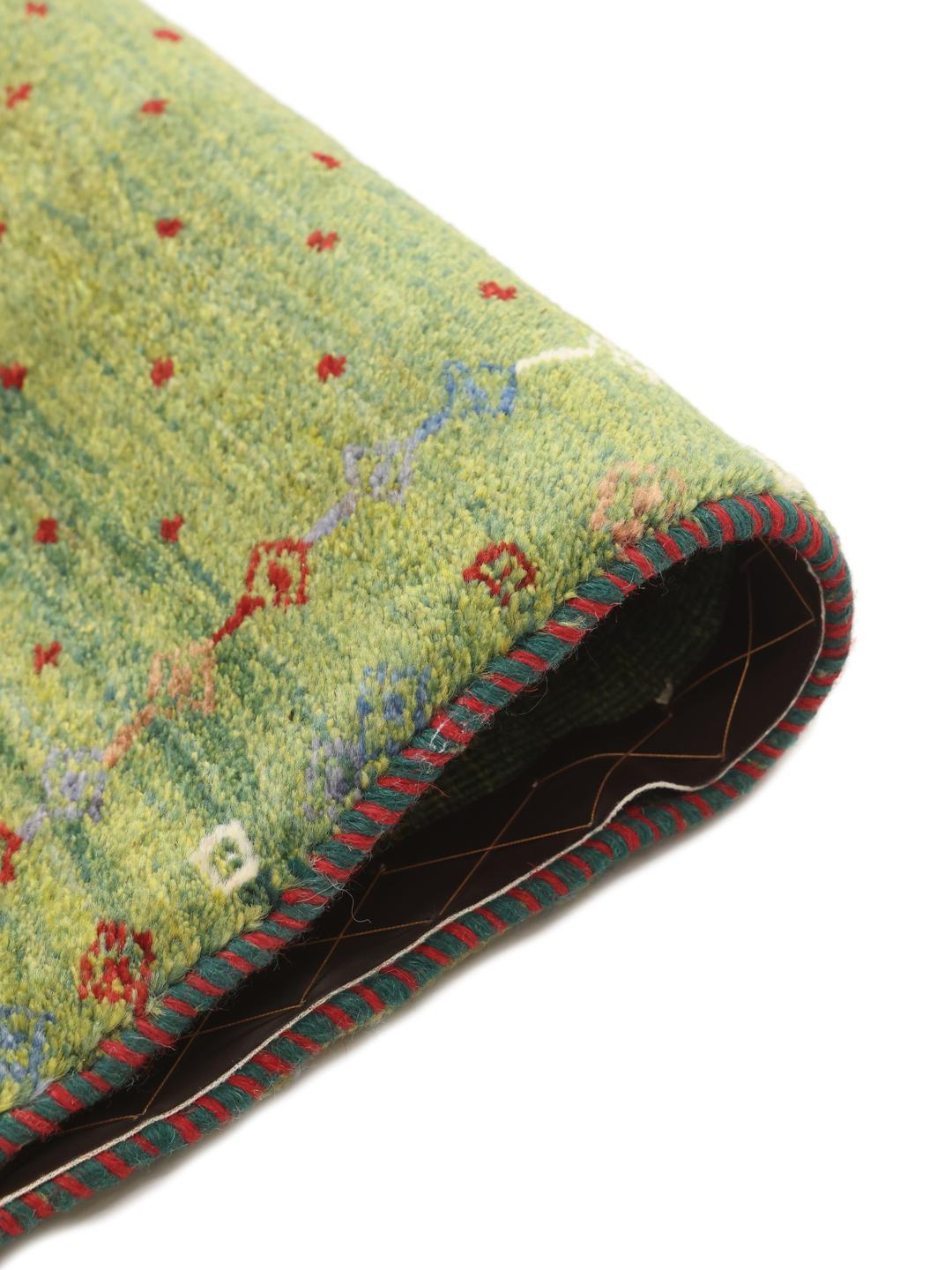
The term Gabbeh translates roughly to raw or natural, referring to the thick, plush pile and unpretentious weaving style. Unlike highly formal workshop rugs, weavers traditionally created these pieces spontaneously without following set diagrams, drawing inspiration from daily life and natural surroundings.
Visually, Gabbeh rugs are known for large open fields of rich, saturated color broken up by small, symbolic motifs like animals, trees, or simple geometric shapes. While traditionally woven in earth tones, modern interpretations incorporate a wider palette while preserving the characteristic border lines and subtle color shifts created by hand-dyed yarns.
Today, Gabbeh rugs from Pakistan are highly valued for bringing human warmth and artistic individuality into contemporary living spaces, offering a lasting connection to ancient nomadic weaving traditions.