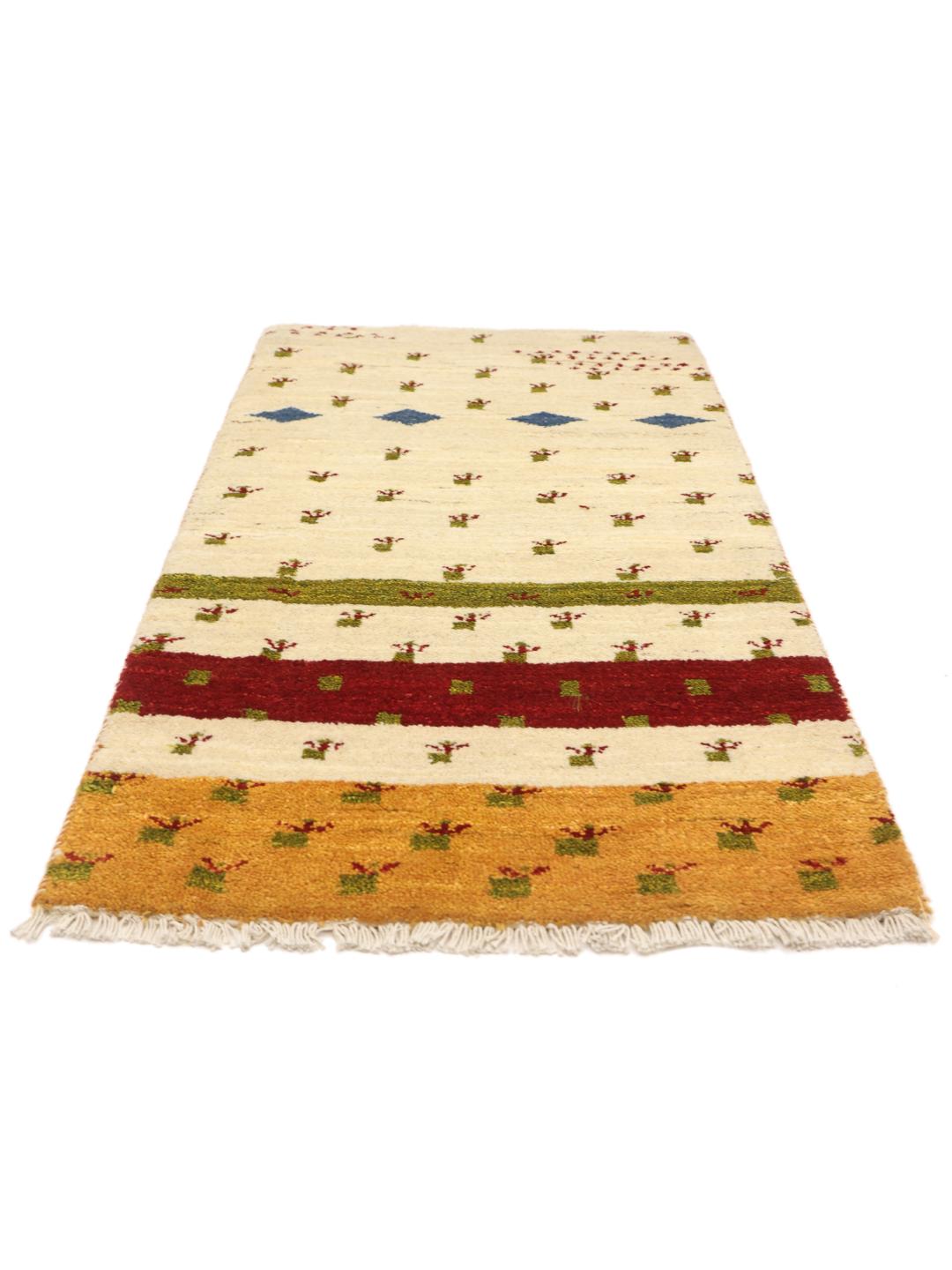
Gabbeh rugs were originally woven by nomadic and semi-nomadic tribes across the Middle East. Traditionally crafted for personal family use as sleeping rugs and floor coverings, they were designed primarily for warmth, comfort, and everyday durability rather than decorative display.
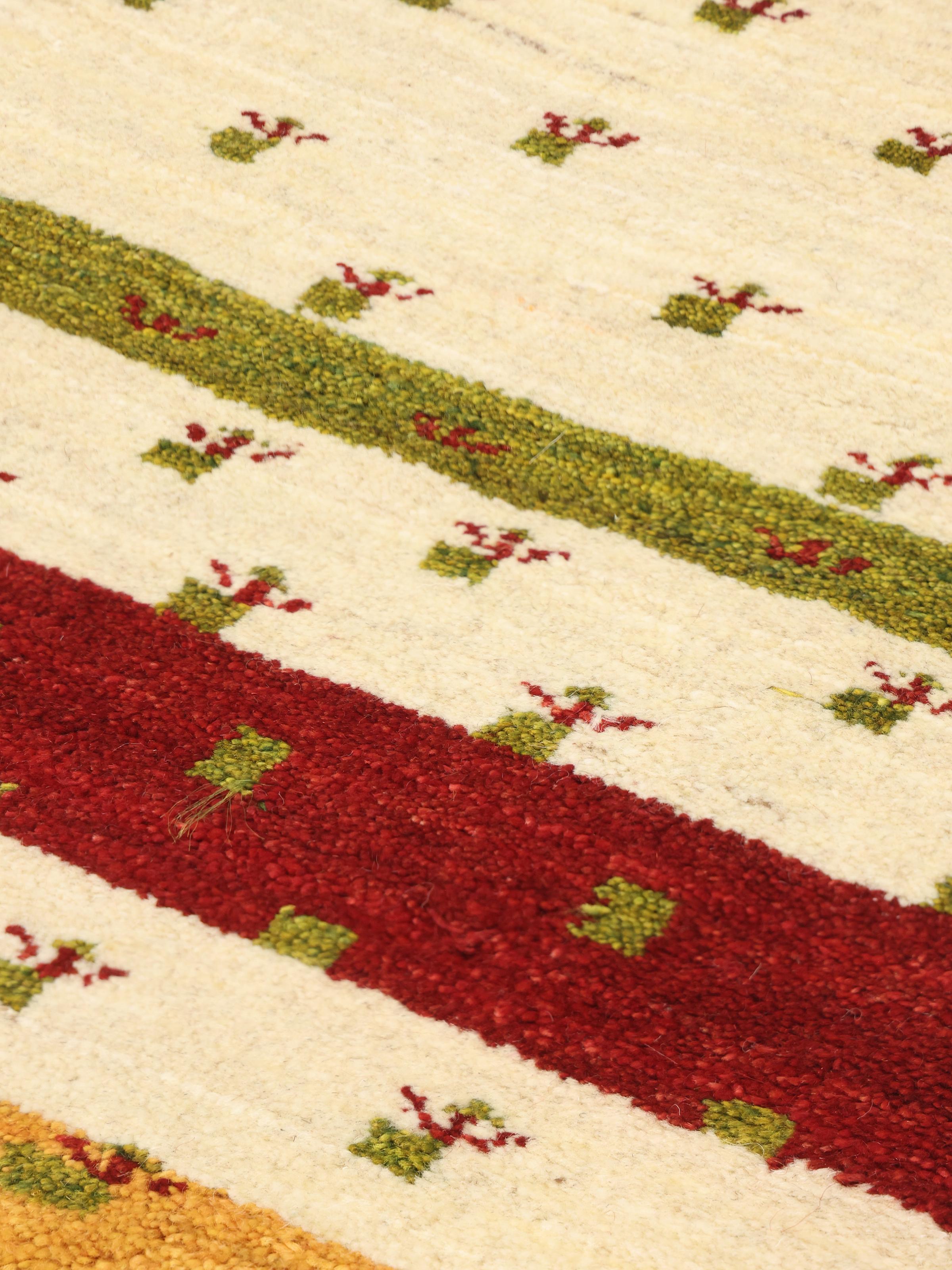
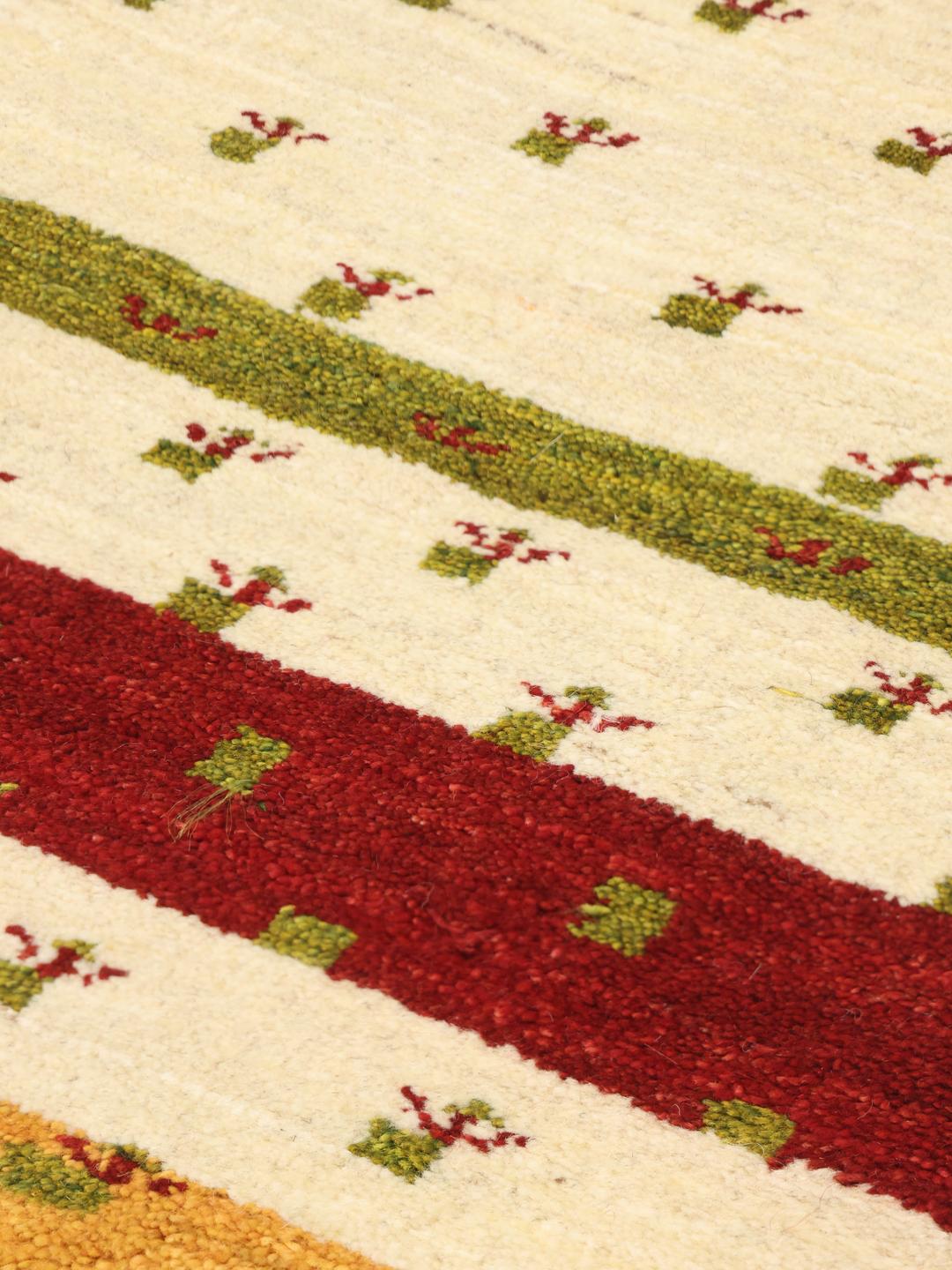
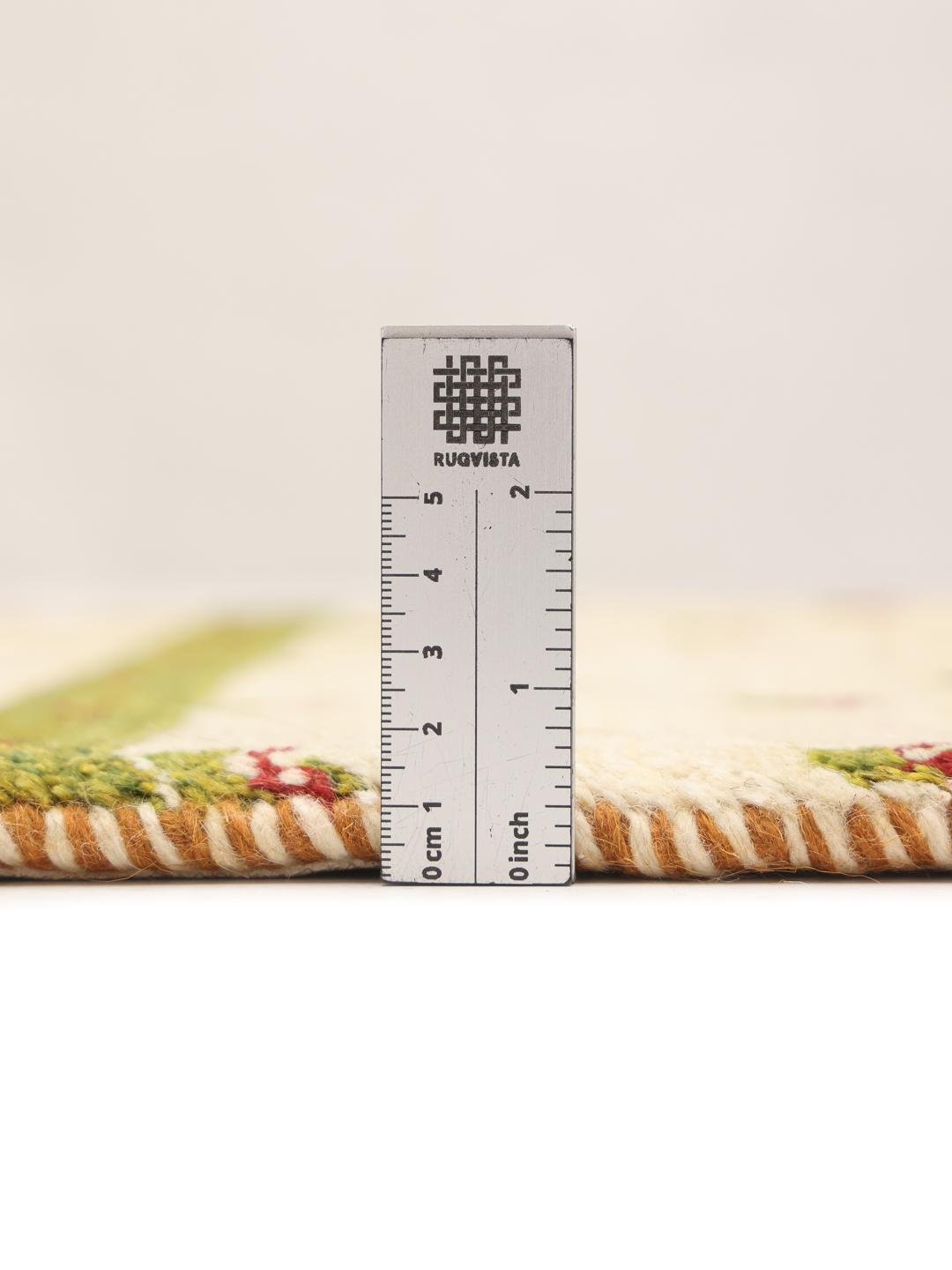
The word Gabbeh translates roughly to raw, natural, or unclipped, which refers directly to the thick, plush pile characteristic of these rugs. Over time, neighboring weaving regions including Pakistan adopted these traditional tribal techniques, creating highly prized variations that combine thick wool piles with refined knotting skills.
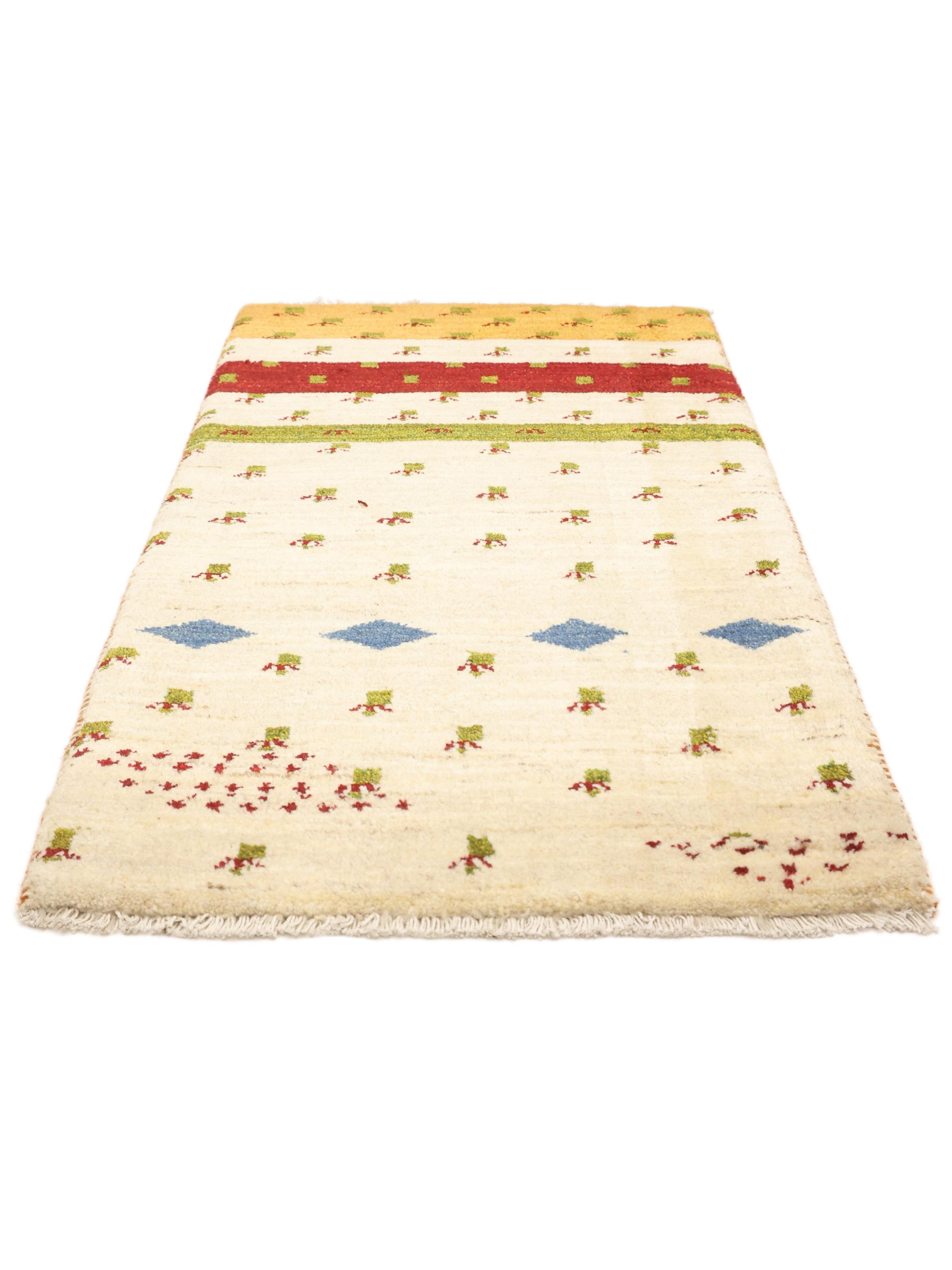
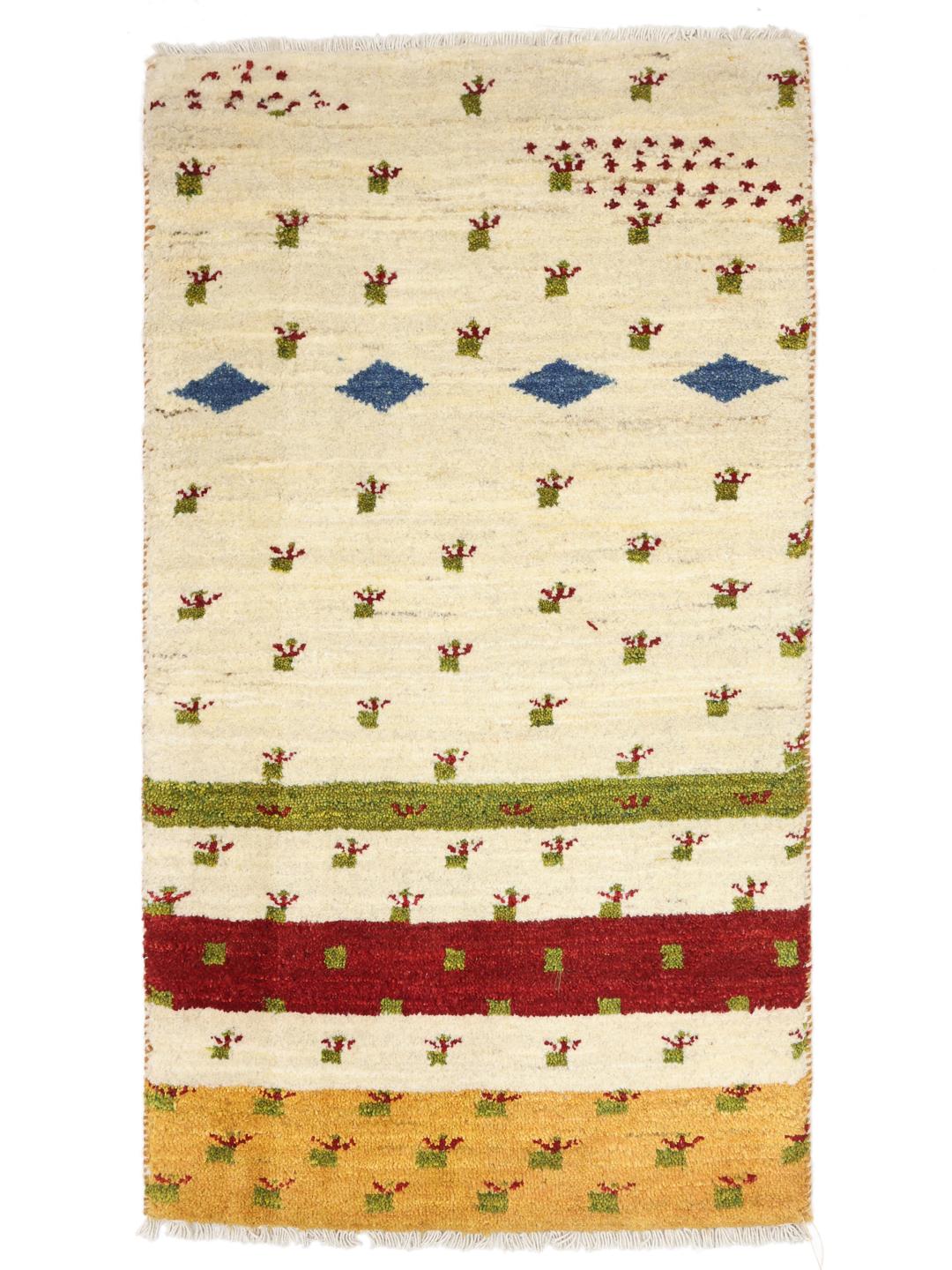
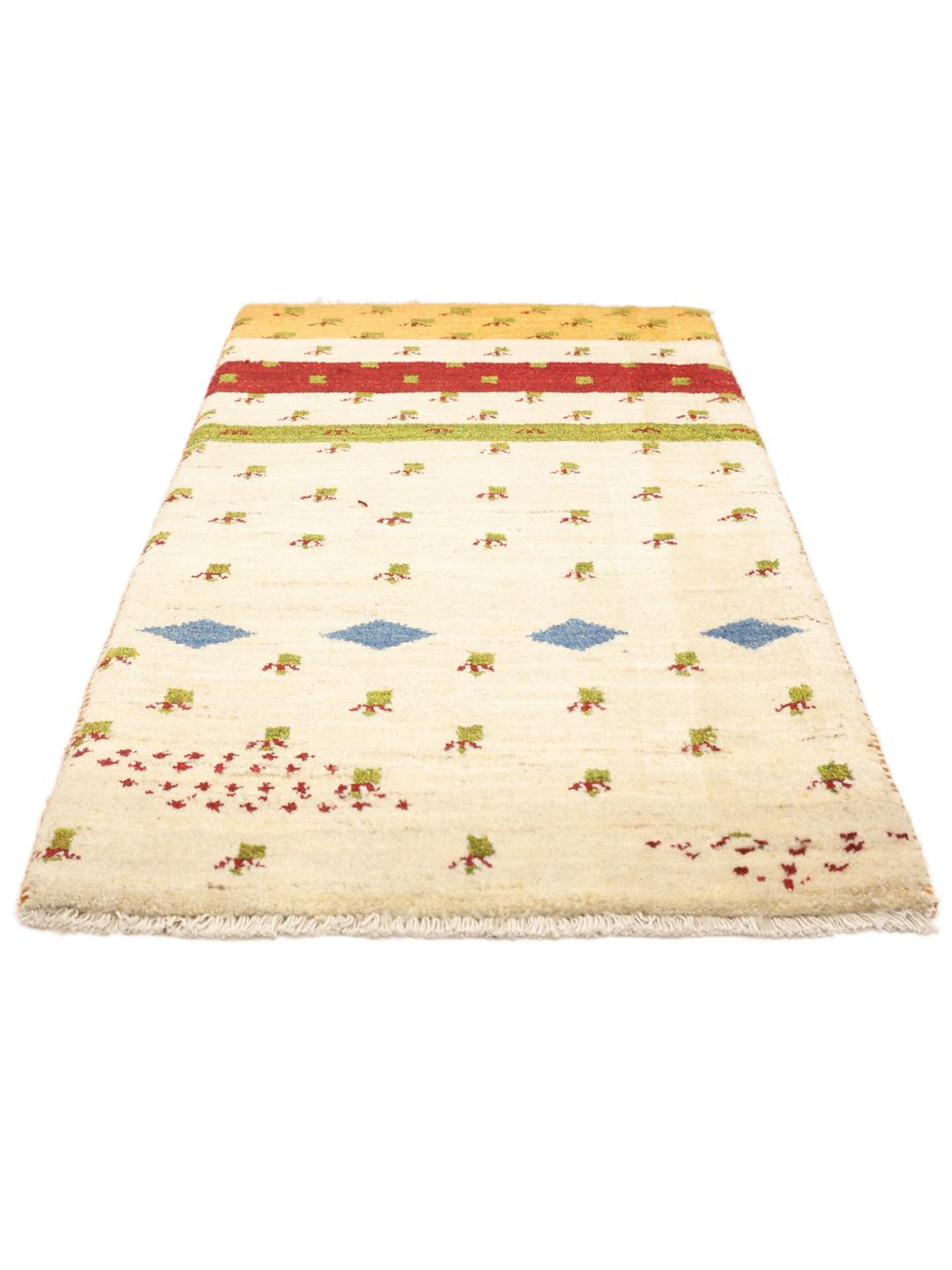
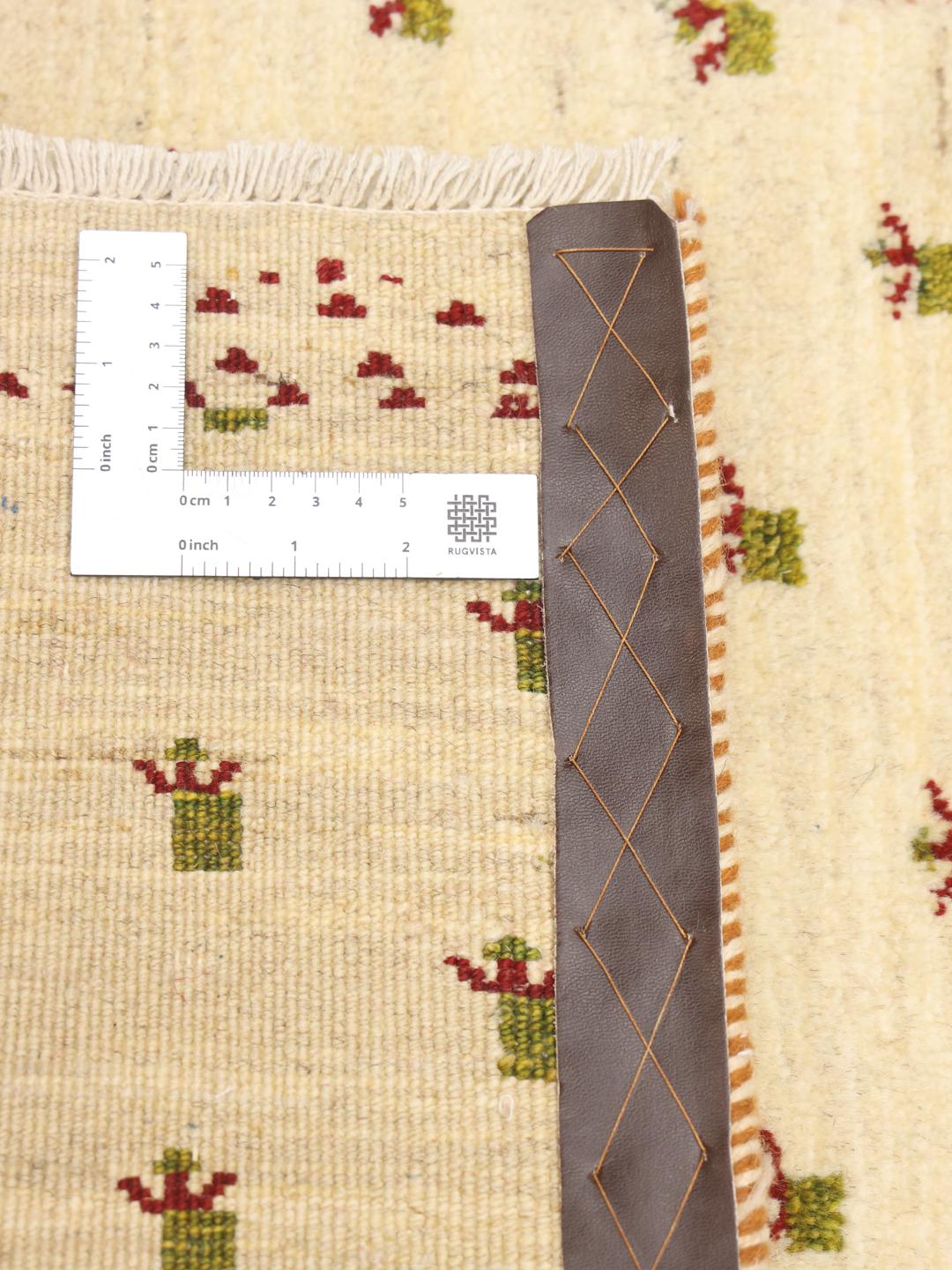
Visually, Gabbeh rugs are celebrated for their modern aesthetic simplicity. Rather than complex formal medallions, they display open fields with scattered small motifs representing trees, animals, or human figures. These symbolic shapes often tell personal stories or depict elements of daily life, framed by simple color bands or geometric borders.
Today, Gabbeh rugs are sought after worldwide by collectors and interior enthusiasts alike. Their balance of ancient artistic freedom and enduring construction makes them versatile pieces of floor art that seamlessly blend heritage with modern homes.