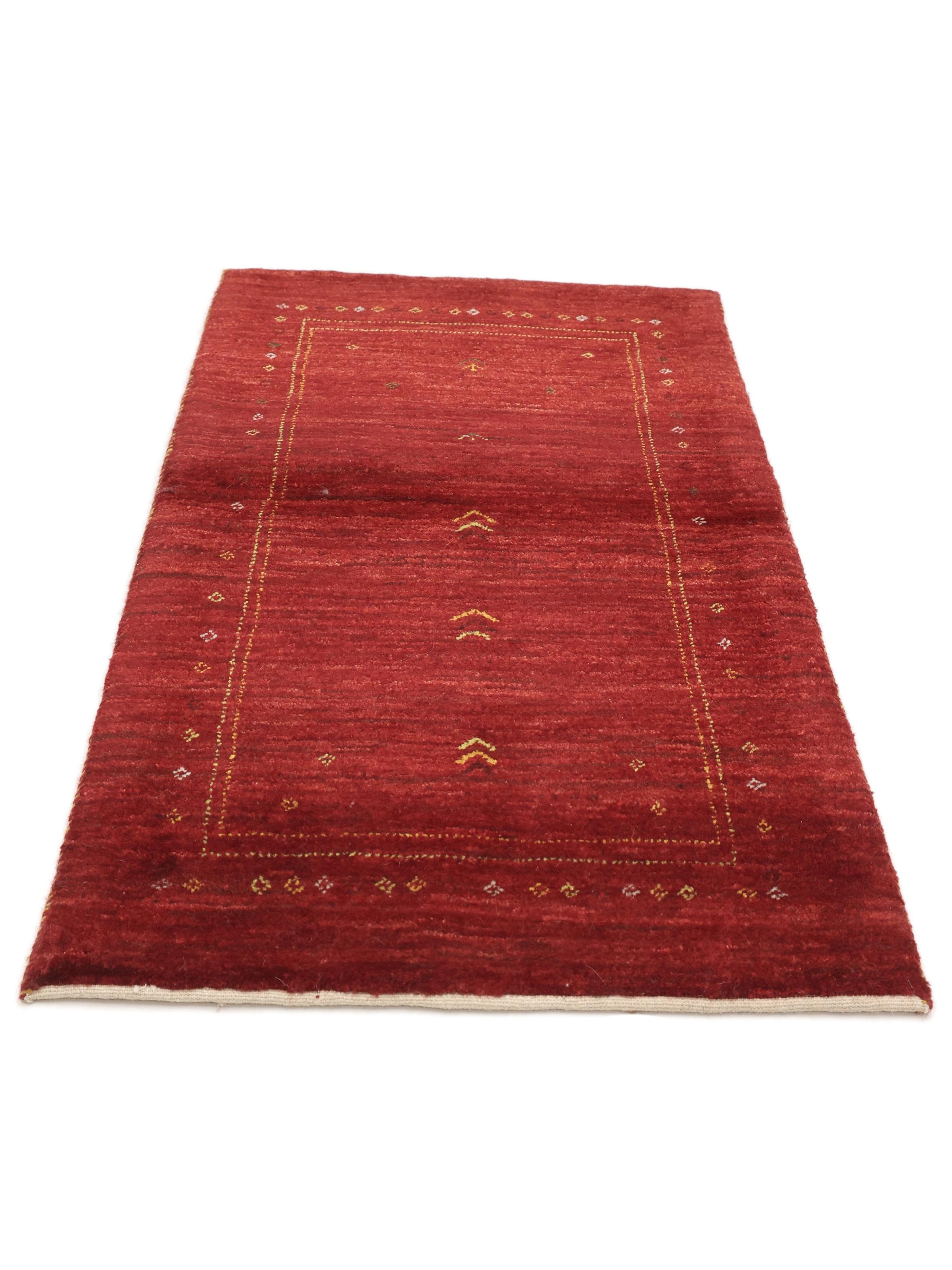
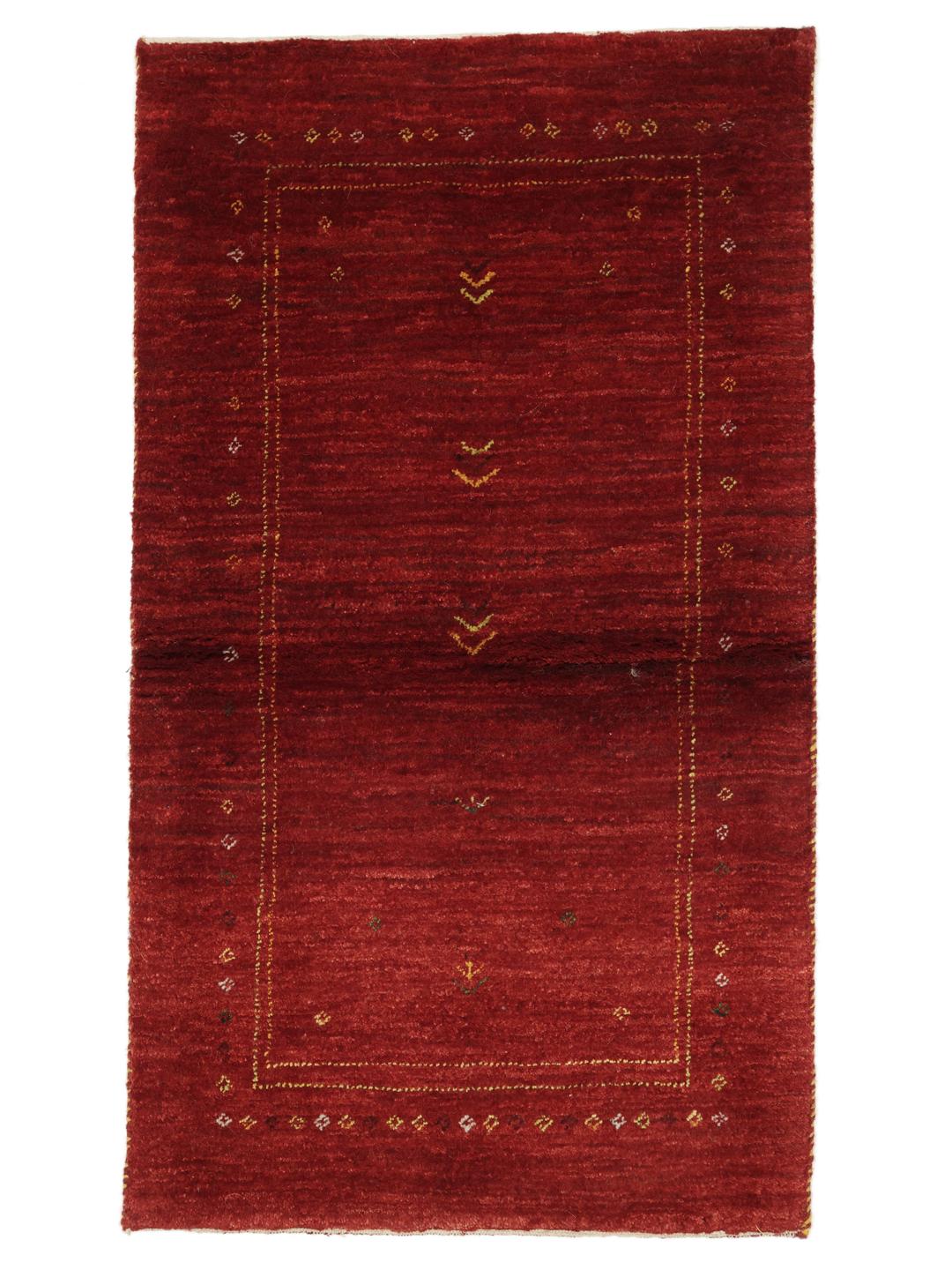
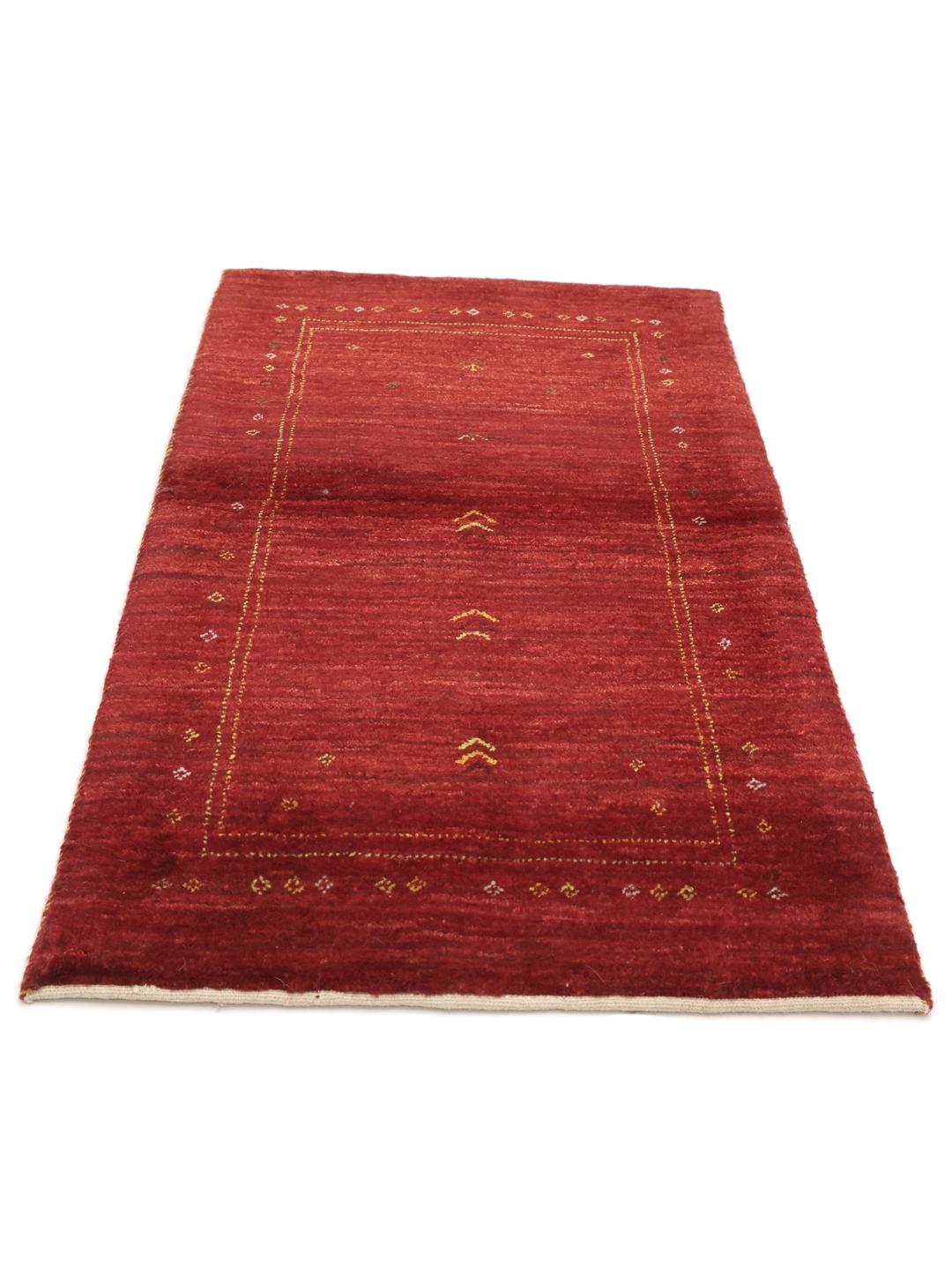
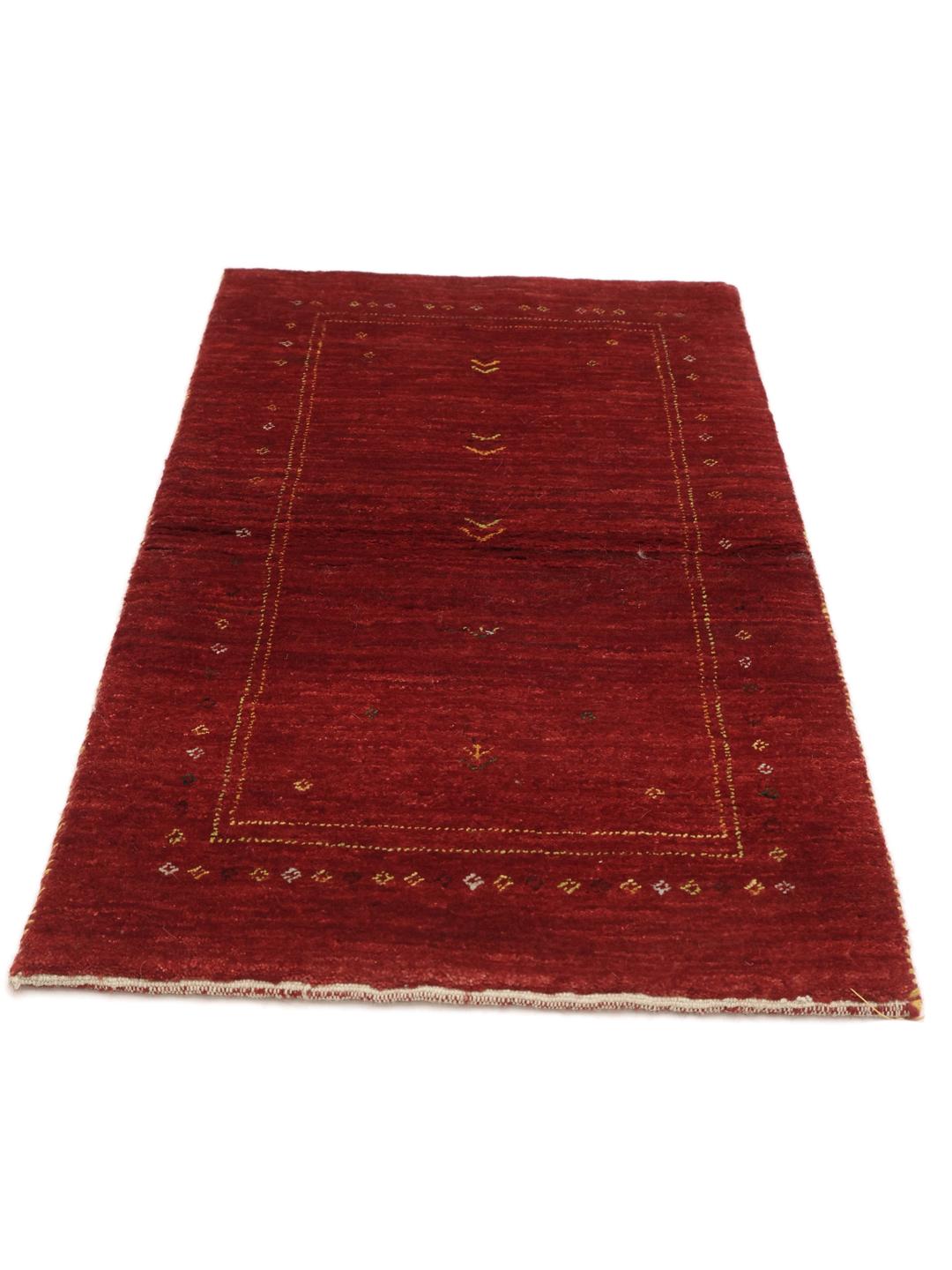
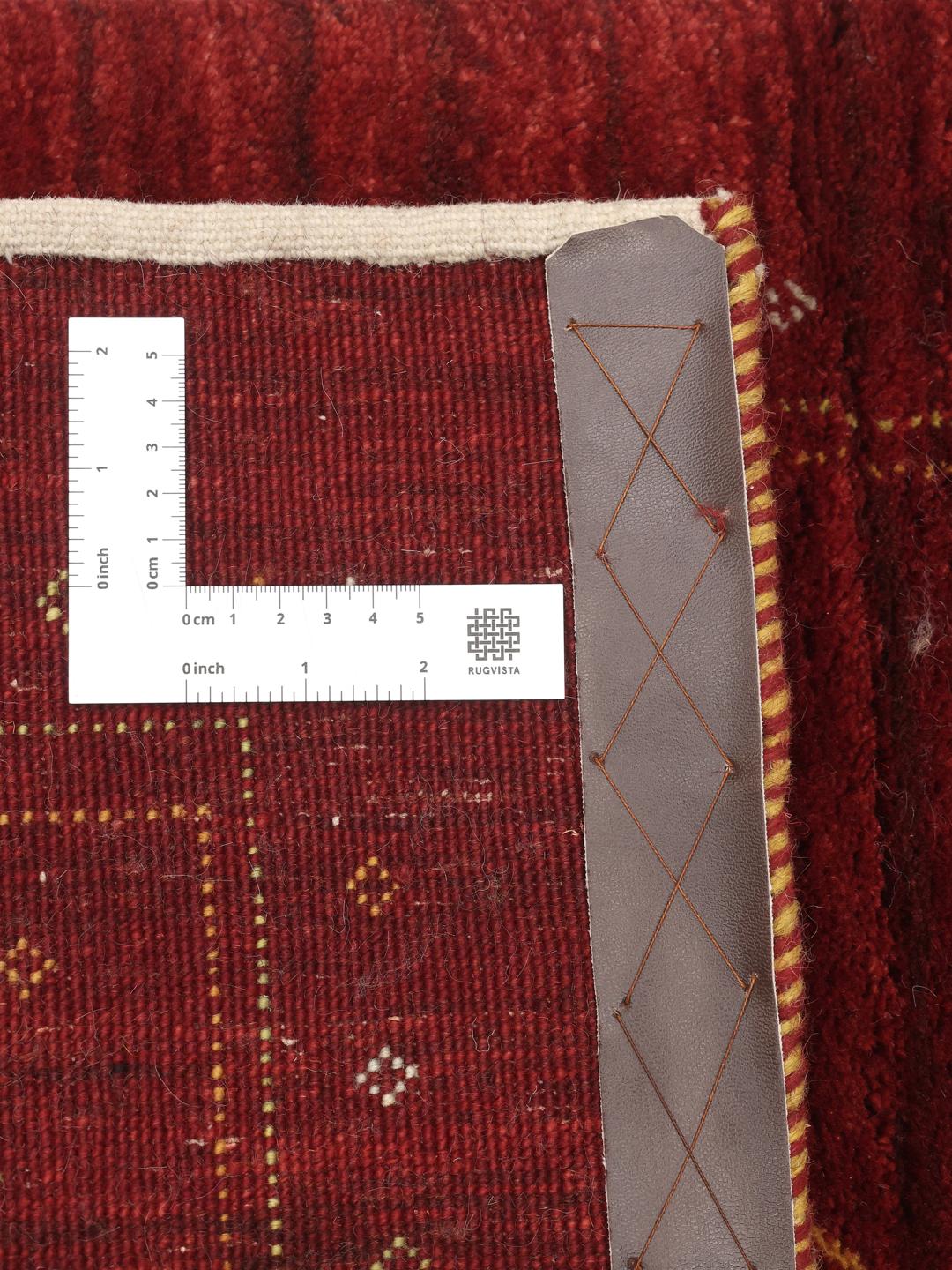
Gabbeh rugs originate from the nomadic tribes of the Middle East, where they were traditionally woven for personal use rather than for trade. These rugs are deeply rooted in the daily lives of the weavers, serving as warm bedding or floor coverings within tents, which explains their characteristic focus on comfort, thickness, and simple, expressive patterns.
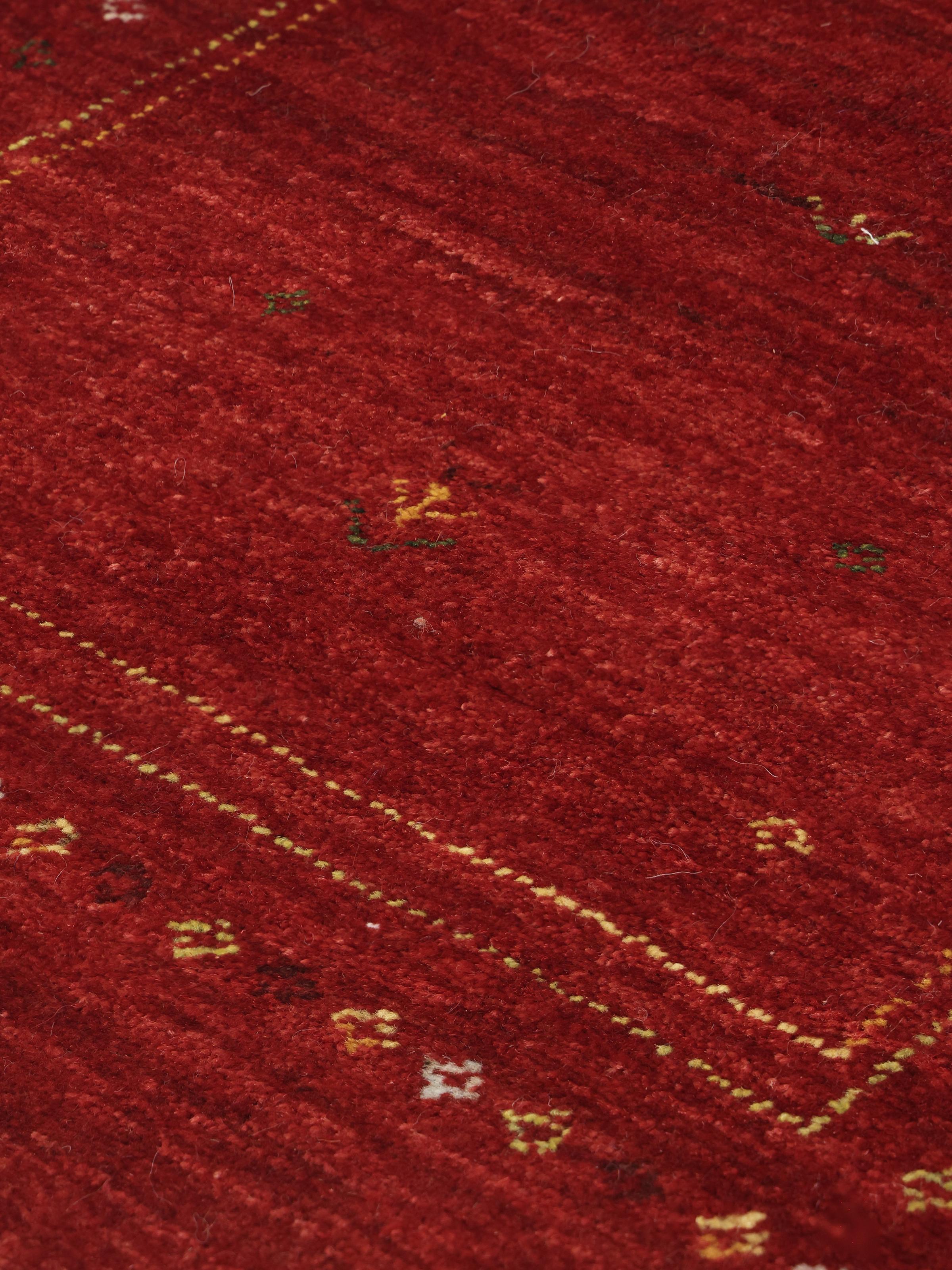
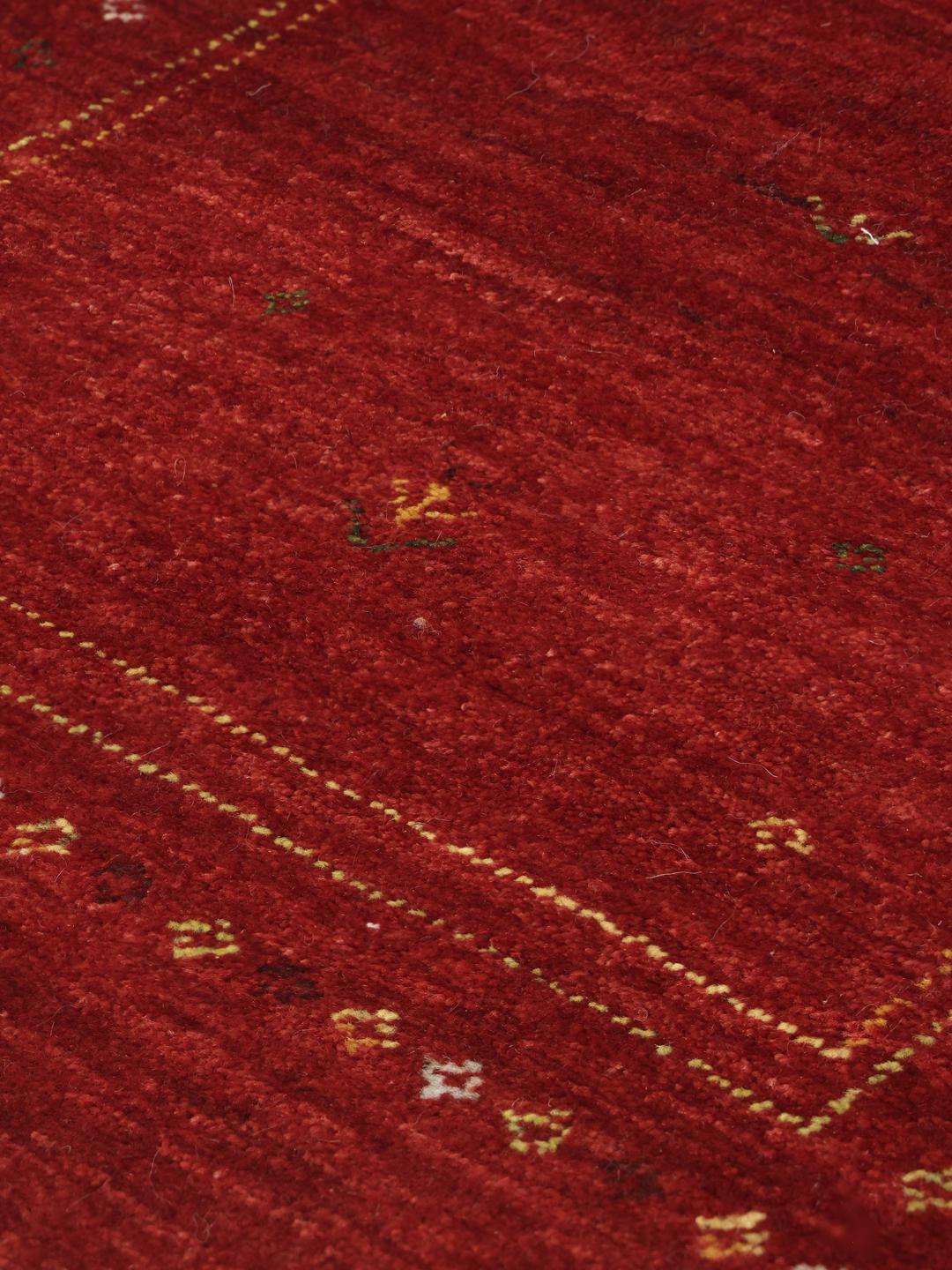
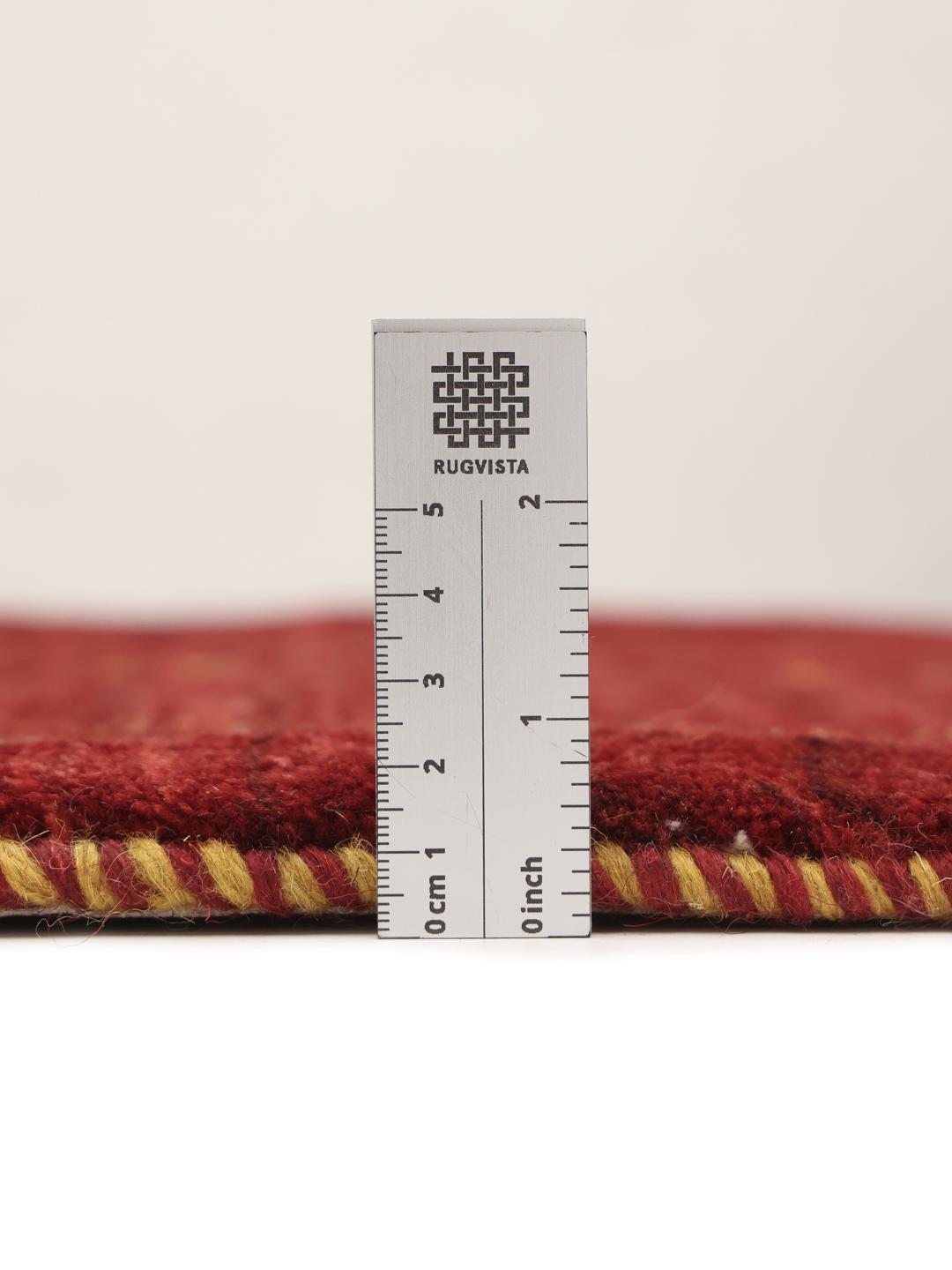
The term Gabbeh essentially means raw, natural, or unclipped in the local dialect, referring to the long, thick pile that defines this style. Unlike more formal carpets that follow strict, symmetrical designs, the Gabbeh is celebrated for its spontaneous, artistic nature. The wool is often left in its most natural state, and the dyes are typically derived from local plants and minerals, resulting in those deep, earthy colours that feel so grounded and authentic.
Visually, these rugs are known for their minimalist approach. While formal rugs might feature complex medallions or ornate floral scrolls, the Gabbeh often displays empty fields or sparse, symbolic motifs like animals, trees, or simple geometric shapes. These motifs are not just decorative; they are reflections of the weaver’s surroundings and personal stories, making every rug a narrative piece.
Today, these rugs are highly sought after by collectors and interior enthusiasts who value the human touch and the rejection of mass production. Owning a Gabbeh is a way to connect with a centuries-old tradition of nomadic craftsmanship. It represents a commitment to supporting heritage skills that prioritise individual expression and the inherent warmth of natural wool over the uniformity of modern manufacturing.