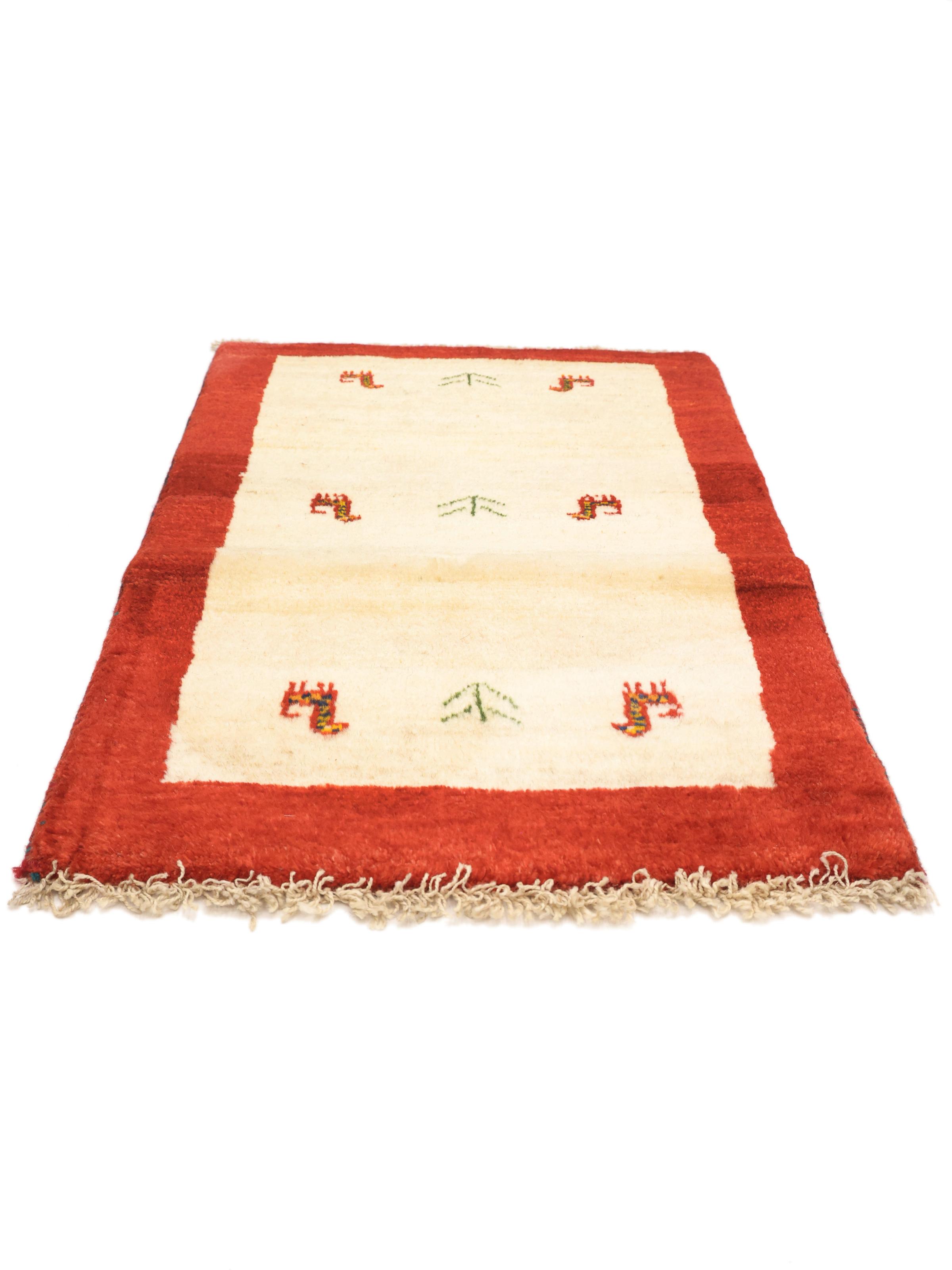
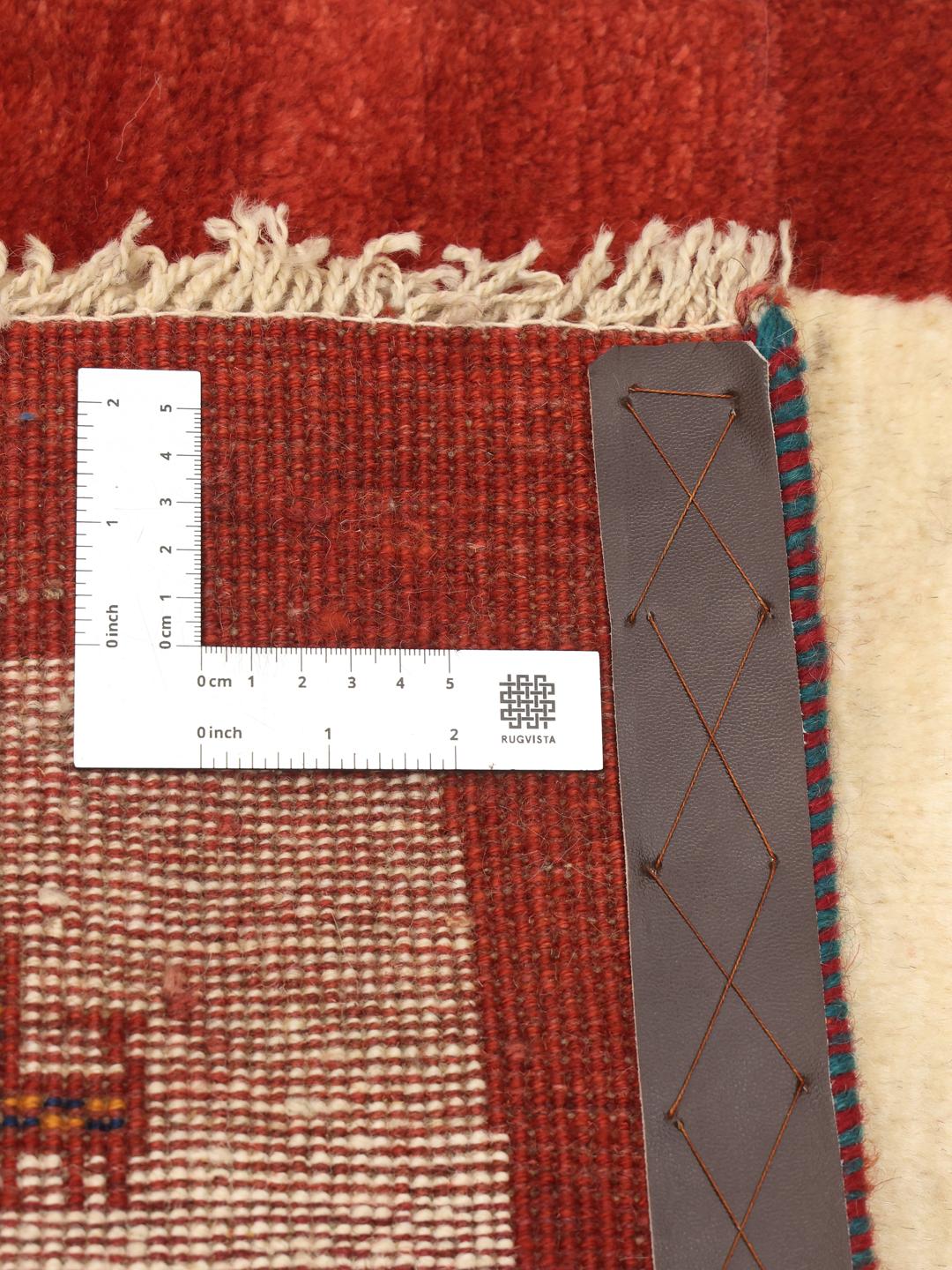
Gabbeh rugs were originally woven by nomadic tribes across the Middle East as practical, thick floor coverings and sleeping blankets for tribal tents. The word itself translates loosely to raw or natural, referencing the long, soft pile and unpretentious folk designs that characterized early pieces.
Over time, the weaving tradition expanded into specialist workshops in regions like Pakistan, where artisans adapted traditional nomadic motifs using refined hand-knotting techniques. This evolution allowed the bold, rustic visual language of Gabbeh rugs to reach homes around the world while preserving their authentic spirit.
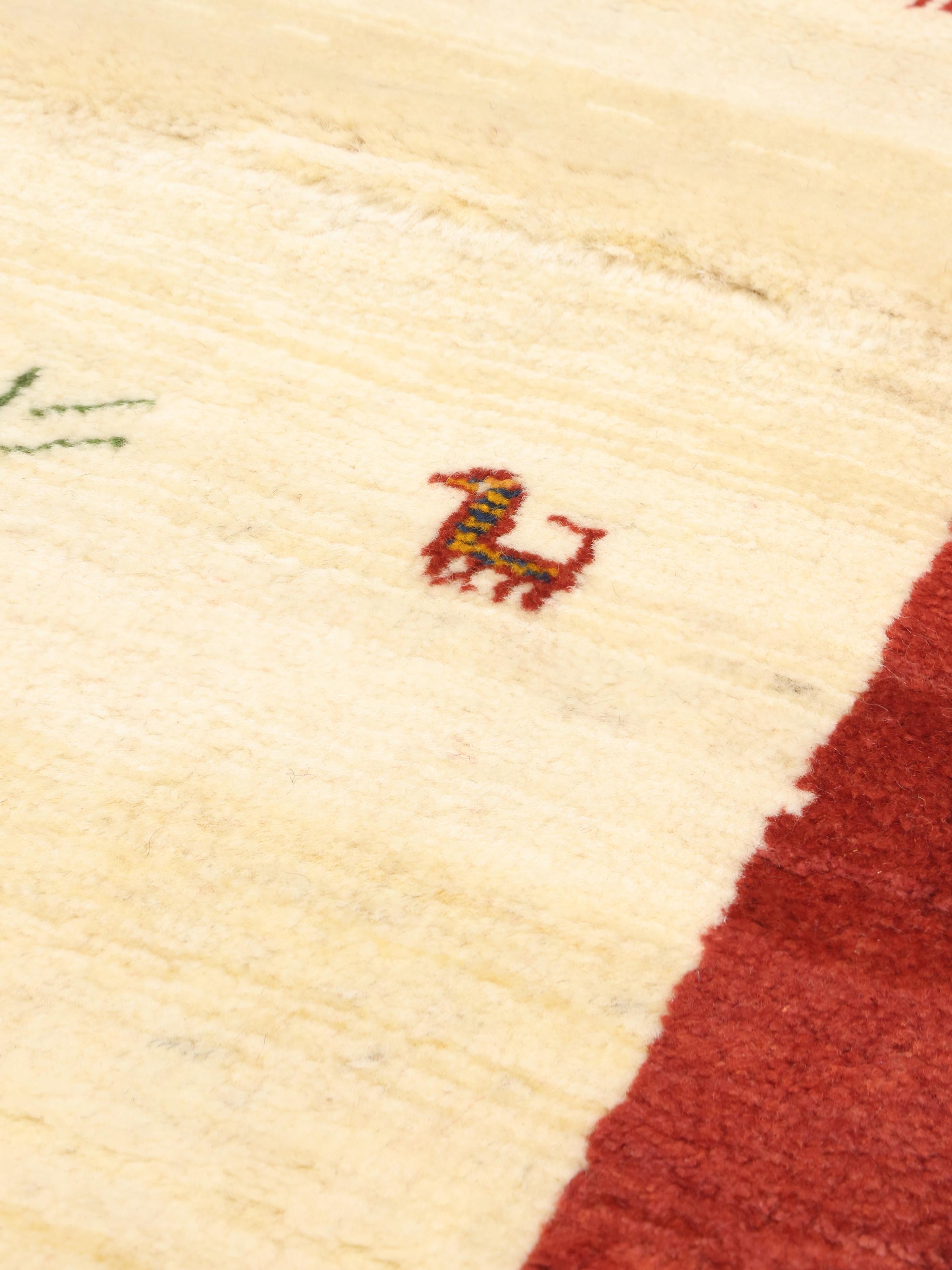
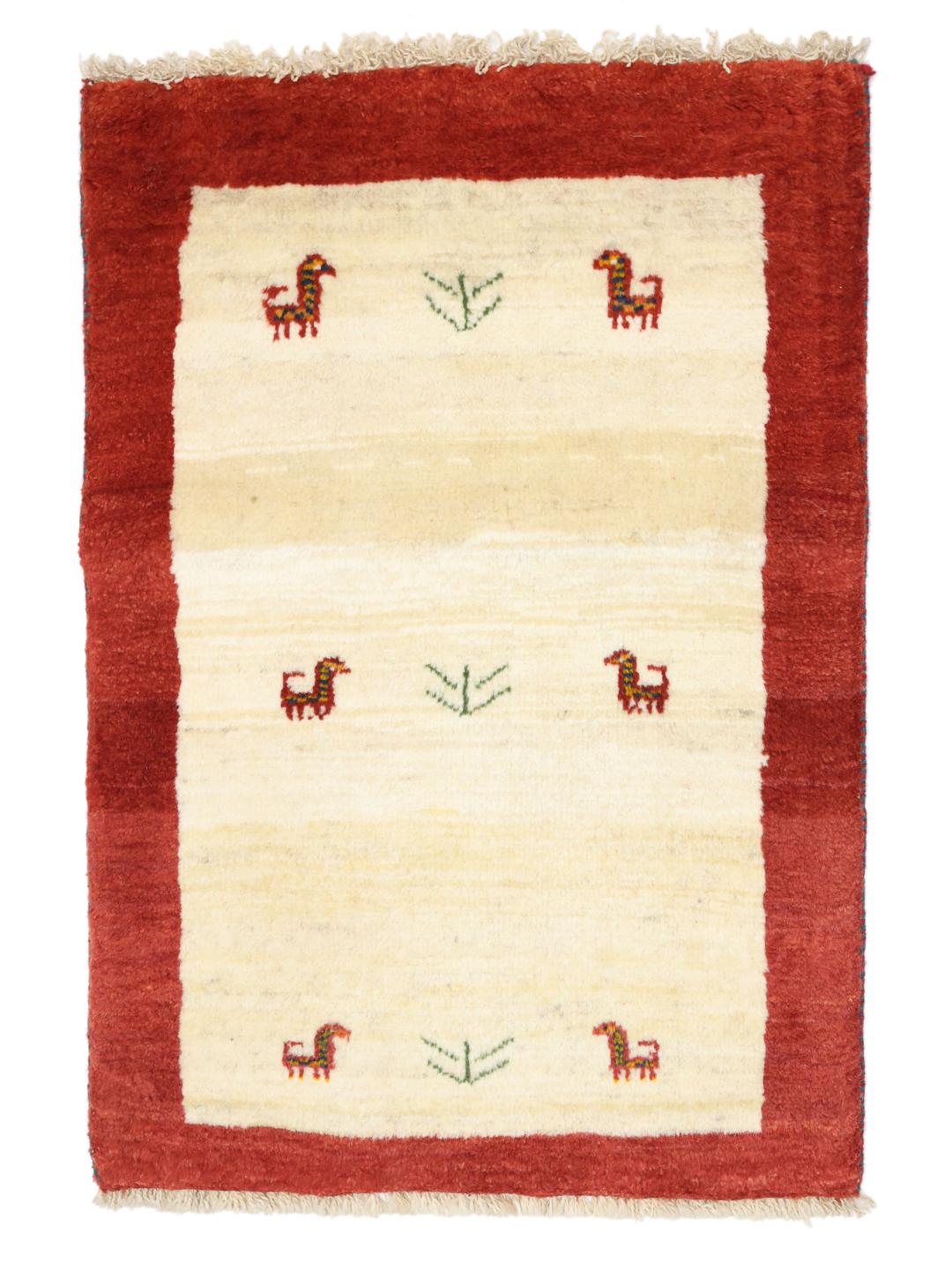
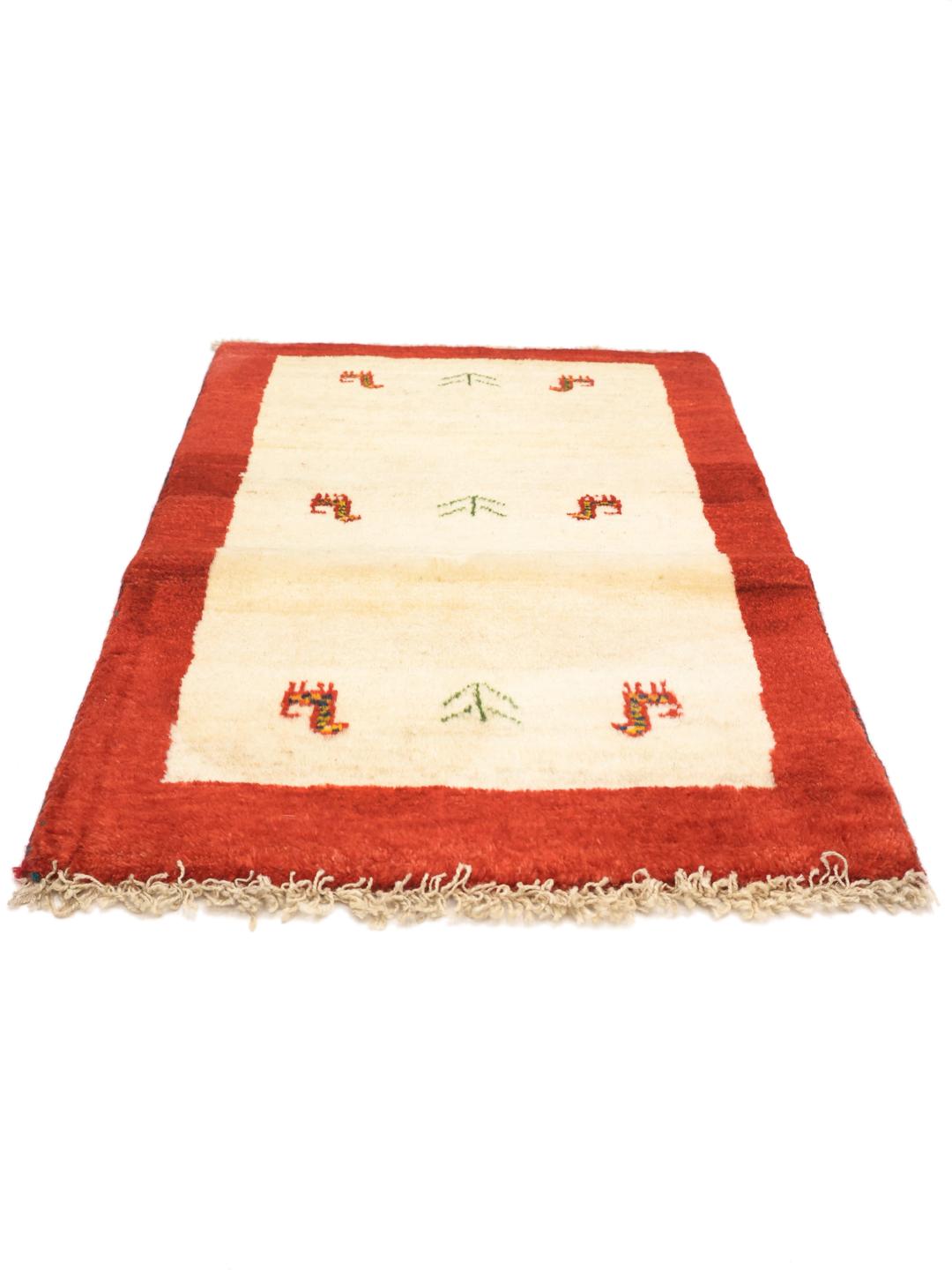
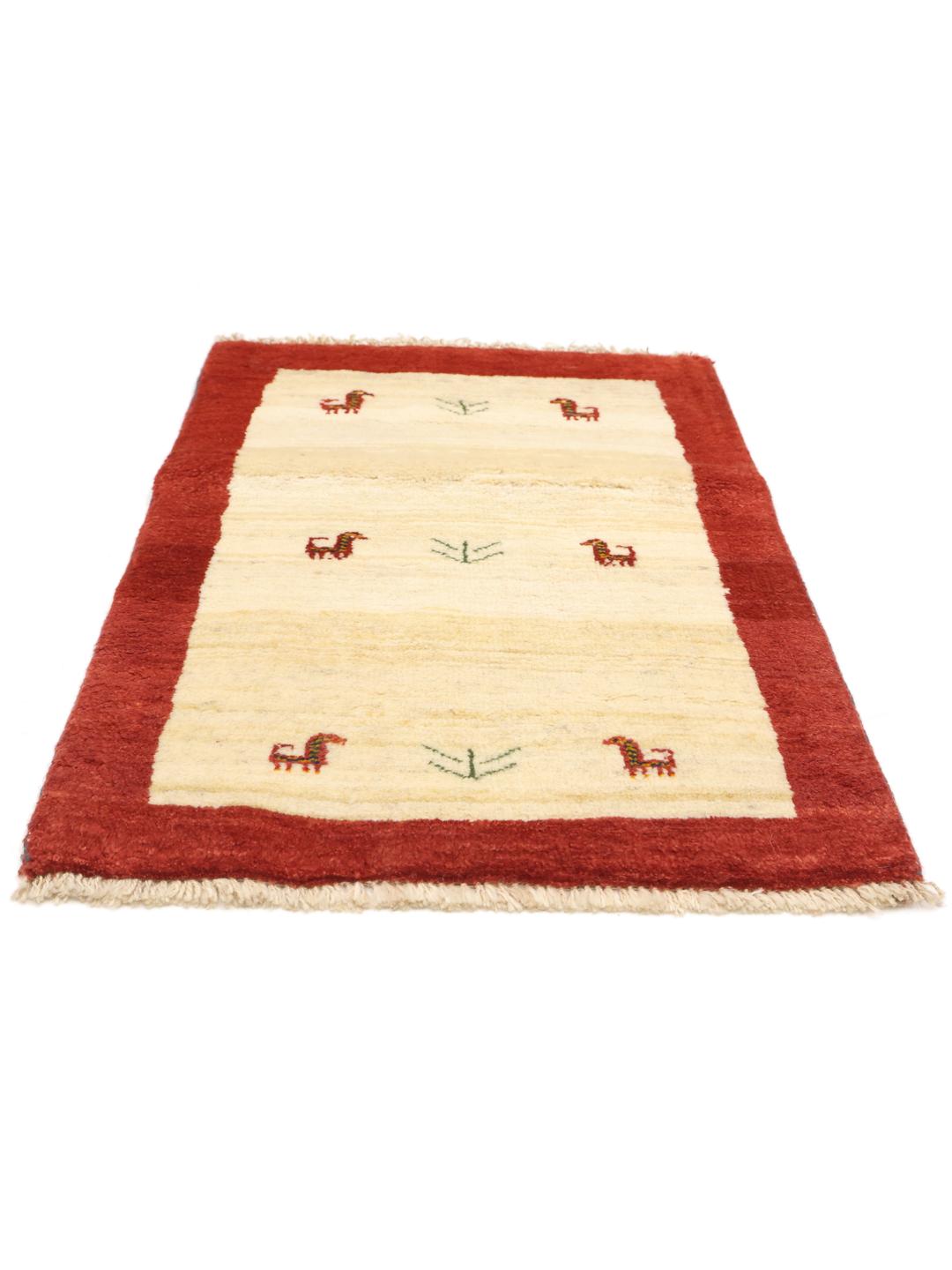
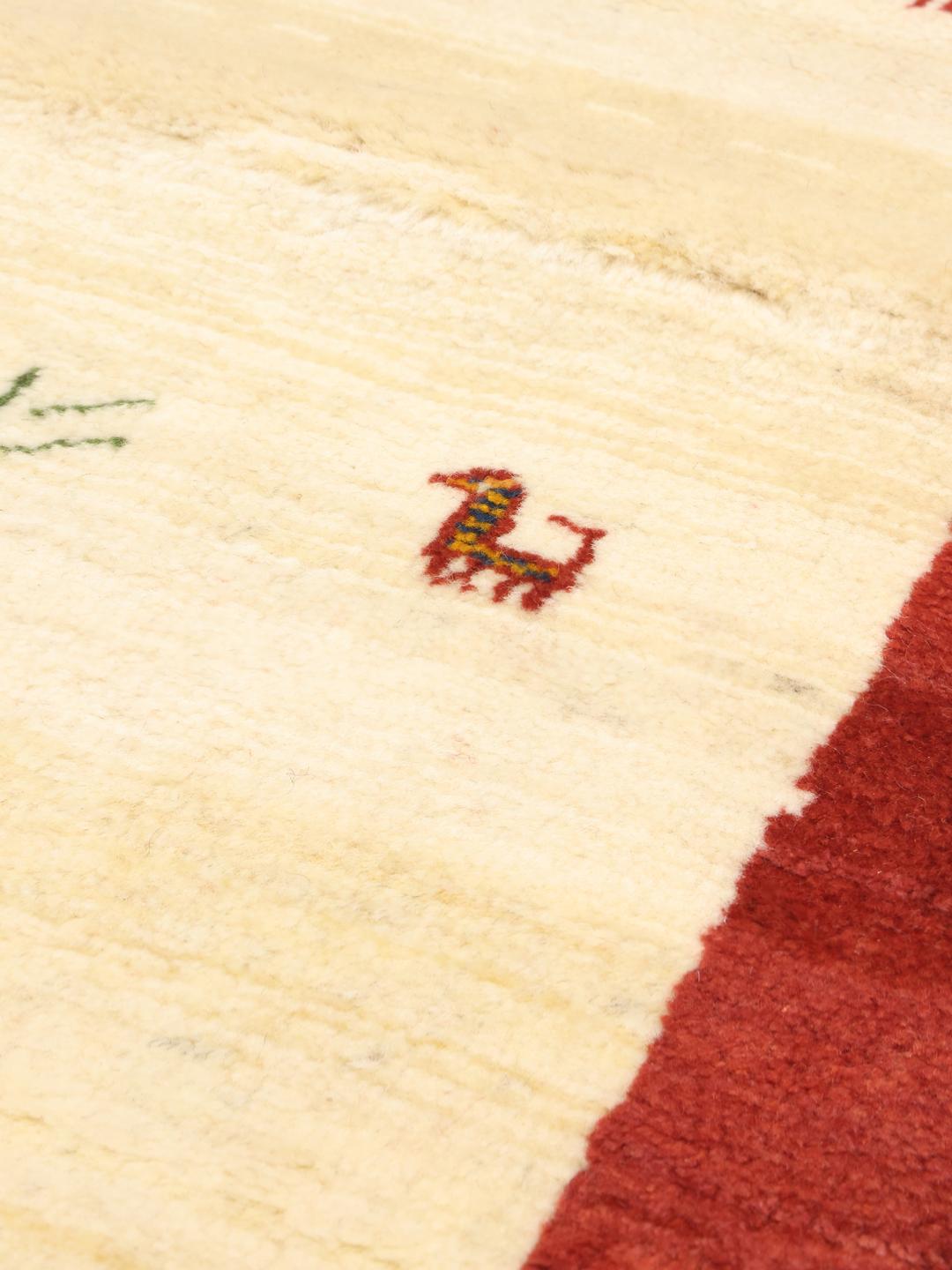
The signature look of a Gabbeh centers around open fields of color punctuated by simple narrative motifs. Stylized trees, small animals, and geometric human shapes are frequently scattered across the pile, representing simple elements of daily life, nature, and wishes for good fortune.
Today, Gabbeh rugs are highly appreciated by collectors and interior enthusiasts alike for their modern artistic appeal. Their minimalist, abstract qualities fit naturally into contemporary homes, bridging ancient storytelling with a clean, expressive design aesthetic.