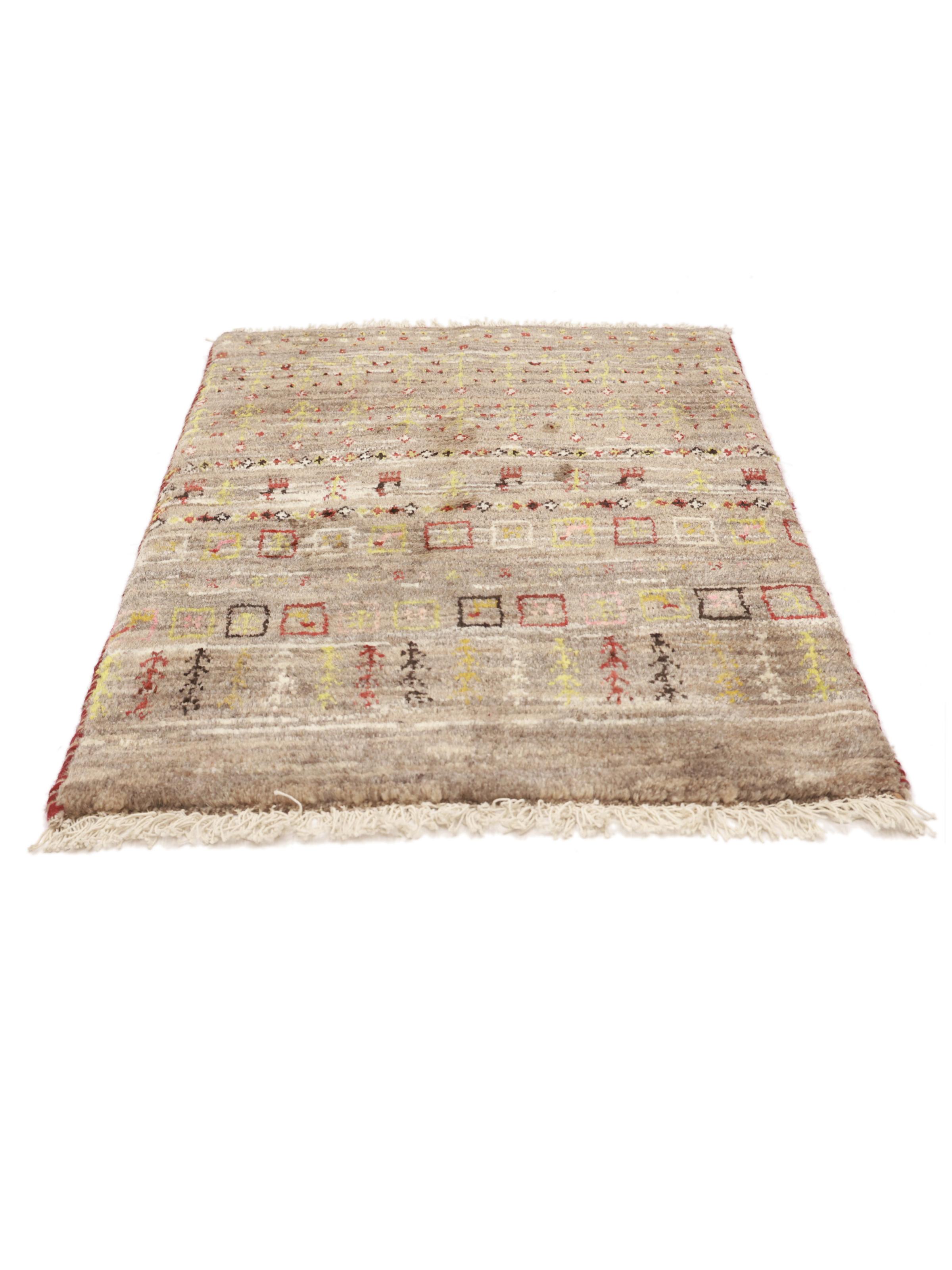
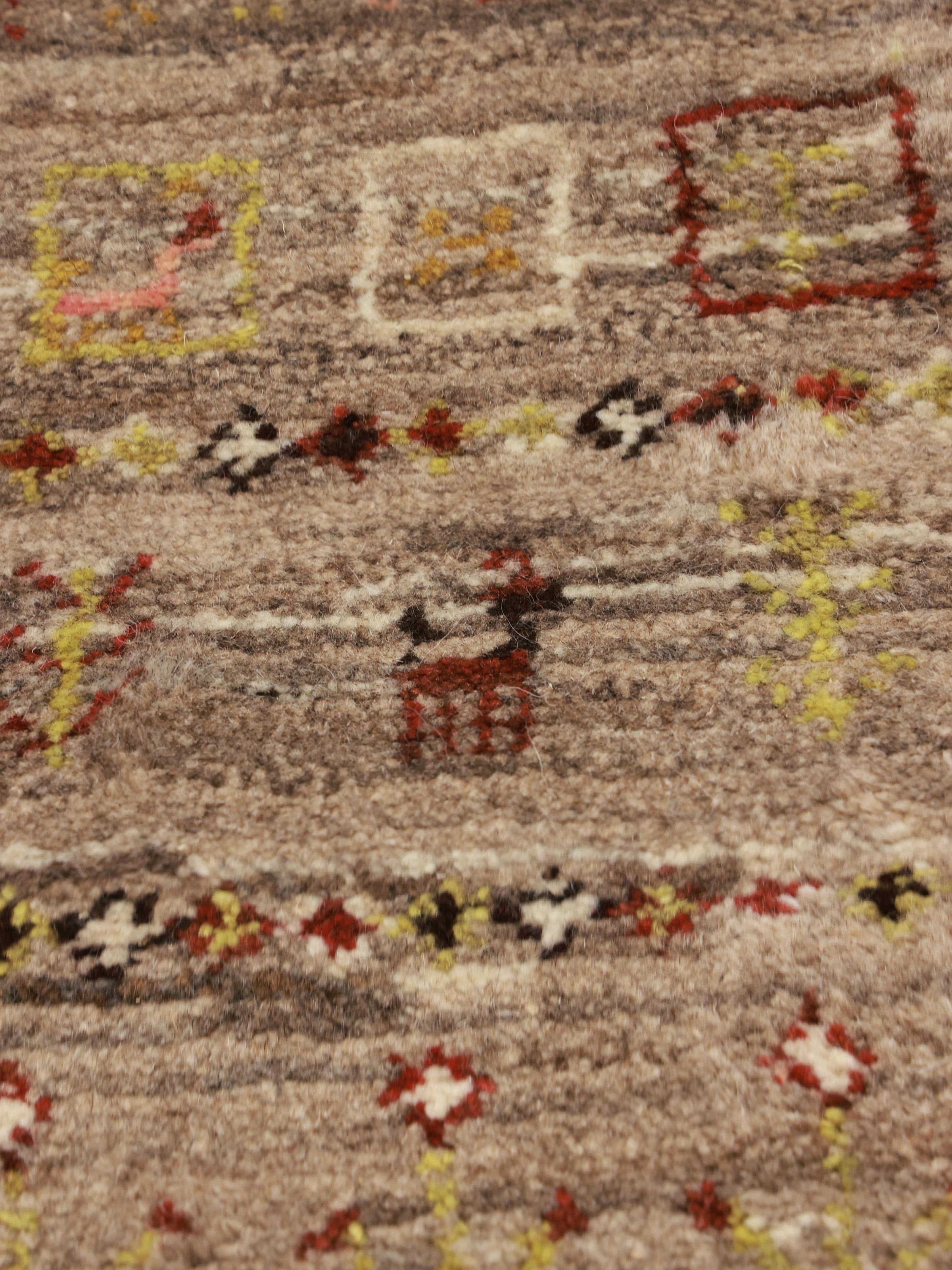
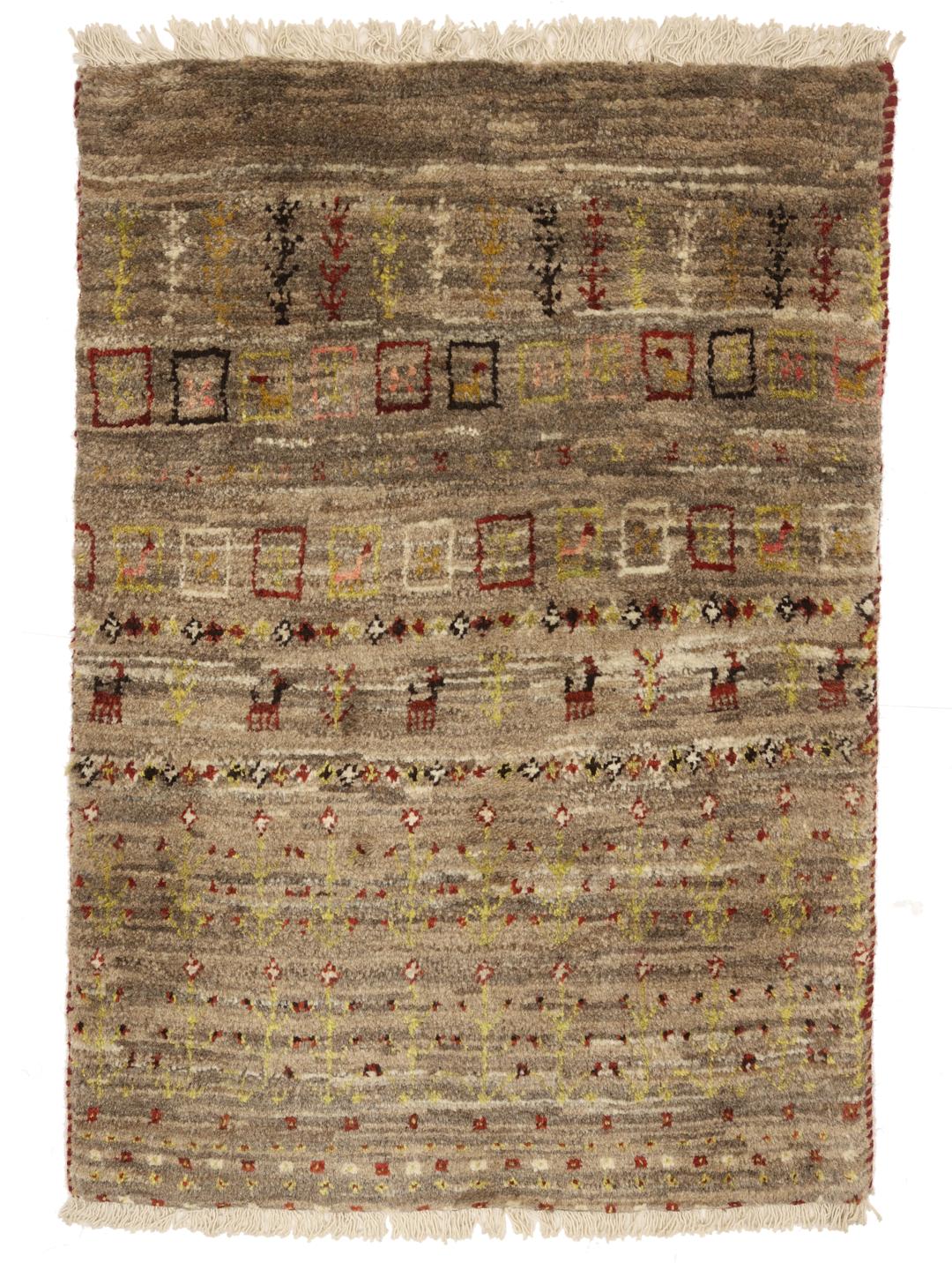
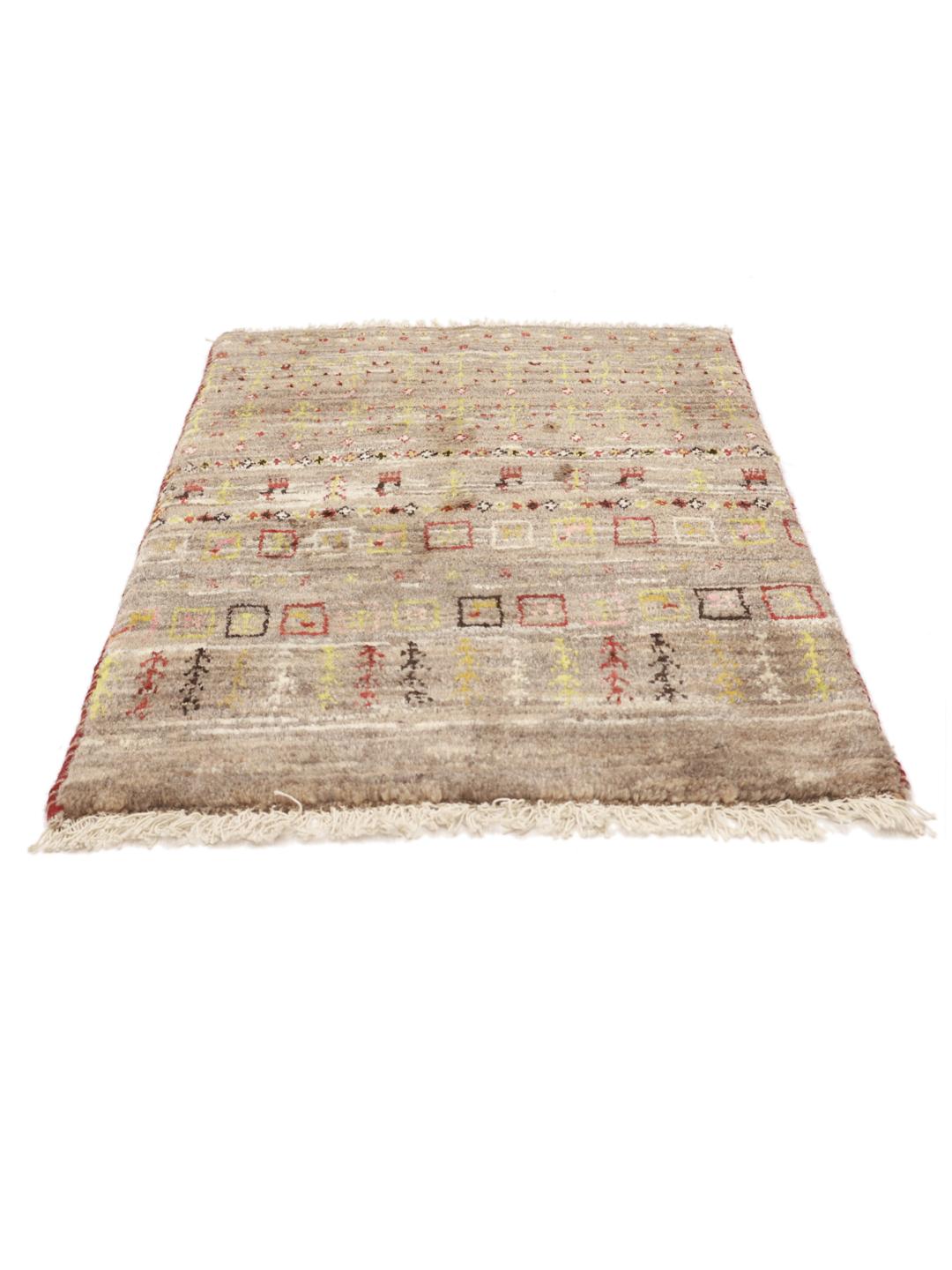
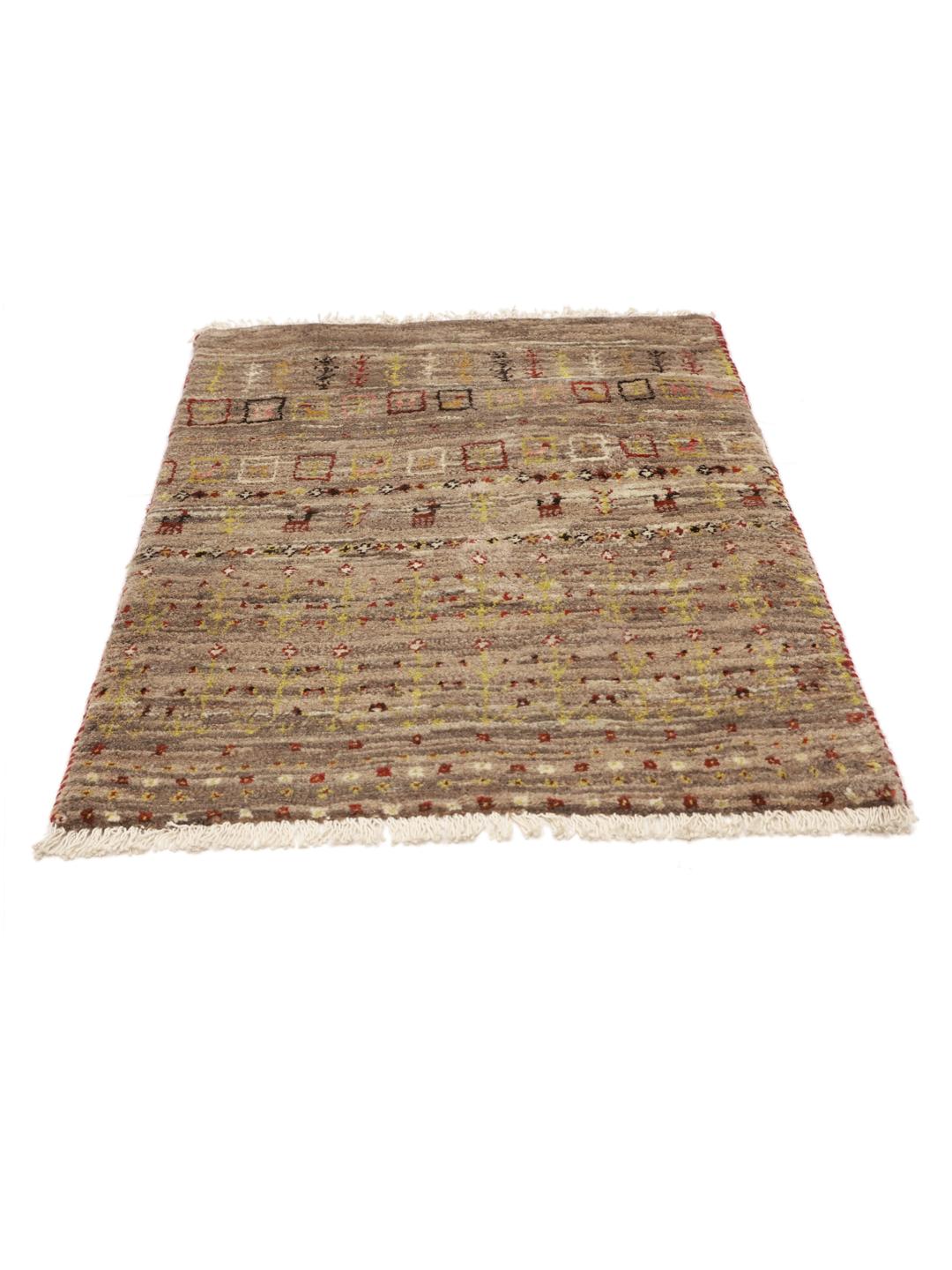
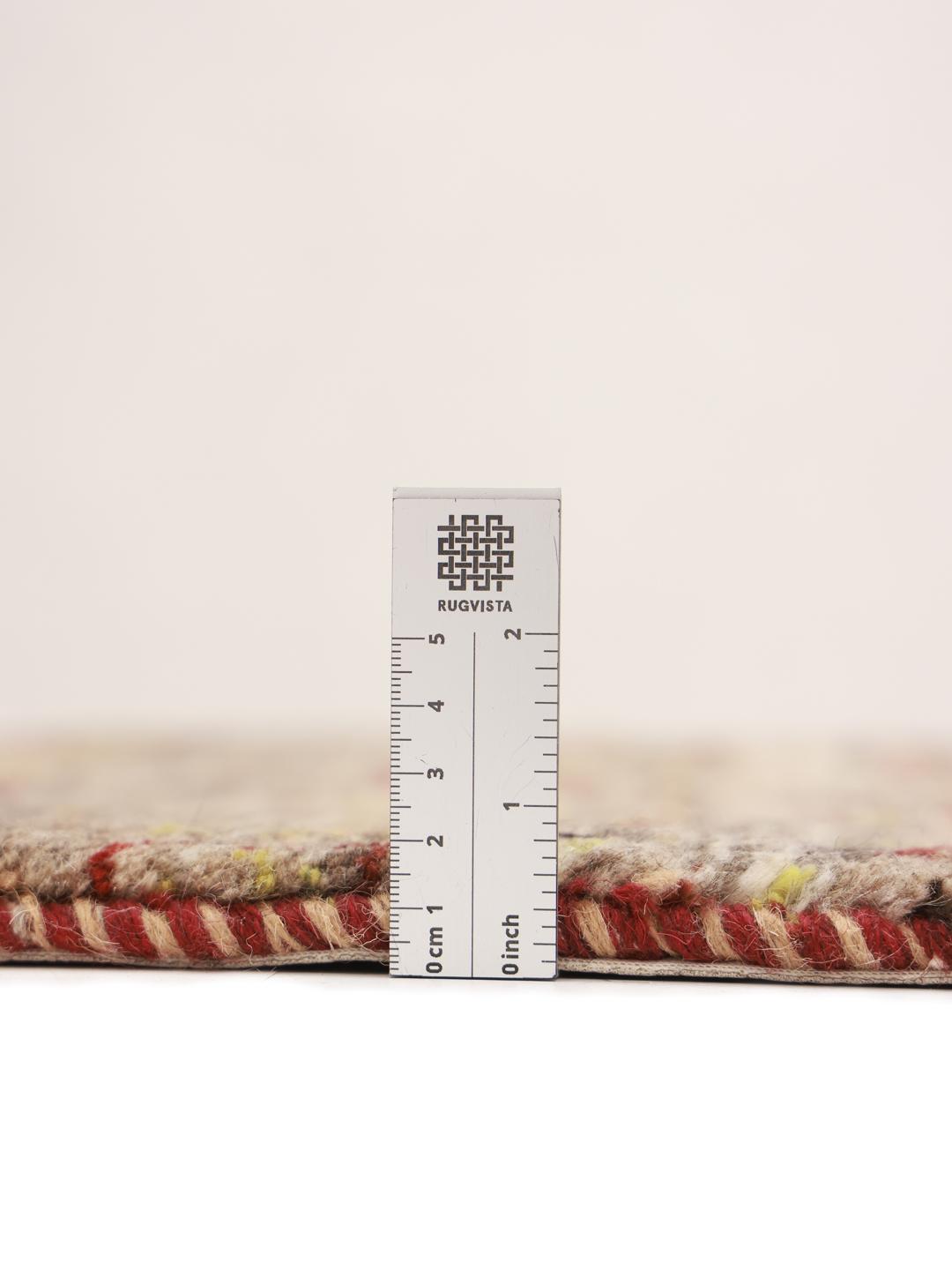
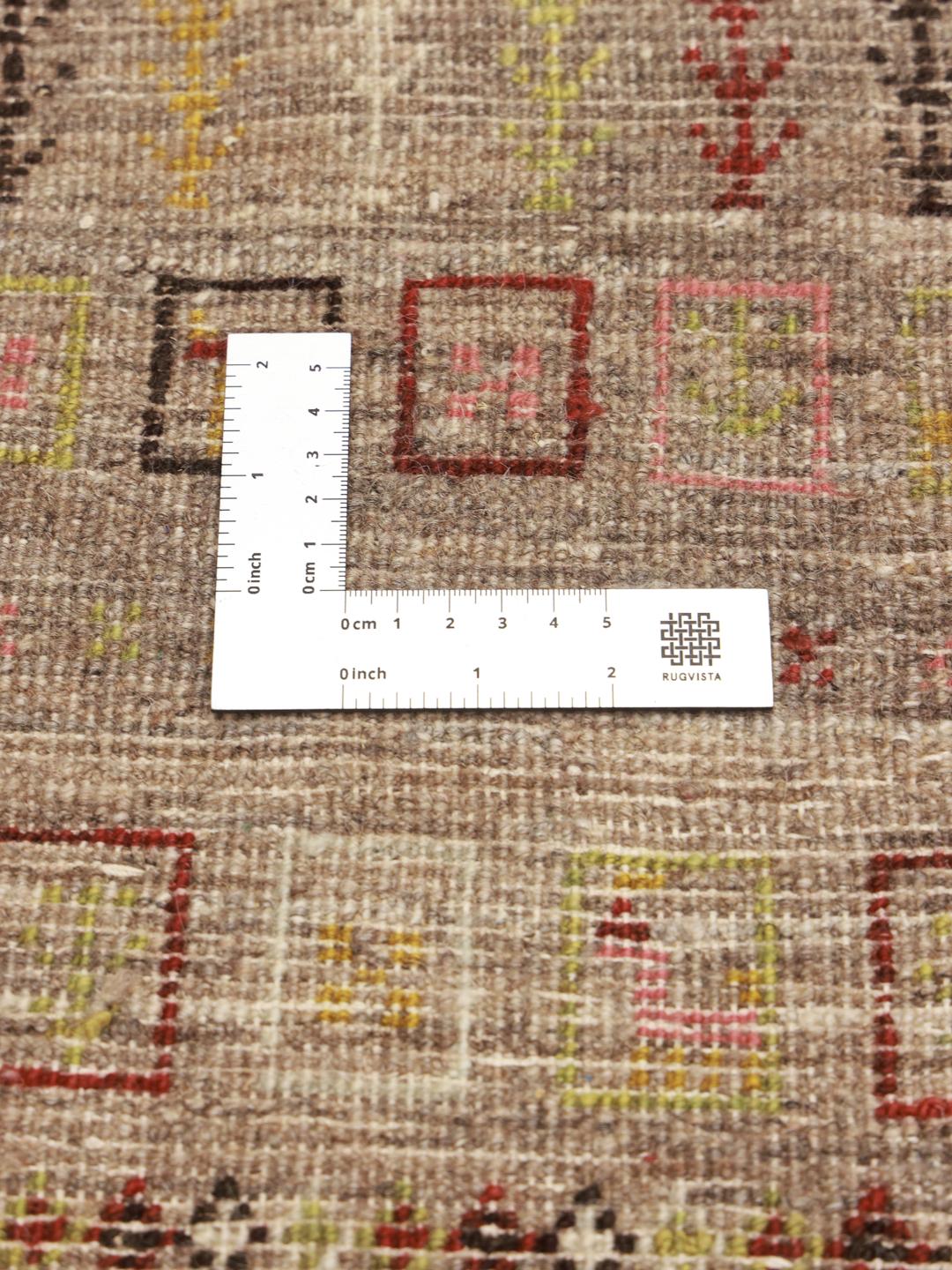
Gabbeh rugs were originally woven by nomadic tribes across the Middle East as practical, thick floor coverings and bedding for tent living. Traditionally characterized by thick piles, simple geometric motifs, and open fields of color, they reflect a spontaneous approach to weaving where the artisan works without a pre-drawn pattern.
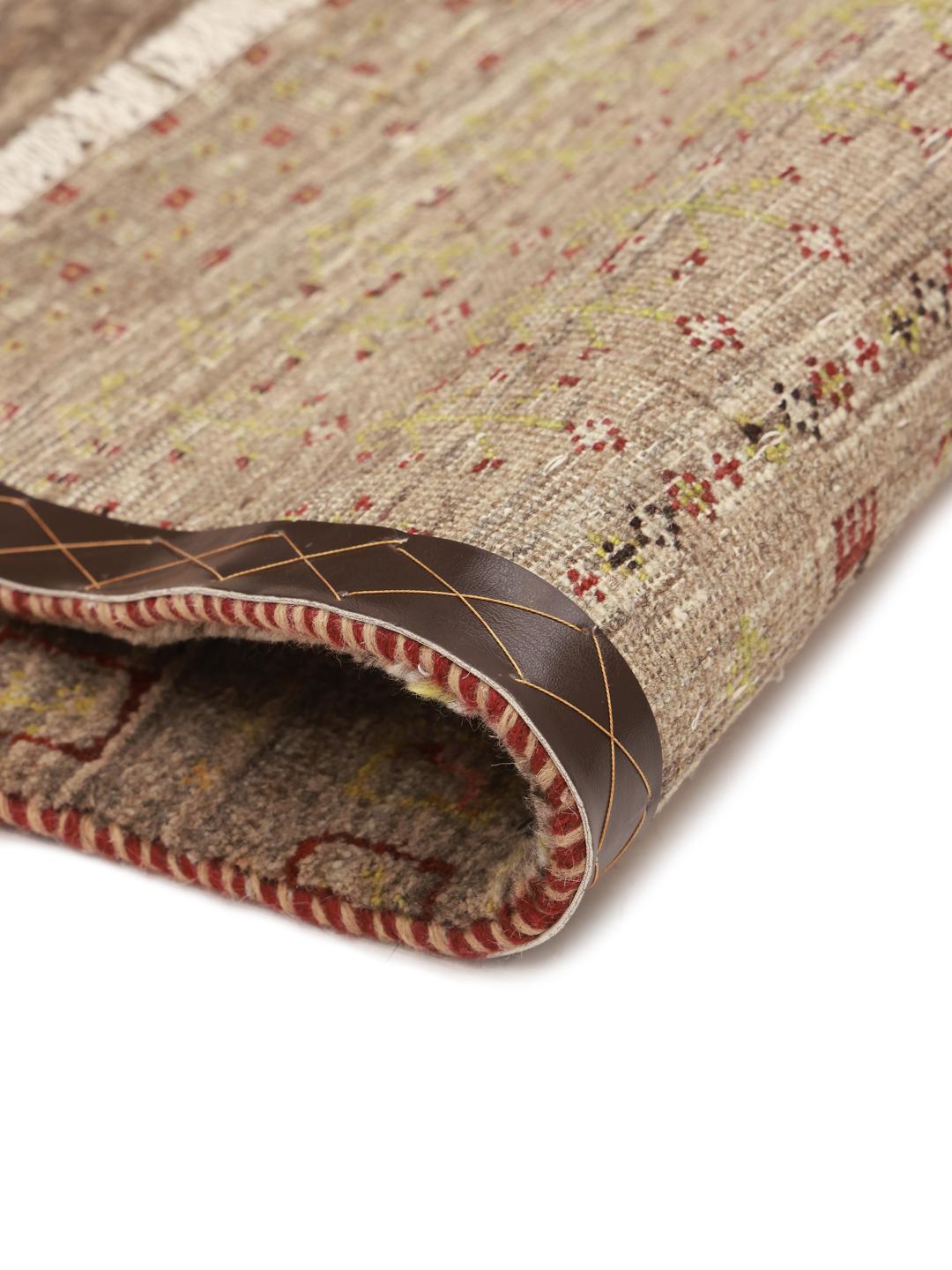
Over time, the Gabbeh tradition spread to weaving centers in Pakistan, where artisans adapted these rustic folk designs using their own high-grade materials and knotting techniques. This cross-cultural evolution preserved the primitive storytelling nature of Gabbeh designs while ensuring exceptional structural quality.
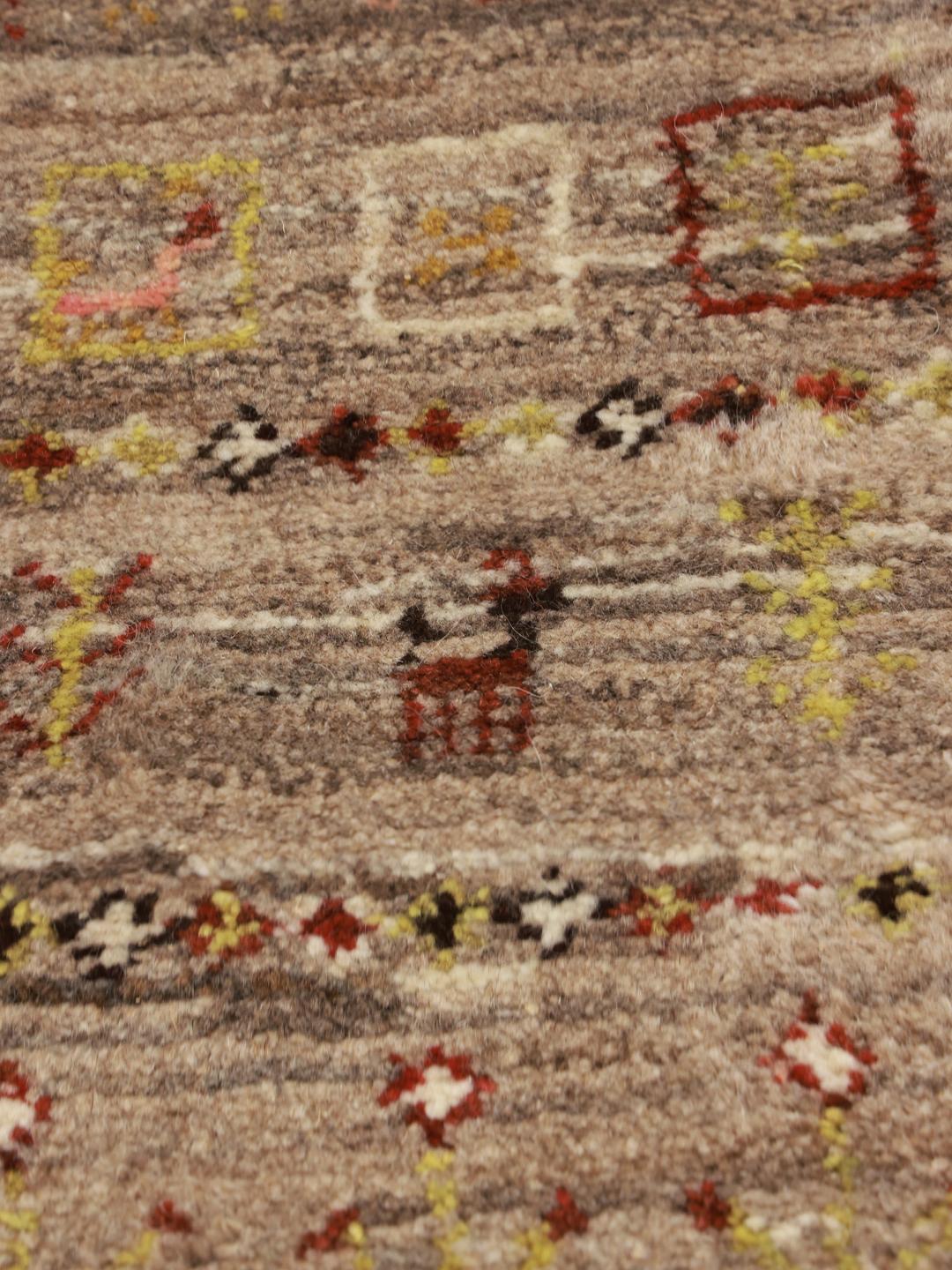
The visual signature of a Gabbeh rug relies on naive motifs — small goats, trees of life, and human figures — set against wide, variegated bands of color. These figures were traditionally woven as symbols of luck, joy, and daily life, turning each rug into a personal narrative captured in wool.
Today, Gabbeh rugs are highly prized by collectors and interior enthusiasts alike for their modern artistic aesthetic. Their minimalist composition and rich textures allow them to blend seamlessly into contemporary homes while carrying centuries of tribal heritage.