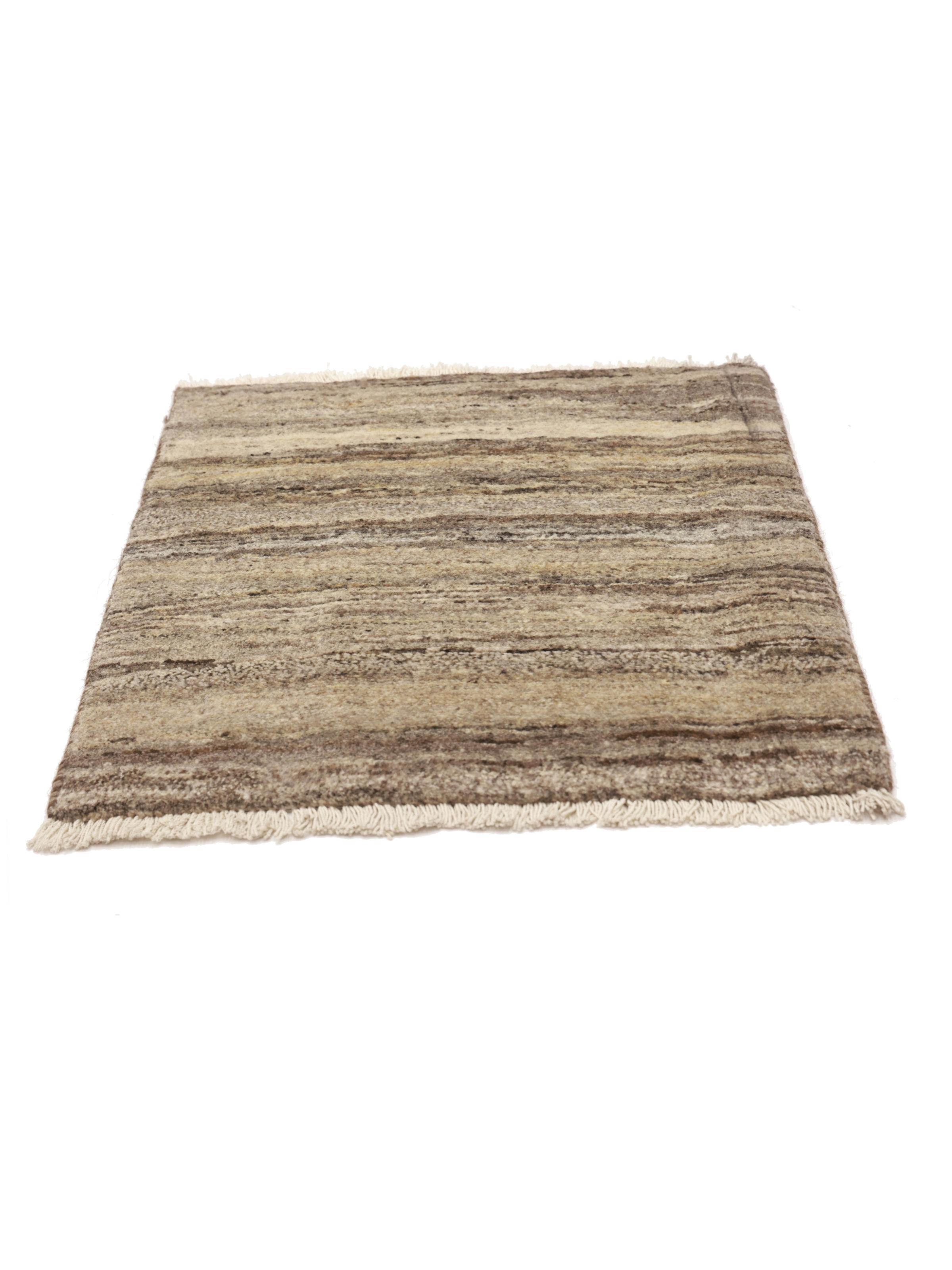
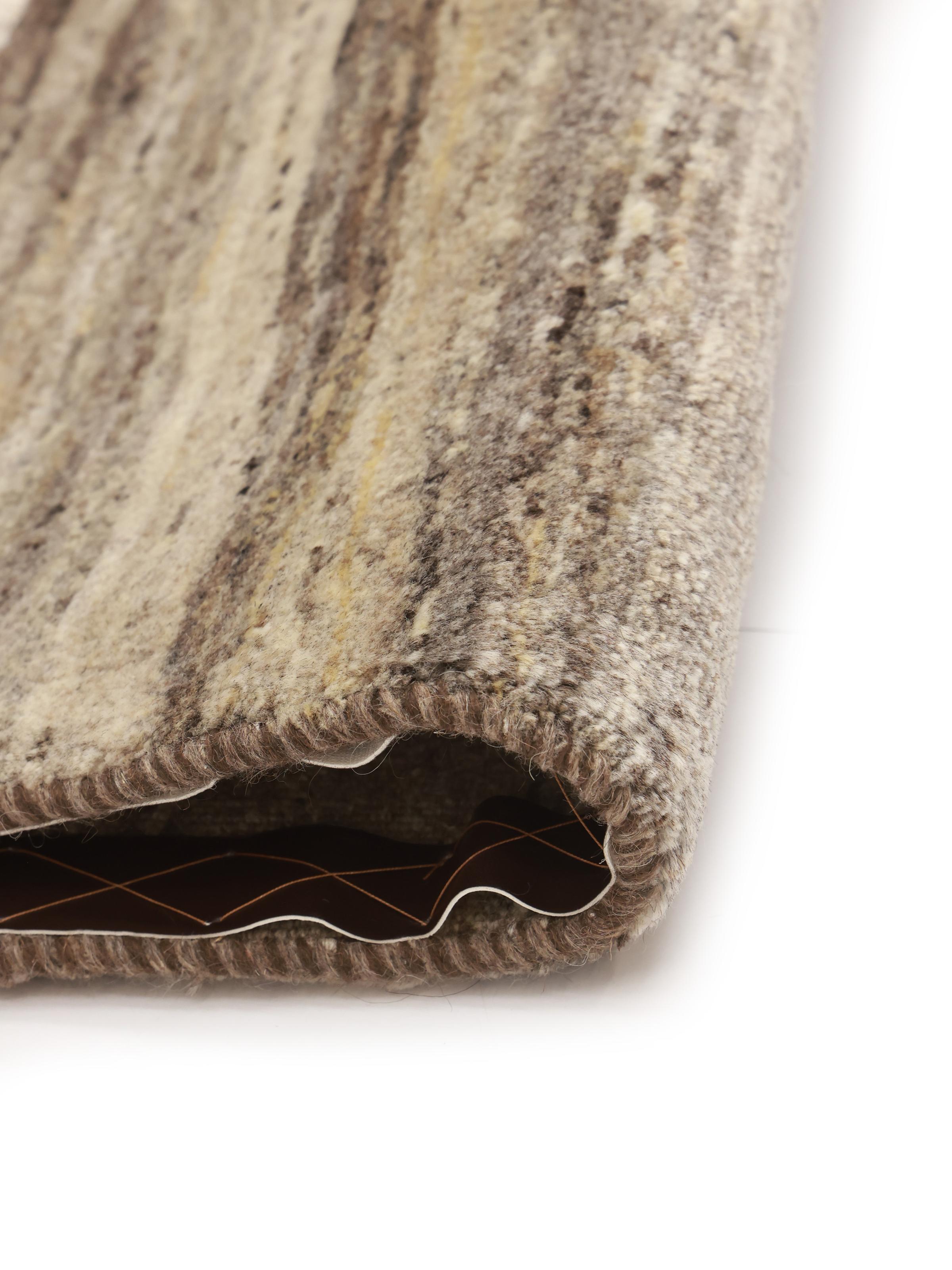
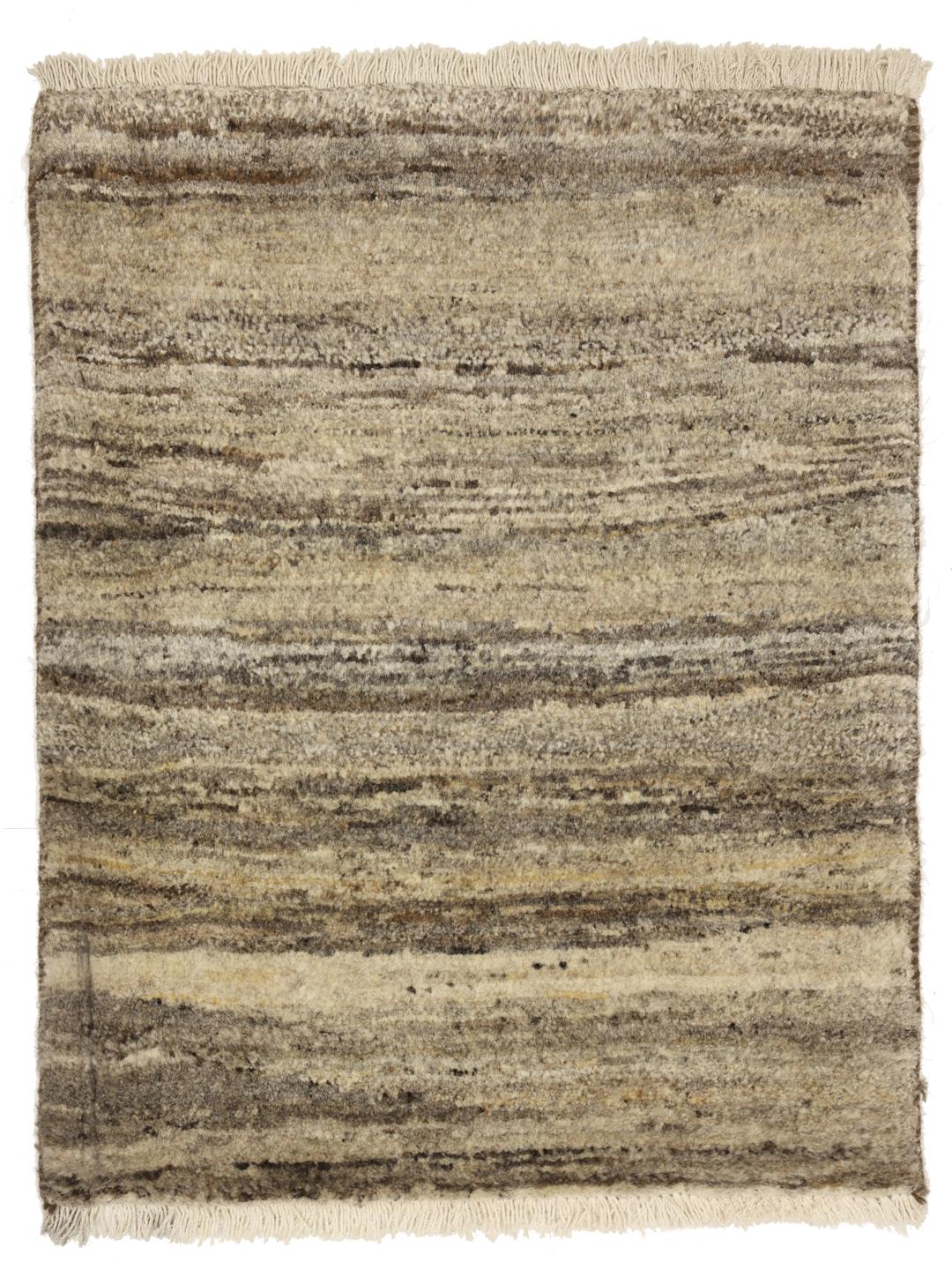
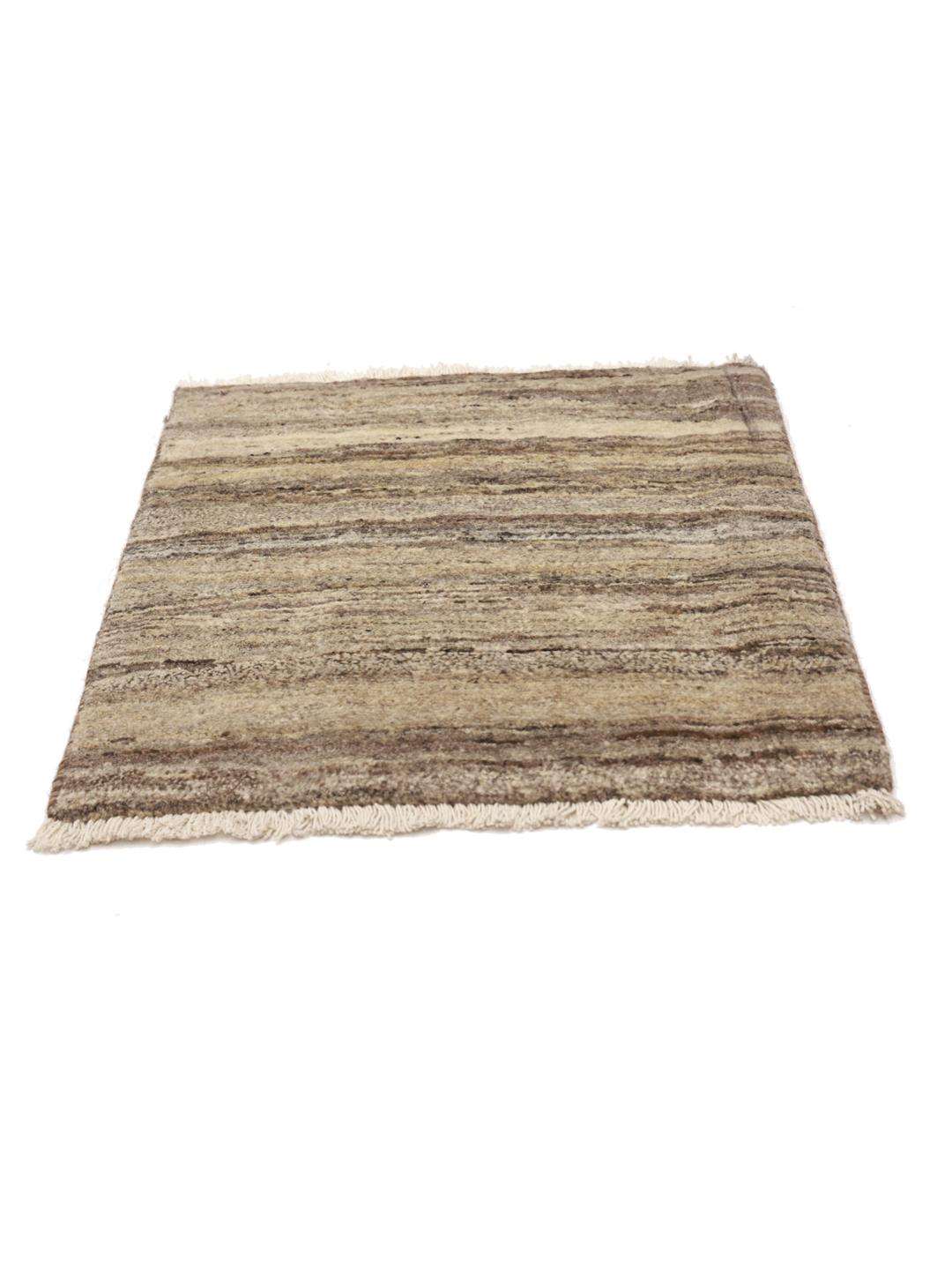
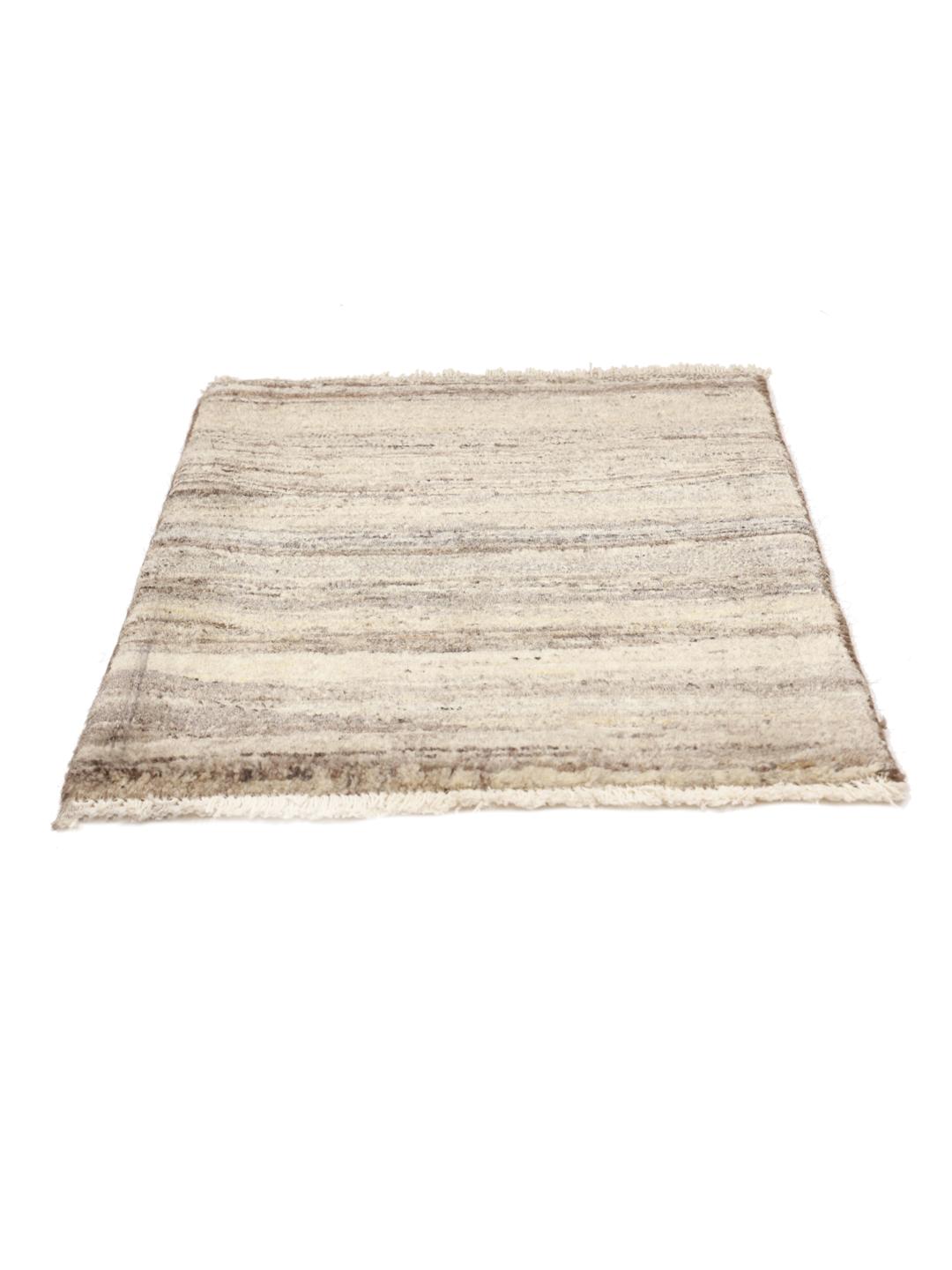
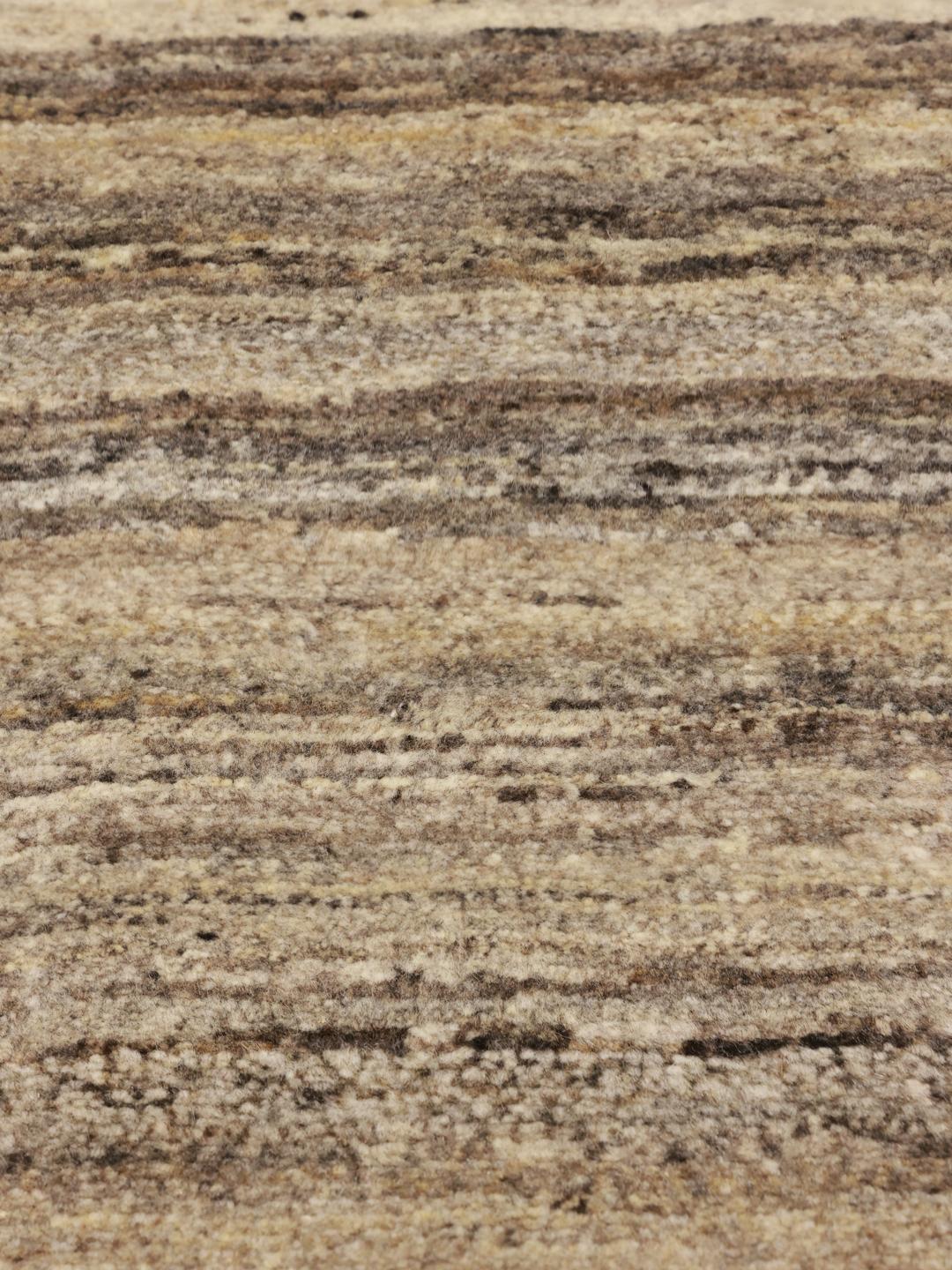
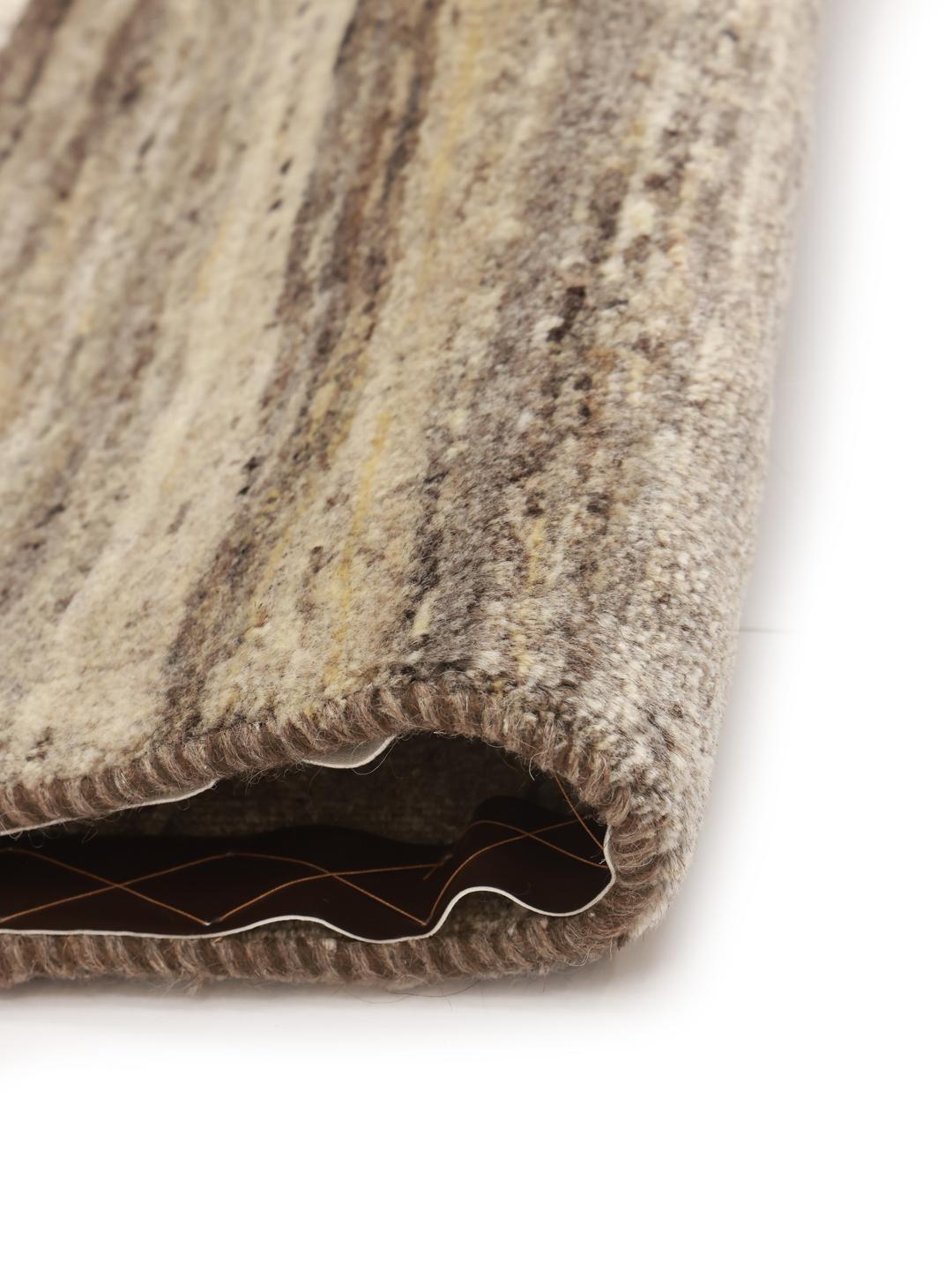
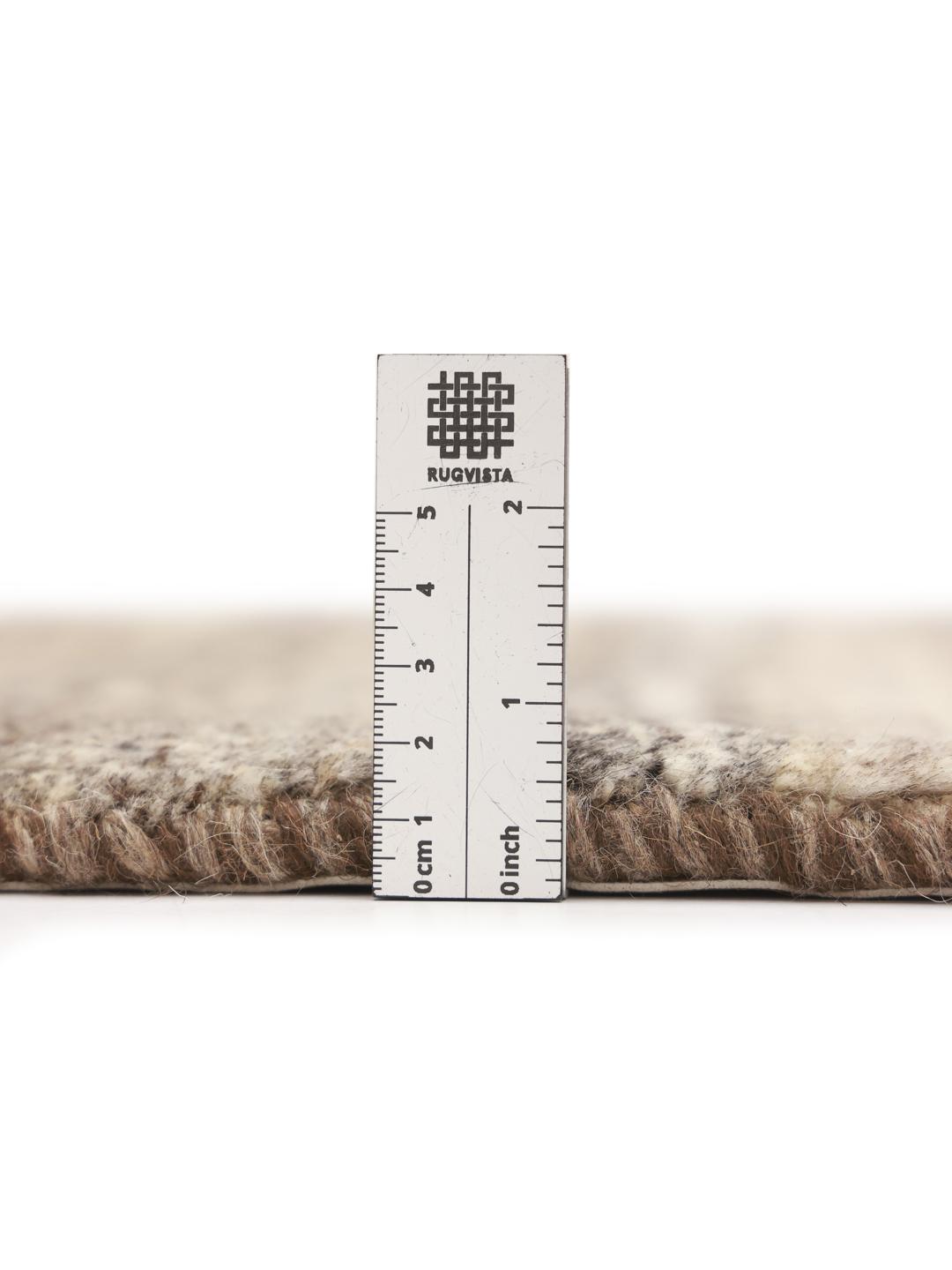
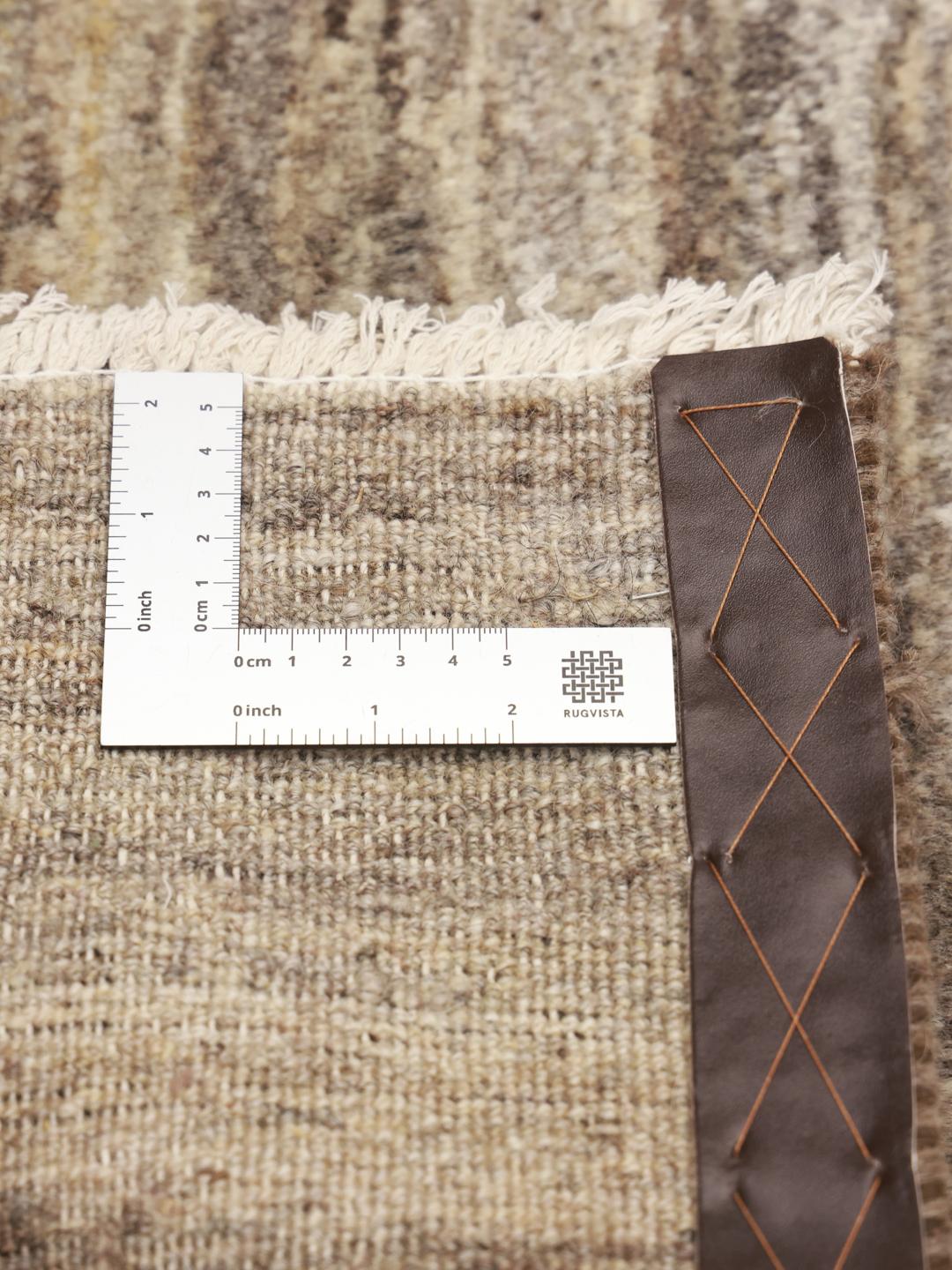
The Gabbeh tradition originates from the nomadic tribes of the Middle East, where weavers created these rugs primarily for their own domestic use. Unlike more formal urban carpets, these rugs were born from a need for warmth and comfort in harsh, mountainous environments, leading to their characteristic thick and plush construction.
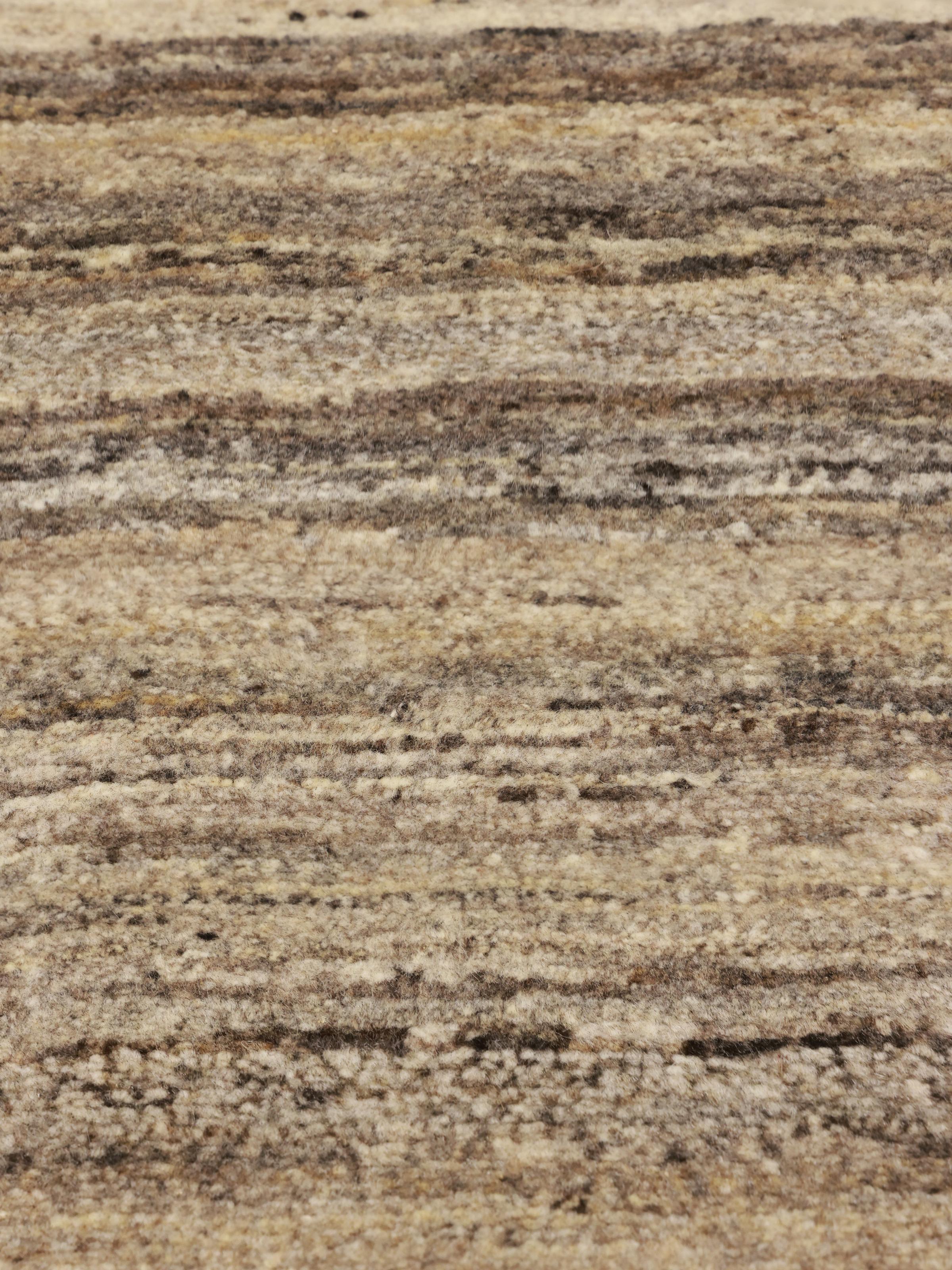
The word Gabbeh itself translates to 'raw' or 'natural', a term that perfectly captures the essence of these pieces. Historically, they were made using hand-spun wool and natural dyes derived from local plants and minerals, creating a depth of colour that changes subtly depending on the light and the angle of the pile.
Design-wise, Gabbeh rugs are celebrated for their artistic freedom. They often feature simple, geometric shapes or abstract, landscape-inspired patterns that reflect the weaver's personal environment or imagination. This departure from rigid, formal symmetry is what makes them so sought after by those who appreciate organic design.
Today, these rugs are highly valued by collectors for their cultural significance and the skill required to produce them. Owning a piece from this tradition is an opportunity to preserve a living heritage, as the techniques used are passed down through generations, maintaining a vital link to the nomadic roots of the region.