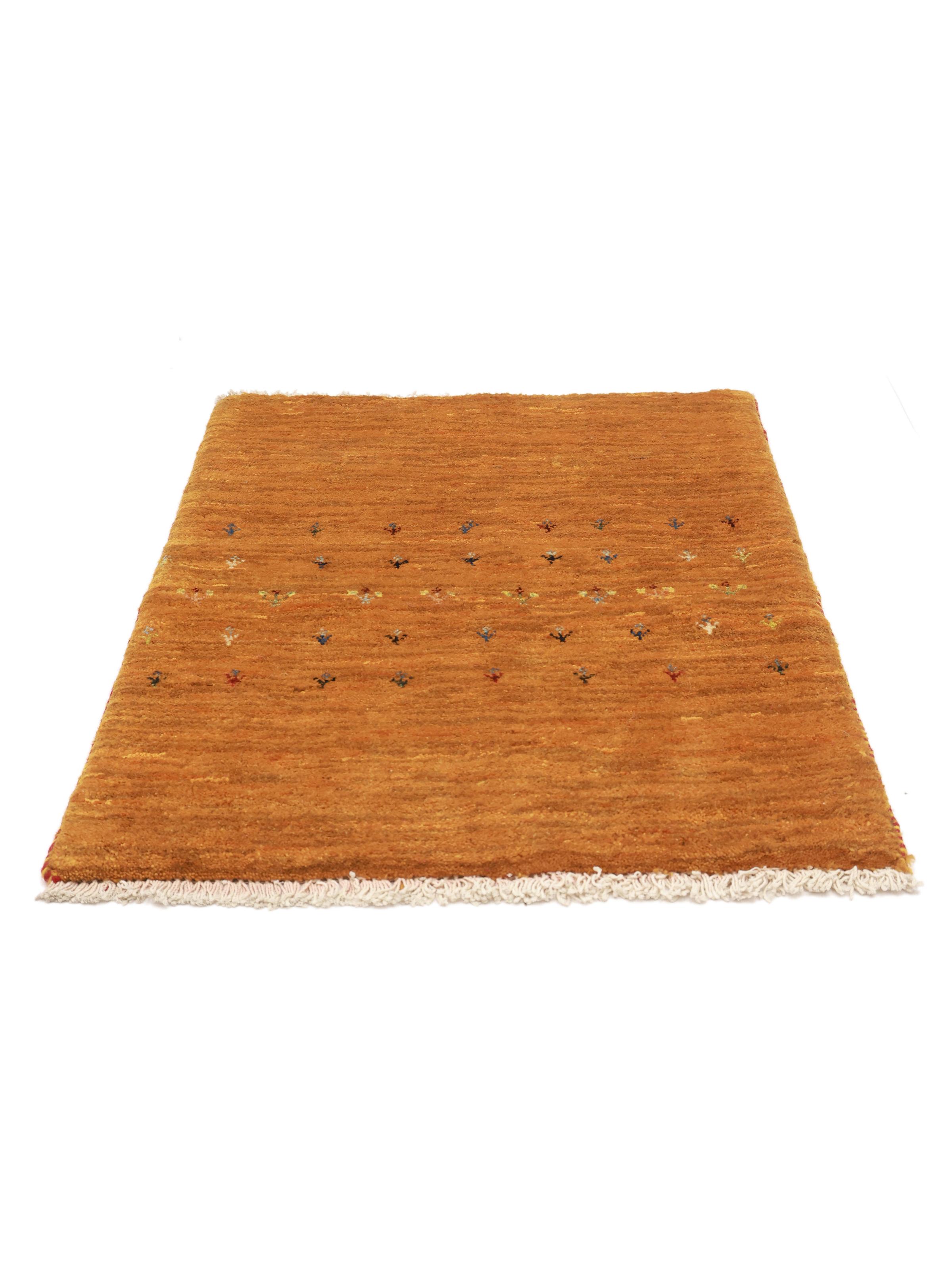
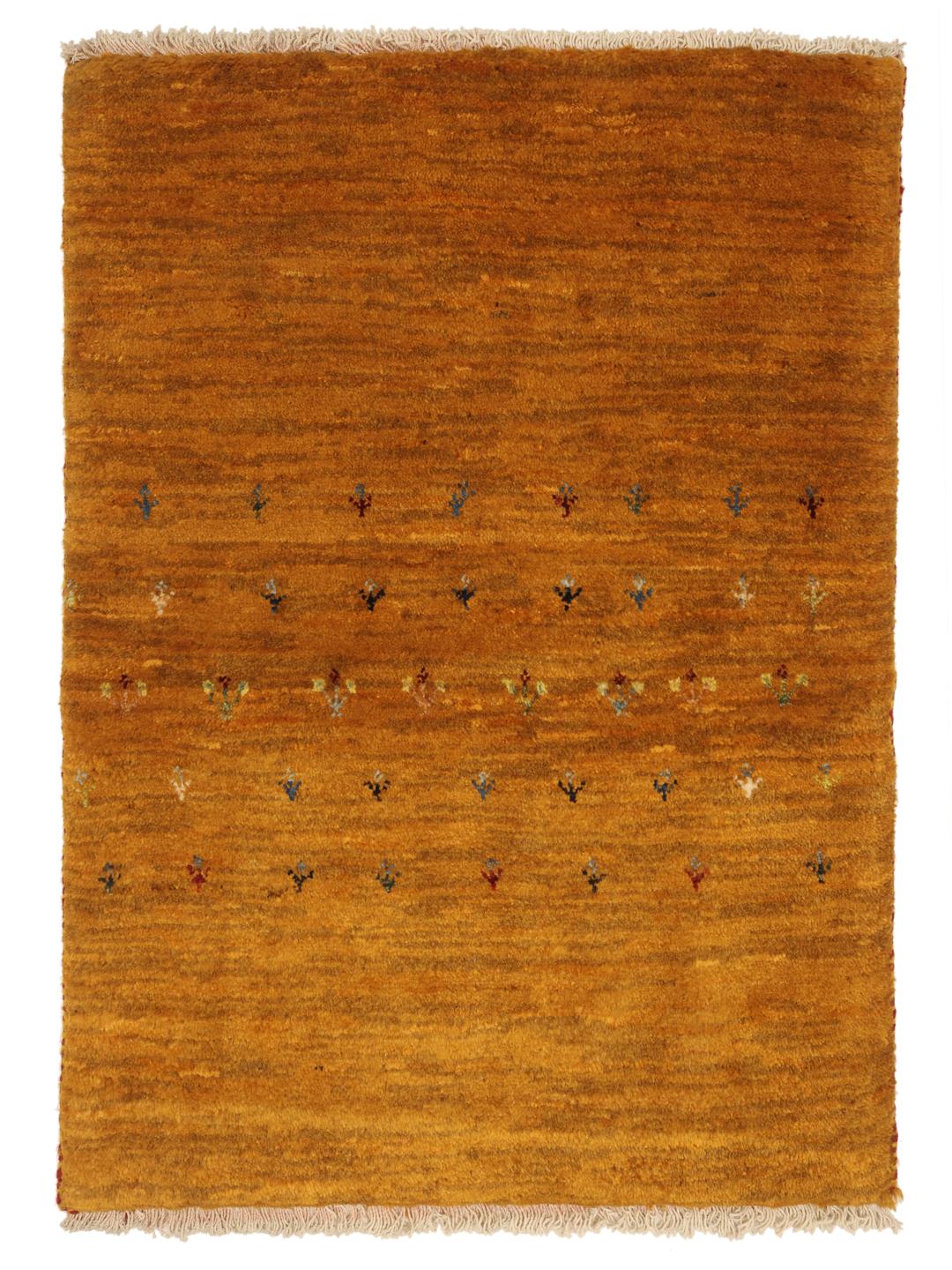
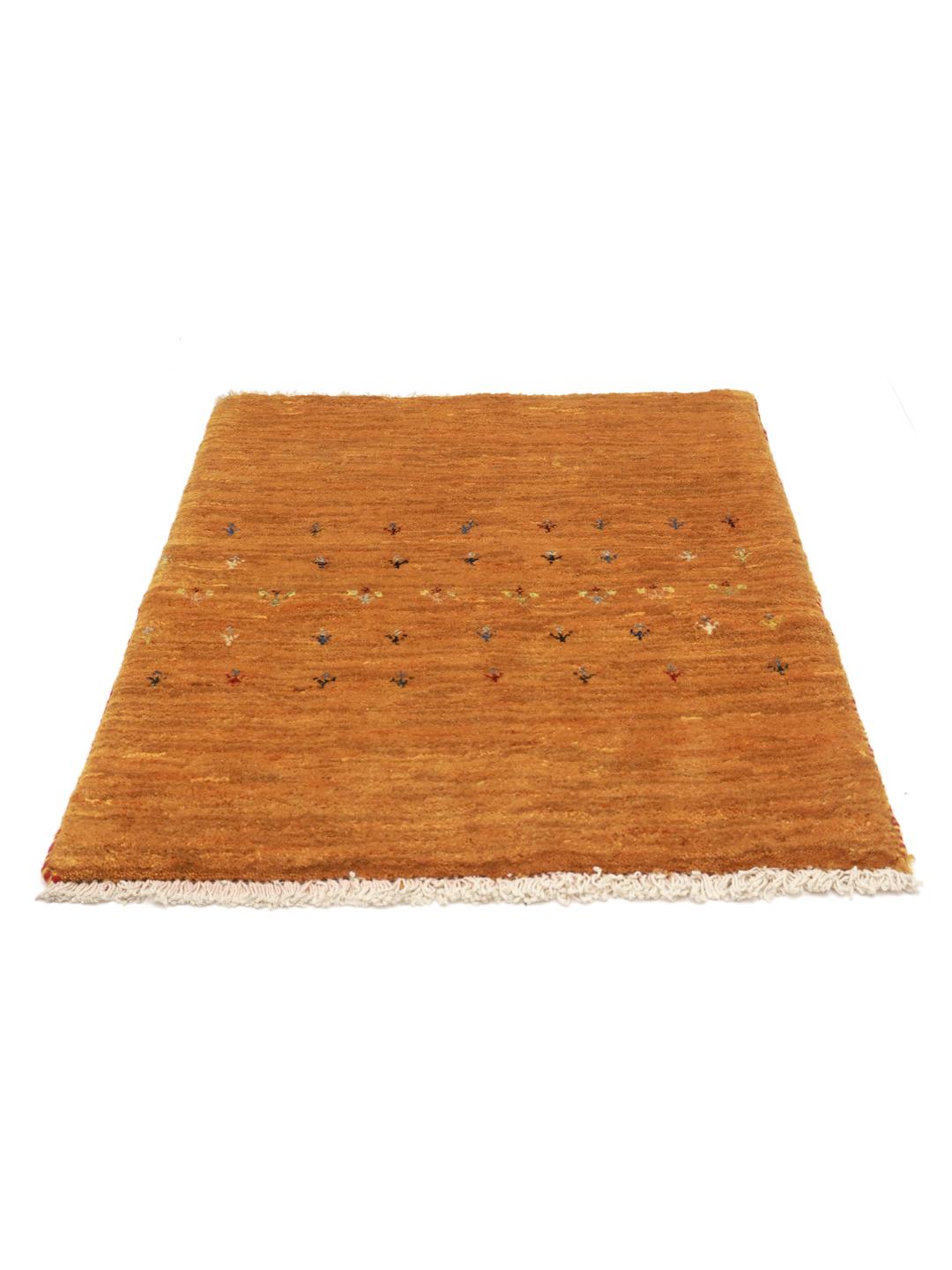
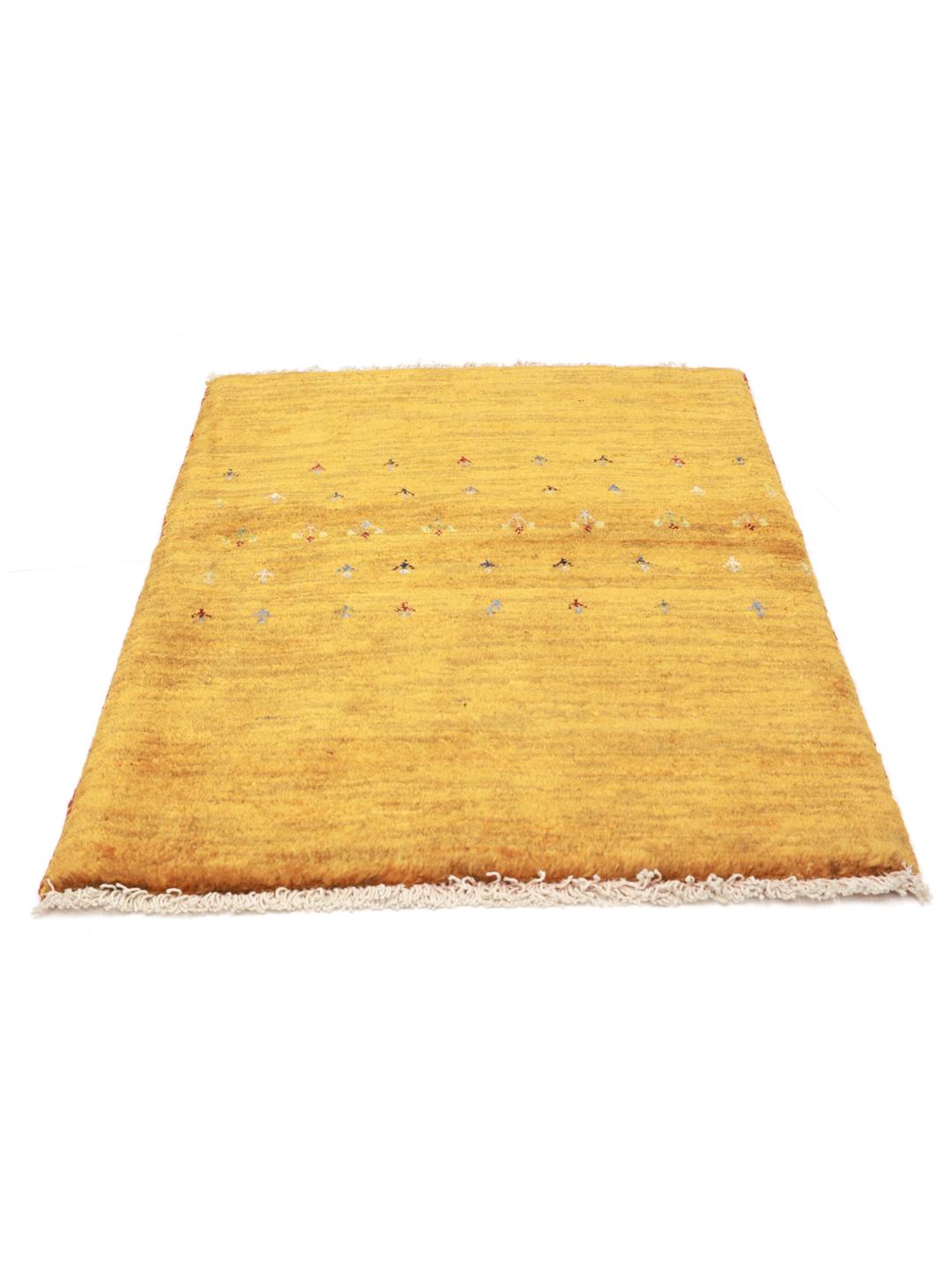
Gabbeh rugs originally developed among nomadic weaving communities across the Middle East. Traditionally crafted for practical use within tribal tents rather than for commercial trade, these rugs were designed to be thick, warm, and highly portable bed mats and floor coverings.
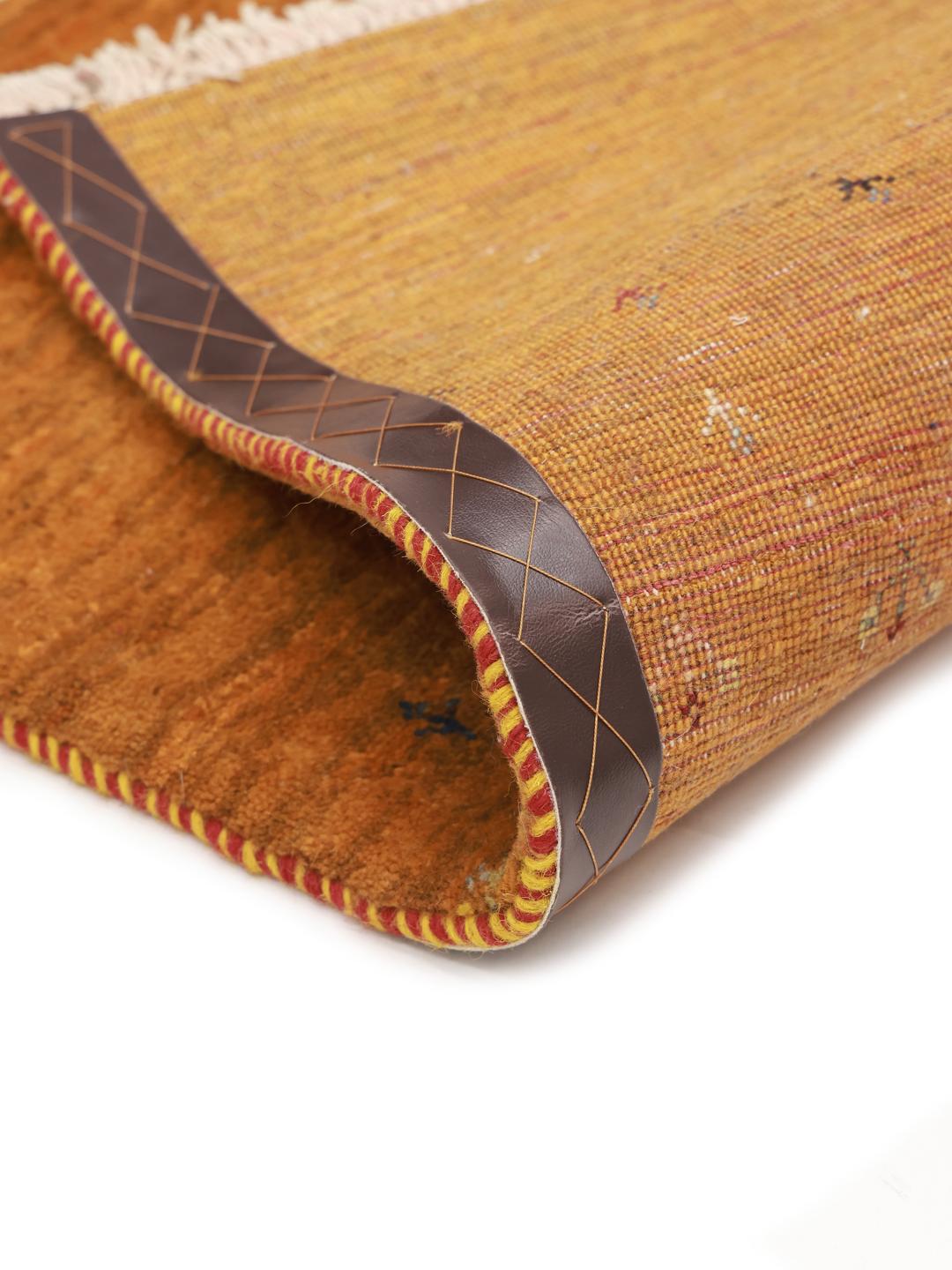
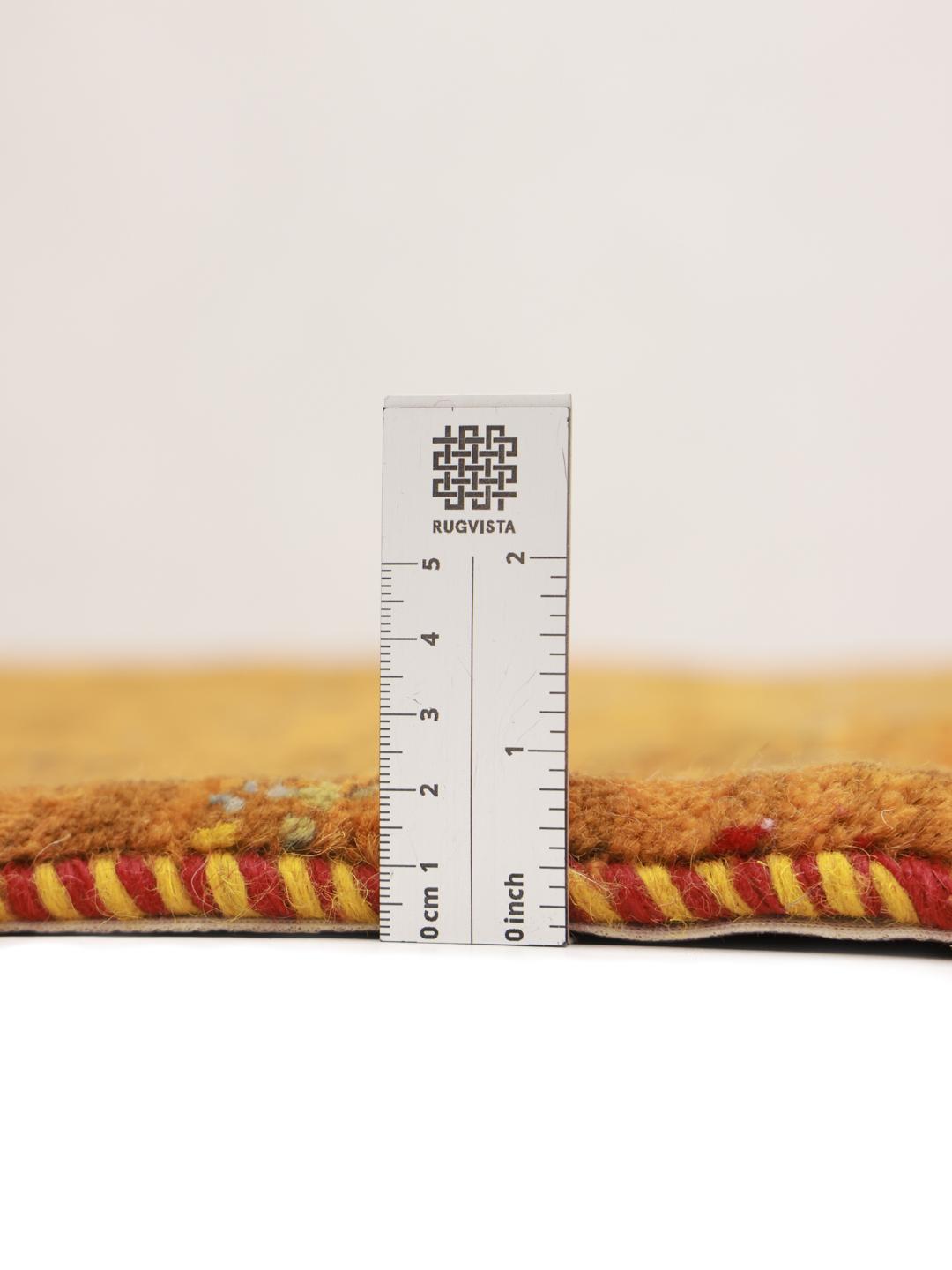
The word Gabbeh translates roughly to raw or natural, referencing the deep, plush pile and uncomplicated structure that set these pieces apart from more formal city rugs. Over time, master weavers in Pakistan adopted and refined these traditions, combining long-standing nomadic knotting styles with exceptionally soft wool yarns.
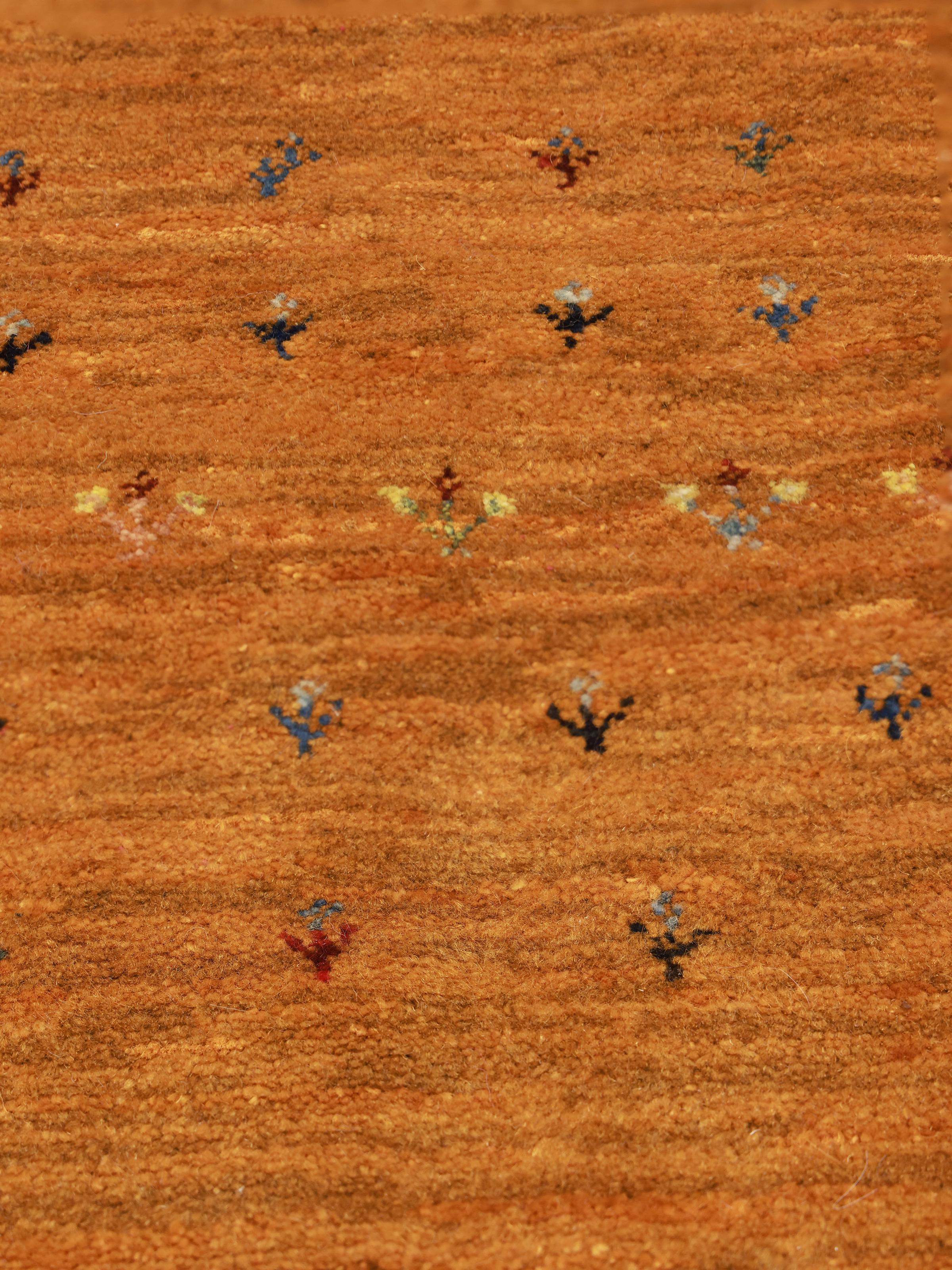
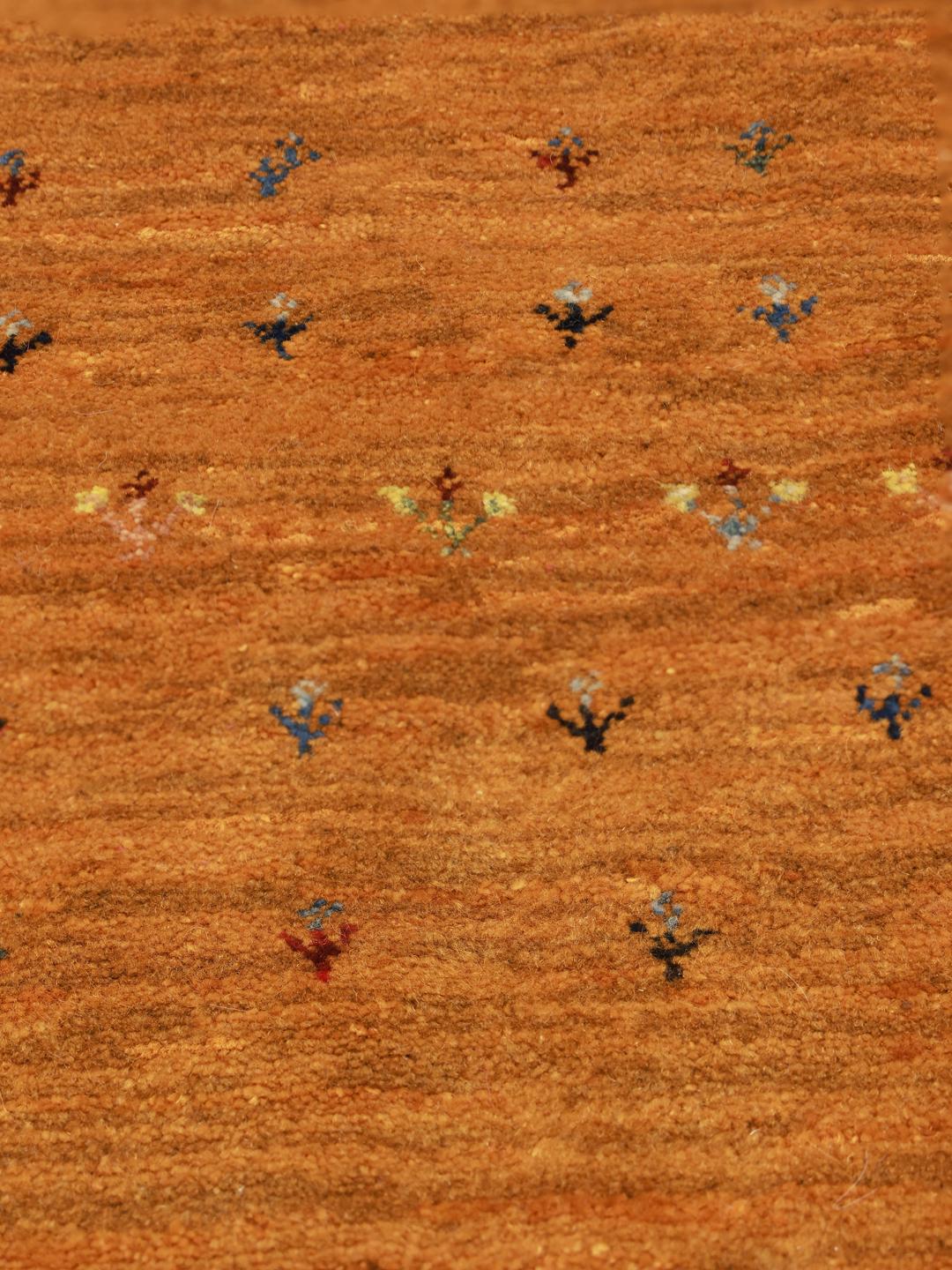
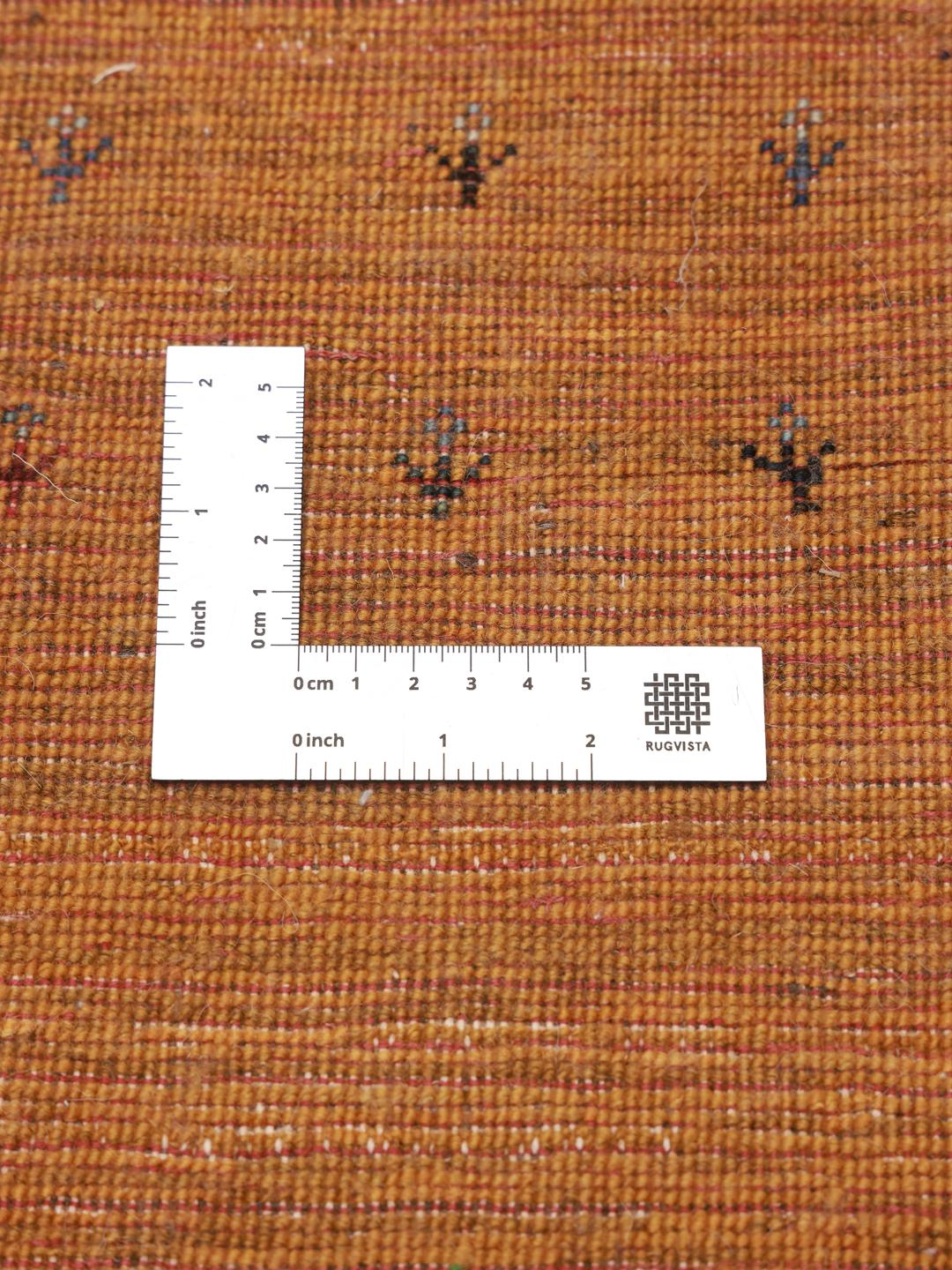
Visually, Gabbeh rugs are celebrated for their open fields of color paired with minimalist motifs. Weavers often incorporate small stylized animals, trees, or geometric shapes scattered across the surface. These simple symbols traditionally represented elements of daily life, nature, and personal stories, giving each rug a narrative quality.
Today, vintage and traditional Gabbeh rugs are highly sought after by collectors and homeowners alike. Their charming blend of folk art design, thick cozy pile, and honest craftsmanship ensures they remain cherished decorative objects with genuine cultural weight.