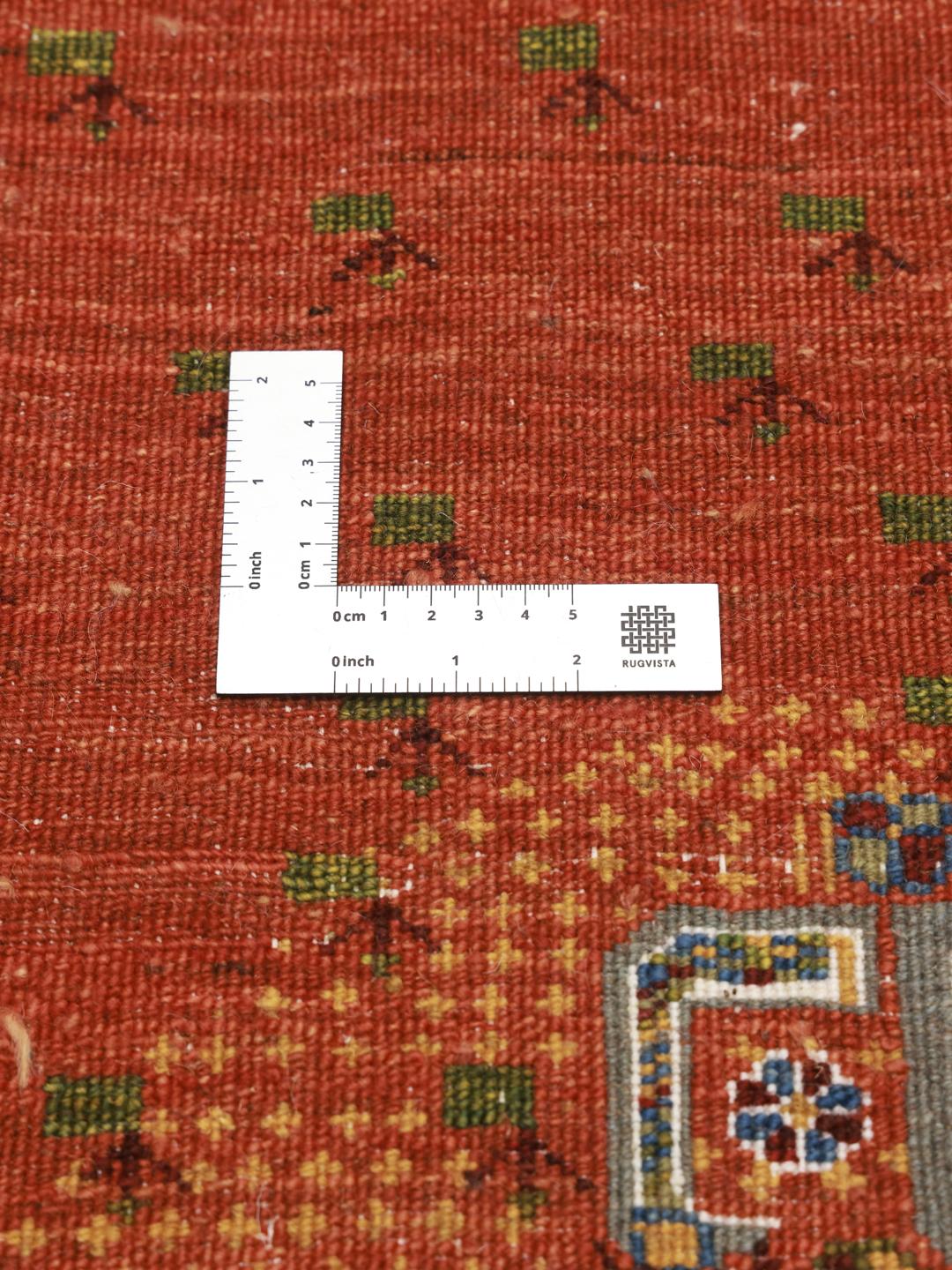
Gabbeh rugs were originally woven by nomadic tribes across the Middle East as practical, thick floor coverings and sleeping blankets for tents. While historically associated with nomadic life, the tradition migrated over time, leading skilled weavers in Pakistan to adapt these classic methods using high-grade wool and traditional looms.
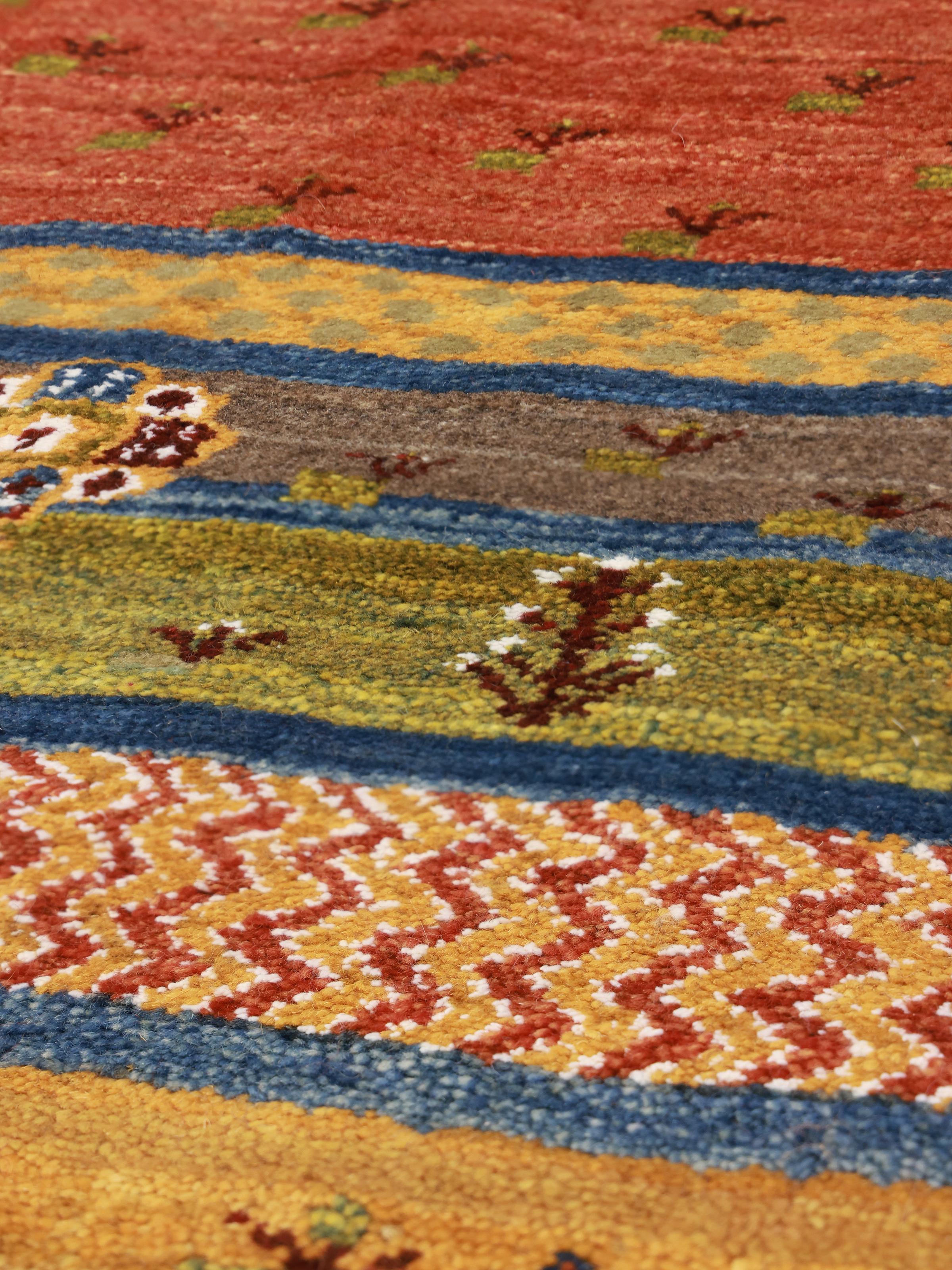
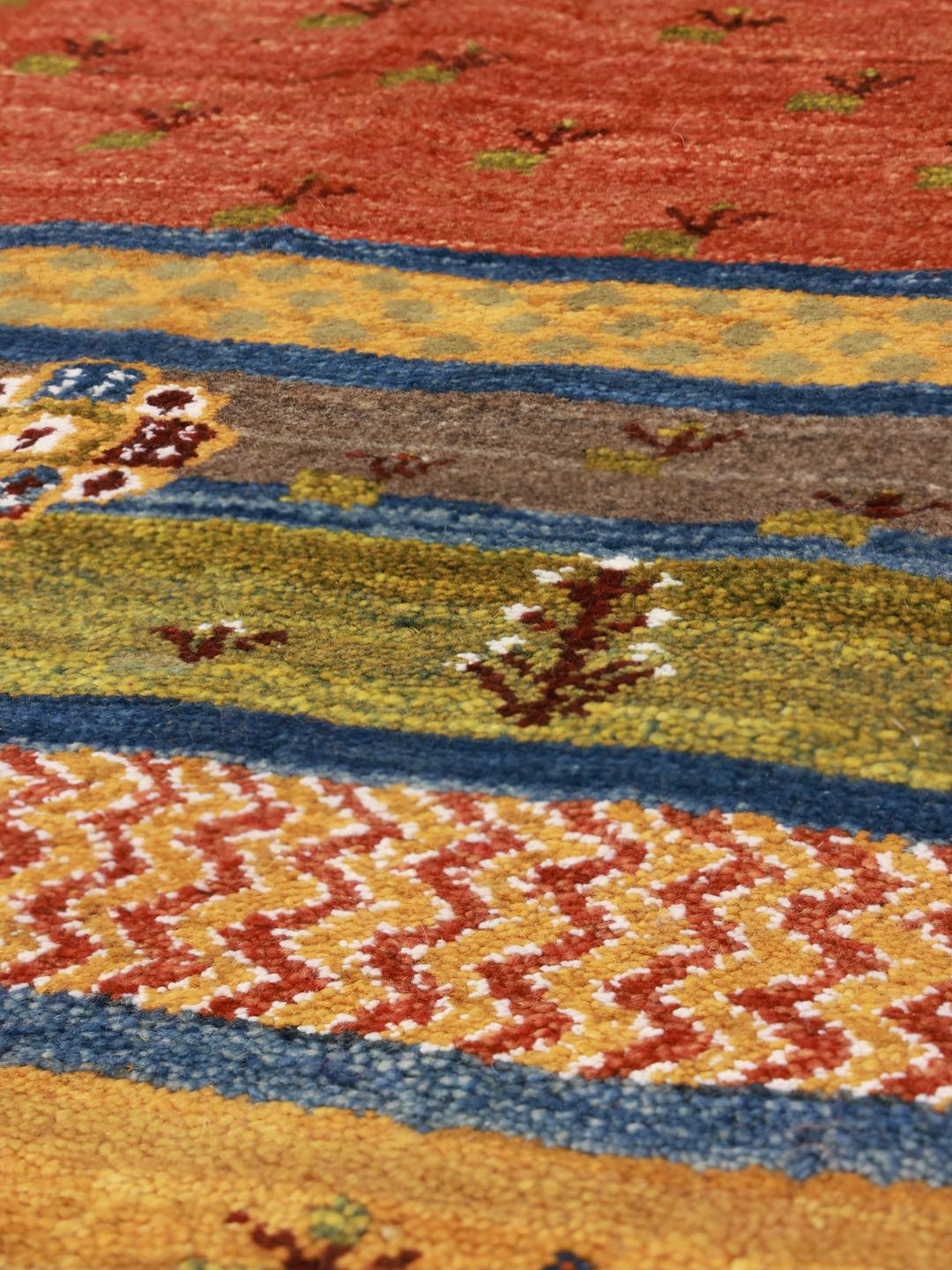
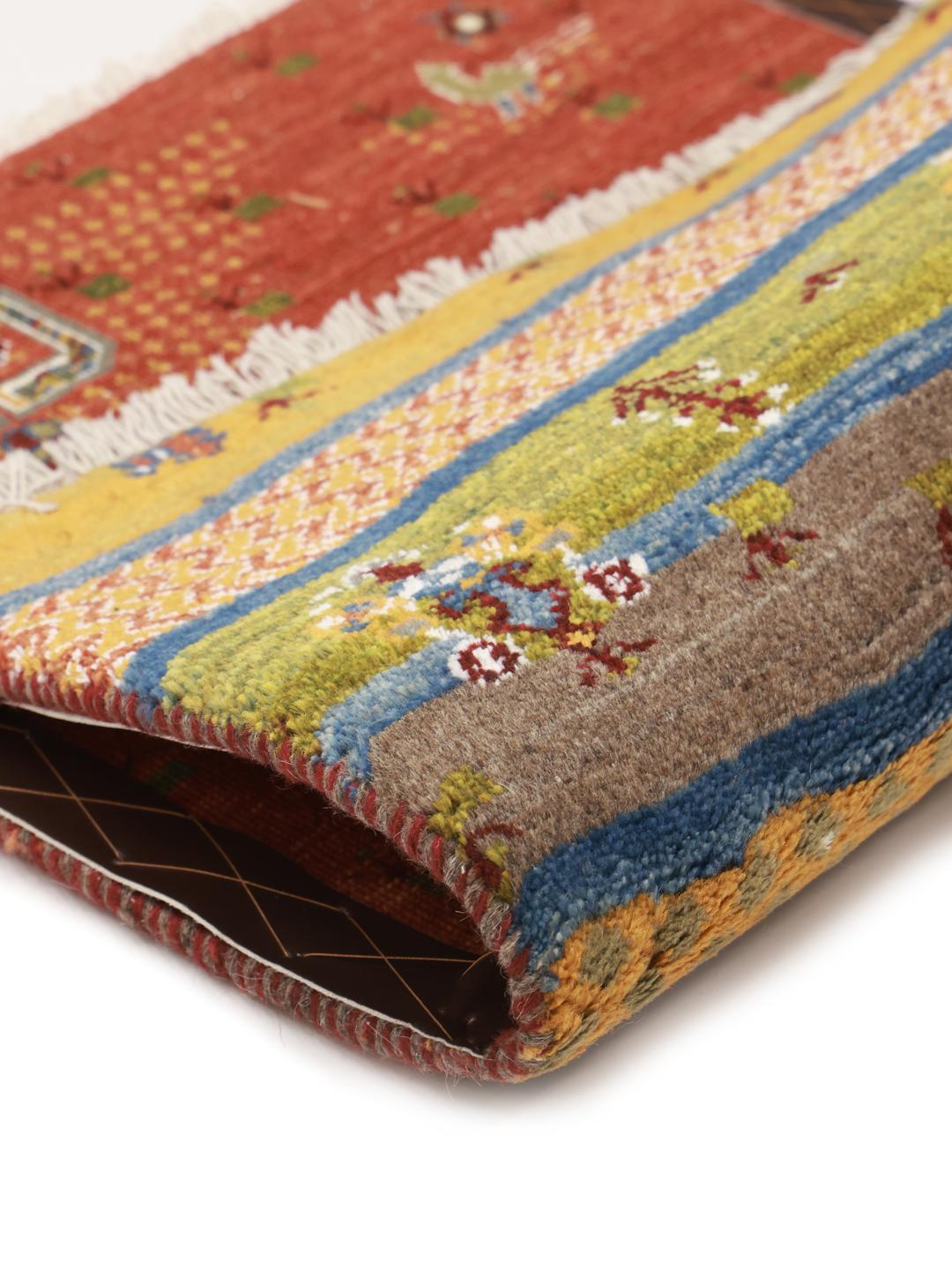
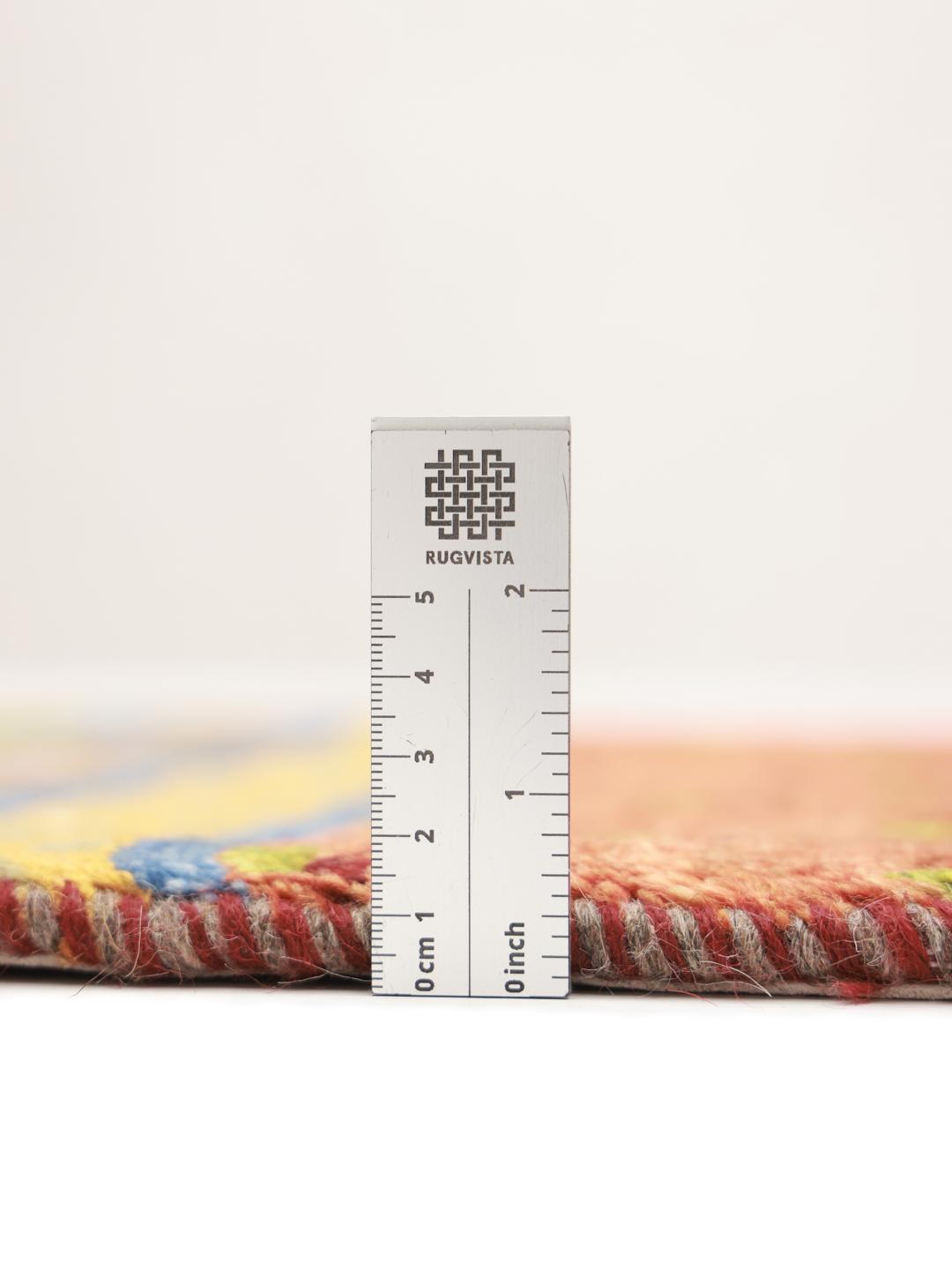
The word Gabbeh translates roughly to raw or natural, referencing the rustic construction and long, soft pile that defines the category. Unlike formal court rugs with rigid symmetry, Gabbeh textiles are celebrated for their relaxed hand and dense structural pile, which offers exceptional comfort and warmth.
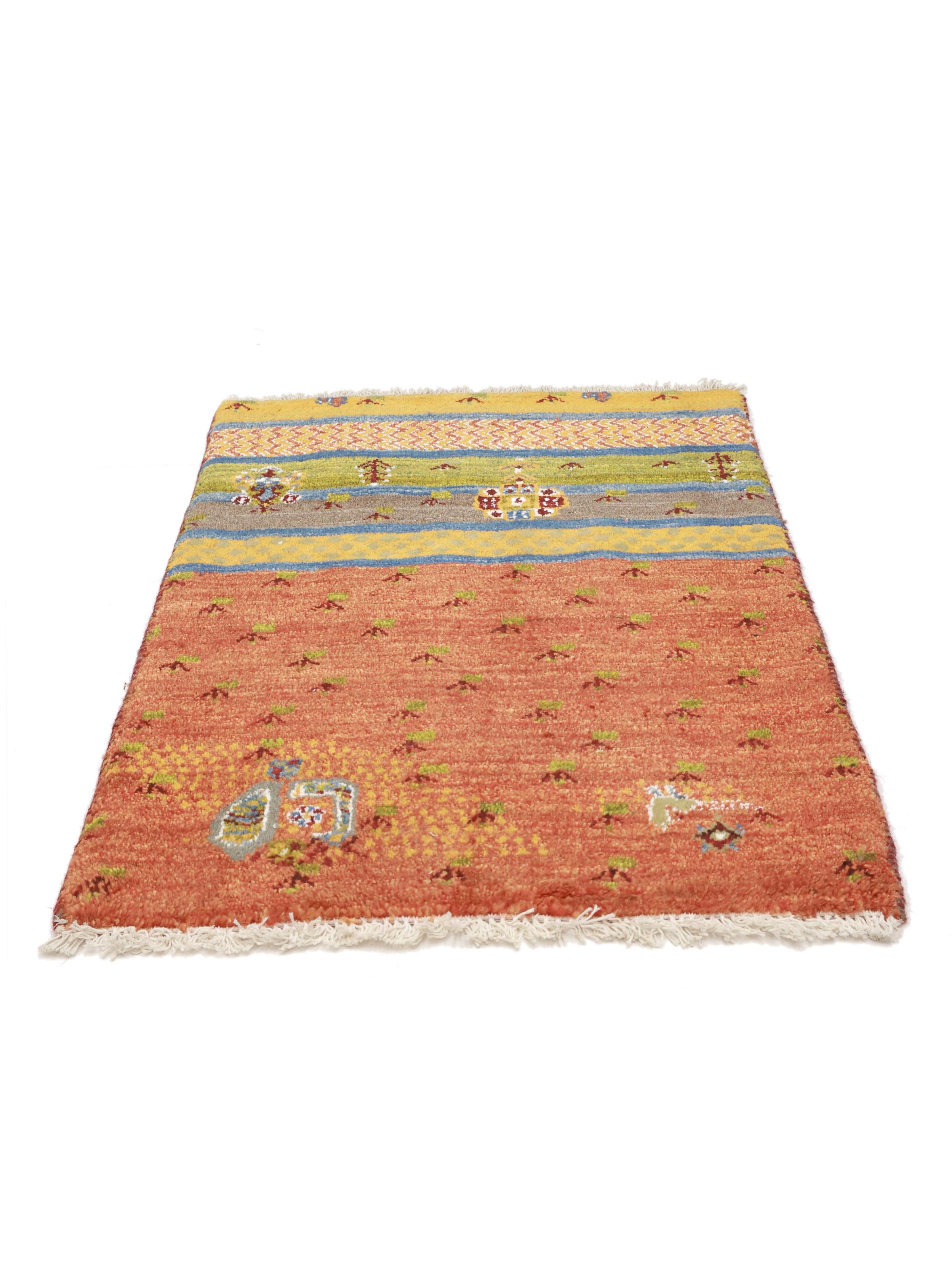
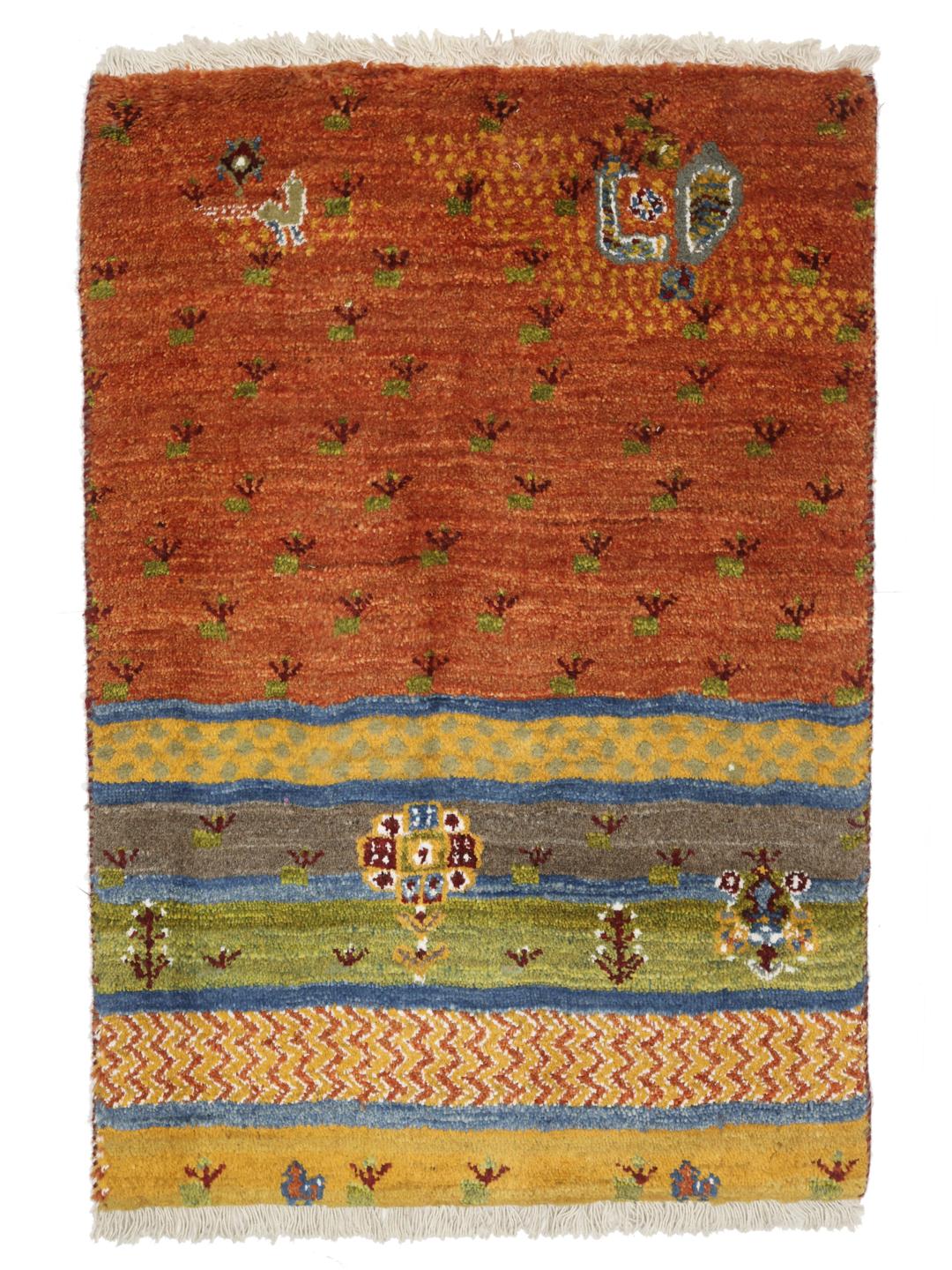
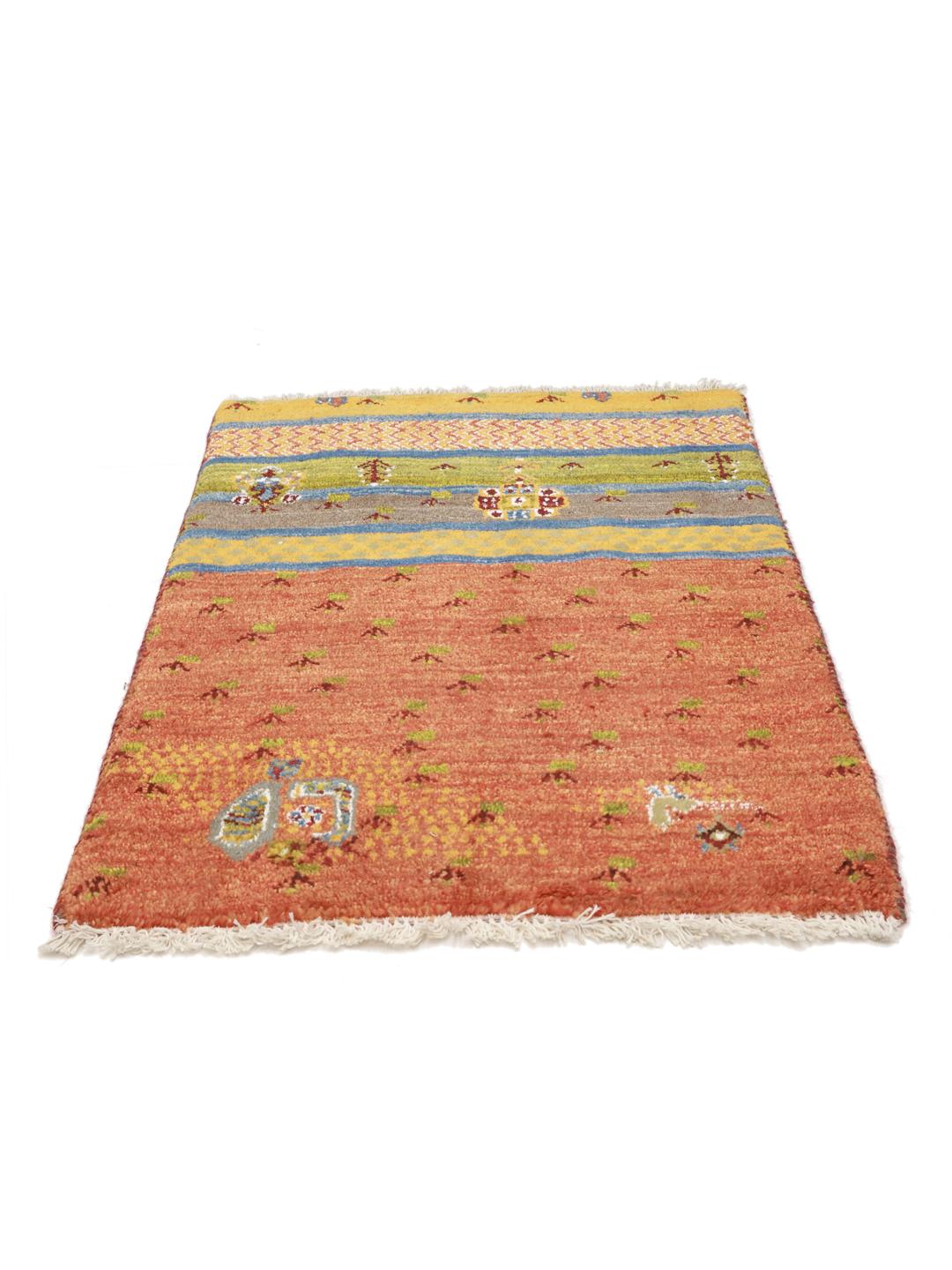
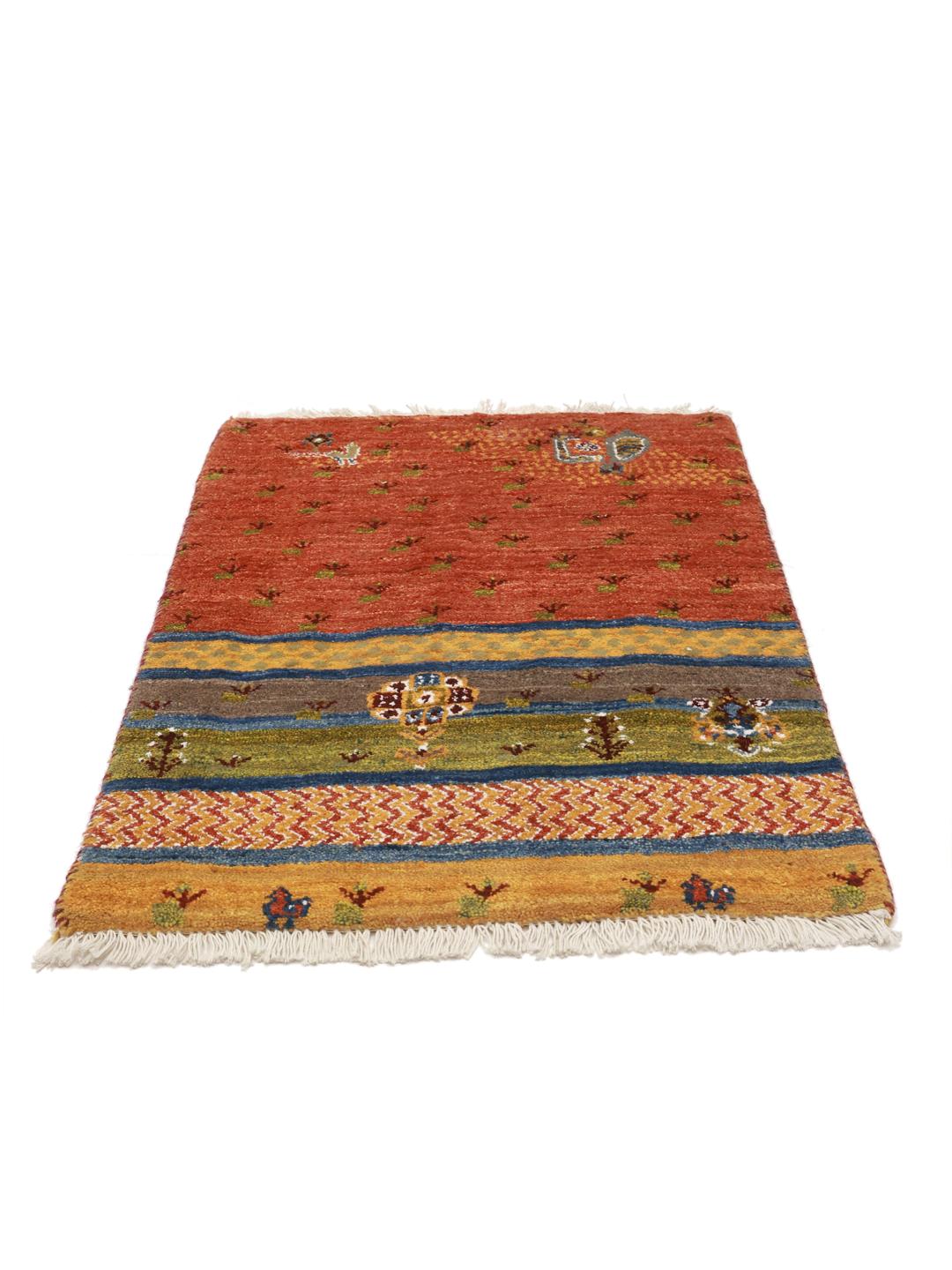
Visually, Gabbeh rugs are recognized for their expressive storytelling and simplified folk art imagery. Weavers weave motifs from memory and daily surroundings, placing stylized animal figures, geometric trees, and band borders across open fields of color. The result is an intuitive composition full of personality and rustic elegance.
Today, Gabbeh rugs are prized by modern interiors and rug collectors alike for their artistic honesty and painterly warmth. Acquiring an original Gabbeh means owning a living tradition of nomadic art, where raw natural materials and personal expression come together in a functional textile.