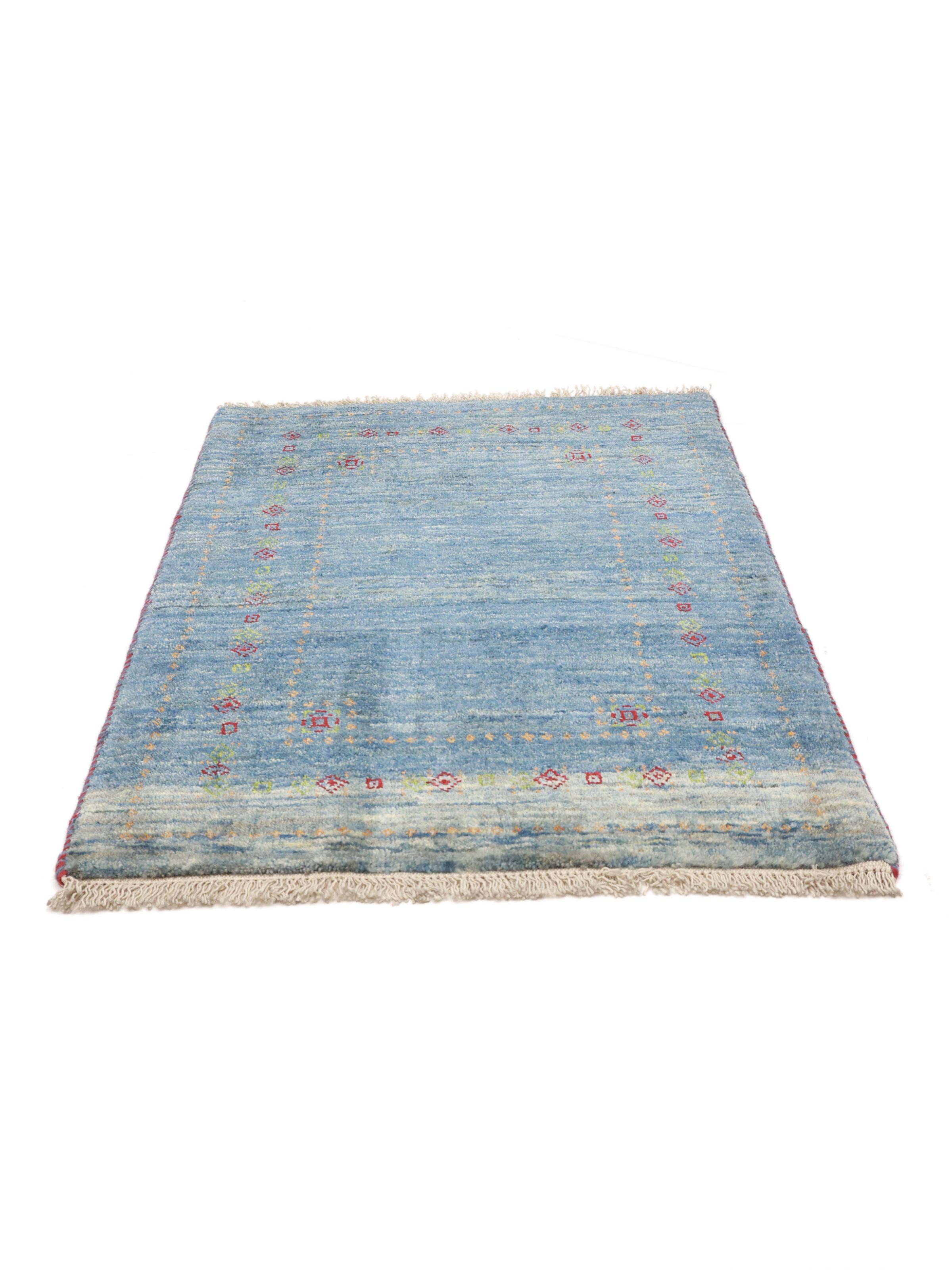
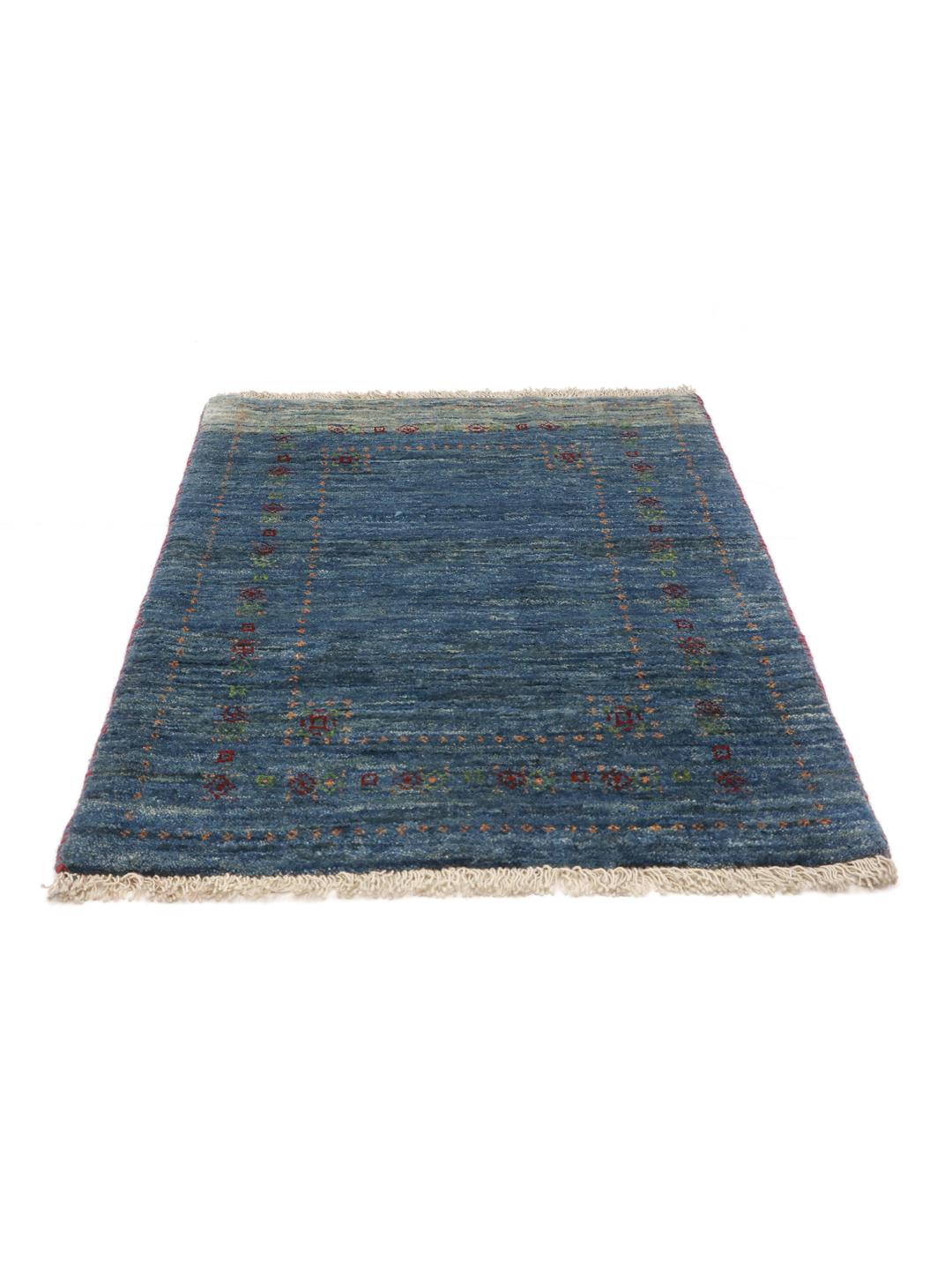
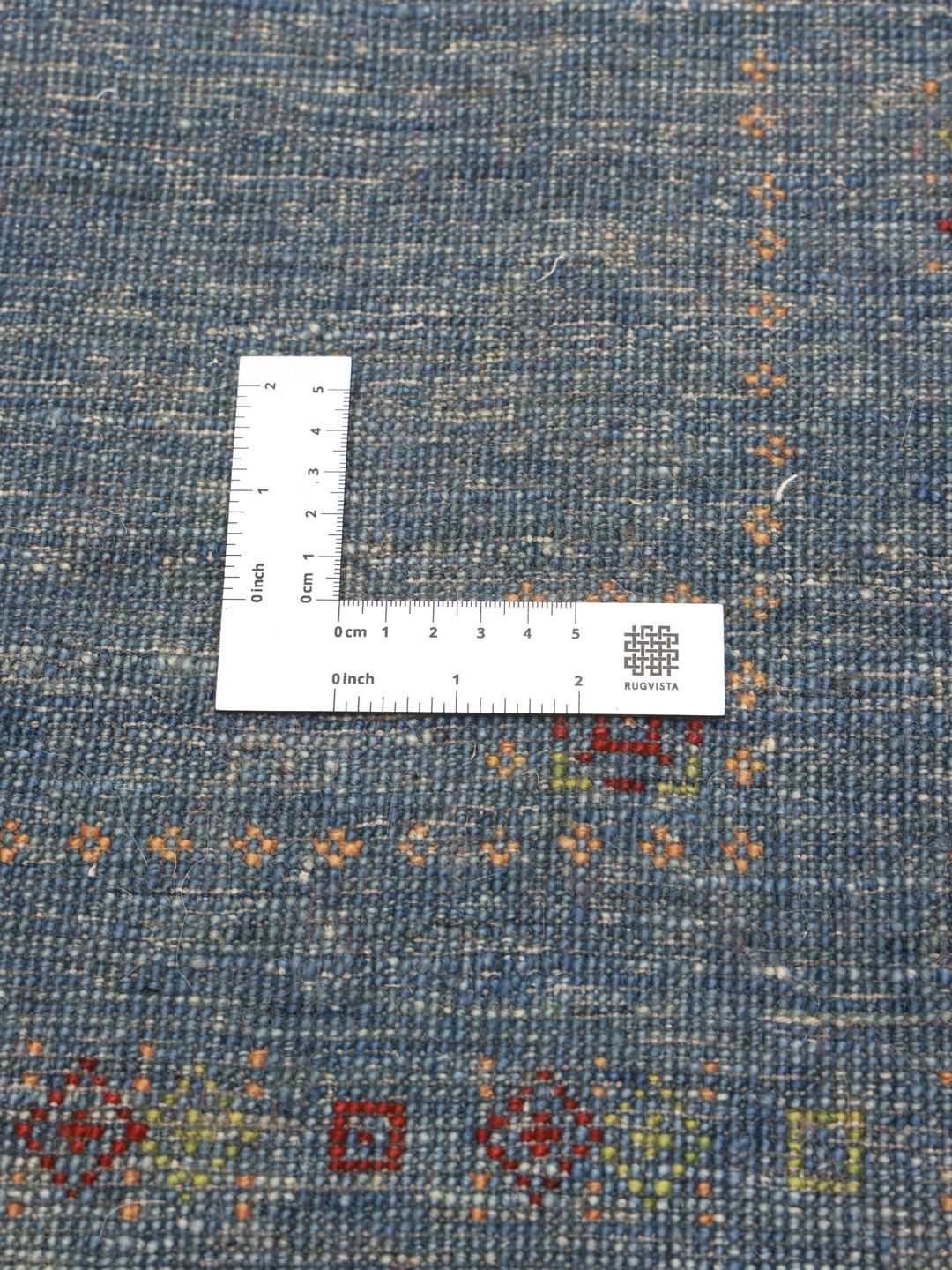
Gabbeh rugs originated among nomadic tribal weavers across the Middle East, named after a word that translates roughly to raw or natural. Historically woven for personal use within tribal tents rather than for commercial trade, these rugs were designed primarily for warmth, sleep, and daily comfort.
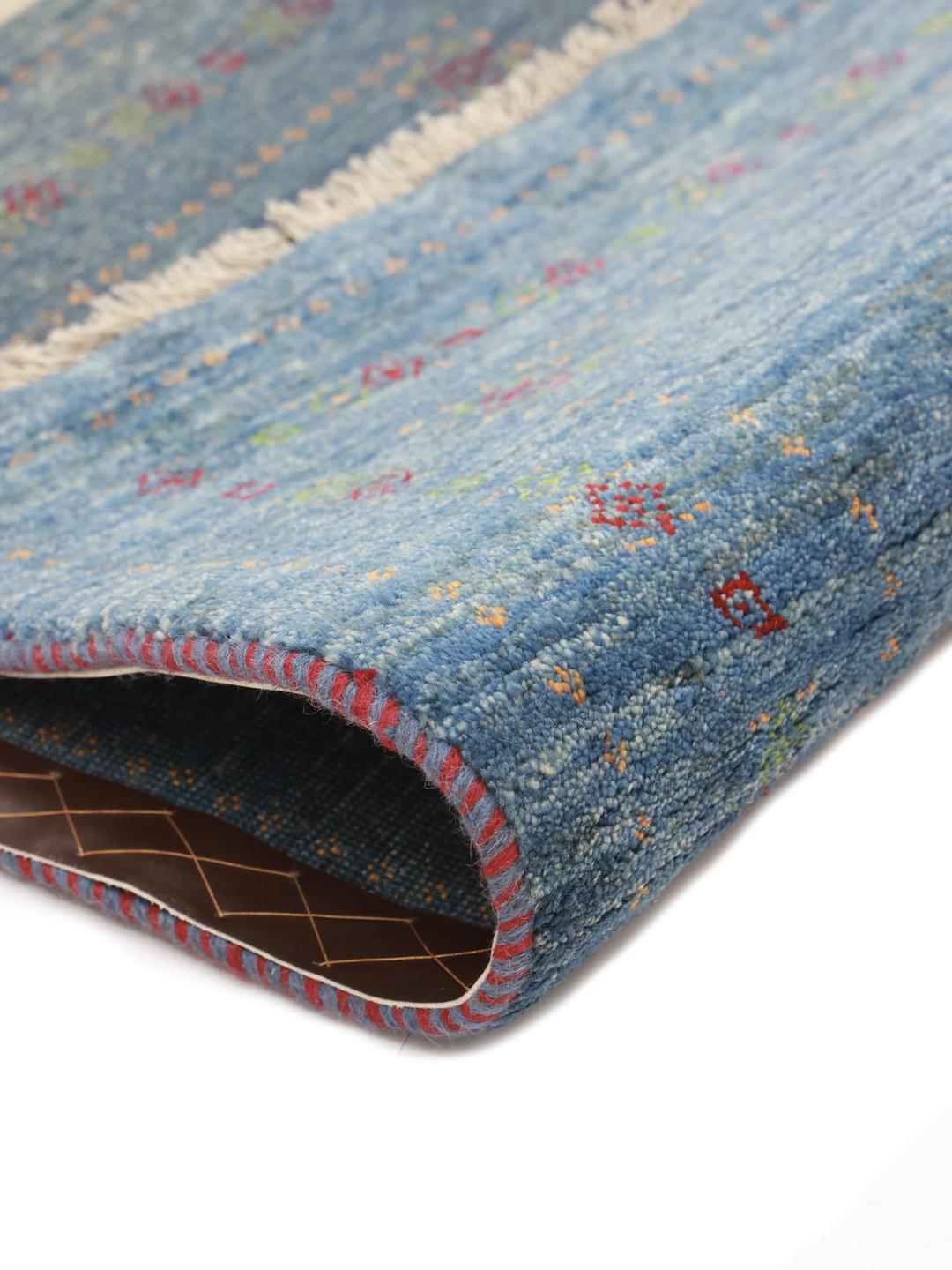
Over time, the weaving tradition expanded into regions known for exceptional knotting heritage, including Pakistan. Weavers in Pakistan adopted the signature plush pile and expressive design freedom of traditional Gabbeh rugs, adapting the style with refined spinning and dyeing methods.
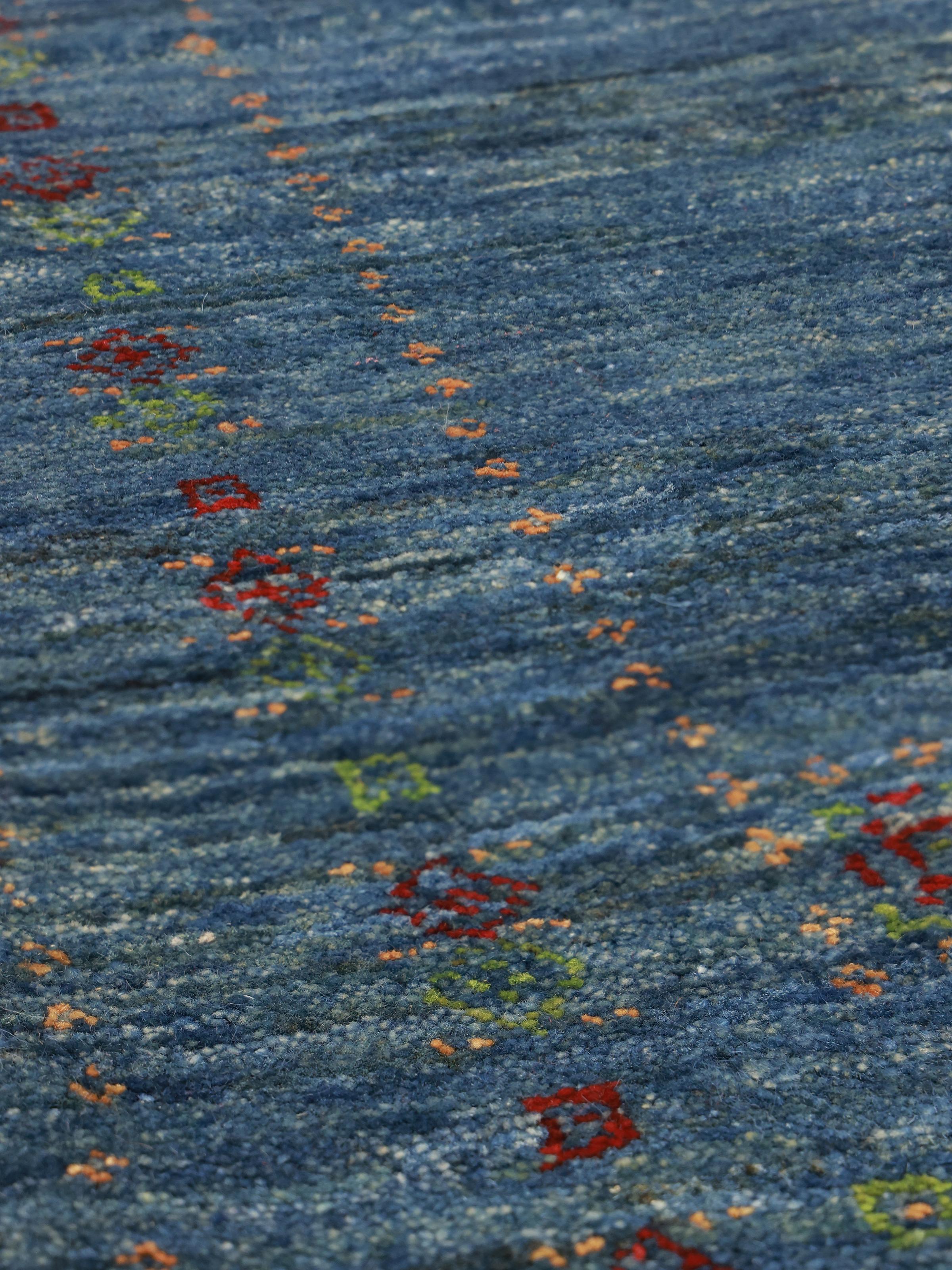
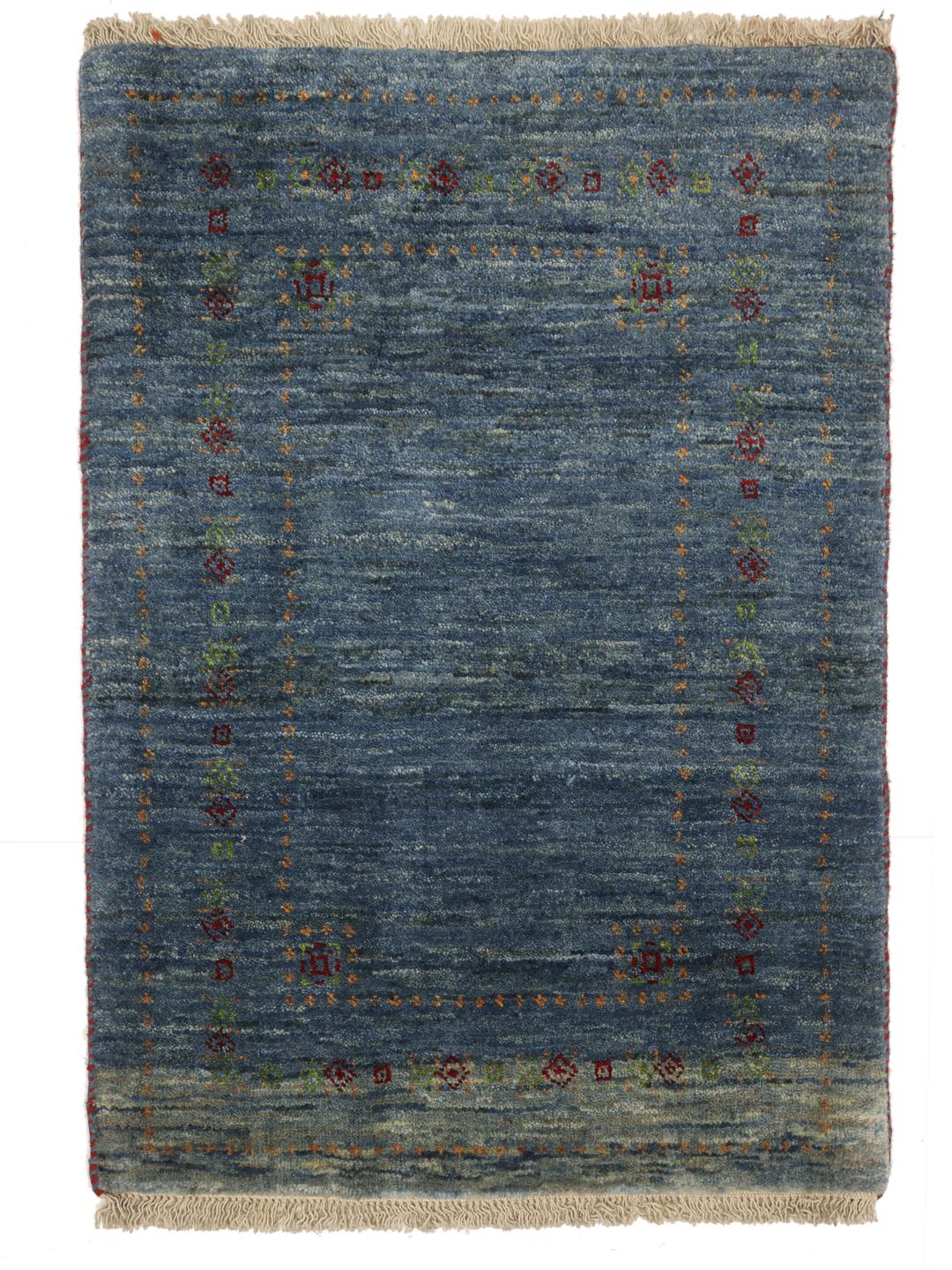
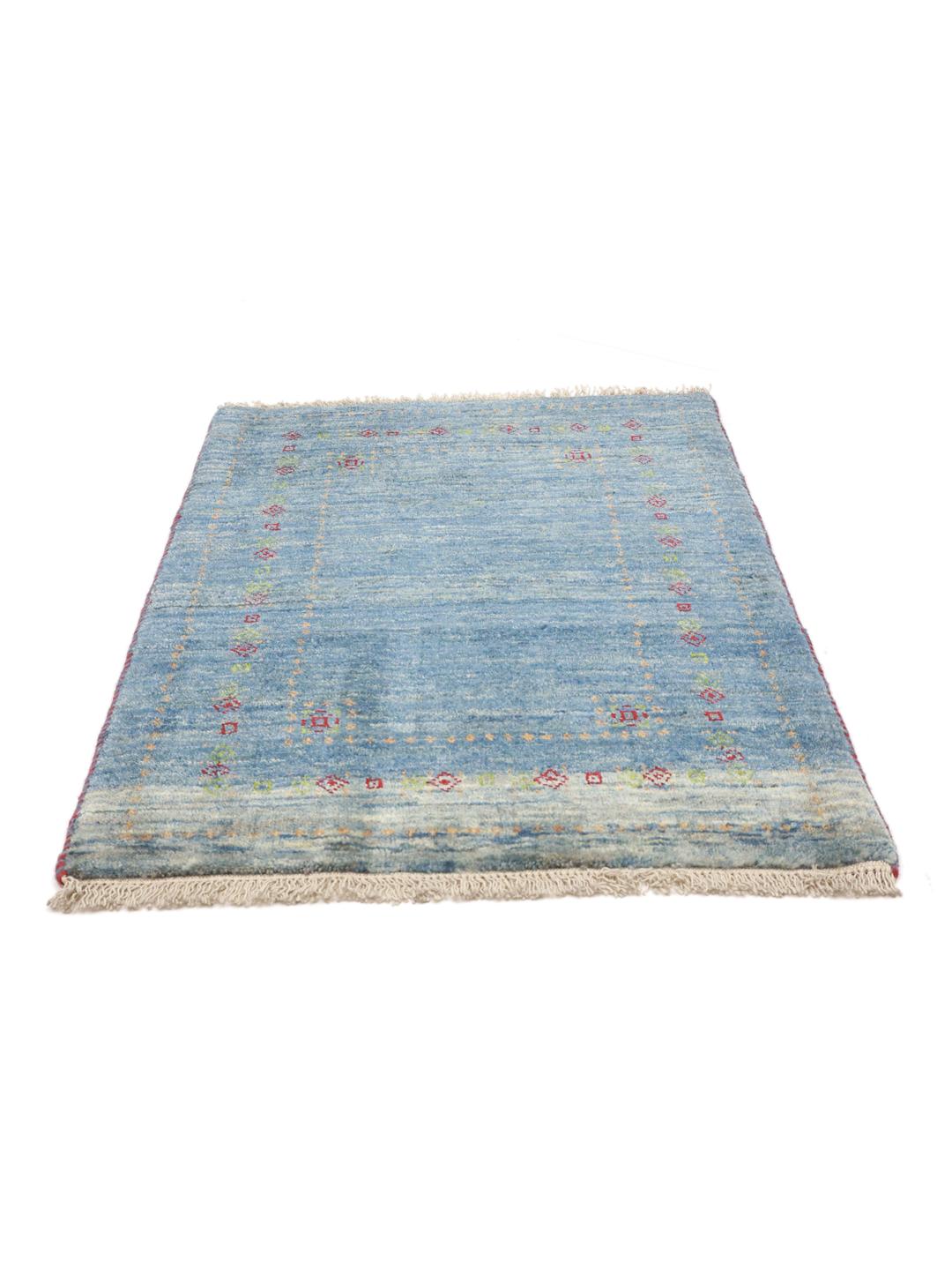
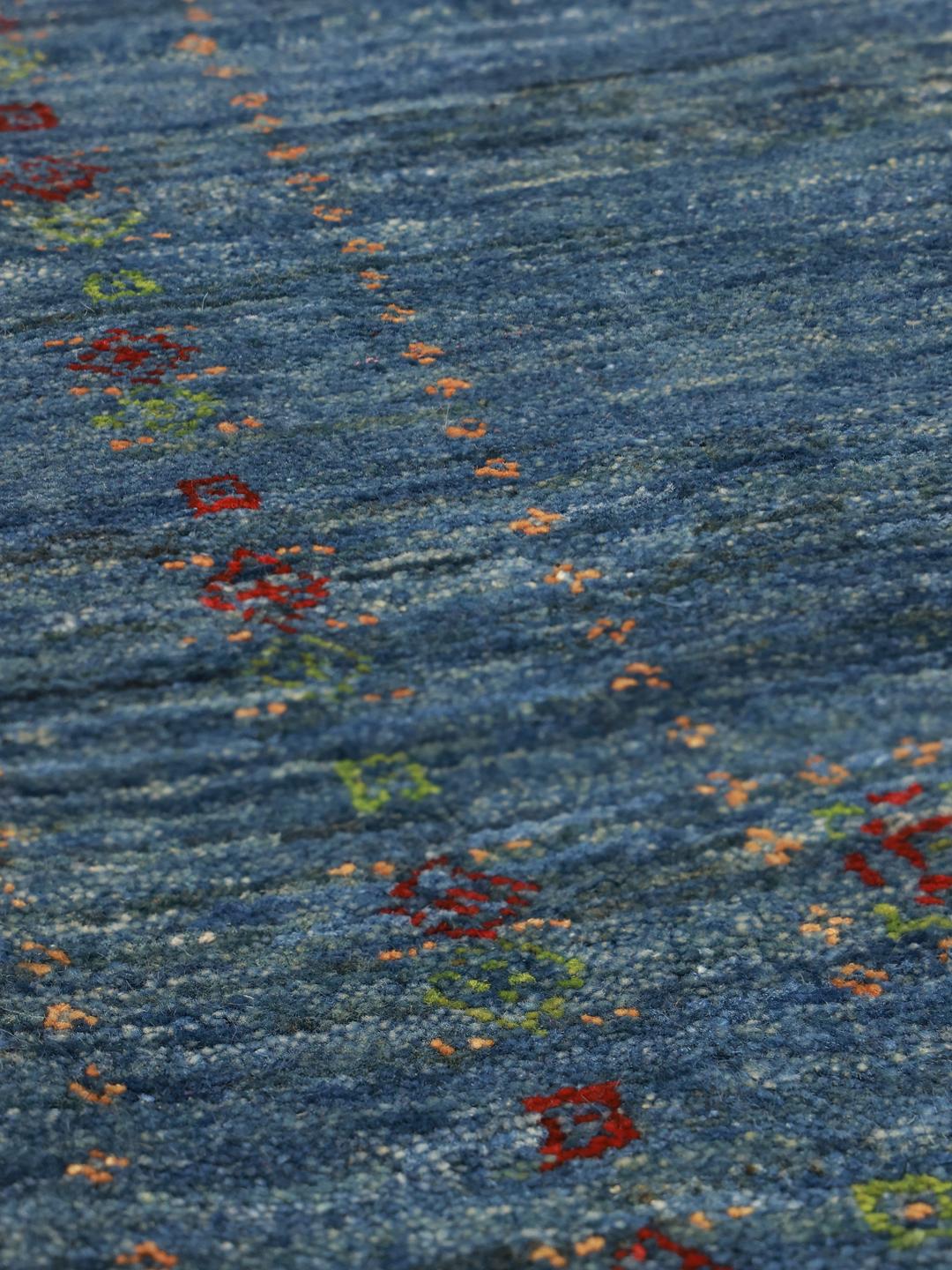
Visually, Gabbeh rugs are celebrated for their minimalist compositions, open fields, and subtle abrash effects where natural variations in dye create gentle horizontal bands of tone. Simple geometric motifs, small animal figures, or subtle border frames are often scattered across the field, reflecting everyday moments from the weaver's life.
Today, traditional hand-knotted Gabbeh rugs are highly sought after by home collectors for their artistic authenticity. Each rug is a canvas of creative expression, offering an authentic connection to centuries of weaver storytelling.