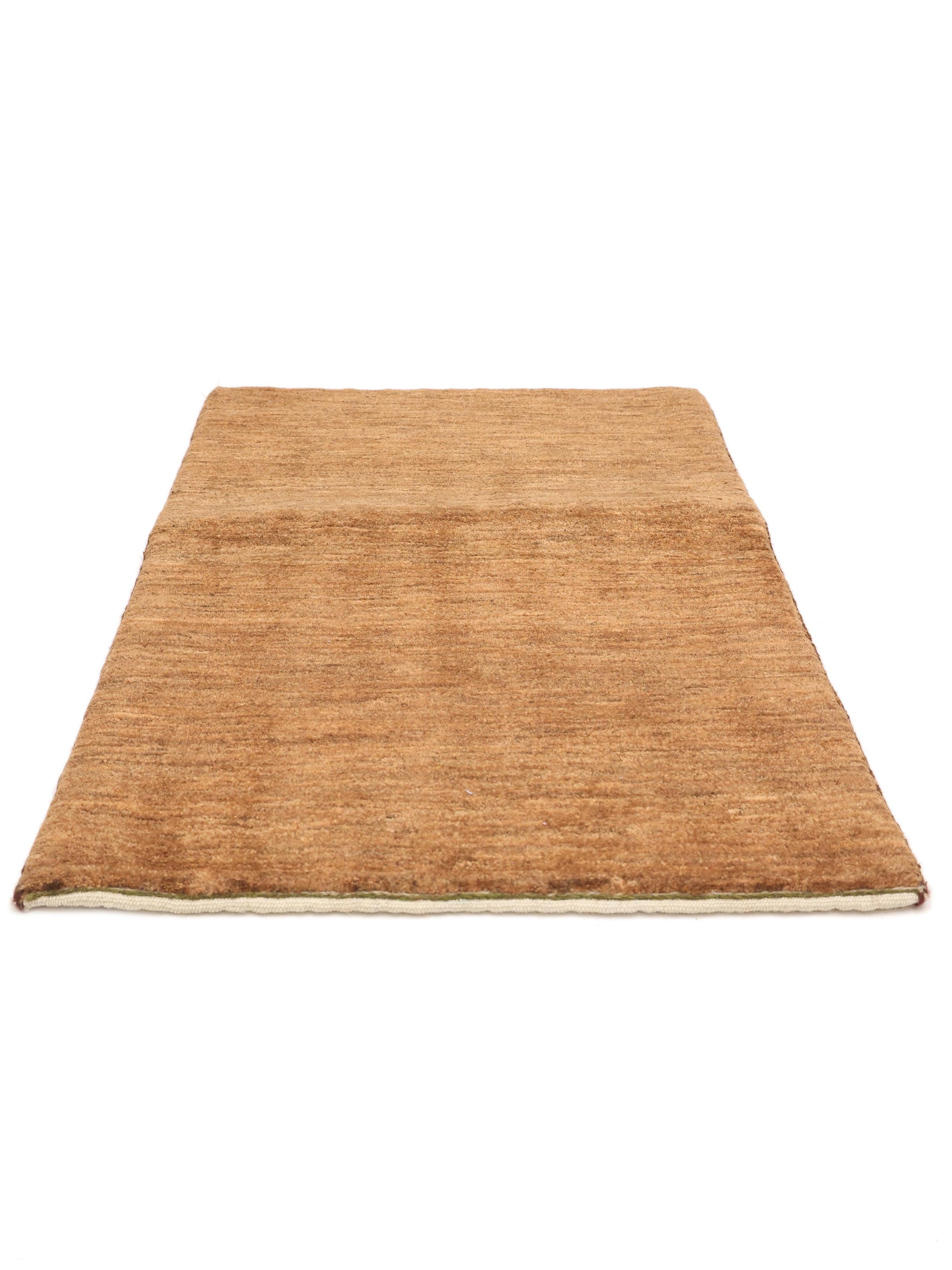
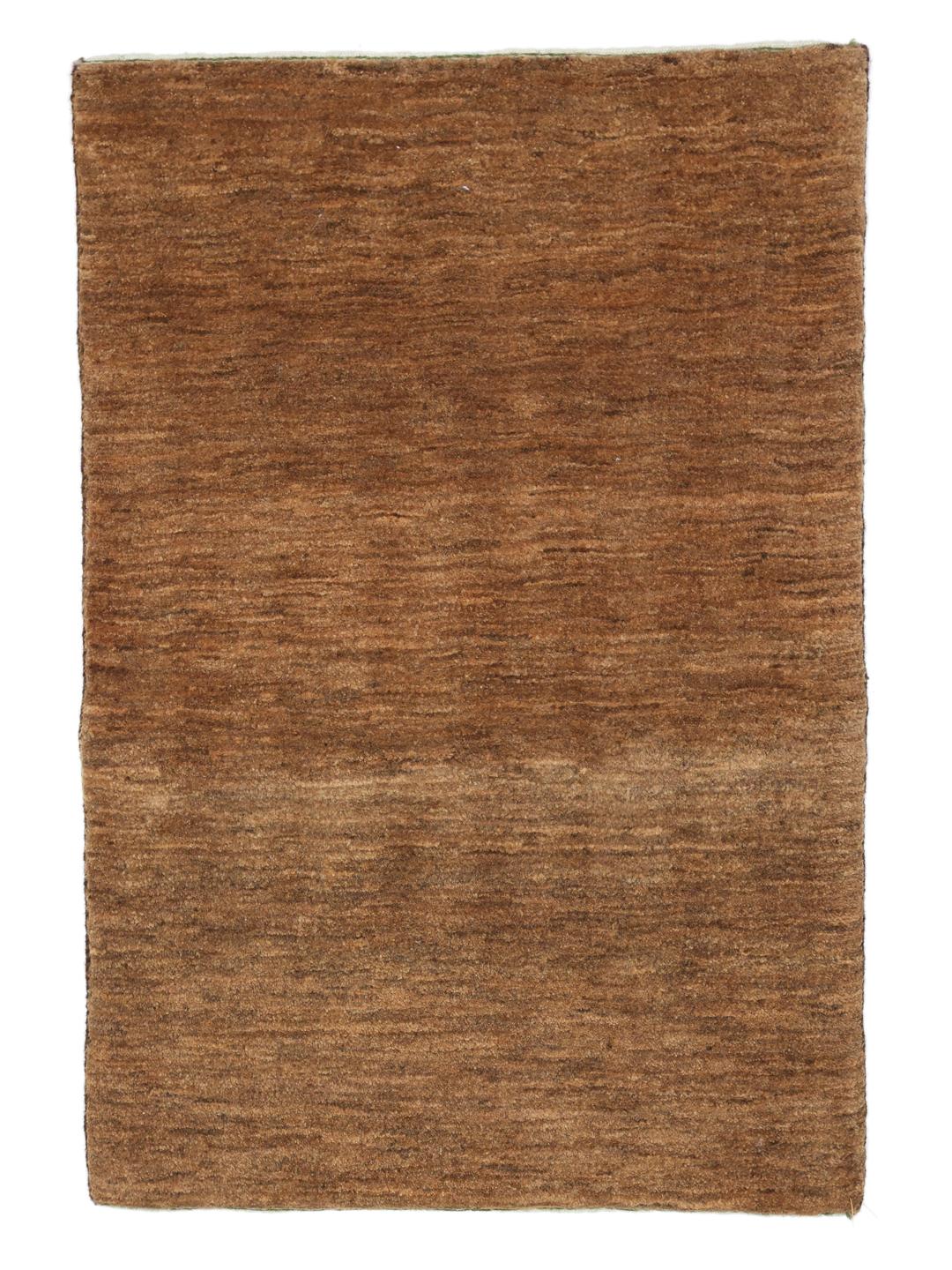
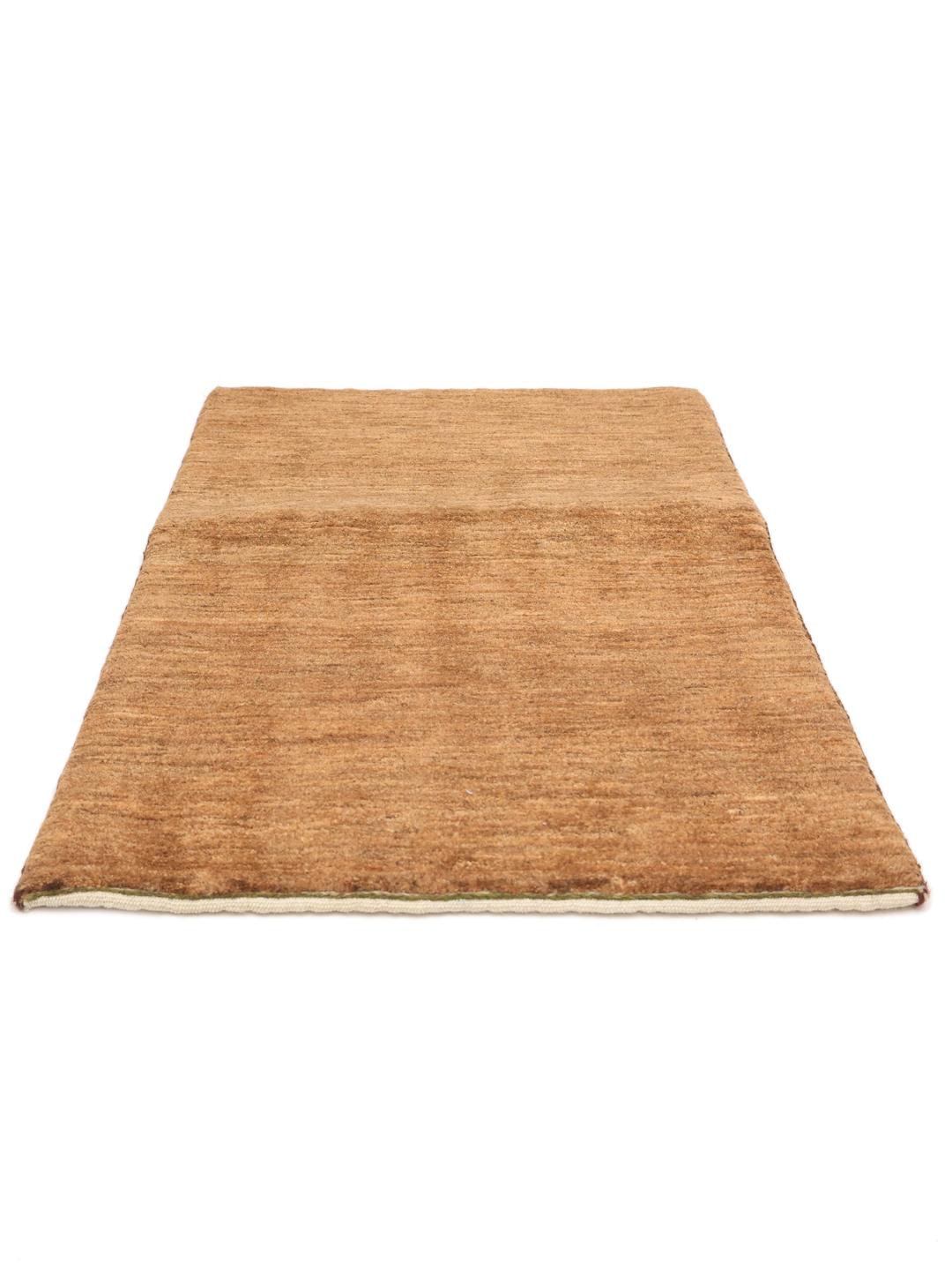
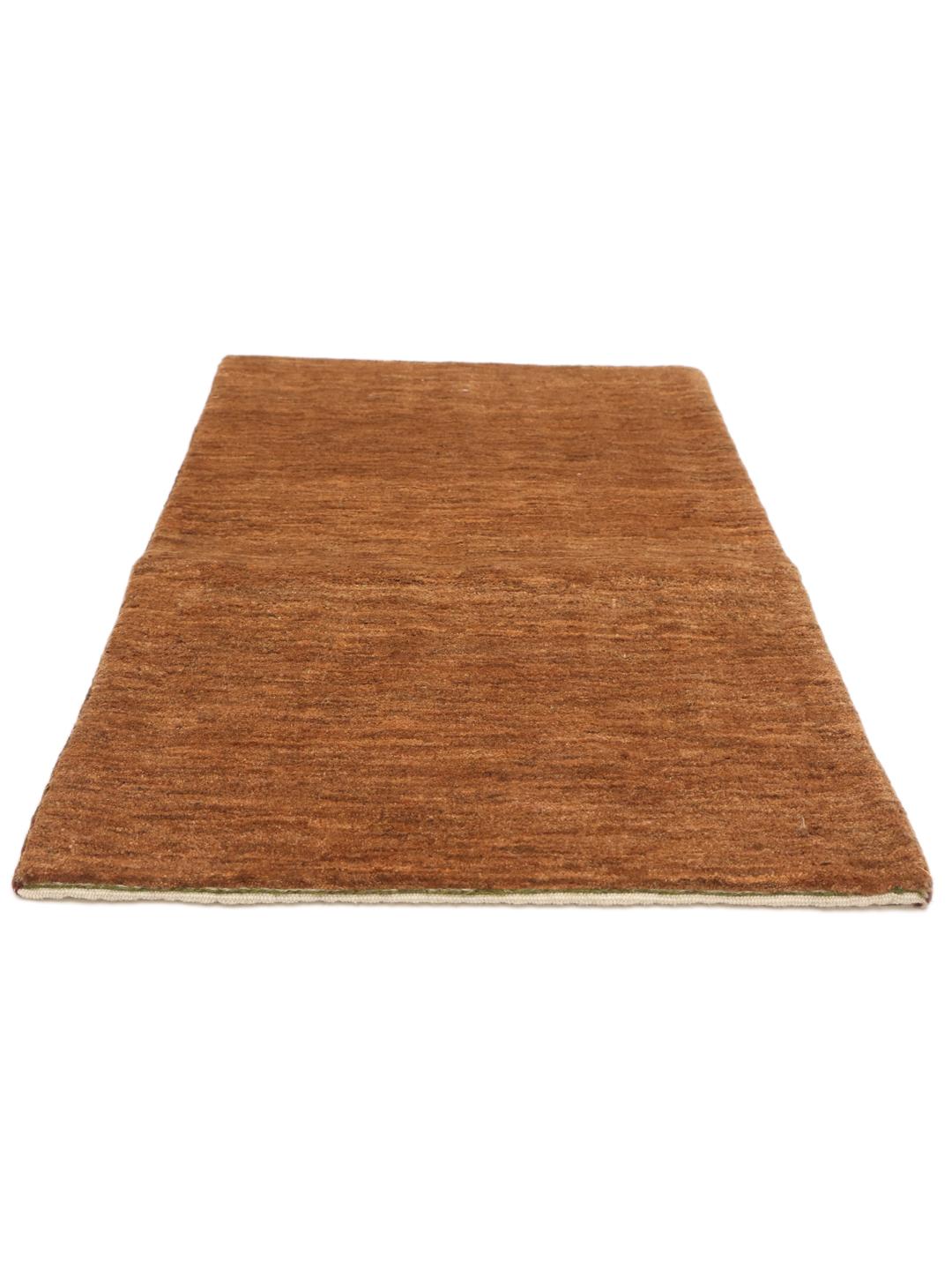
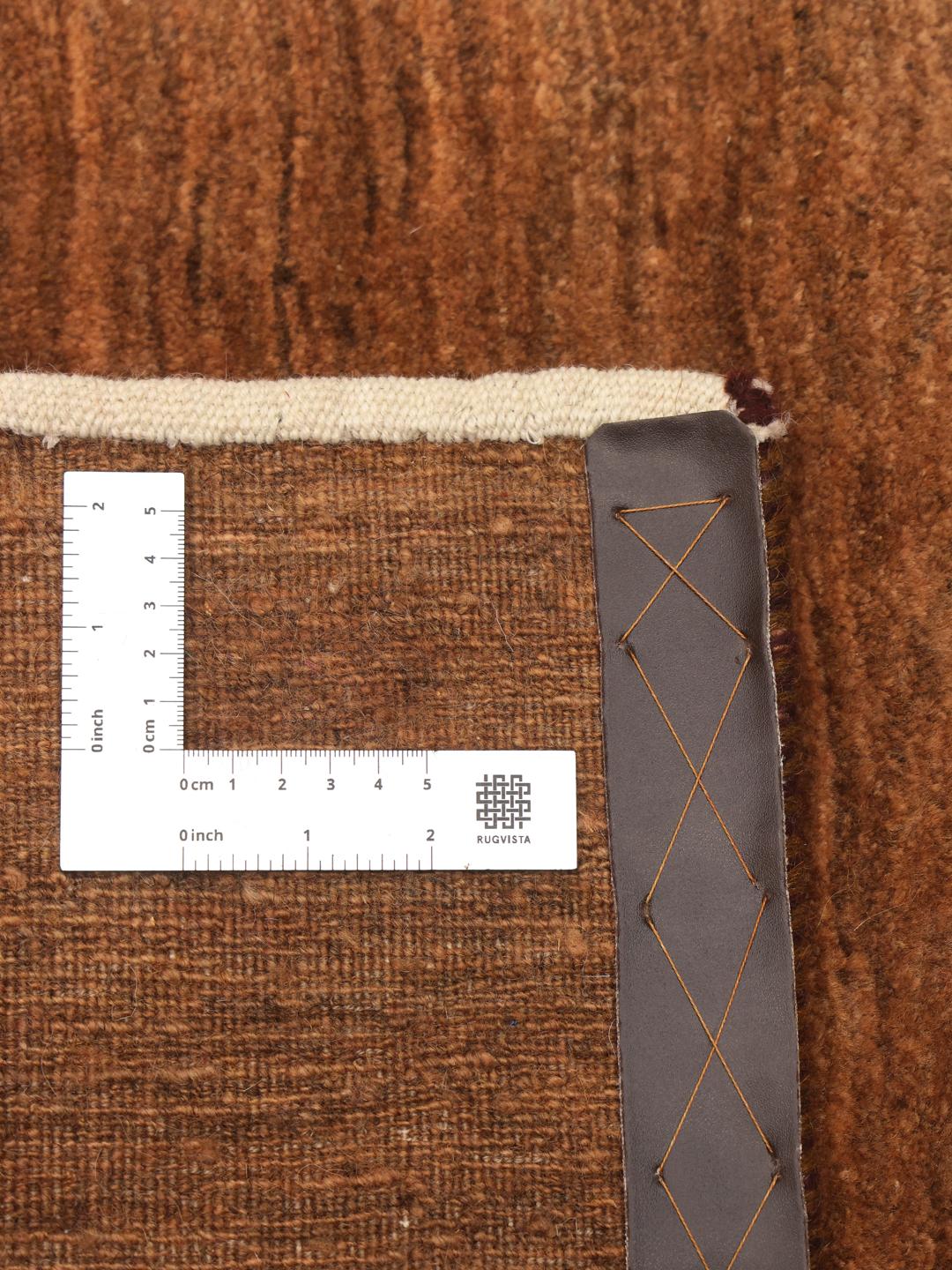
Gabbeh rugs trace their roots back to nomadic weaving traditions across the wider Middle East, where they were originally created as practical sleeping rugs and floor coverings for tribal tents. Over time, these traditions evolved, and skilled weavers in Pakistan adapted the technique, combining ancient nomadic styling with refined local weaving expertise.
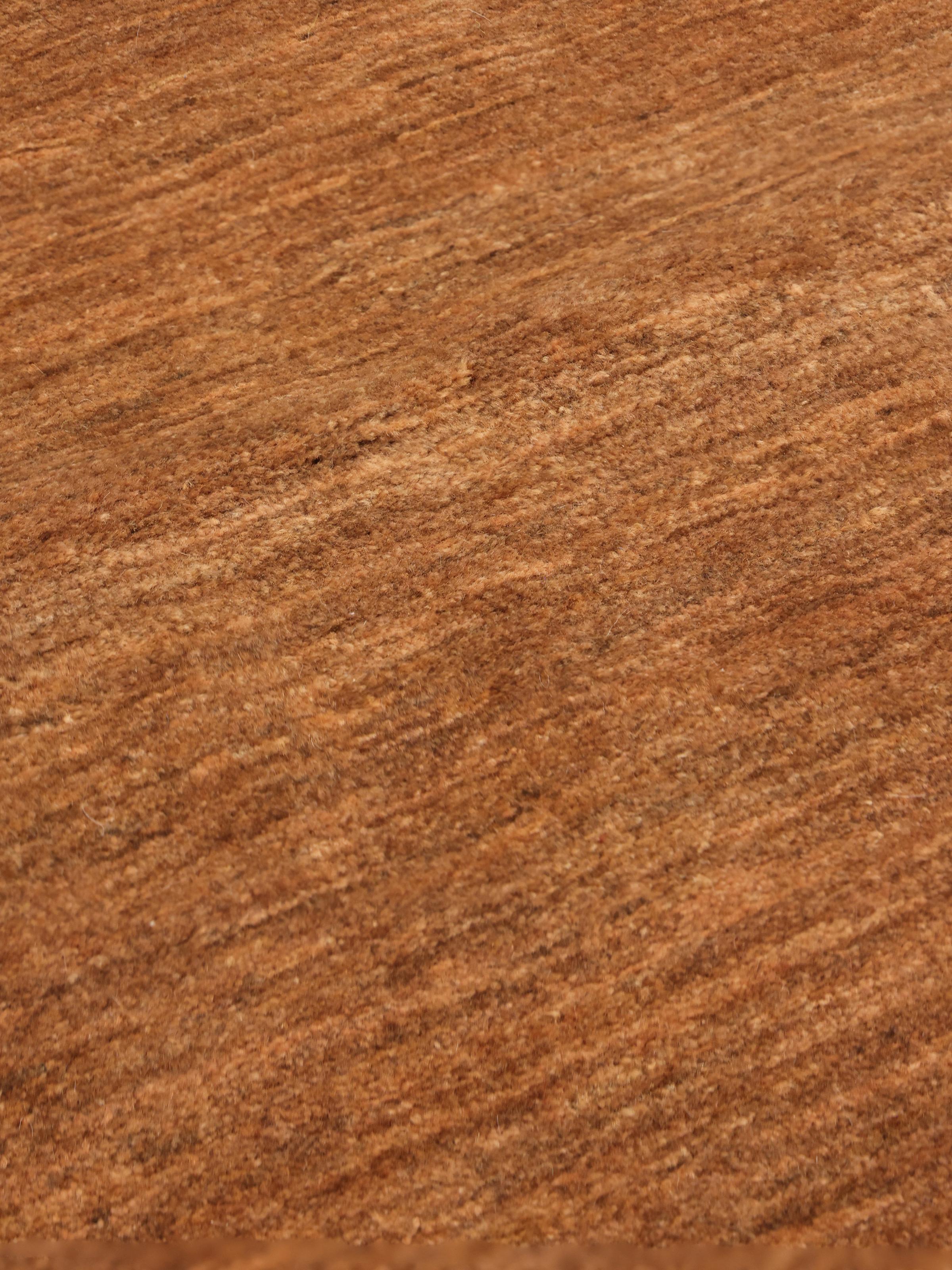
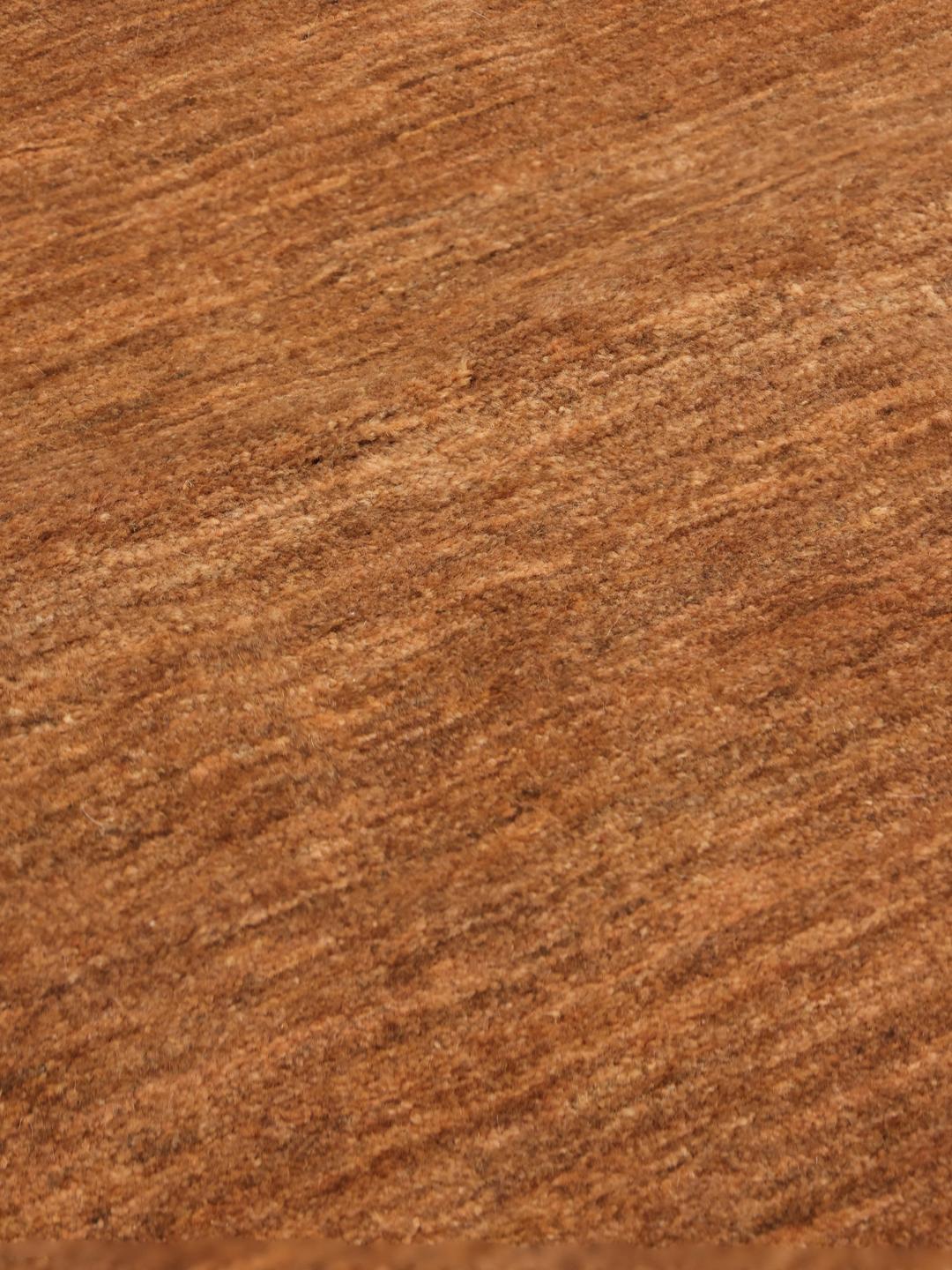
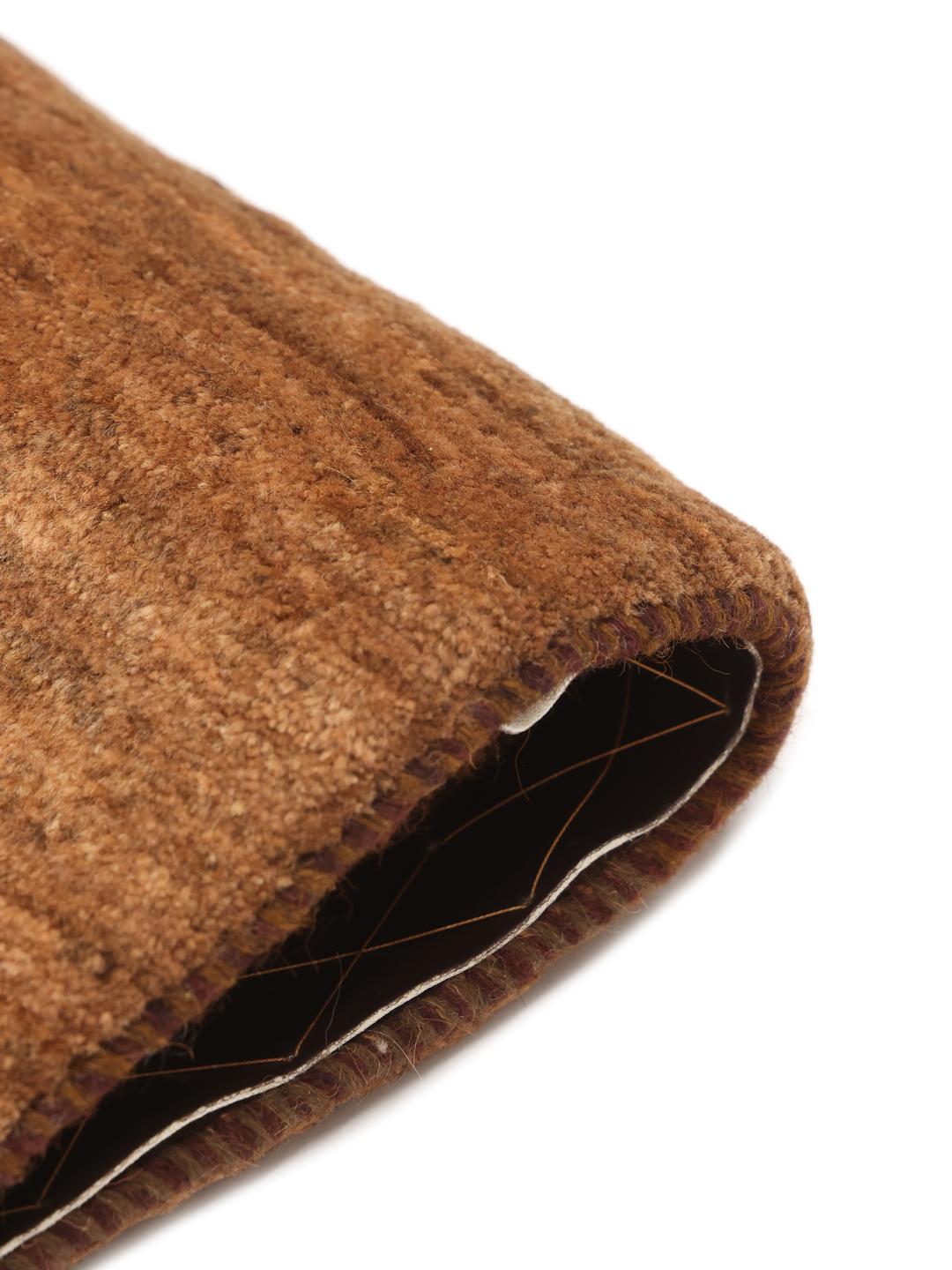
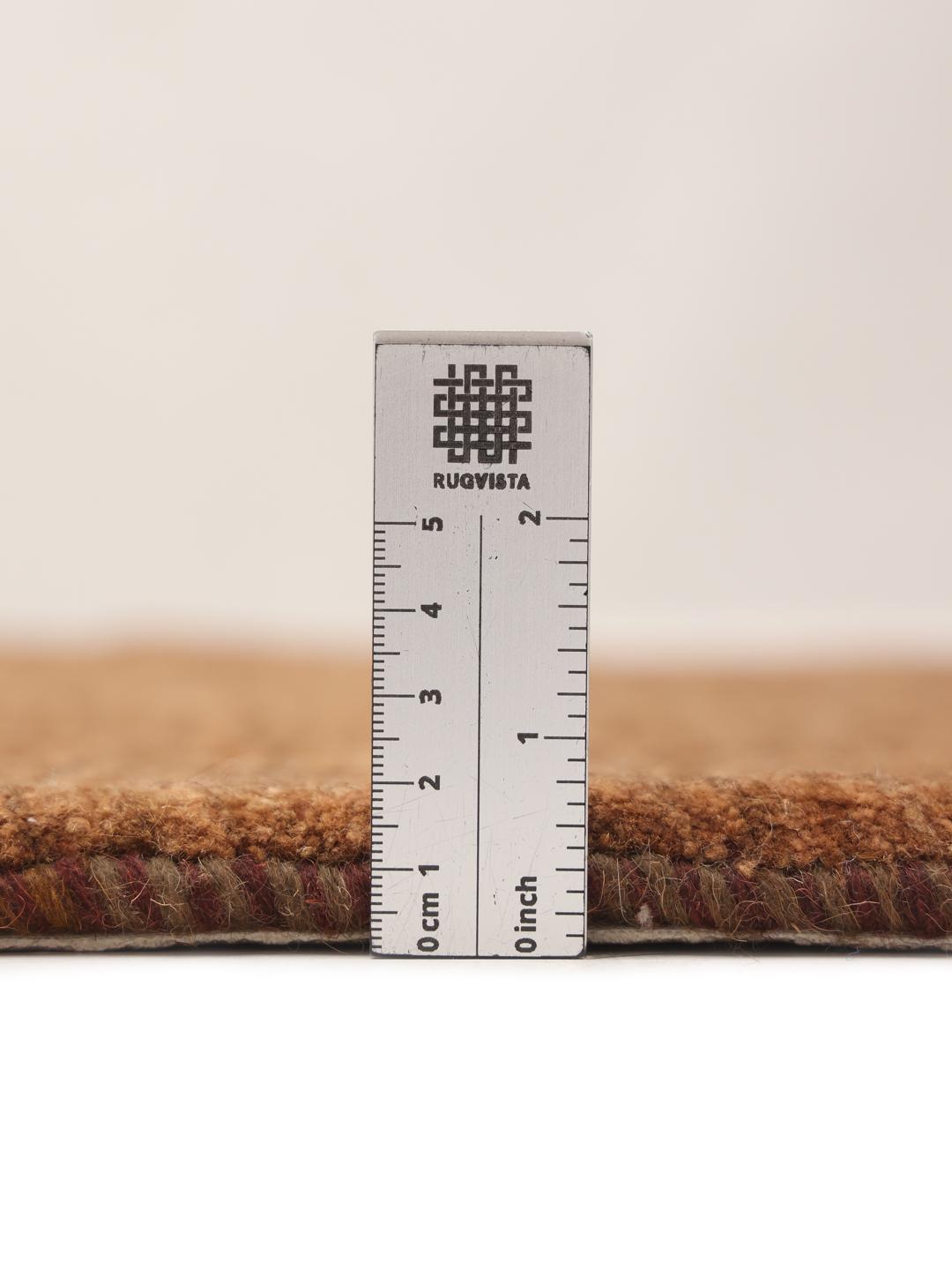
The word Gabbeh translates roughly to raw, natural, or unclipped, which refers directly to the thick, lush pile that defines these pieces. Unlike formal city rugs with intricate floral details, Gabbeh weaving relies on simple forms, thick yarn, and expressive fields of colour that highlight the natural depth of the fleece.
Visually, Gabbeh rugs are celebrated for their minimalist approach. Rather than rigid geometric schemes, they feature open fields, subtle abrash tonal shifts, and plain ground compositions that allow the natural variation of the wool to take center stage.
Today, traditional hand-knotted Gabbeh rugs are valued by collectors and homeowners alike for their authentic folk character and tactile presence. Owning one connects your home to a living craft legacy built on simplicity, comfort, and enduring beauty.