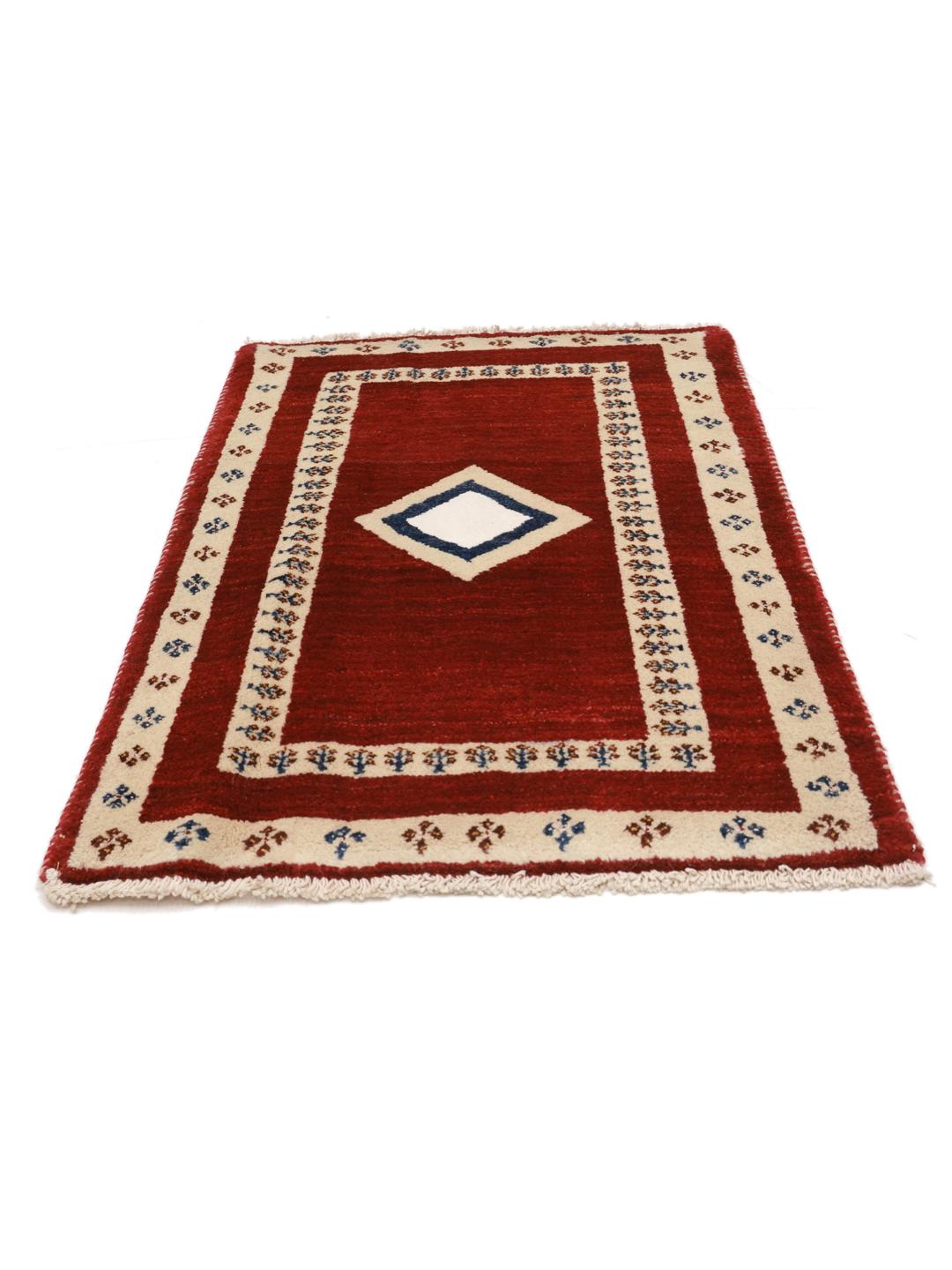
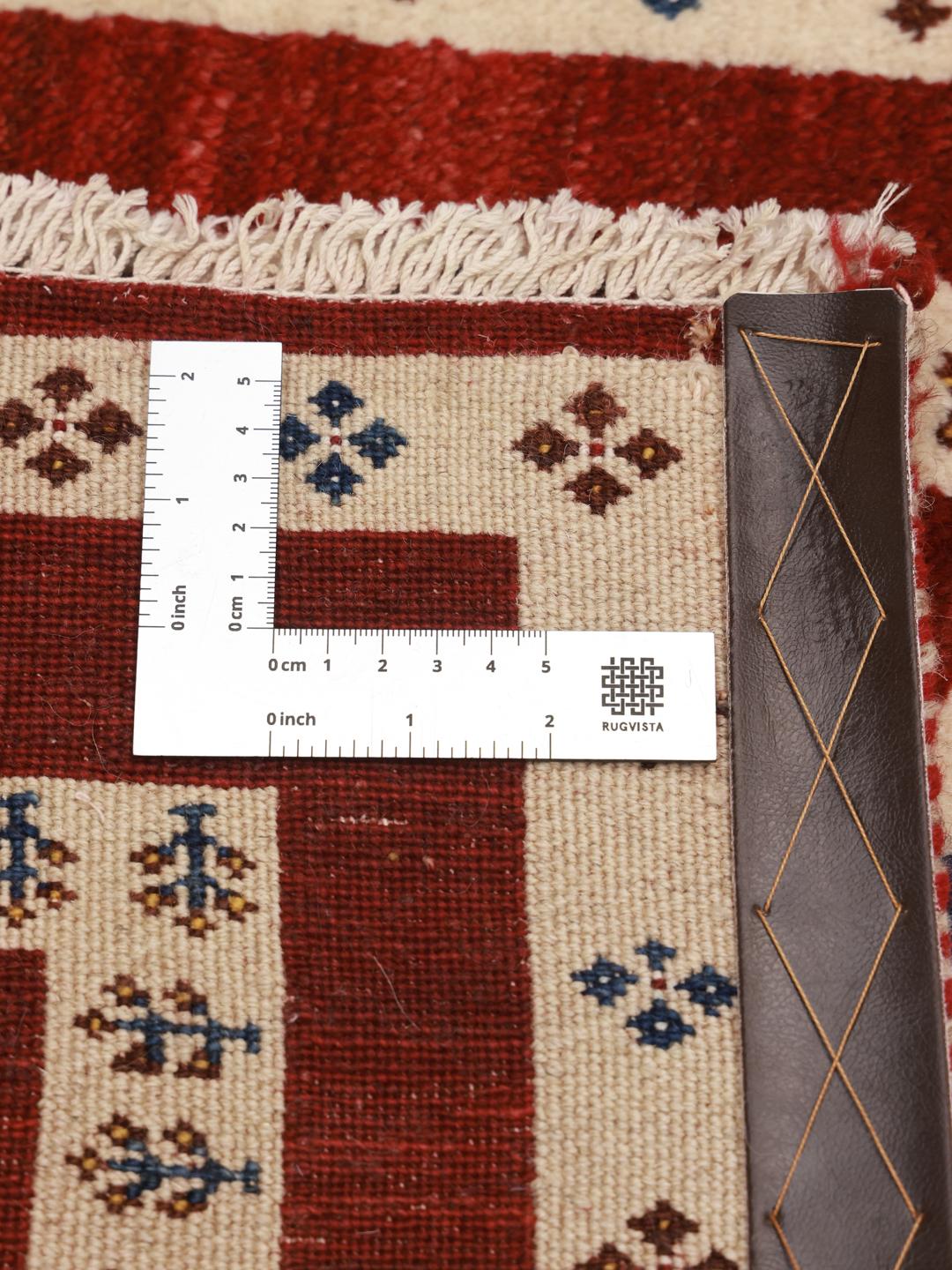
Gabbeh rugs traditionally originated among nomadic tribes in the Middle East, where they were originally woven as thick, practical floor coverings and sleeping blankets. Over time, weaving communities in Pakistan adapted these traditions, refining the techniques while preserving the charming rustic character that defines the style.
The term Gabbeh translates roughly to raw or natural, referencing the loose, expressive patterning and thick construction of the style. Unlike formal court rugs, Gabbeh designs rely on bold fields of color, simplified geometric shapes, and intuitive compositions that reflect the weaver's personal creative choices.
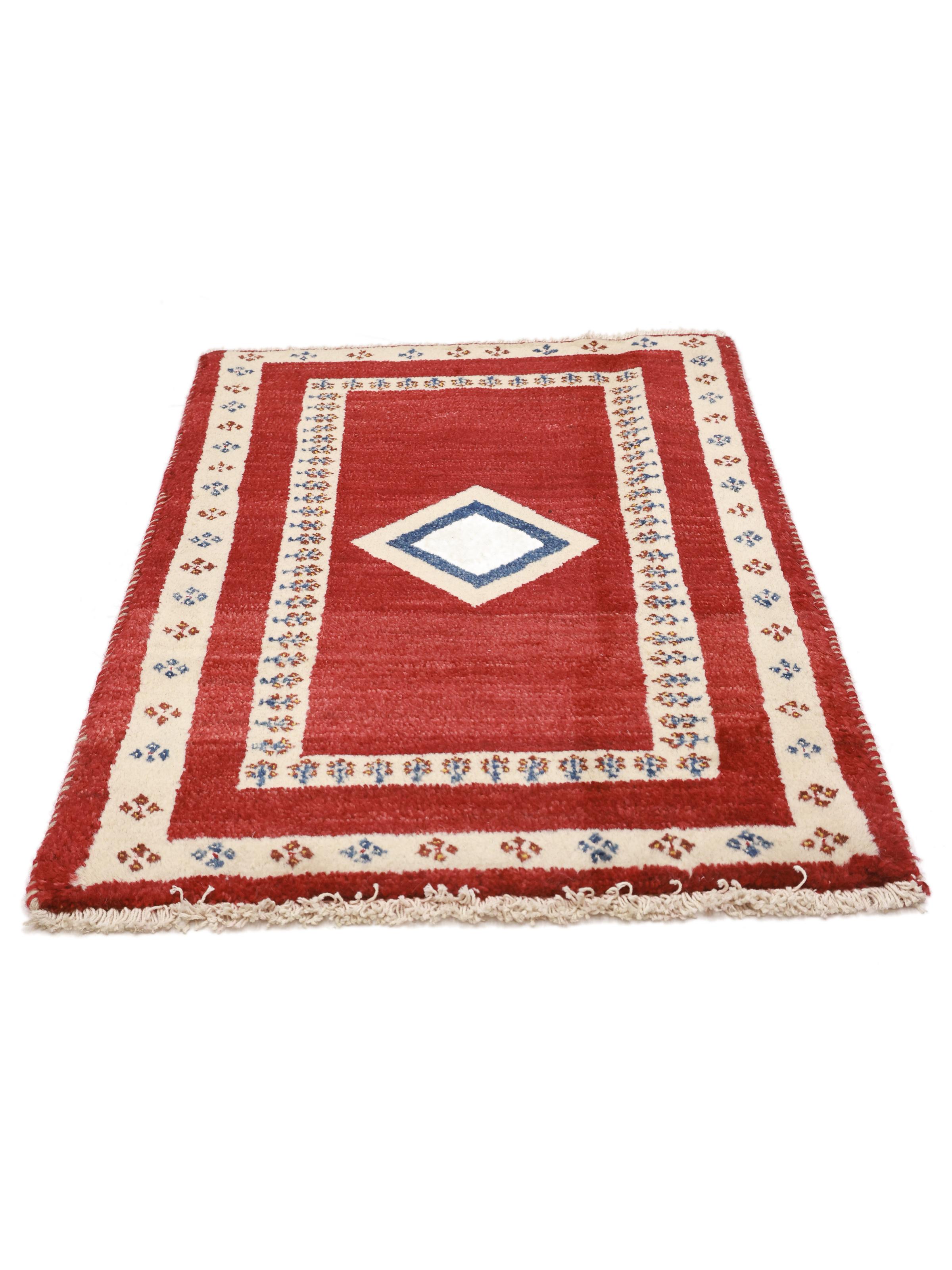
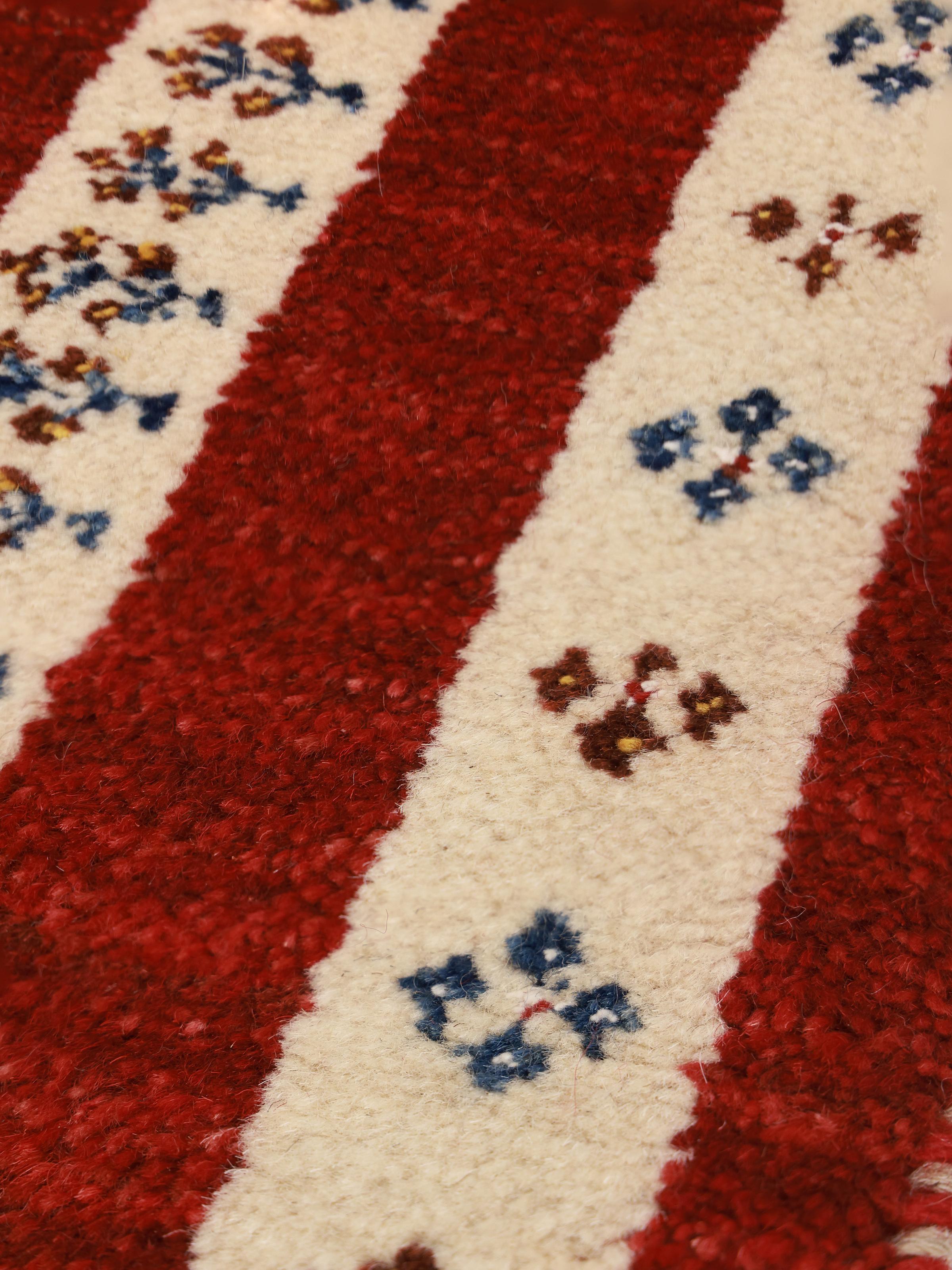
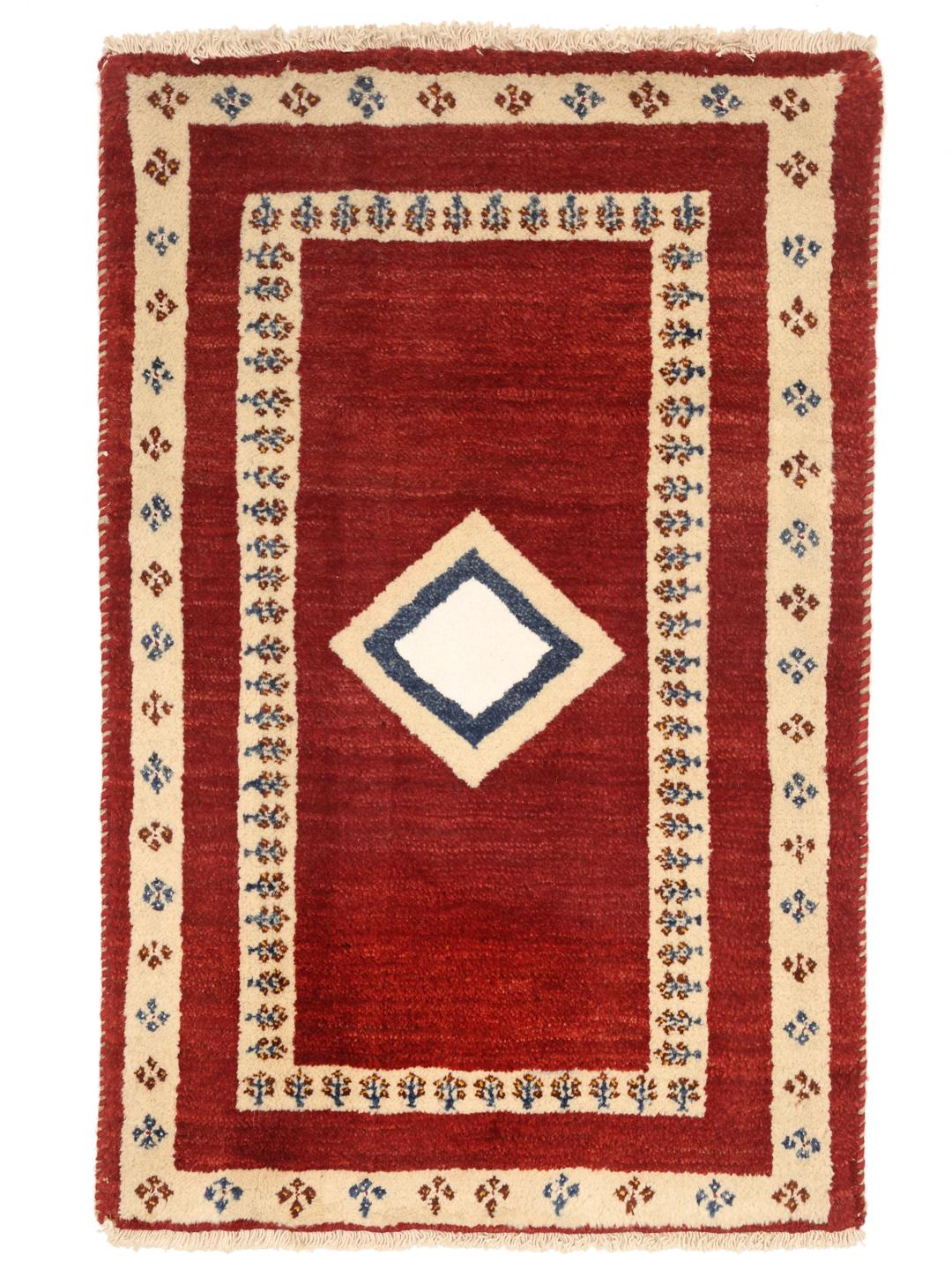
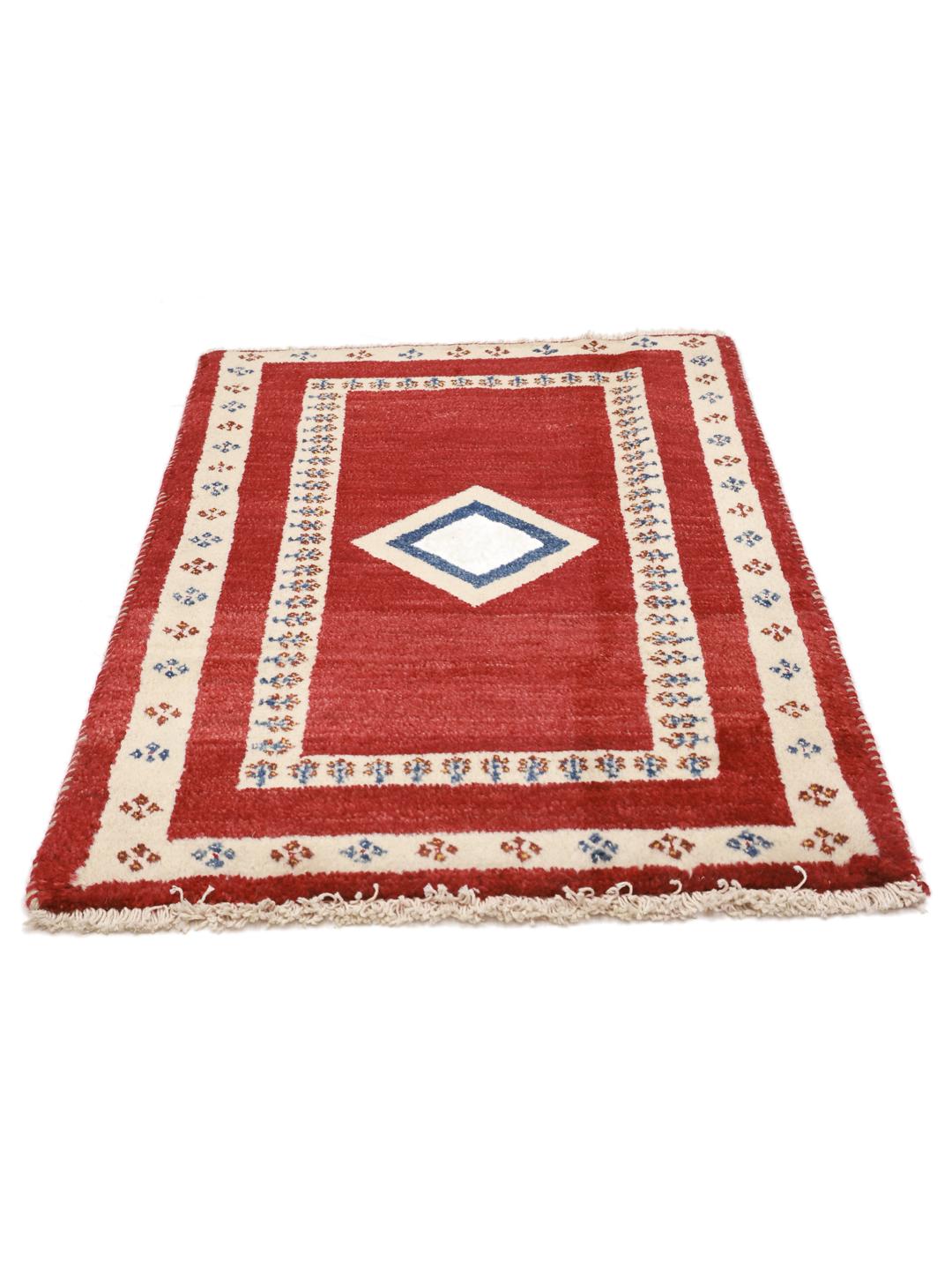
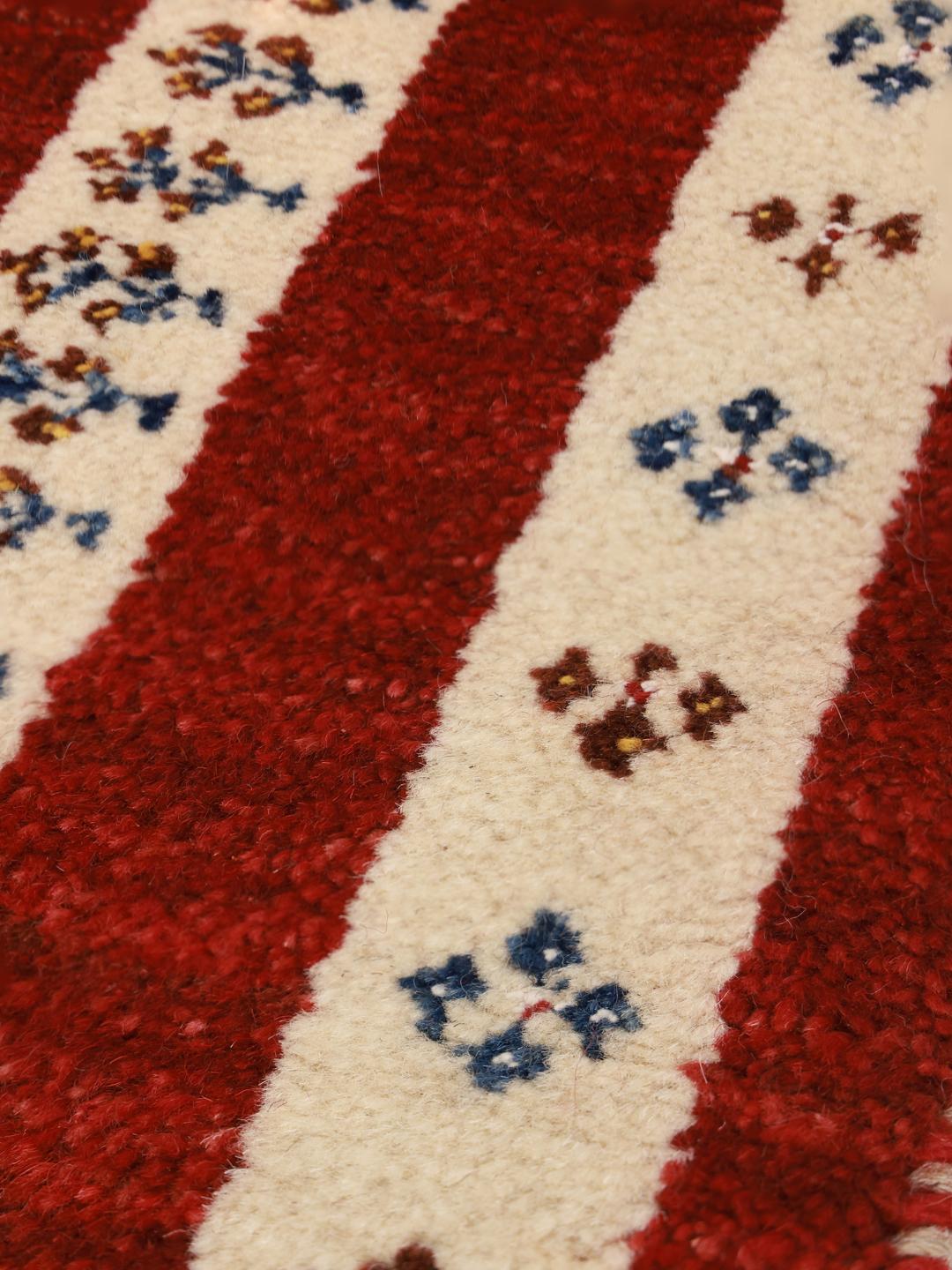
Signature visual elements of Gabbeh rugs include central medallions, stylized plant or animal shapes, and strong framing borders. While early nomadic examples featured minimalist blocks of color, modern interpretations often incorporate central diamond motifs and detailed border motifs, offering a harmonious balance between structure and folk art.
Today, Gabbeh rugs are highly valued by design enthusiasts and collectors alike for their artistic honesty and durable craft. Owning a hand-knotted Gabbeh connects your home to a living craft tradition, bringing authentic warmth and individuality to modern interiors.