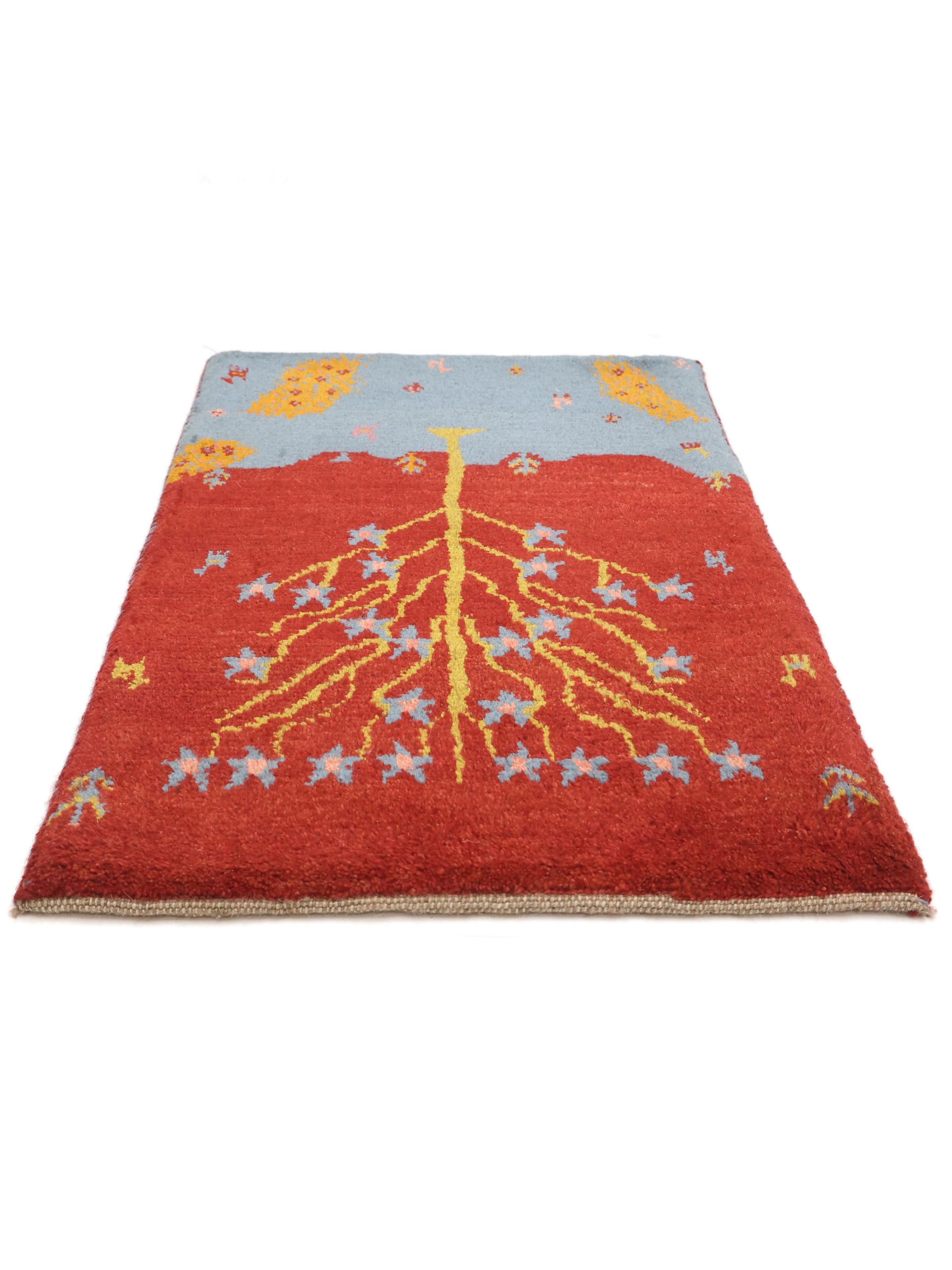
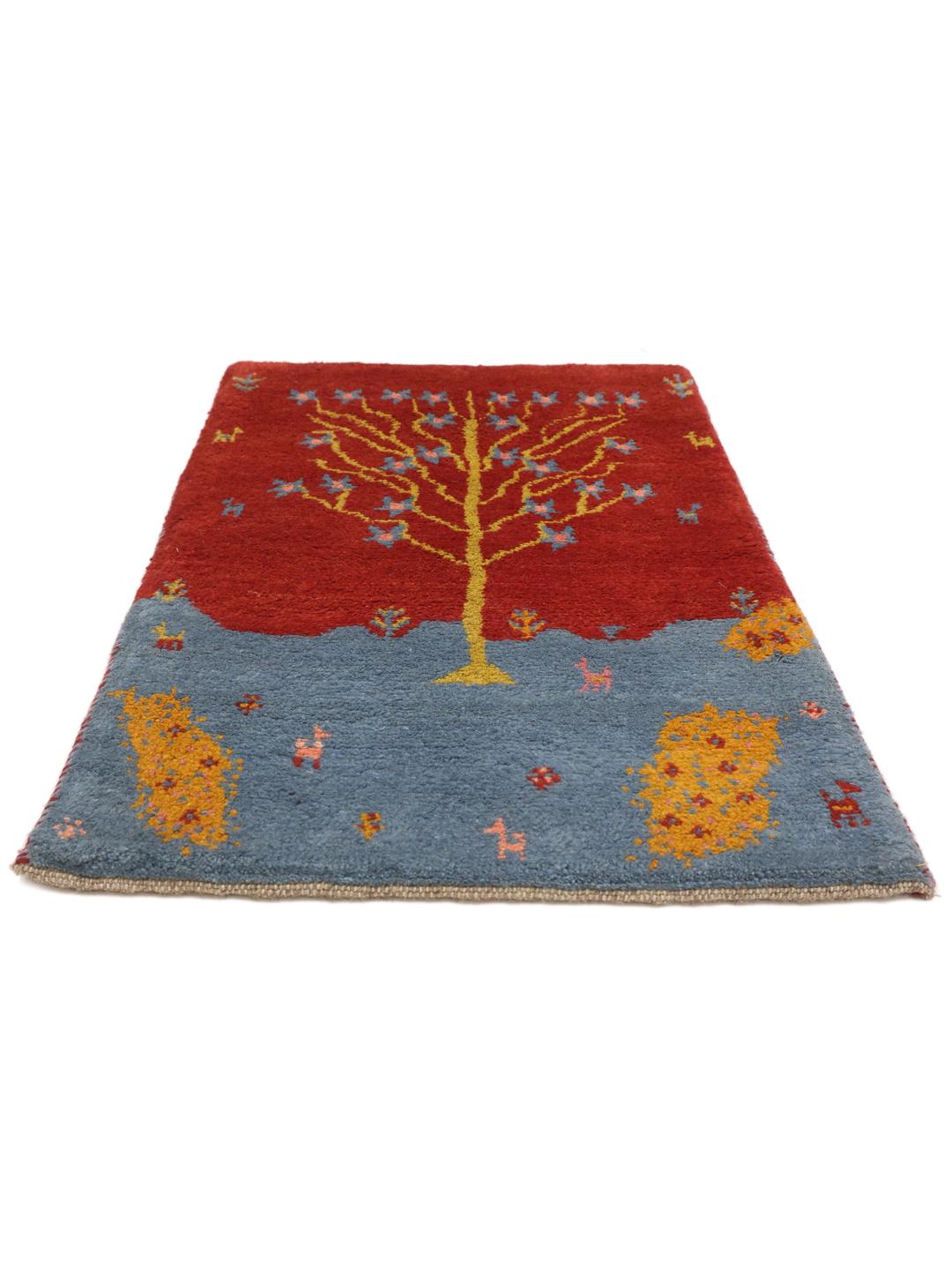
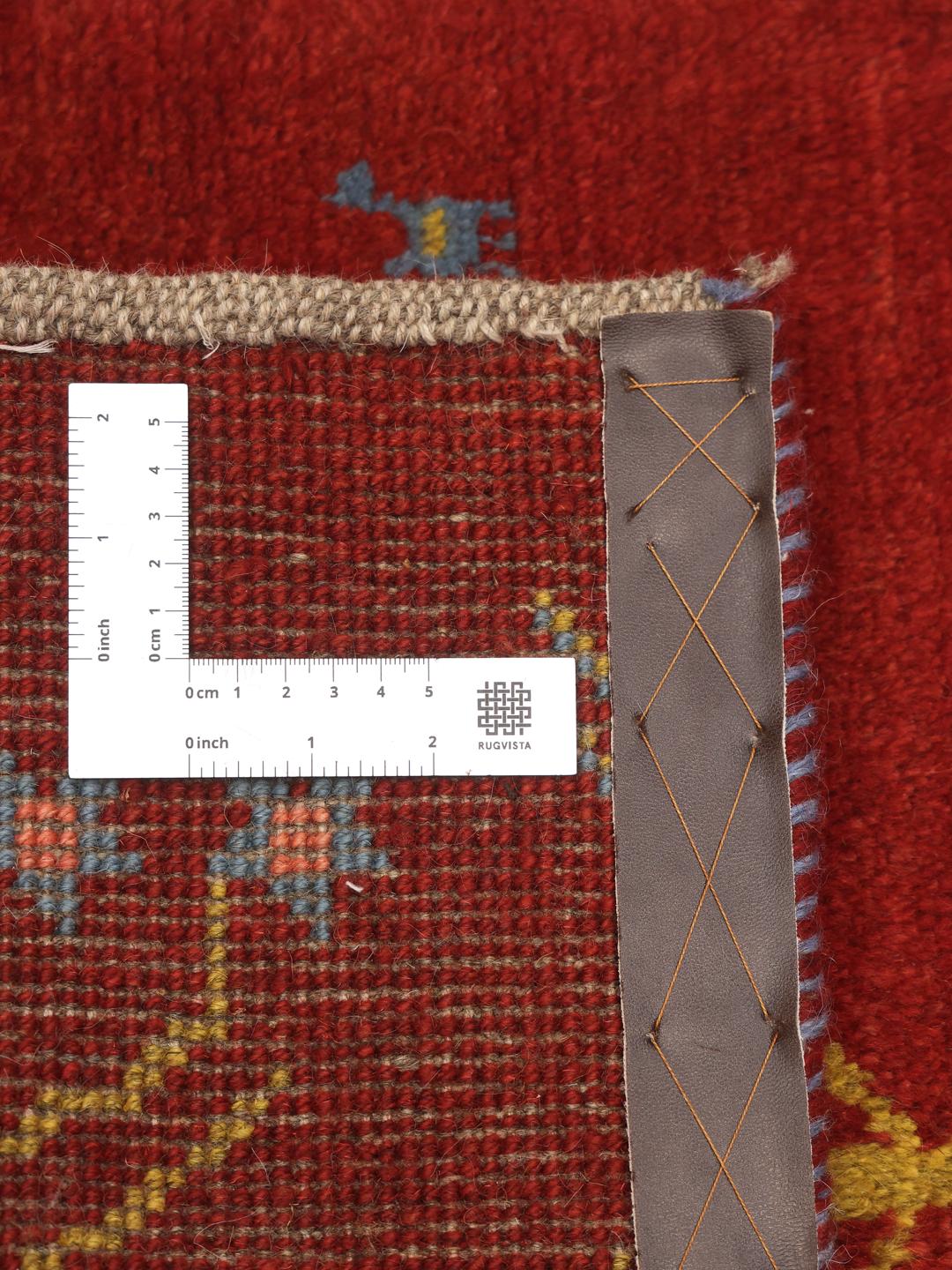
Gabbeh rugs were originally woven by nomadic and semi-nomadic tribes across the Middle East as practical, heavily cushioned floor coverings and bed covers for tents. Their name translates roughly to raw or natural, referencing their thick pile and open design fields. Over time, weaving regions in Pakistan adopted these traditional tribal styles, combining regional wool weaving expertise with classic rustic patterns.
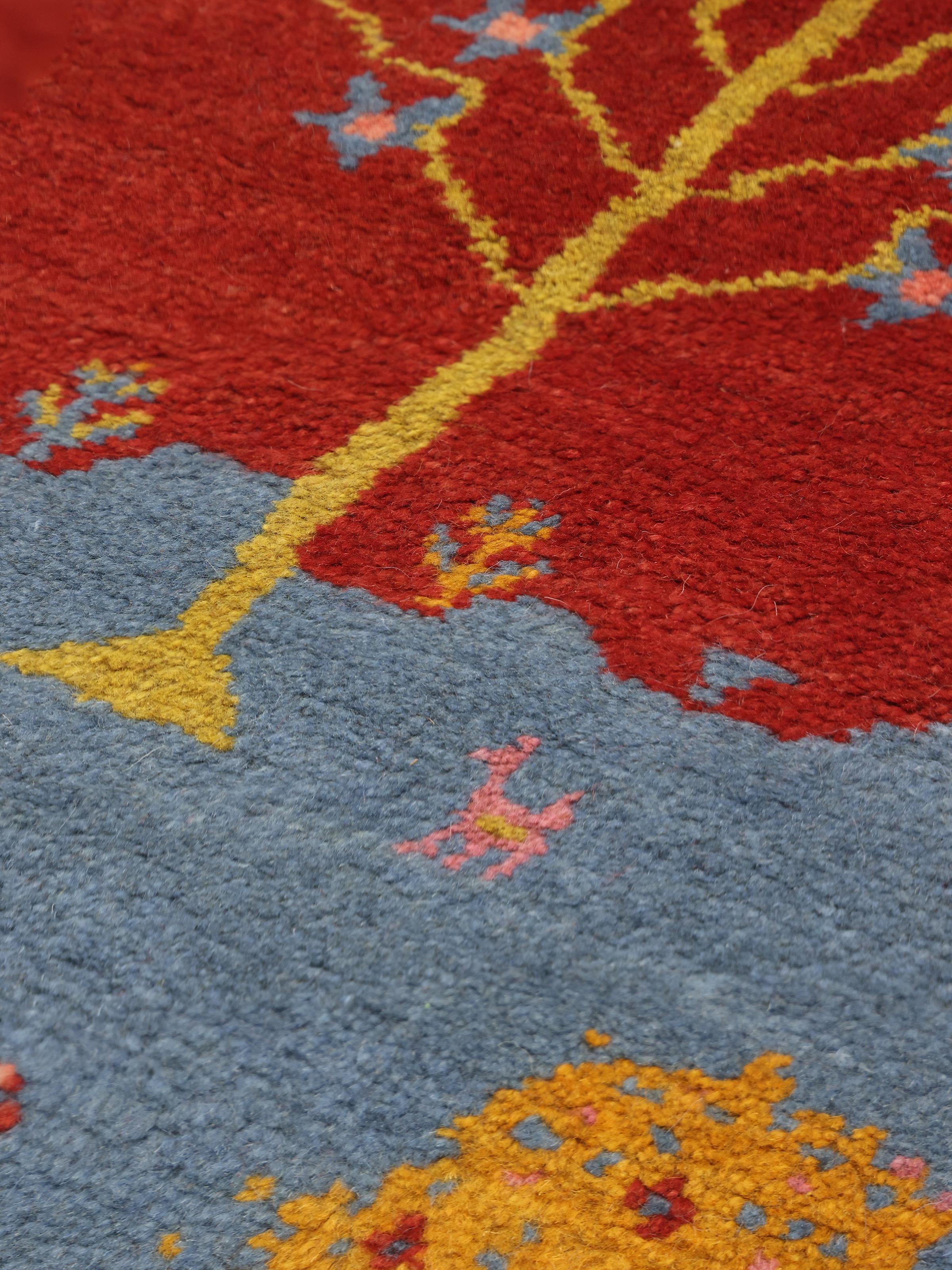
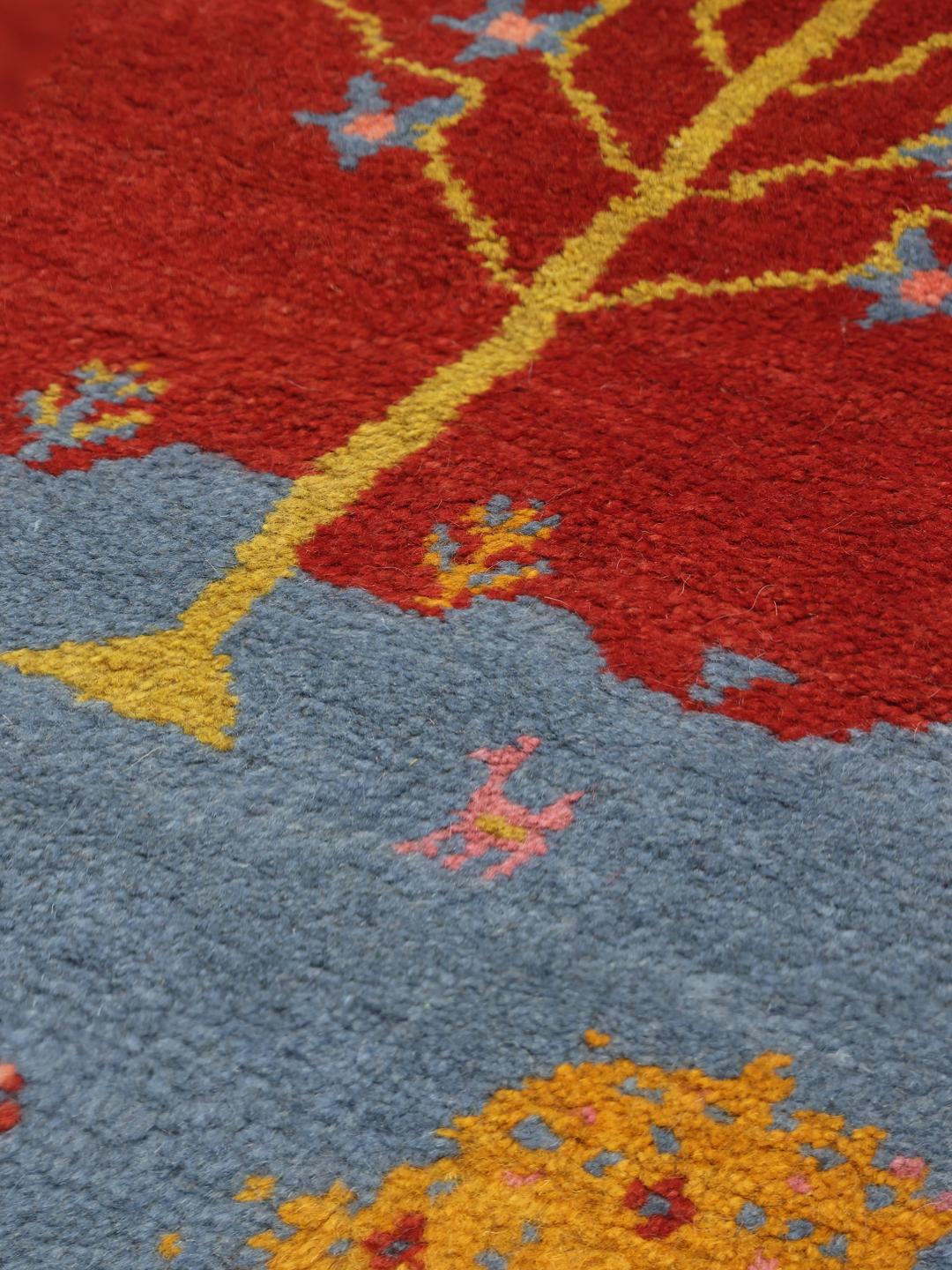
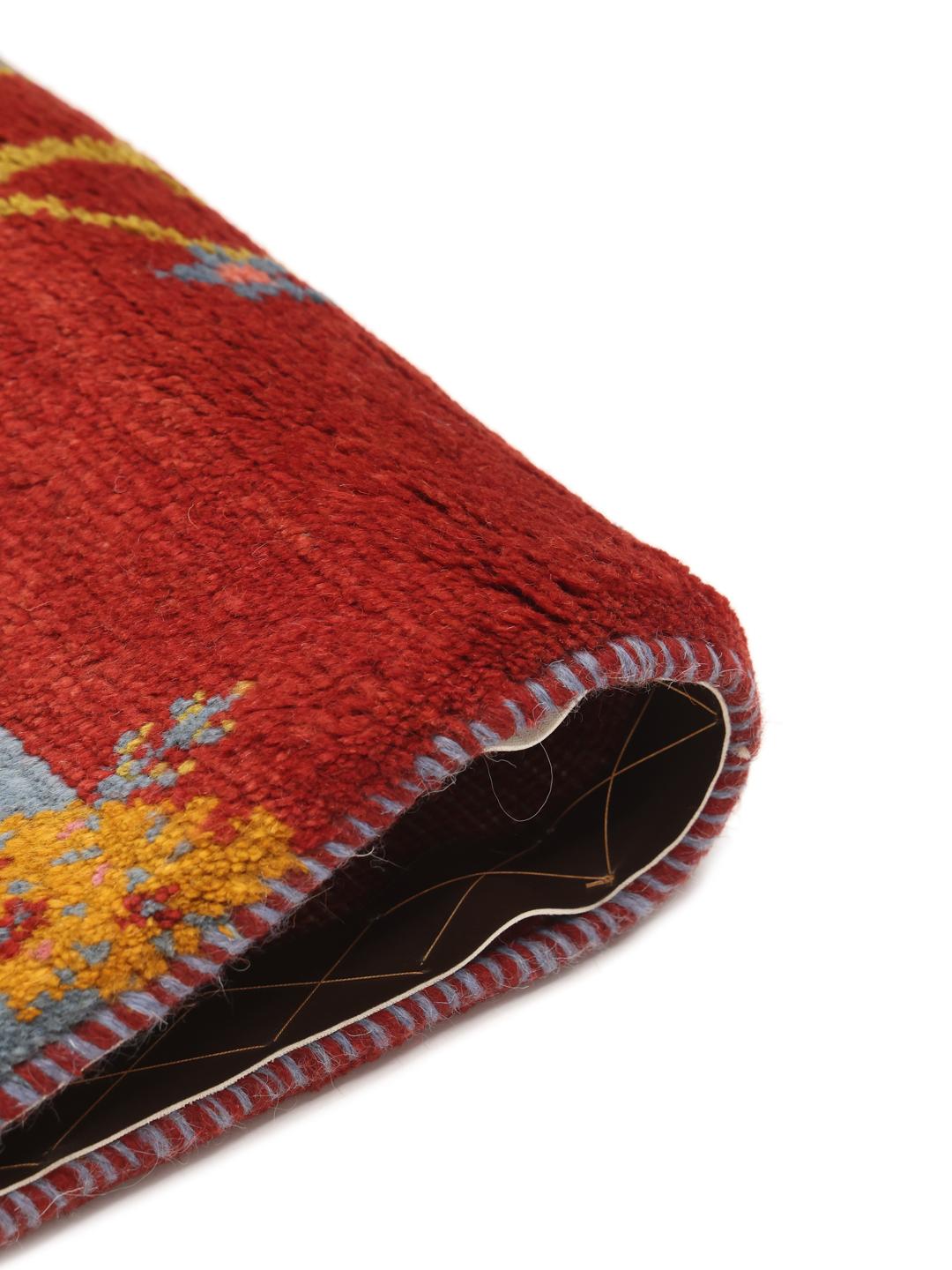
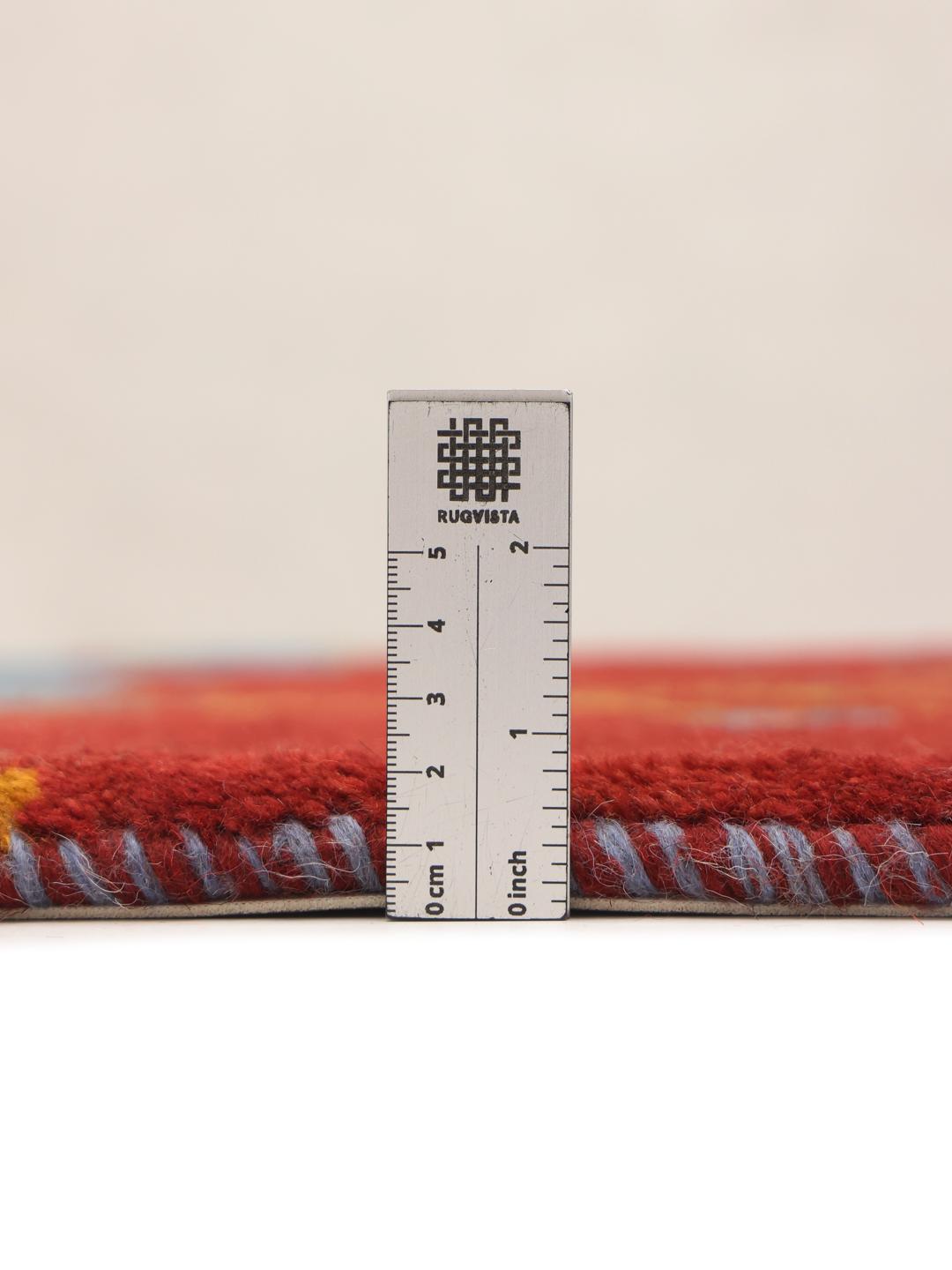
Unlike formal town rugs with tight geometric grids, traditional Gabbeh weaving relies on intuitive expression. Weavers work from memory rather than painted patterns, allowing individual interpretation to shape the outcome. The thick wool pile was historically left deep to provide insulation against harsh cold ground, a functional quality that remains central to their cozy appeal today.
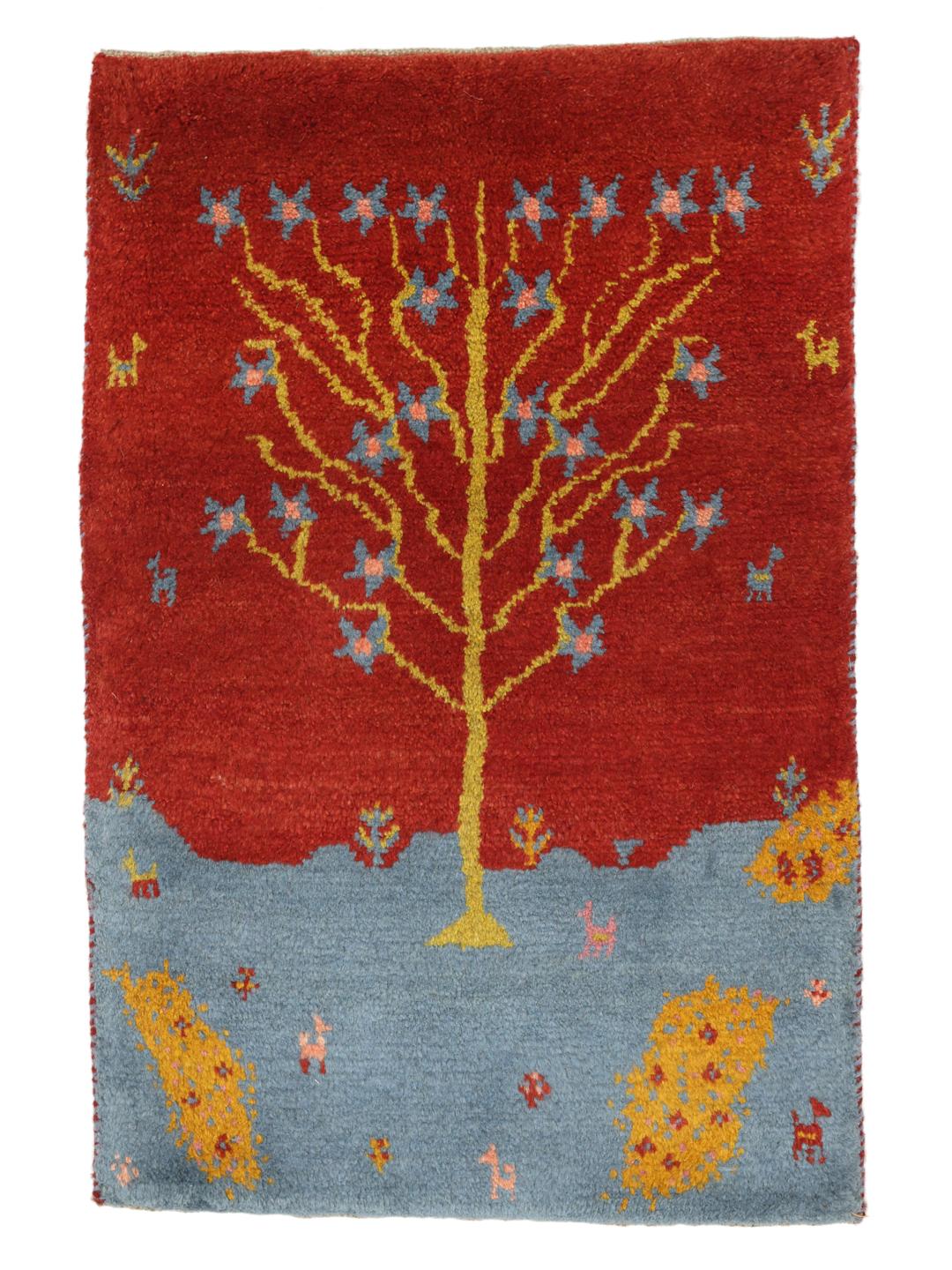
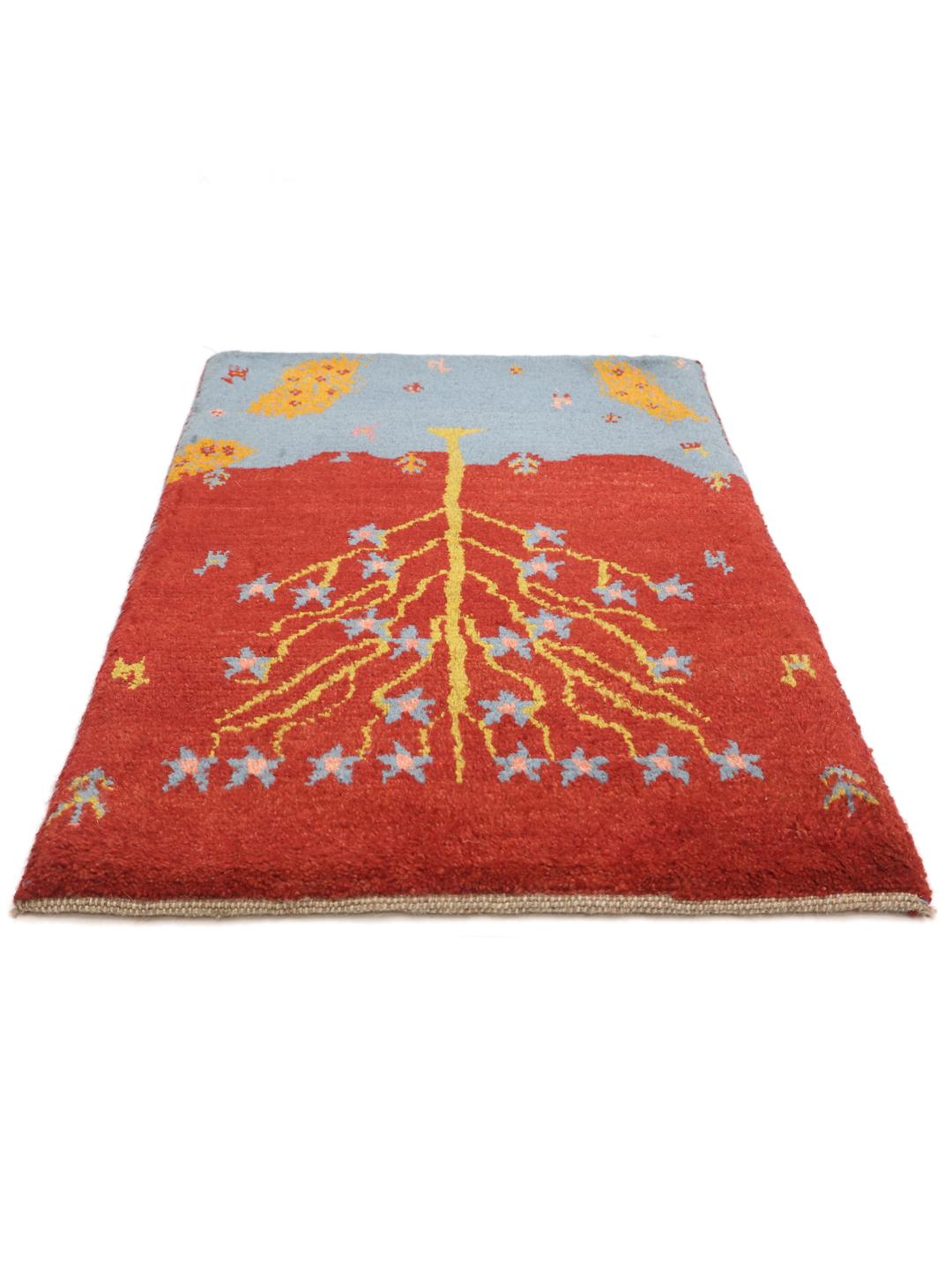
The visual language of Gabbeh rugs is defined by simple storytelling elements. Striking fields of color are often offset by floating tree-of-life motifs, small stylized animals, or simple human figures. The tree represents long life and growth, while animal figures often symbolize rural nomadic life, bringing a playful, narrative quality to the floor.
Today, vintage and traditional Gabbehs are valued by collectors and homeowners alike for their modern artistic feel and warmth. Their unpretentious design language bridges primitive tribal art and modern minimal spaces, making each rug a cherished connection to centuries of folk art.