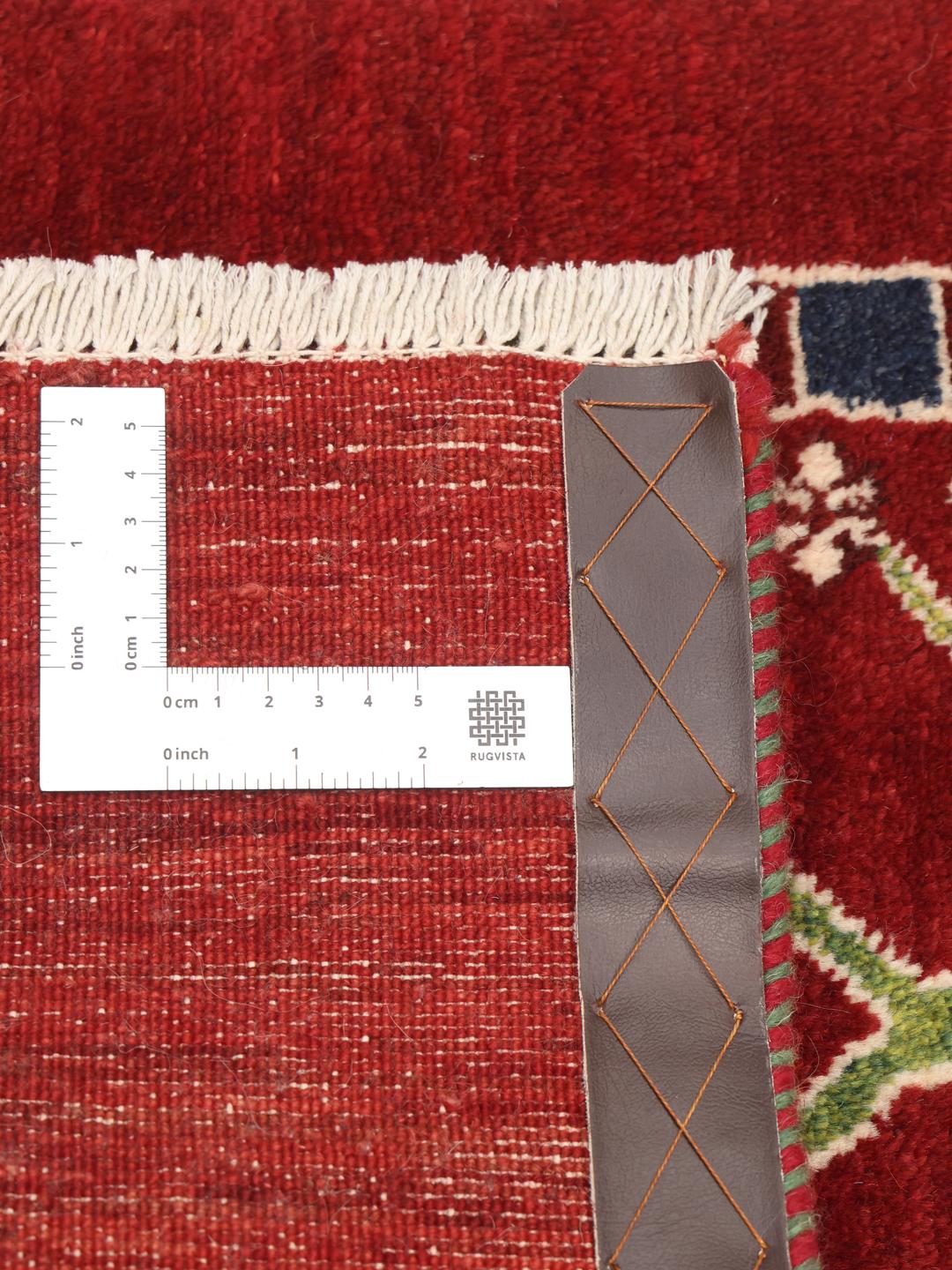
Gabbeh rugs originally developed among nomadic and semi-nomadic weavers in the Middle East. Named after a word translating roughly to raw or natural, these rugs were first created for practical domestic use within tribal tents rather than for commercial trade. Over time, regional weavers across Pakistan adopted and evolved the style, refining the weaving techniques while retaining the rustic charm and narrative quality of the original nomadic pieces.
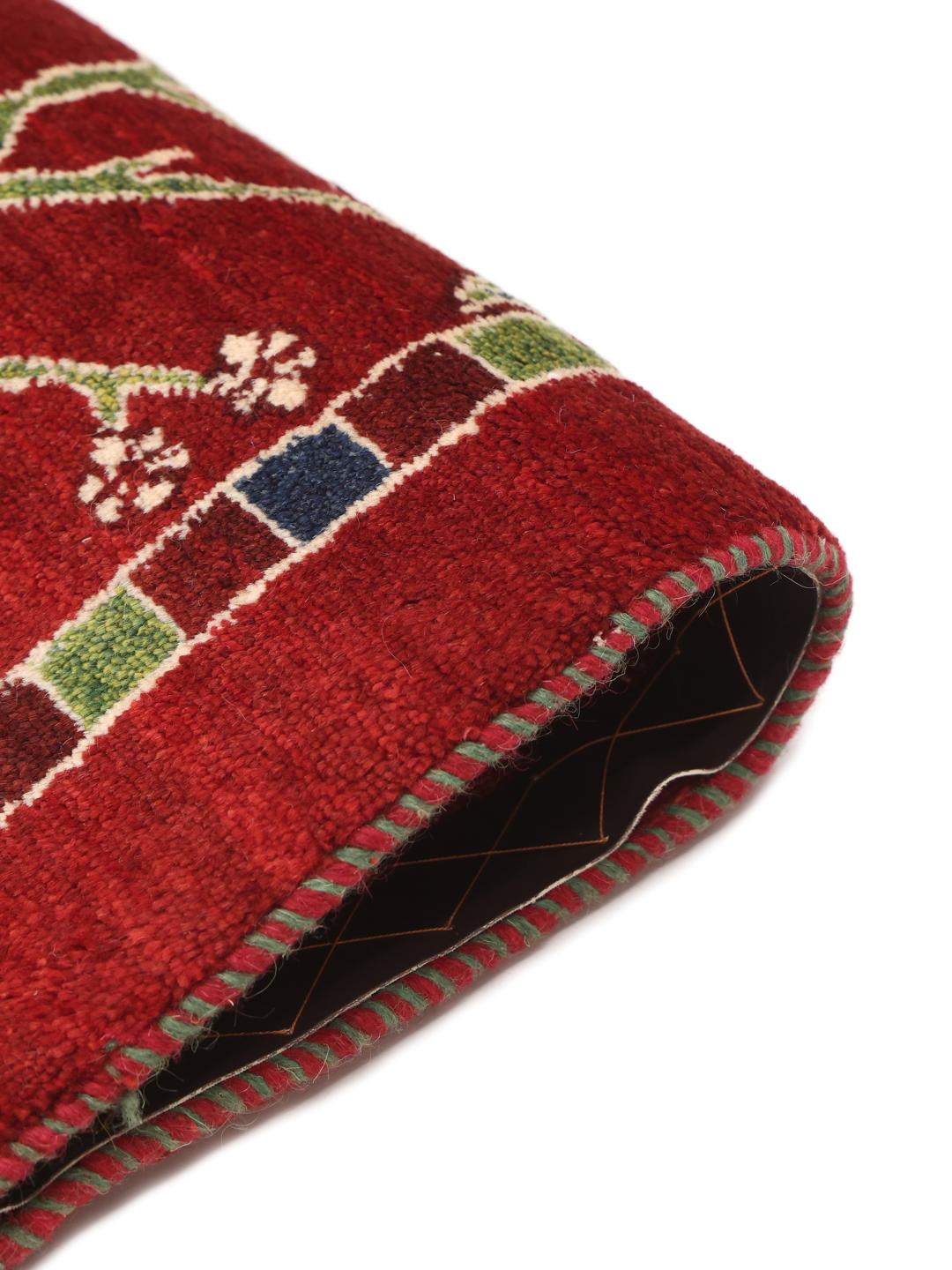
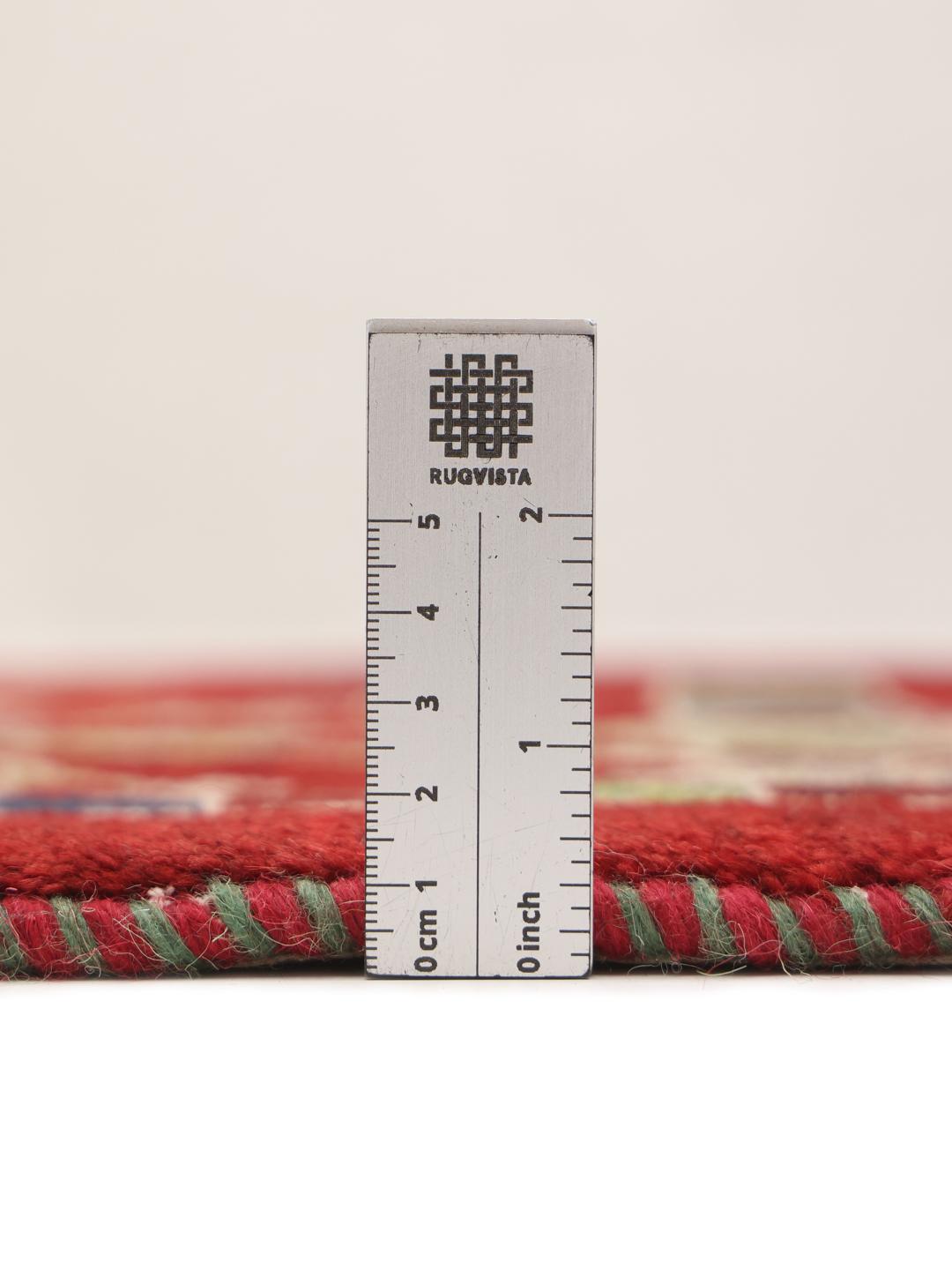
Traditionally, Gabbeh weaving is defined by a deep, comfortable pile and simple structure that highlights the texture of natural wool. Unlike formal city rugs that follow strict, symmetrical workshop patterns, Gabbeh rugs rely on freer artistic expression. The construction prioritises density, warmth, and resilience, making each piece robust enough for daily life while feeling soft underfoot.
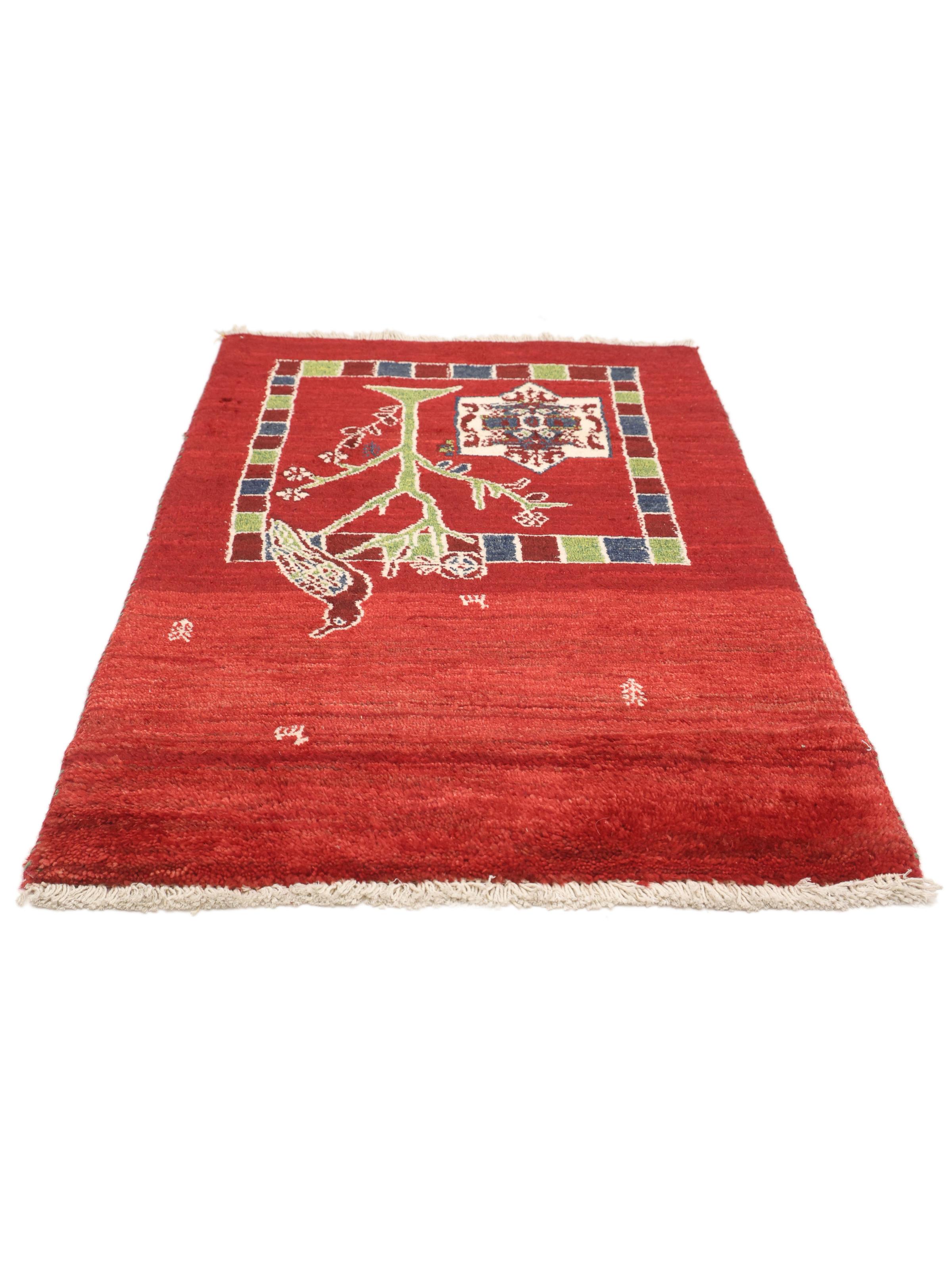
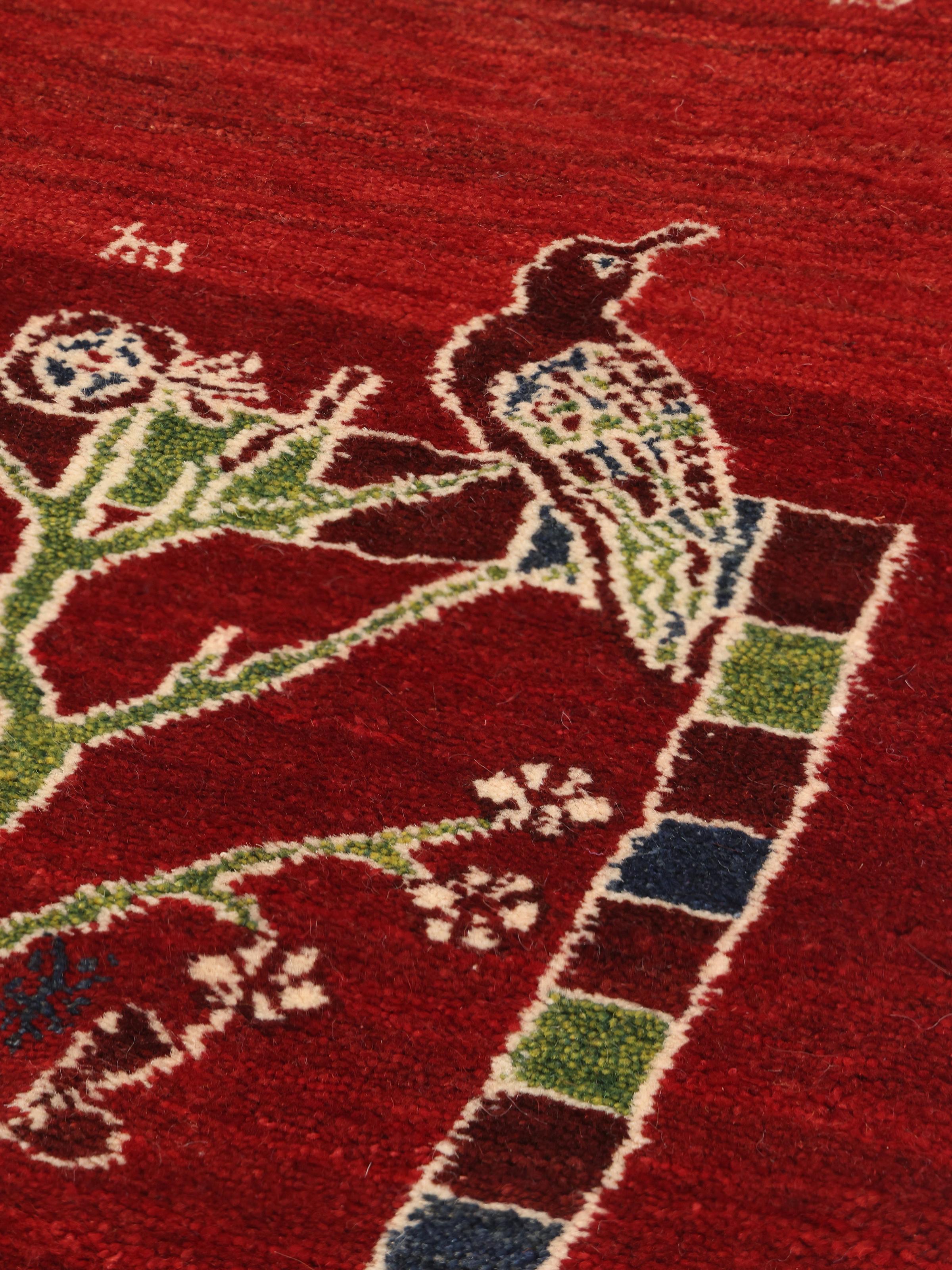
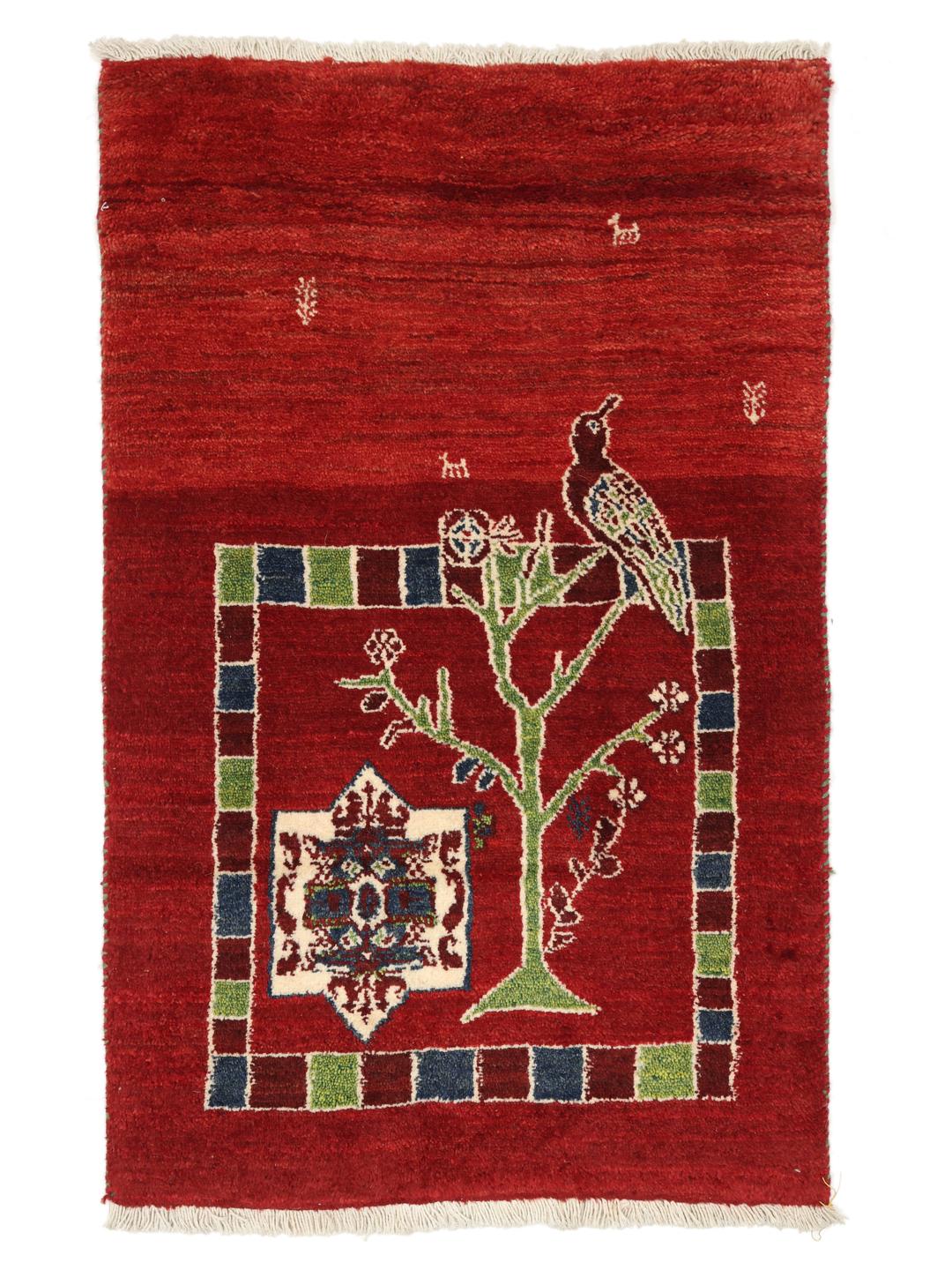
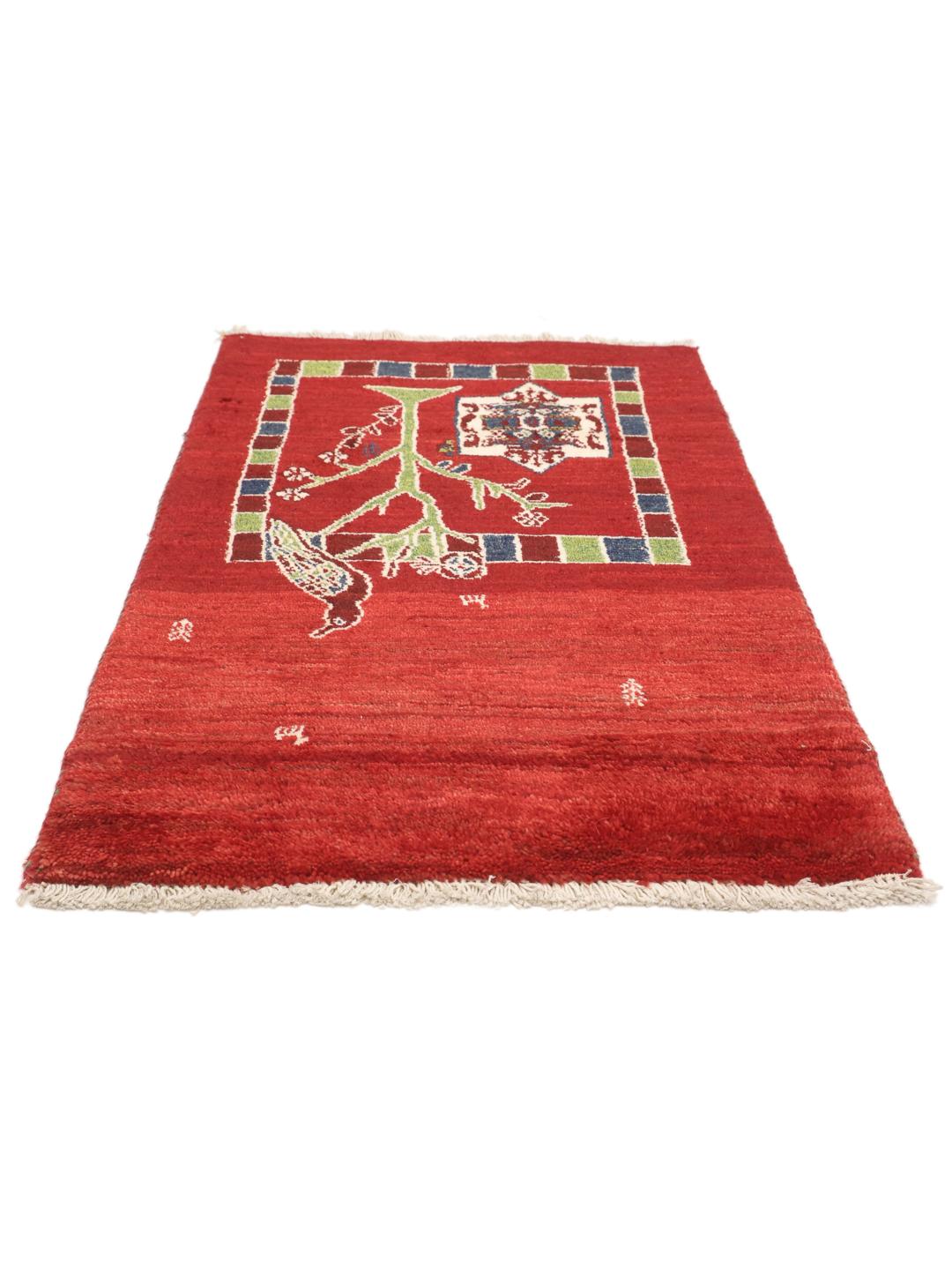
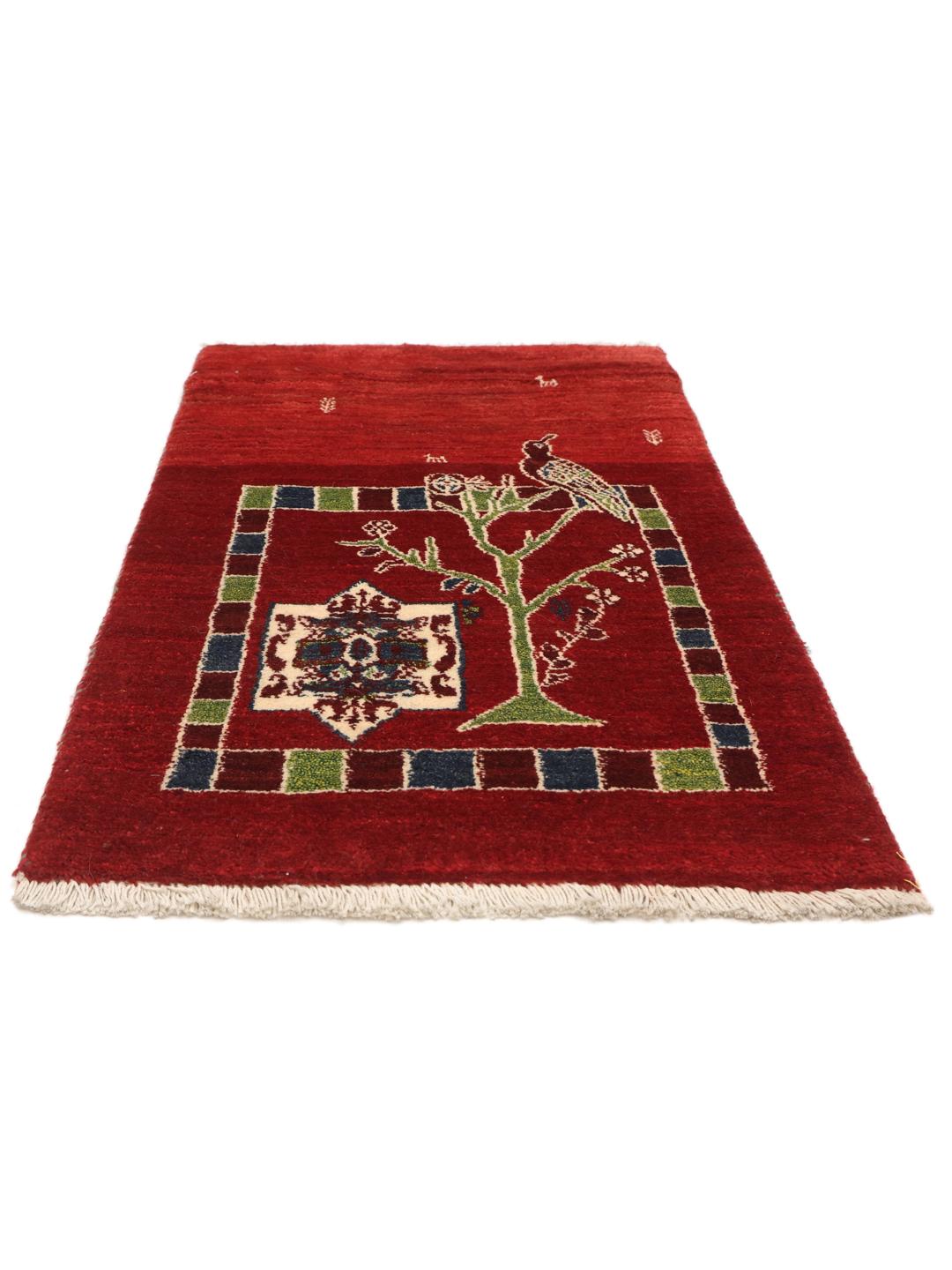
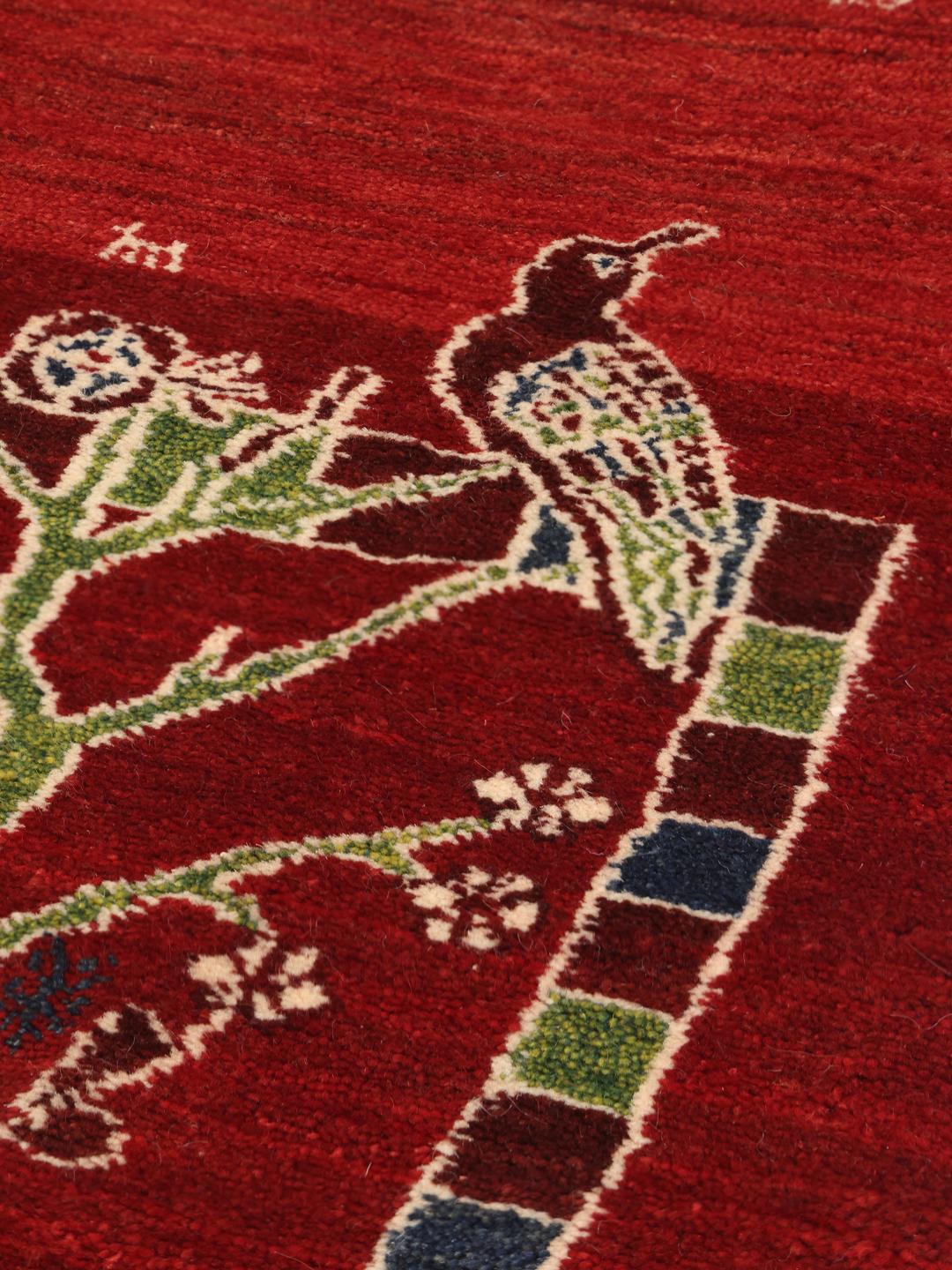
The visual language of a Gabbeh rug relies on folk storytelling and personal expressions of nature. Central elements frequently feature symbolic trees of life, birds, and simple animal figures, representing prosperity, nature, and family history. Geometric frames and checkered borders often enclose these pictorial motifs, grounding the playful central scenes with structured contrast.
Today, traditional Gabbeh rugs are valued globally by collectors and interior enthusiasts alike for their expressive, individual art form. Owning a hand-woven Gabbeh means bringing a piece of genuine cultural expression into the home, connecting daily modern life with centuries of weaving heritage.