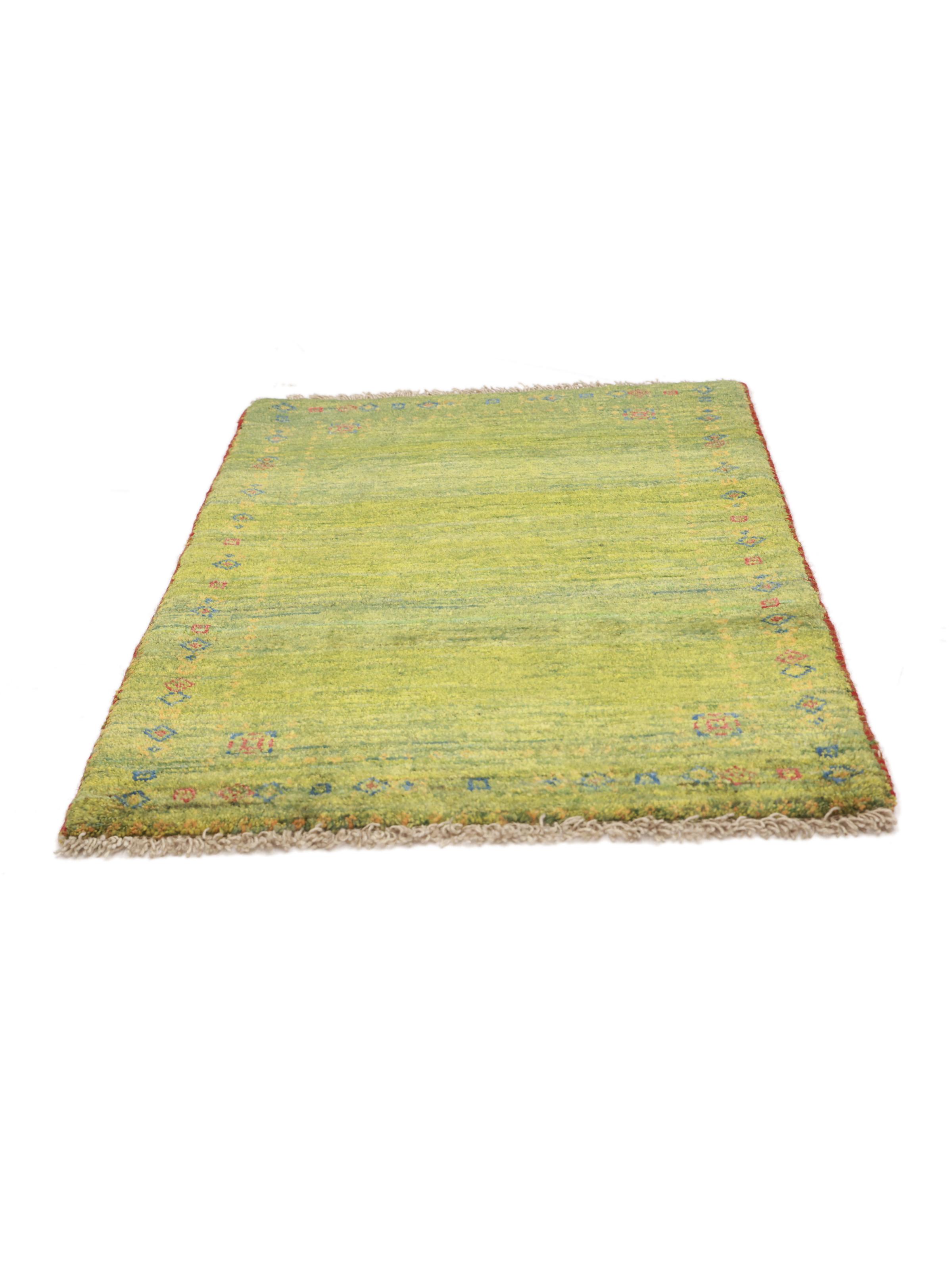
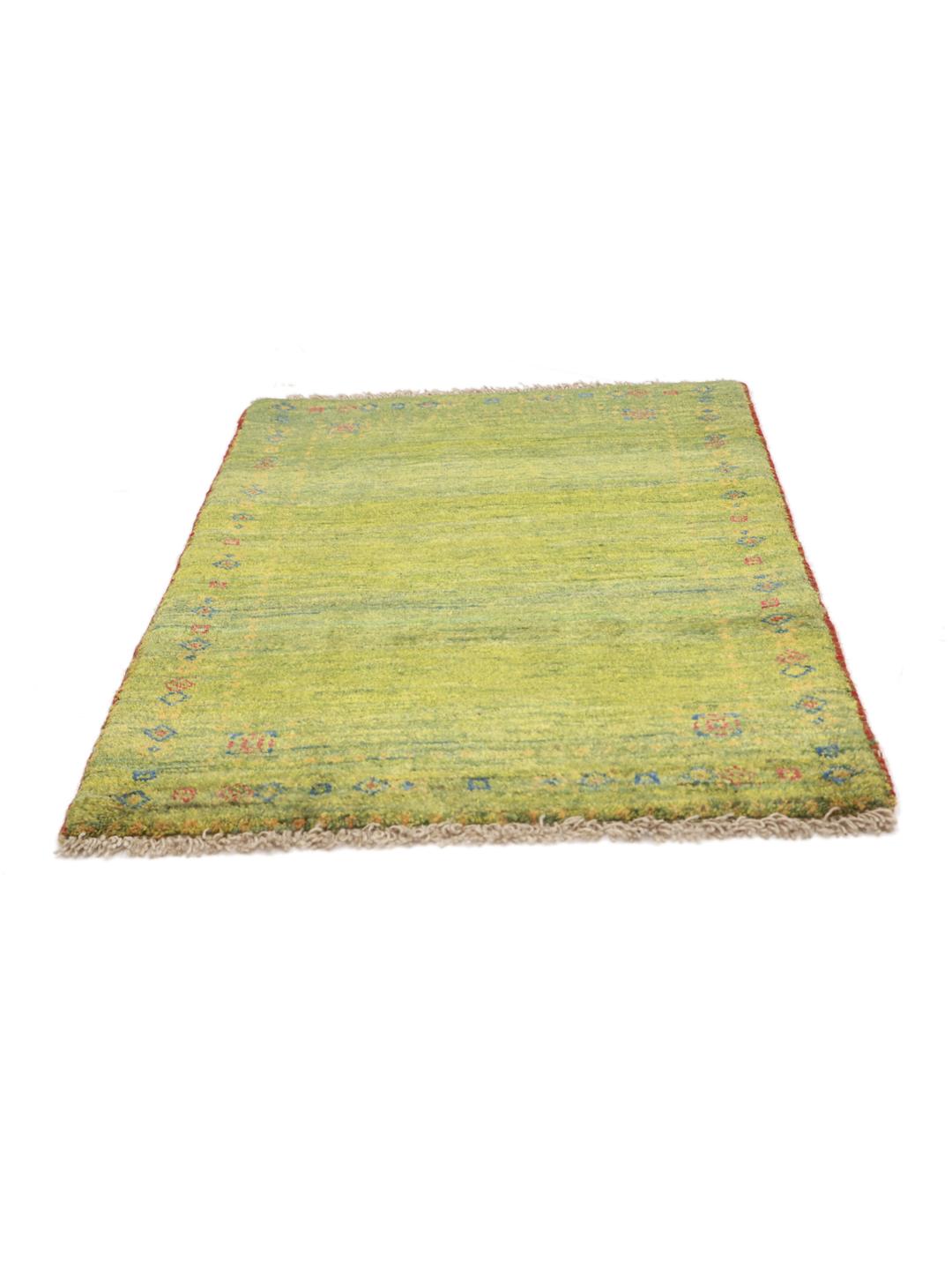
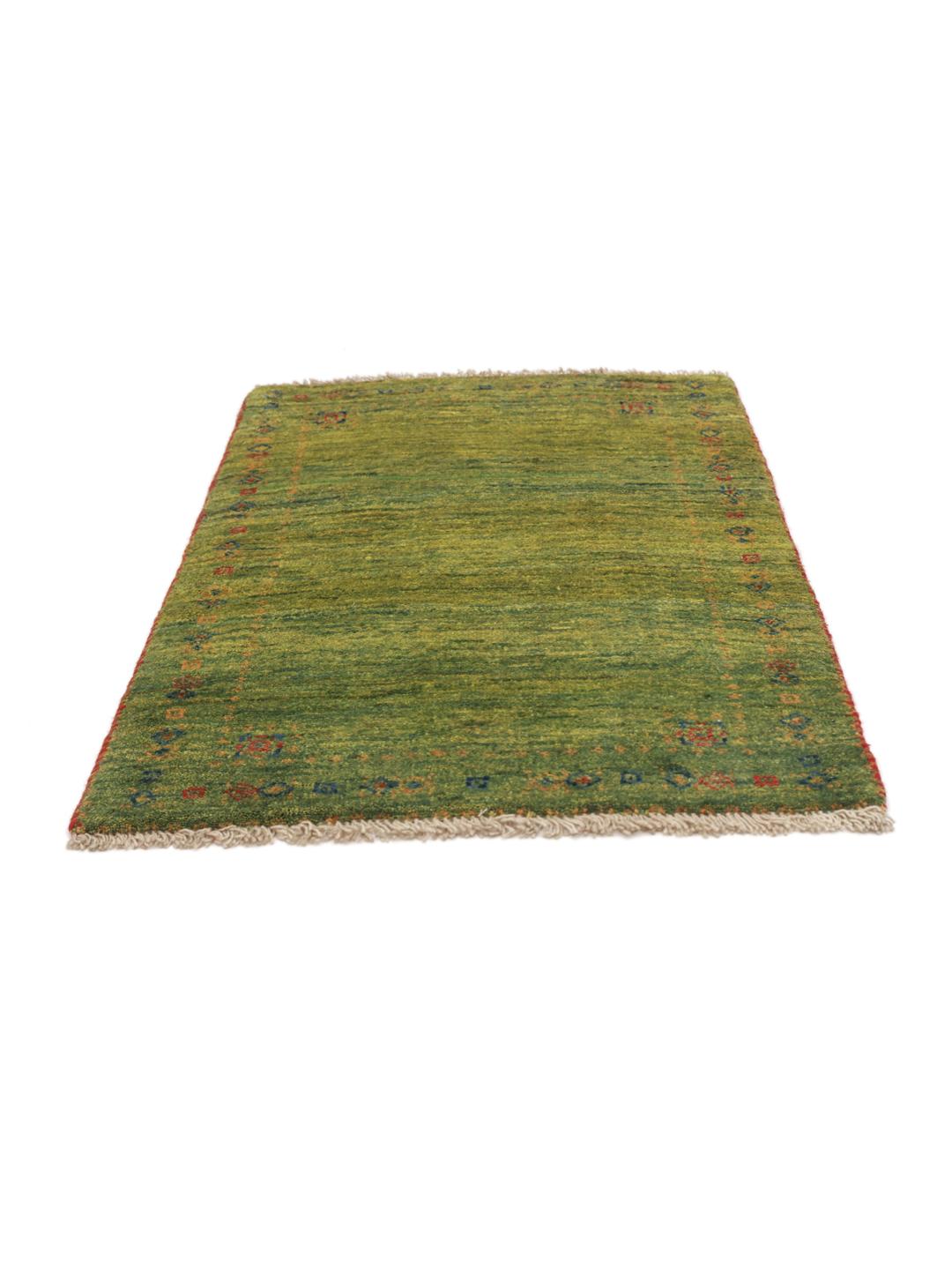
Gabbeh rugs originate from the nomadic weaving traditions of the Middle East, where tribal weavers created thick, plush rugs primarily for practical home use rather than commercial trade. Traditionally woven by women for their own families, these rugs were valued for their insulation against cold ground and their raw, expressive beauty.
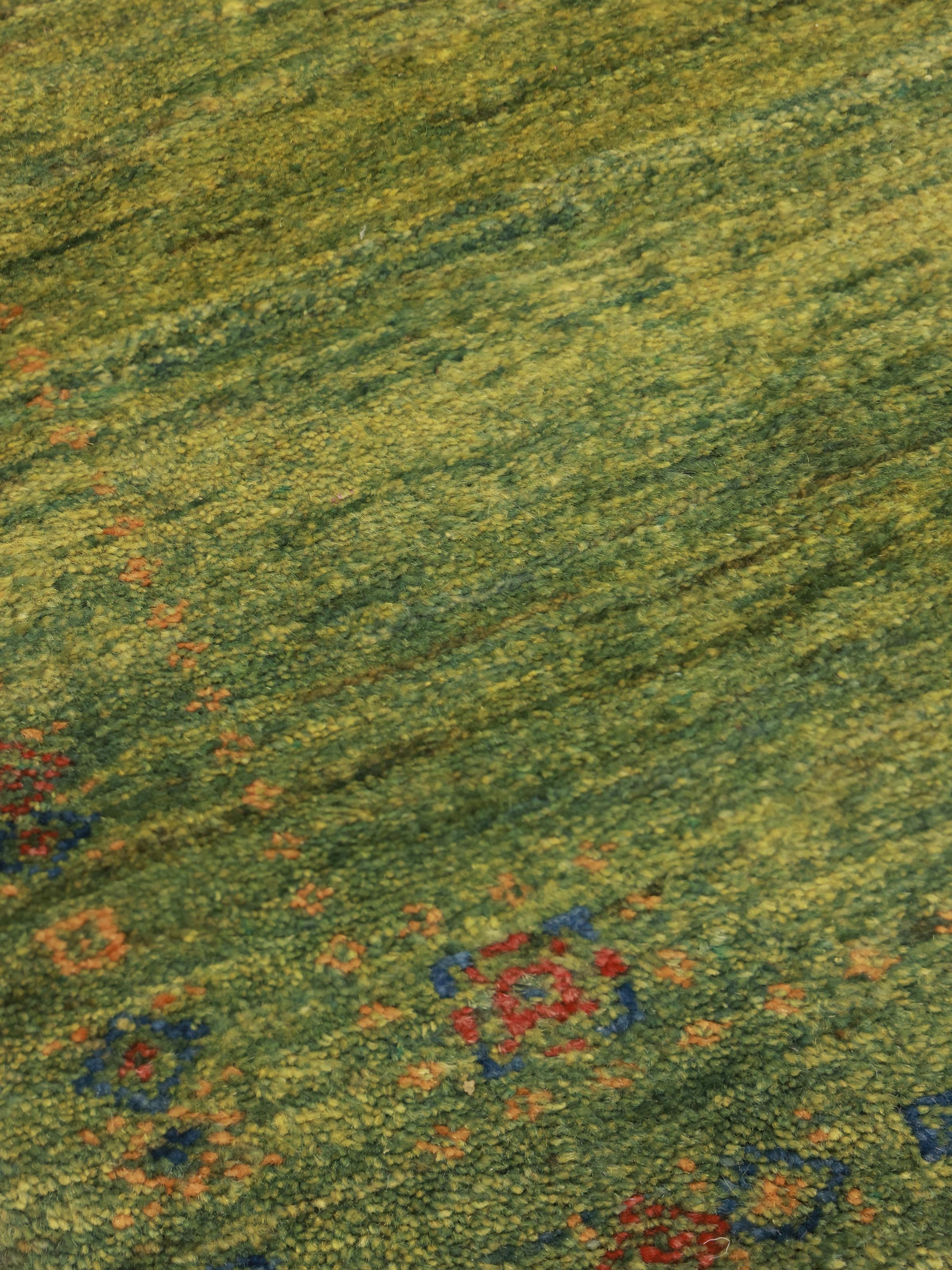
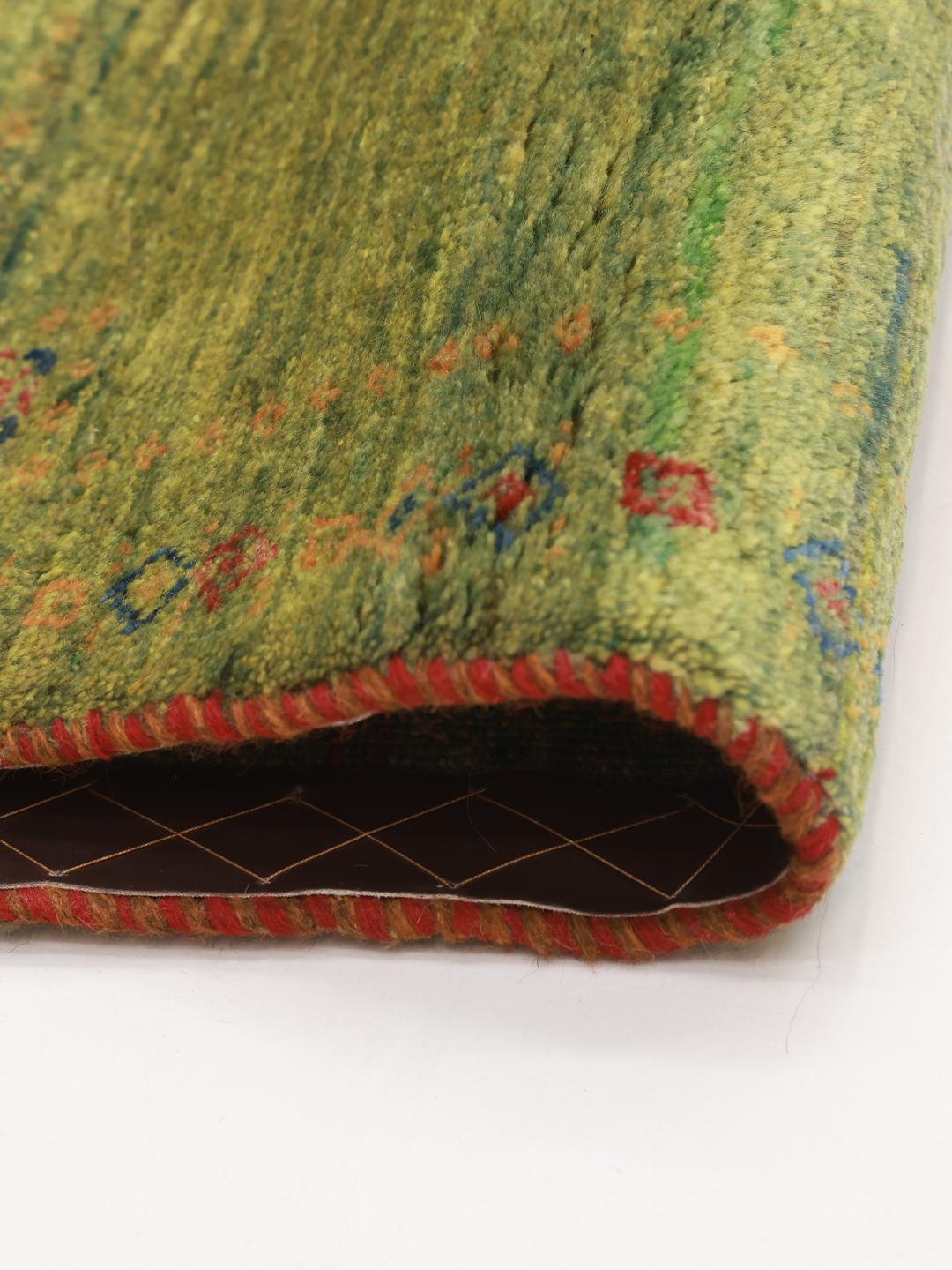
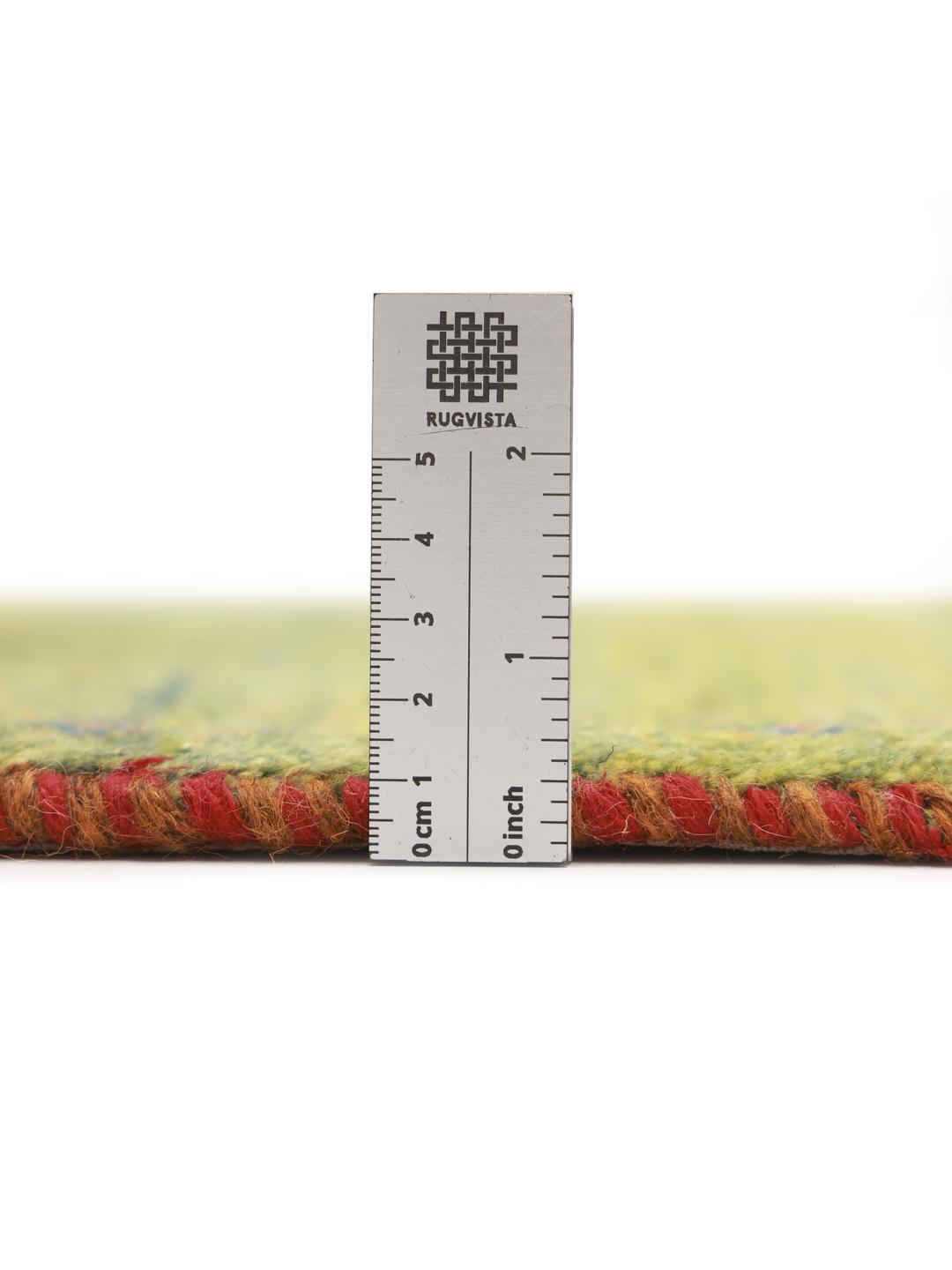
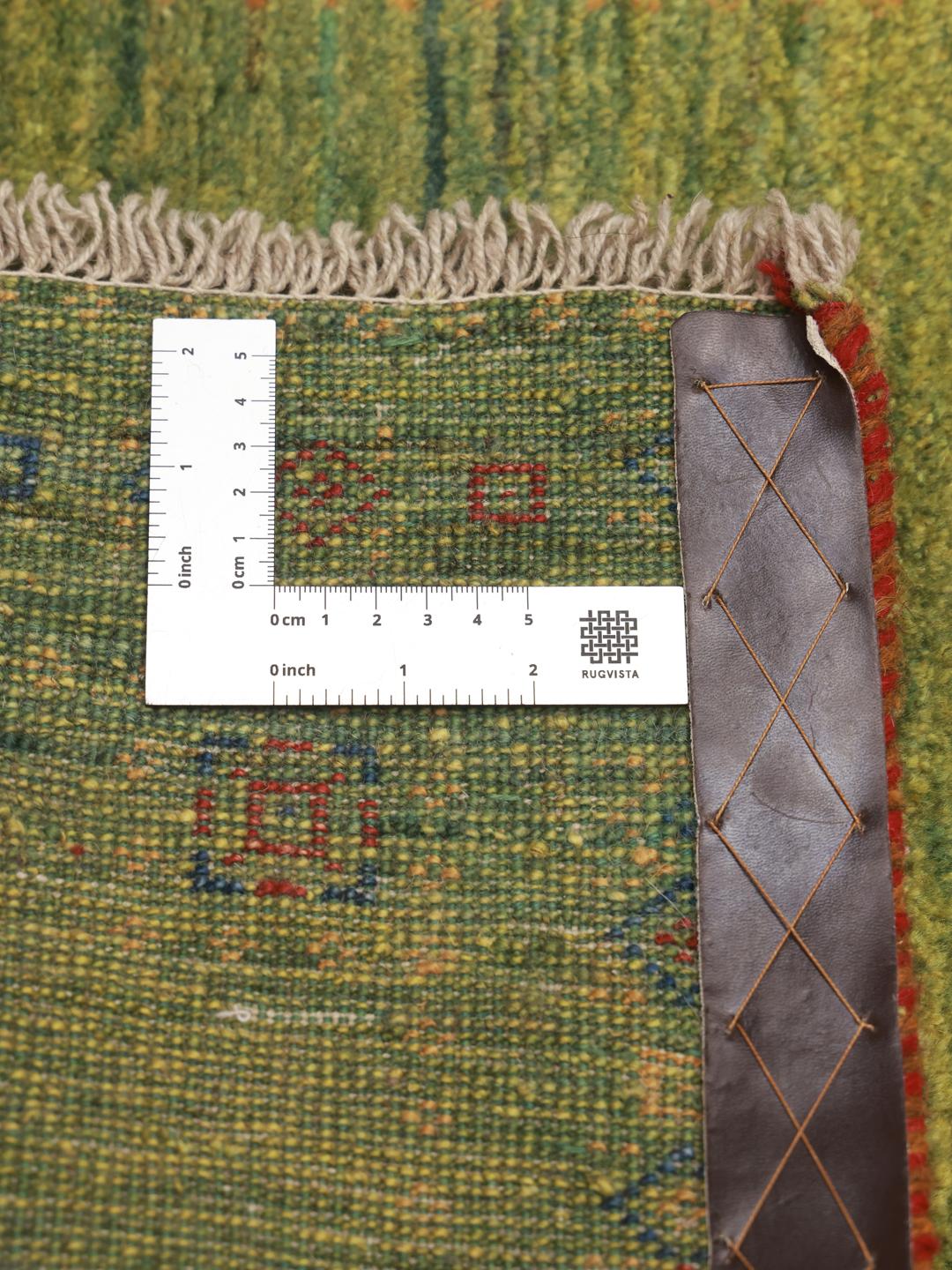
The term Gabbeh translates roughly to raw or natural, reflecting the simple, unpretentious character of the weaving style. Unlike highly formal workshop rugs, traditional Gabbehs feature thicker piles, lower knot densities, and spontaneous design choices that showcase the personality of the individual weaver.
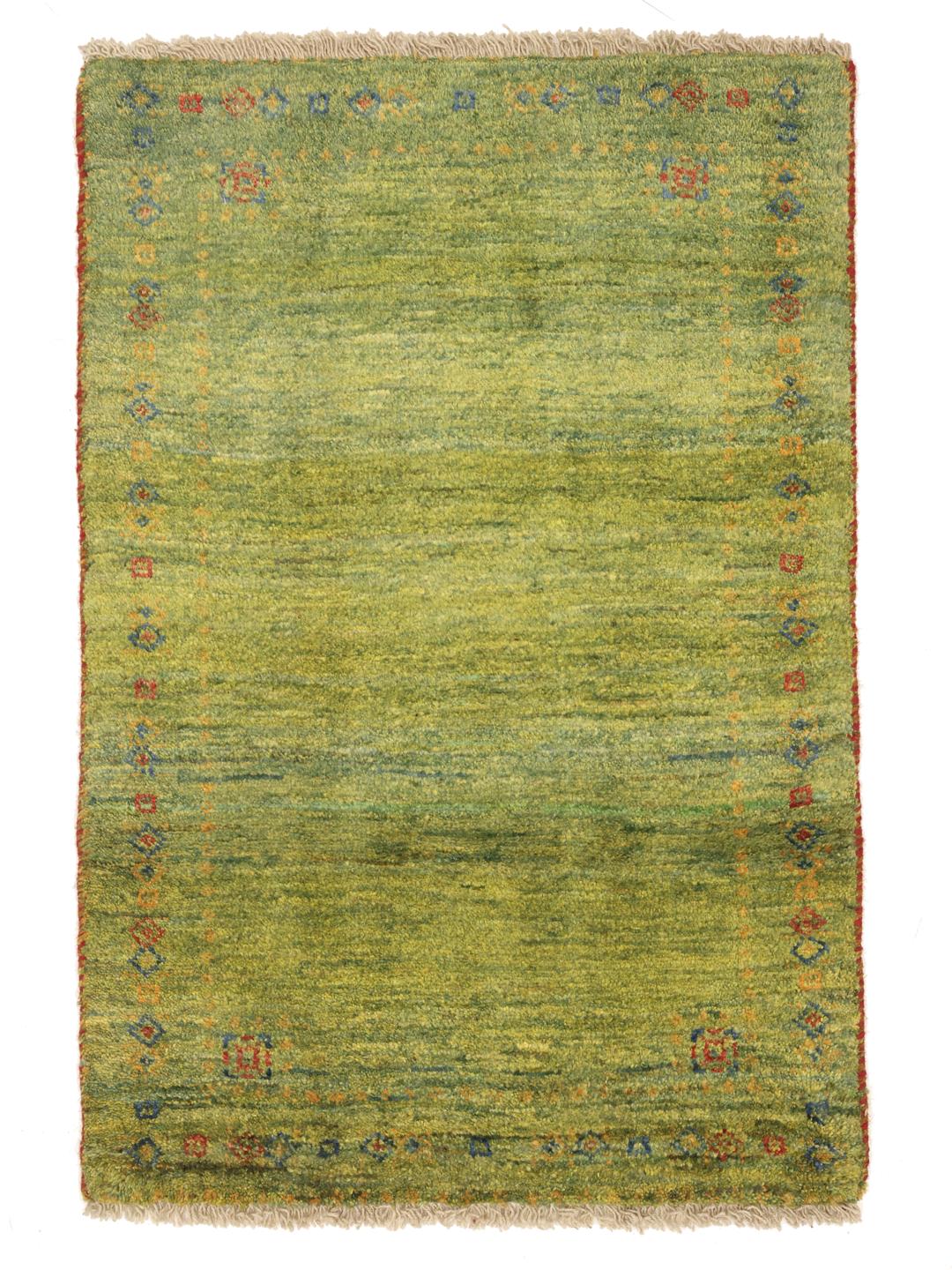
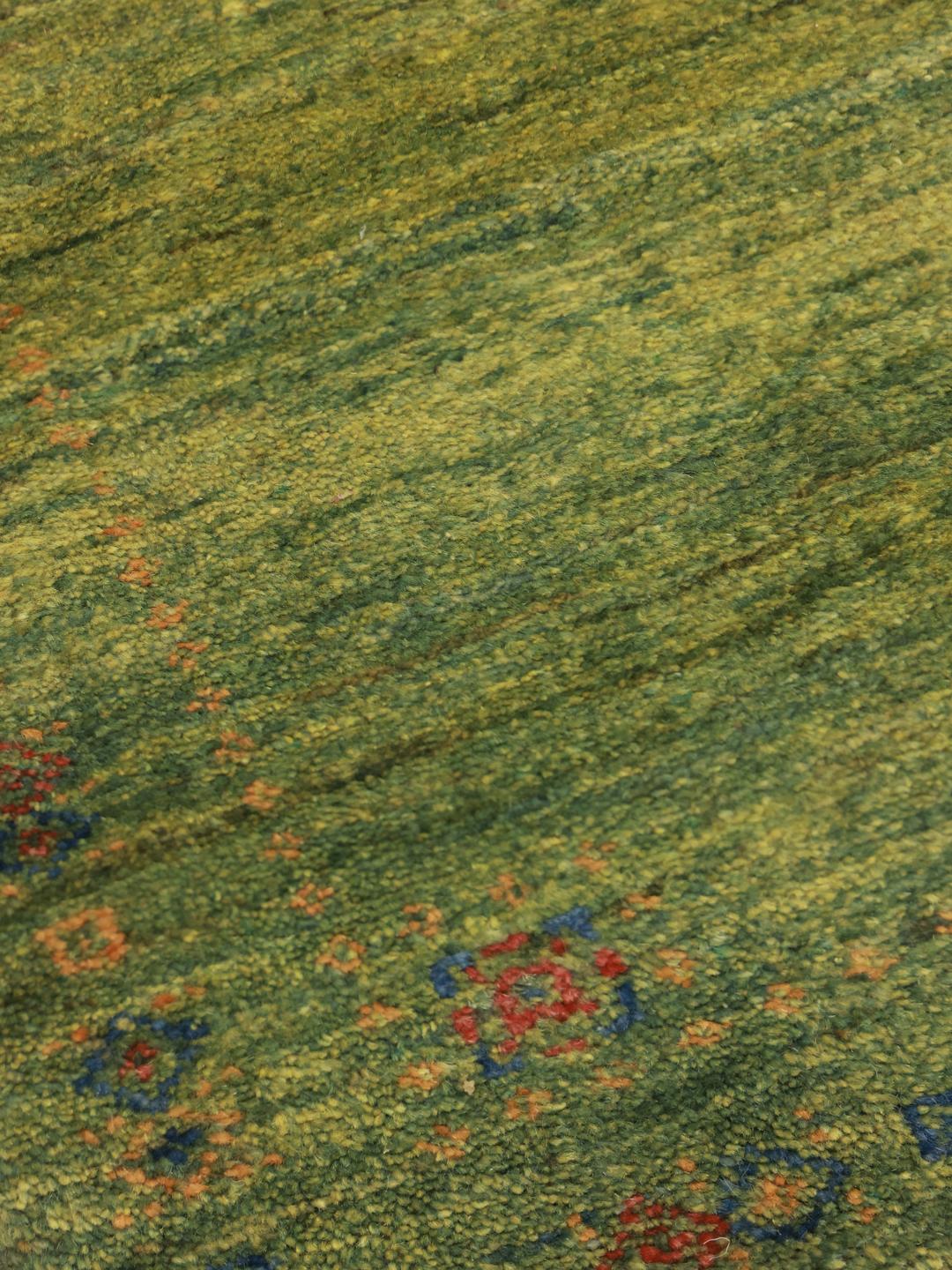
Visually, Gabbehs are celebrated for their open fields of color and minimalist iconography. Small geometric shapes, stylized animal figures, or simple trees often float across vibrant, hand-dyed backgrounds, creating abstract compositions that feel remarkably modern despite their ancient roots.
Today, traditional Gabbehs are cherished by collectors and homeowners alike for their authenticity and artistic freedom. Owning a hand-knotted Gabbeh means bringing a genuine piece of tribal weaving heritage into the modern home.