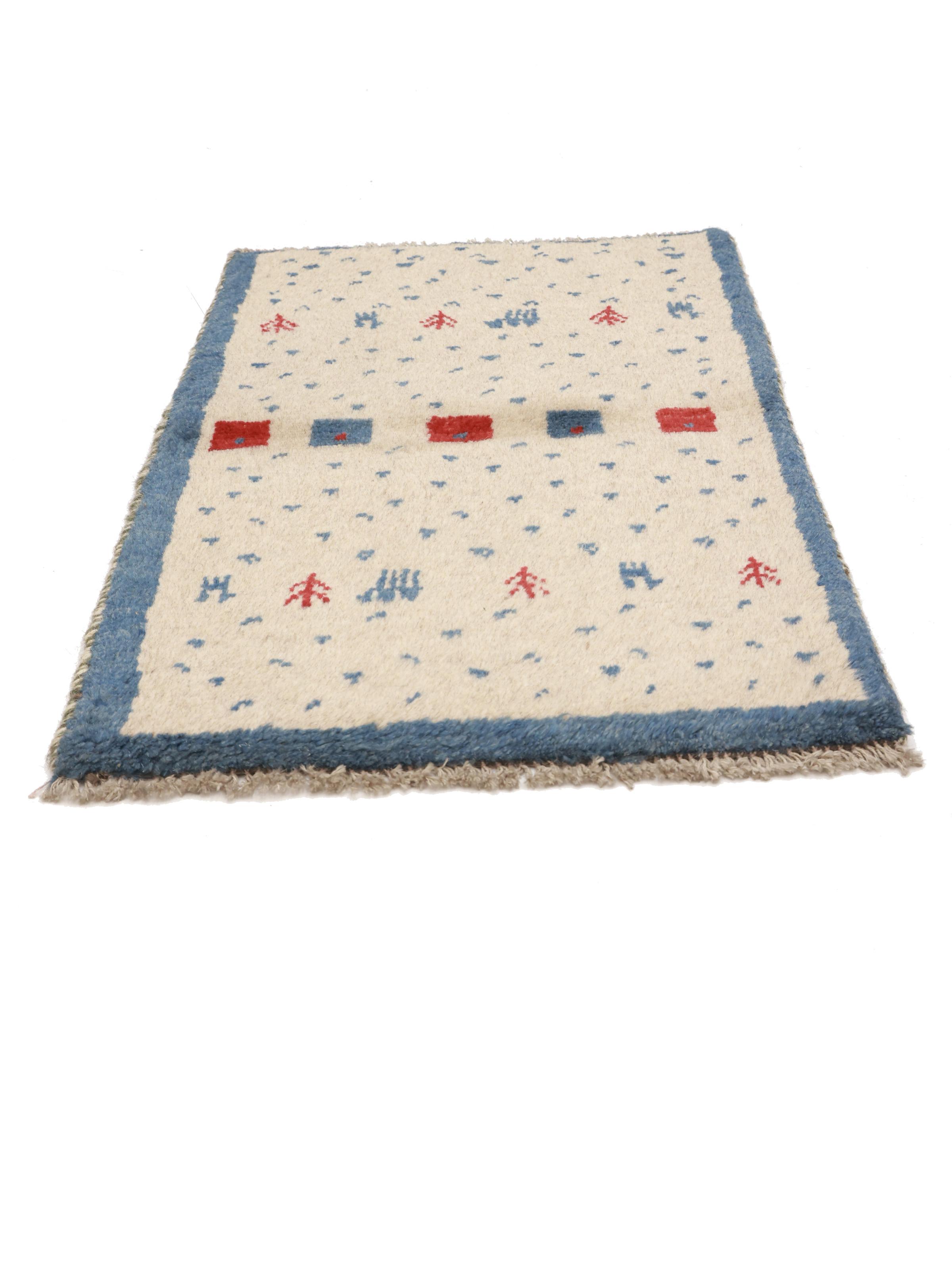
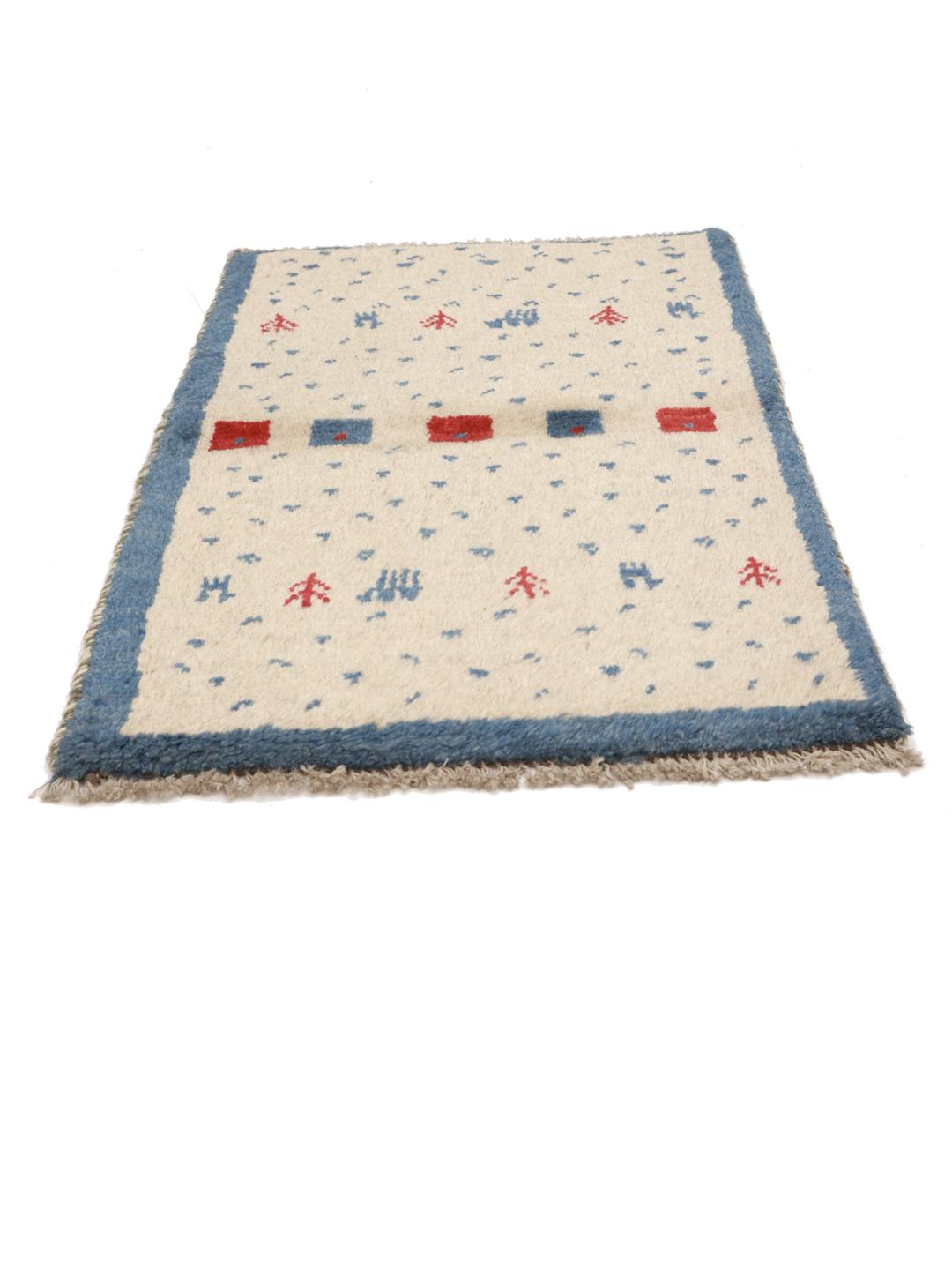
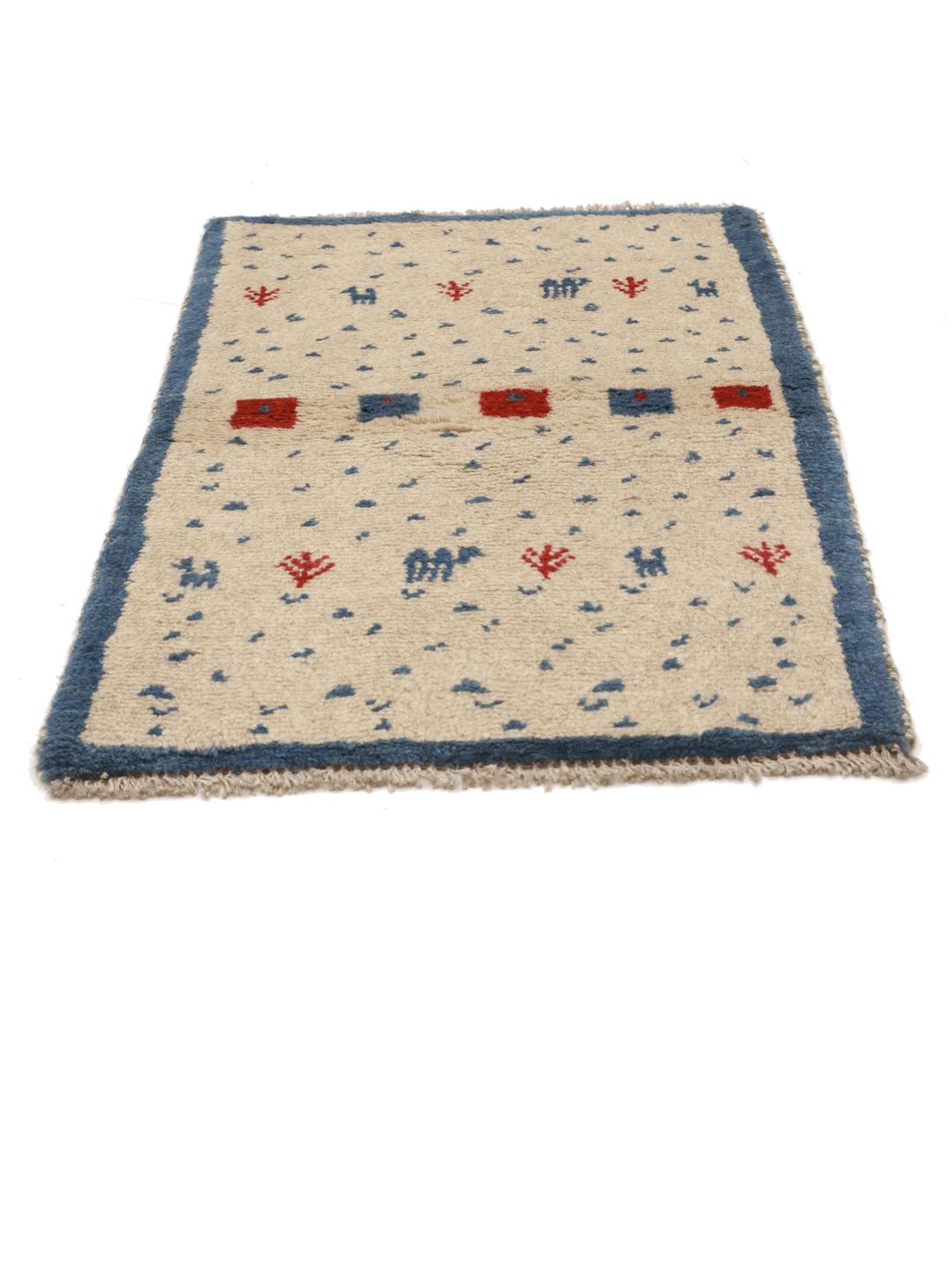
The Gabbeh rug tradition originates from the nomadic tribes of the Middle East, where weavers created these pieces primarily for their own domestic use. Unlike more formal, city-made rugs, these were designed to be thick, warm, and highly functional, serving as essential bedding and floor coverings for life in harsh, changing climates.
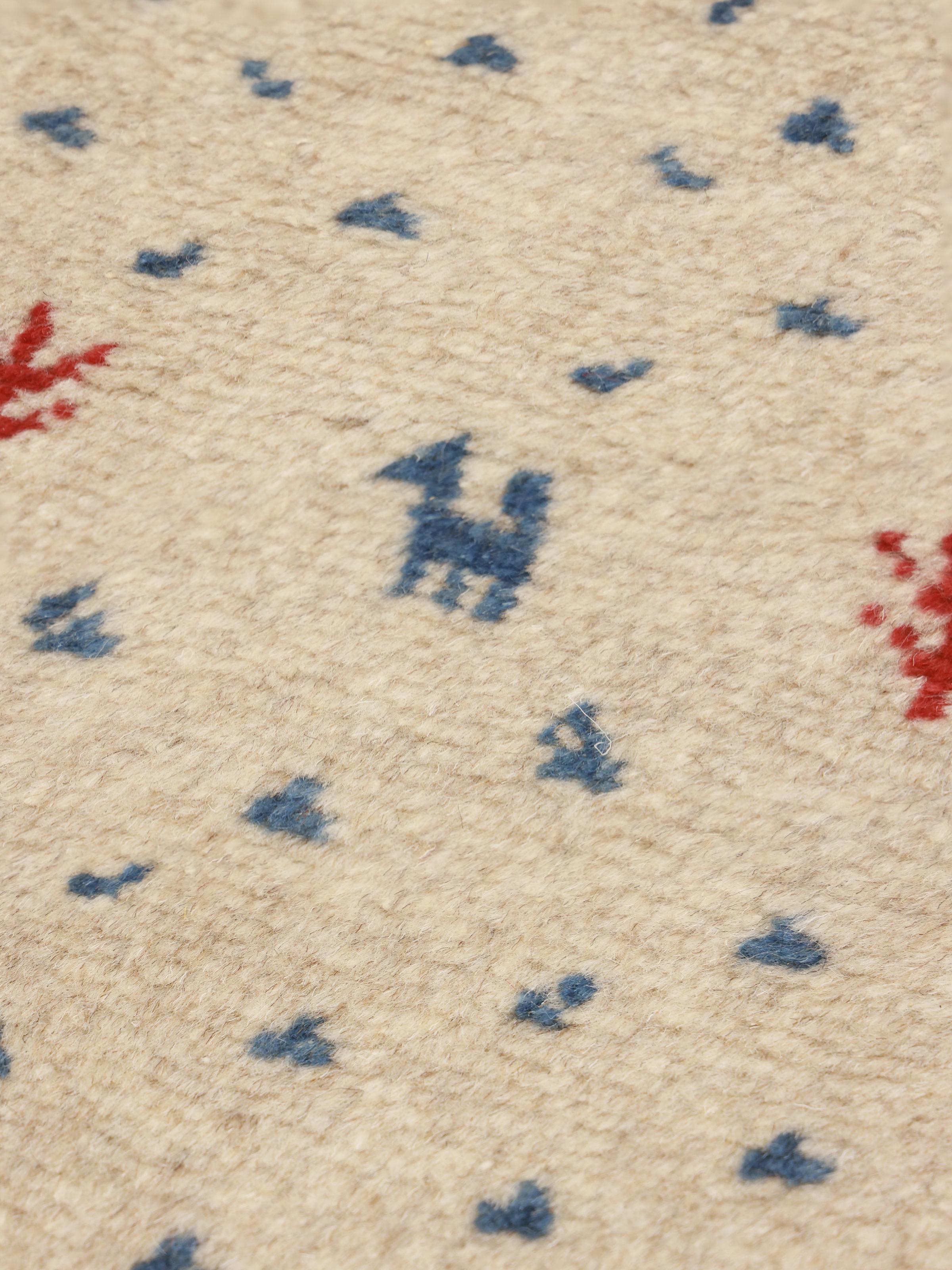
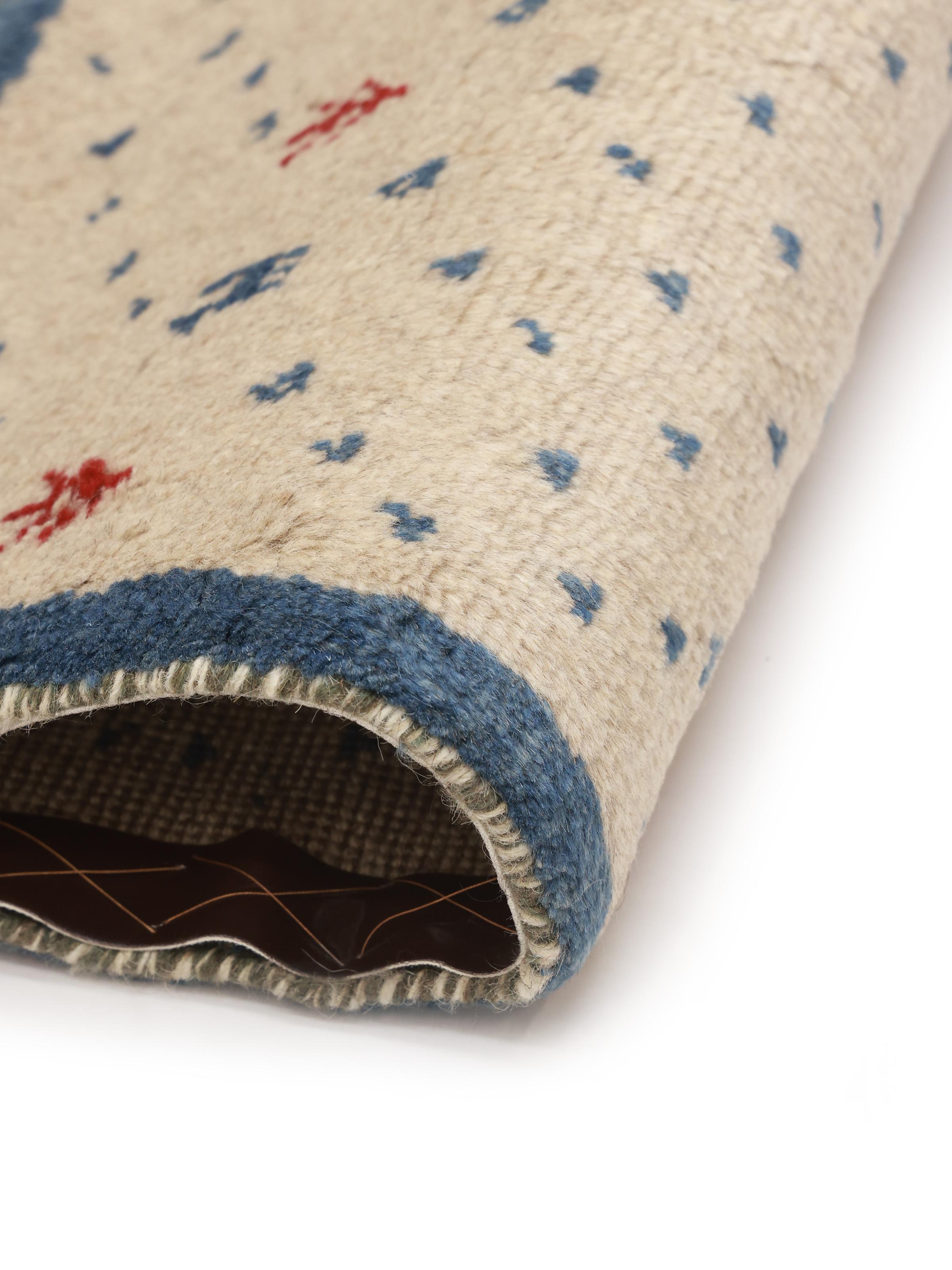
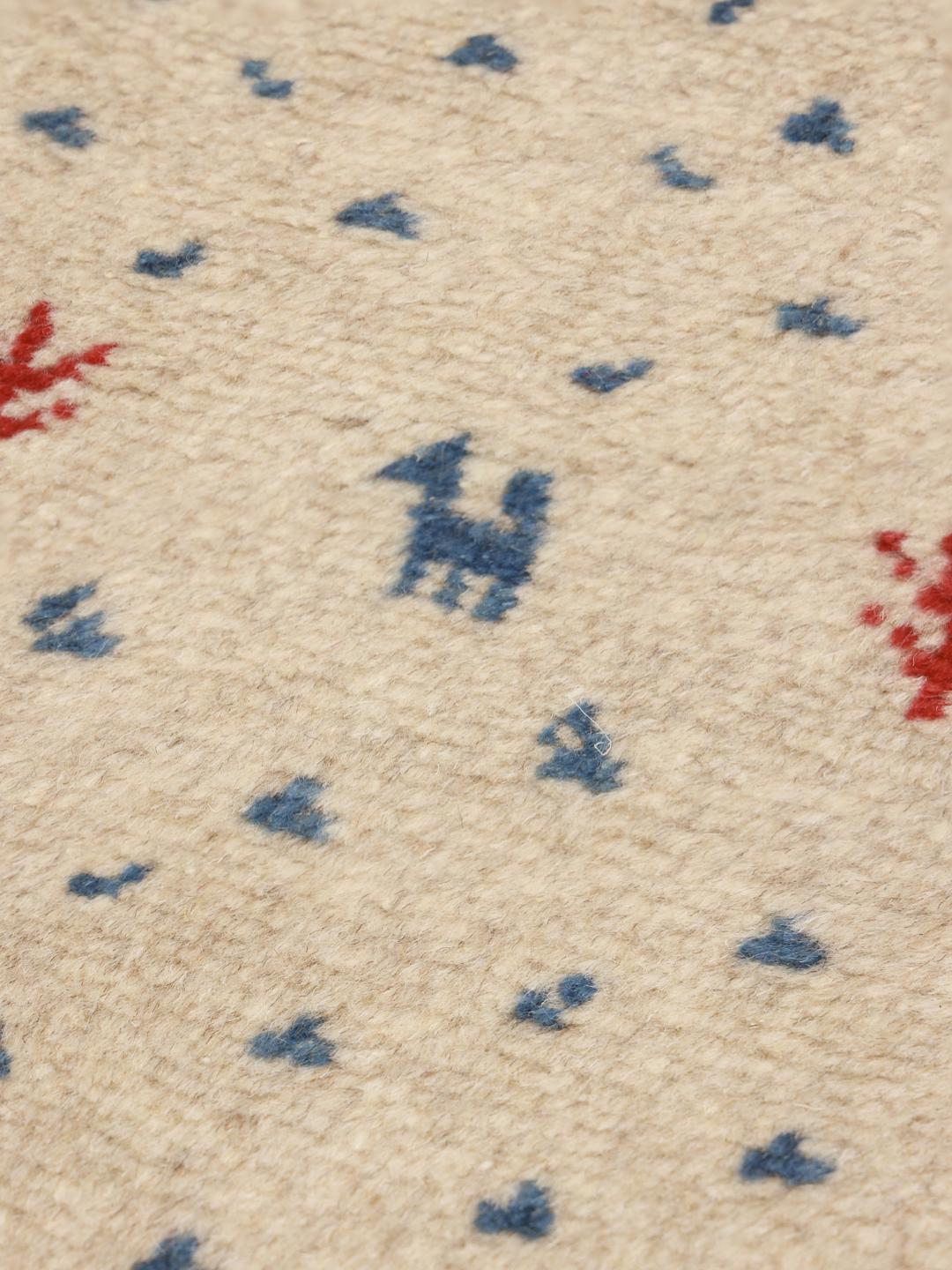
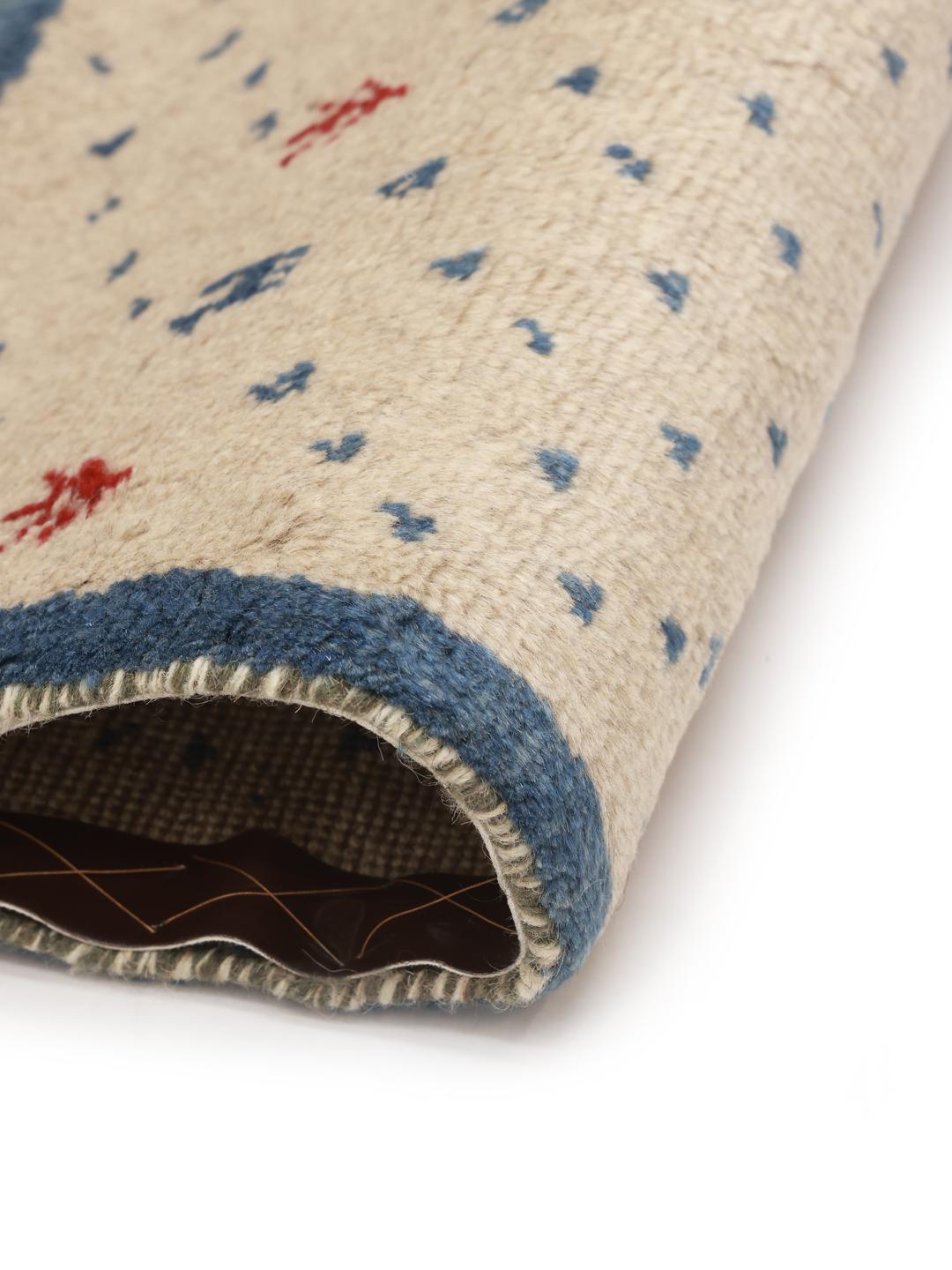
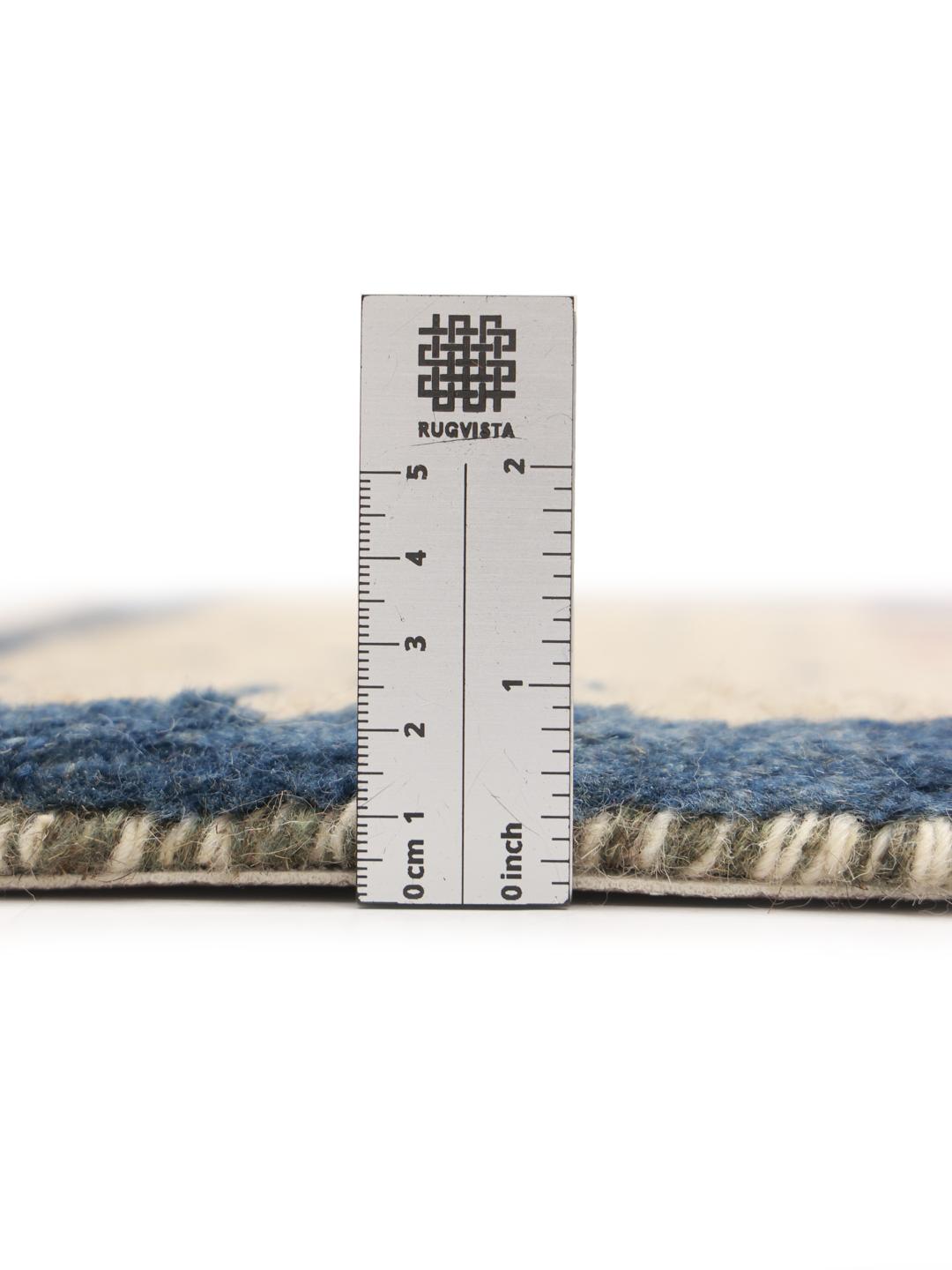
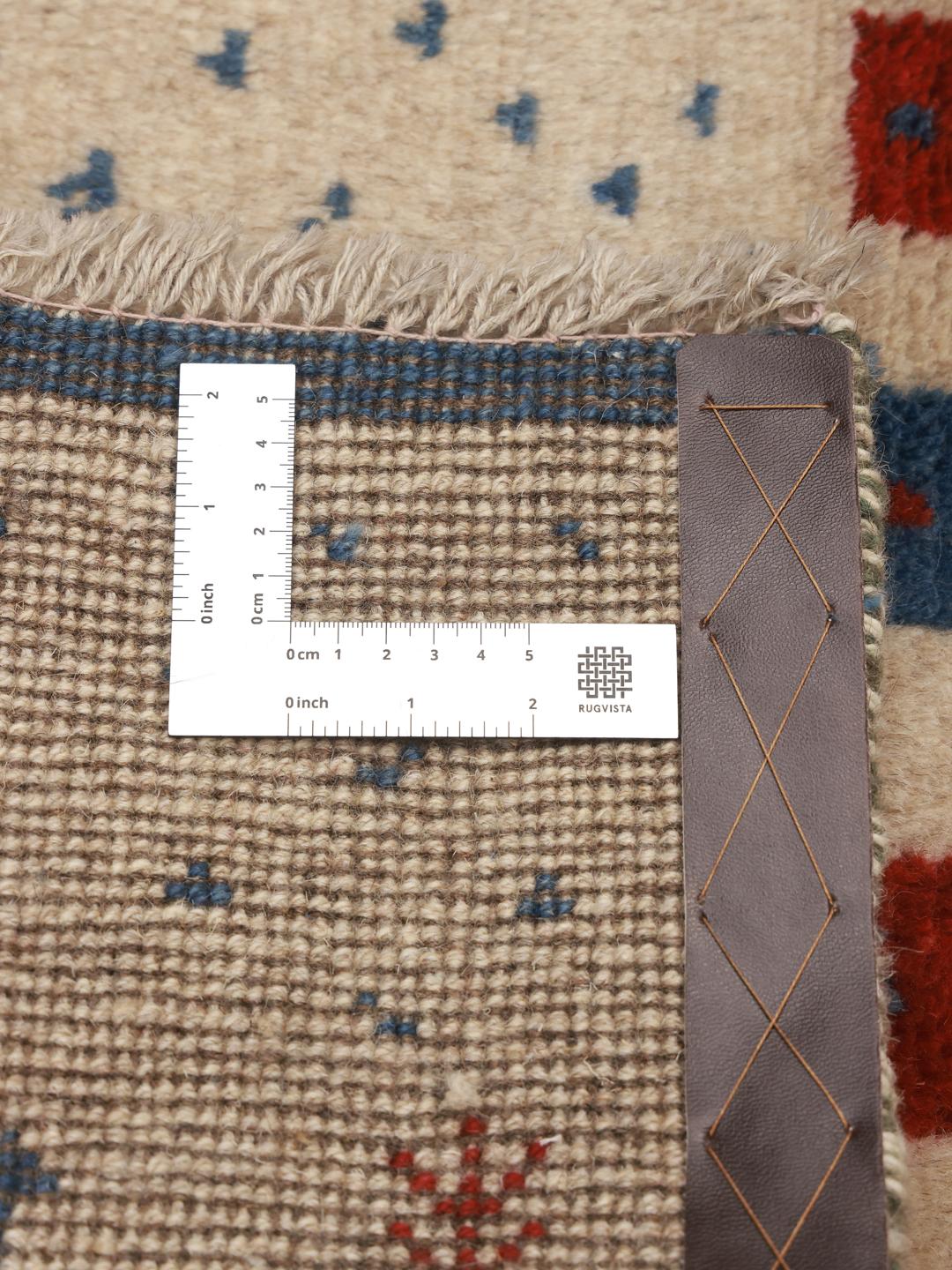
The technical quality of these rugs lies in their simplified knotting and thick, hand-spun Wool pile. This construction creates a plush, heavy surface that is exceptionally soft and insulating. The term itself refers to this raw, natural aesthetic, which celebrates the beauty of the Wool and the weaver's creative freedom.
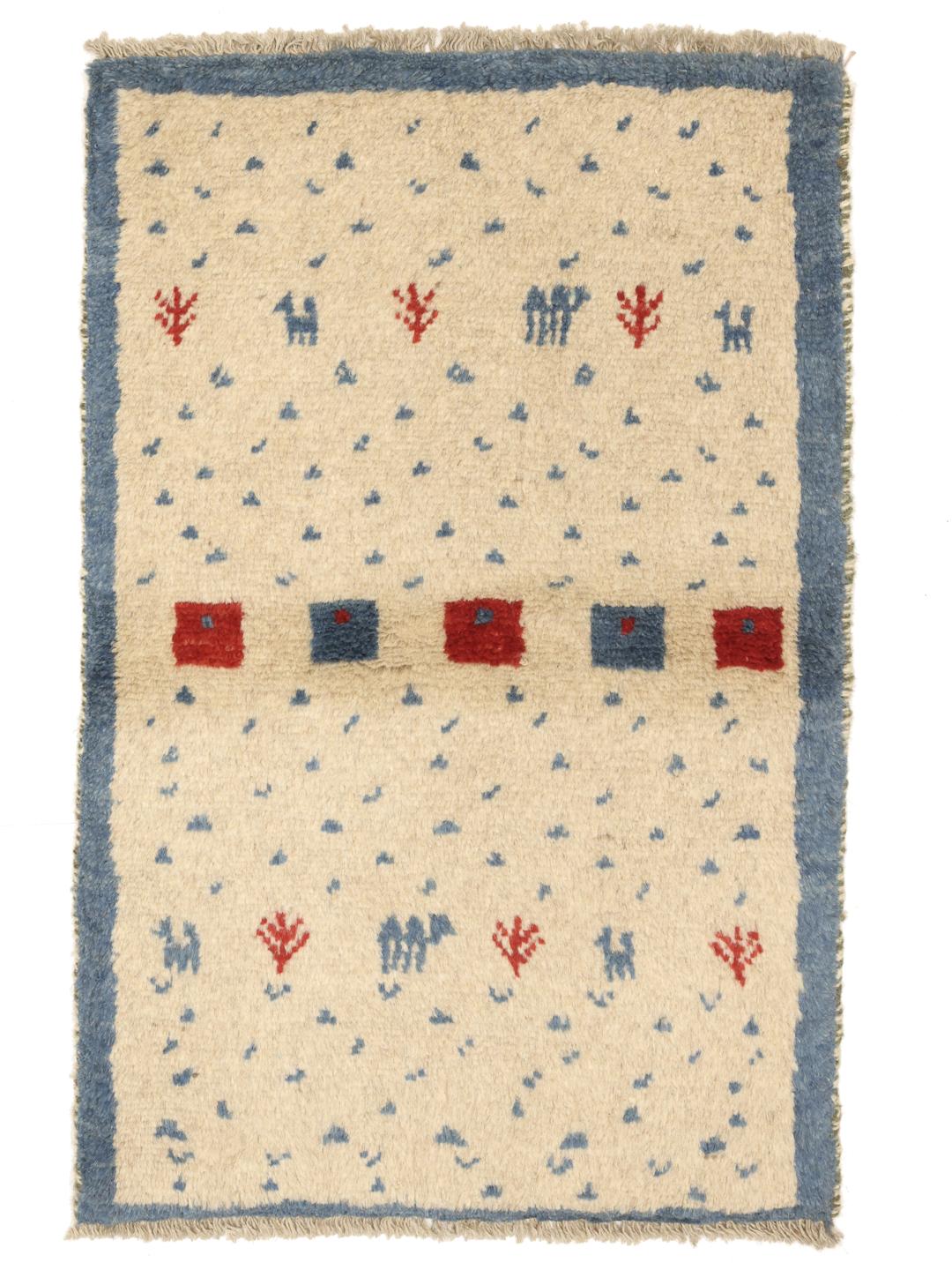
Signature design elements of these rugs include the use of bold, minimalist motifs, often inspired by nature or local folklore. Geometric shapes, stylised animals, and simple, symbolic patterns fill the field in a way that feels modern despite its ancient roots. The focus is on the interplay of colour and space, creating a visual language that is both grounded and artistic.
Today, these rugs are highly sought after by collectors for their authenticity and the human story behind every knot. They represent a bridge between traditional nomadic life and contemporary interior design, offering a unique piece of cultural heritage that is both practical and deeply expressive.