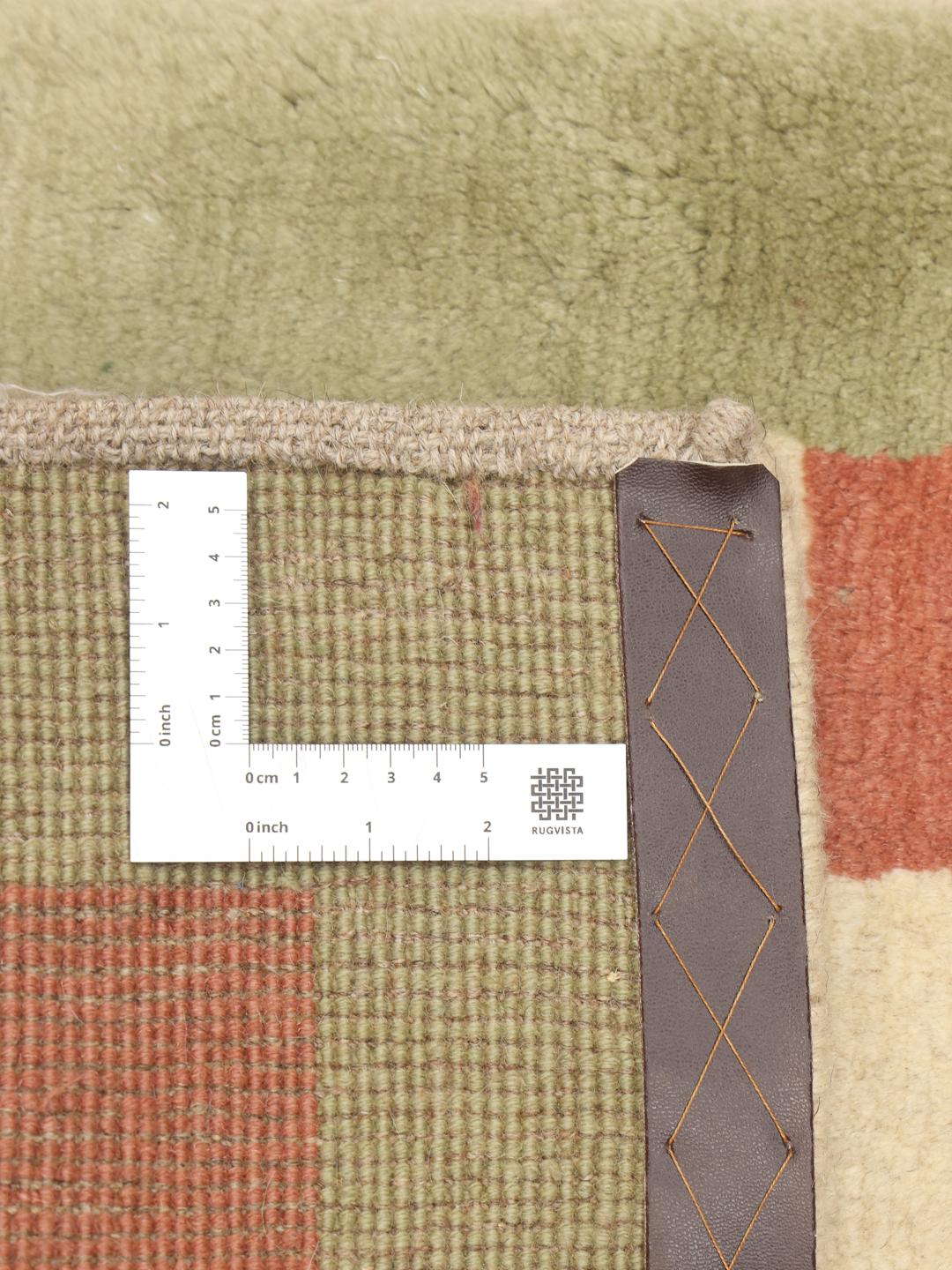
Gabbeh rugs have a storied history rooted in the nomadic traditions of the Middle East. Originally woven for personal use by tribal weavers, these rugs were designed to provide warmth and comfort within tents, serving as functional bedding and floor coverings. Over generations, these pieces have evolved from utilitarian items into celebrated works of art, prized for their spontaneous and expressive designs.
The term 'Gabbeh' refers to a specific style of hand-knotted rug that is characterised by its thicker, coarser pile and more simplified, often abstract, aesthetic compared to formal city-made rugs. This construction style is intentional, allowing the weaver greater freedom to improvise with colour and pattern, resulting in a rug that feels personal and unconstrained by rigid geometric rules.
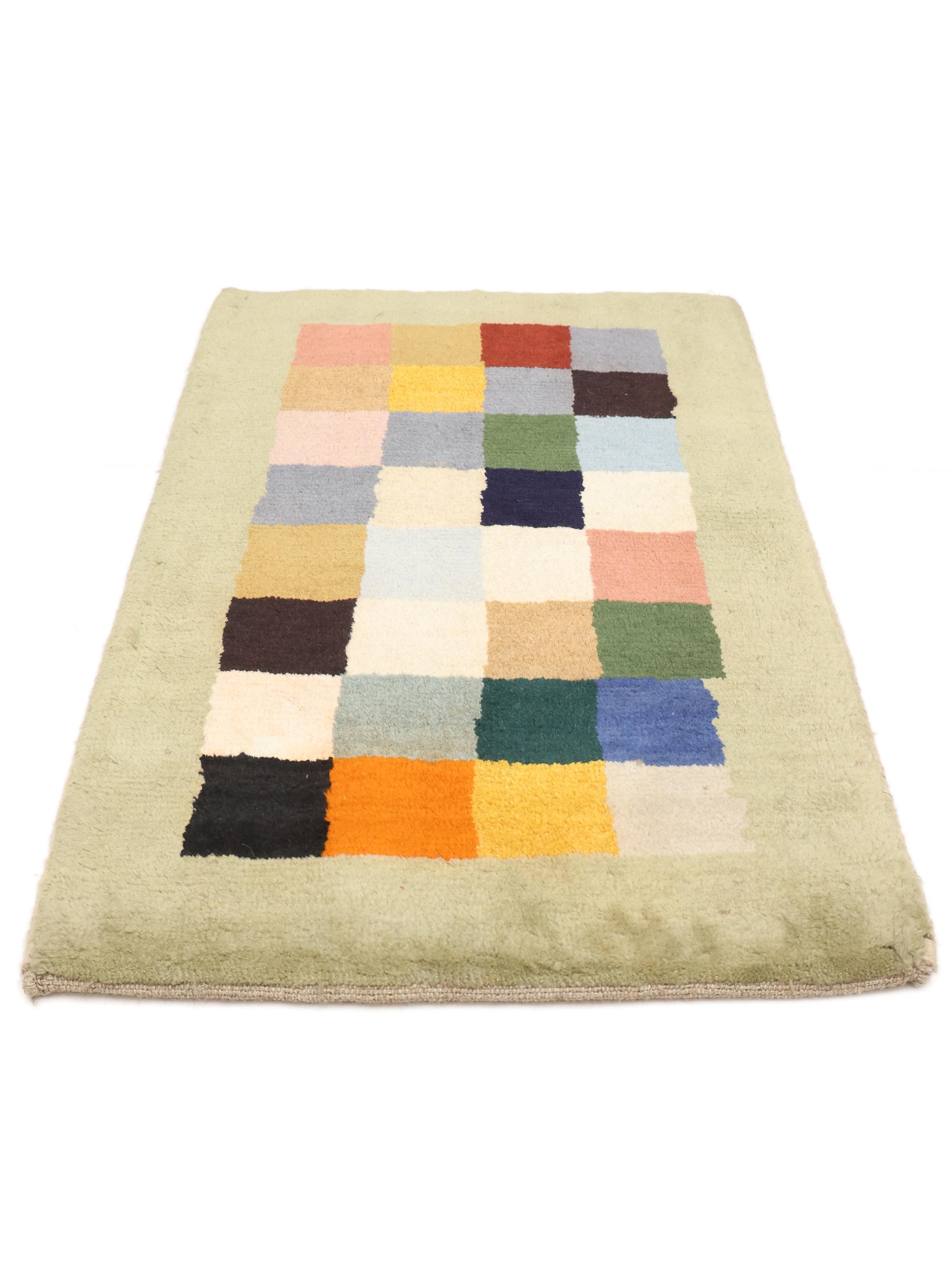
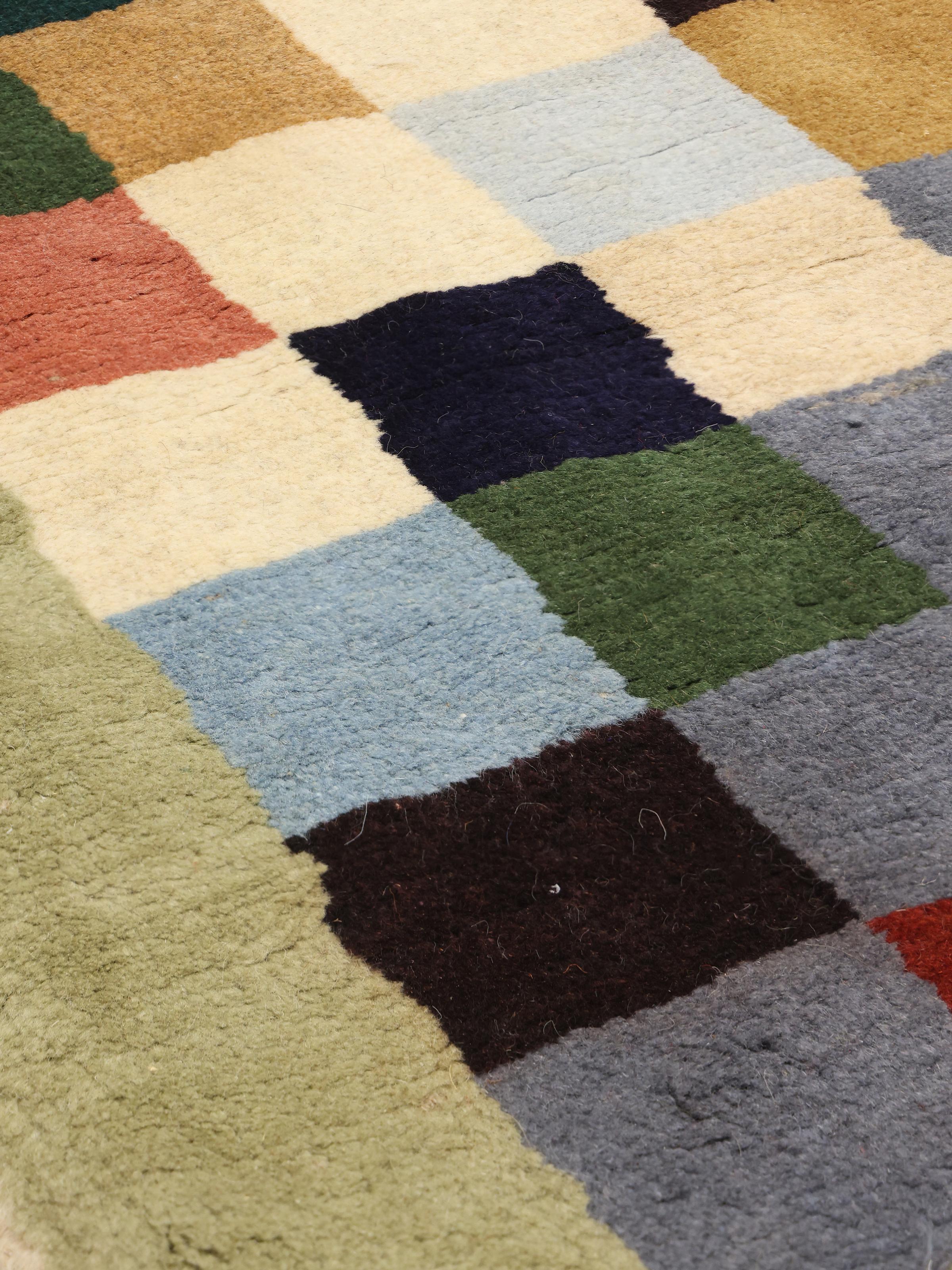
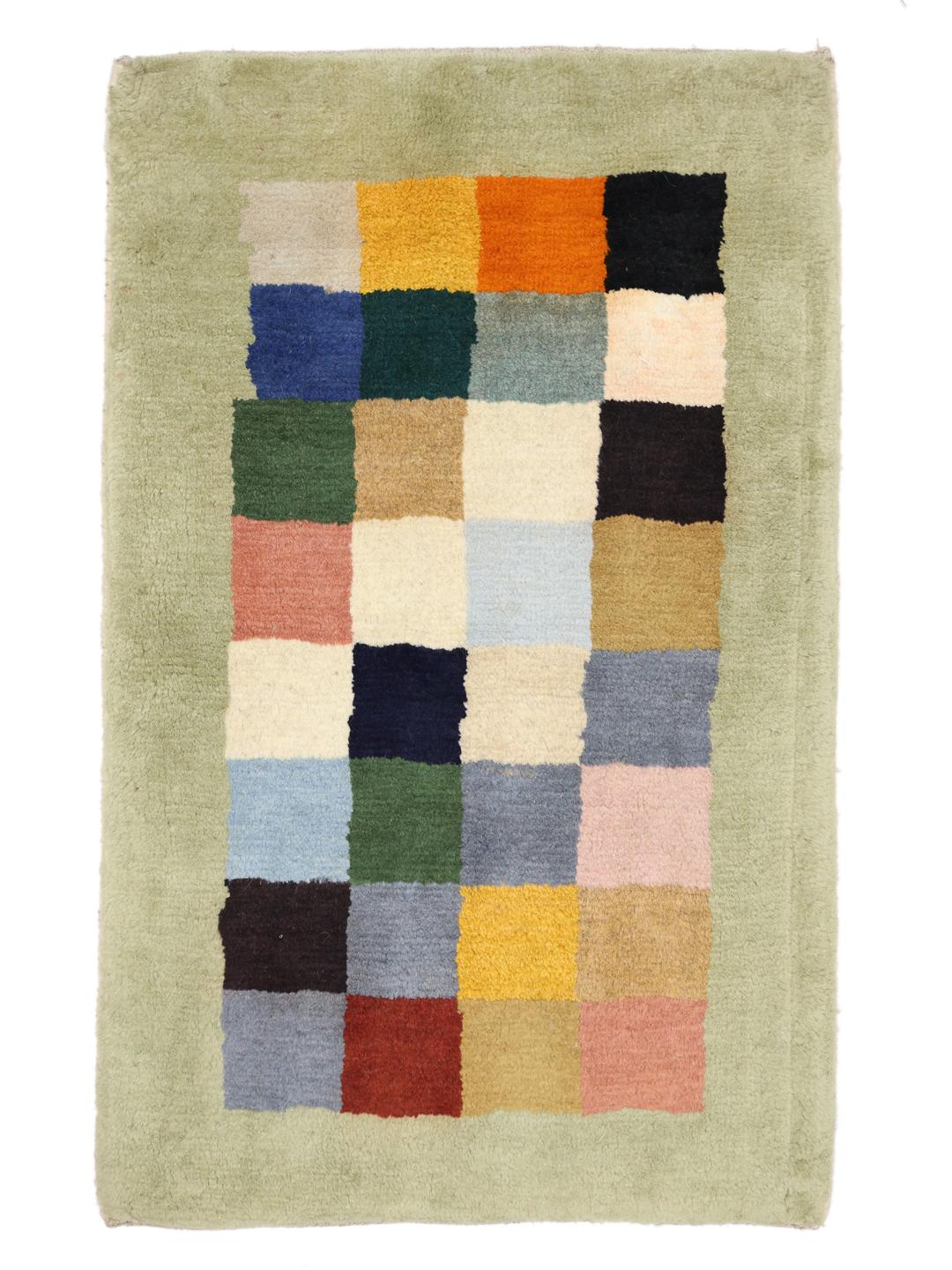
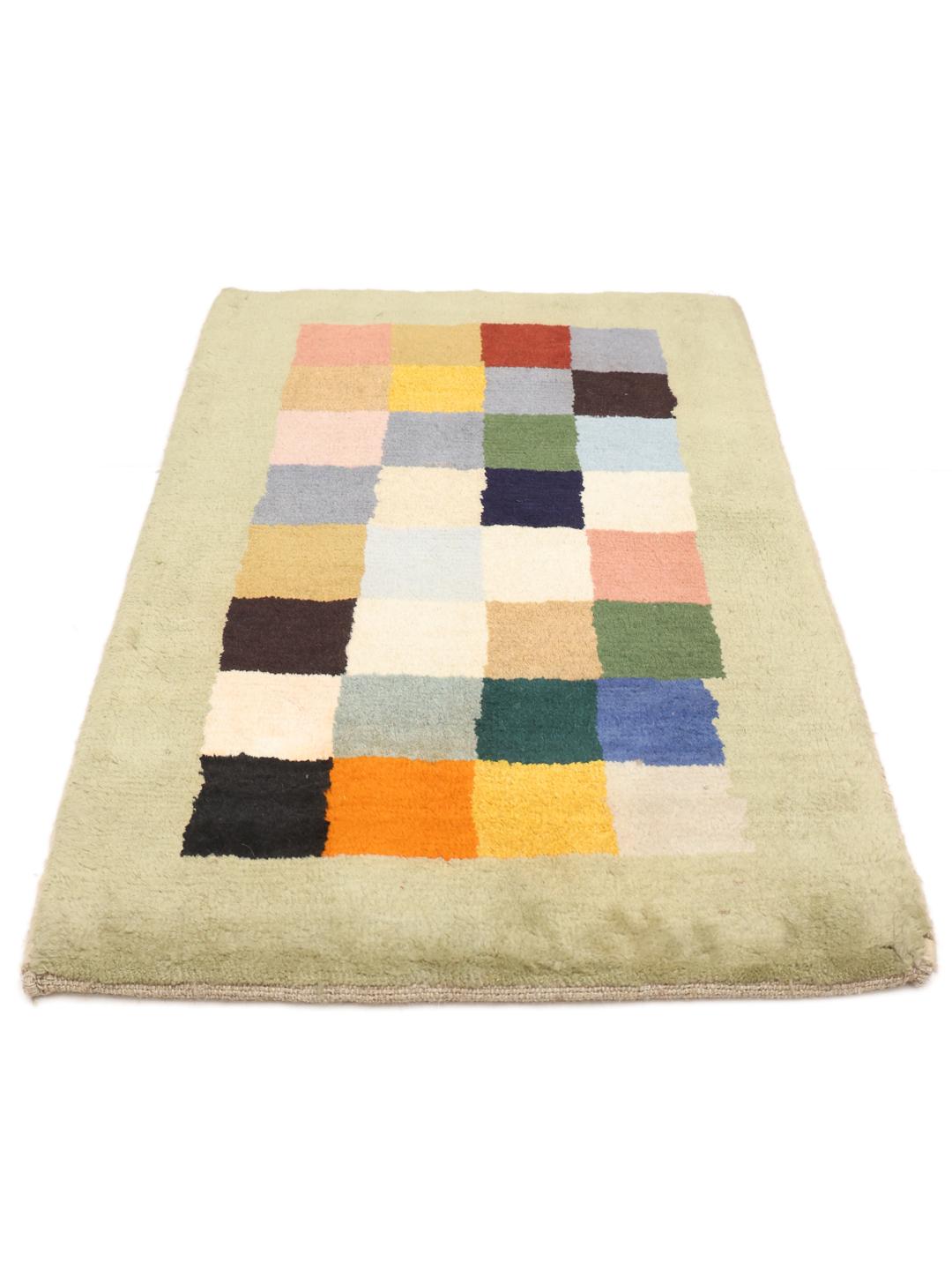
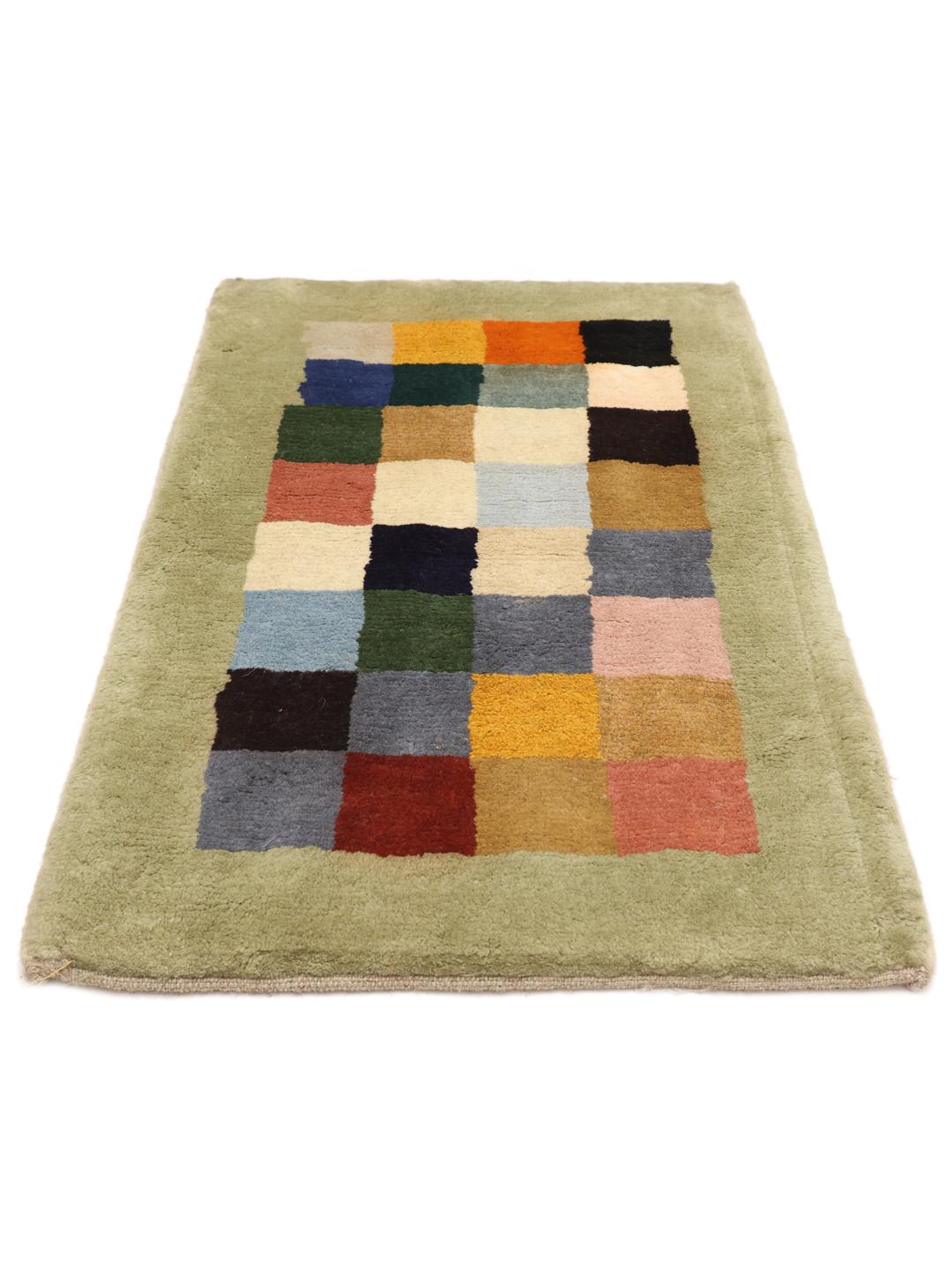
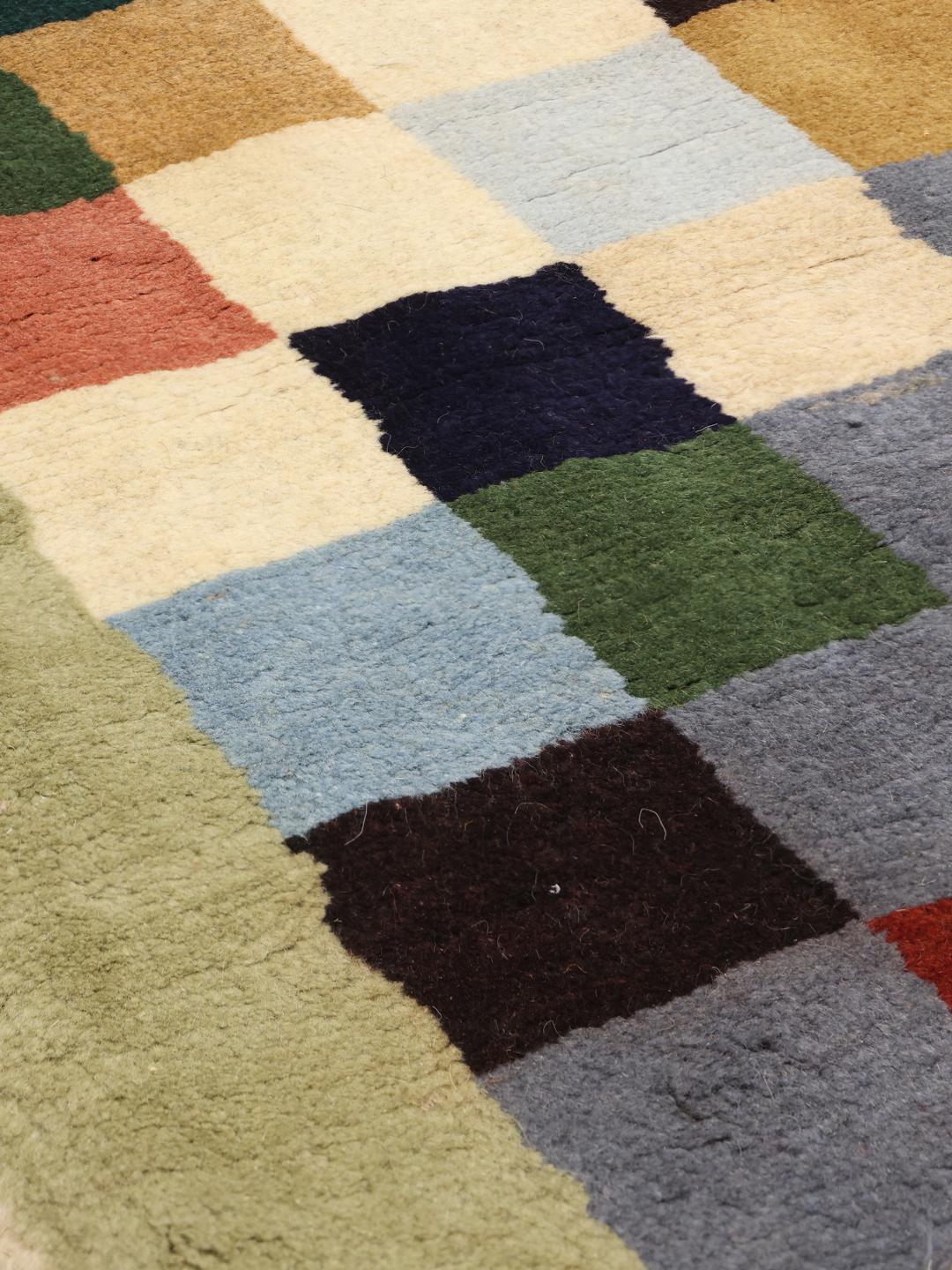
Signature design elements of the Gabbeh often include bold, open fields and playful geometric motifs, such as the checkered pattern seen here. These rugs frequently utilise hand-spun wool and natural dyes, which give the colours a rich, slightly varied appearance that evolves beautifully over time. The use of colour in this tradition is often symbolic, reflecting the weaver's environment and emotional state at the time of creation.
Today, these rugs are highly valued by collectors and enthusiasts who appreciate the authenticity of tribal craftsmanship. Owning a Gabbeh is a connection to a living heritage, where the skill of the weaver is preserved in every knot. These rugs are cherished not only for their aesthetic beauty but also for the cultural narrative they carry, representing a timeless tradition of creativity and resilience.