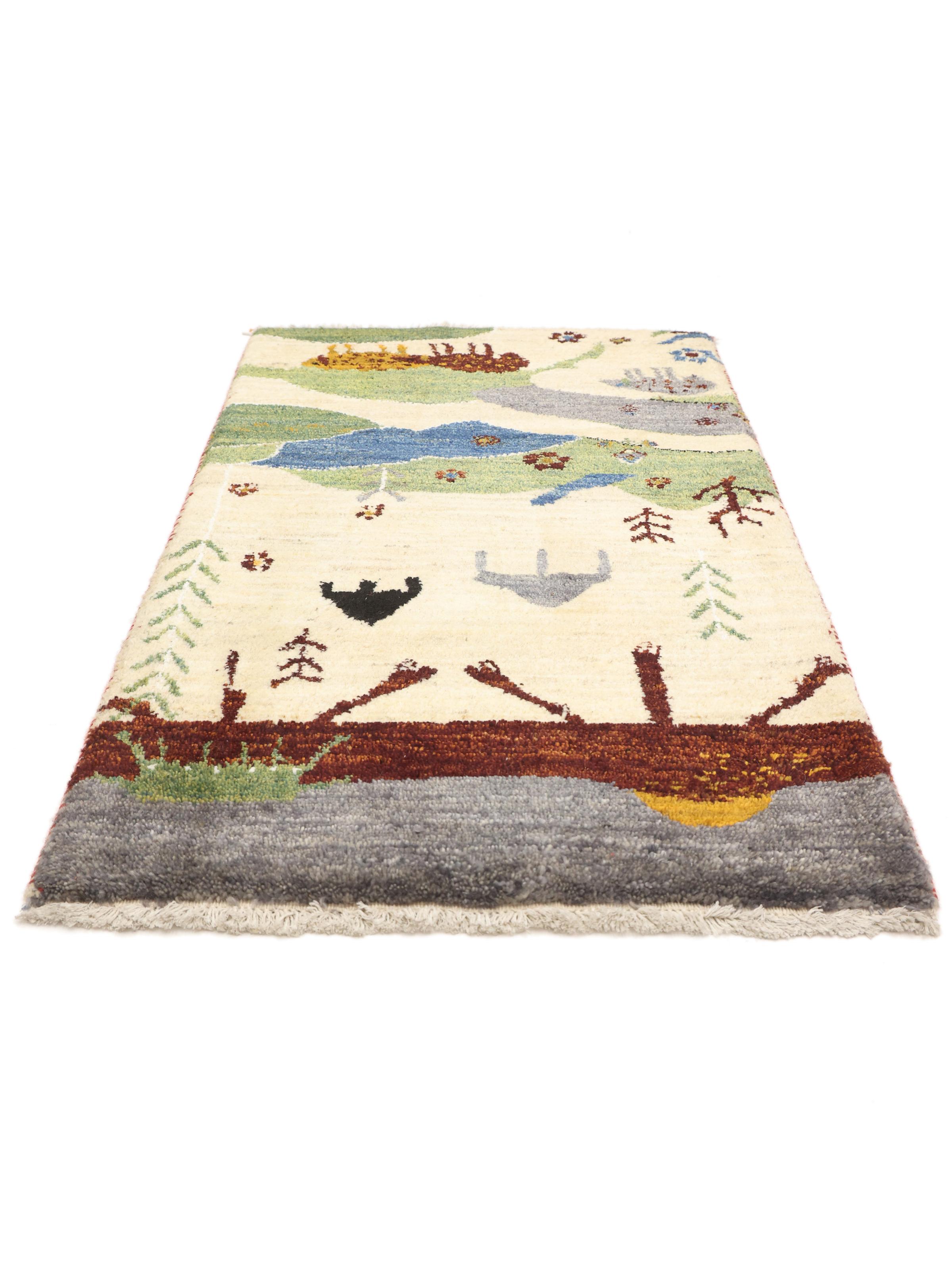
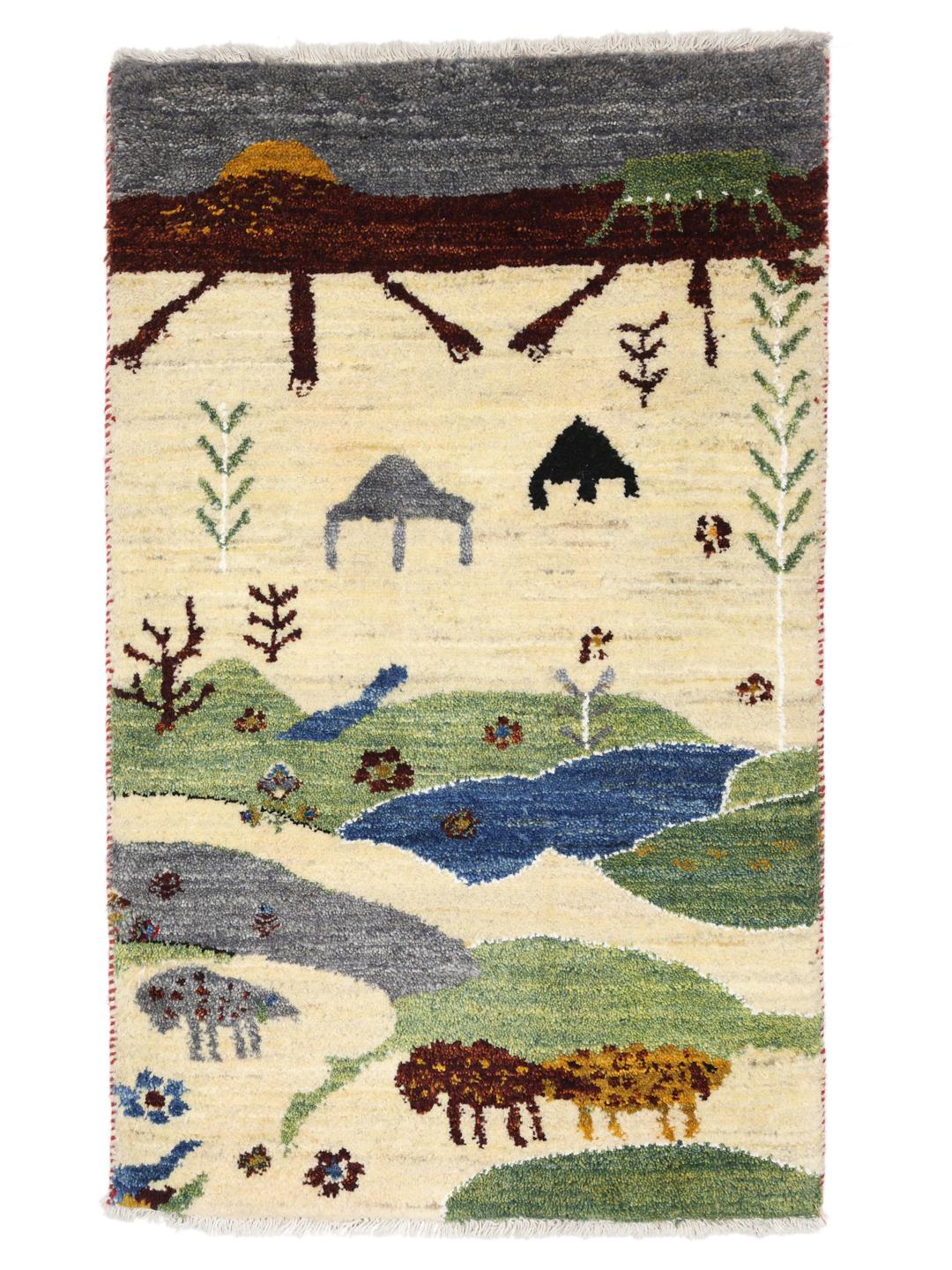
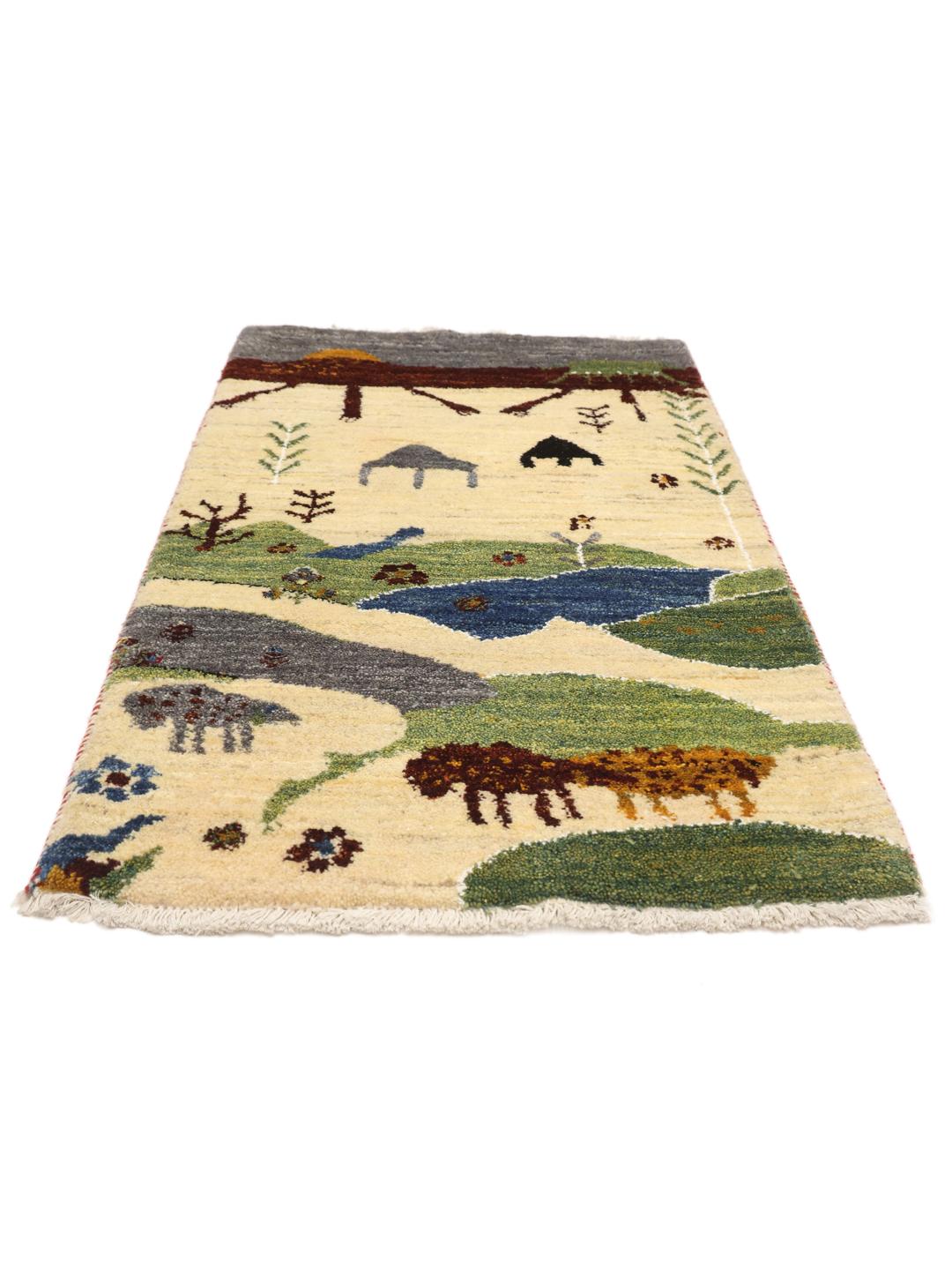
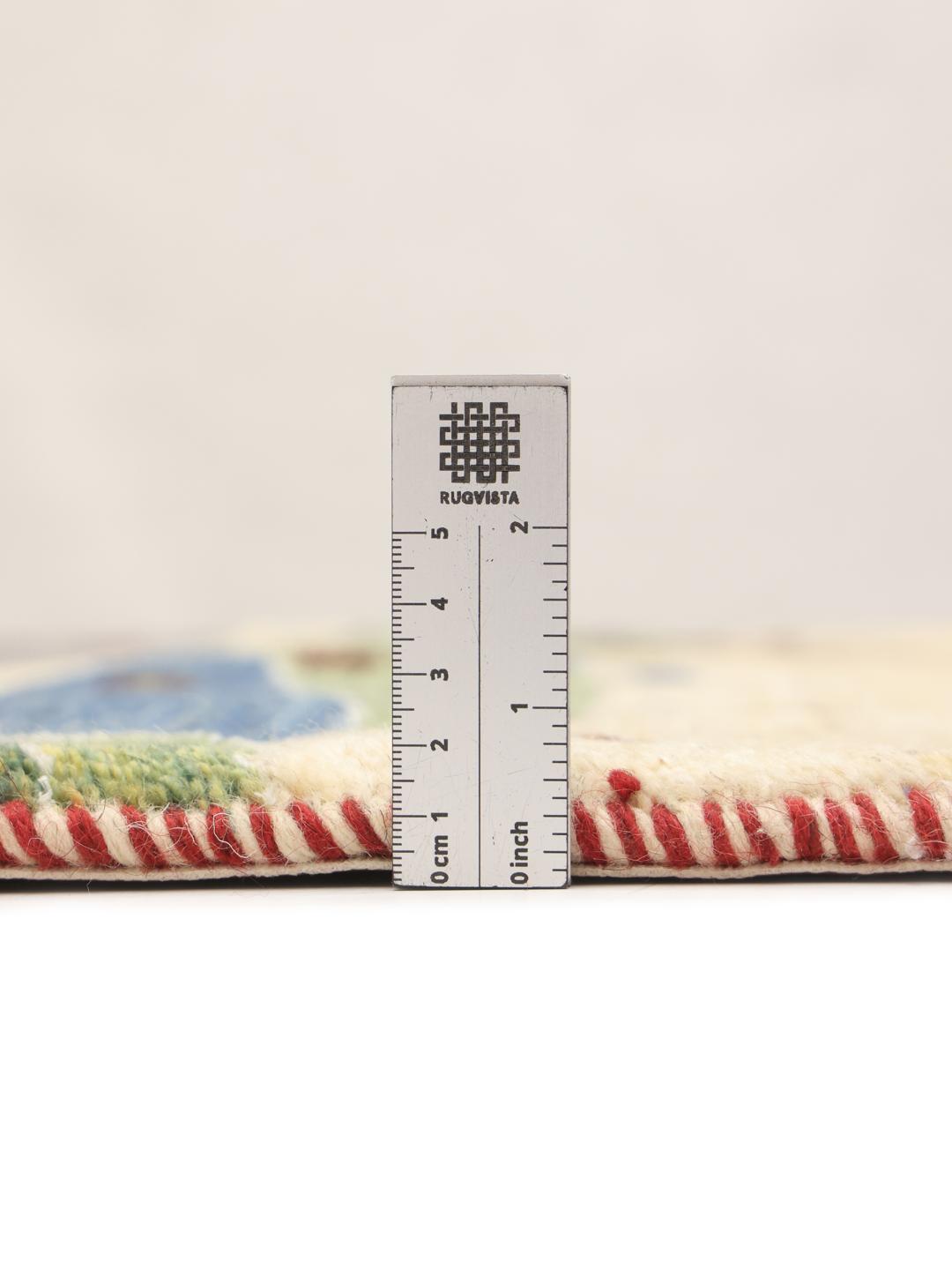
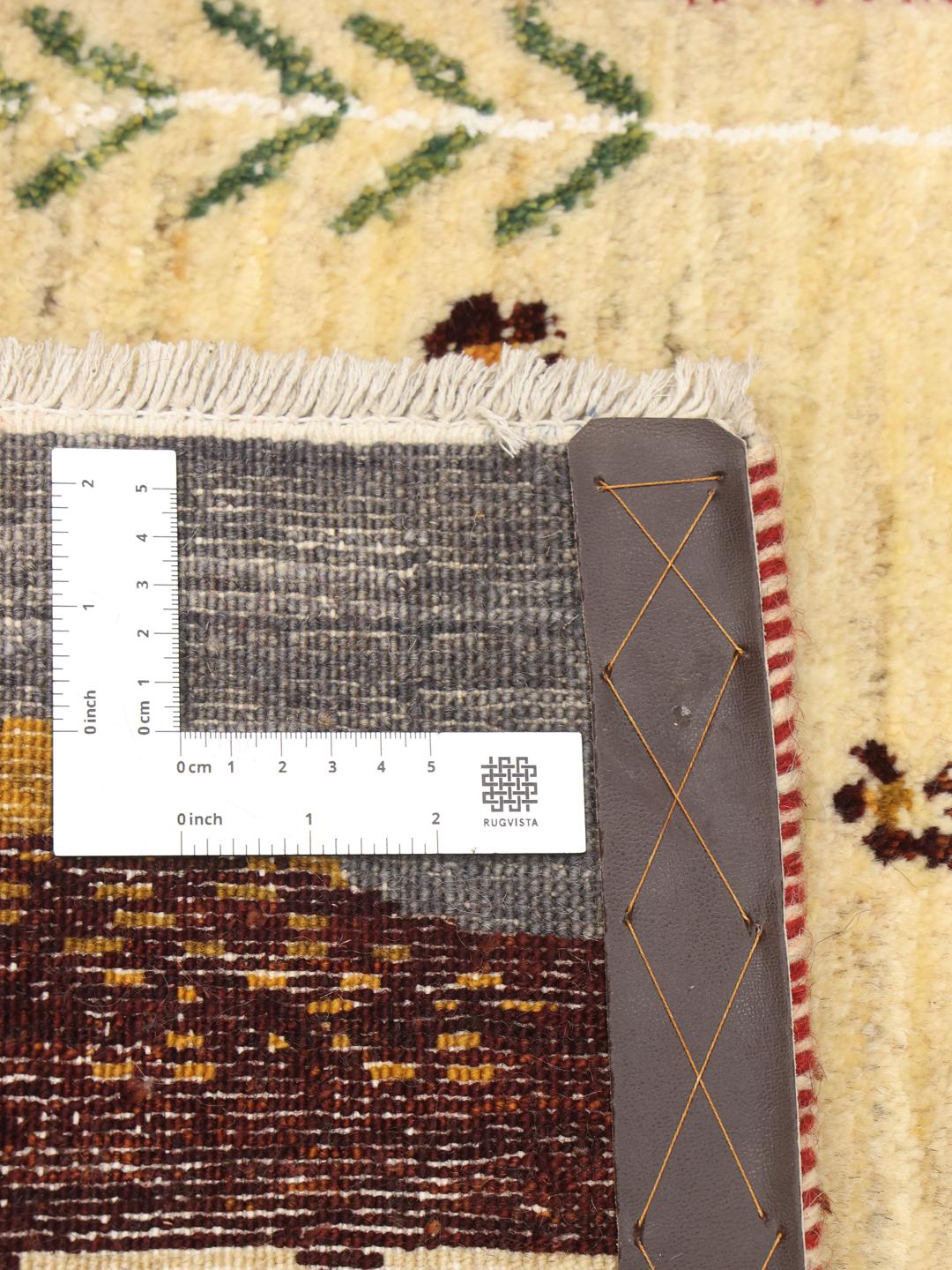
Gabbeh rugs trace their roots back to the nomadic tribes of the Middle East, where weavers originally created them for practical use inside tents rather than formal decor. Traditionally woven with thick piles to protect against cold ground, these rugs favored raw, spontaneous storytelling over rigid symmetry.
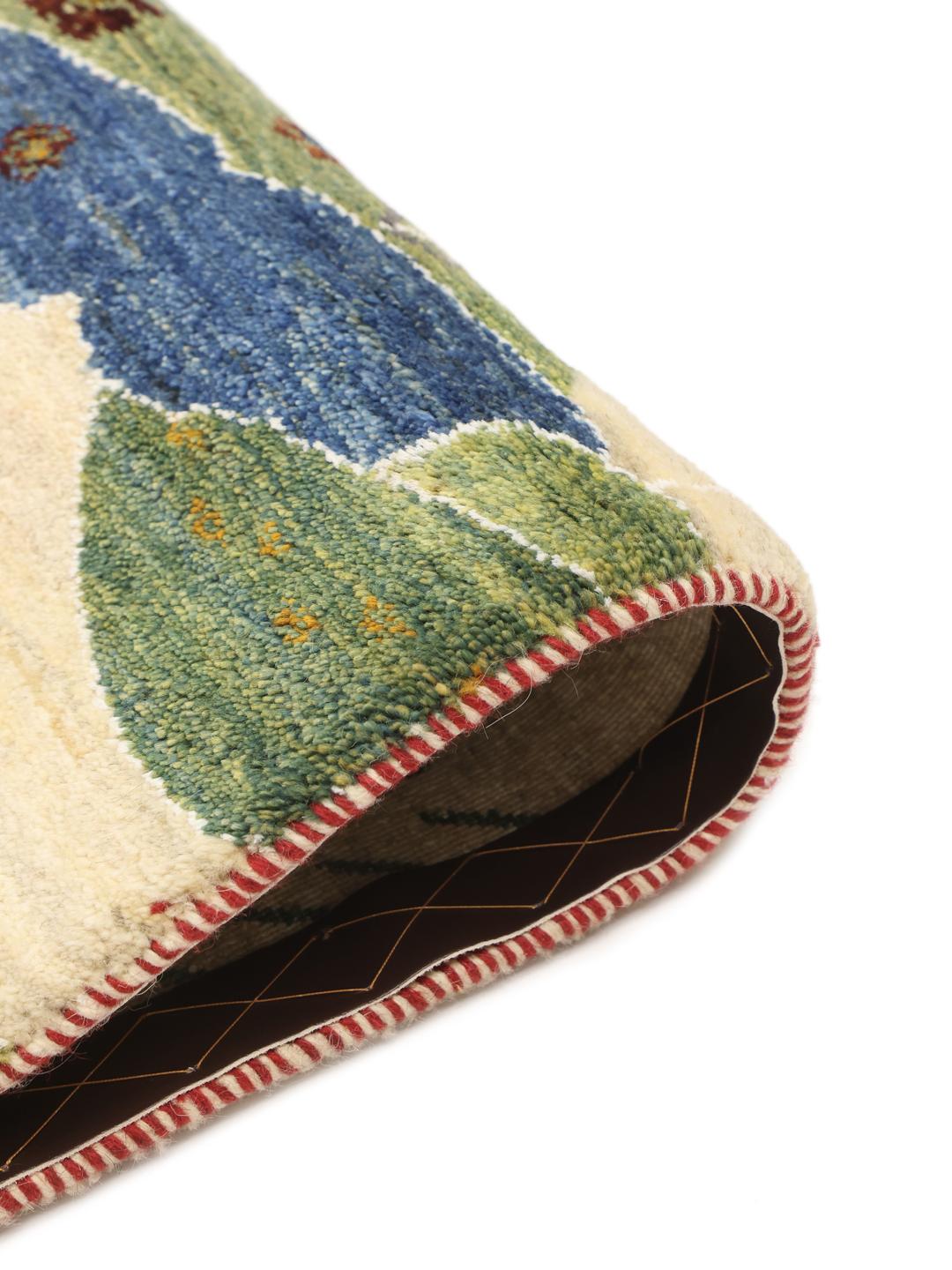
Over decades, the tradition expanded across regional borders, with weavers in Pakistan adopting and refining these distinctive styles. Pakistani Gabbeh rugs combine the original folk storytelling elements with careful knotting practices, producing durable pieces that retain their rustic charm while meeting high quality standards.
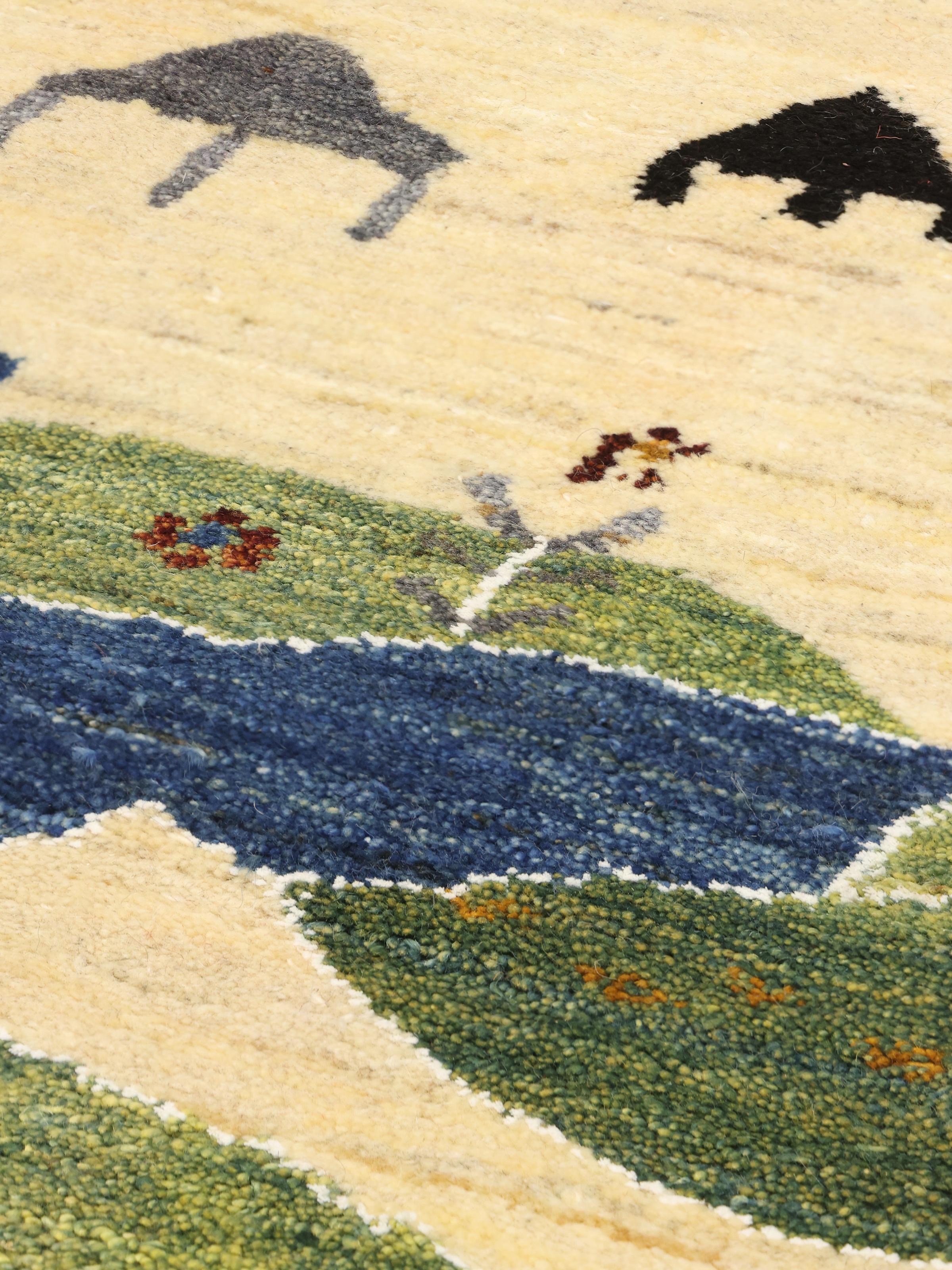
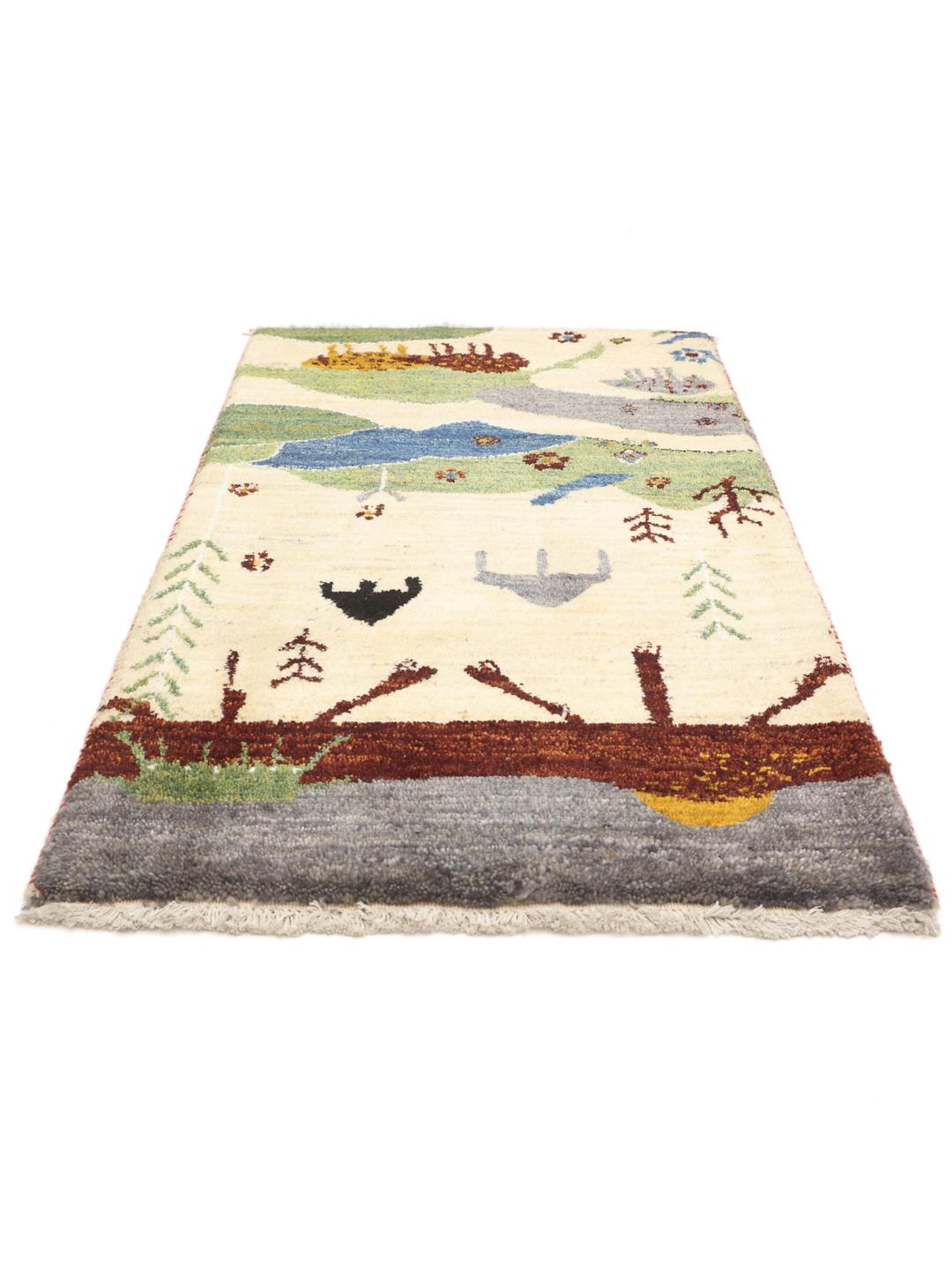
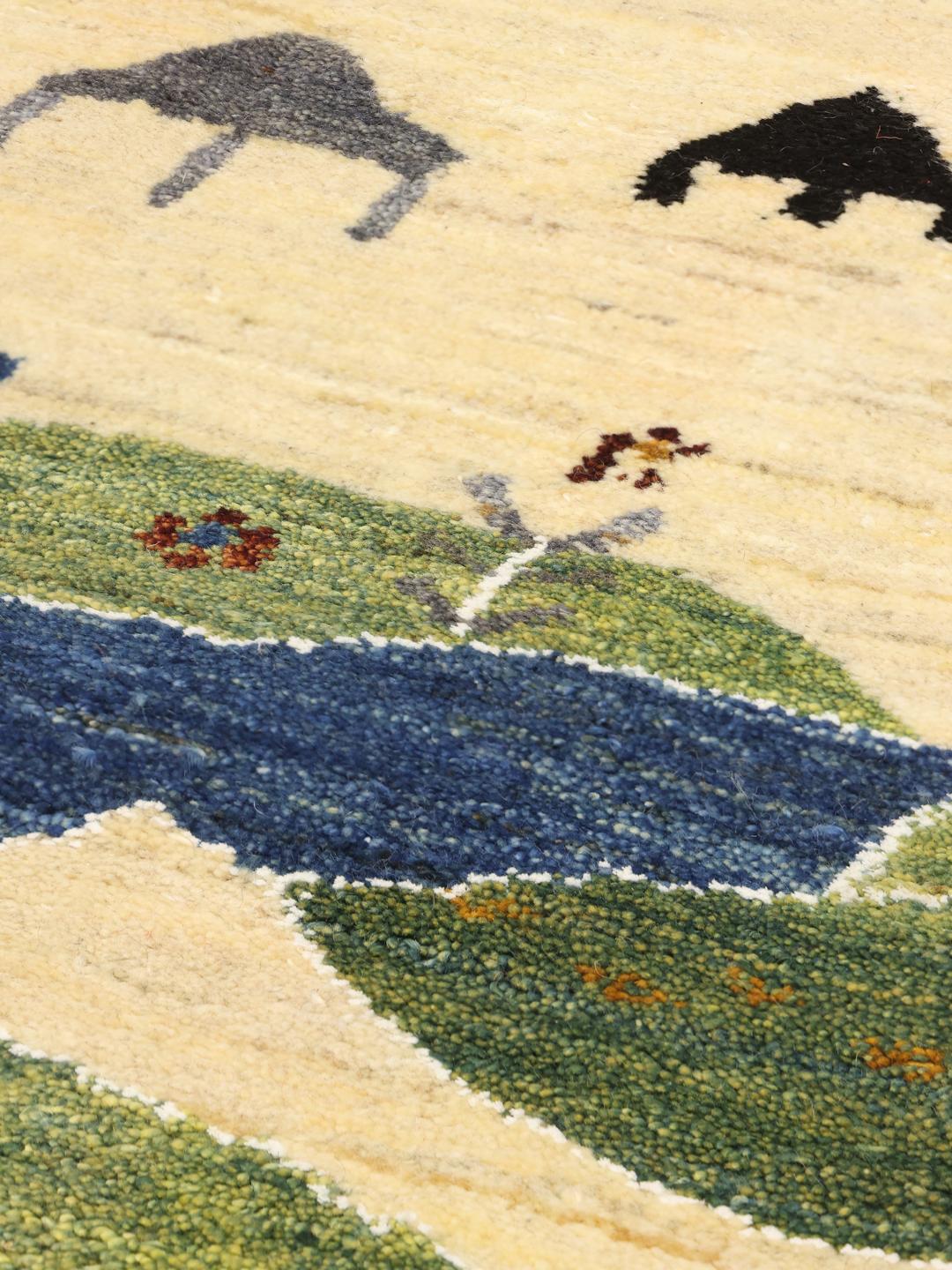
The signature style of a Gabbeh rug lies in its simple, primitive design motifs. Rather than structured floral medallions, you find stylized animals, trees, and figures scattered across broad open fields. These figures often held personal or symbolic meaning for the weavers, representing wishes for good fortune, family, or connection to nature.
Today, traditional Gabbehs are valued by collectors and homeowners alike for their naive artistic charm and sturdy build. Owning an authentic hand-knotted Gabbeh rug means preserving a long tradition of nomadic storytelling, bringing a piece of genuine folk art into modern daily life.