The Gabbeh tradition originates from the nomadic tribes of the Middle East, where weavers created these rugs primarily for their own domestic use. Historically, these were thick, coarse, and highly functional floor coverings designed to protect against the cold, hard ground of tents and dwellings.
The term 'Gabbeh' itself translates to 'raw' or 'natural', reflecting the unrefined and spontaneous nature of these pieces. Unlike formal city rugs, these were never intended to follow strict geometric patterns; instead, they served as a canvas for the weaver's personal expression, often incorporating simple, abstract, or symbolic motifs.
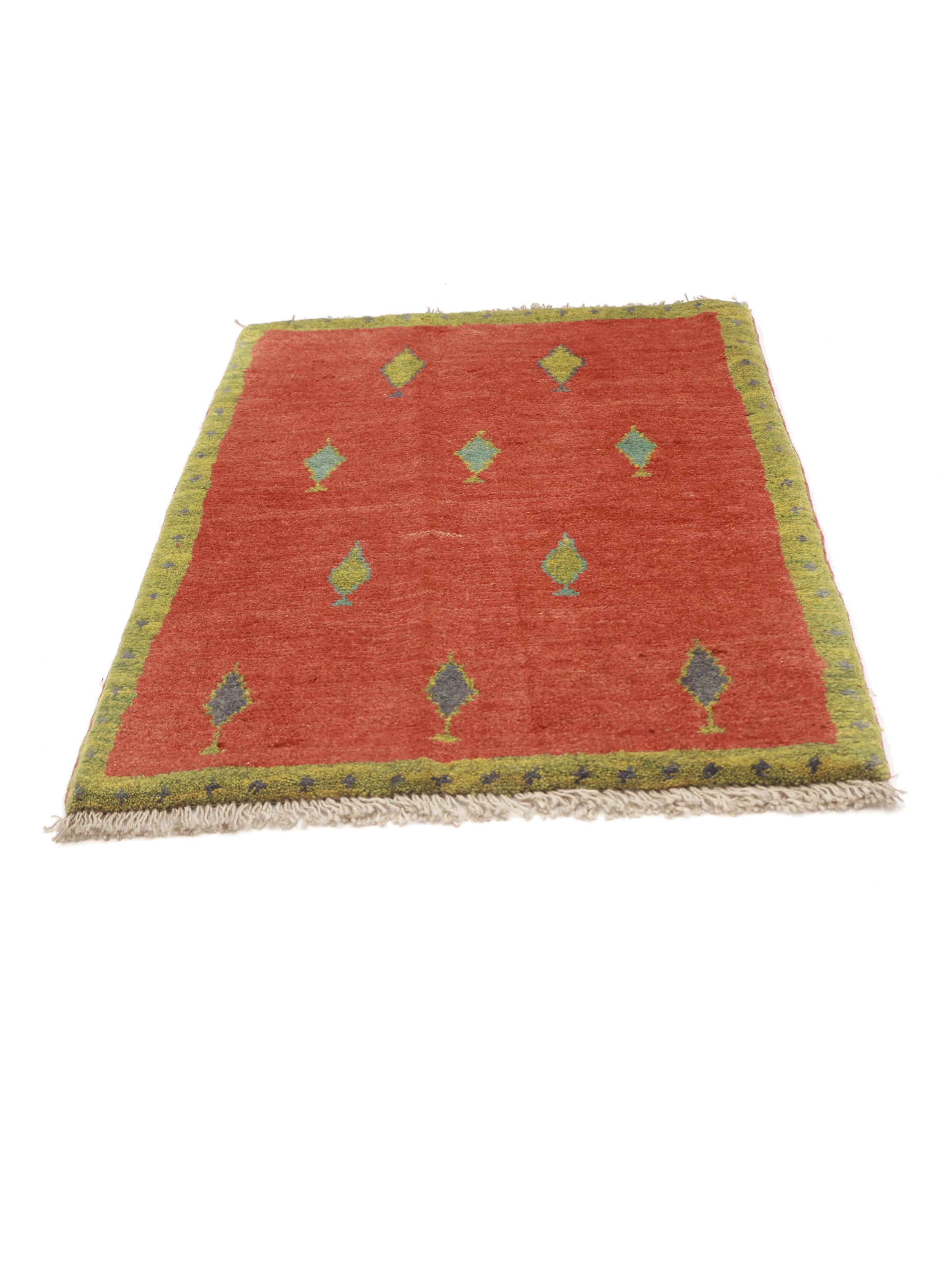
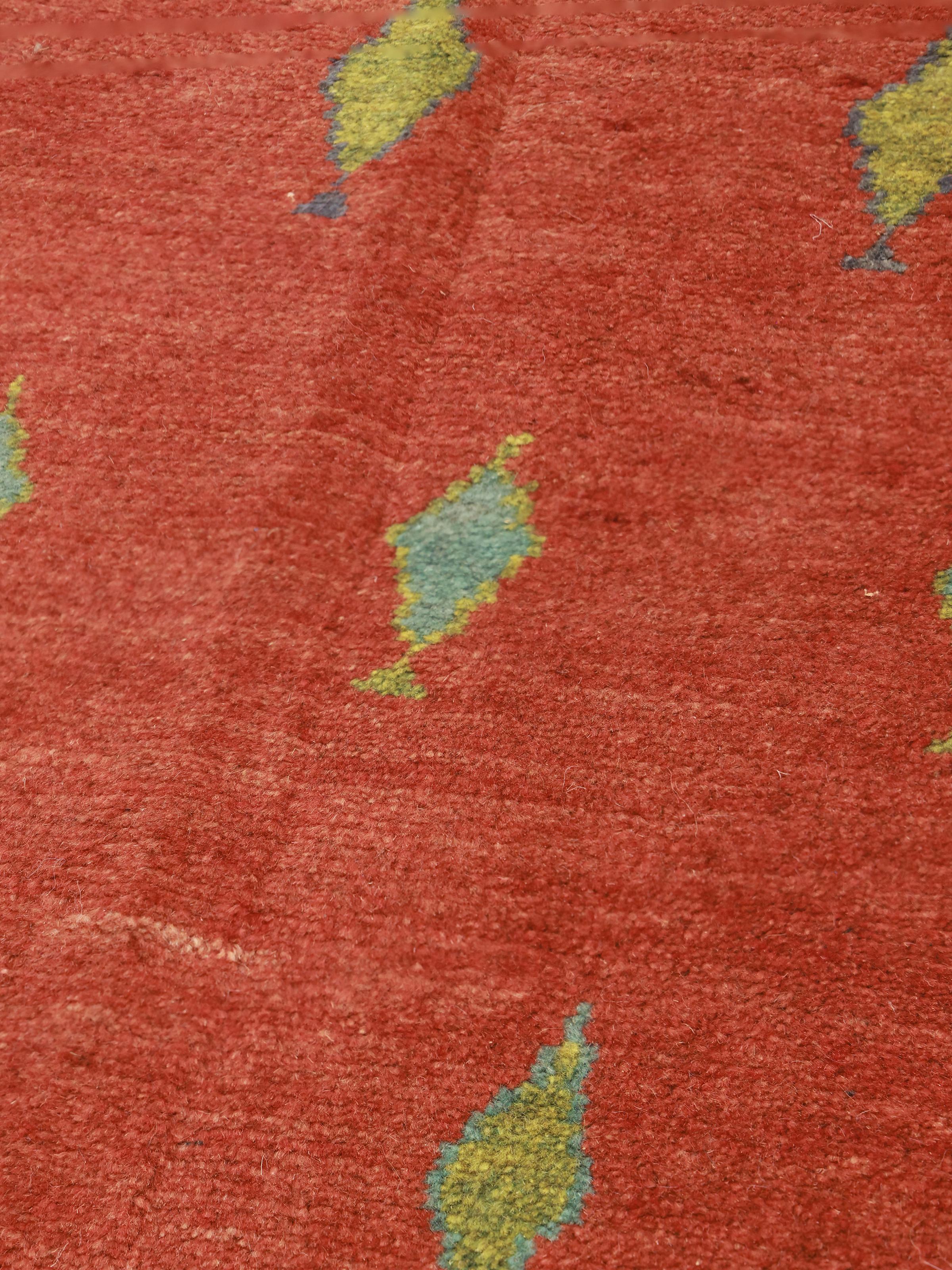
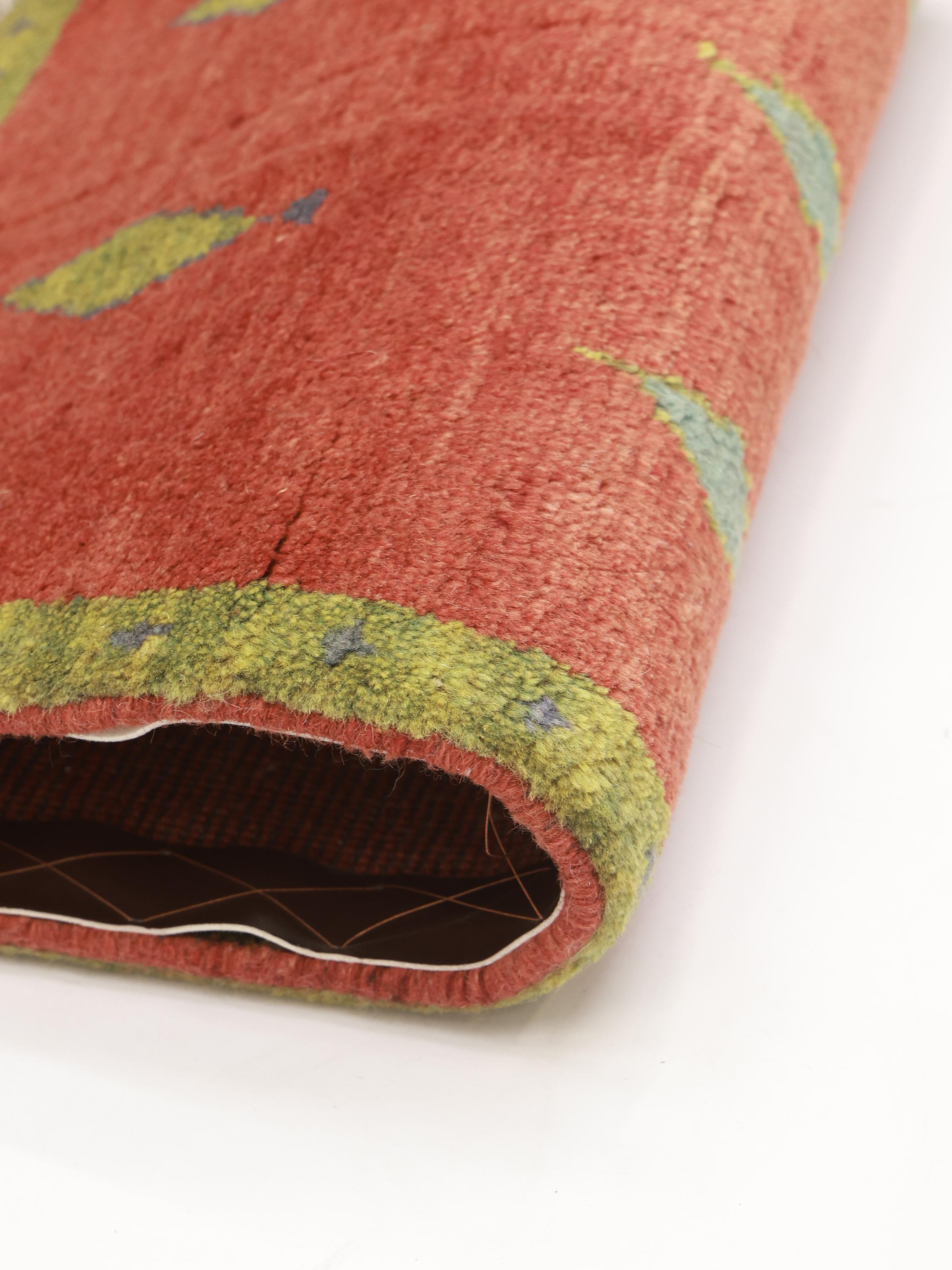
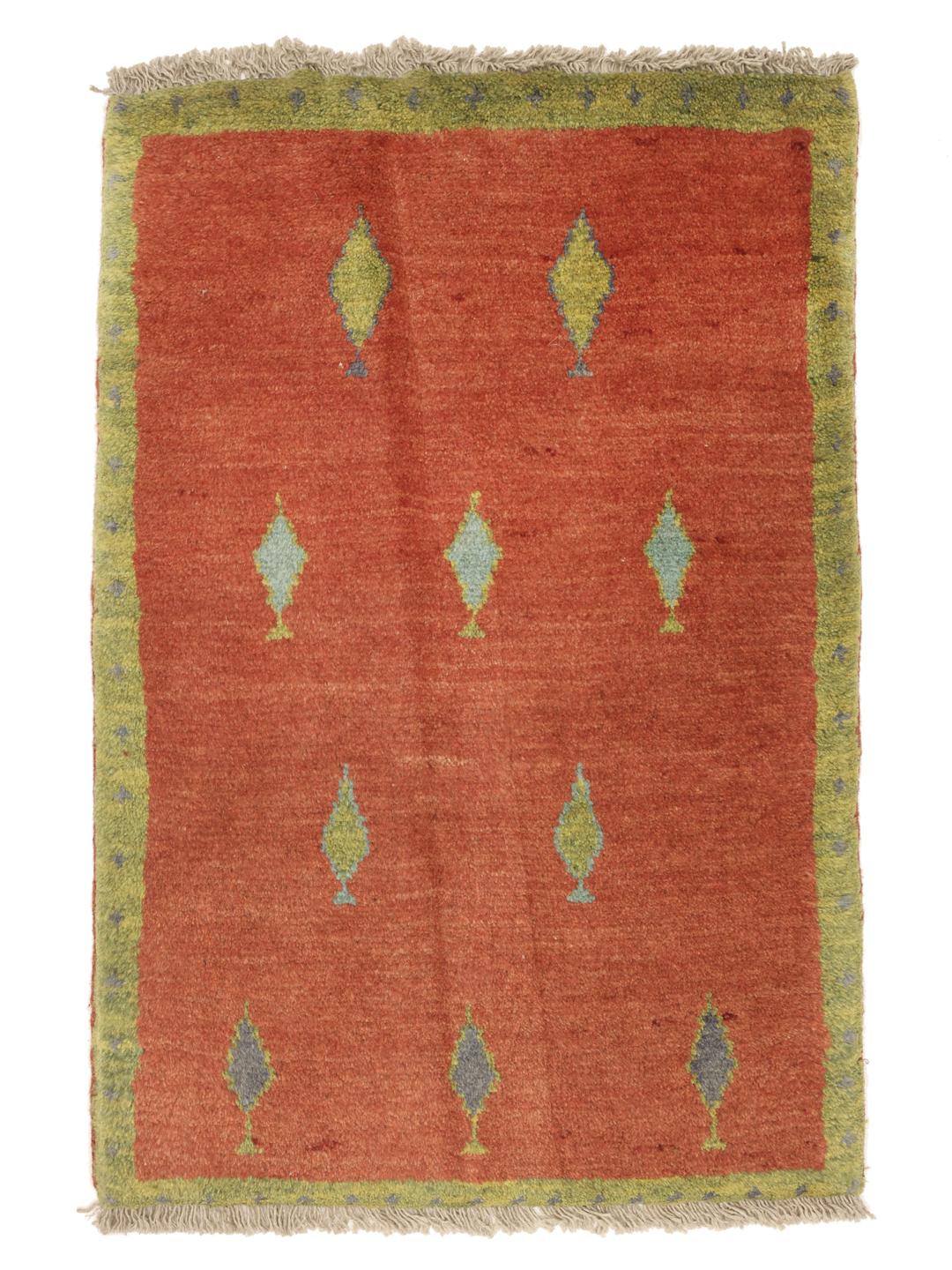
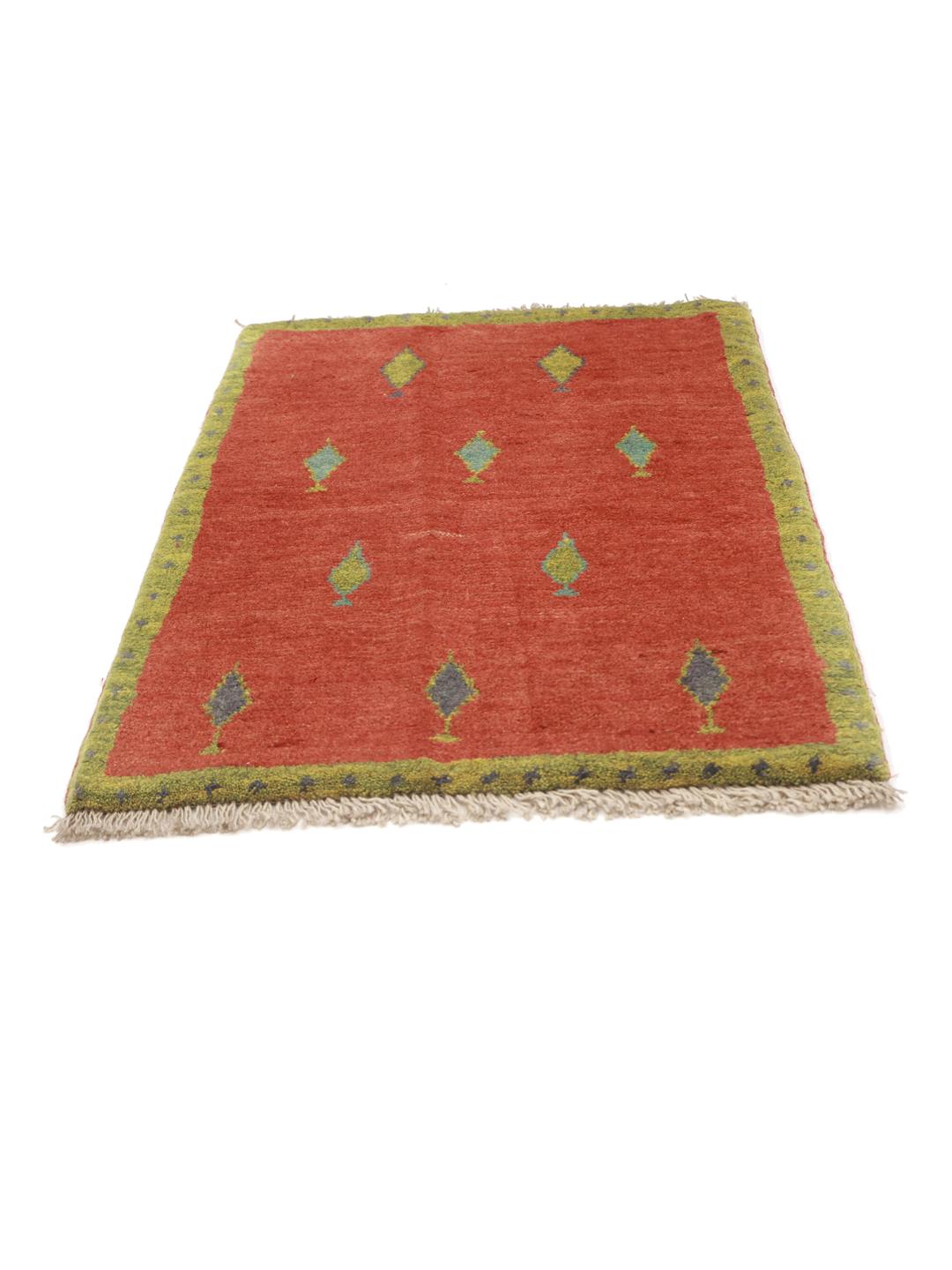
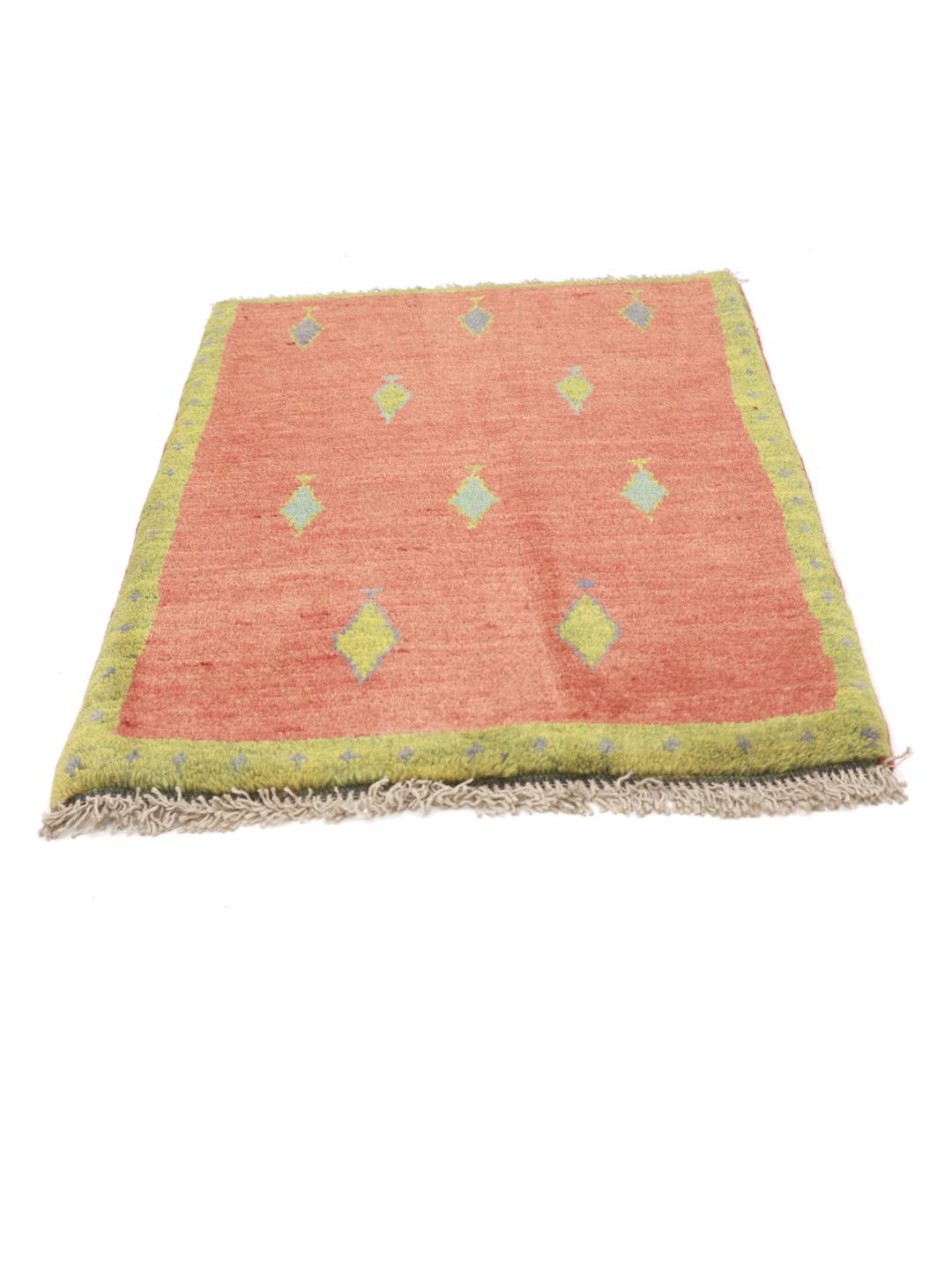
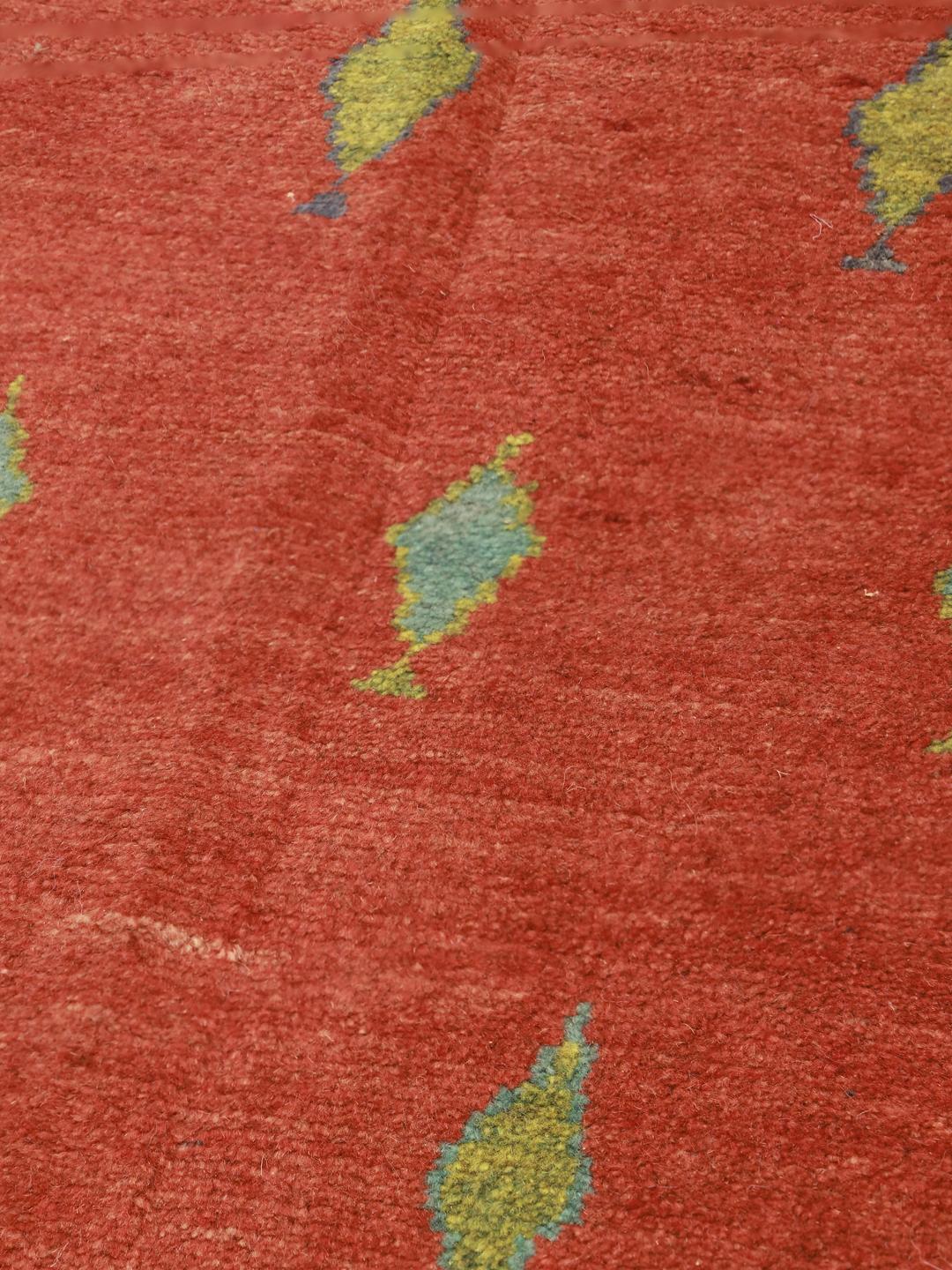
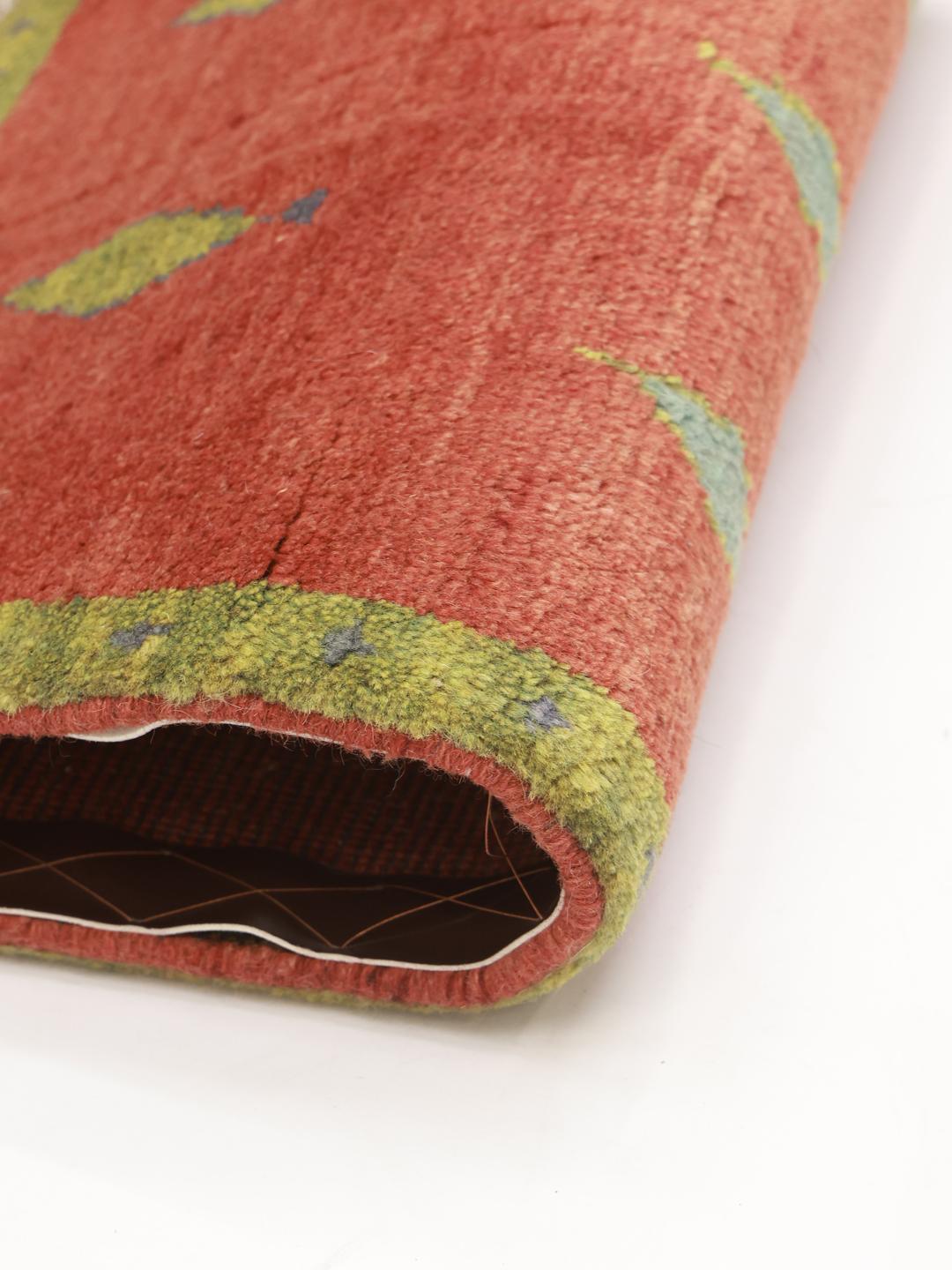
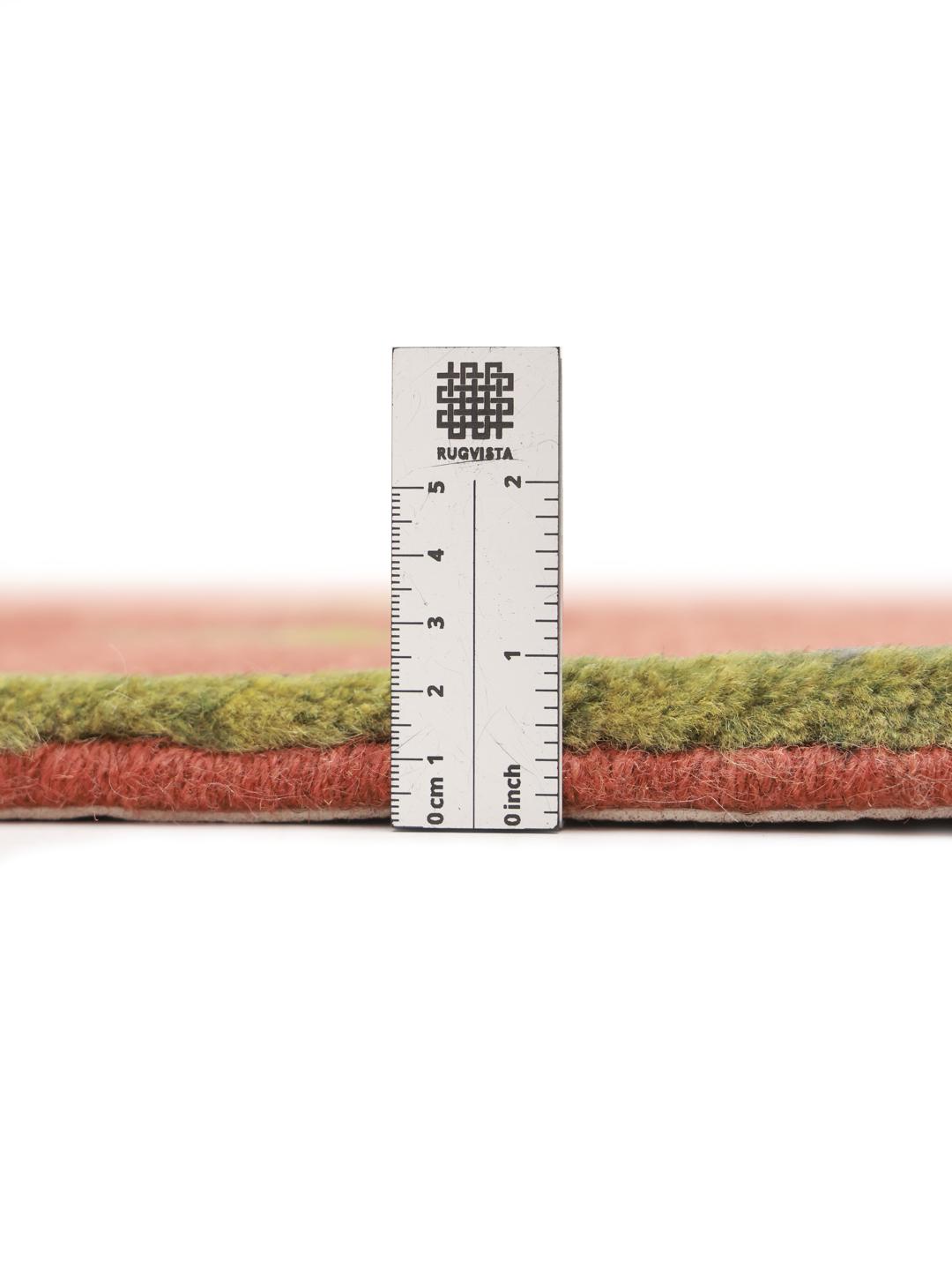
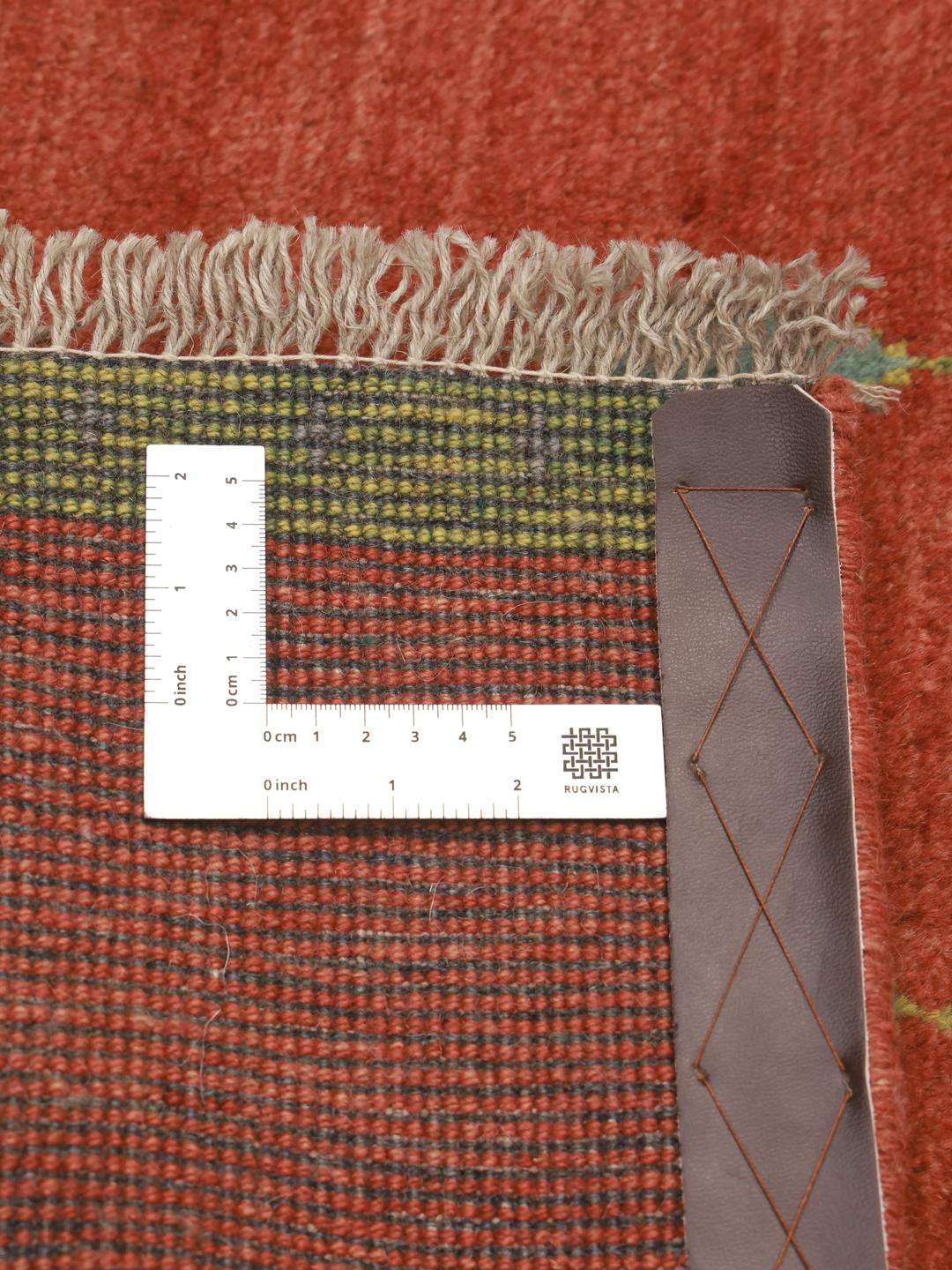
Visually, these rugs are characterised by their bold, field-focused designs and the use of natural, undyed or vegetable-dyed Wool. The colours are typically deep and earthy, reflecting the natural landscapes and the resources available to nomadic communities. The use of minimalist motifs, such as the simple diamond shapes seen here, allows the texture and quality of the Wool to take centre stage.
Today, these rugs are highly prized by collectors for their primitive beauty and the human story they tell. Owning a Gabbeh is not just about acquiring a floor covering, but about preserving a piece of cultural history that values intuition, artistic freedom, and the honest, hands-on application of traditional skills.