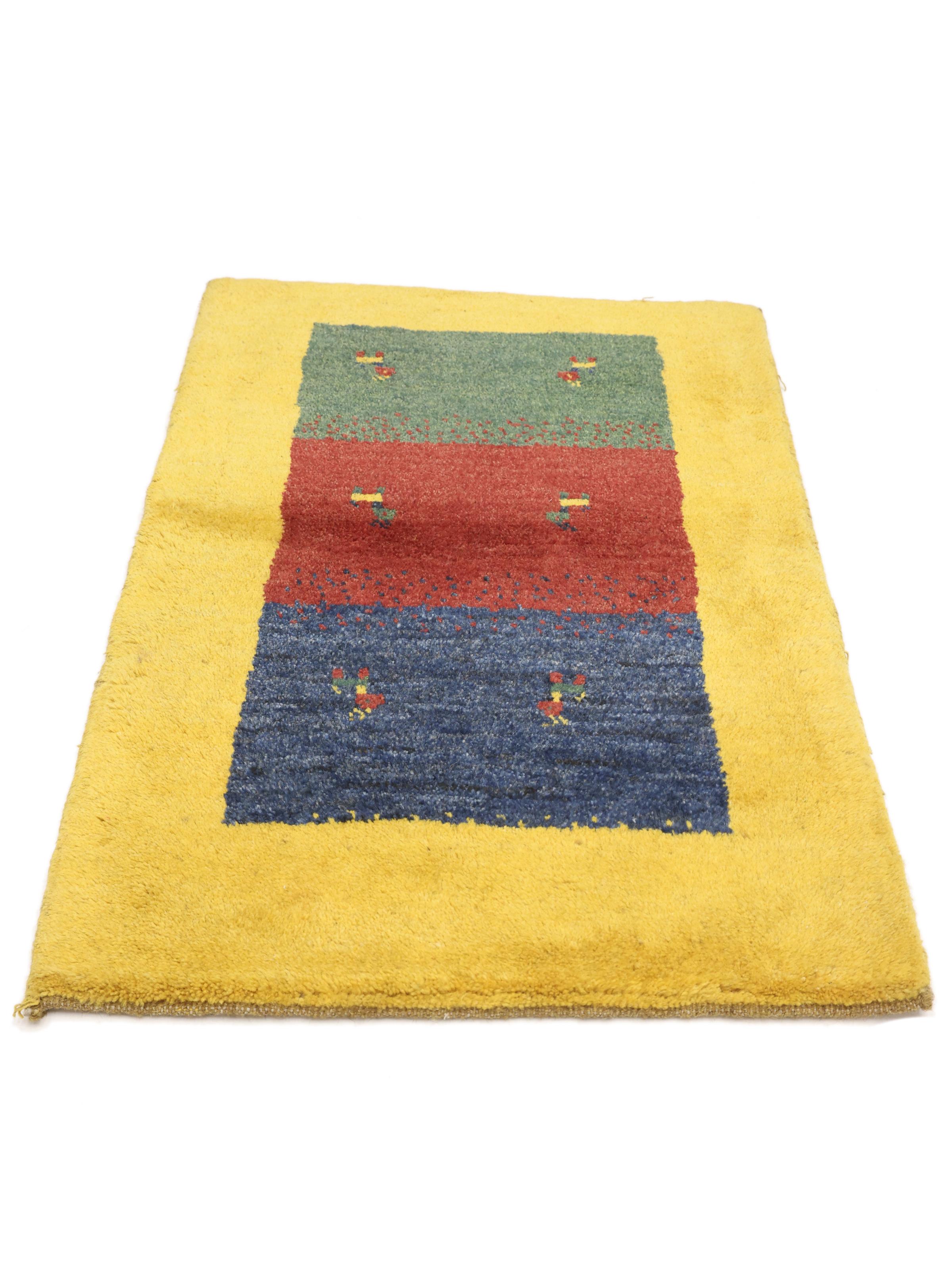
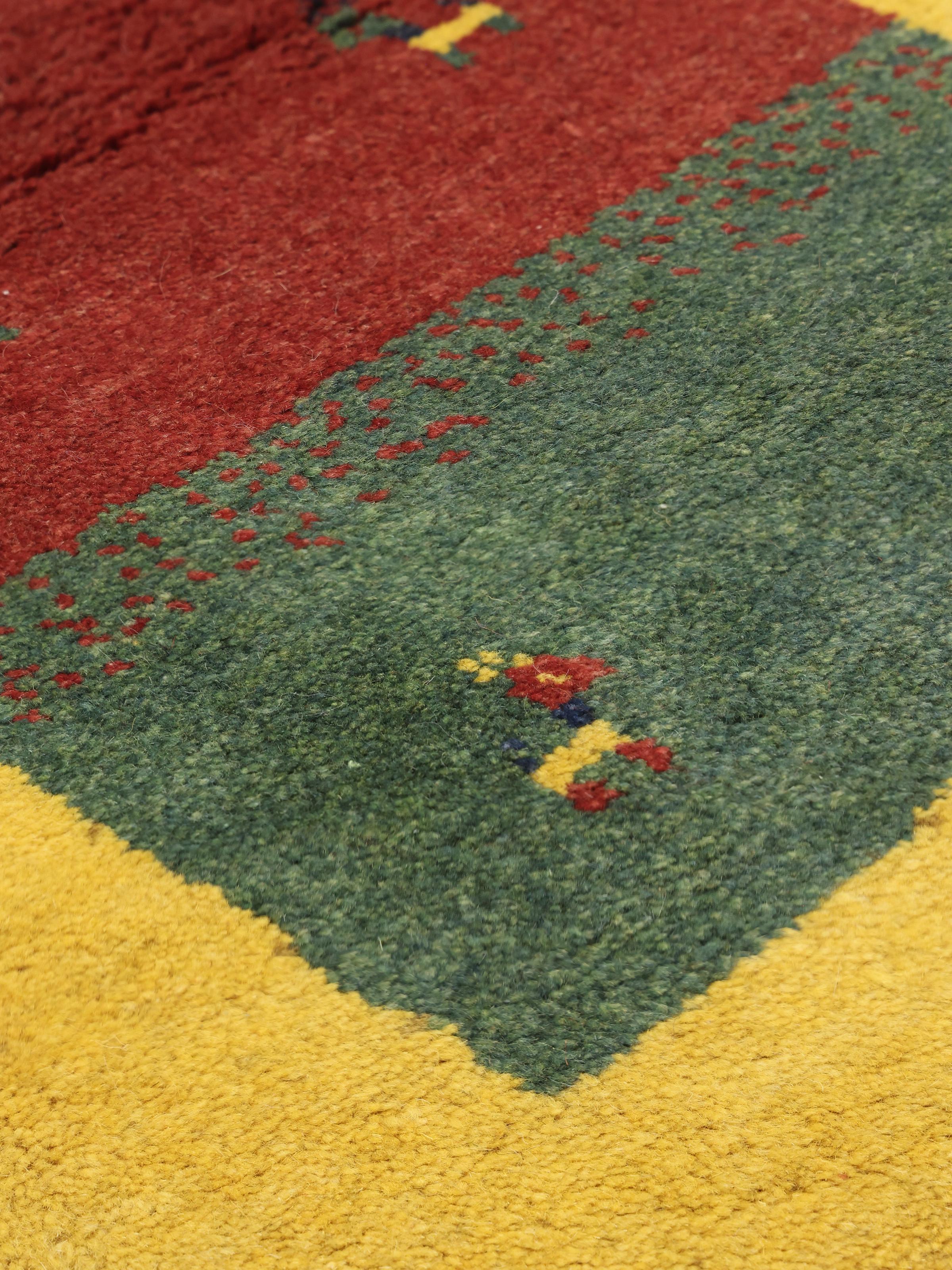
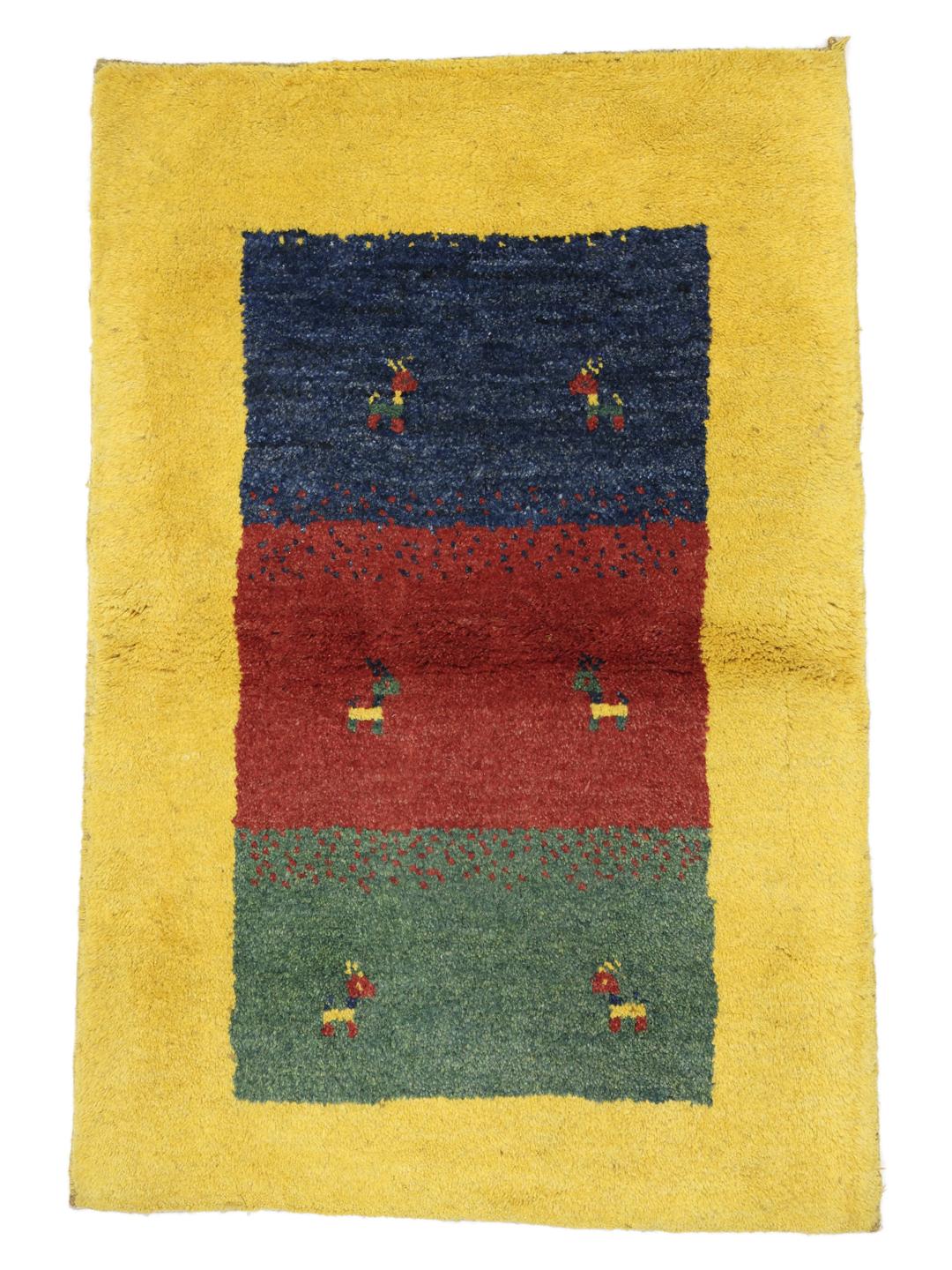
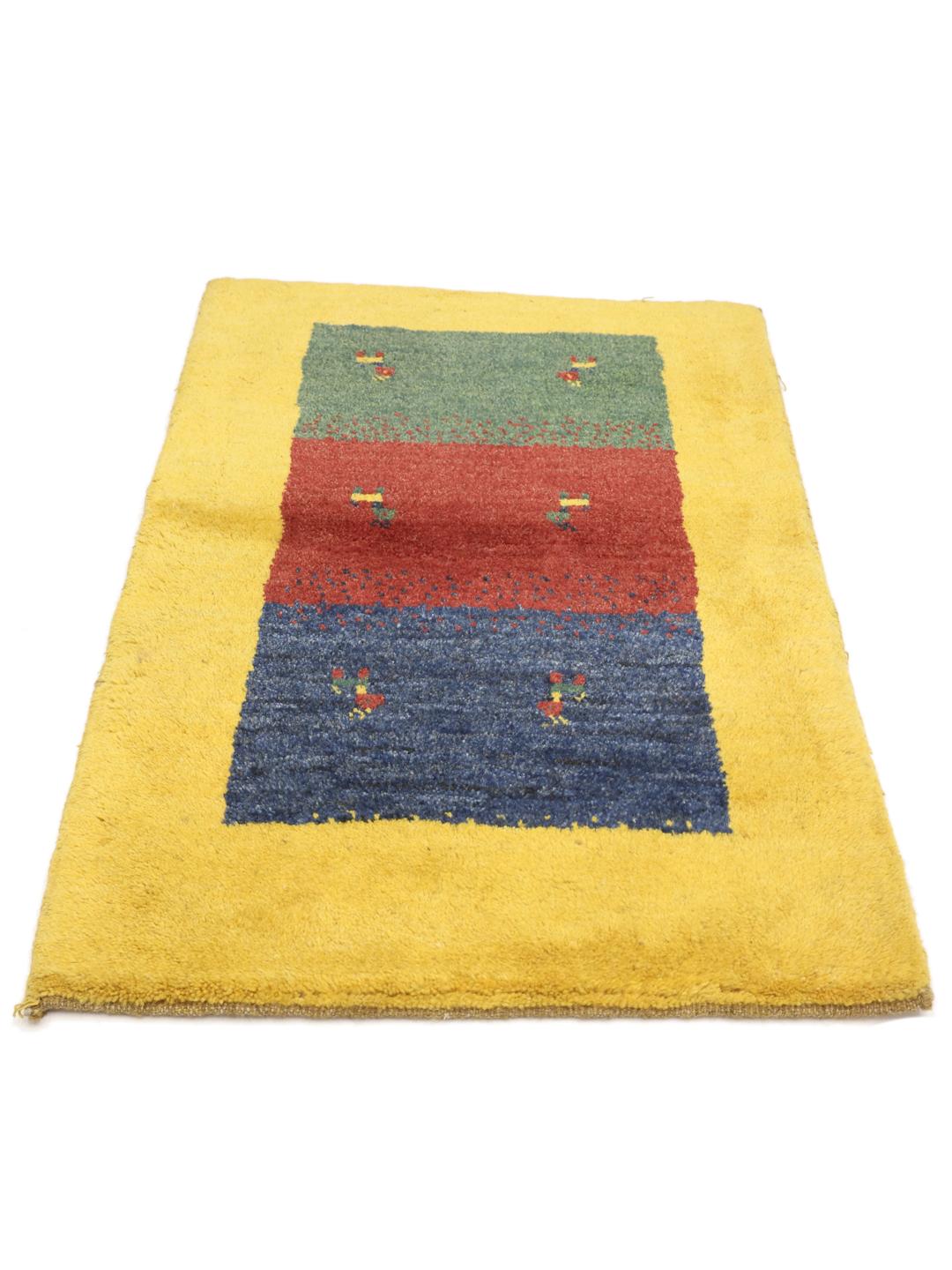
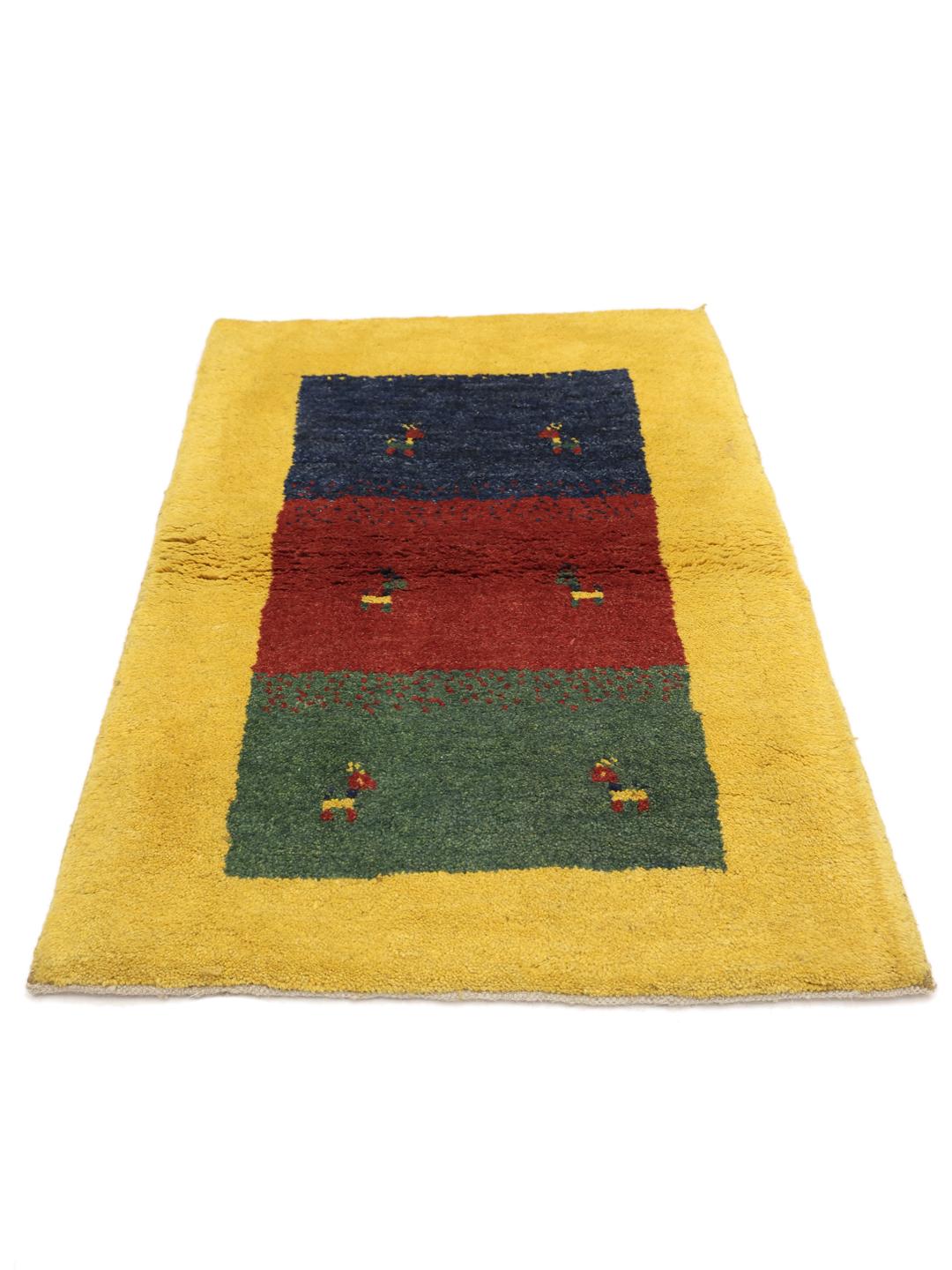
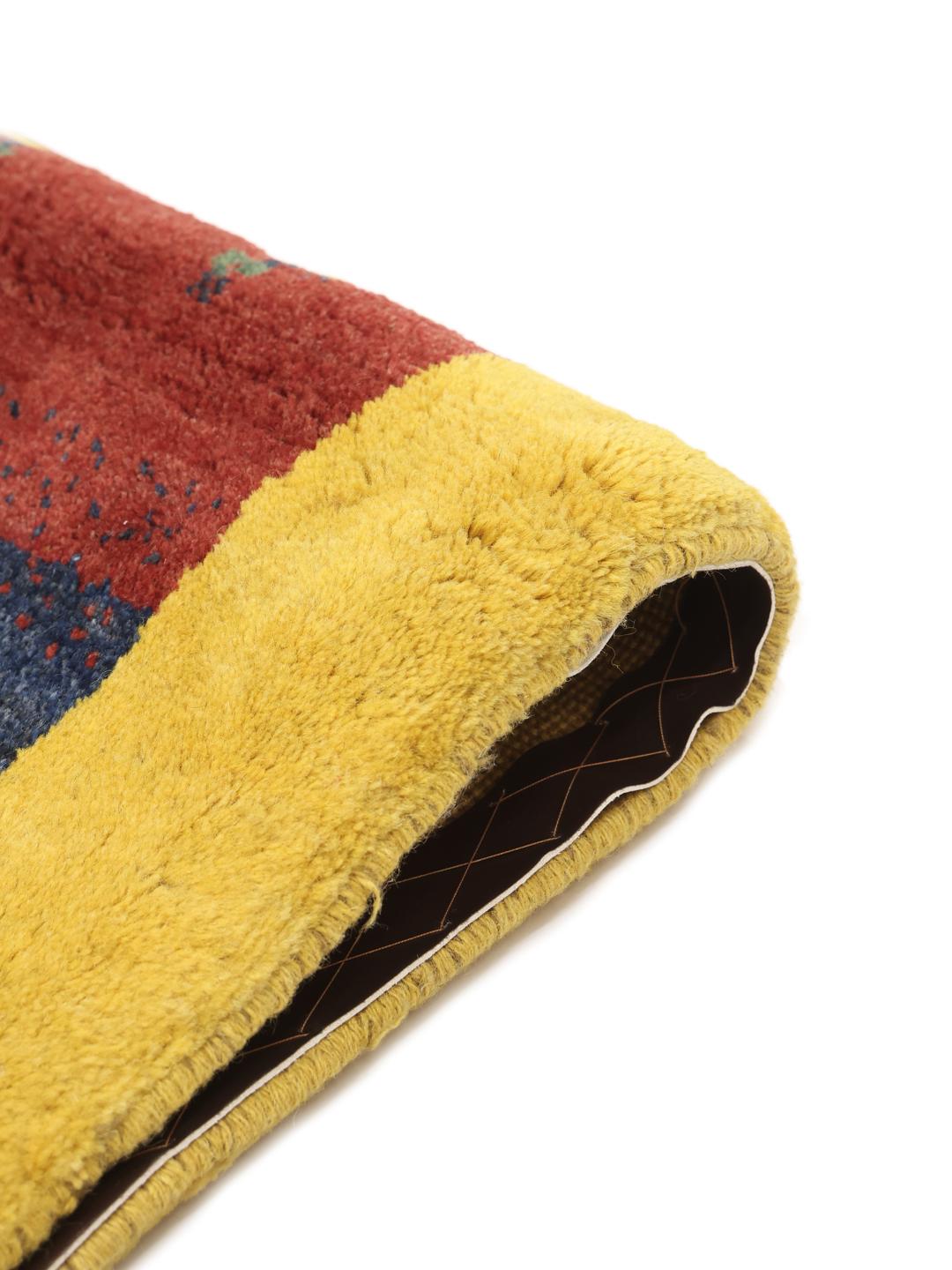
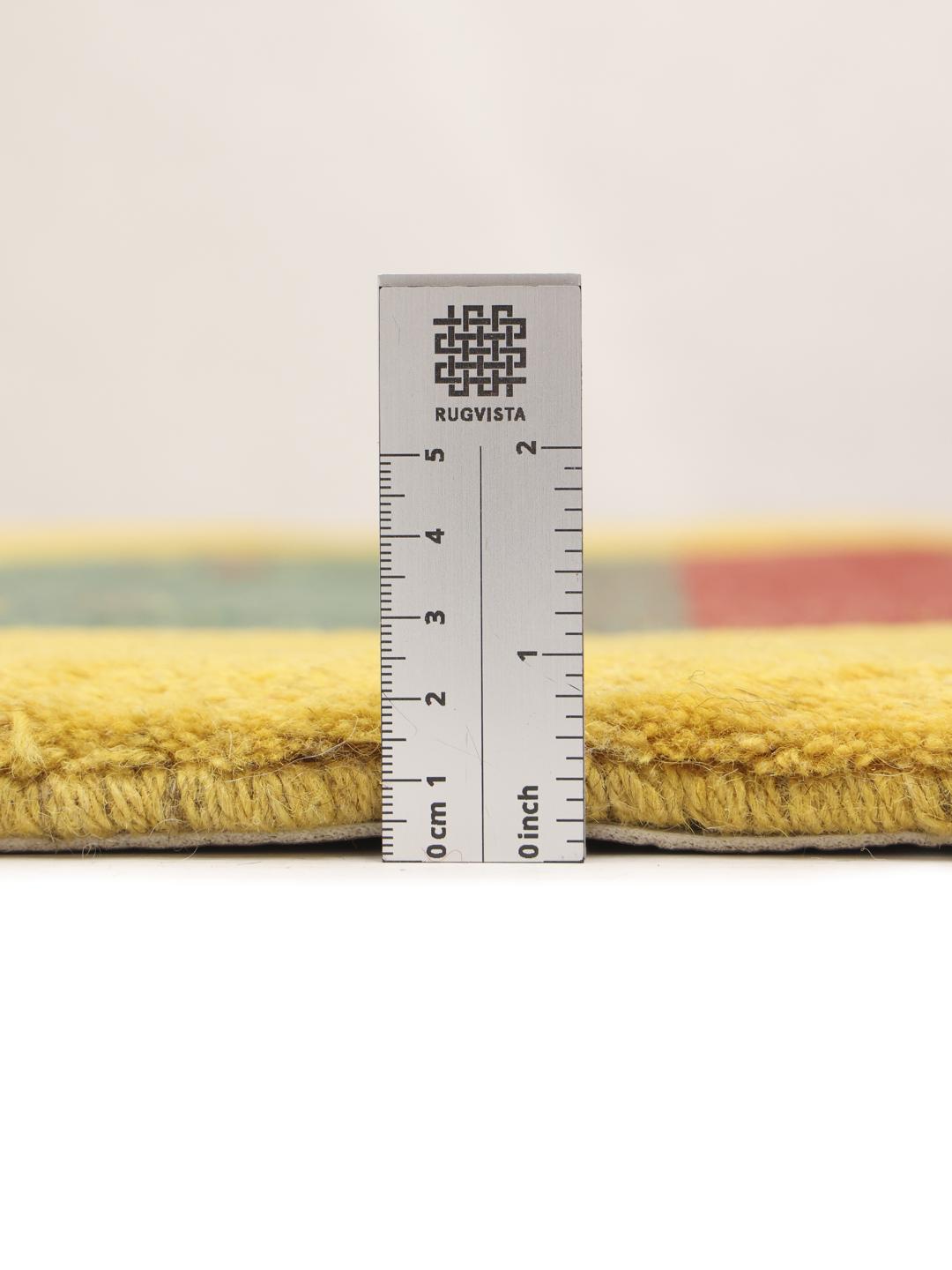
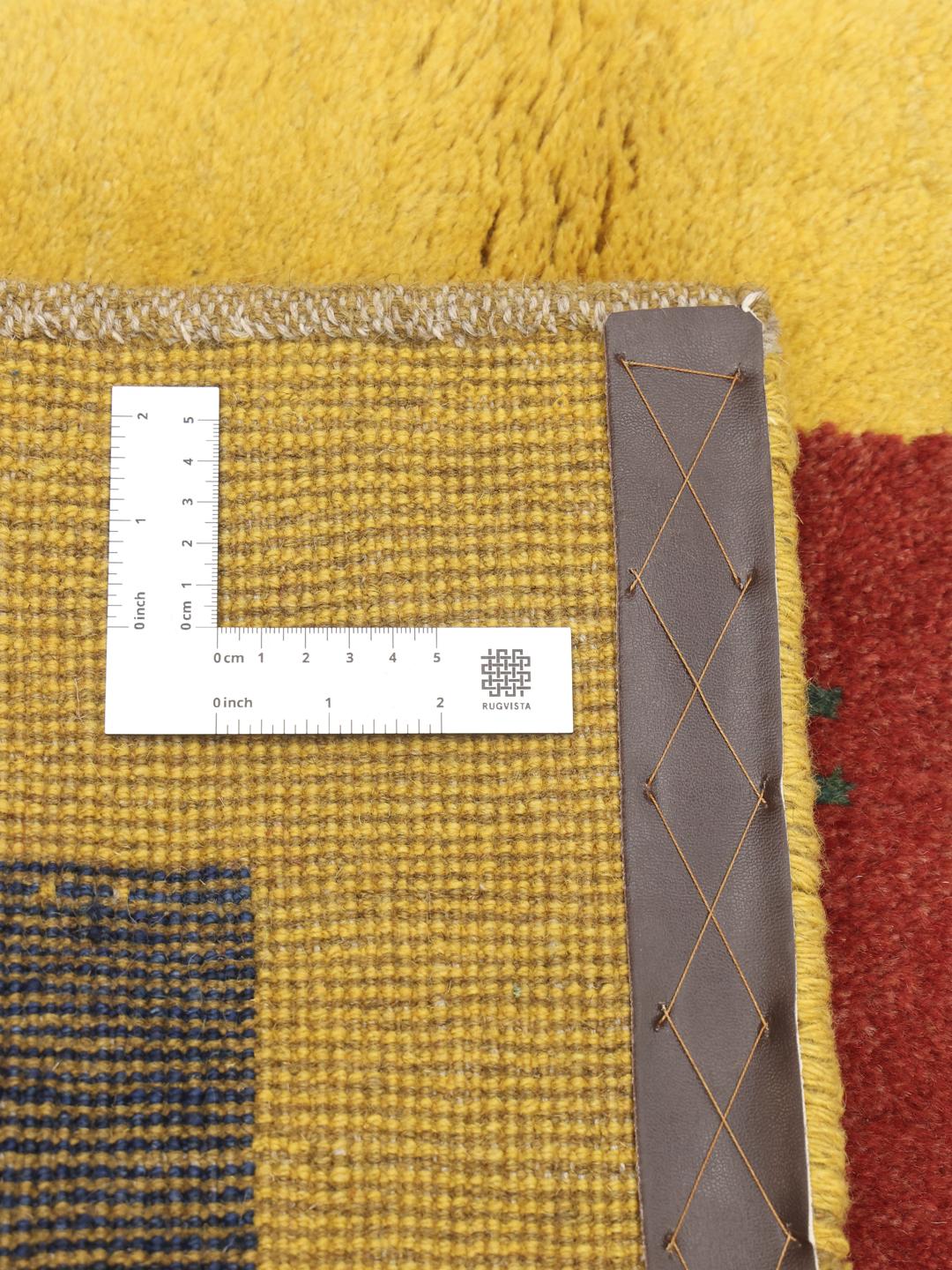
The Gabbeh tradition originates from the nomadic tribes of the Middle East, who have long woven these rugs for their own daily use rather than for trade. These pieces were historically designed to serve as warm, thick bedding and floor coverings for life in harsh mountain climates, which is why they are prized for their exceptional comfort and density.
The term Gabbeh itself implies something raw, natural, or unclipped, which perfectly describes the aesthetic of these rugs. Unlike more formal, city-made carpets that follow strict geometric patterns, the Gabbeh celebrates a more spontaneous and abstract approach to design, often resulting in thicker, more rustic piles that feel inherently organic.
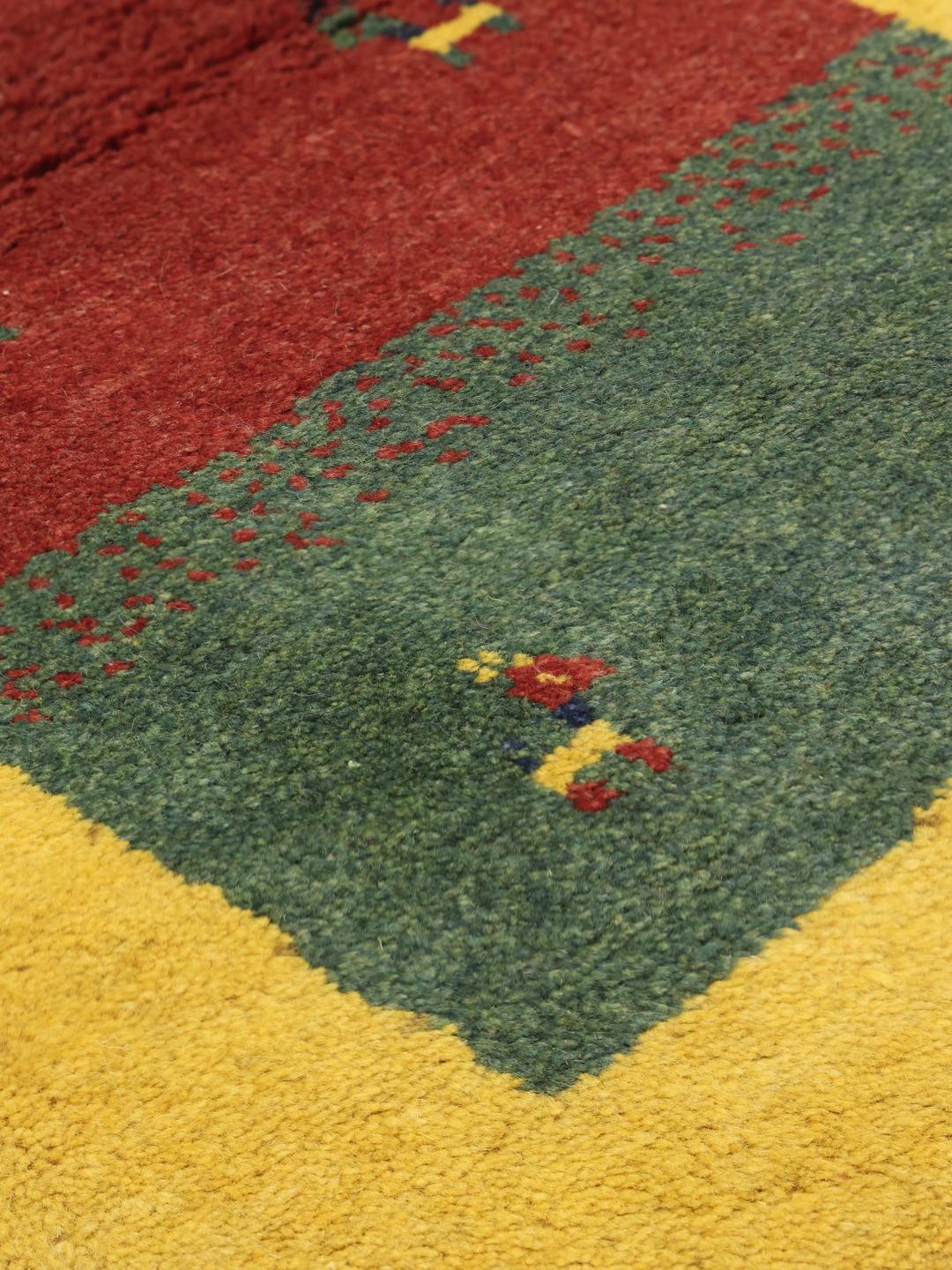
The signature design language of the Gabbeh is famously minimalist and expressive, often utilising large, open fields of solid colour interspersed with stylised animal motifs, plants, or symbolic shapes. These motifs are not mere decoration but are deeply personal to the weaver, often telling stories of the landscape, the flock, or the family history, making each rug a narrative woven in wool.
Collectors value Gabbeh rugs for their unpretentious beauty and the immense cultural weight they carry. Owning one is a way to preserve a connection to ancient nomadic traditions, offering a sense of authenticity and human artistry that stands in contrast to mass-produced decor. They are considered genuine treasures because they represent a living, breathing craft tradition.