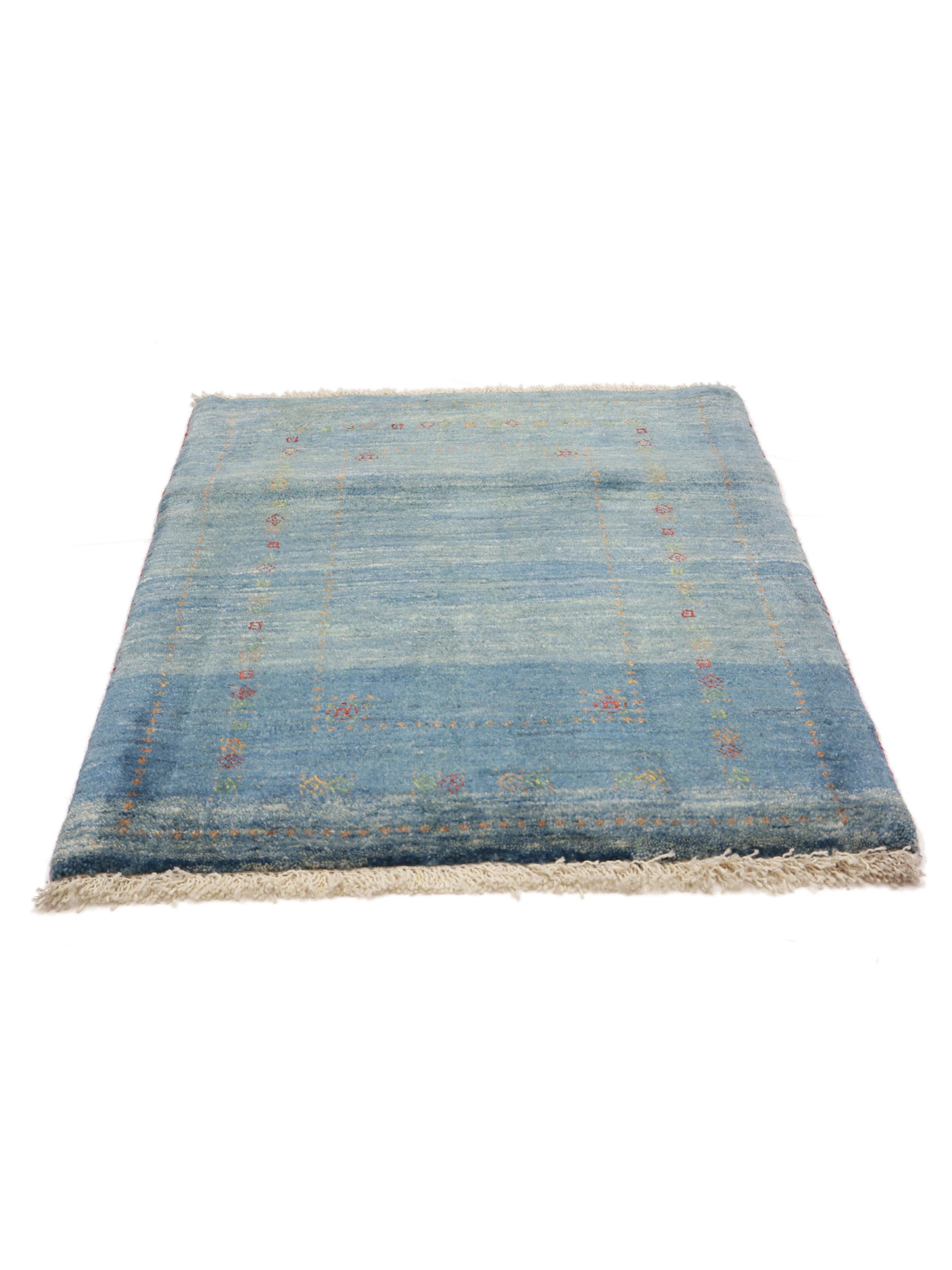
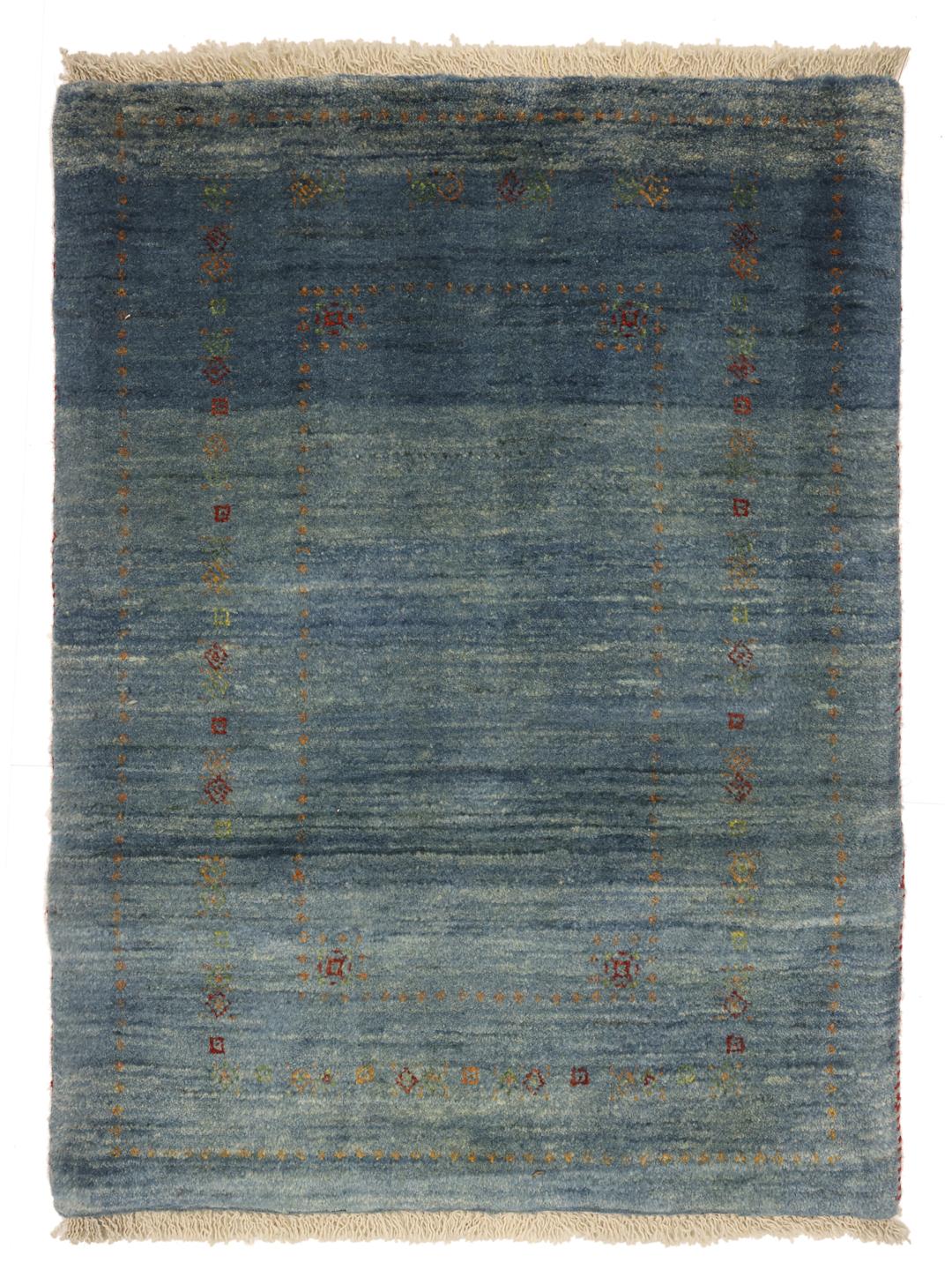
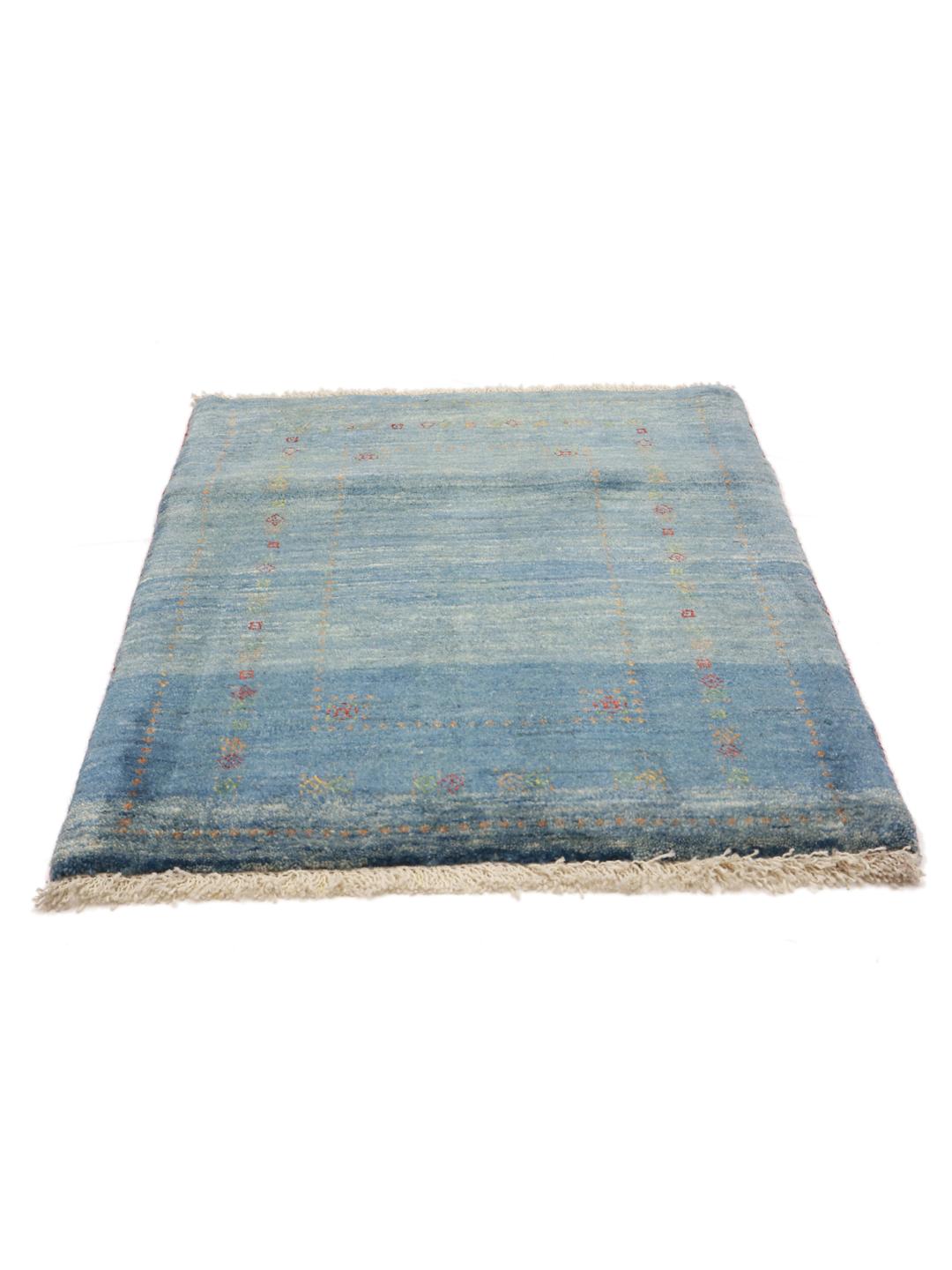
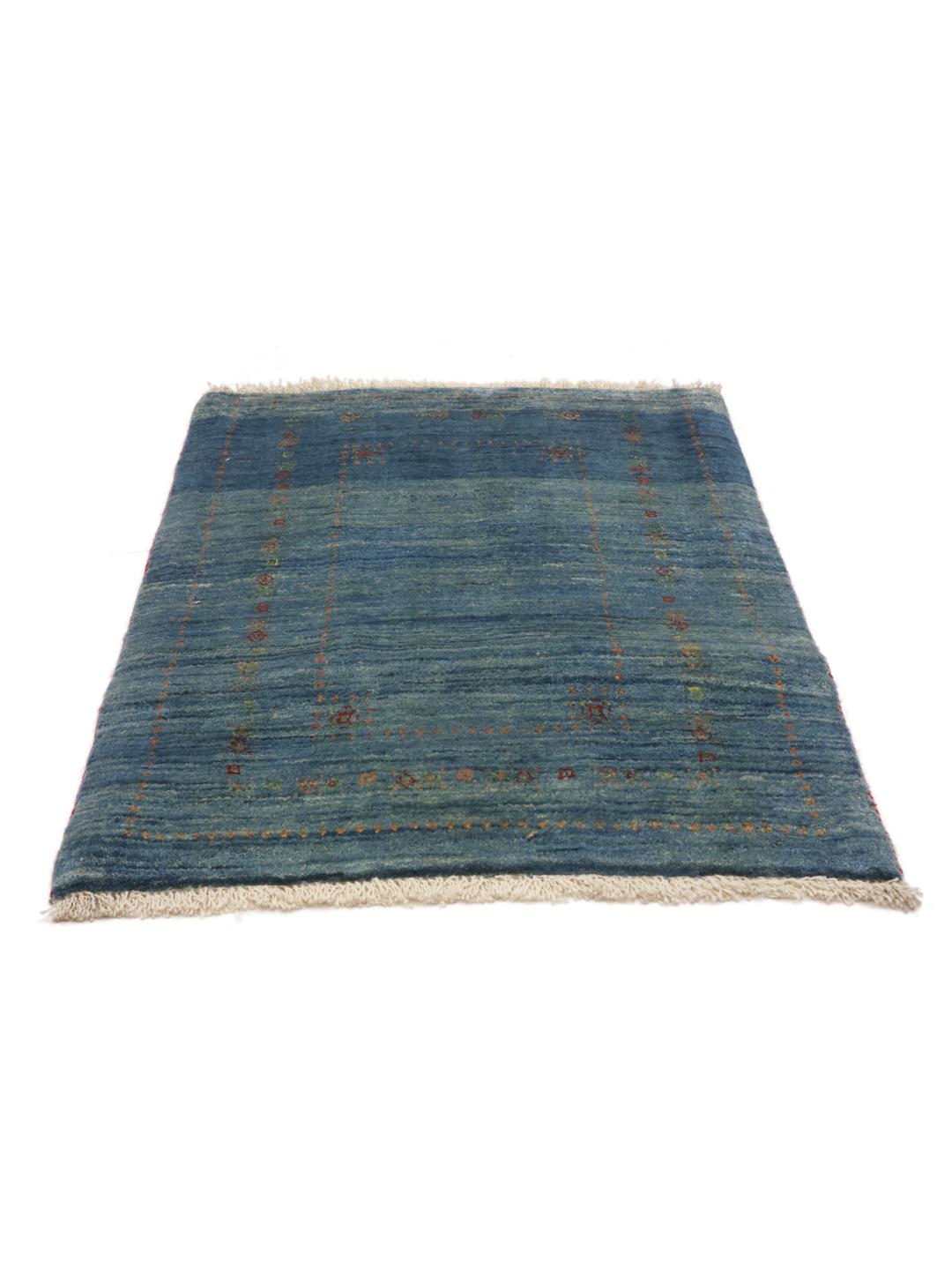
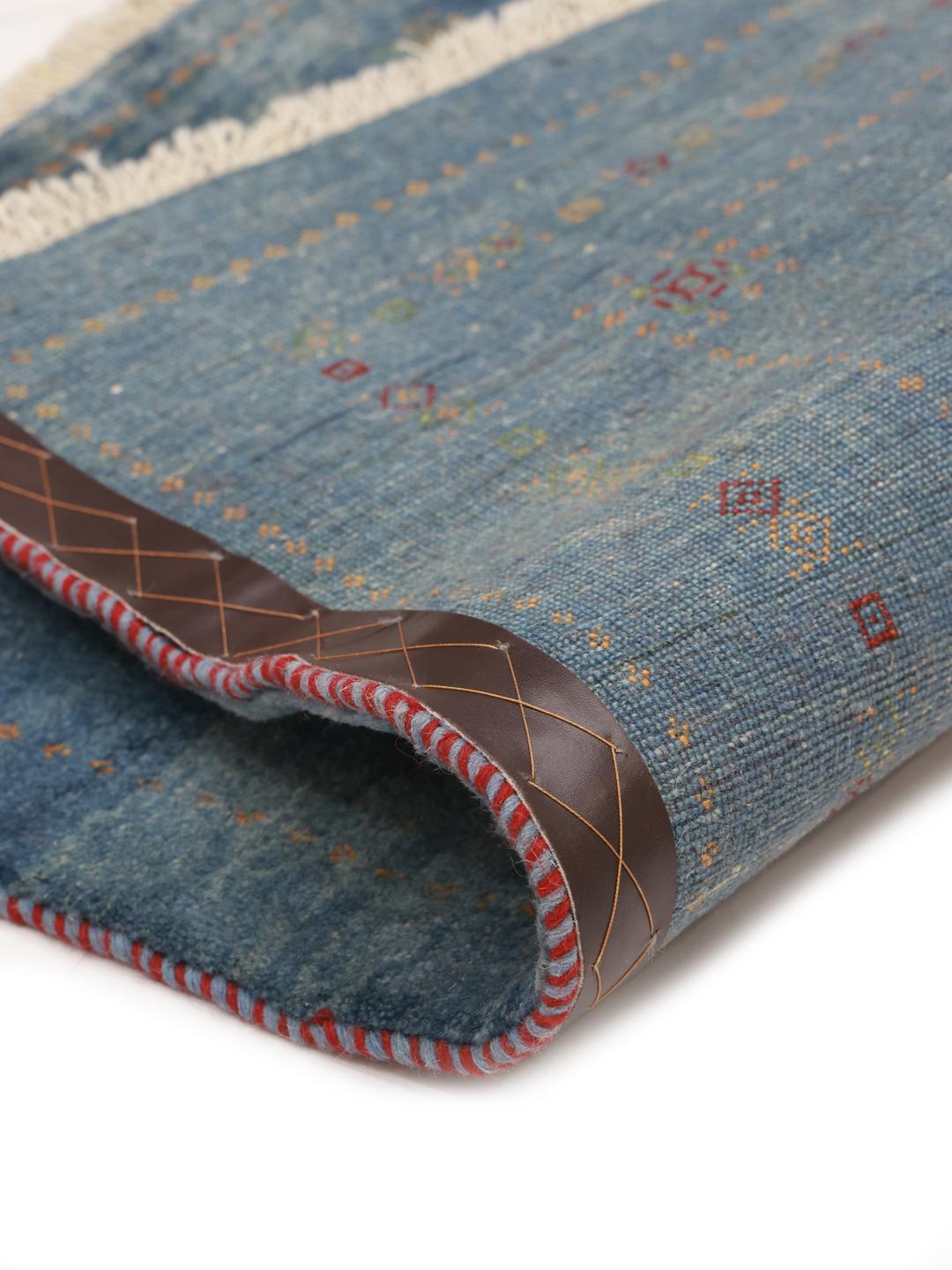
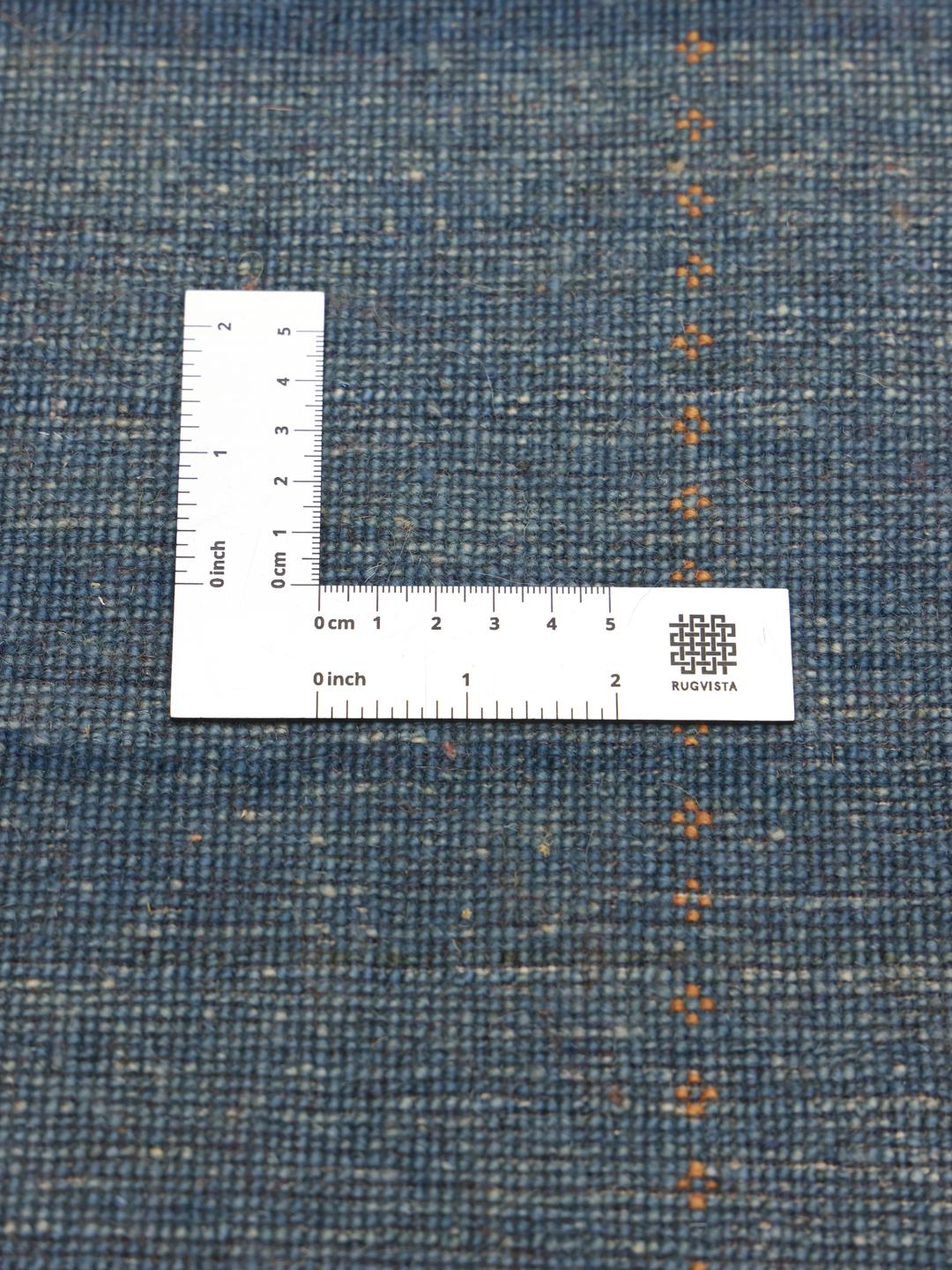
Gabbeh rugs were originally woven by nomadic tribes across the Middle East as practical floor coverings and bed mattresses for daily life in harsh environments. While traditional Gabbeh weaving originated with tribal weavers in regional villages, the style gained wide appreciation and is today also crafted by master weavers in Pakistan who maintain these classic techniques.
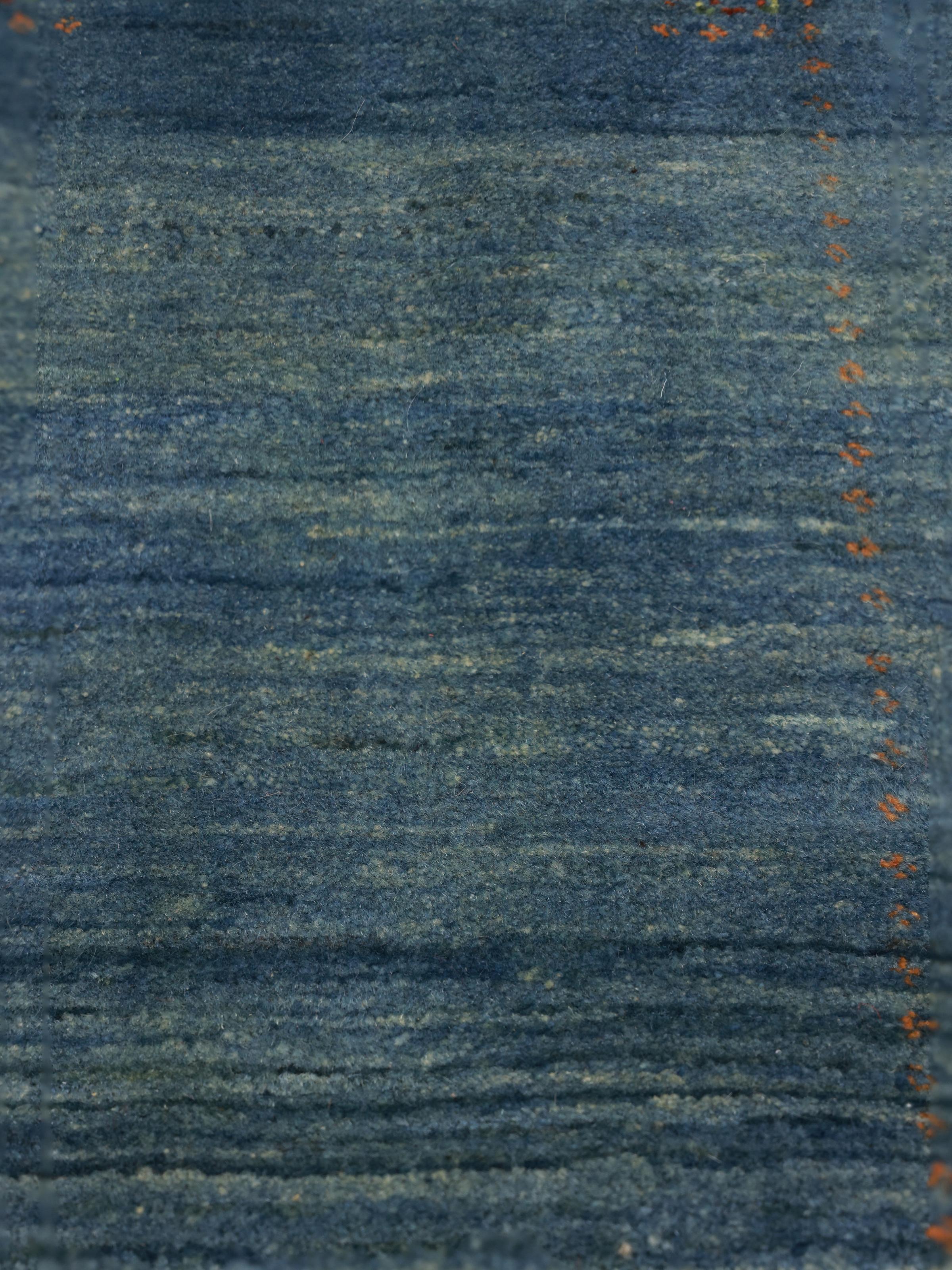
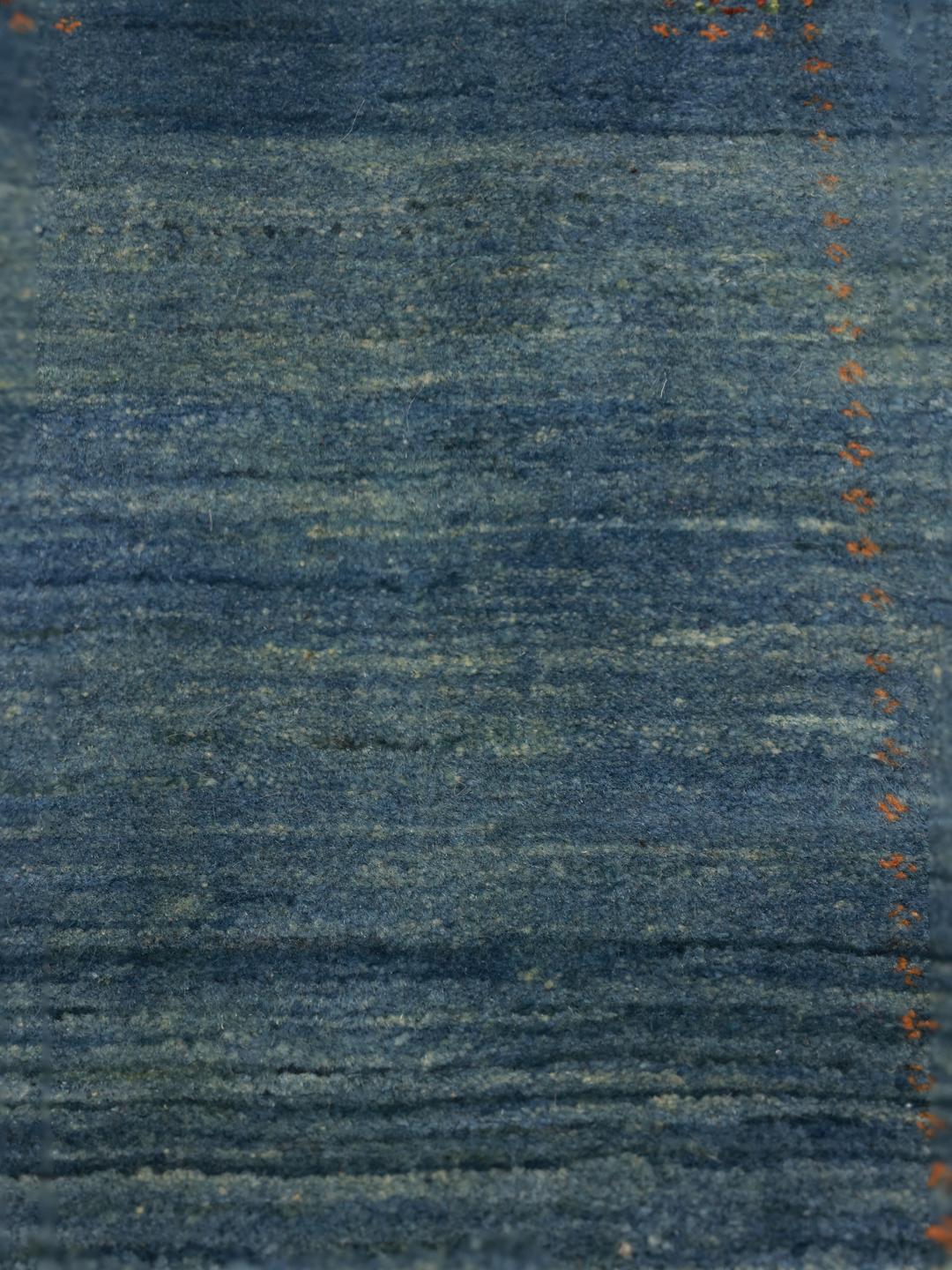
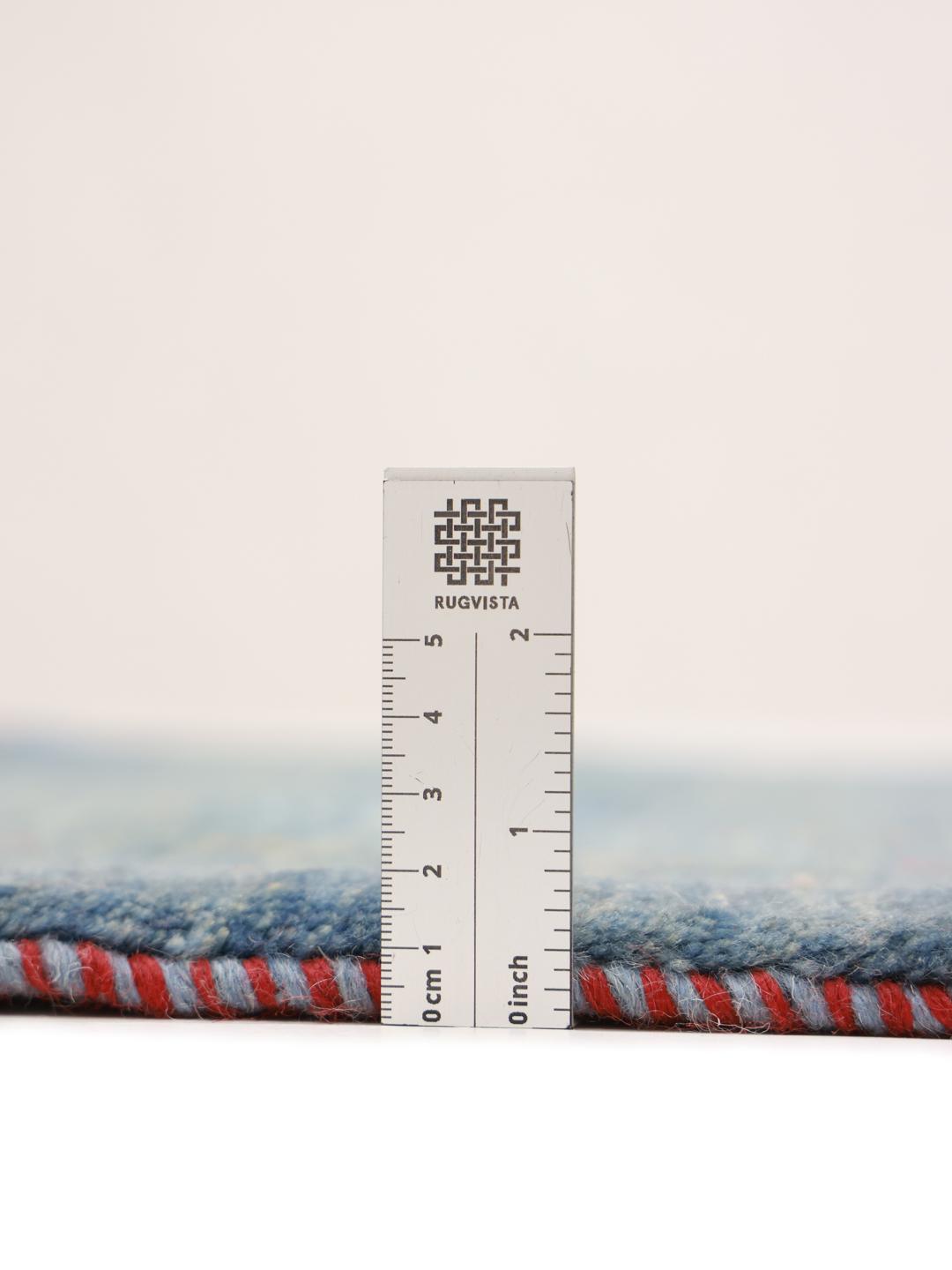
The word Gabbeh translates to raw, natural, or uncut, referring to the characteristic thick, soft pile and relaxed design language of these rugs. Unlike formal city rugs with rigid symmetry, Gabbeh rugs prioritize deep plush wool and expressive, open fields.
Visual storytelling is central to the Gabbeh tradition. Weavers use simple geometric motifs, small stylized animals, and subtle color shifts across the field. These simple motifs often represented personal narratives, landscape elements, or daily moments in the weaver's life.
Today, Gabbeh rugs are valued worldwide for their ability to blend rustic storytelling with contemporary interiors. Owning a hand-knotted Gabbeh means bringing a piece of living craft tradition into the home, prized for both its honest construction and modern aesthetic appeal.