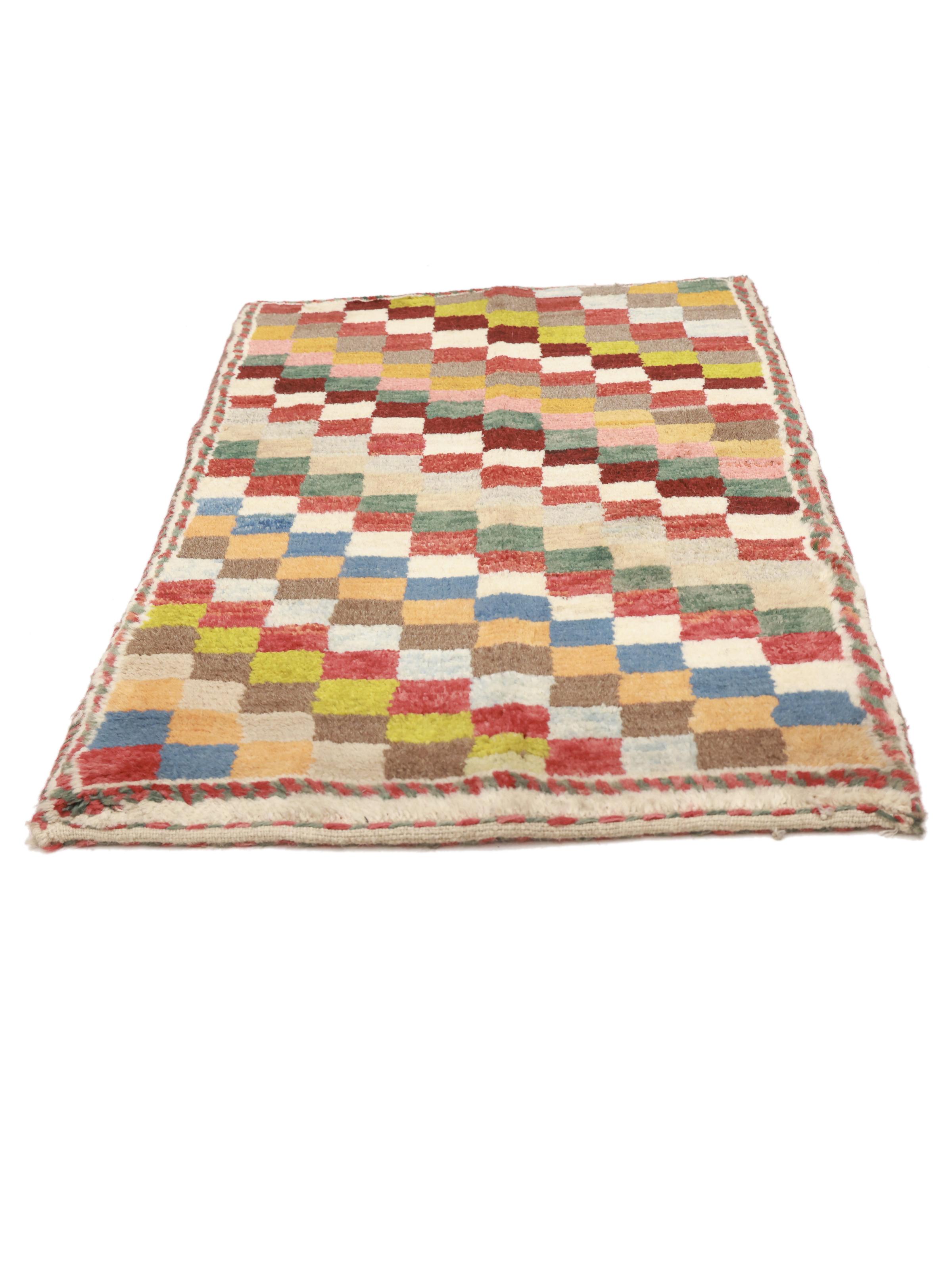
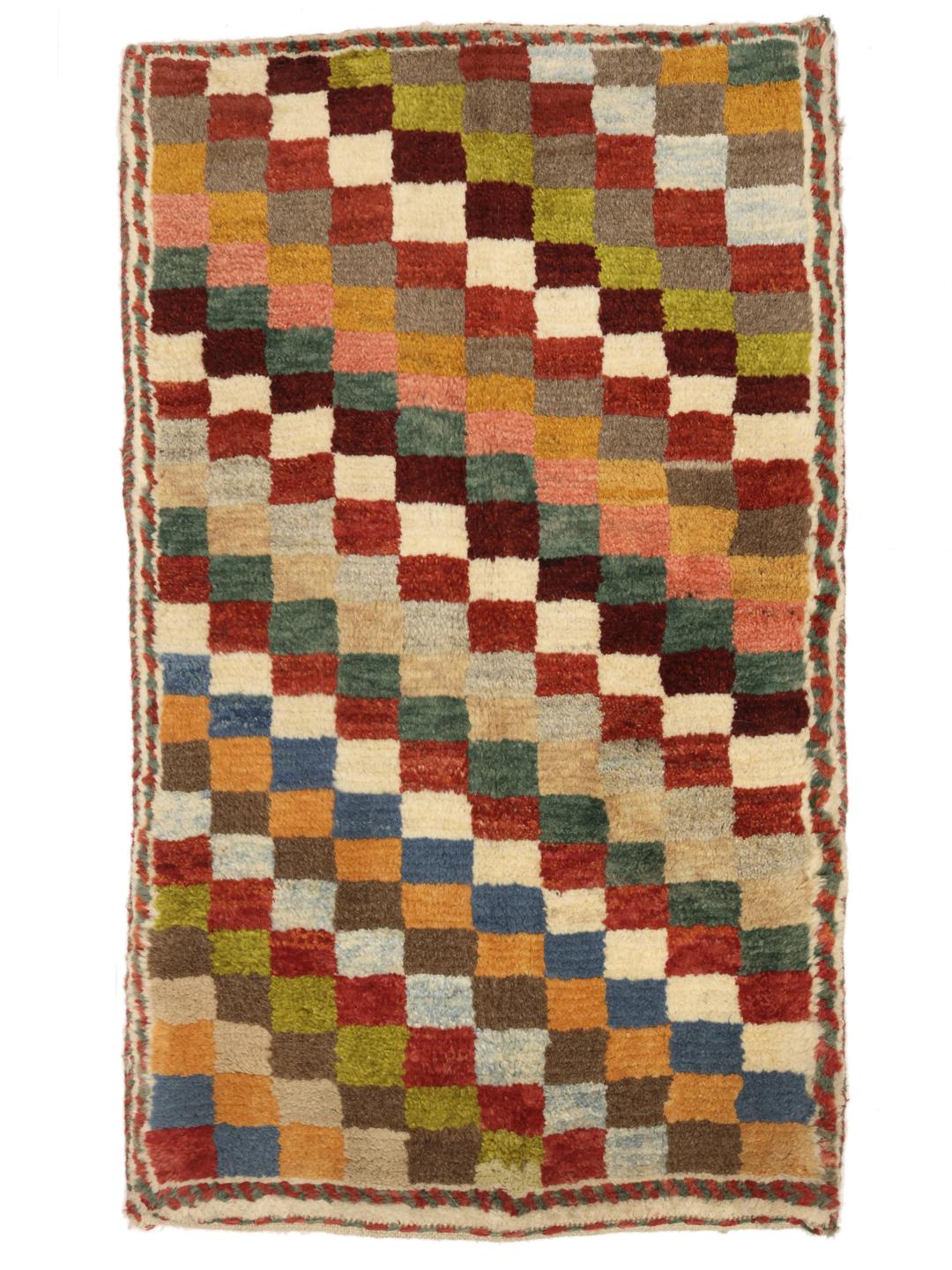
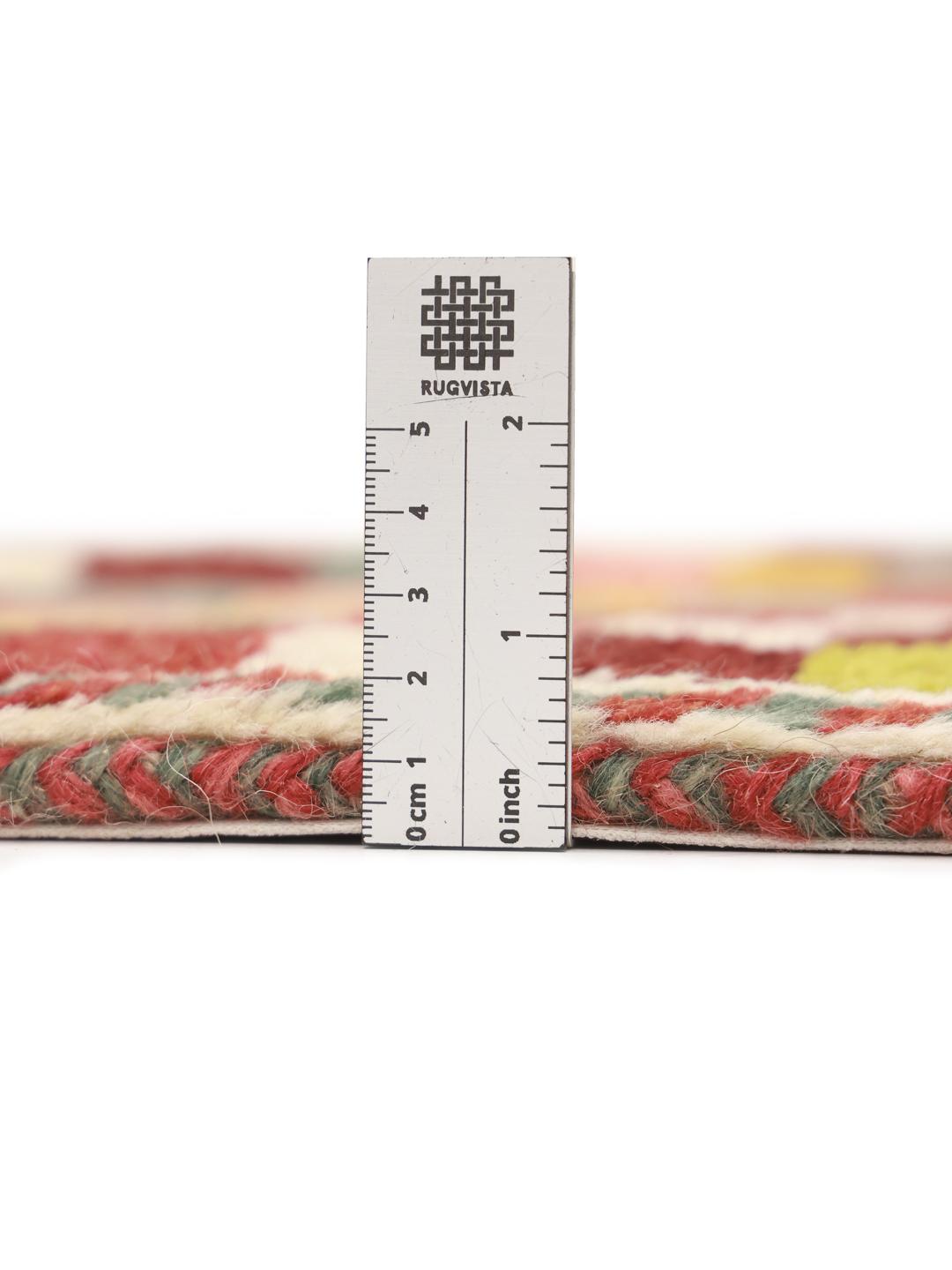
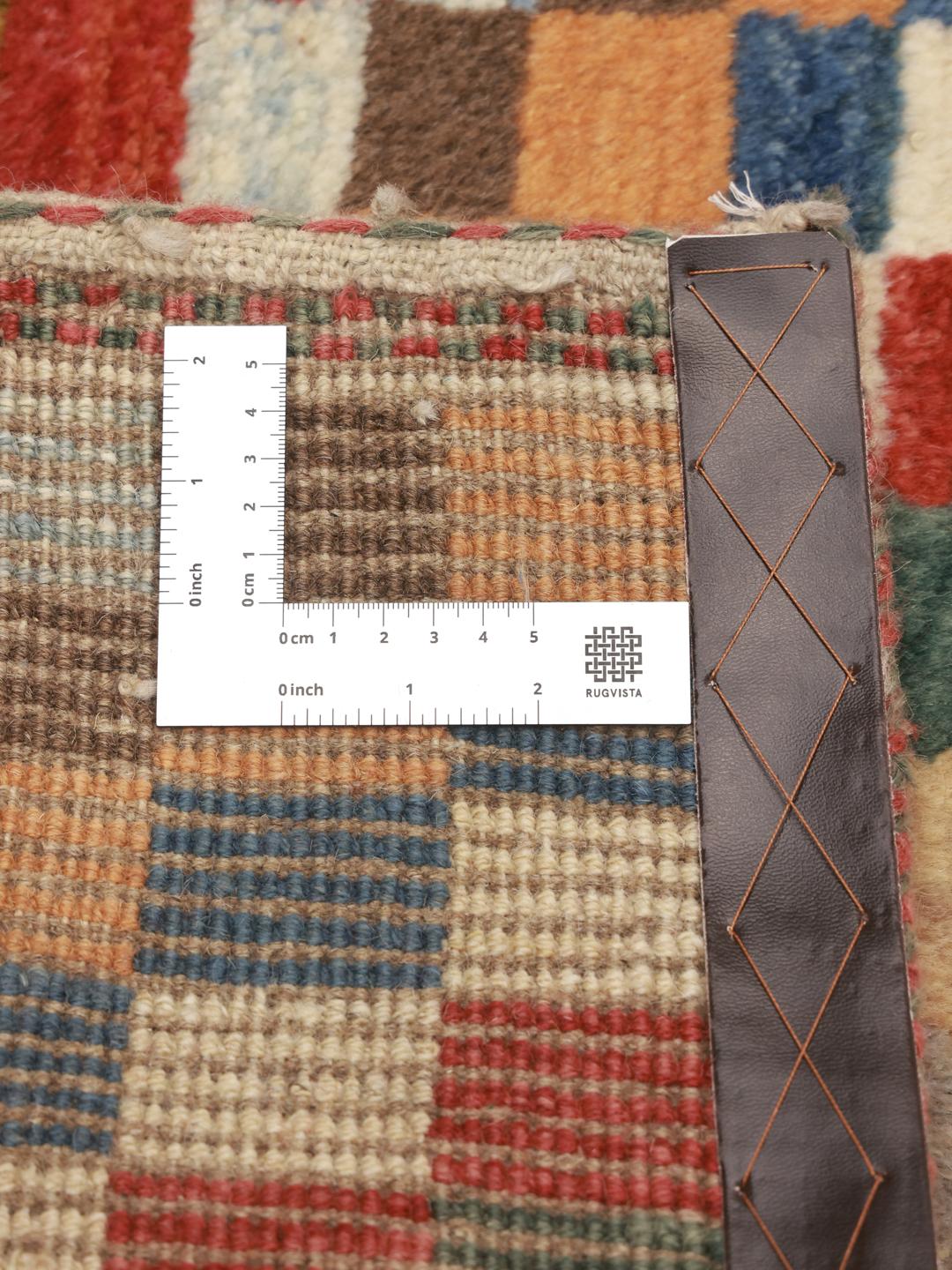
Gabbeh rugs originate from the nomadic tribes of the Middle East, primarily woven by the Ghashgai and Luri peoples. Historically, these rugs were created for personal use within the home, serving as thick, protective floor coverings that provided insulation against the cold ground of tents and dwellings. Unlike formal carpets, Gabbehs were never intended for commercial export, which allowed the weavers complete creative freedom.
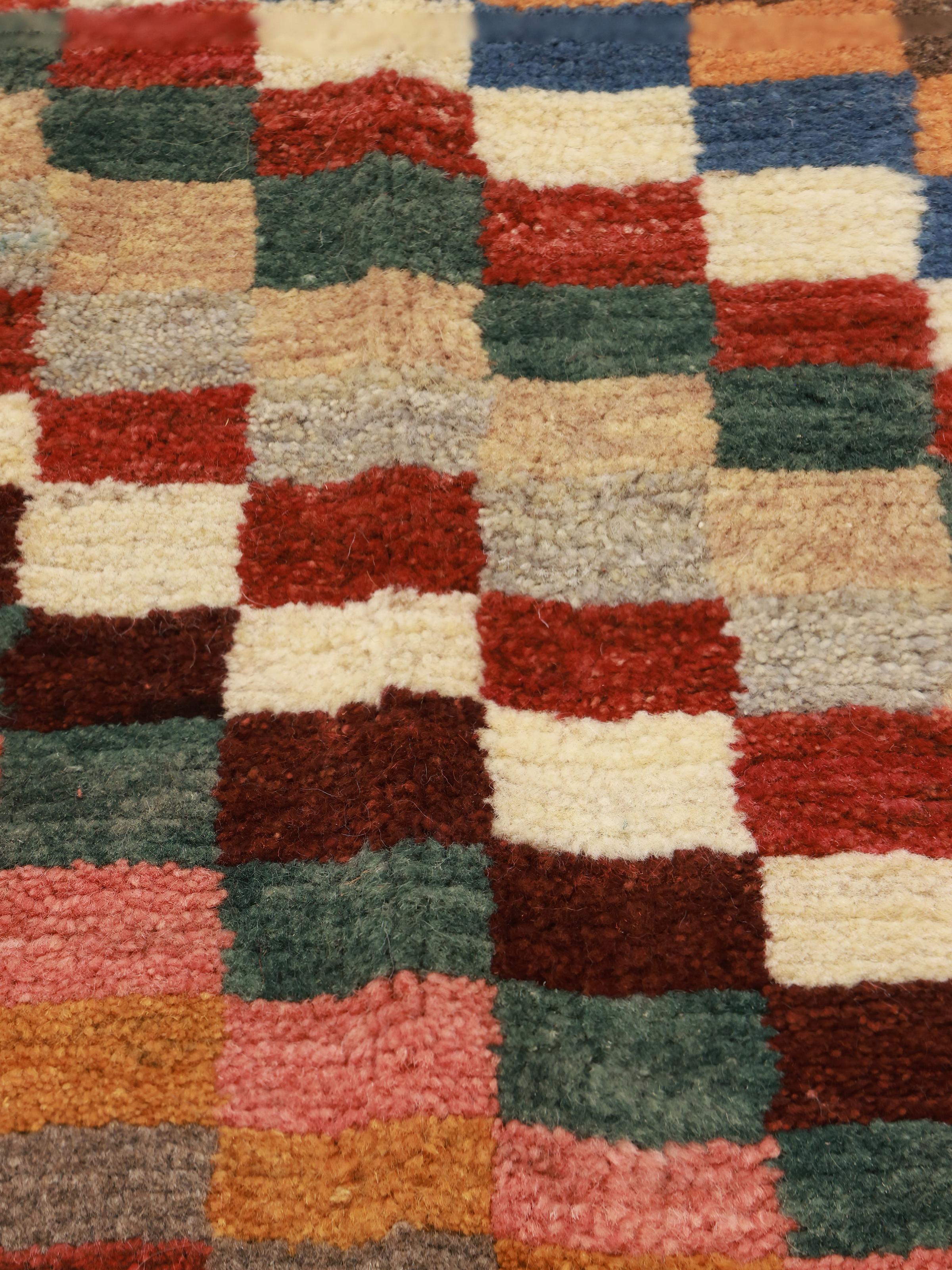
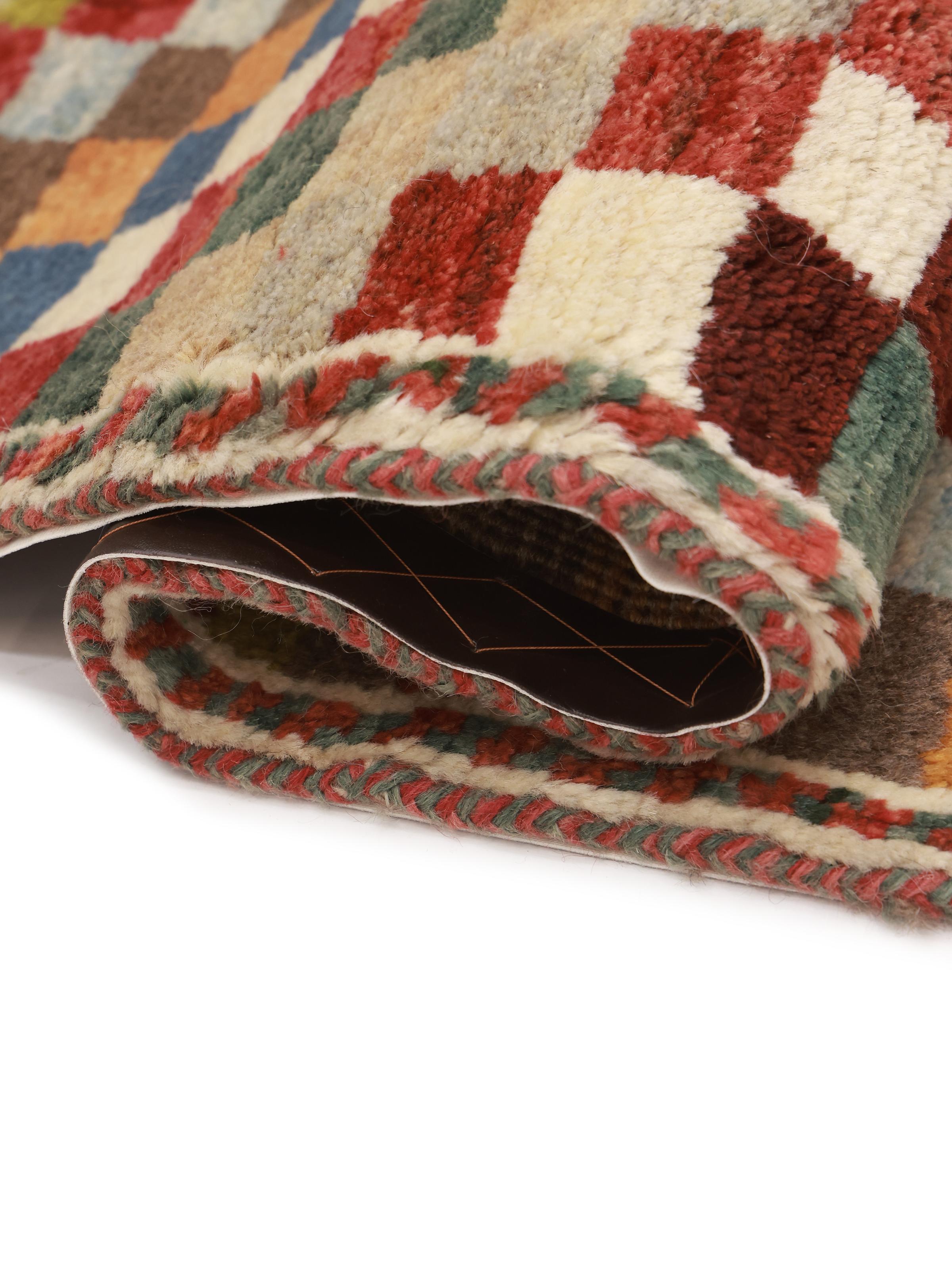
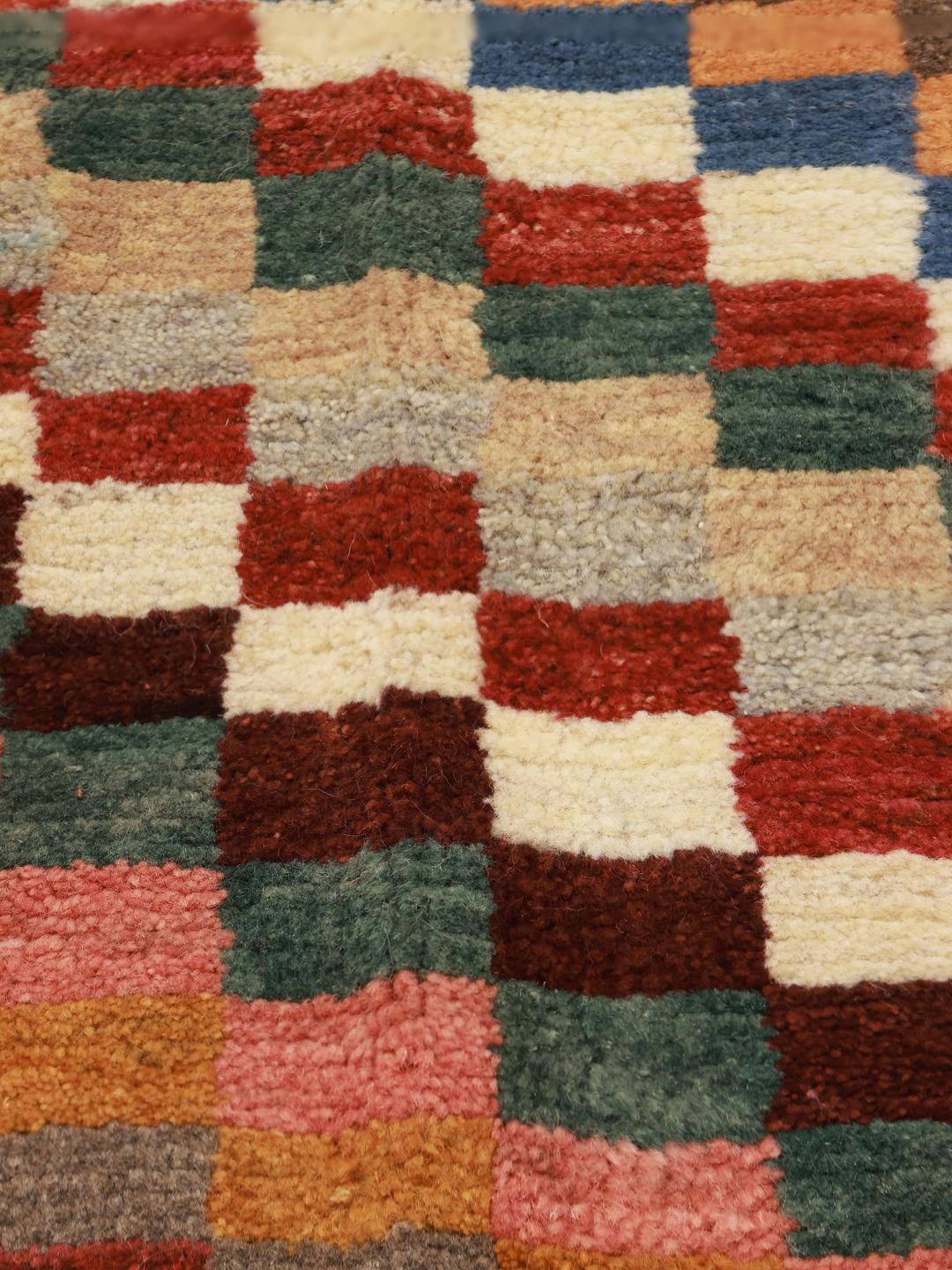
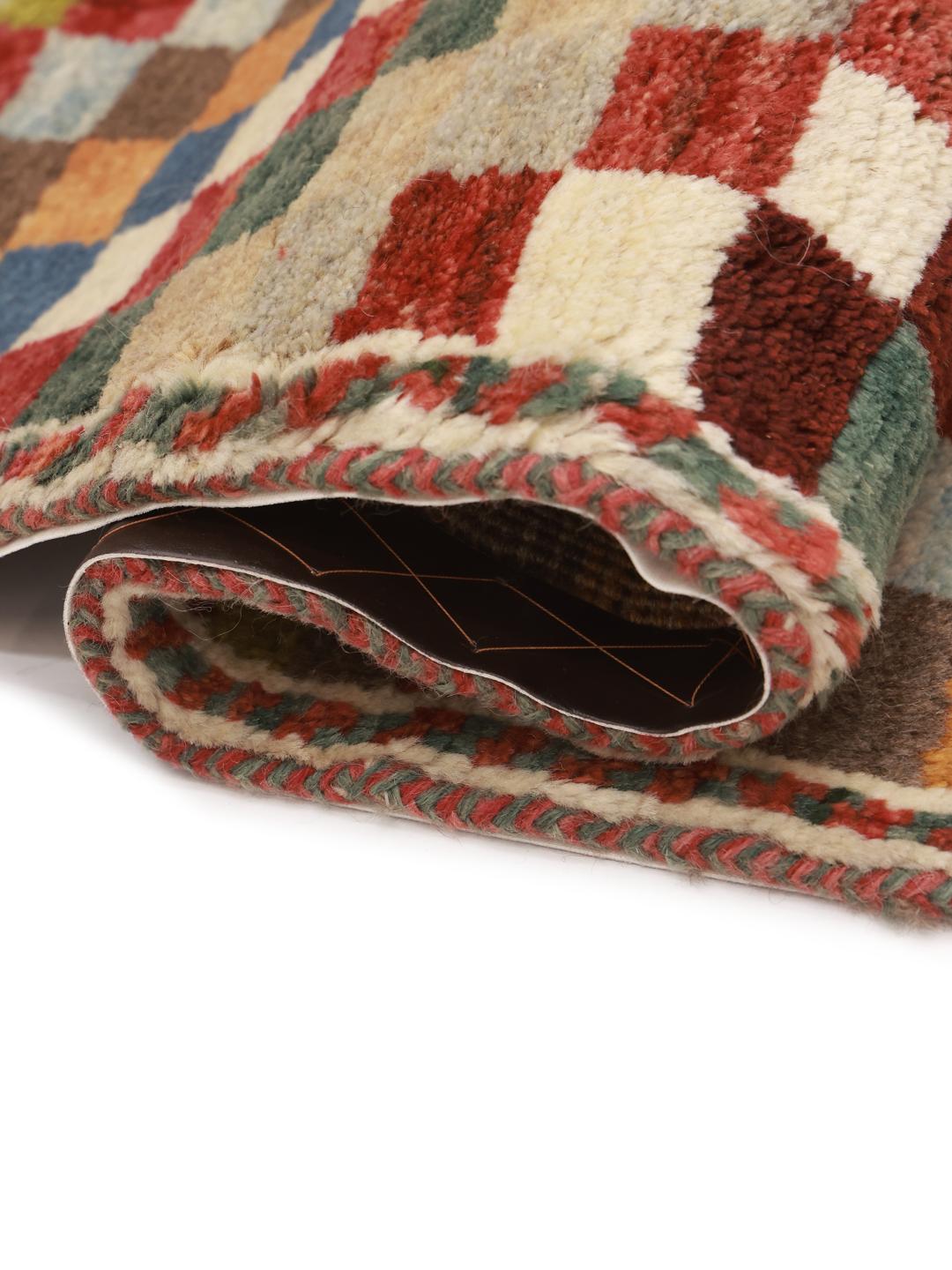
The term 'Gabbeh' itself translates to 'raw,' 'natural,' or 'unfinished,' which refers to the simplicity of their construction and design. These rugs are typically characterised by a thick, hand-spun wool pile and a coarser weave compared to more formal city rugs. This thick pile is essential, as it provides a soft, cushioning texture that is highly valued for its comfort and durability, making these pieces exceptionally practical for everyday life.
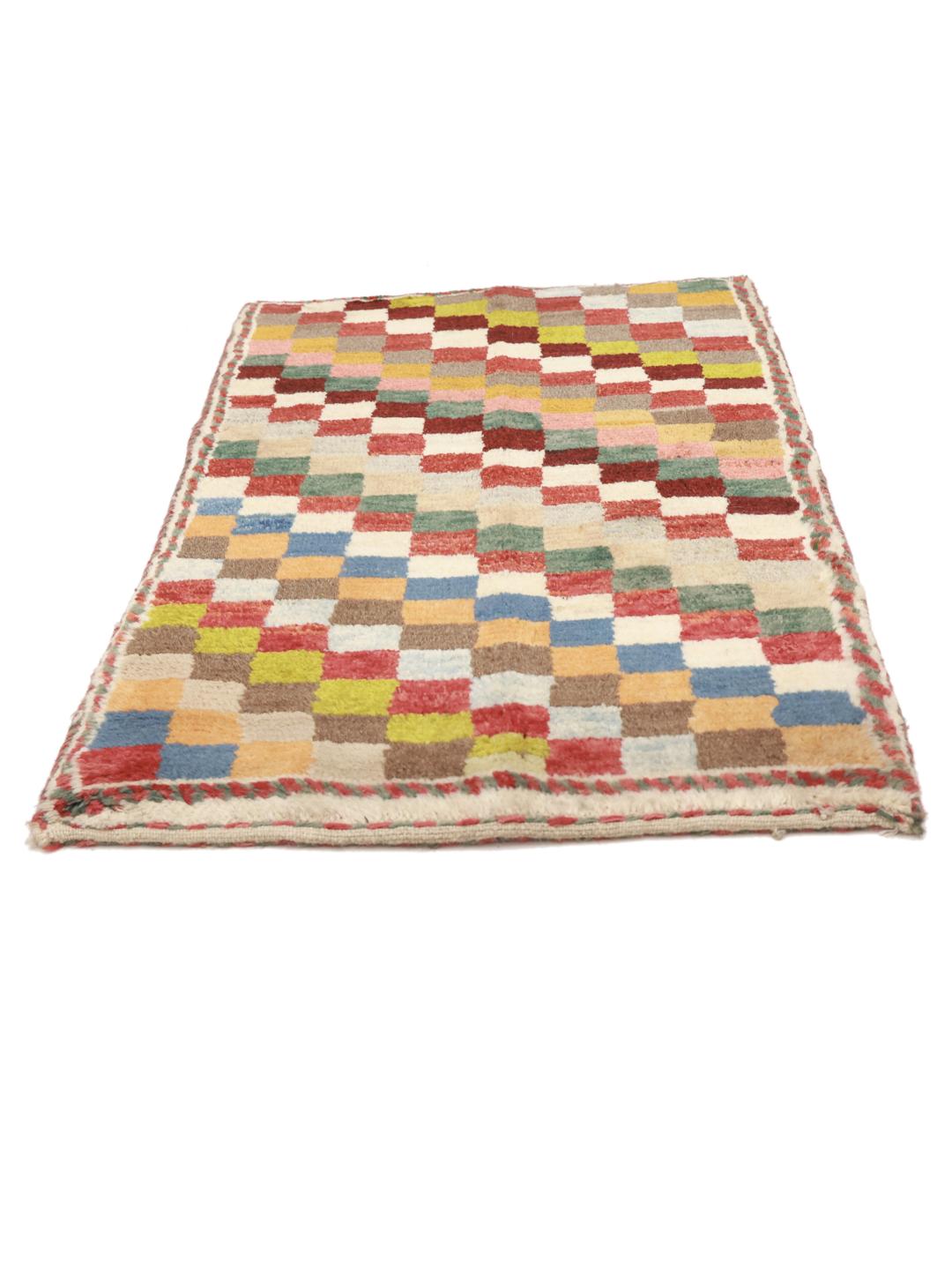
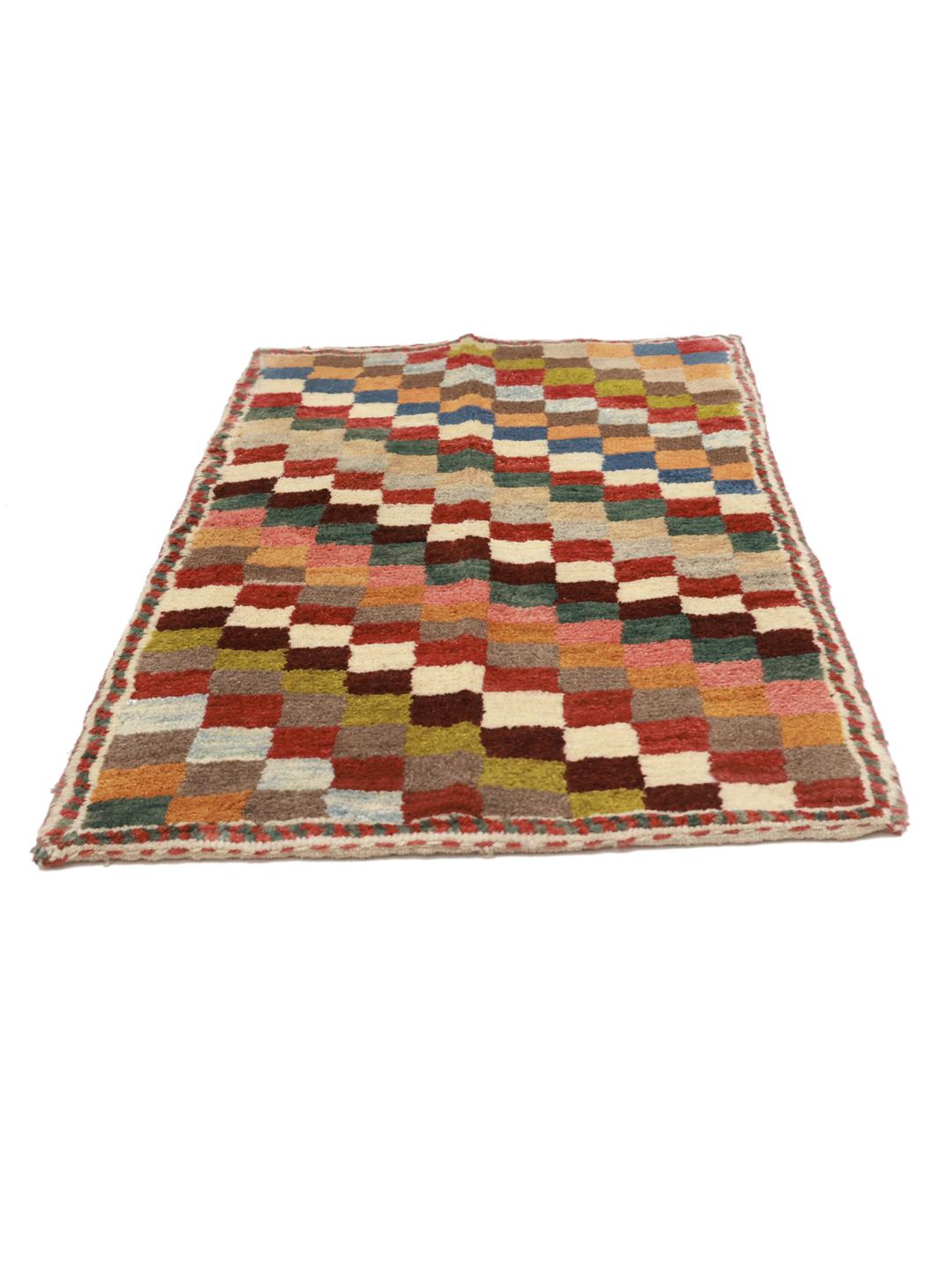
Visually, traditional Gabbehs are famous for their bold, abstract, and often playful designs. Weavers often incorporated geometric shapes, stylised animals, or abstract representations of their environment, using hand-dyed wool in rich, earthy tones. The patchwork or checkered motifs seen here are a vibrant evolution of this tradition, showcasing a fearless approach to colour that transforms the rug into a focal point in any interior.
Today, these rugs are highly sought after by collectors who value the authenticity and the human story behind every knot. Owning a Gabbeh is not just about acquiring a floor covering; it is about preserving a piece of nomadic heritage. Each rug is a testament to the weaver's individual vision and skill, representing a connection to a cultural tradition that prioritises creativity, warmth, and lasting quality over mass-produced uniformity.