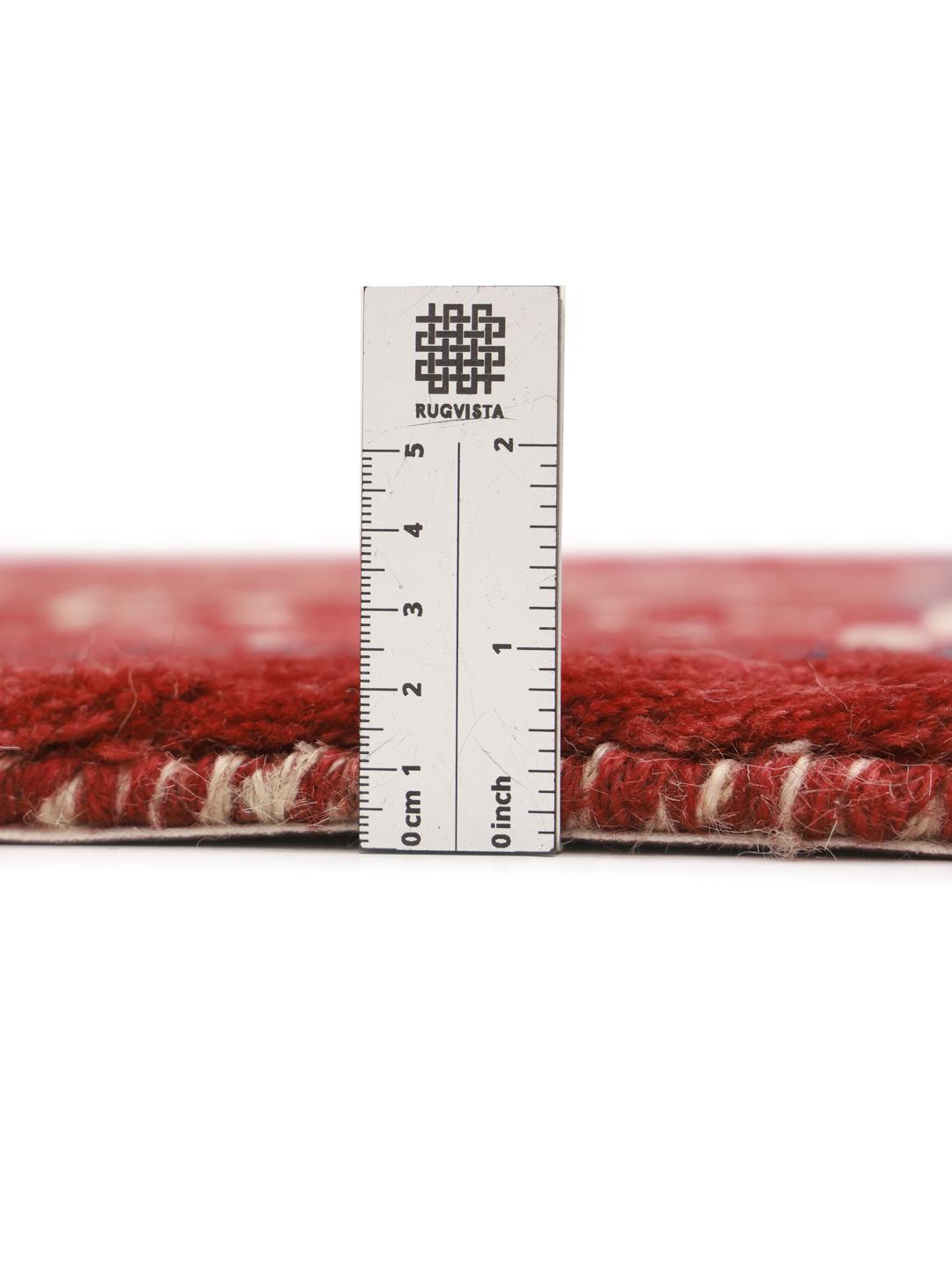
Gabbeh rugs have a long and storied history rooted in the nomadic cultures of the Middle East. Traditionally woven by tribal groups, these rugs were originally created for personal use, serving as thick, protective floor coverings that provided insulation against the harsh desert climate. Over time, their simple yet profound beauty caught the attention of collectors worldwide, evolving from utilitarian objects into highly sought-after pieces of folk art.
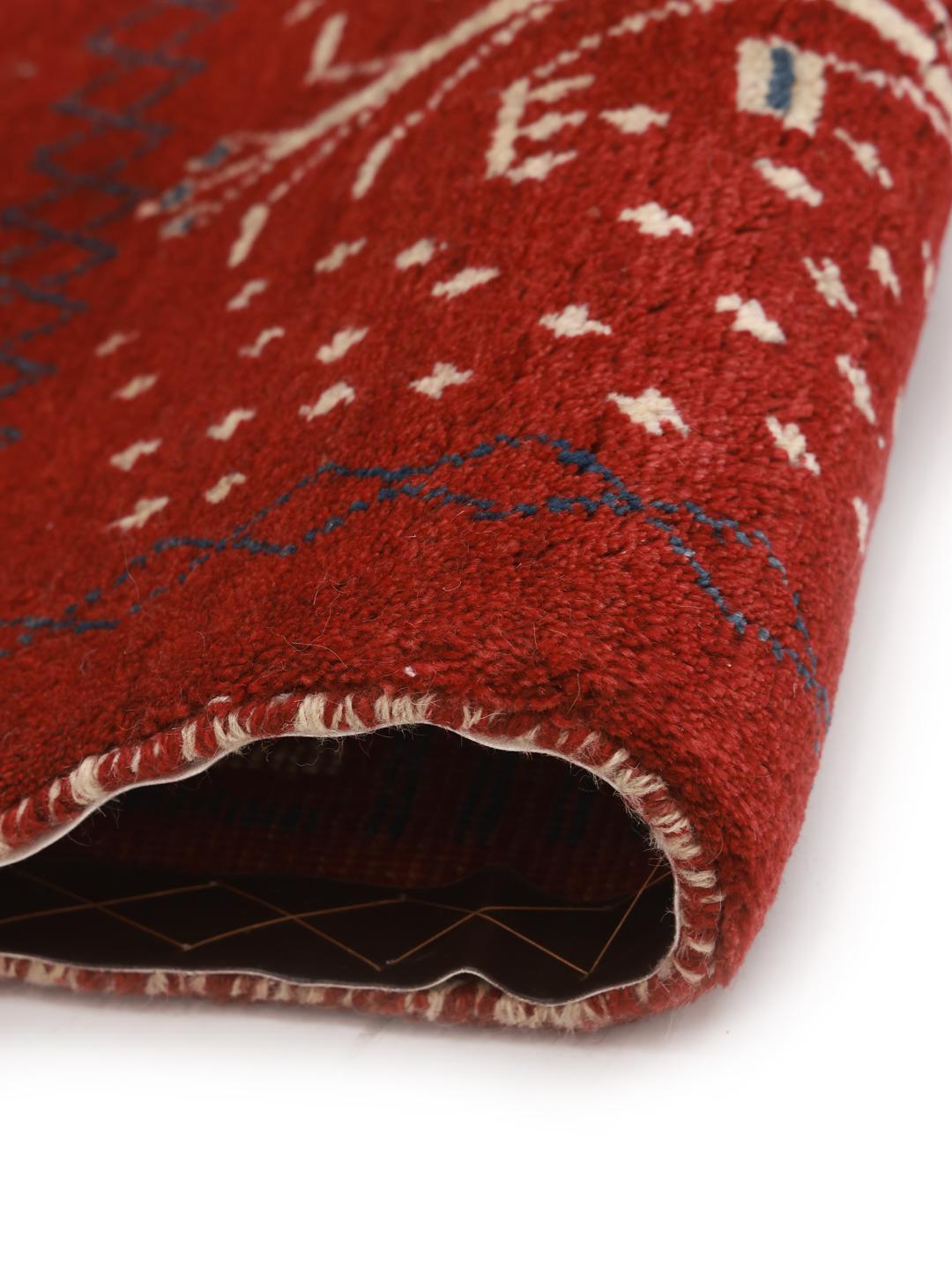
The term Gabbeh itself refers to a specific style of hand-knotted rug that is known for its thicker pile and simpler, often more abstract or pictorial designs. Unlike more formal carpets that follow strict, symmetrical patterns, the Gabbeh celebrates a freer, more spontaneous approach to weaving. This style allows the artisan to express their personal narrative through the rug, resulting in pieces that feel organic and deeply human.
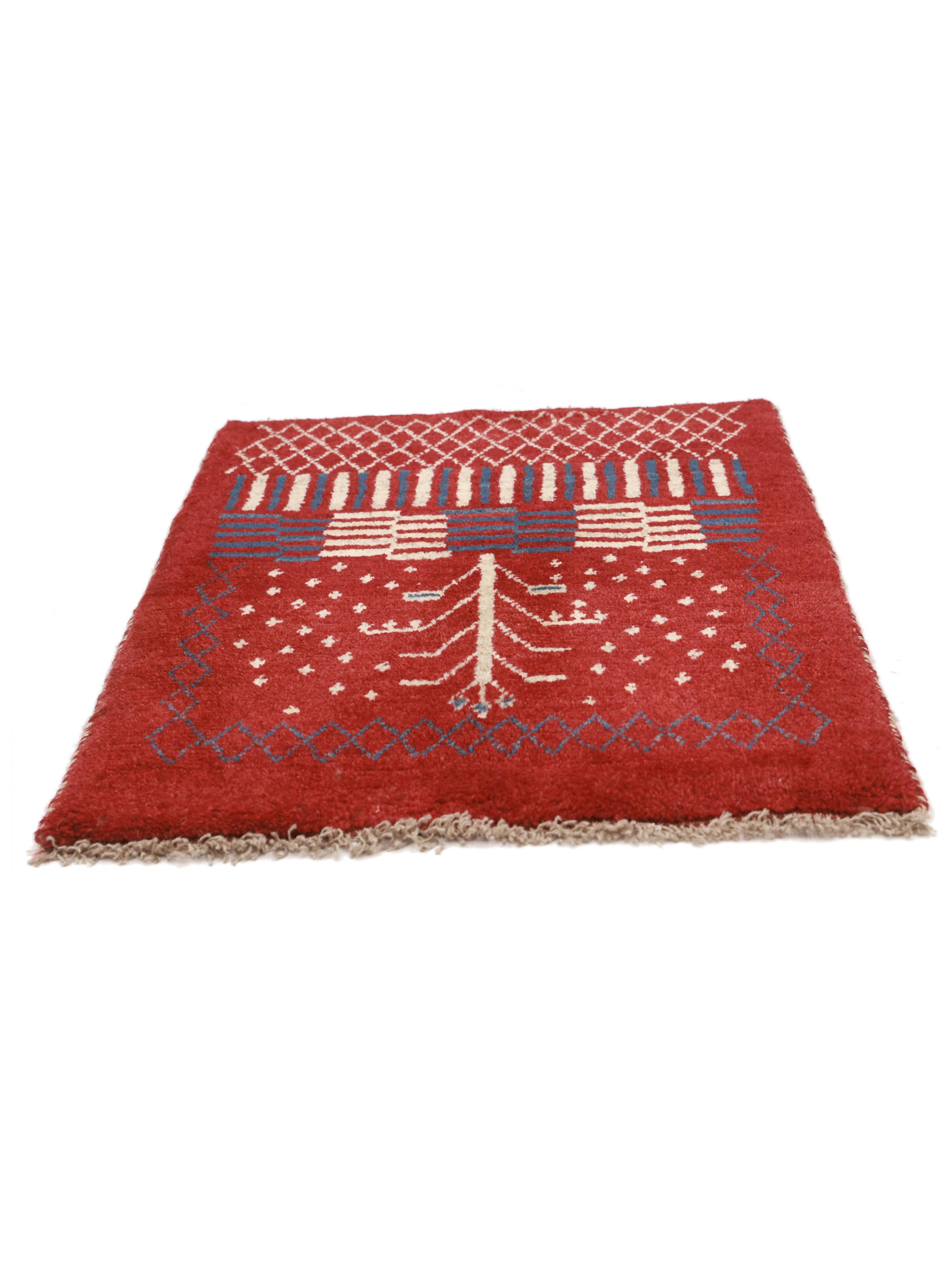
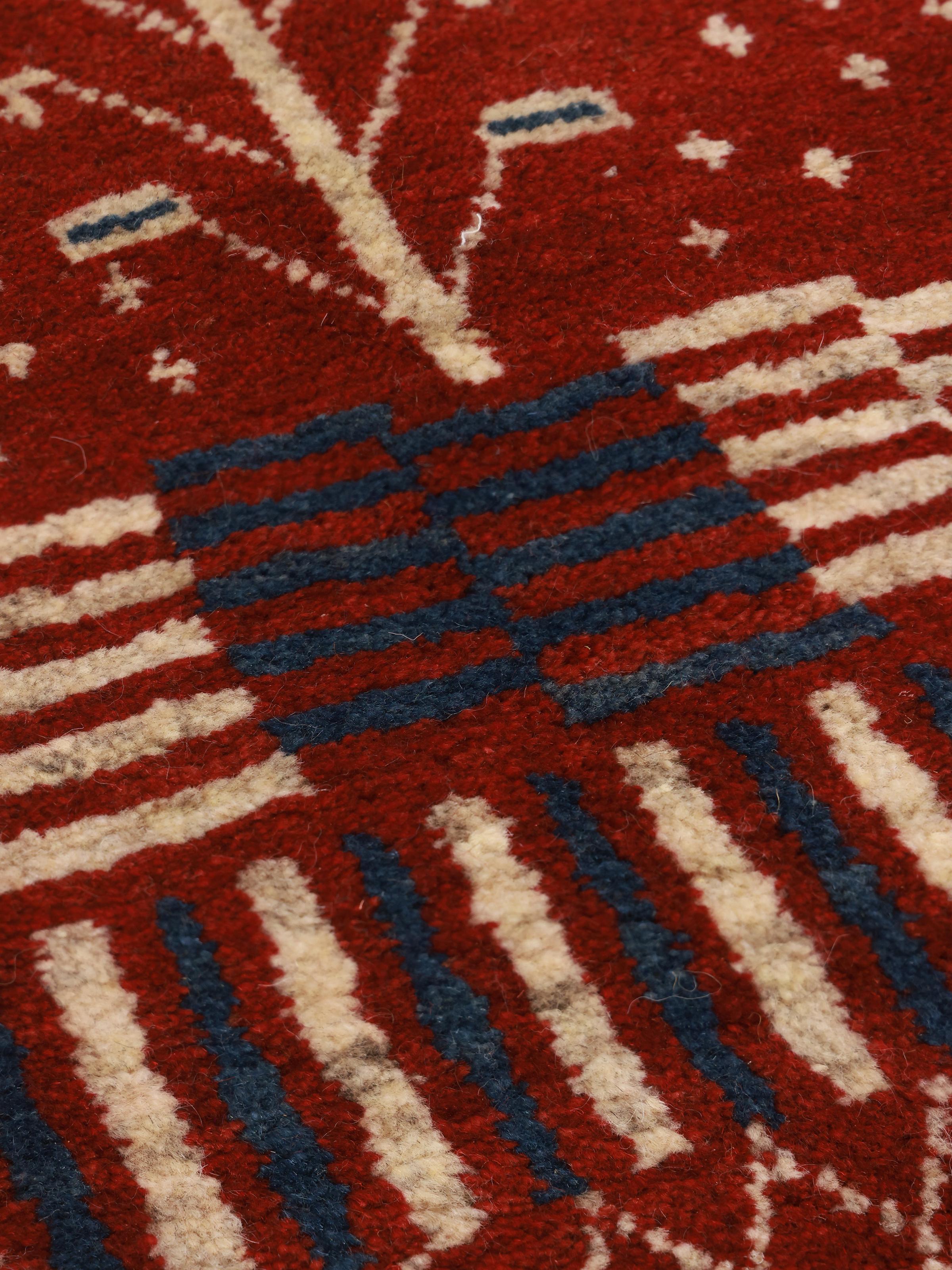
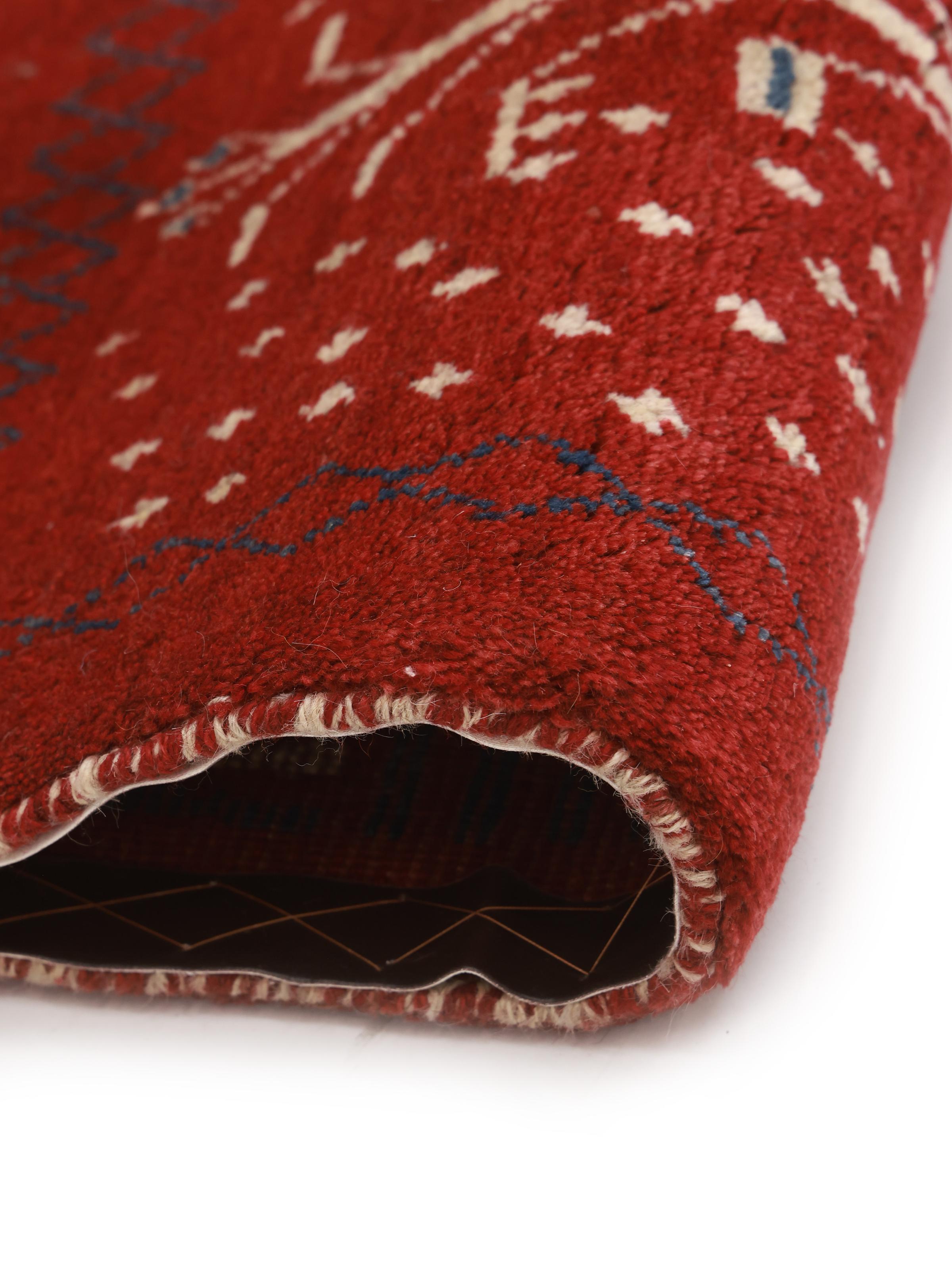
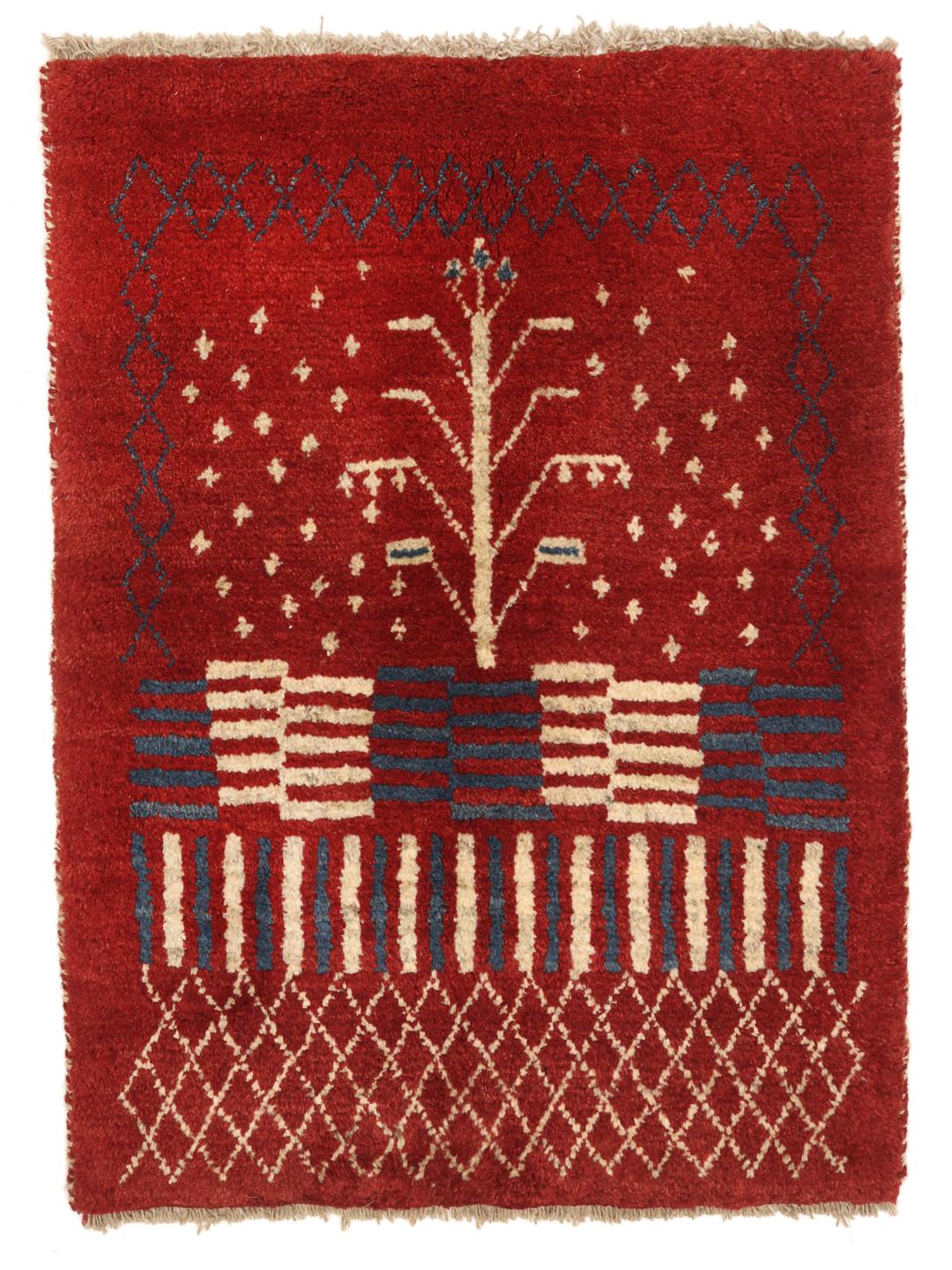
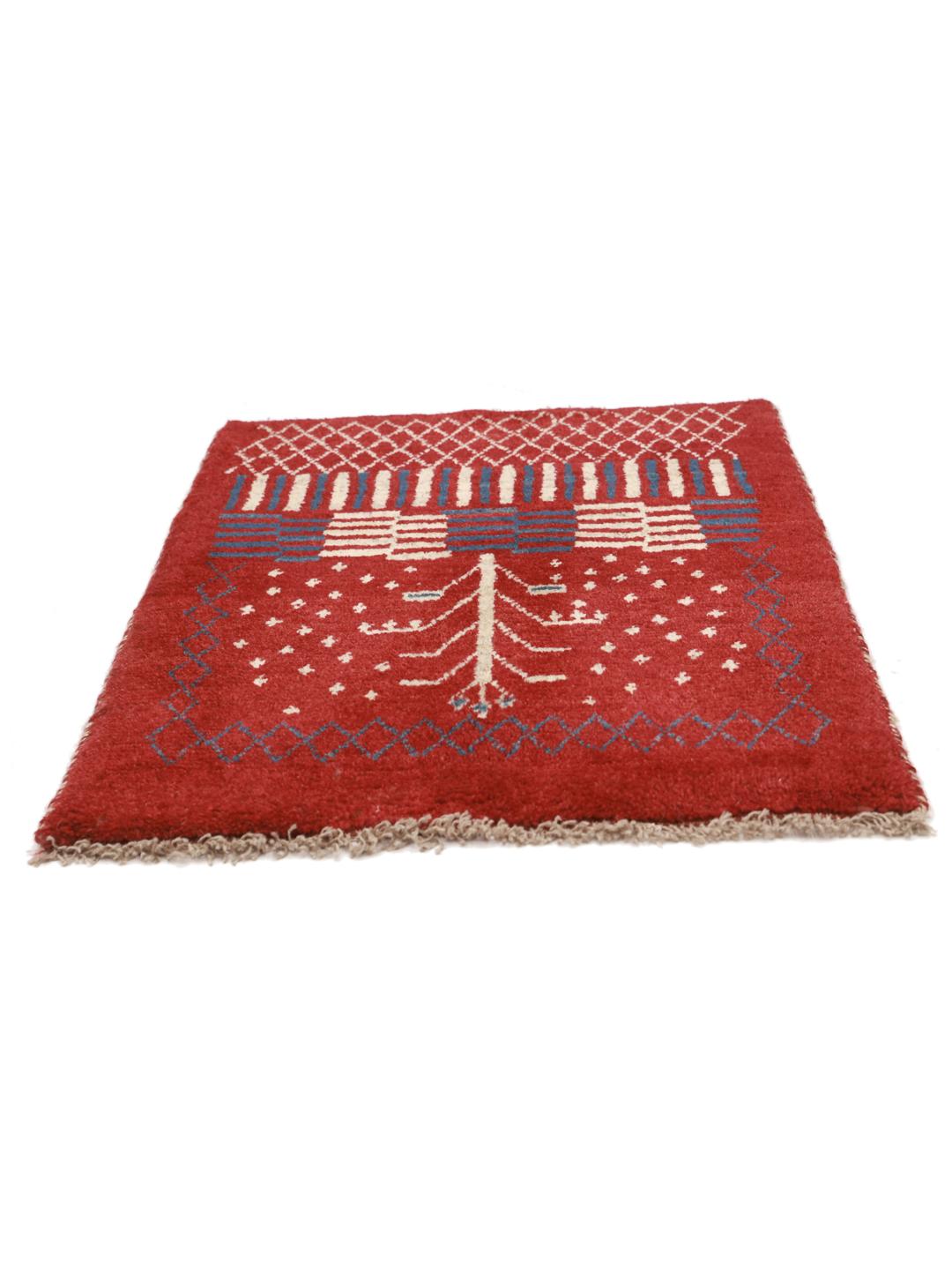
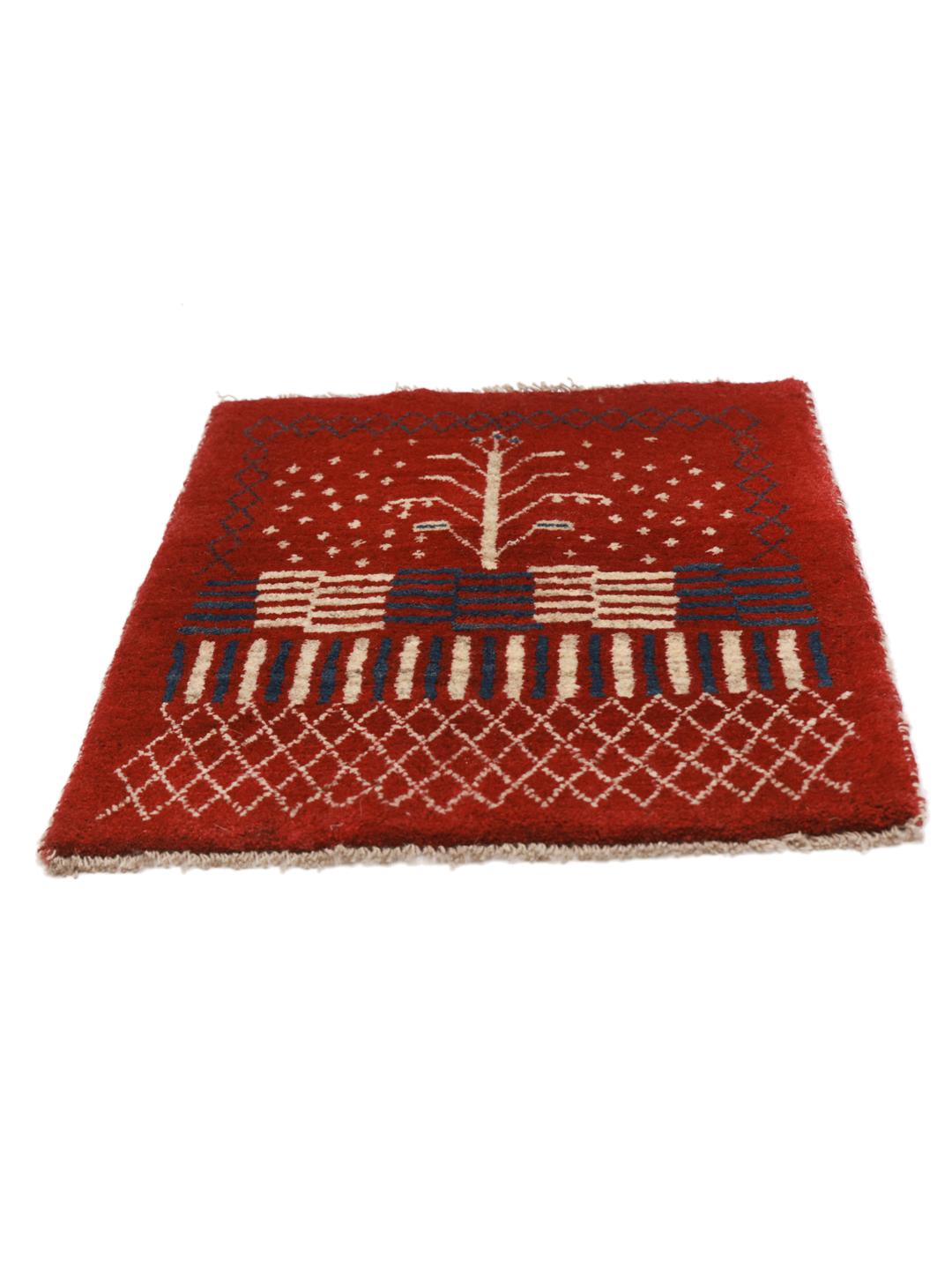
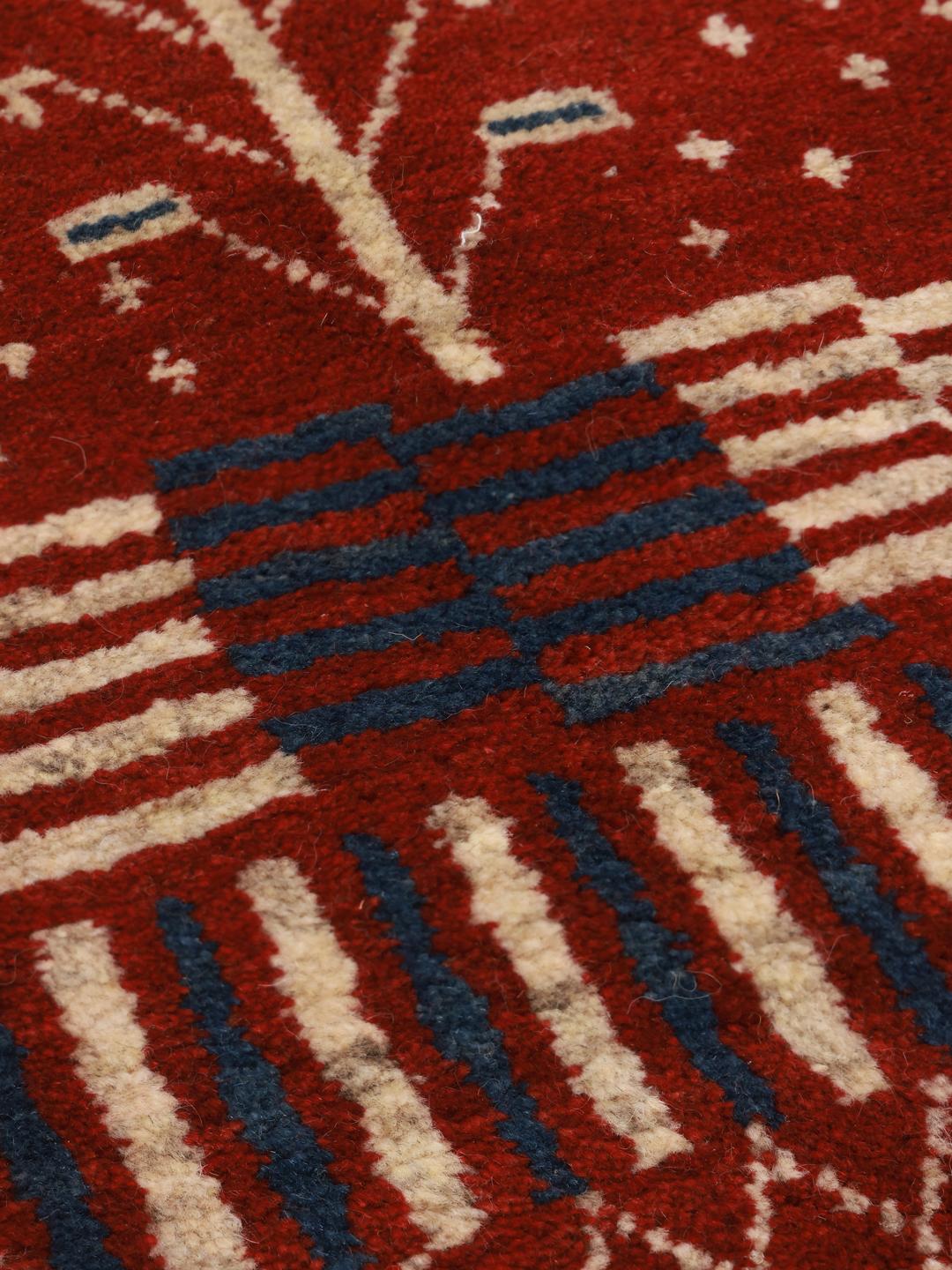
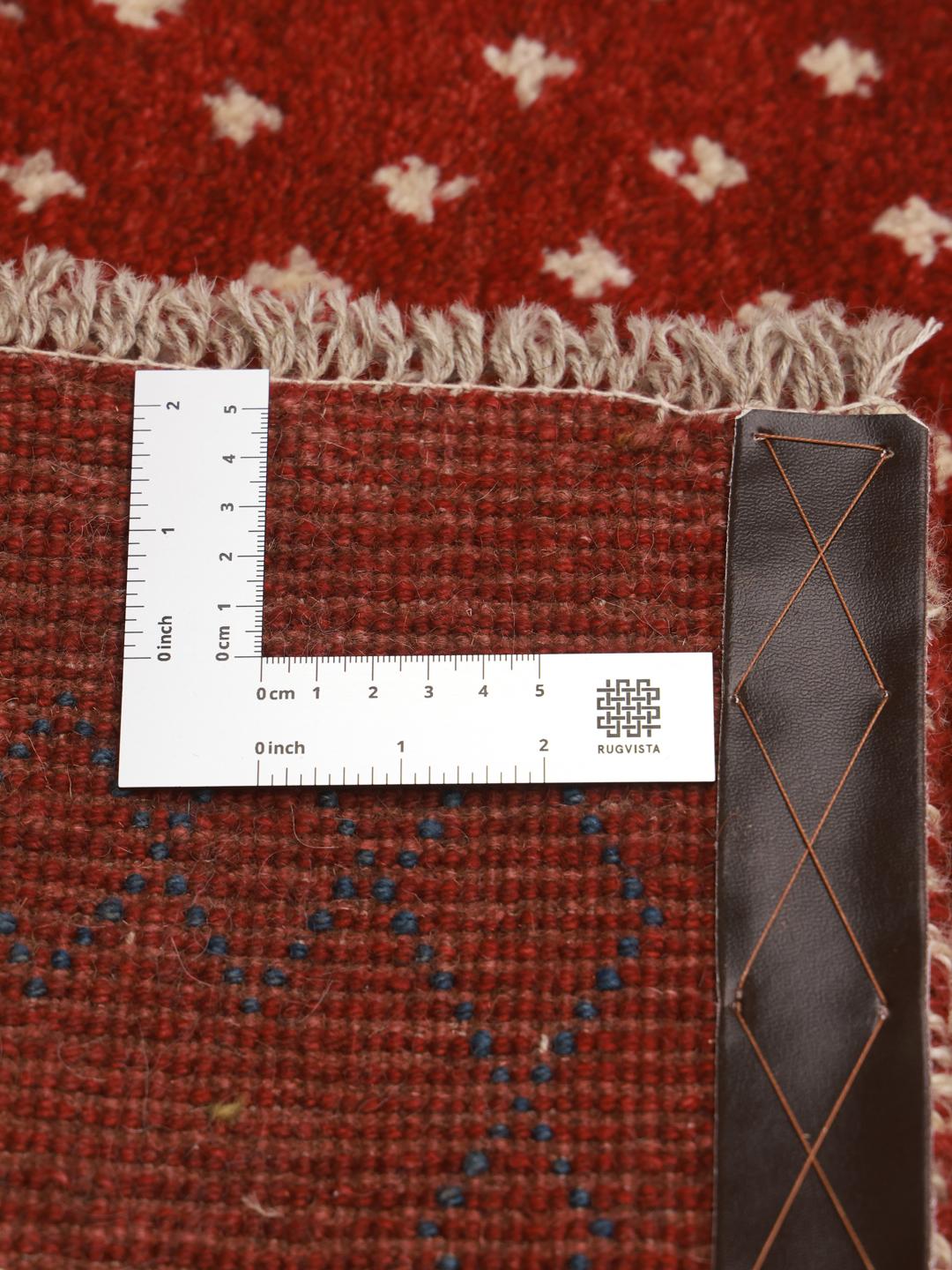
The design language of this tradition is characterised by its bold use of colour and simplified, stylized motifs. You will often see elements such as trees, animals, and geometric shapes rendered in a minimalist fashion. This particular piece features a striking red field with intricate patterns that showcase the artisan’s creative vision, making it a distinctive example of the genre.
Owning a Gabbeh is more than just acquiring a floor covering; it is an investment in a cultural legacy that prioritises skill and individuality over mass production. These rugs are valued for their enduring quality and the way they bring a sense of warmth and history to any environment. Each piece stands as a testament to the enduring human need to create beauty in our everyday surroundings.