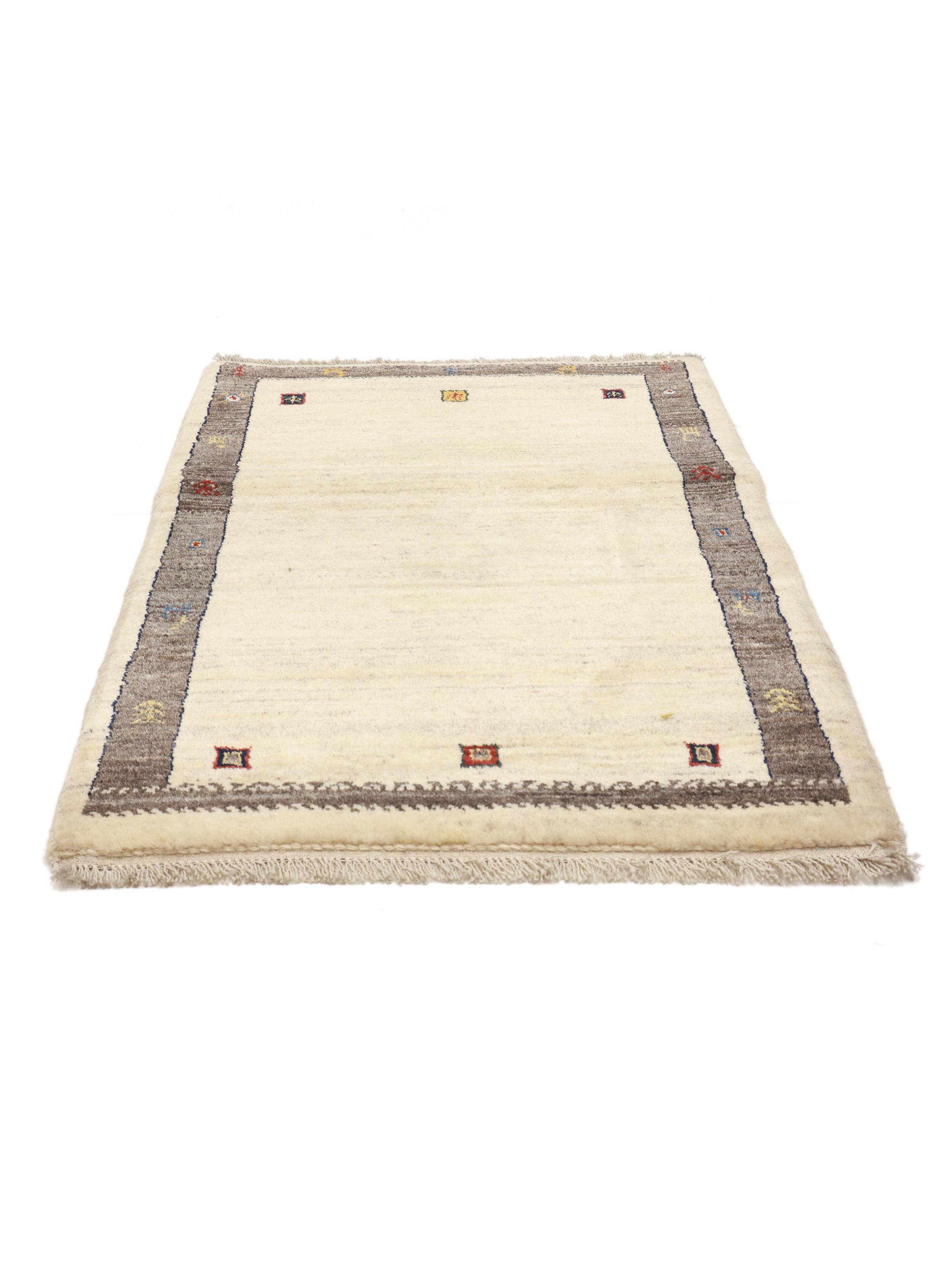
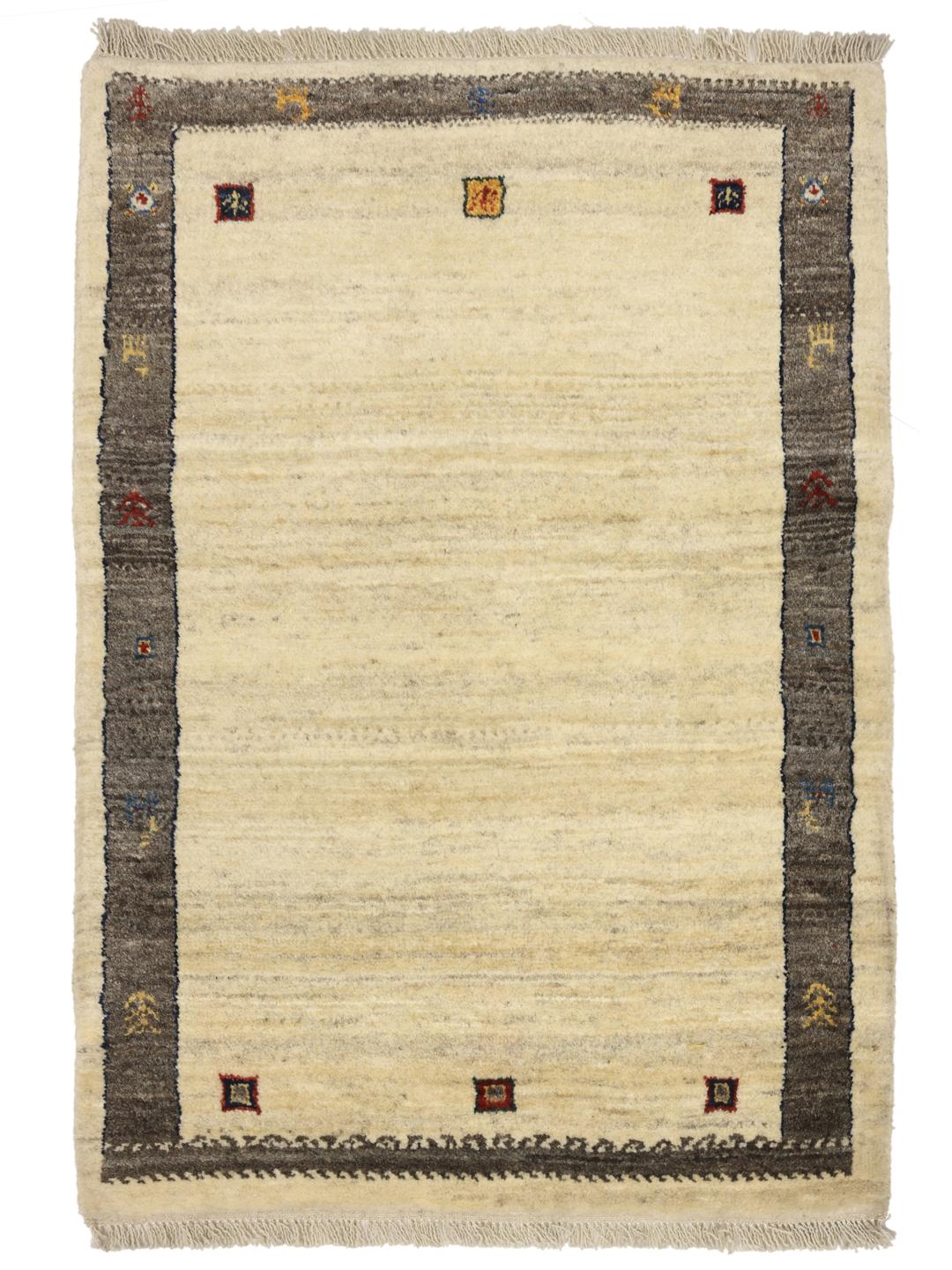
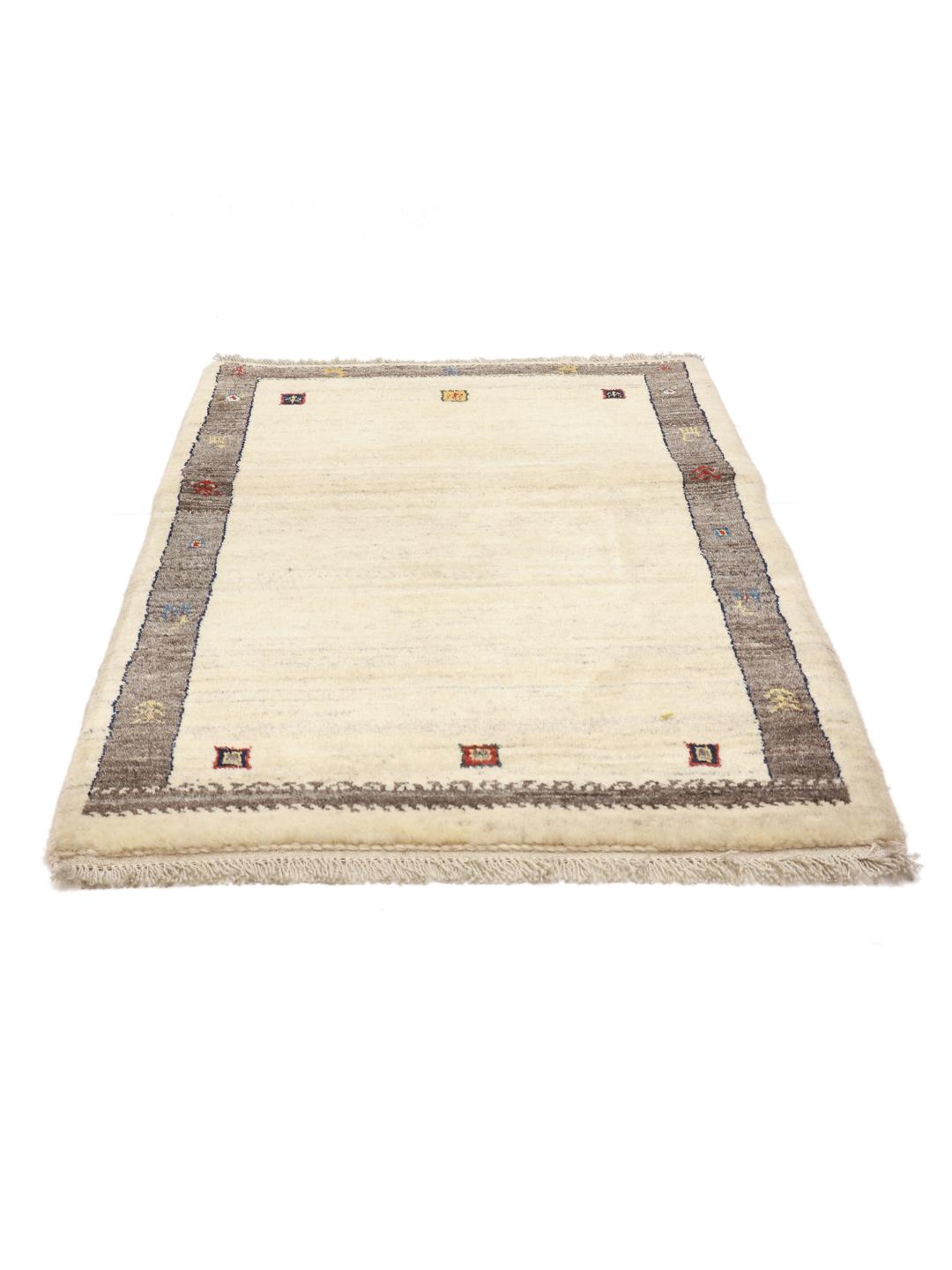
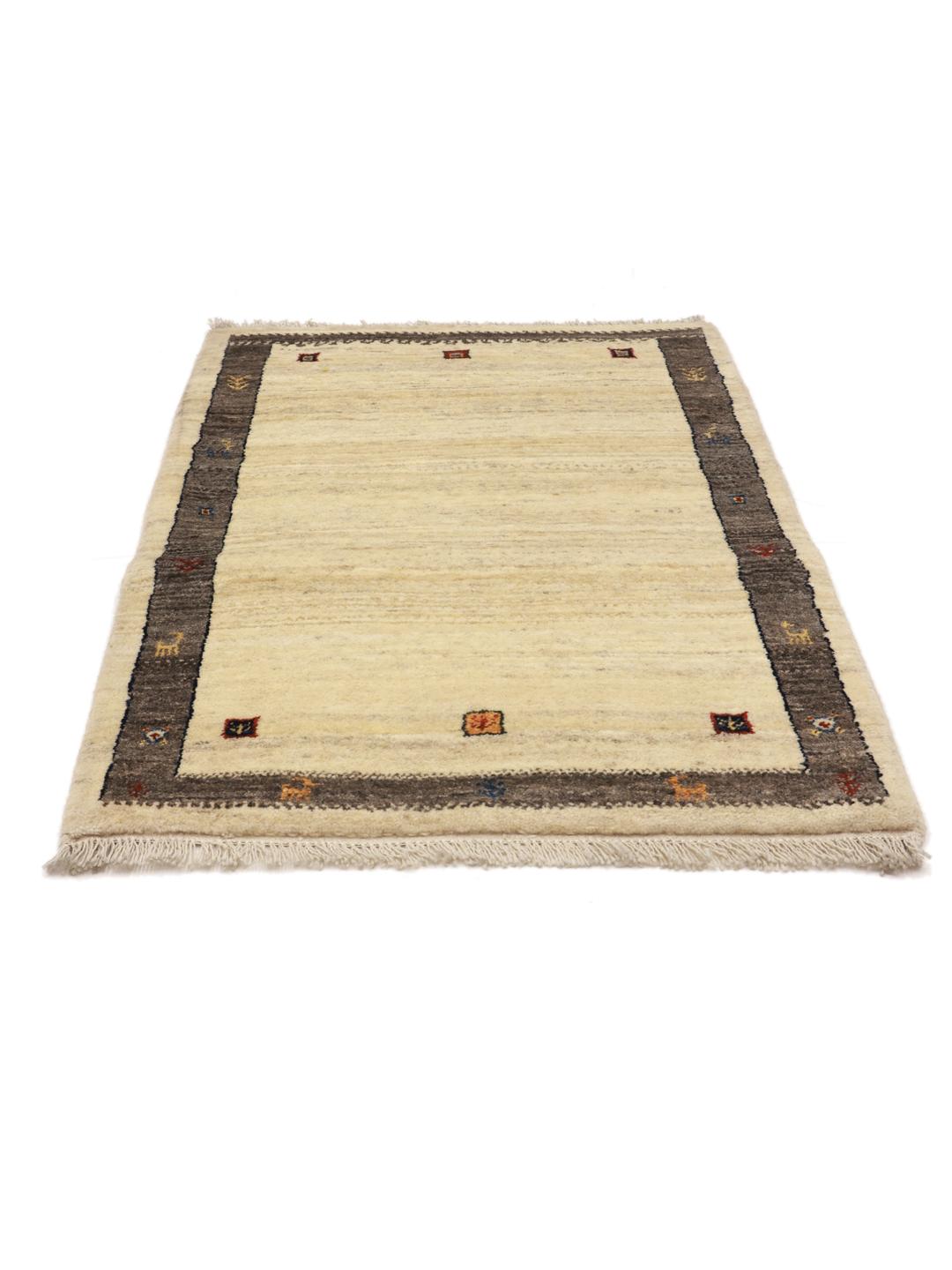
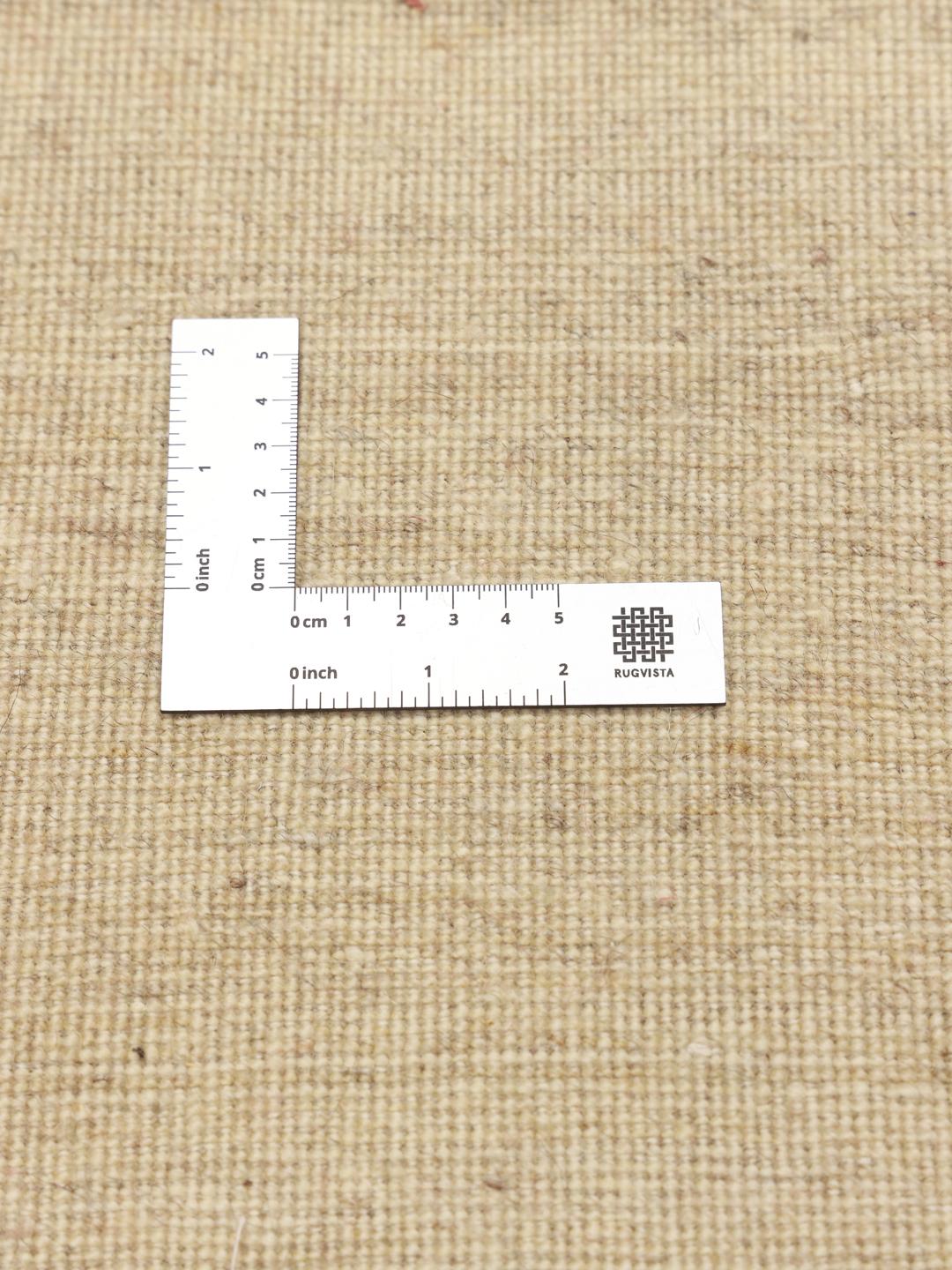
Gabbeh rugs were originally woven by nomadic tribes across the Middle East as practical, thick floor coverings and bedding for tent living. While the tradition originated amongst tribal weavers, fine contemporary interpretations are crafted in Pakistan, where artisans preserve the signature minimalist aesthetic and heavy pile of the original style.
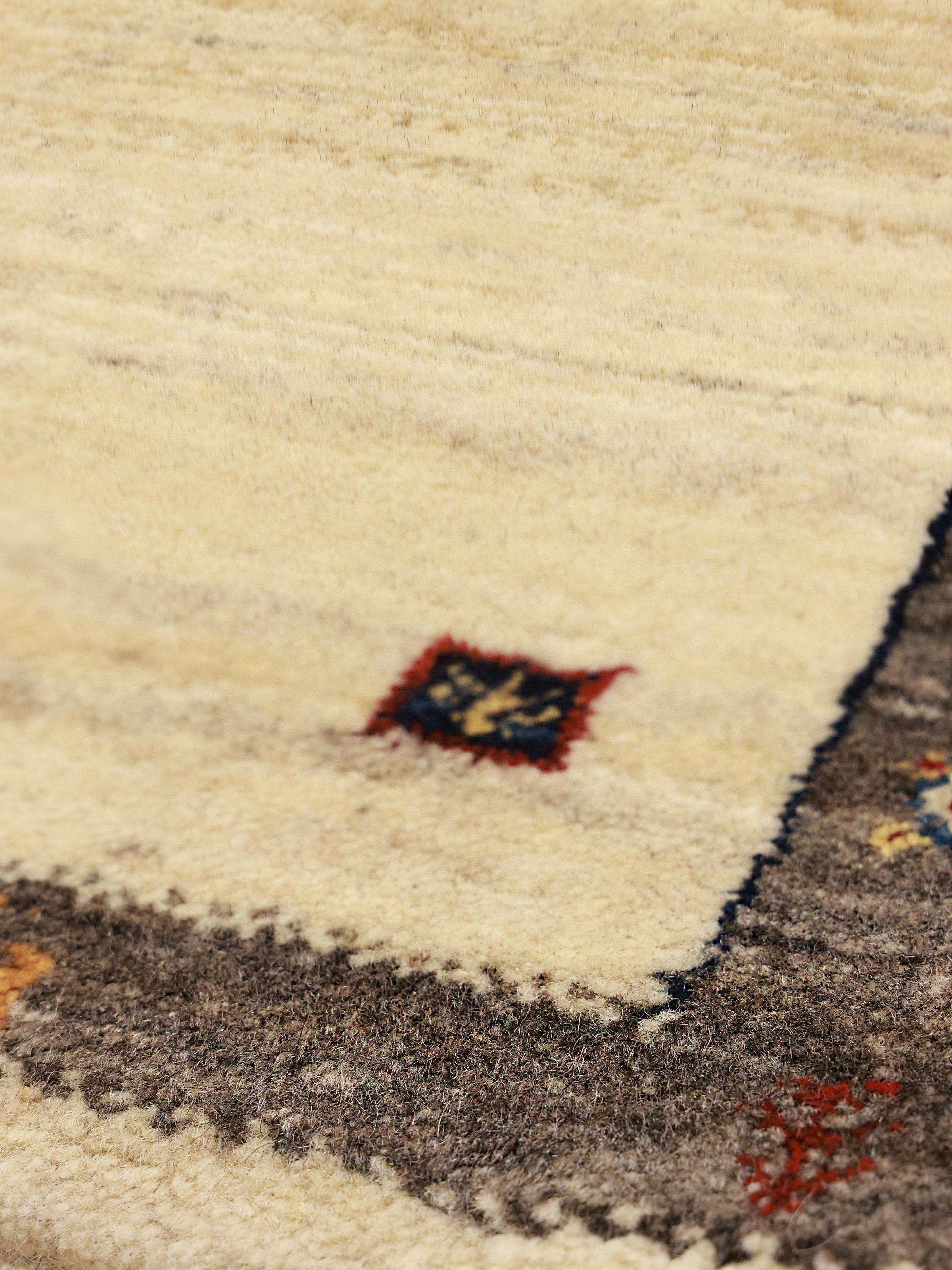
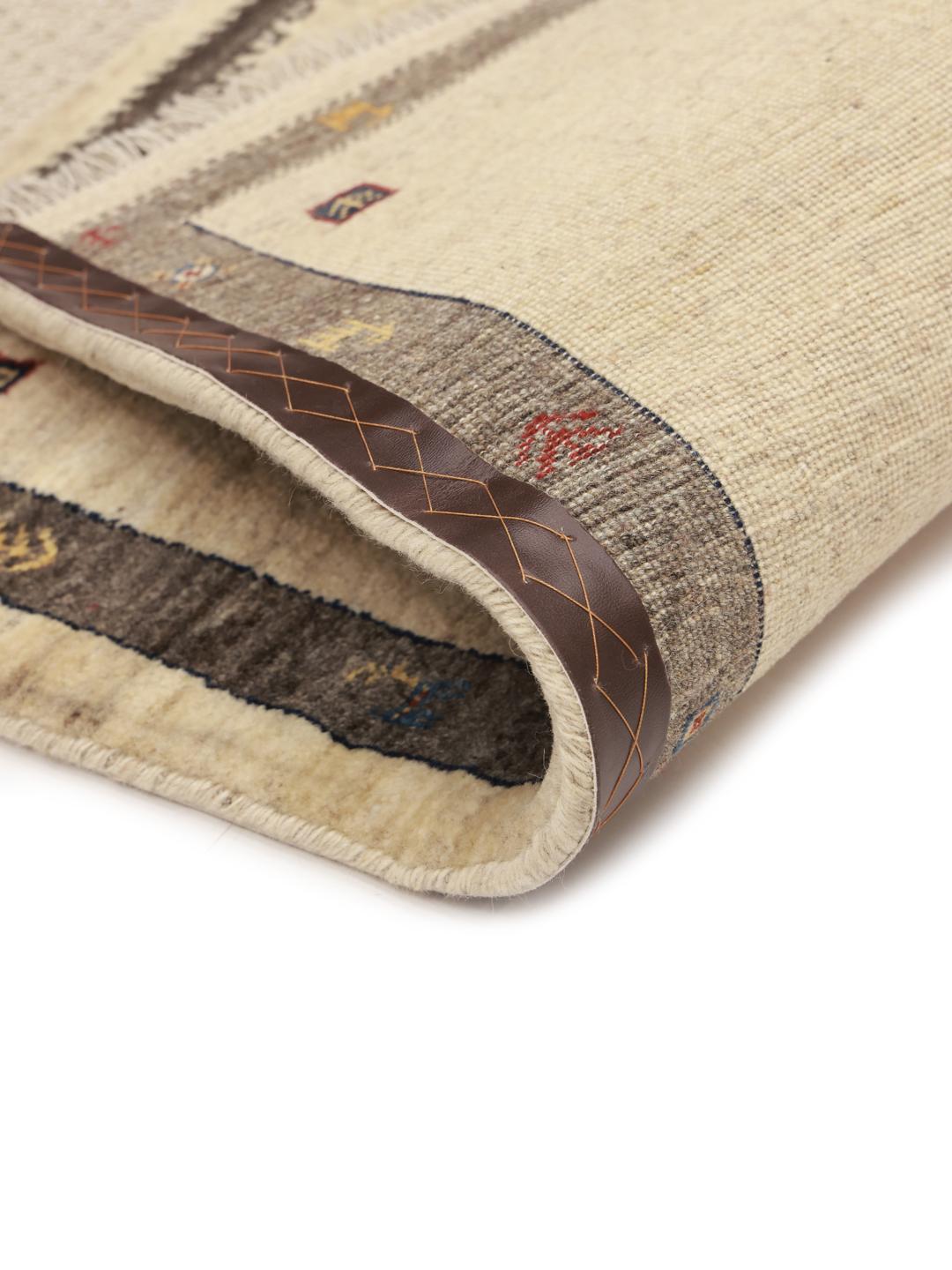
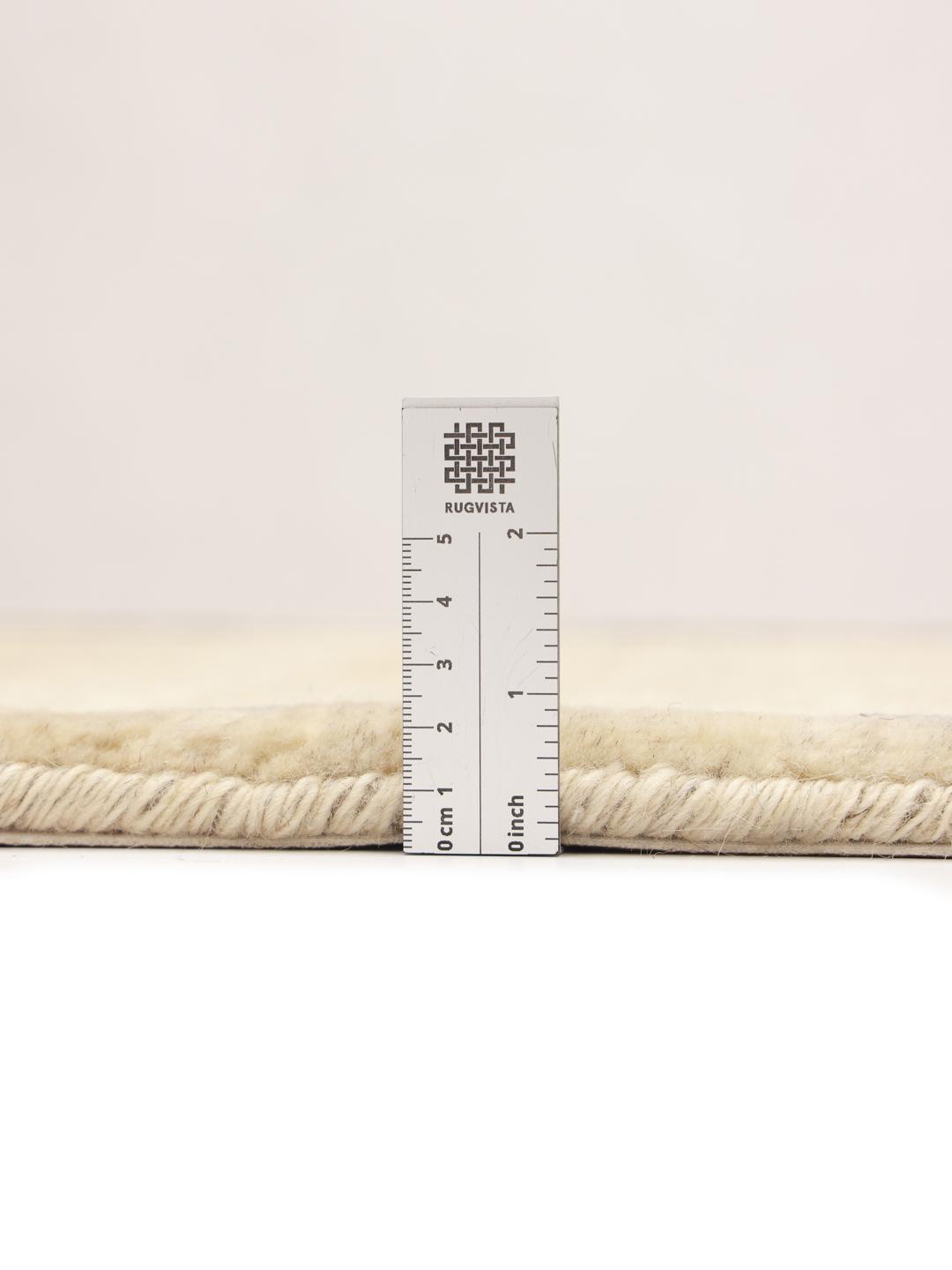
The term Gabbeh translates roughly to raw or natural, referencing the long pile and relaxed design structure that distinguishes these rugs from more formal city carpets. Traditionally woven with simple tools, the style relies on heavy wool yarns to create a thick, warm surface built to protect against cold ground.
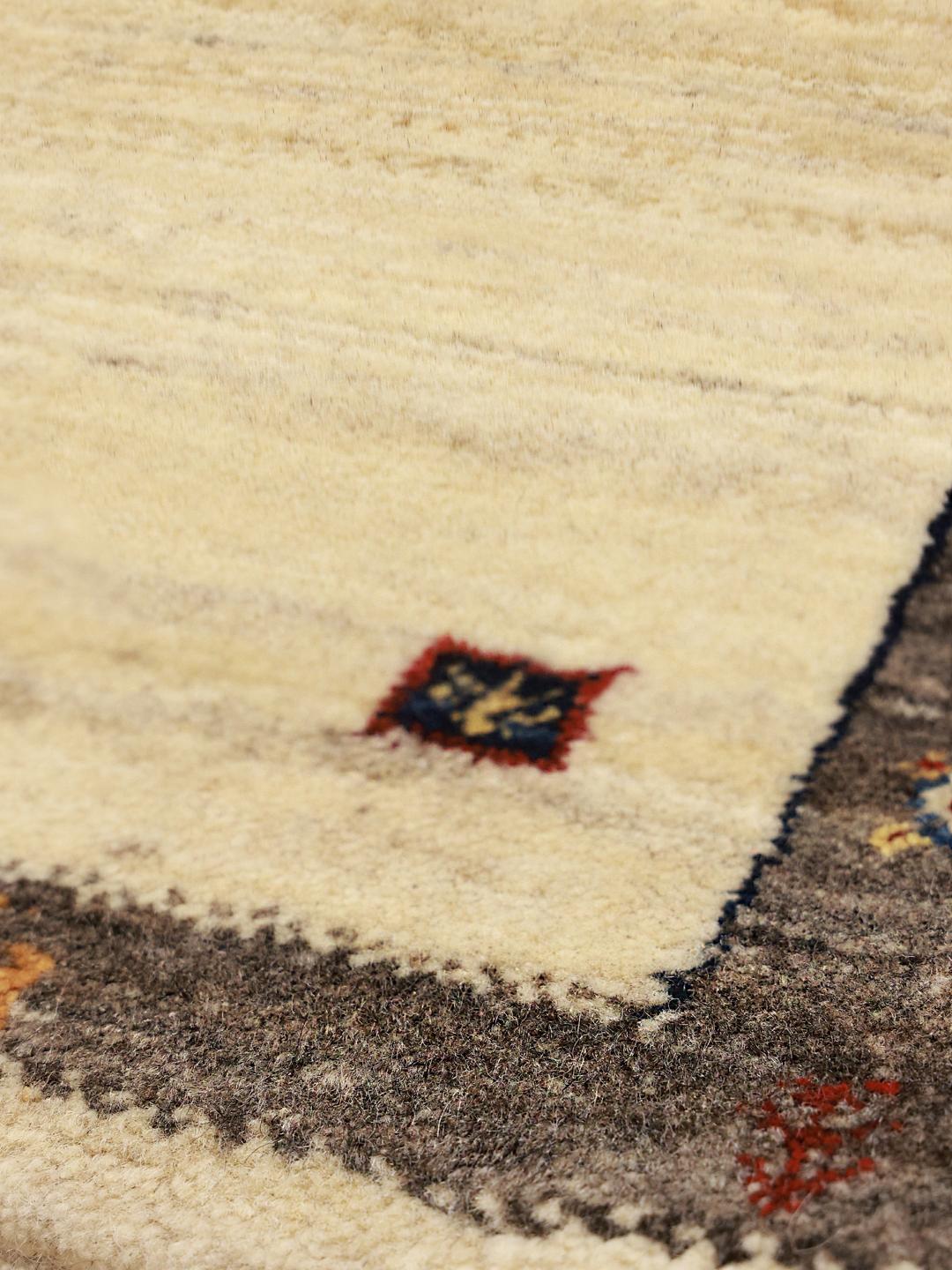
Visually, Gabbeh rugs are celebrated for their open fields and spontaneous decorative details. Simple animal figures, small geometric shapes, and subtle color shifts across the pile reflect the individual weaver's personal creative expression rather than a rigid blueprint.
Today, traditional Gabbeh rugs are highly valued for their honest aesthetic and rich tactile quality. Owning a hand-knotted piece connects your interior to an ancient weaving tradition that celebrates simplicity, comfort, and authentic character.