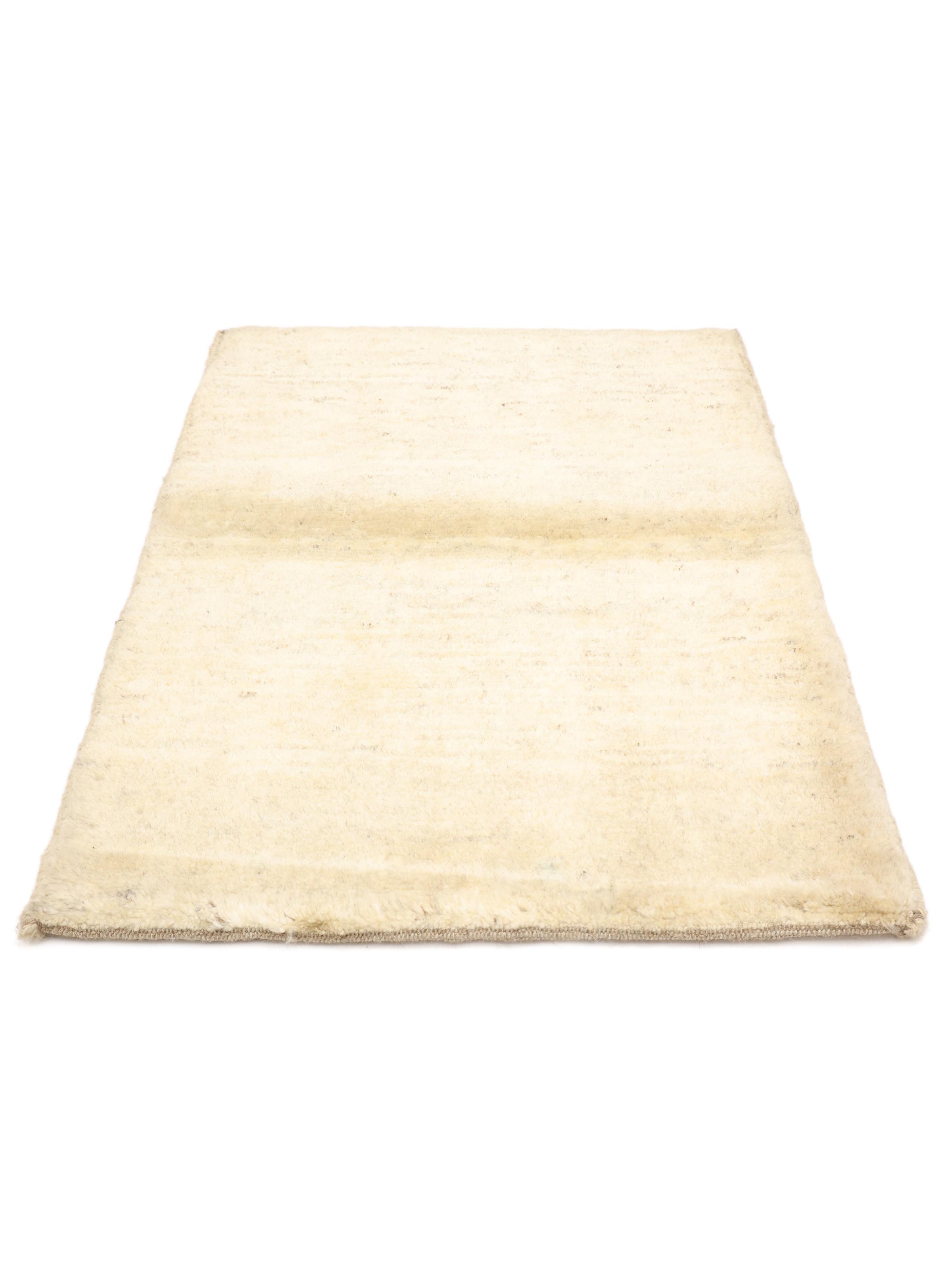
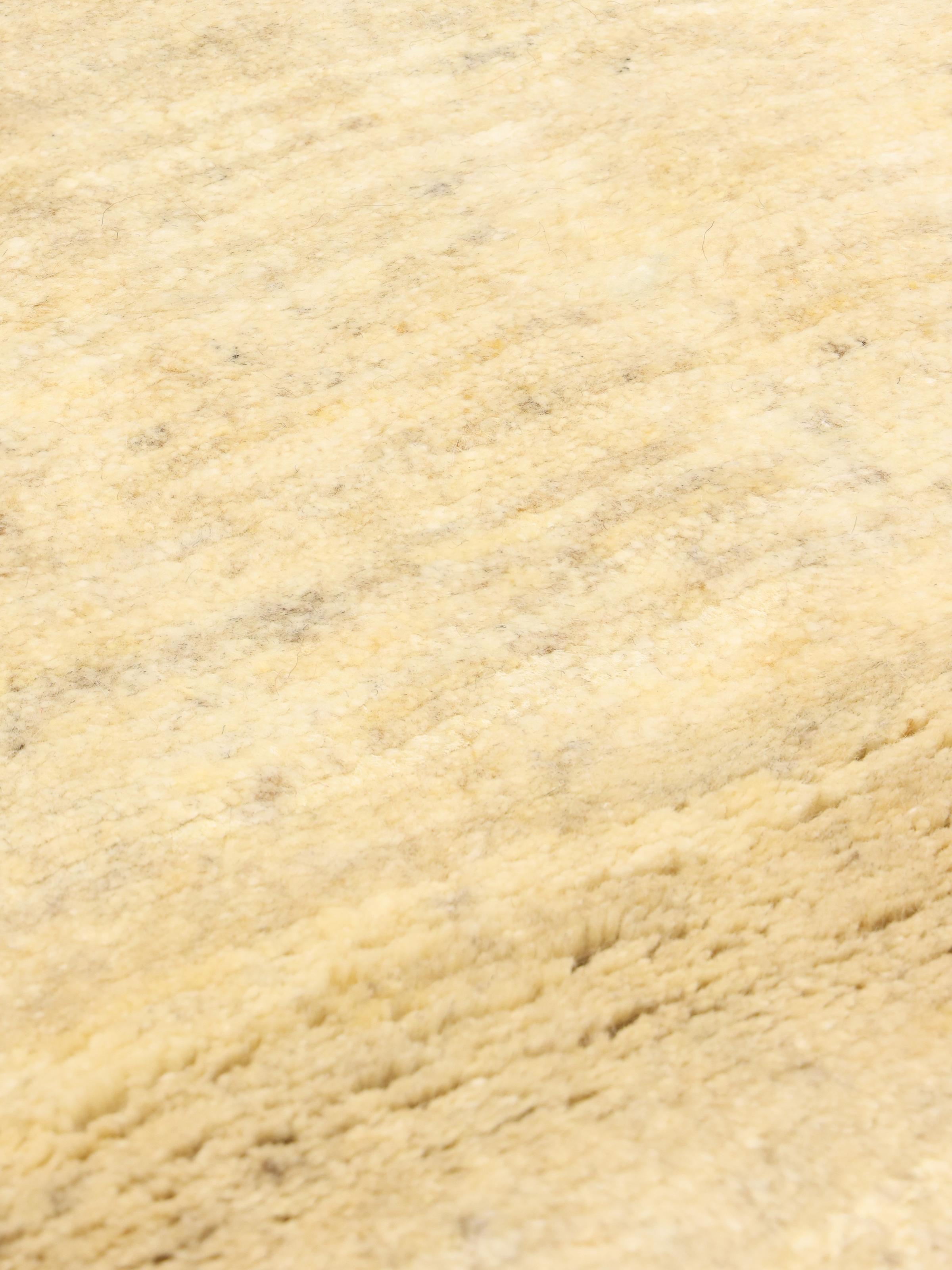
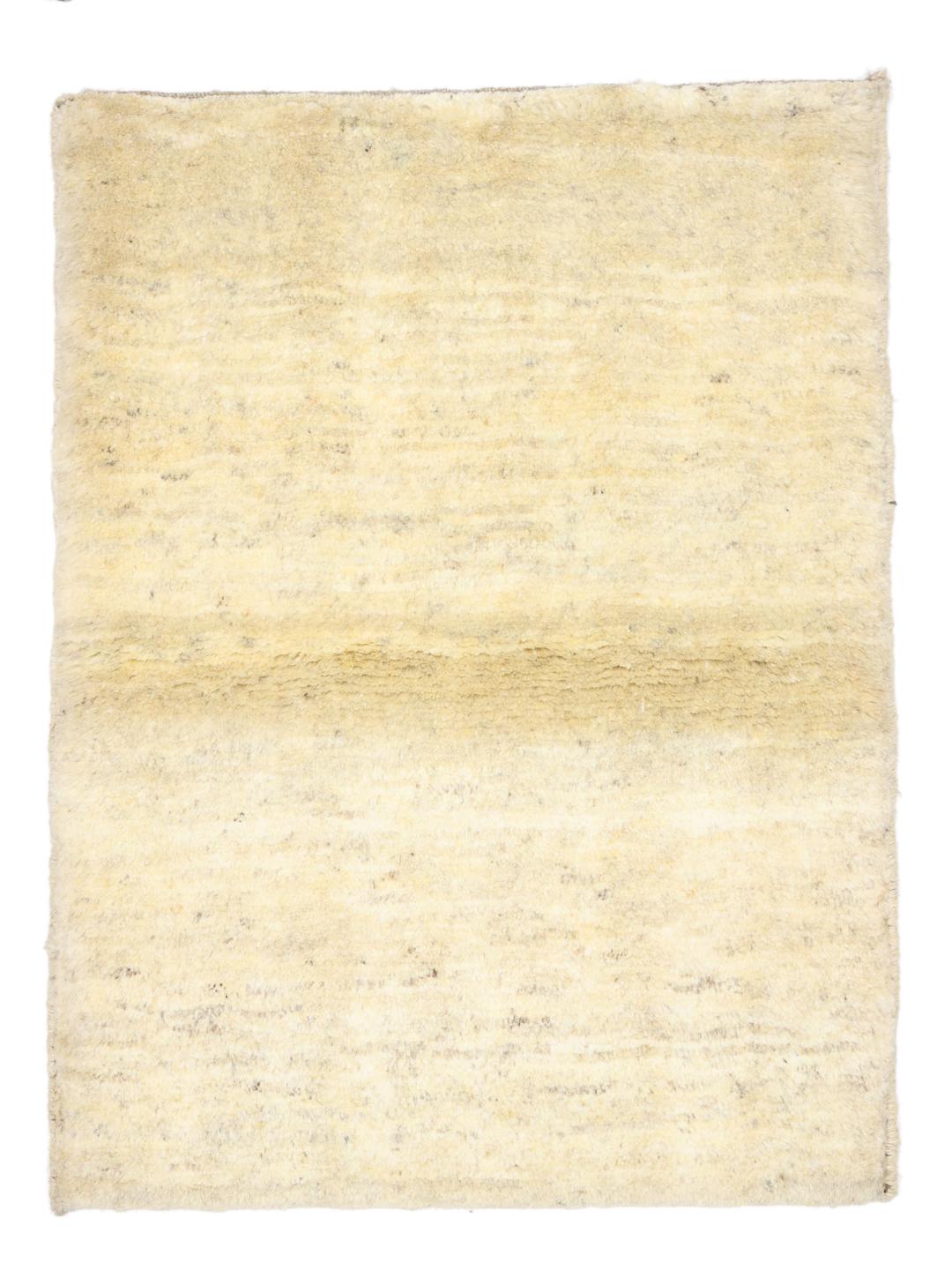
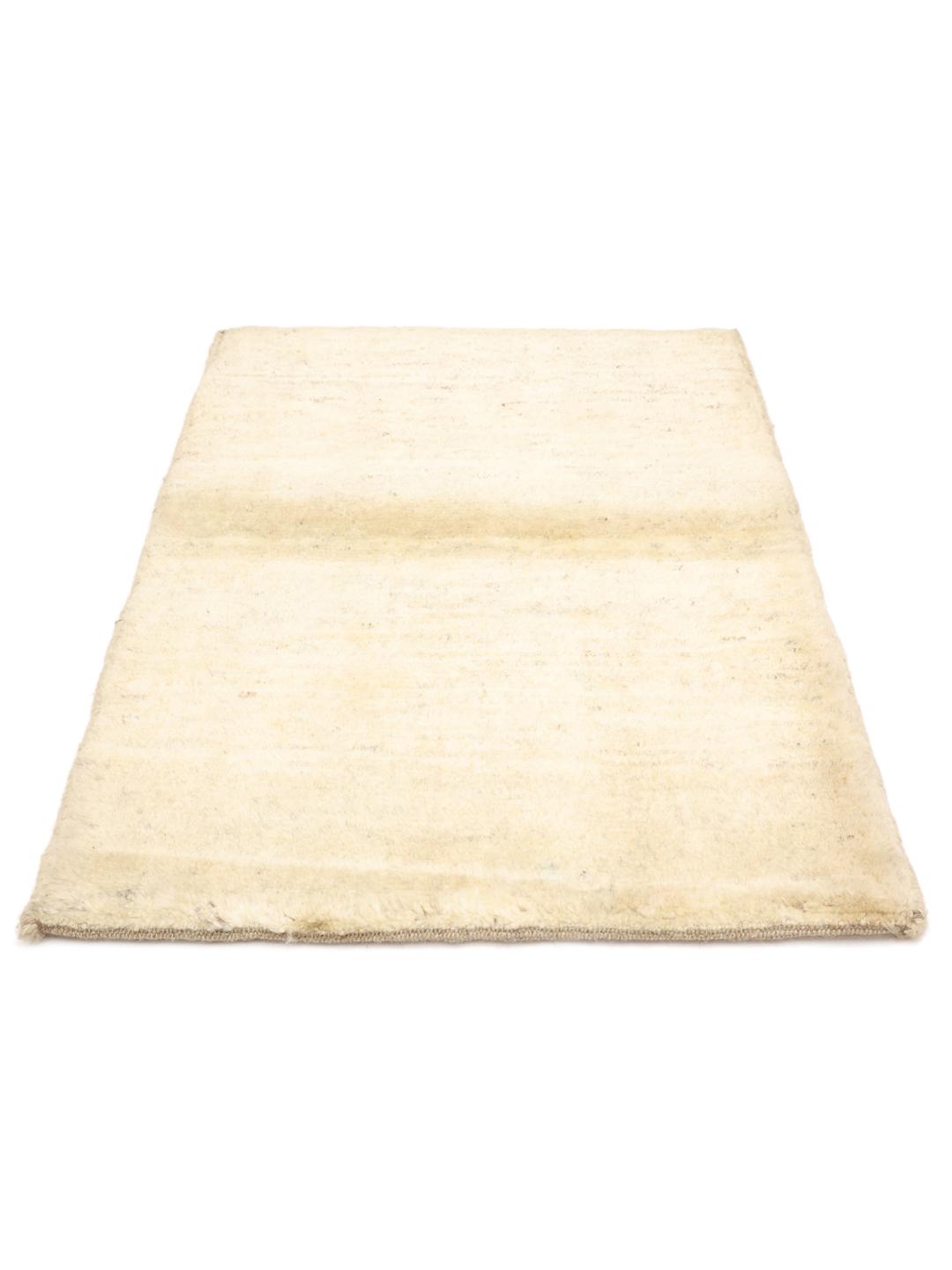
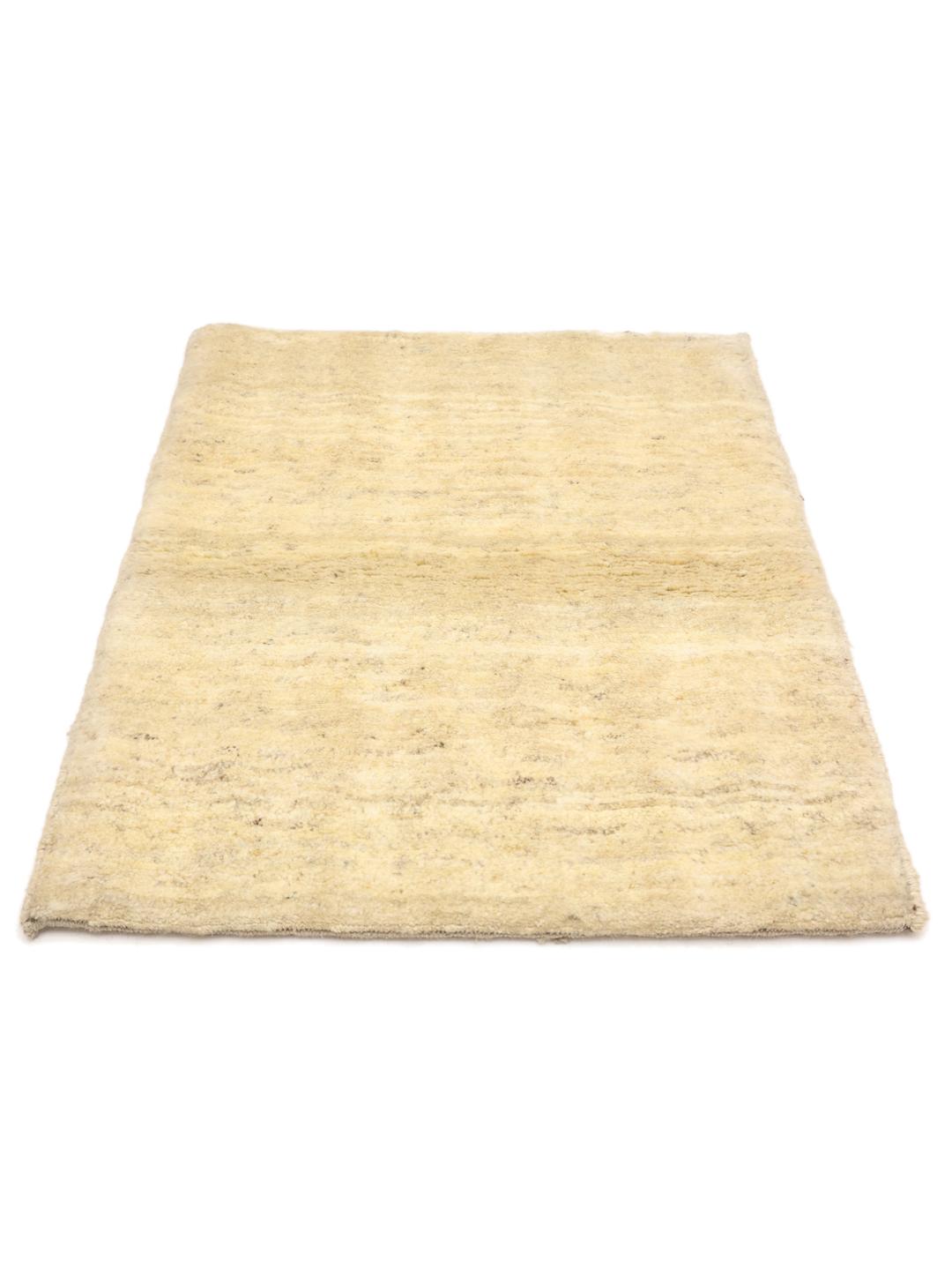
Gabbeh rugs trace their origins to the nomadic tribes of the Middle East, where they were traditionally crafted for personal use rather than for trade. These rugs were designed to serve as essential, heavy floor coverings that provided insulation against the cold ground of tents and dwellings. Unlike more formal urban carpets, the Gabbeh was born from a culture of necessity, utility, and raw artistic expression.
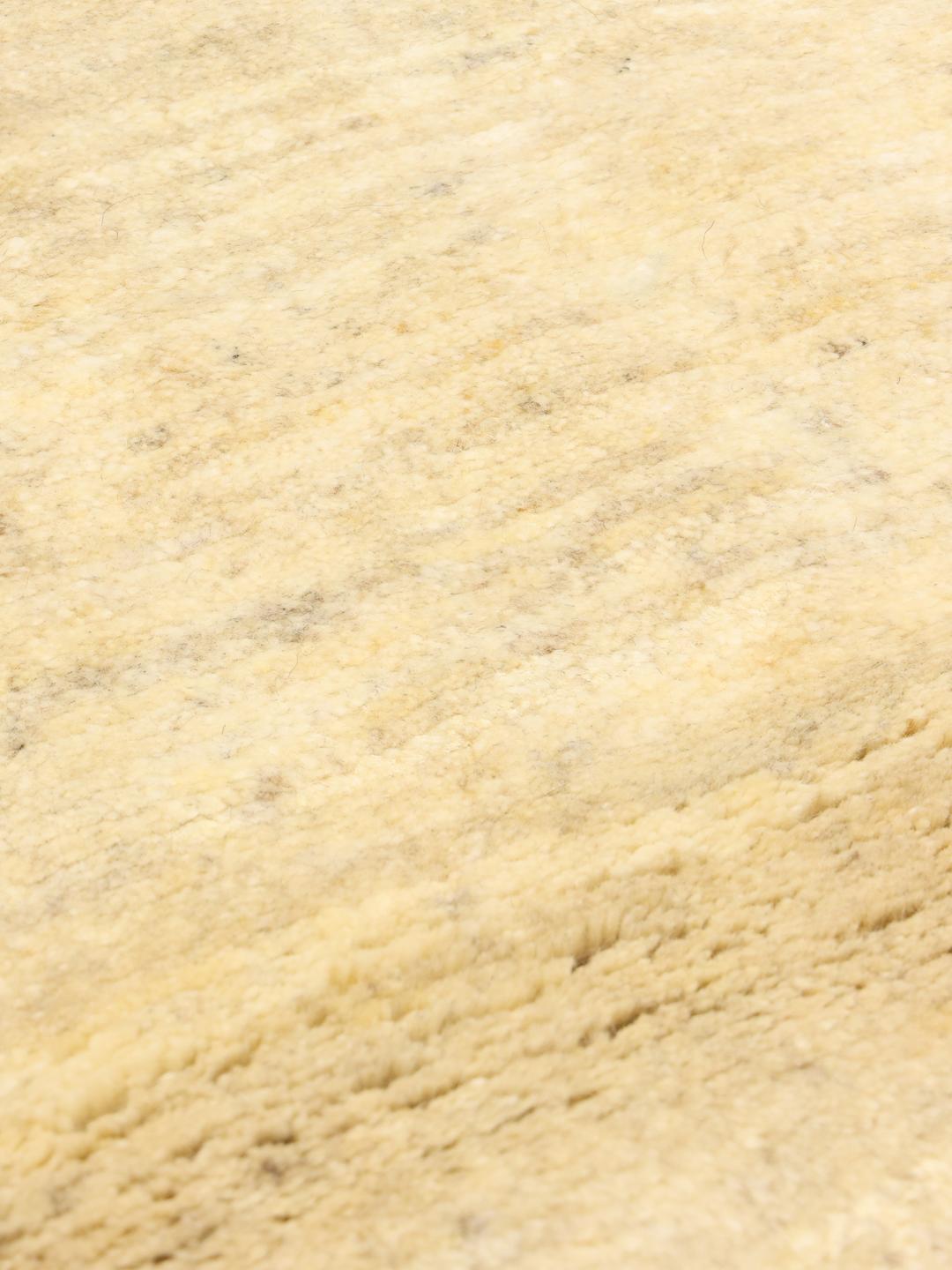
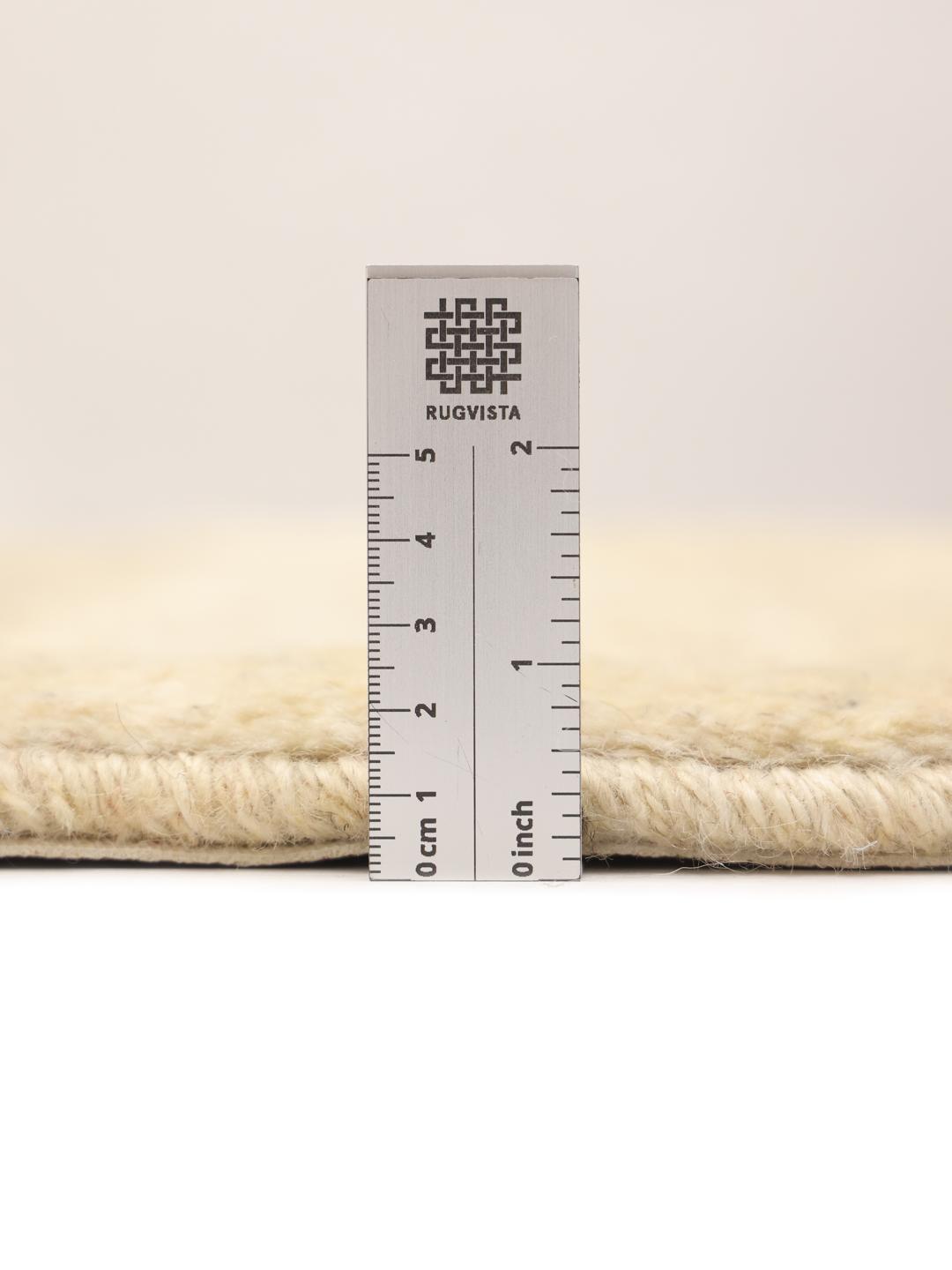
The term Gabbeh itself refers to a rug that is 'natural' or 'primitive' in style, characterised by a thicker pile and a more relaxed approach to design. The construction often uses a coarser weave compared to finer city rugs, which allows for a much thicker, more luxurious pile. This technical choice is intentional, as it creates a rug that is incredibly soft, warm, and highly effective at absorbing sound in a home.
Visually, these rugs are celebrated for their minimalist and often abstract aesthetics. While traditional carpets might feature rigid, symmetrical patterns, the Gabbeh is known for its open fields of colour and spontaneous, simplified motifs. They often draw inspiration from the landscapes of the Middle East, using subtle colour shifts to mimic the natural variations found in the desert or the mountains. This rug represents a tradition where the weaver is encouraged to improvise, making every piece a direct reflection of the maker's mood and environment.
Today, these rugs are highly valued by collectors and enthusiasts who appreciate their cultural weight and the skill required to produce them. Owning a piece from this tradition is an opportunity to connect with a centuries-old way of life that values individual creativity over mass production. It is a testament to a lasting heritage that transforms simple, raw materials into a functional object of beauty, ensuring that the legacy of the nomadic weaver continues to enrich modern homes.