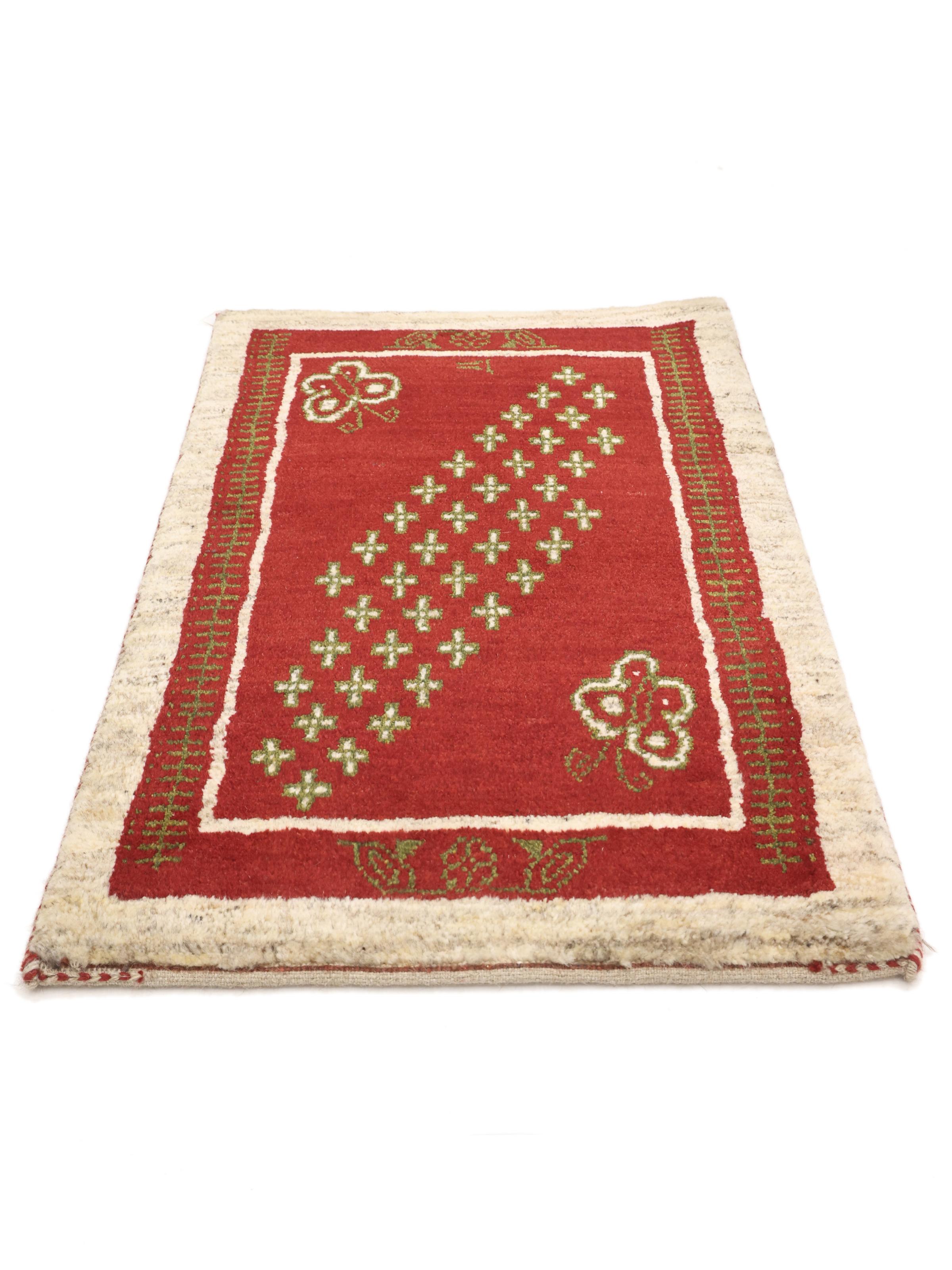
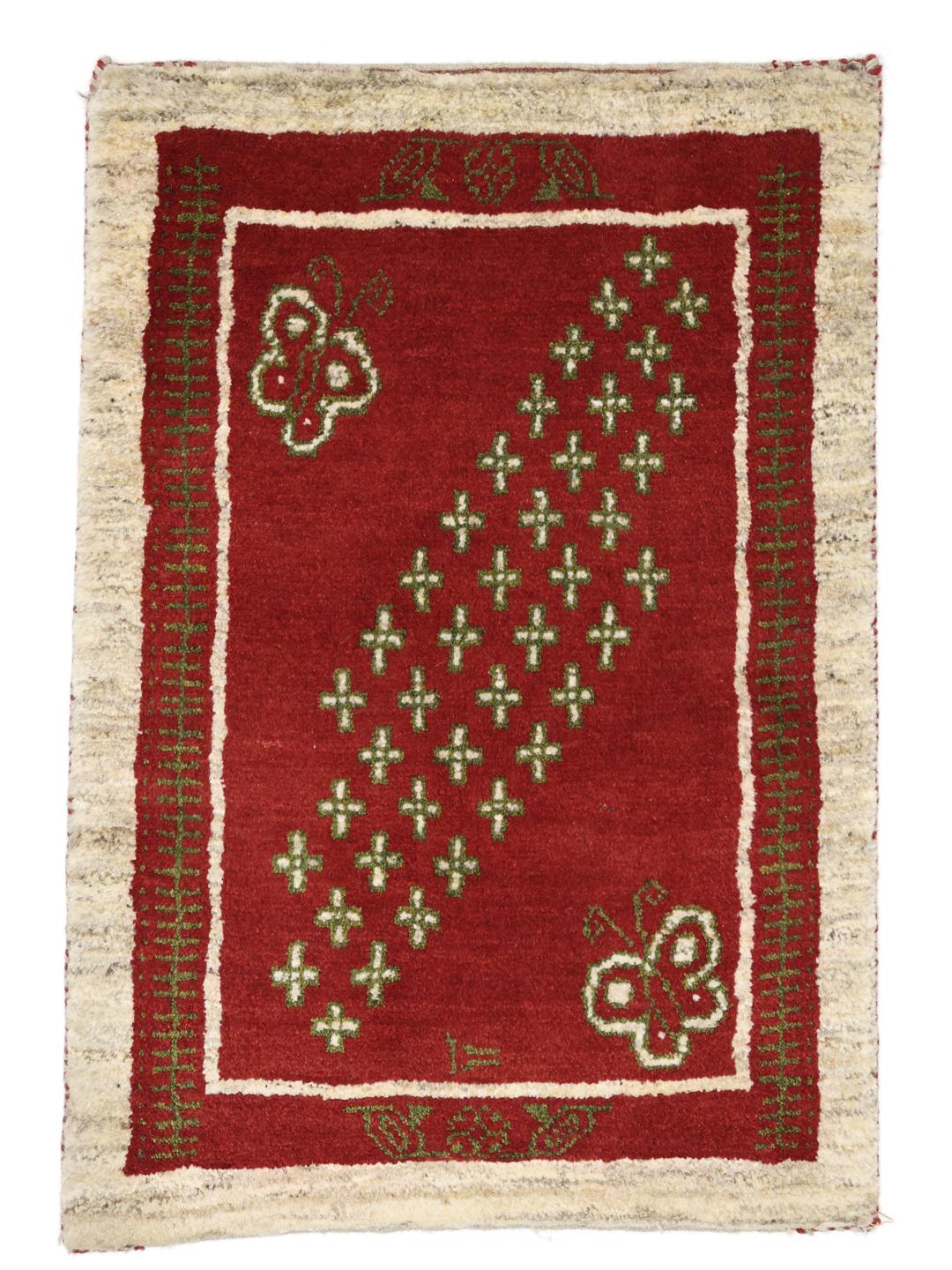
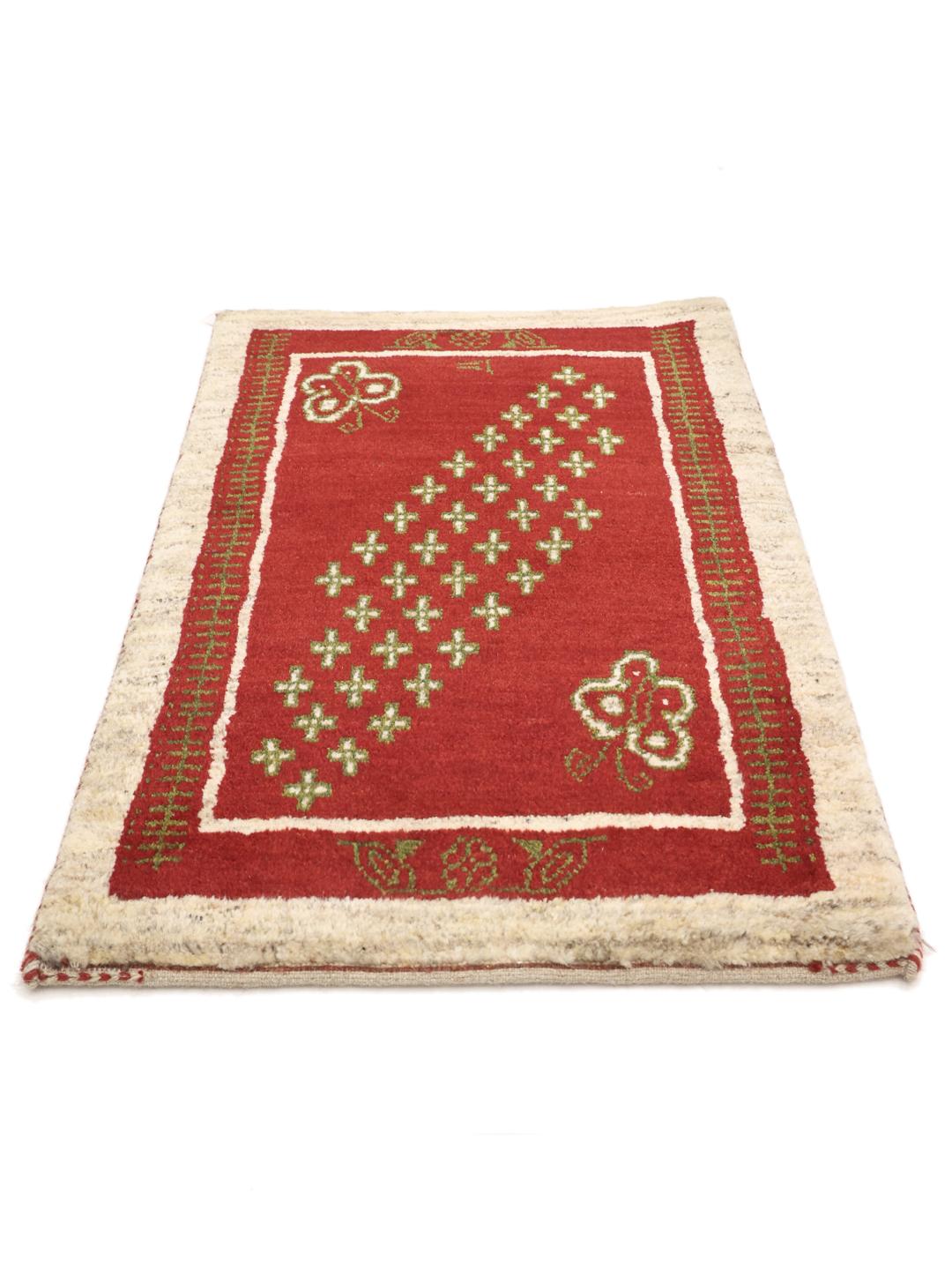
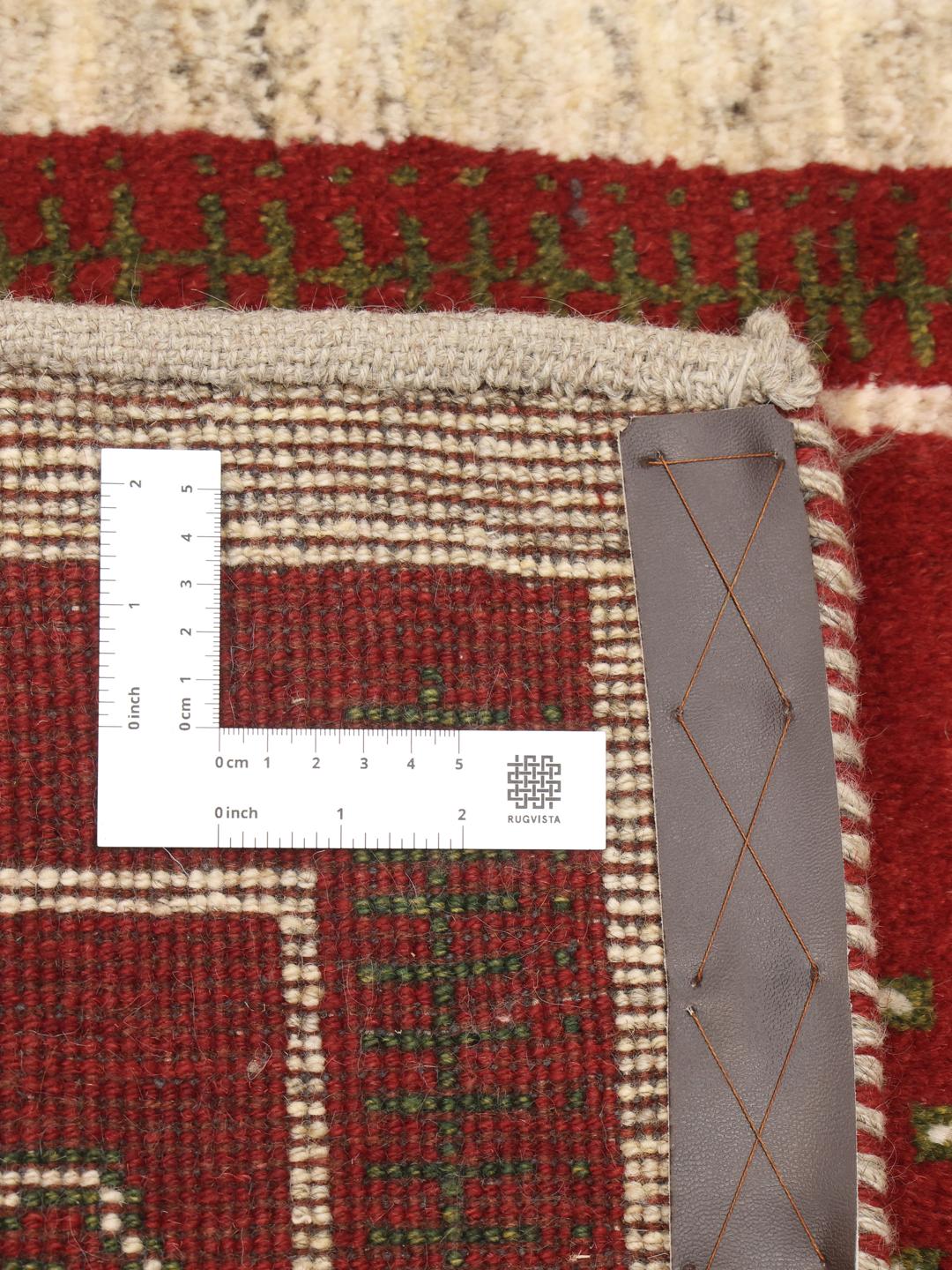
Gabbeh rugs originate from the nomadic tribes of the Middle East, specifically the Ghashgai and Luri peoples. Historically, these rugs were woven primarily for personal use within the home, serving as thick, protective floor coverings that provided insulation against the cold ground during migration.
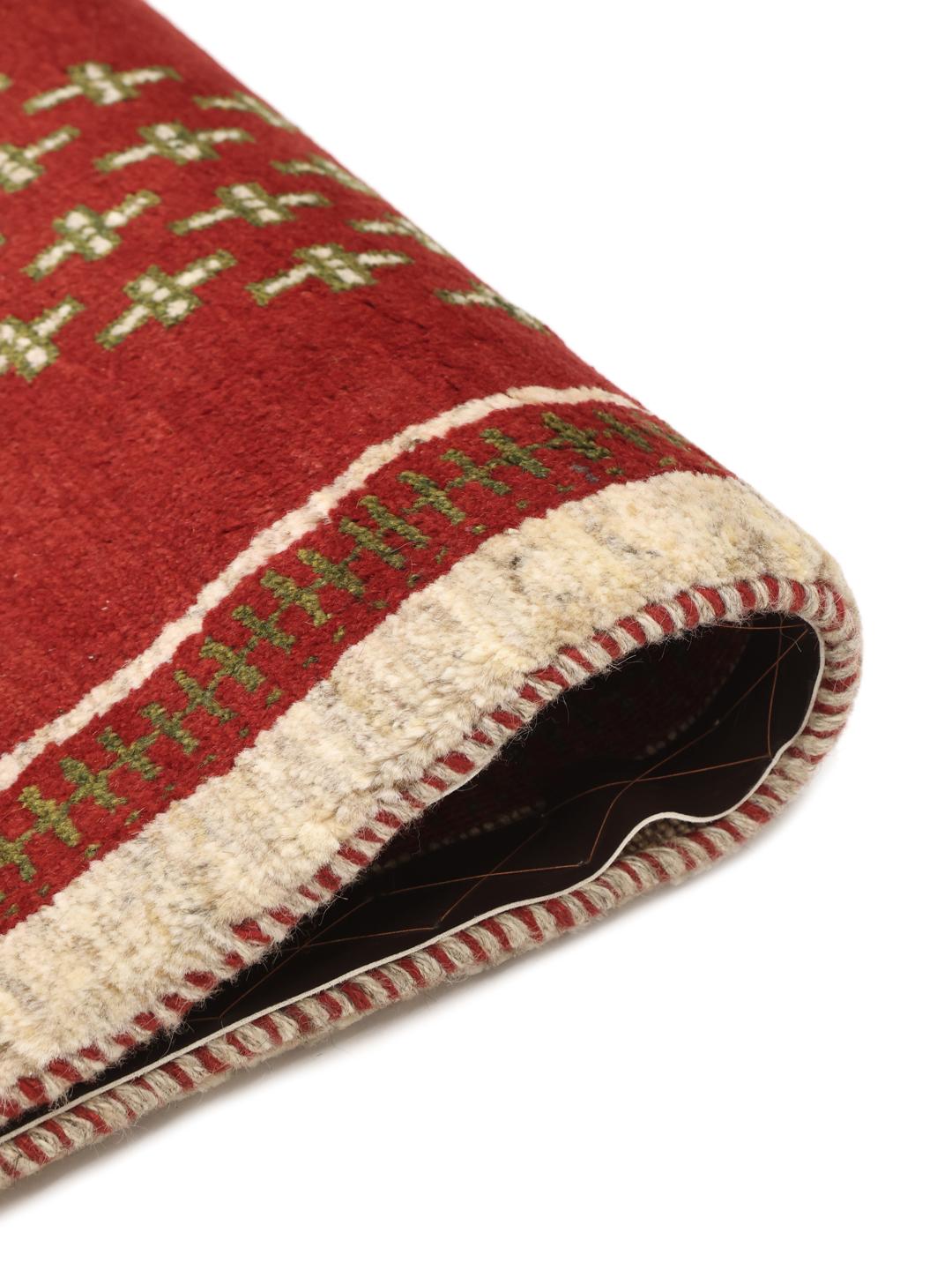
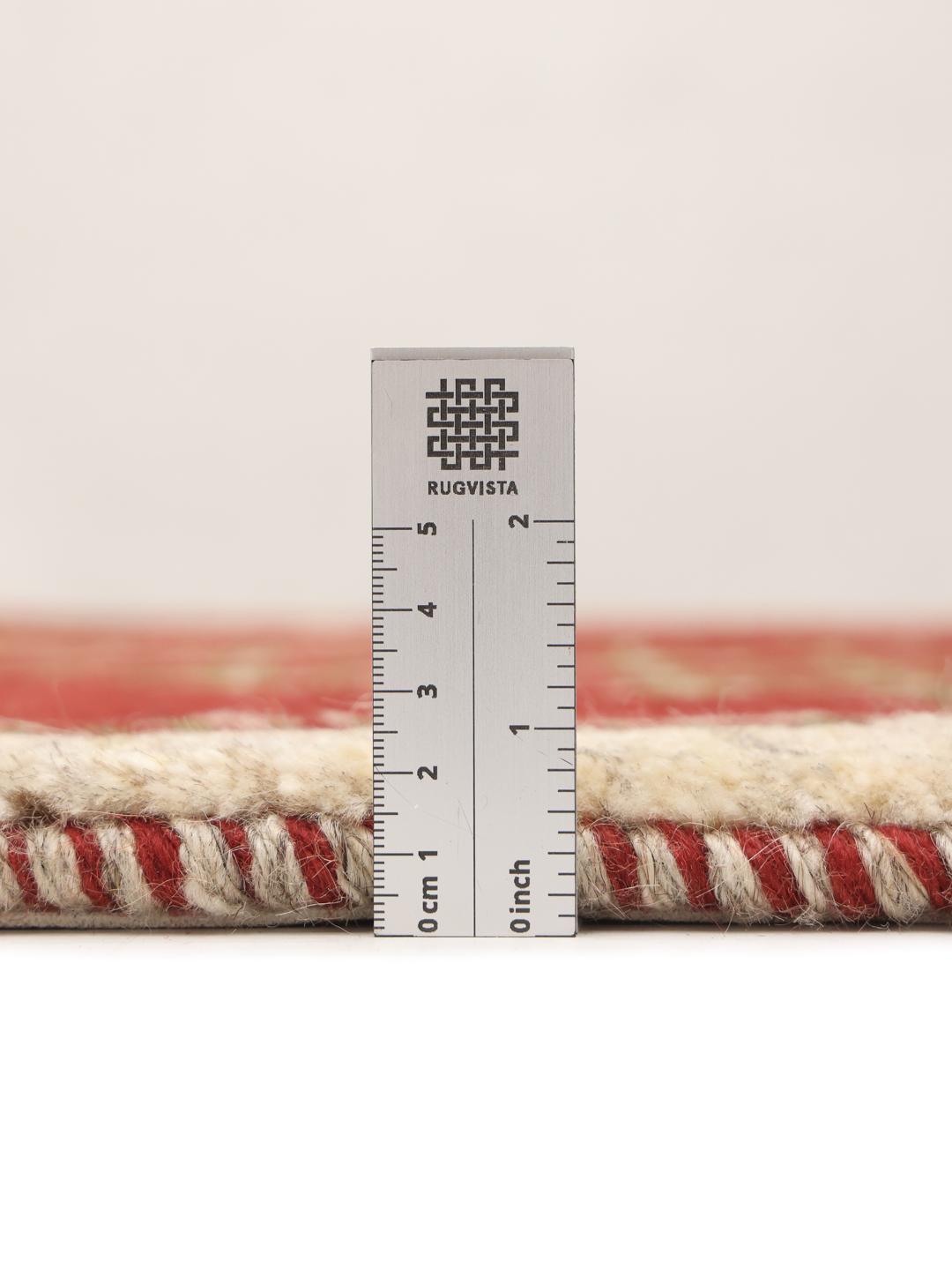
The term Gabbeh itself refers to a 'natural' or 'raw' style of weaving, characterised by a thicker, longer pile and a more simplistic, expressive design language. Unlike formal city rugs that follow rigid, pre-planned patterns, Gabbeh rugs are often created spontaneously, allowing the weaver to express their surroundings and emotions directly onto the loom.
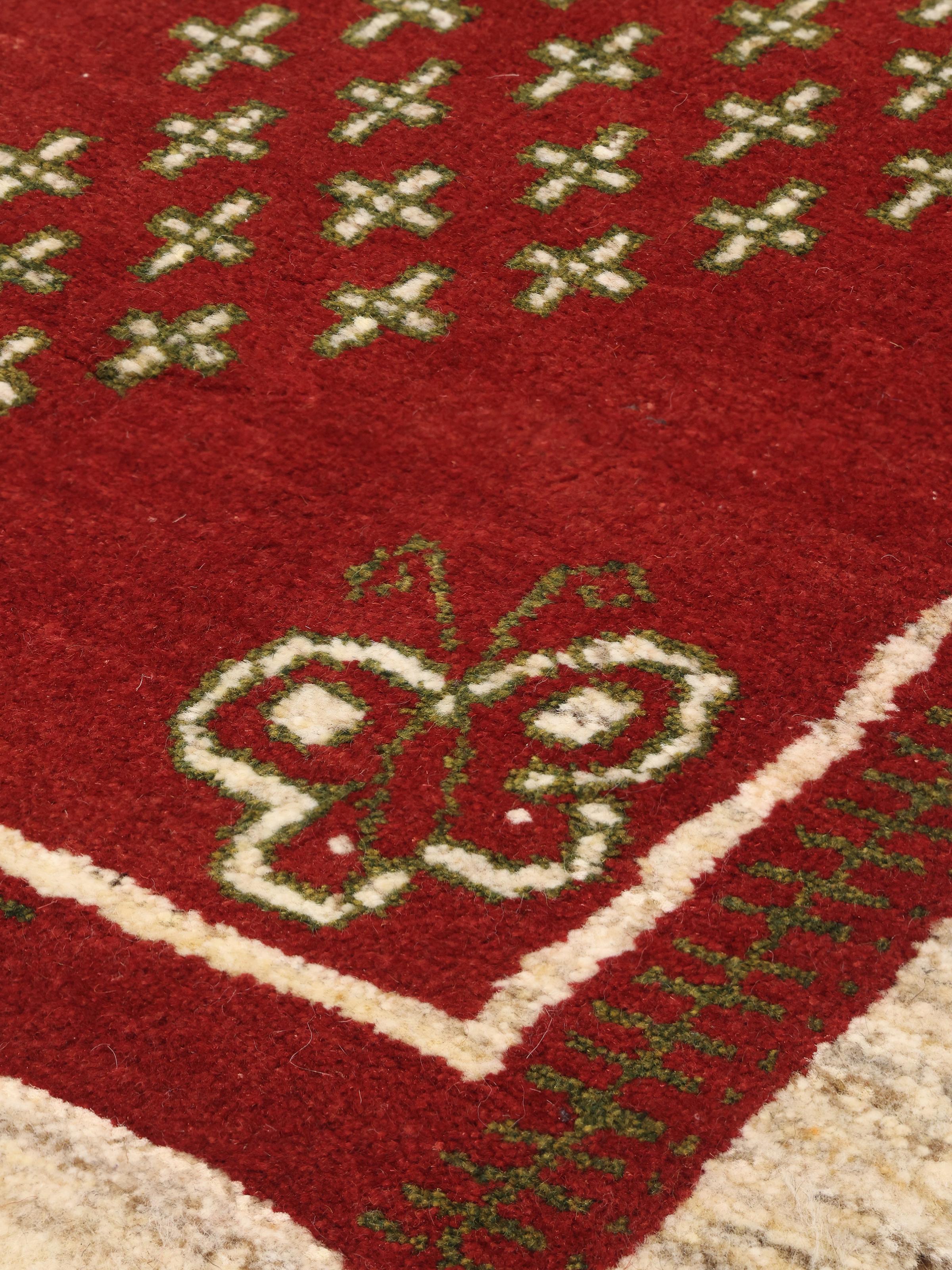
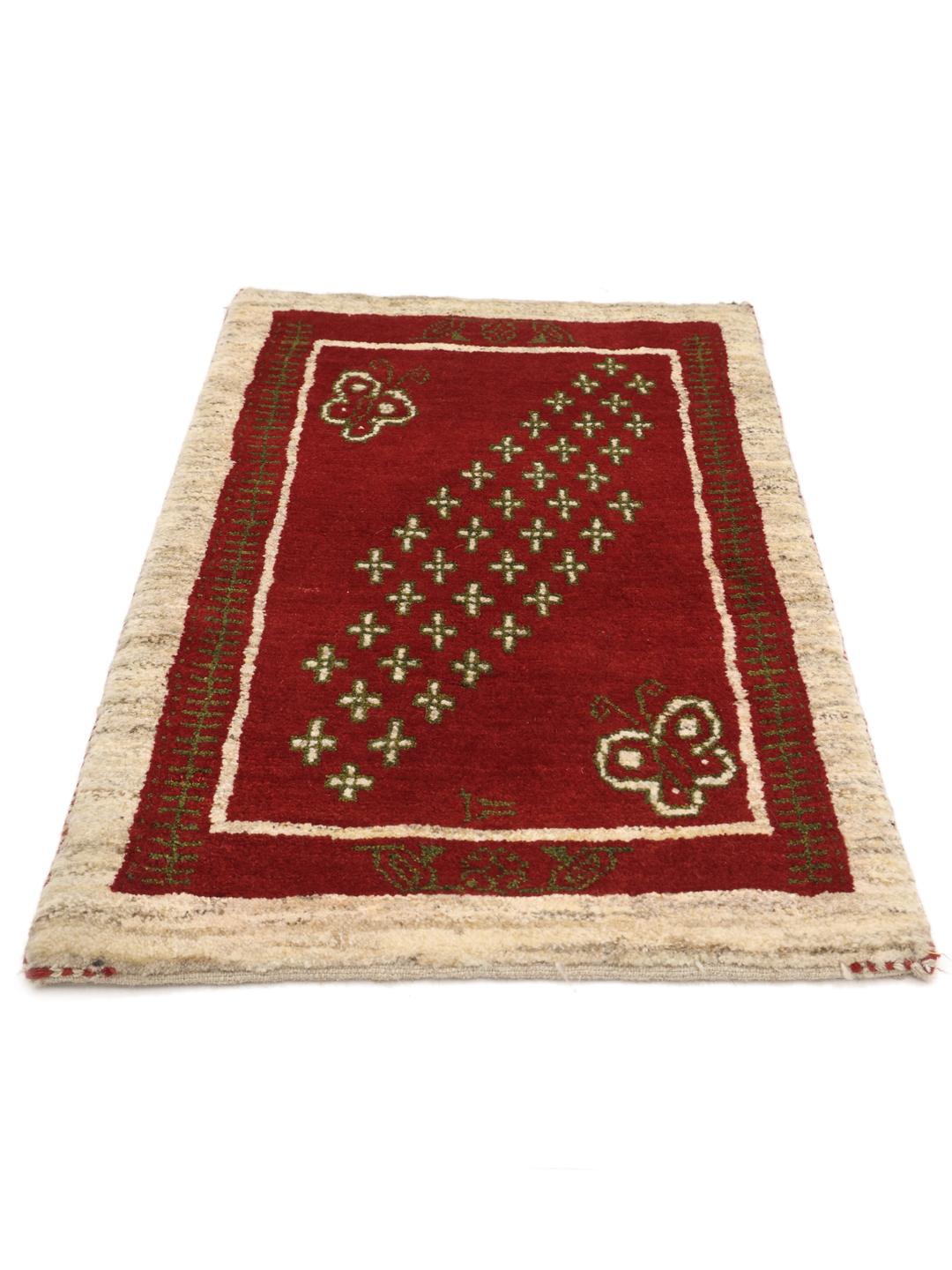
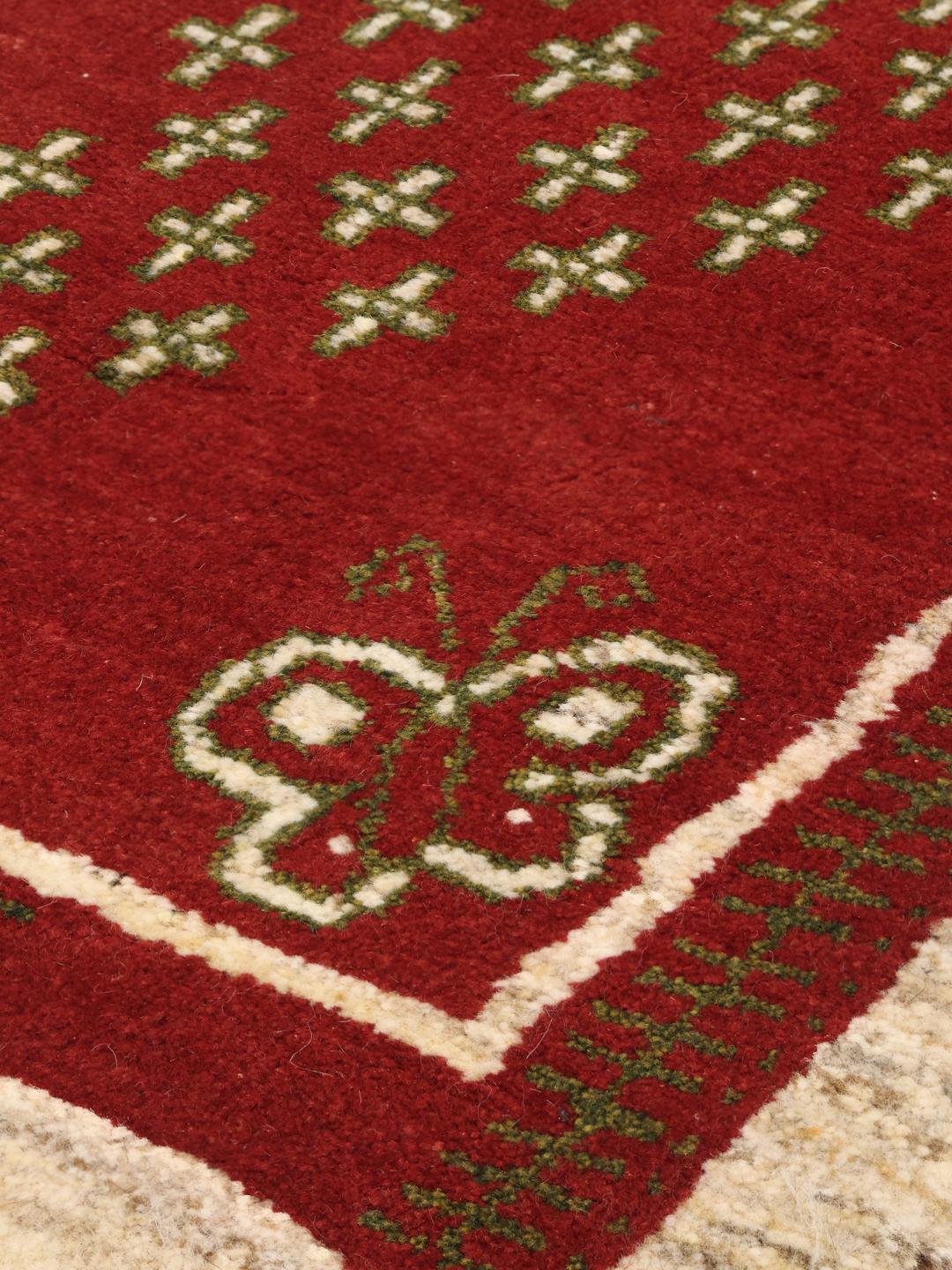
Signature elements of this tradition include an open, uncrowded field, often dominated by bold, saturated colours derived from natural vegetable dyes. While traditional designs are often geometric or abstract, modern interpretations like this one incorporate playful motifs such as butterflies, which break from the formality of traditional patterns while maintaining the authenticity of the craft.
Collecting a Gabbeh is an act of preserving a nomadic heritage that has thrived for centuries. These rugs are highly valued for their artistic freedom, their tactile warmth, and the human connection embedded in every knot.