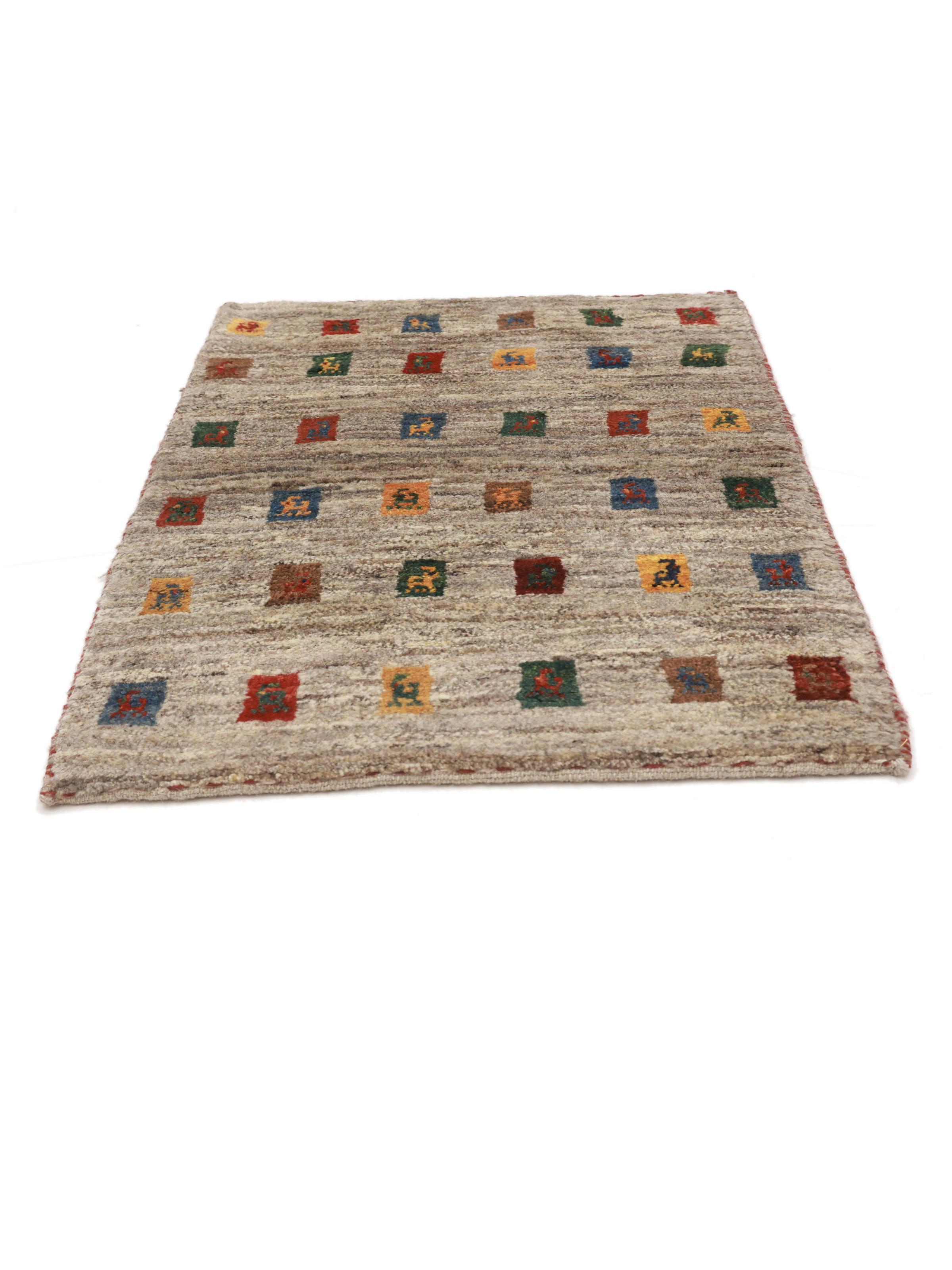
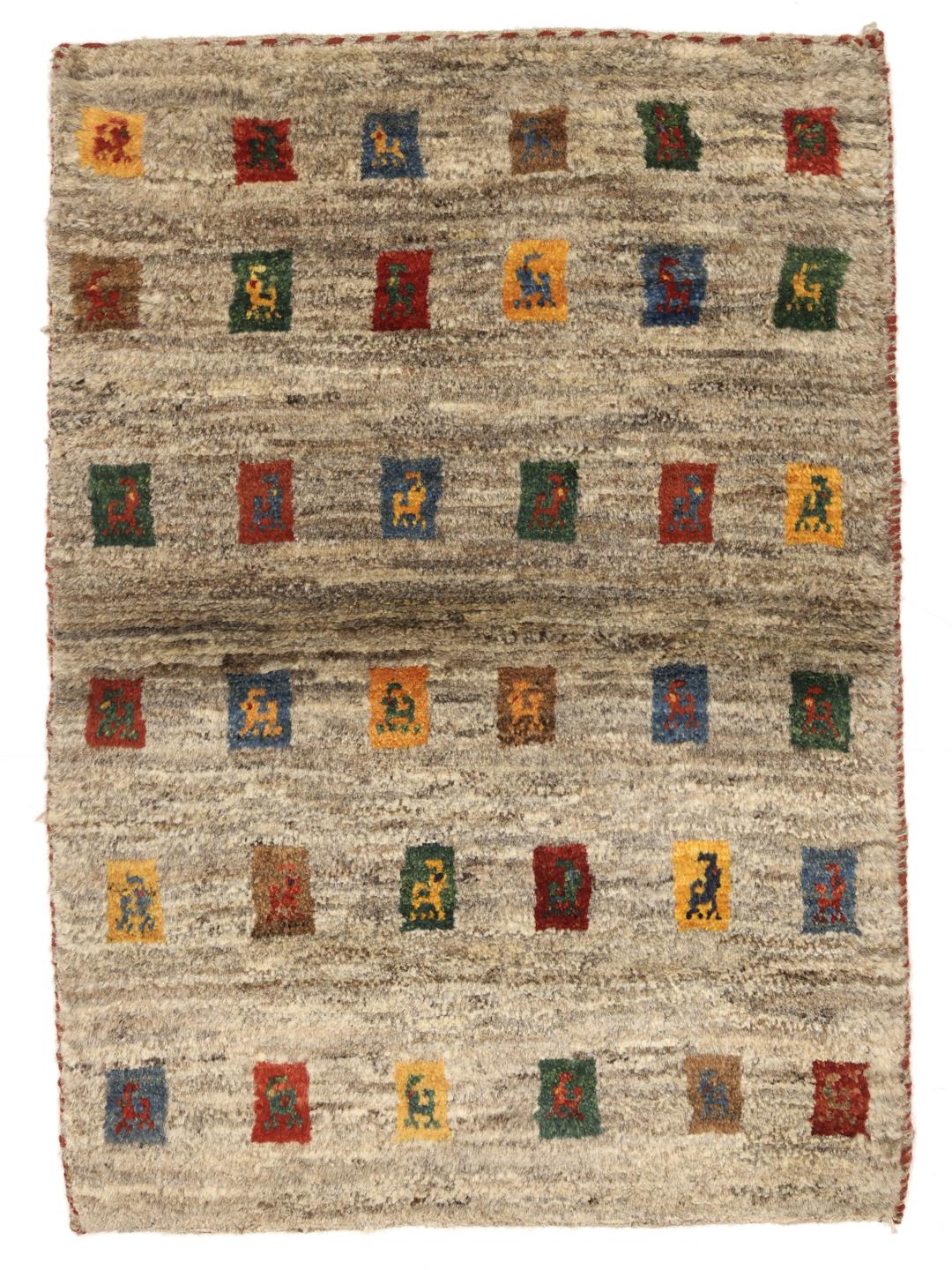
Gabbeh rugs originate from the tribal traditions of the Middle East, primarily woven by nomadic groups who have long used these pieces as functional bedding and floor coverings. Unlike more formal, city-made rugs, these pieces were traditionally created for personal use, allowing the weaver total creative freedom. This tradition has resulted in a style that is celebrated for its simplicity, expressive designs, and deep connection to the daily life of the weavers.
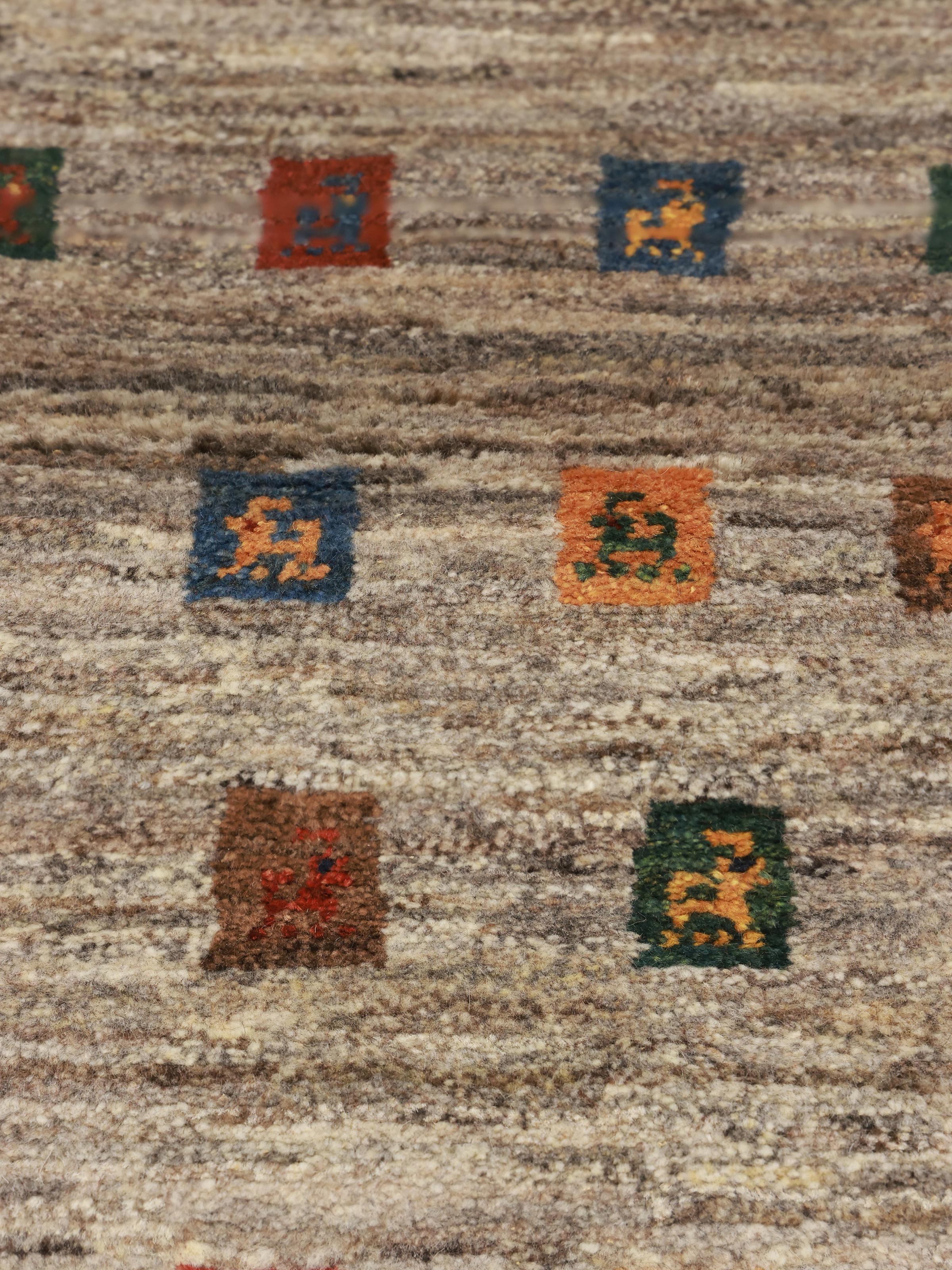
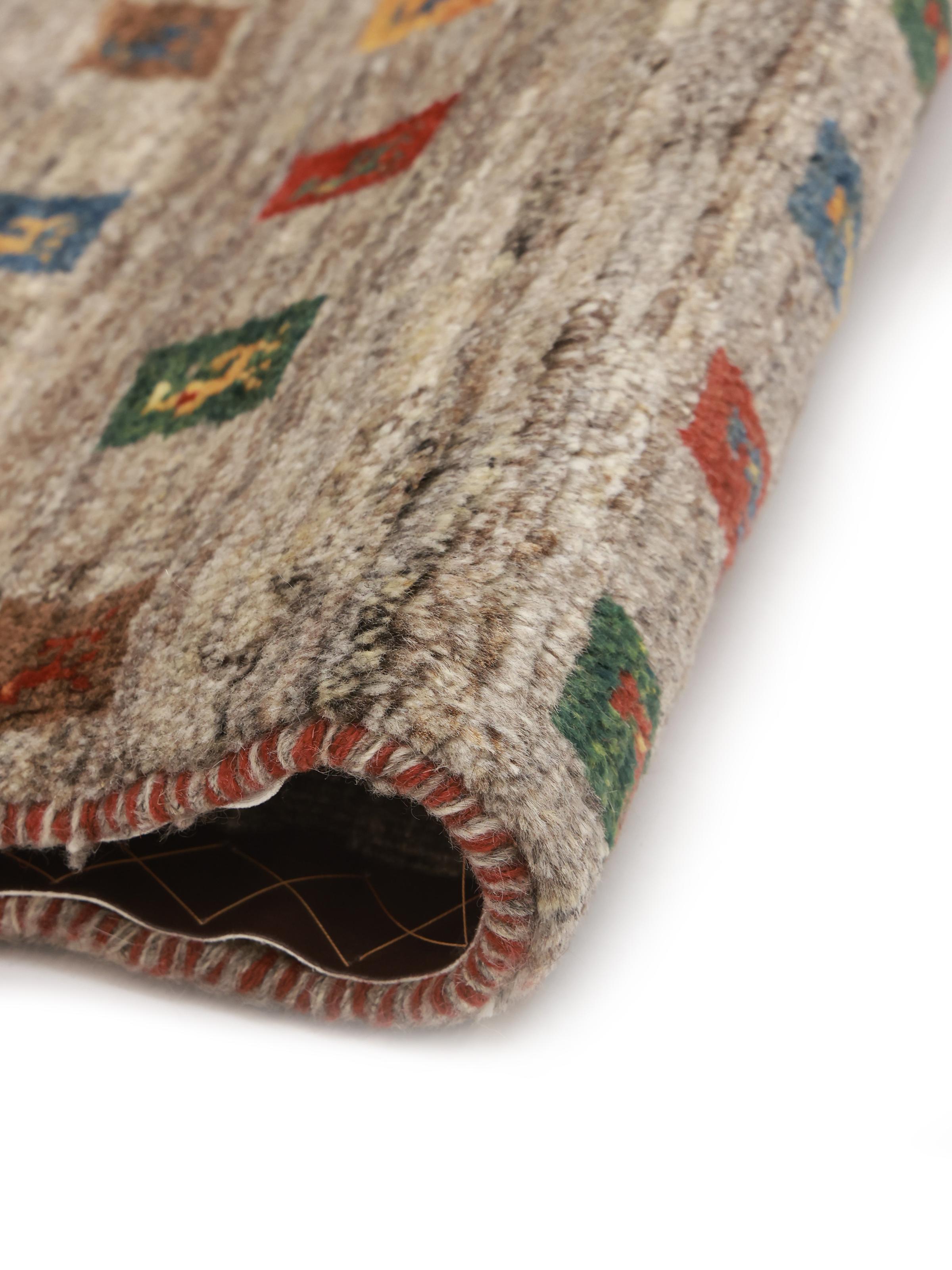
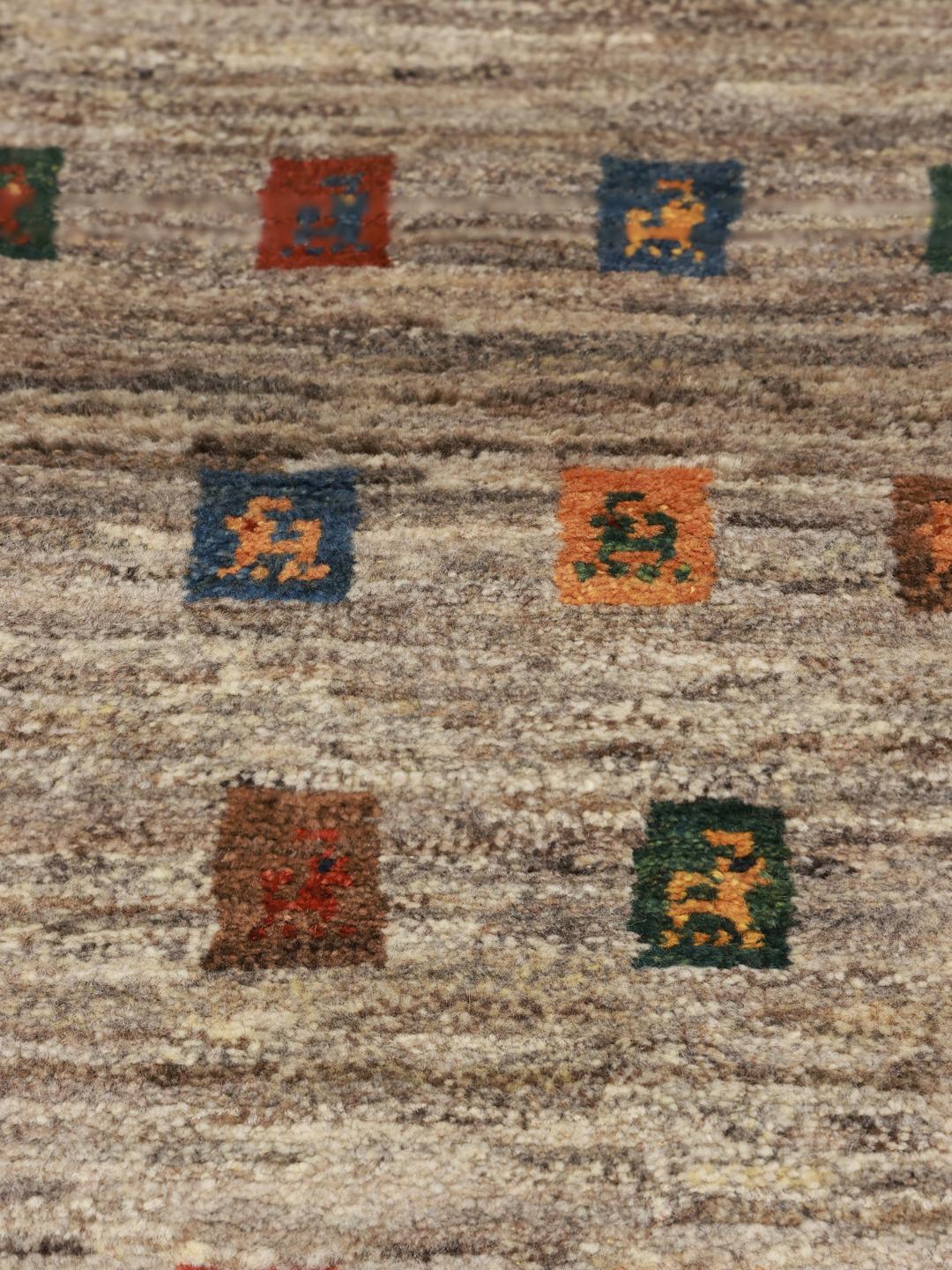
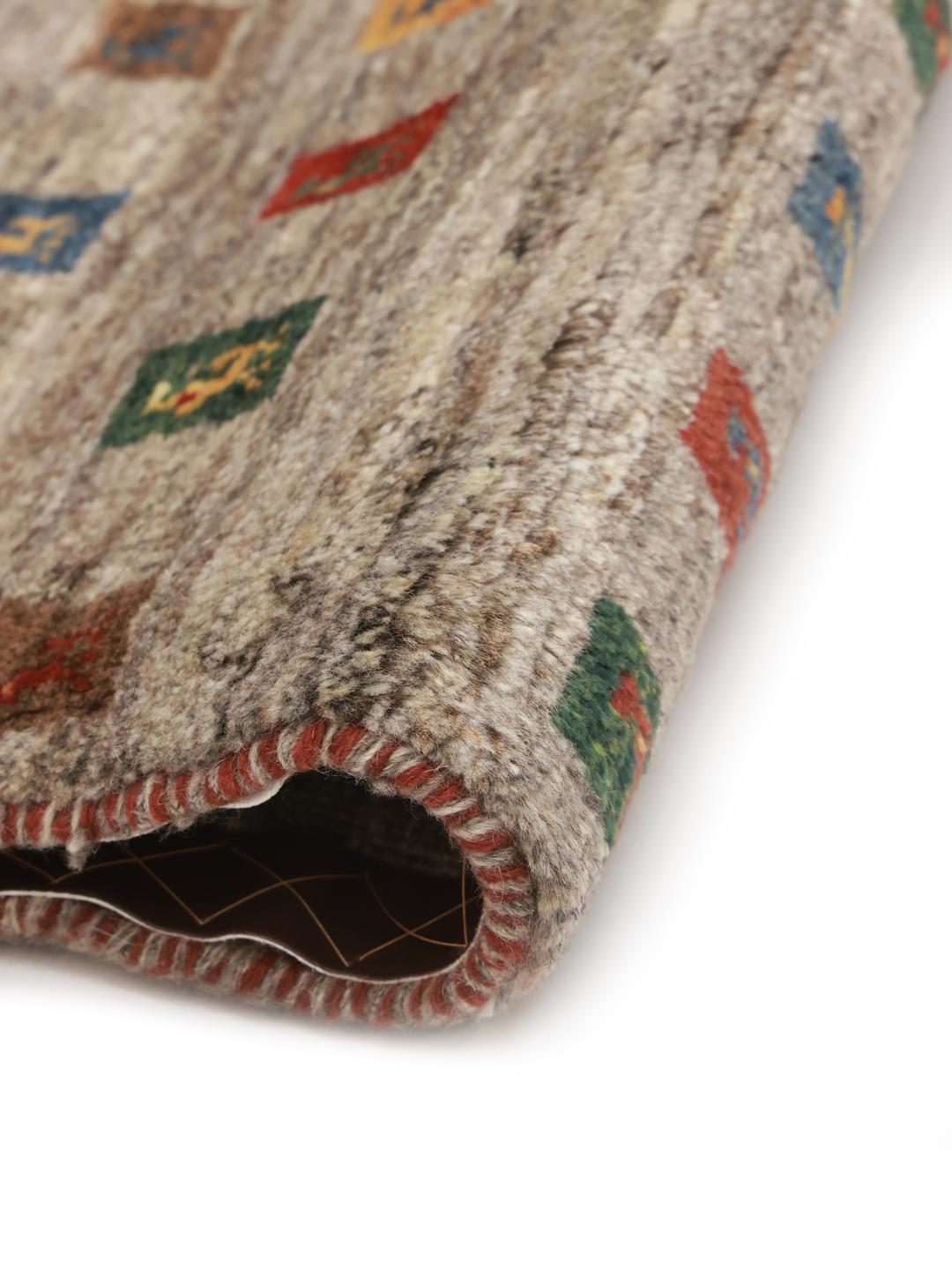
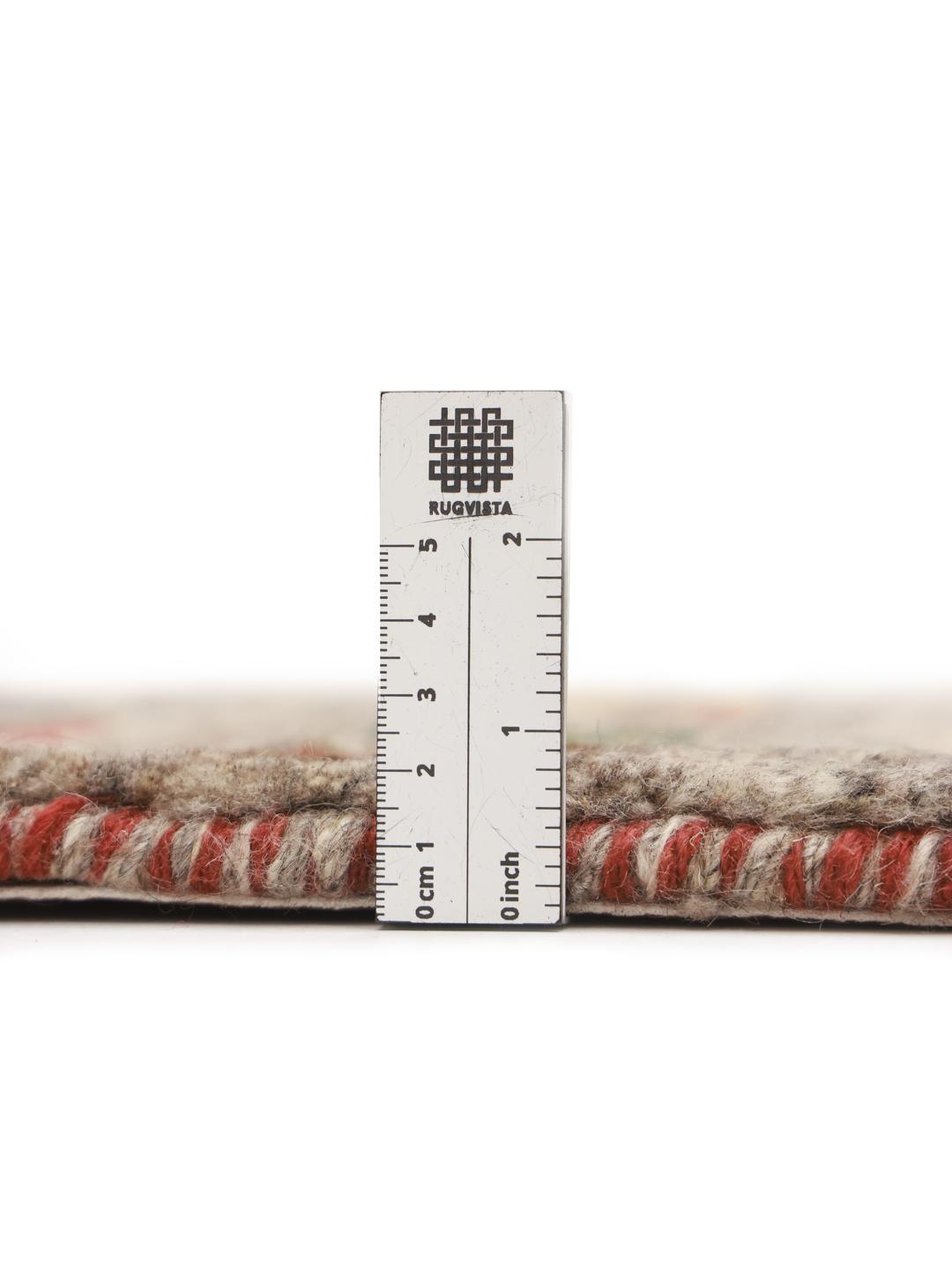
The term Gabbeh itself refers to a rug that is typically thicker and more rustic in nature, often featuring a longer, softer pile compared to other varieties. This construction technique is deliberate, designed to provide maximum warmth and comfort in the rugged, sometimes harsh environments of the nomadic lifestyle. The use of hand-spun, natural wool is central to this tradition, as it allows the material to retain its natural oils, resulting in a durable, lustrous finish that ages beautifully over time.
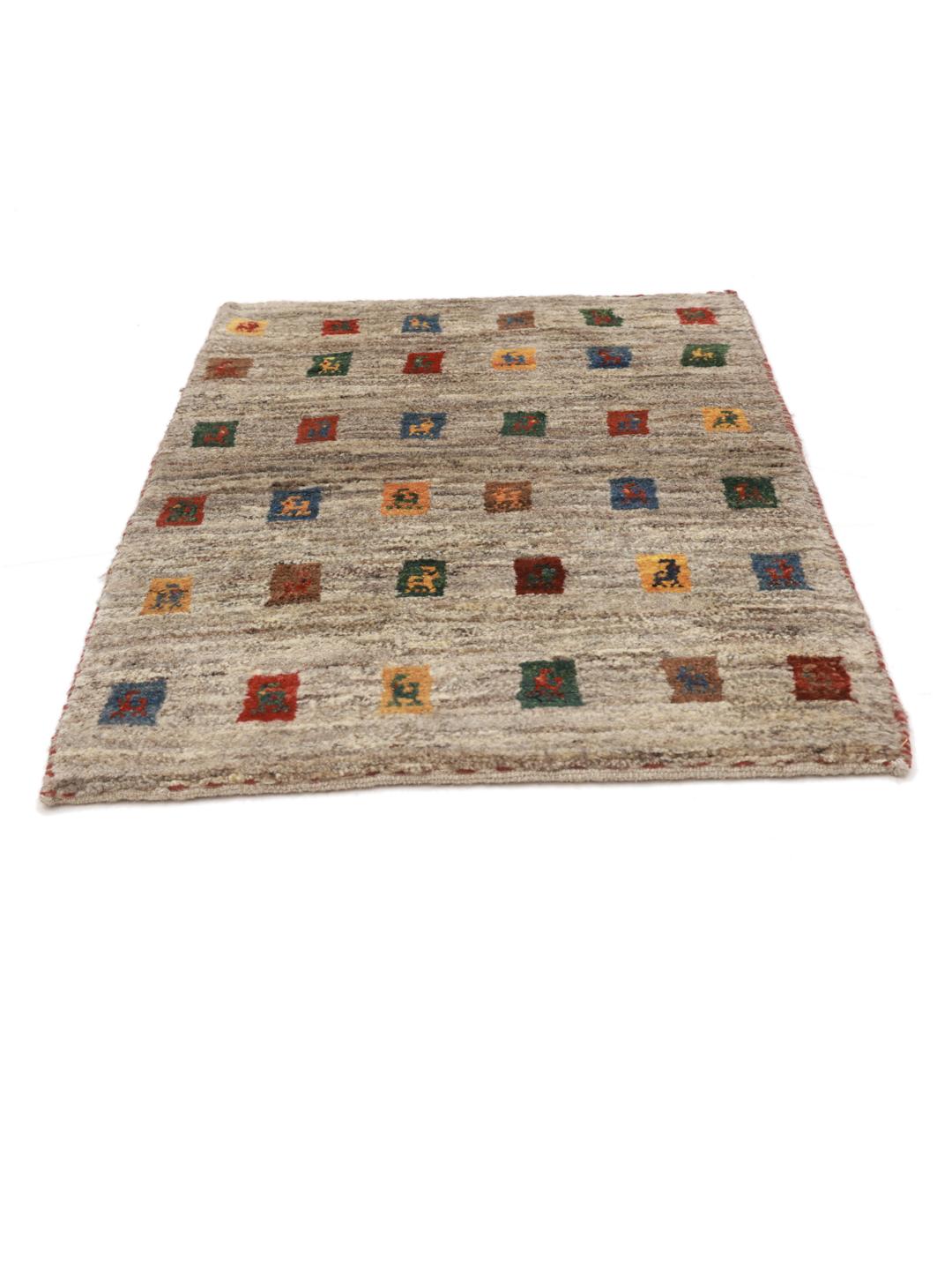
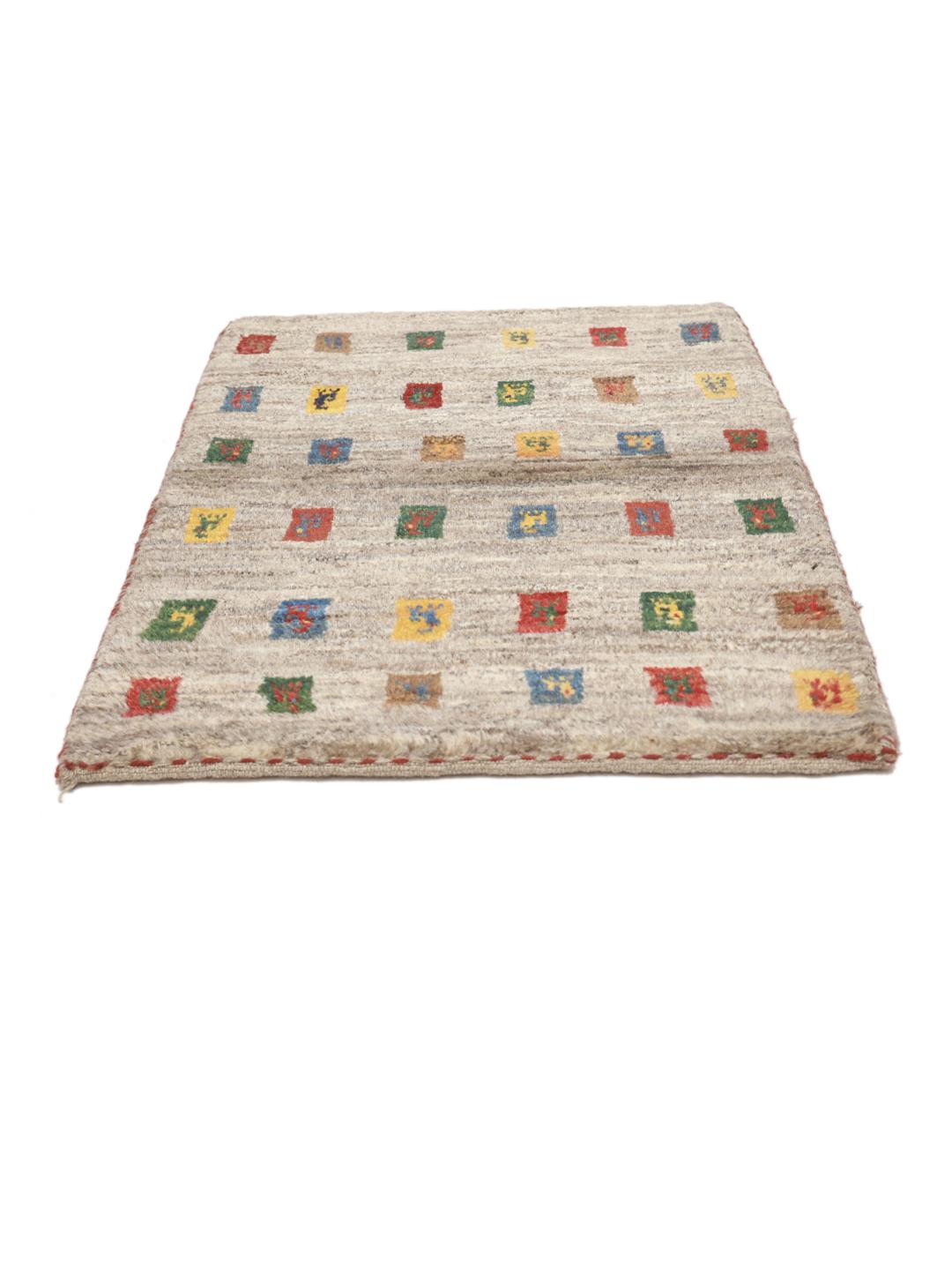
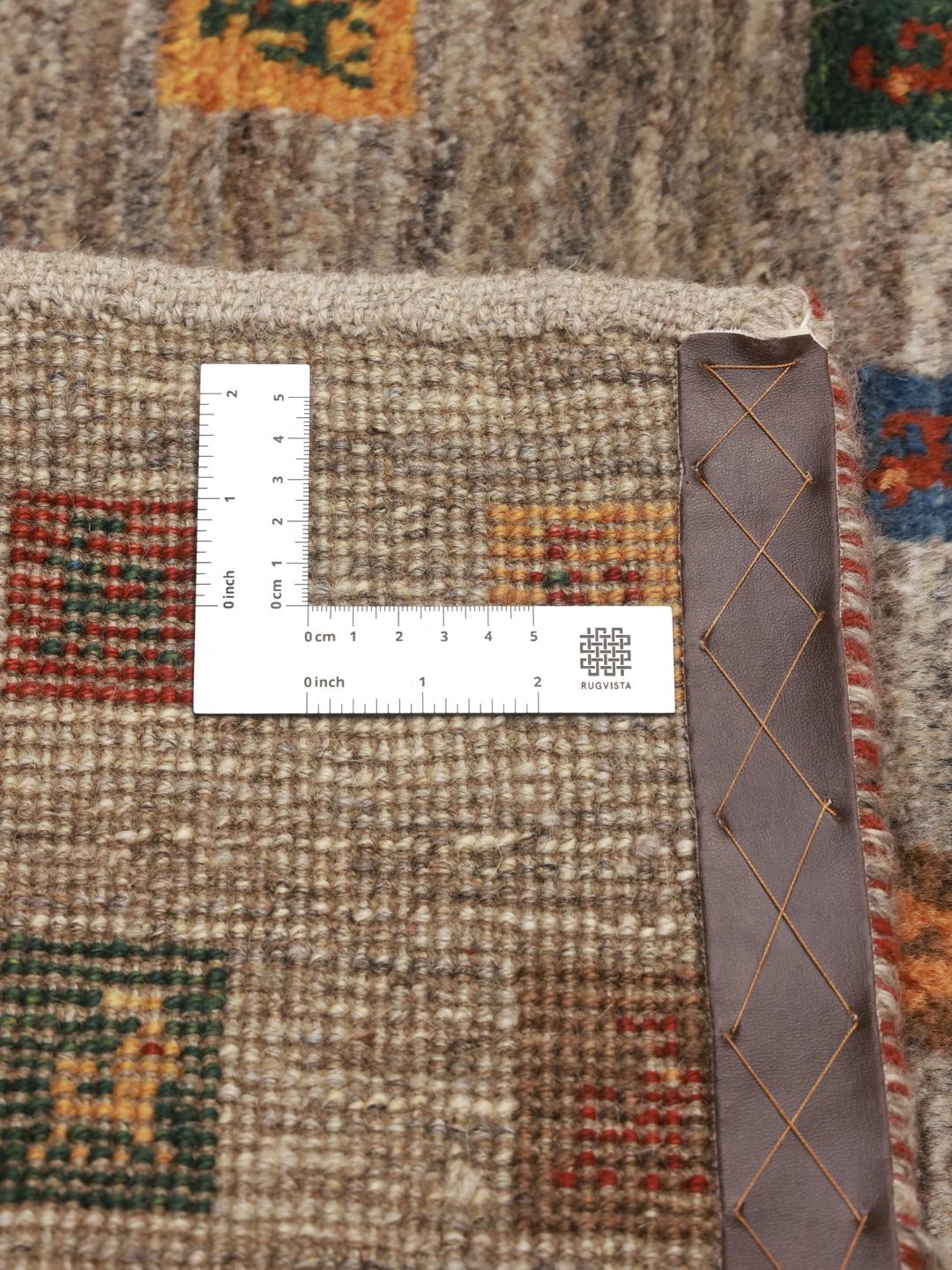
Visually, Gabbeh rugs are known for their minimalist yet evocative designs. While they often incorporate geometric shapes and symbolic motifs—such as animals, plants, or abstract representations of the natural world—the execution is usually bold and uncomplicated. The colours are traditionally derived from natural dyes, which give the wool a vibrant yet harmonious palette that feels both grounded and sophisticated. This specific piece continues that legacy with its charming, repeating patterns.
Today, these rugs are highly valued by collectors and interior enthusiasts alike for their authentic, artistic spirit. Owning a Gabbeh is not just about acquiring a floor covering, but about bringing a piece of cultural history into your home. Each rug serves as a testament to the skill and creative vision of the individual weaver, making it a prized possession that bridges the gap between ancient nomadic heritage and modern living.