Gabbeh rugs originally emerged from nomadic weaving traditions across the Middle East. Traditionally crafted by tribal weavers for personal domestic use, these rugs were designed for practical comfort as soft sleeping mats and warm floor coverings rather than formal display pieces.
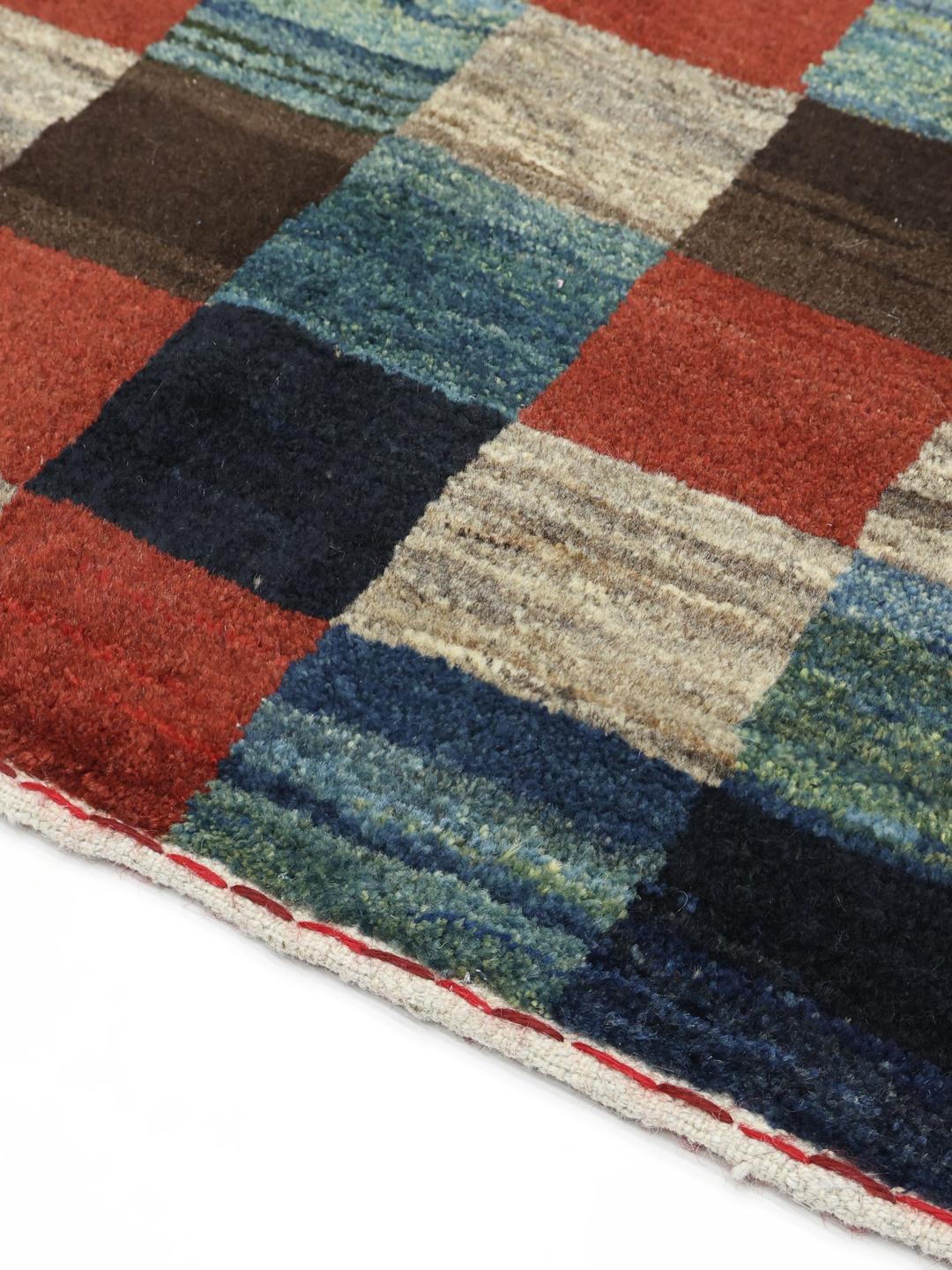
The name Gabbeh translates loosely to something raw, natural, or unclipped, pointing to the thick, plush pile and informal weaving style that sets these pieces apart. Over decades, the tradition expanded into Pakistan, where weavers adapted these classic tribal techniques to create durable, lustrous floor coverings.
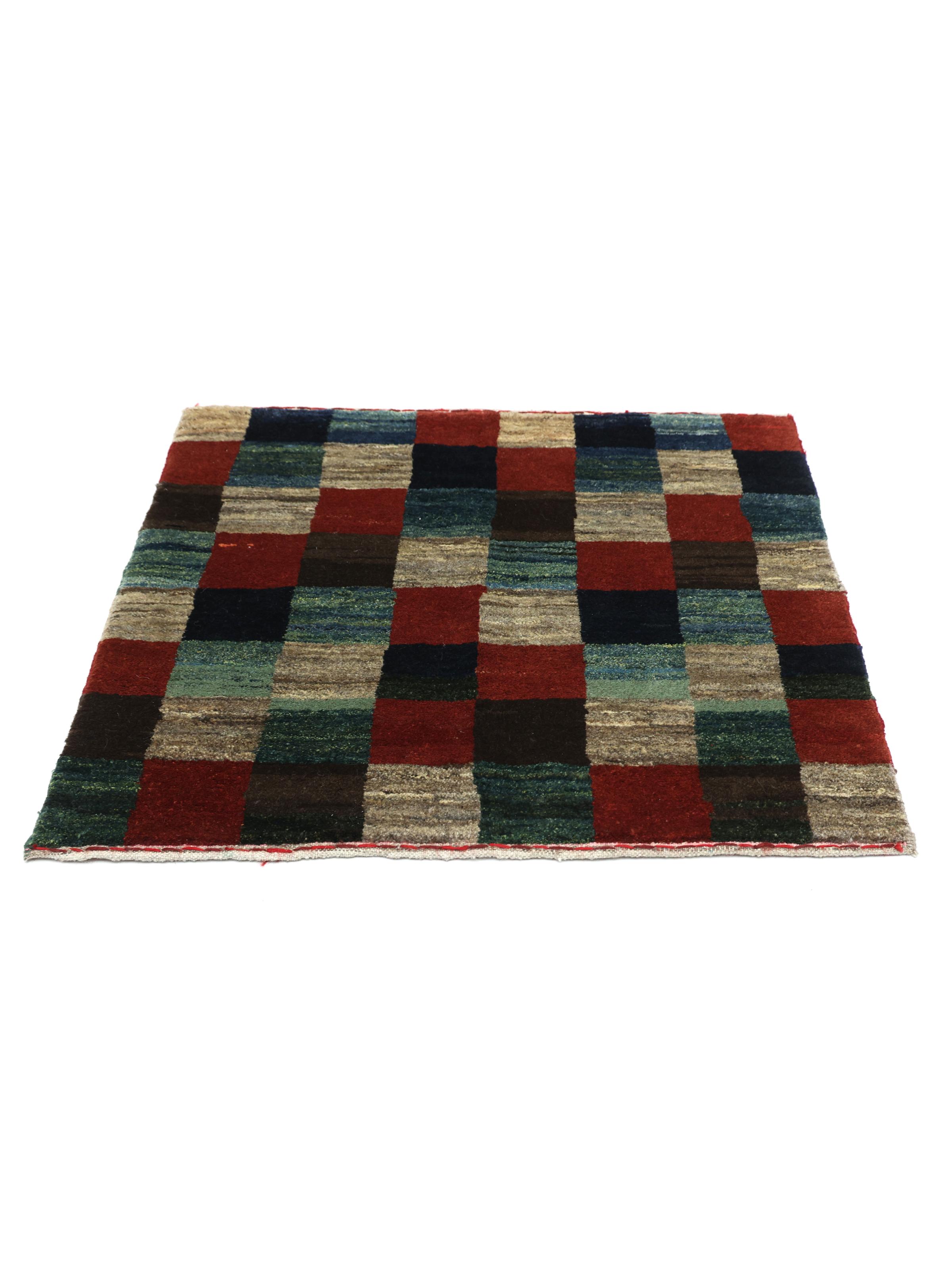
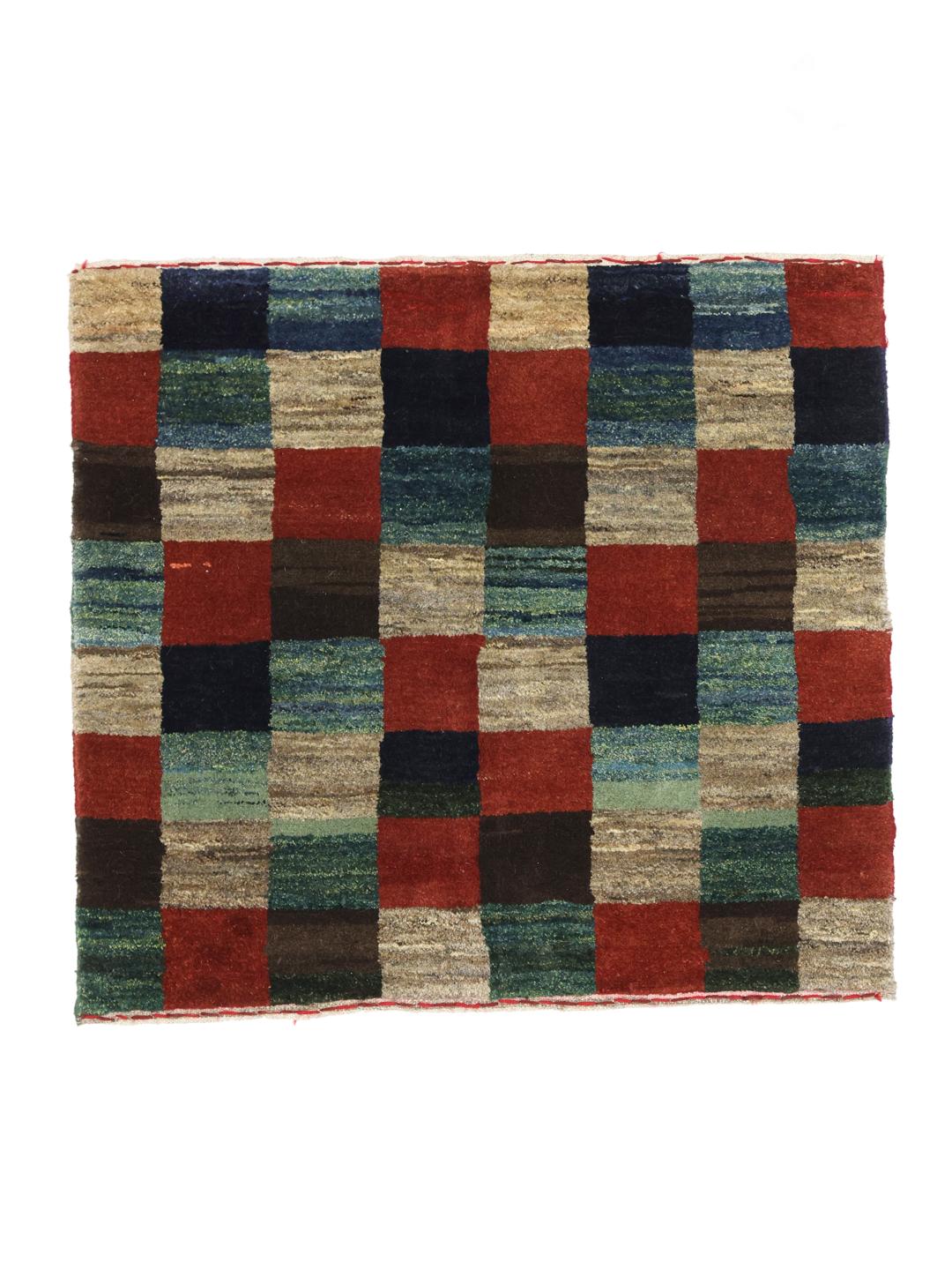
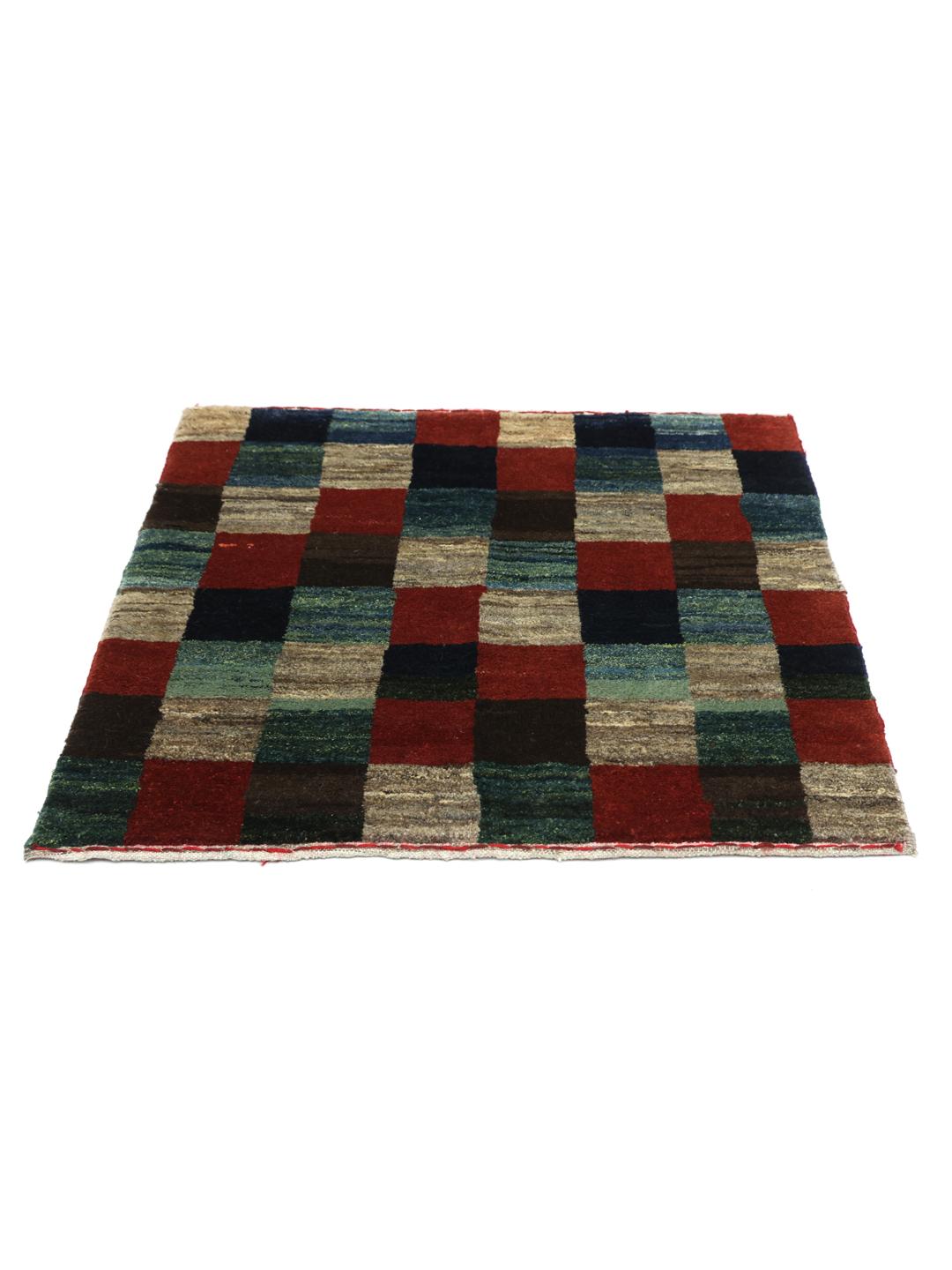
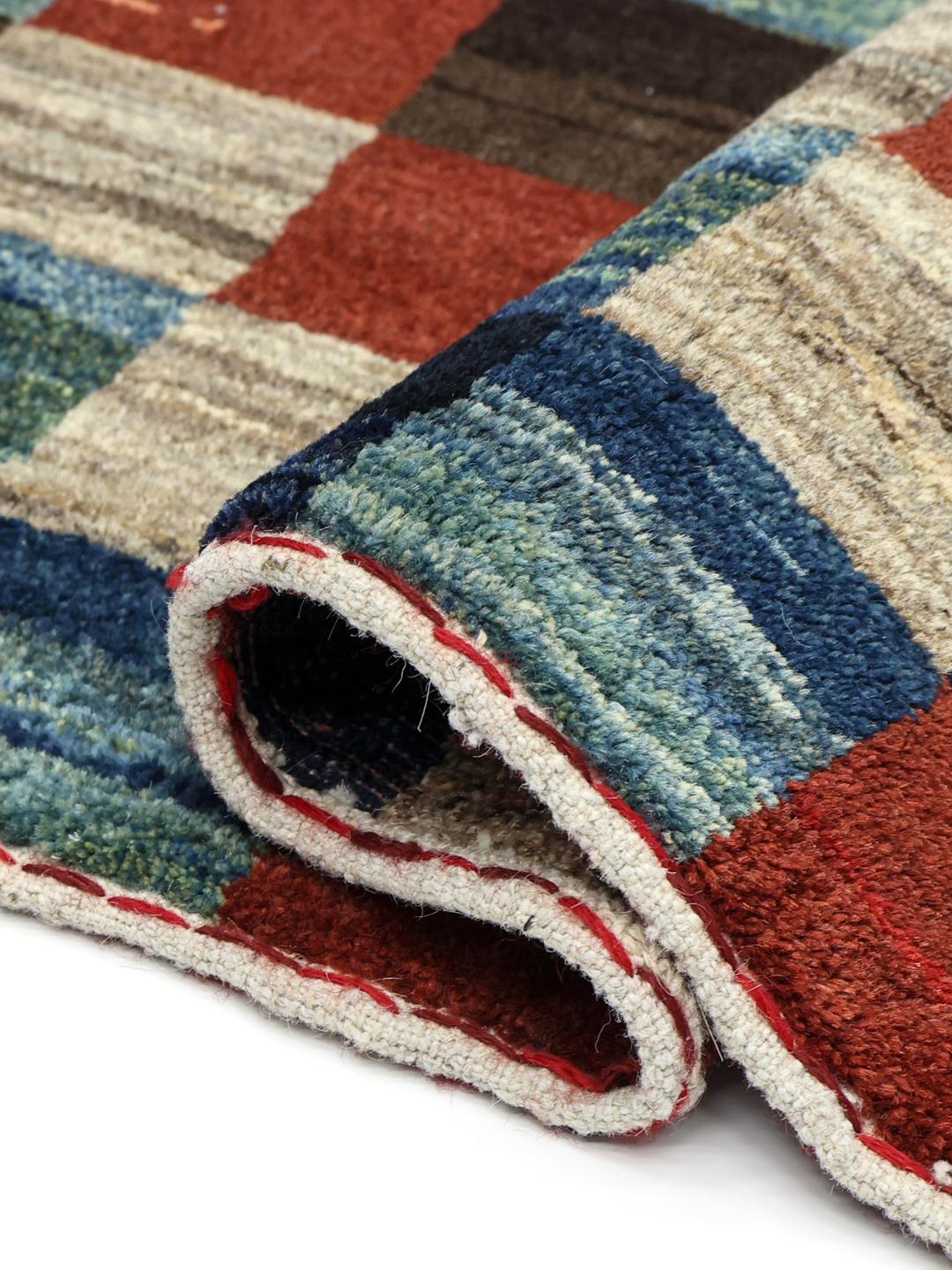
Visually, Gabbeh rugs are celebrated for their simple, painterly design language. Rather than intricate floral motifs, they often feature bold geometric fields, simple checkered grids, or stylized animal shapes. The check pattern on this piece uses block colour variations to create rhythm and warmth across the surface.
Today, traditional Gabbeh rugs are highly valued by collectors and homeowners alike for their modern artistic feel and authentic craft background. Owning a hand-knotted Gabbeh means bringing a piece of genuine tribal heritage and folk art into contemporary living spaces.