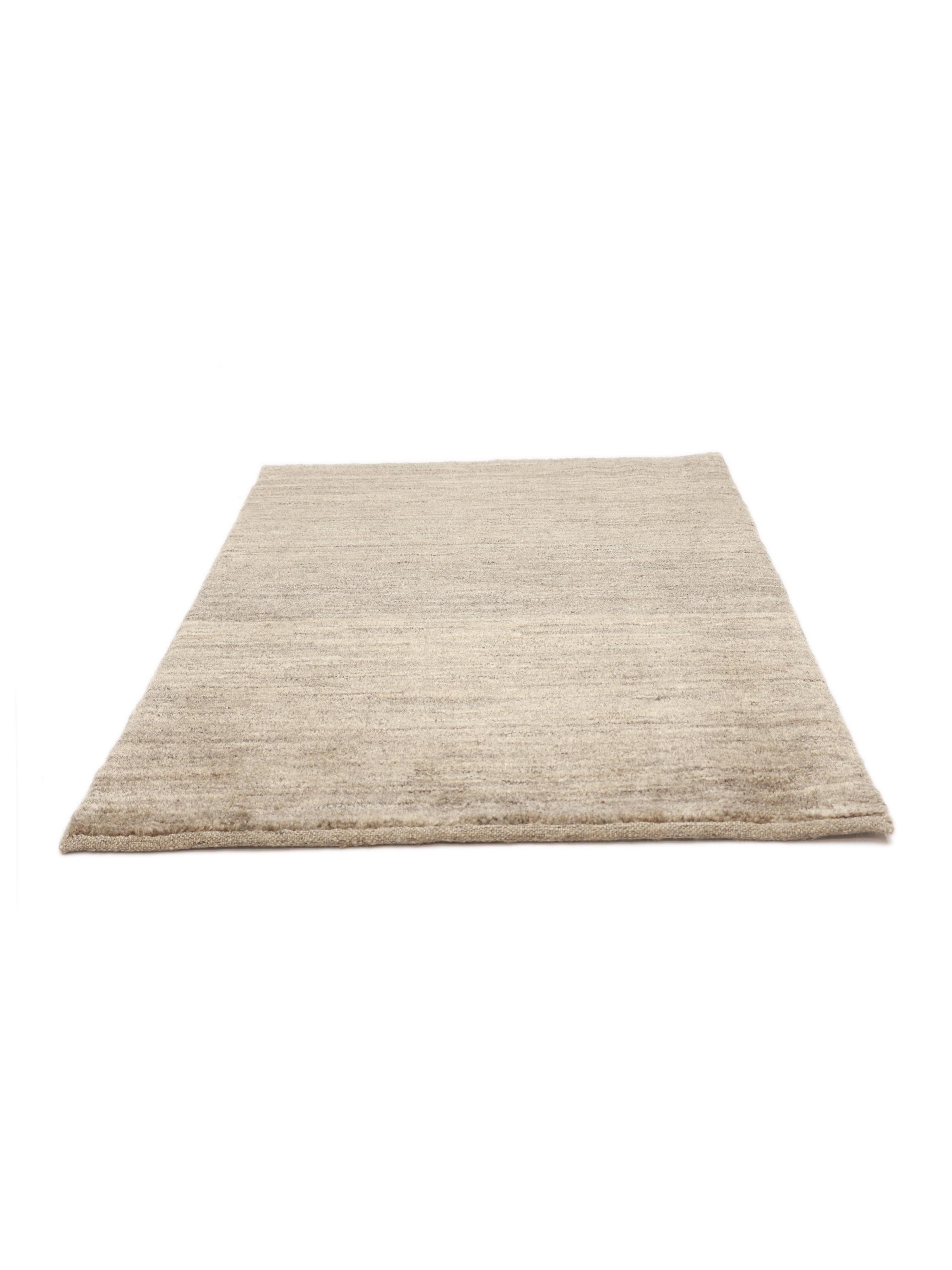
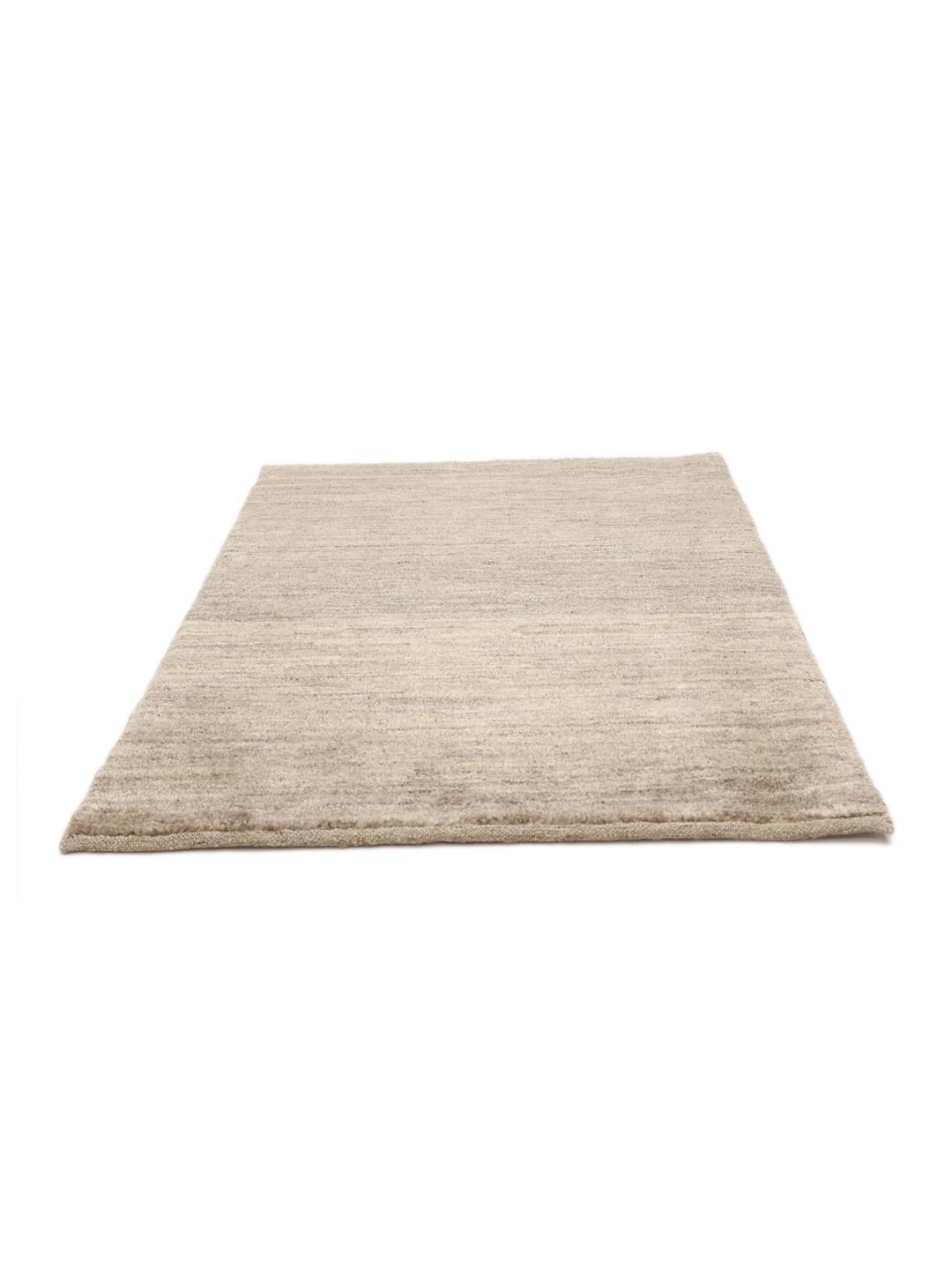
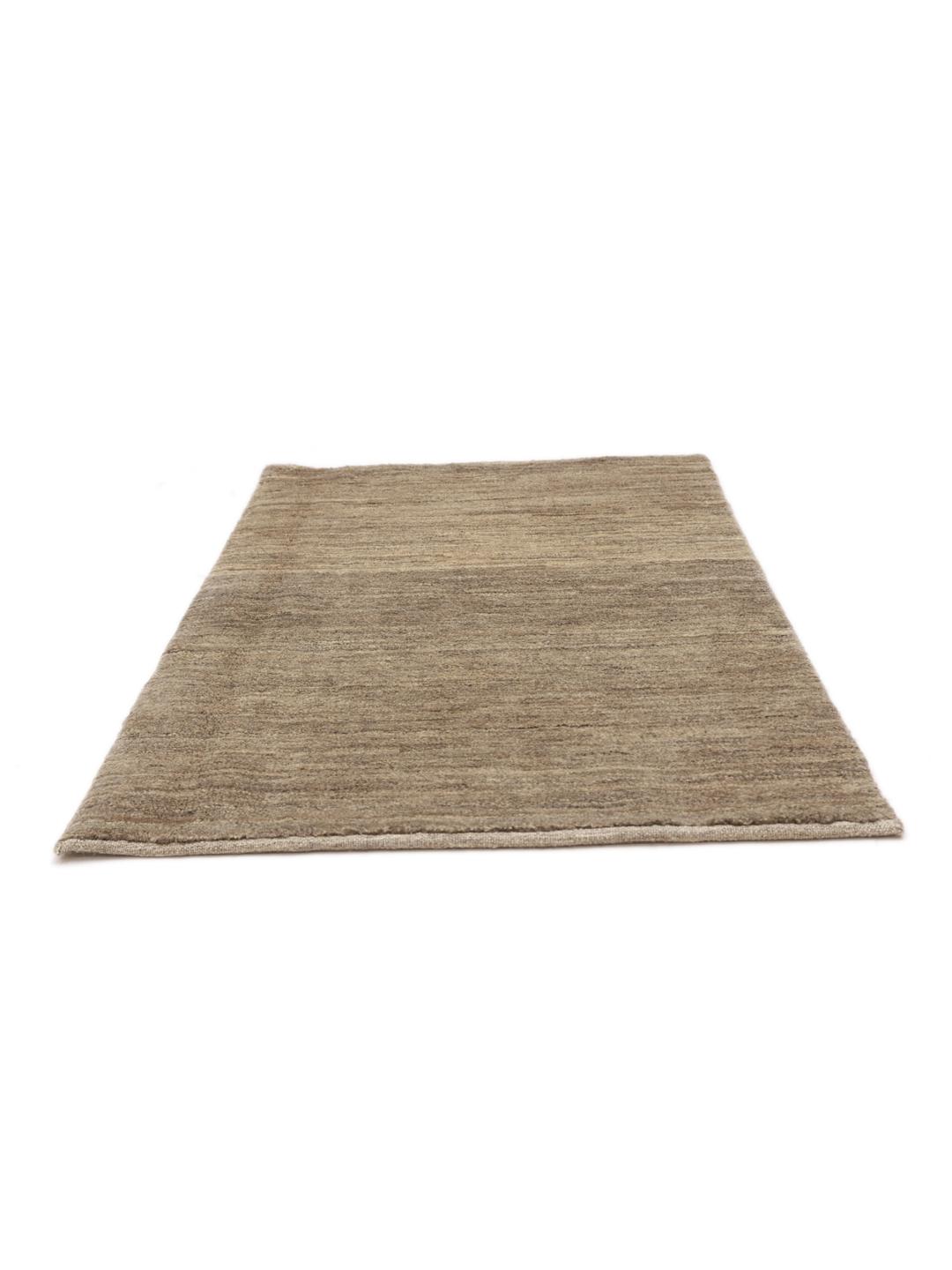
The Gabbeh tradition originates from the nomadic tribes of the Middle East, where these rugs were historically woven for personal use rather than for sale. These pieces served as essential protection against the cold desert ground, prioritising comfort and utility. Over generations, the style evolved into a celebrated art form known for its expressive, minimalist beauty.
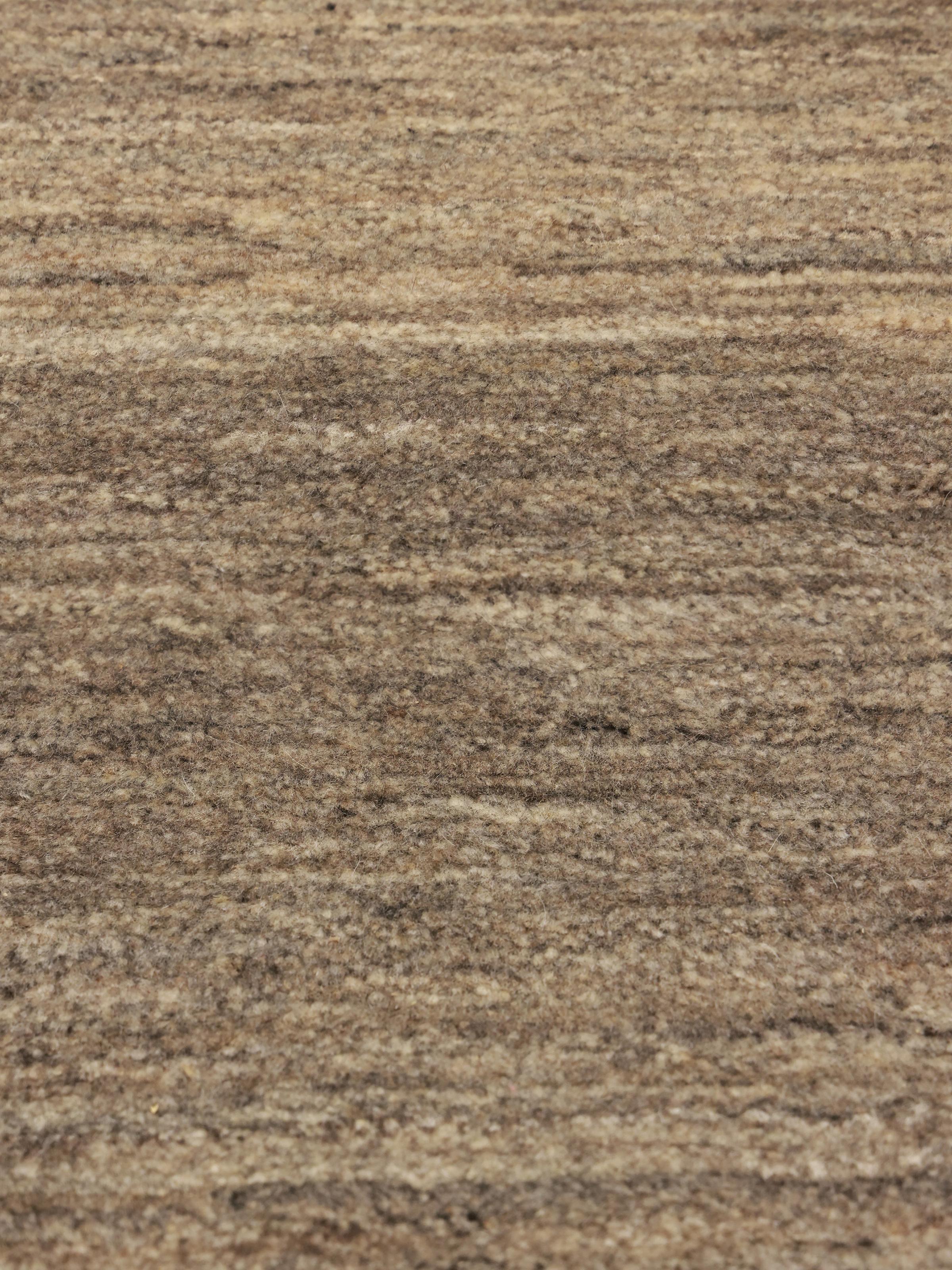
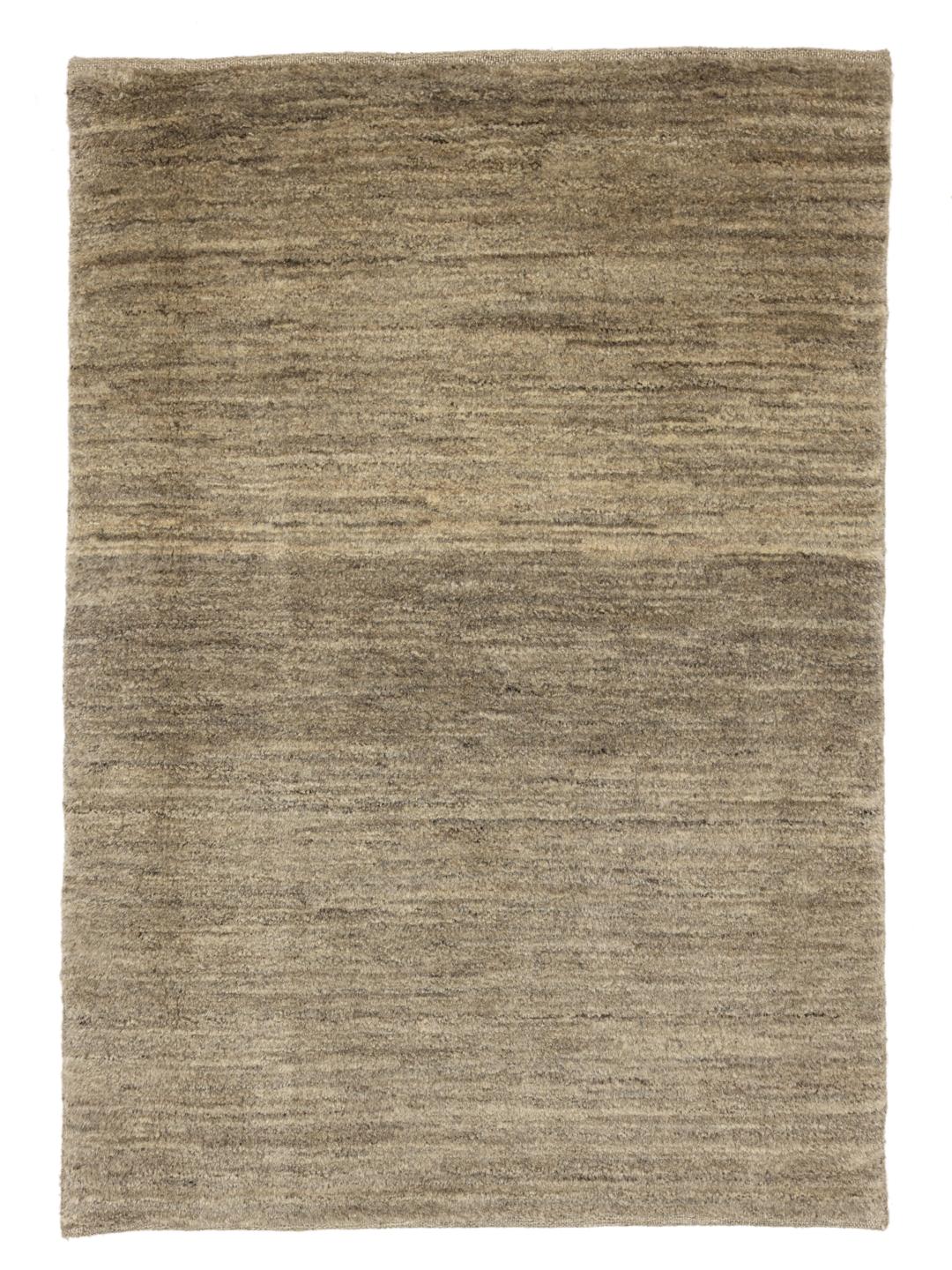
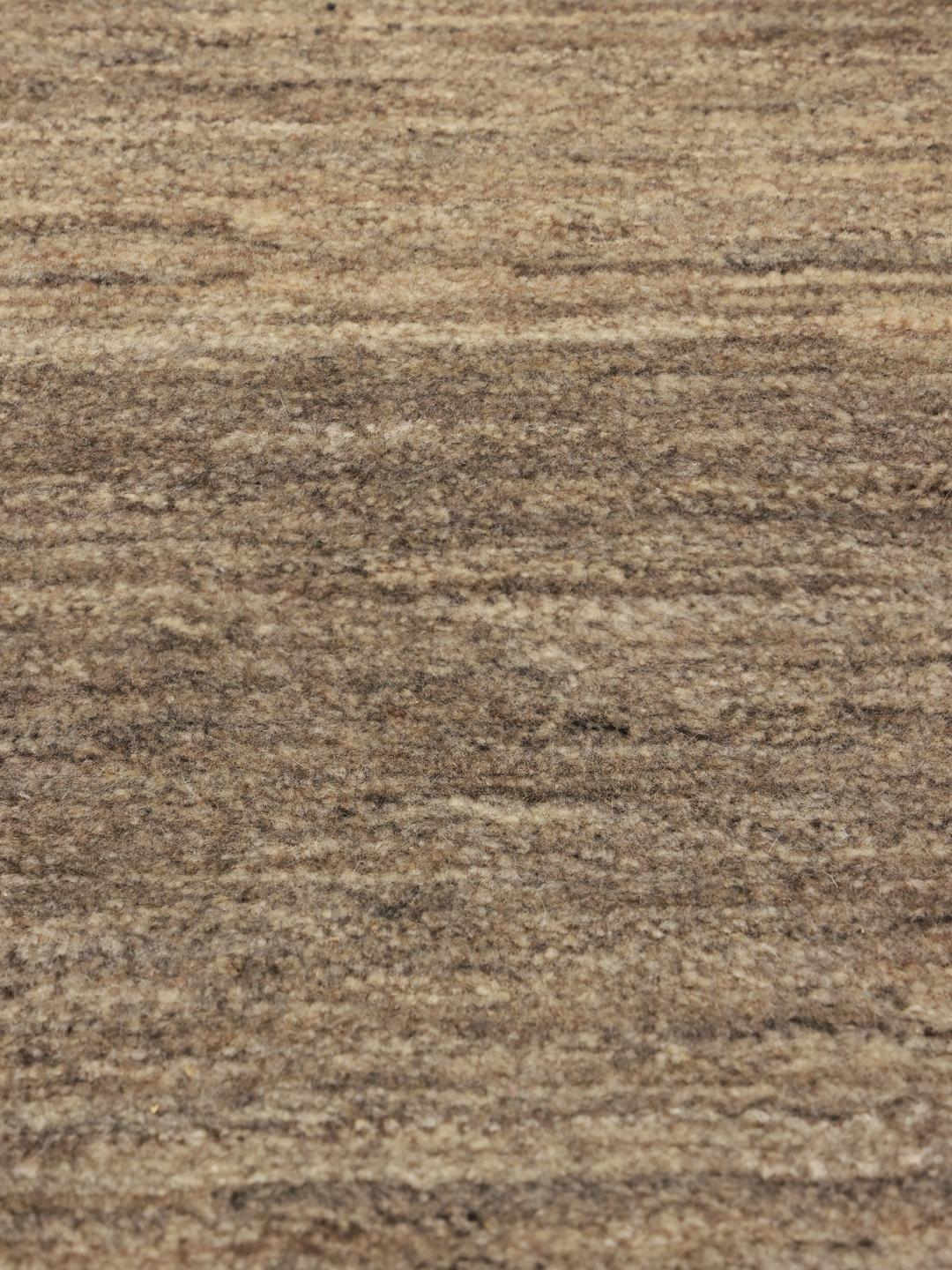
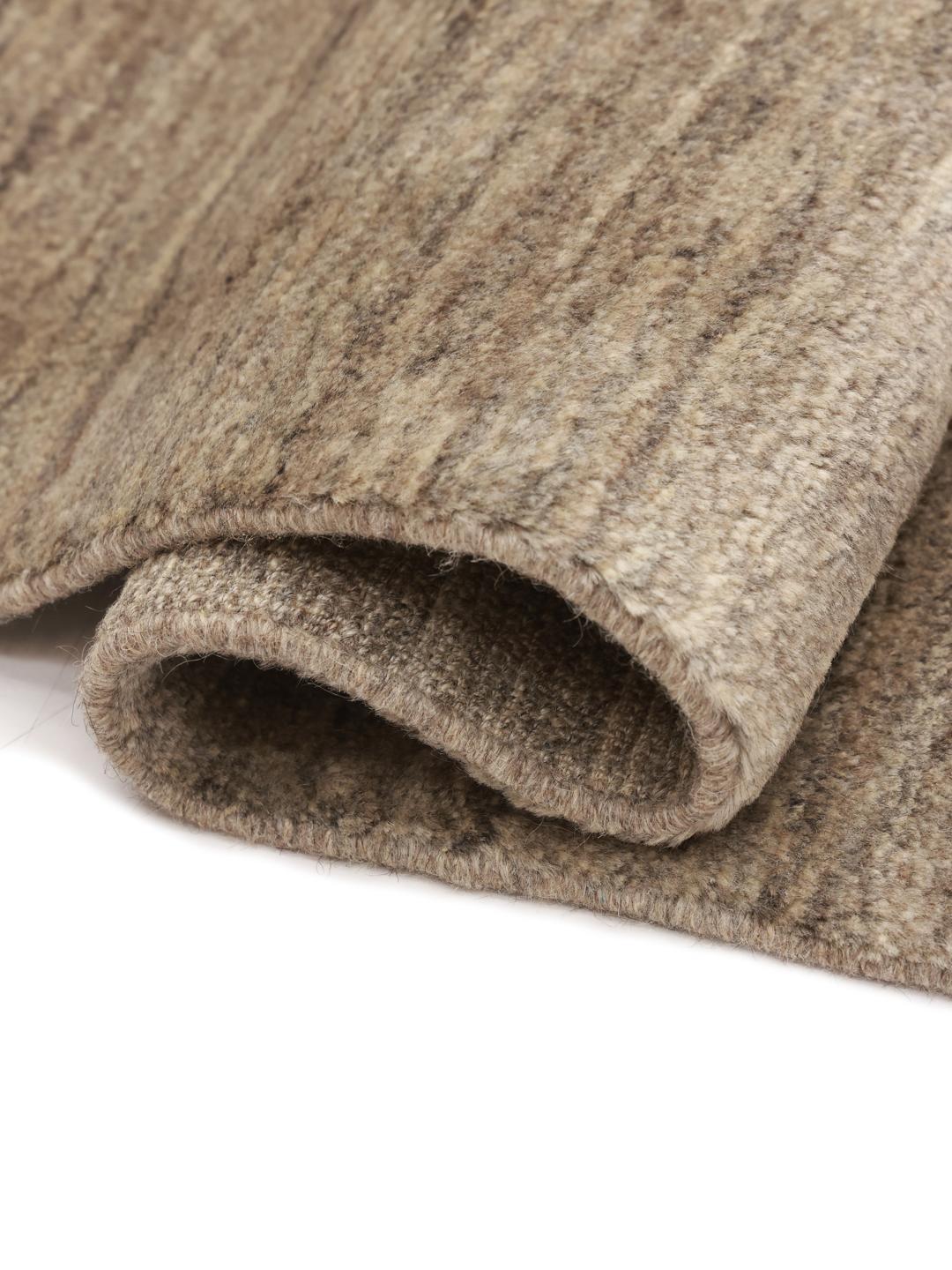
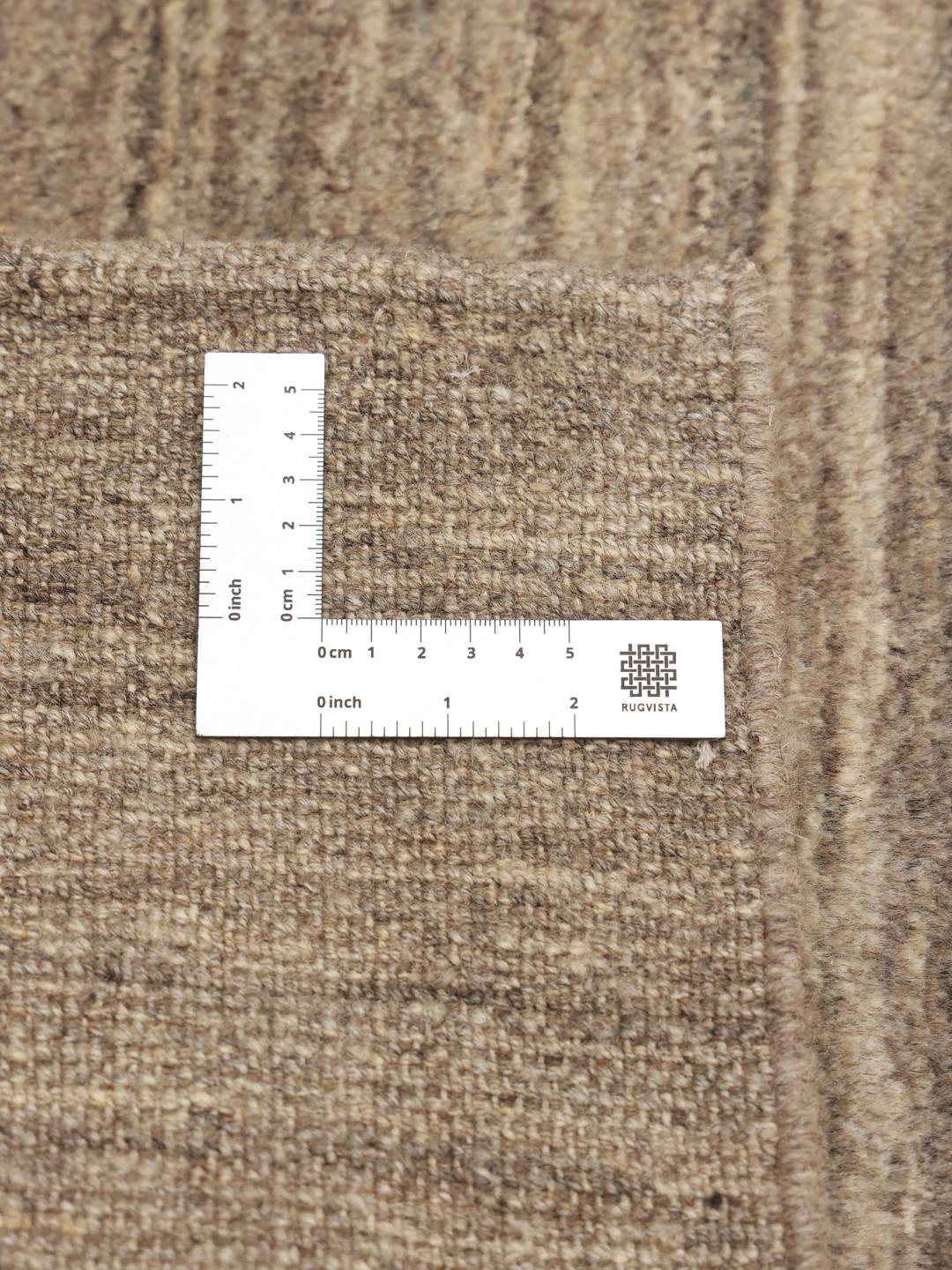
The term Shabargan refers to a specific regional style that emphasises a more serene, earthy palette and a focus on the natural qualities of the wool. By using high-quality wool, these rugs achieve a soft, lustrous finish that highlights the raw beauty of the fibres. This focus on material purity is a hallmark of the tradition, ensuring that the rug remains a tactile experience.
Visually, these rugs often move away from the rigid, formal patterns seen in other Middle Eastern traditions. Instead, they lean into a more organic aesthetic where the focus remains on the interplay of natural tones and subtle shifts in the weave. This makes them highly versatile for modern homes that value a sense of quiet, understated luxury.
Owning a piece from this tradition is an act of preserving a rich cultural legacy. It represents a bridge between the ancient nomadic life and contemporary living, offering a piece that is as much a work of art as it is a functional floor covering. Collectors and enthusiasts value these rugs for their authenticity, the immense skill required to weave them, and the lasting quality that only hand-crafted items can provide.