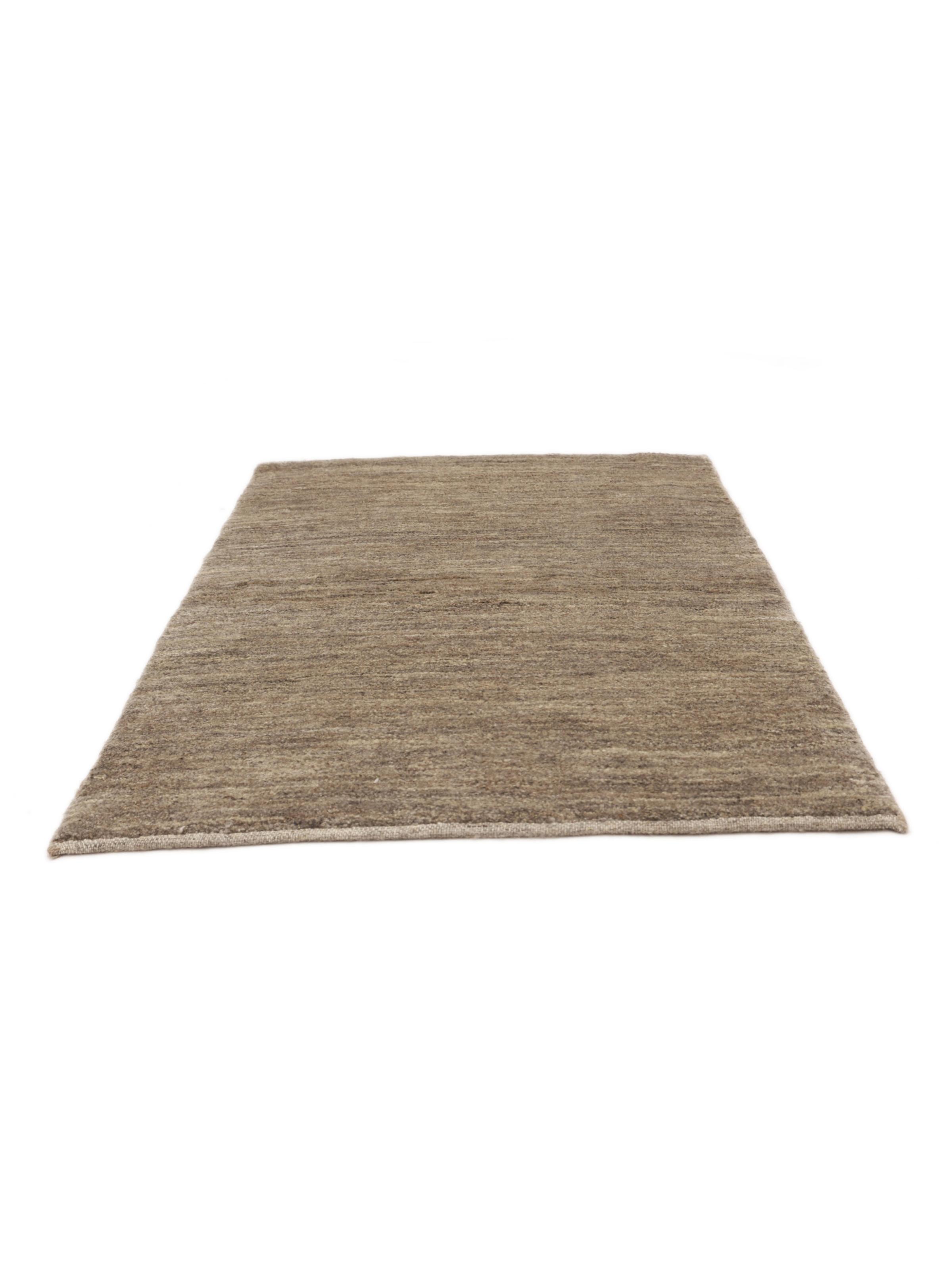
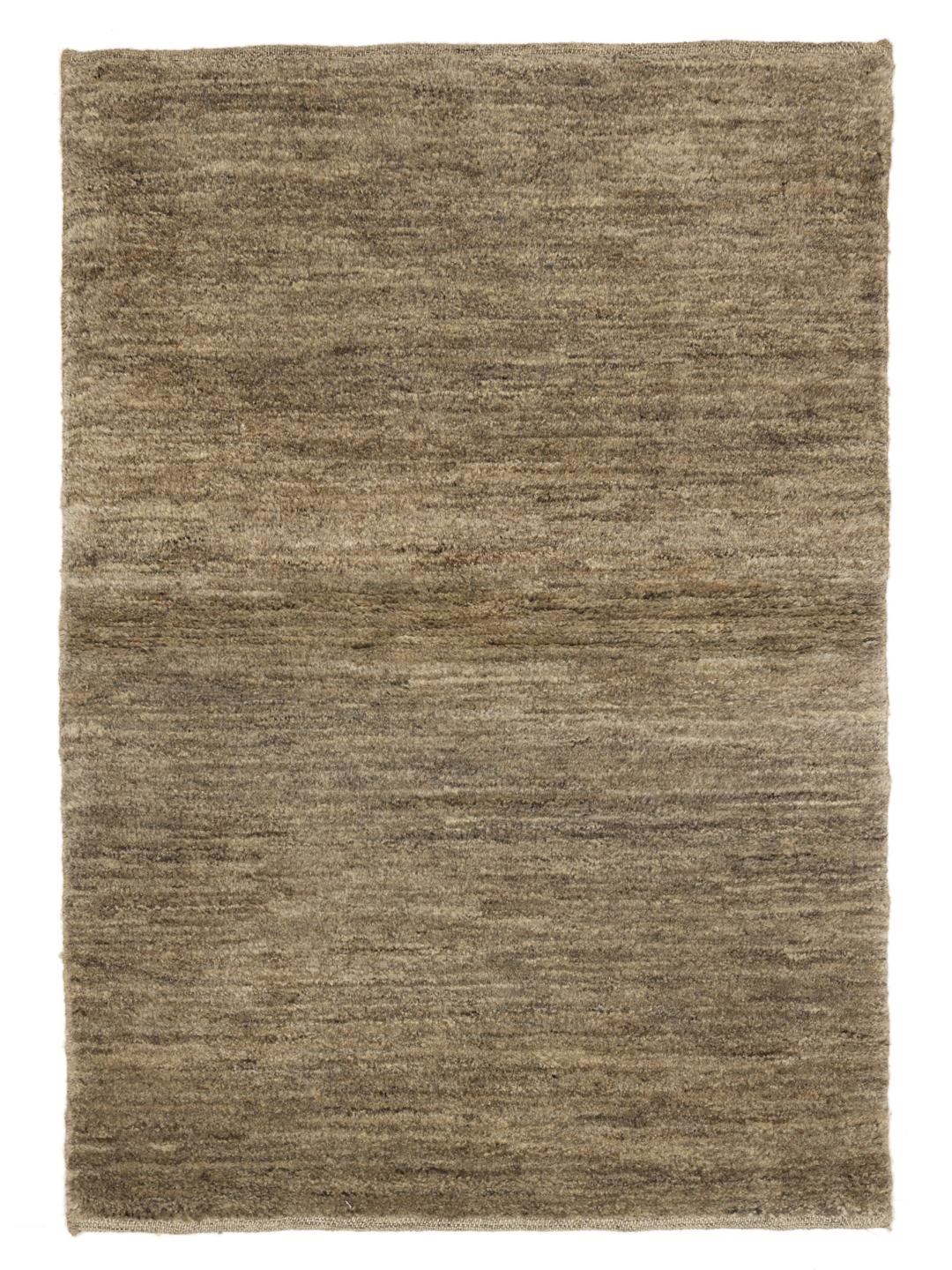
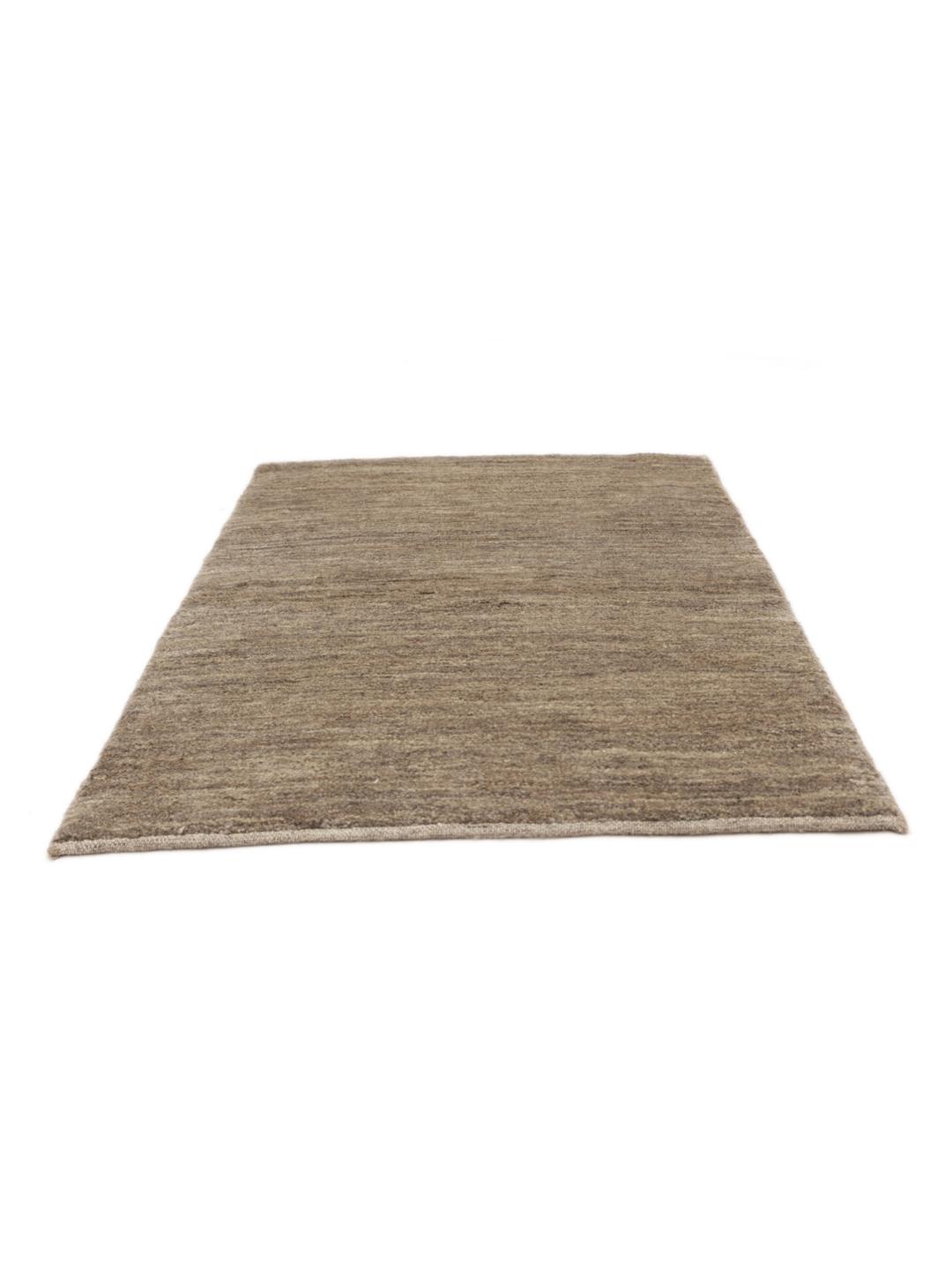
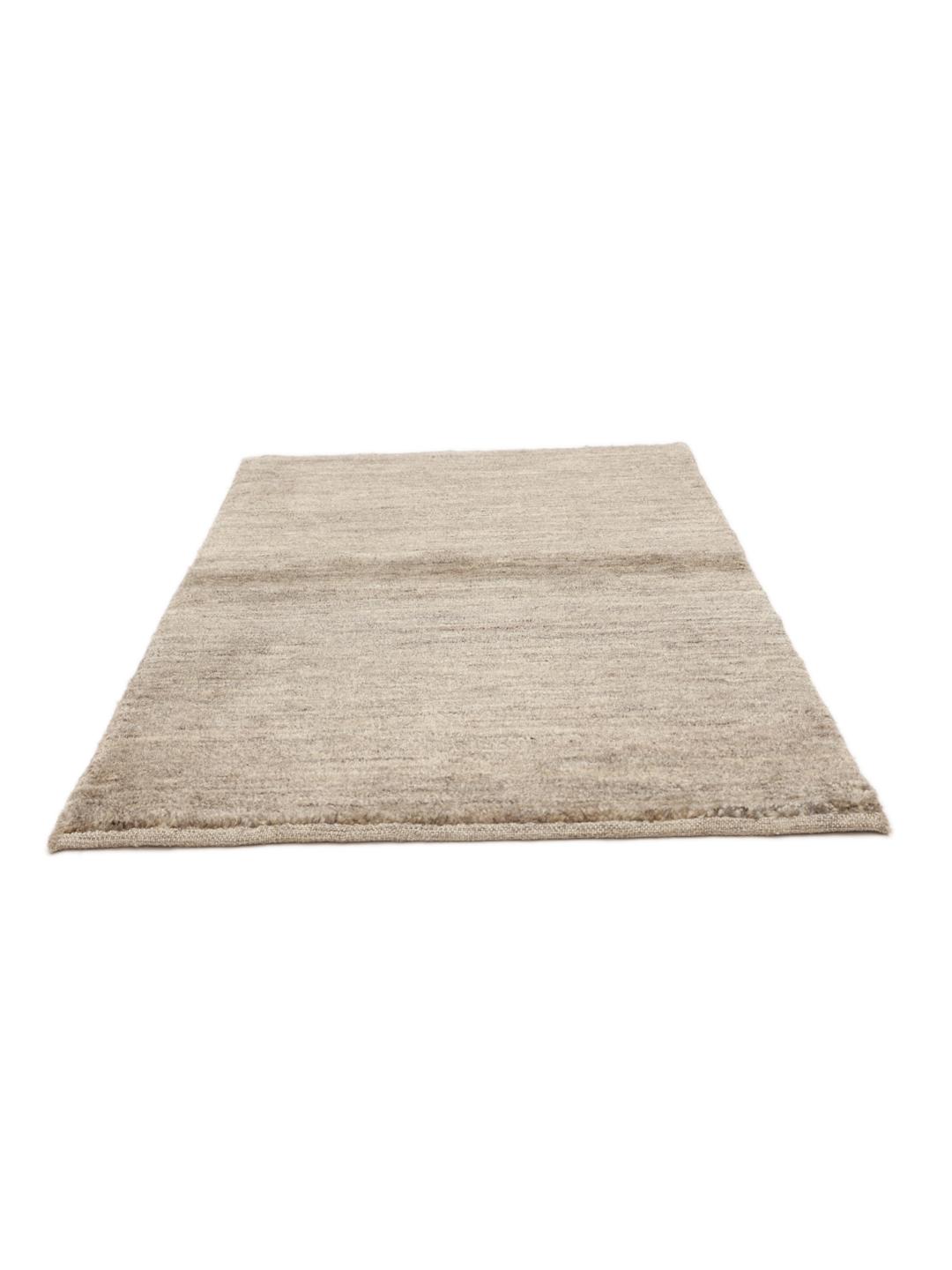
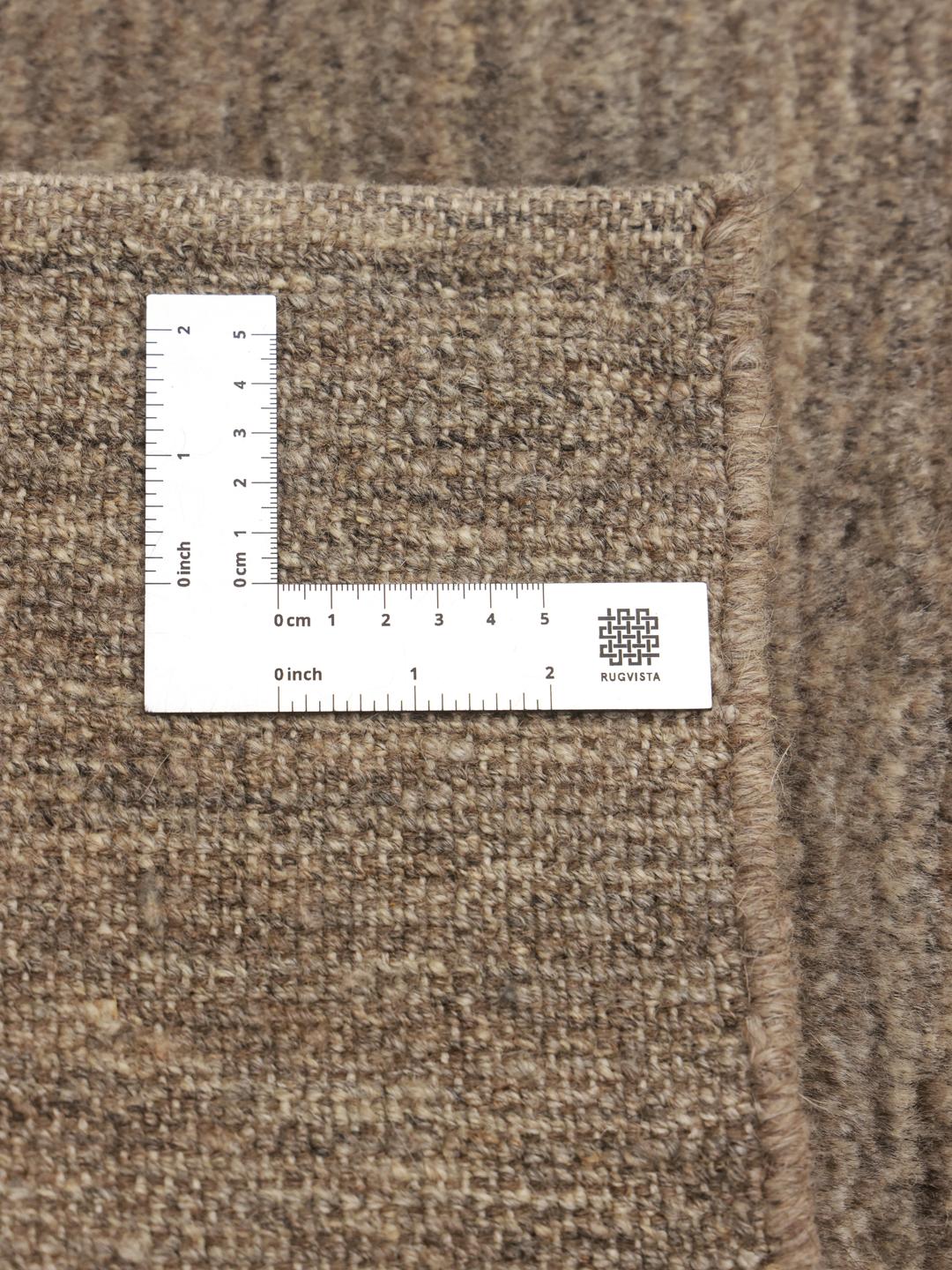
The Gabbeh tradition originates from the nomadic tribes of the Middle East. These rugs were historically woven by women for domestic use, serving as thick, protective floor coverings in nomadic tents. Unlike more formal urban carpets, the Gabbeh was never intended for commercial export, which allowed weavers to experiment with personal expression and bold, abstract designs.
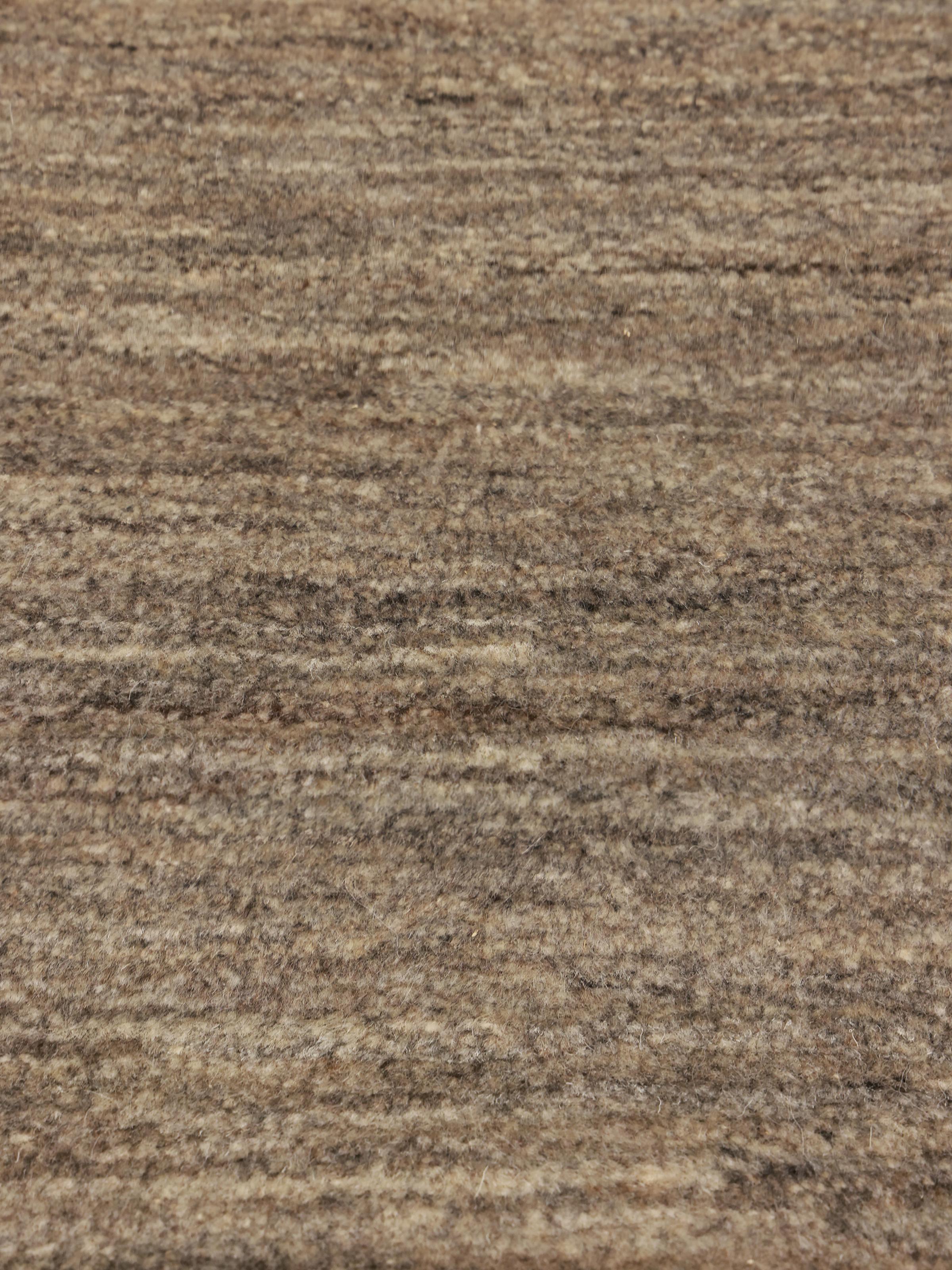
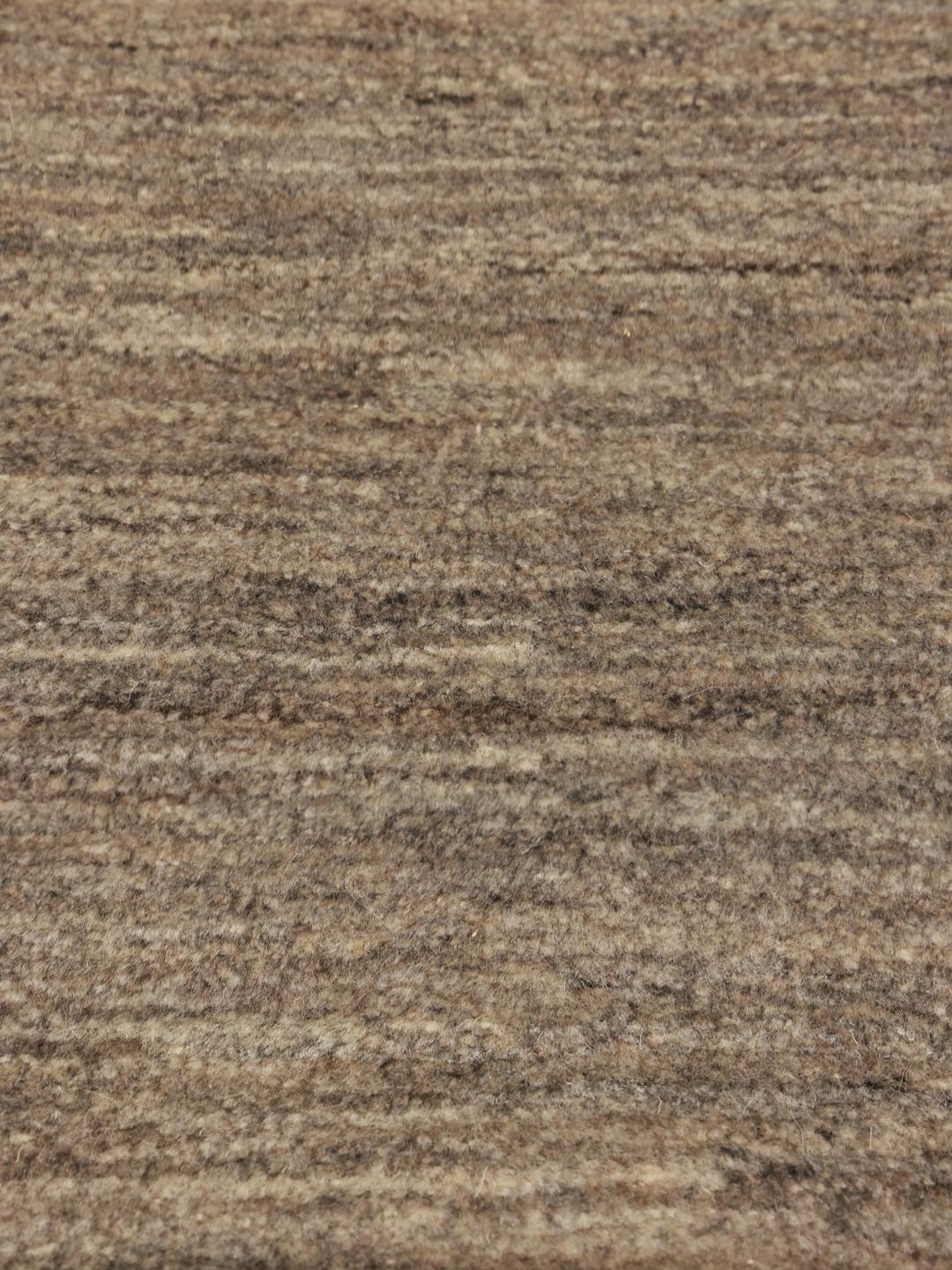
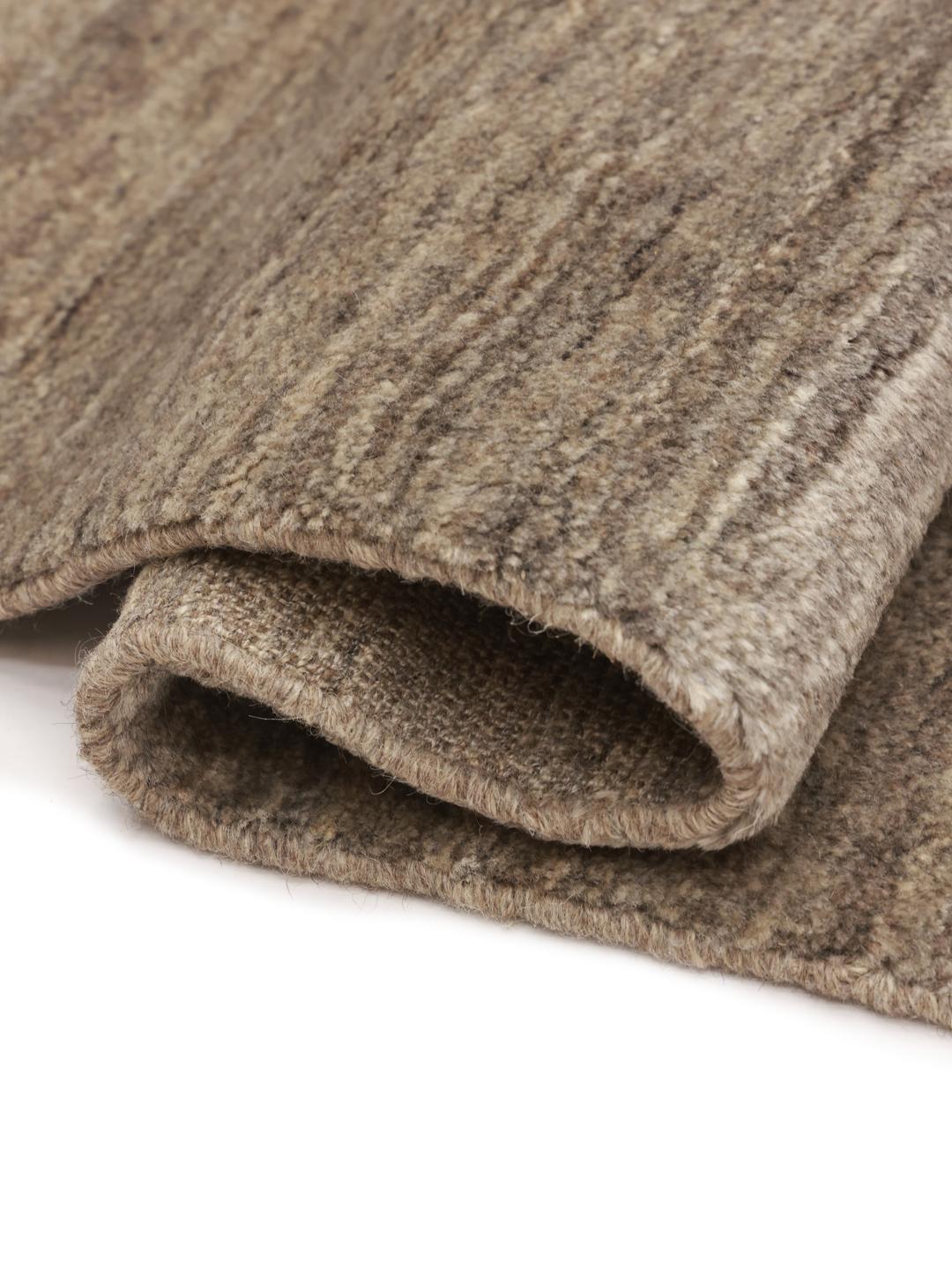
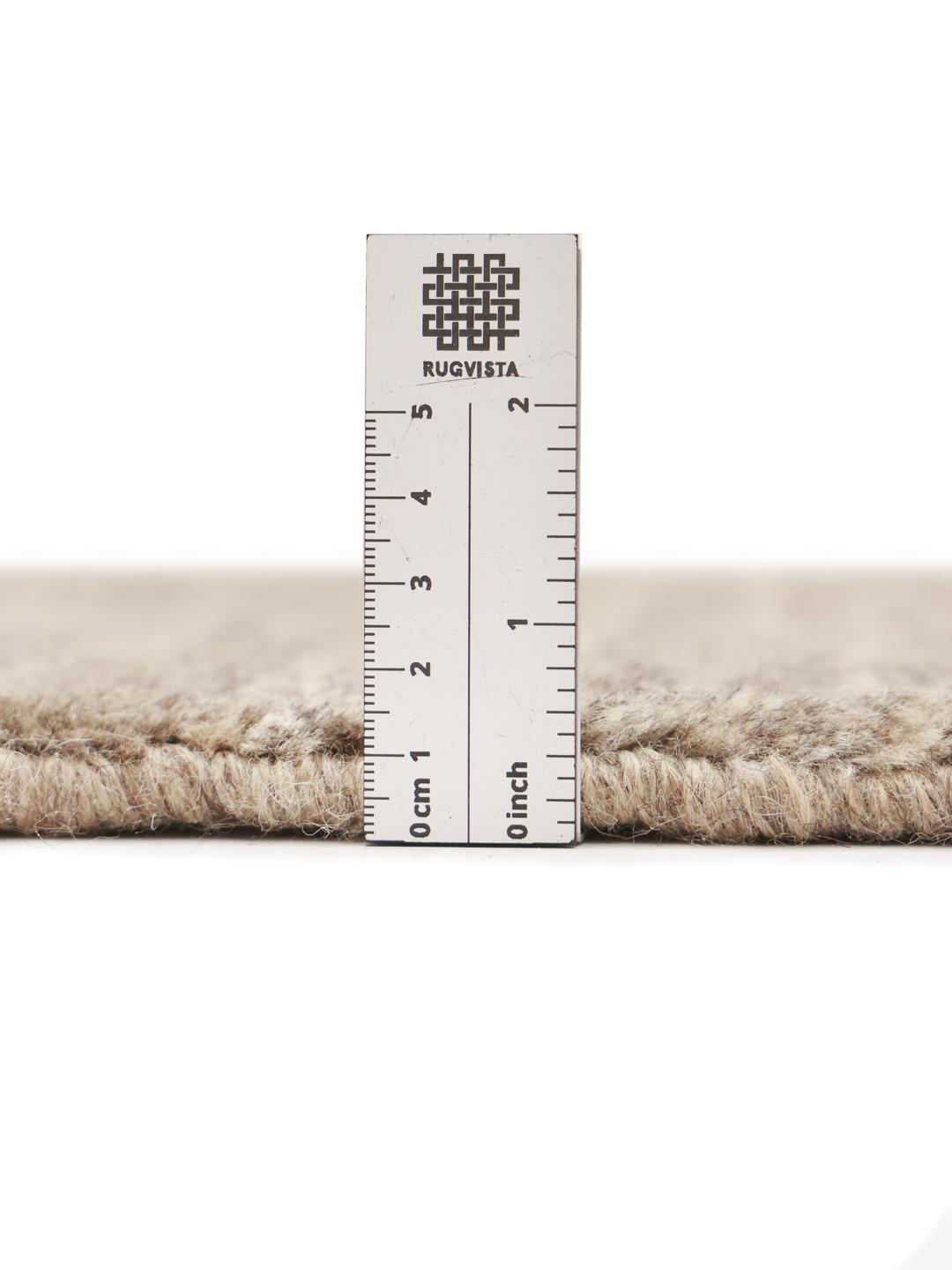
Technically, the Gabbeh is known for its relatively coarse knotting and high, thick pile, which provides superior insulation against cold, hard ground. The term itself is often translated as 'raw' or 'natural', reflecting the unpretentious nature of these rugs. The use of hand-spun wool and natural dyes creates a vibrant, living surface that ages gracefully and develops a unique character over time.
While traditional Gabbeh designs often featured simple geometric shapes or stylised animal motifs, modern interpretations like this one lean into the beauty of solid, textured fields. The minimalist aesthetic emphasises the quality of the wool and the depth of the colour, allowing the subtle nuances of the hand-dyeing process to take centre stage without the distraction of complex patterns.
Today, these rugs are highly prized by collectors for their authenticity and the direct connection they offer to an ancient way of life. Owning a piece from this tradition is more than just a decor choice; it is an appreciation of a craft that prioritises human skill and cultural heritage. Each rug stands as a testament to the resilience and creativity of the weavers who keep this tradition alive.