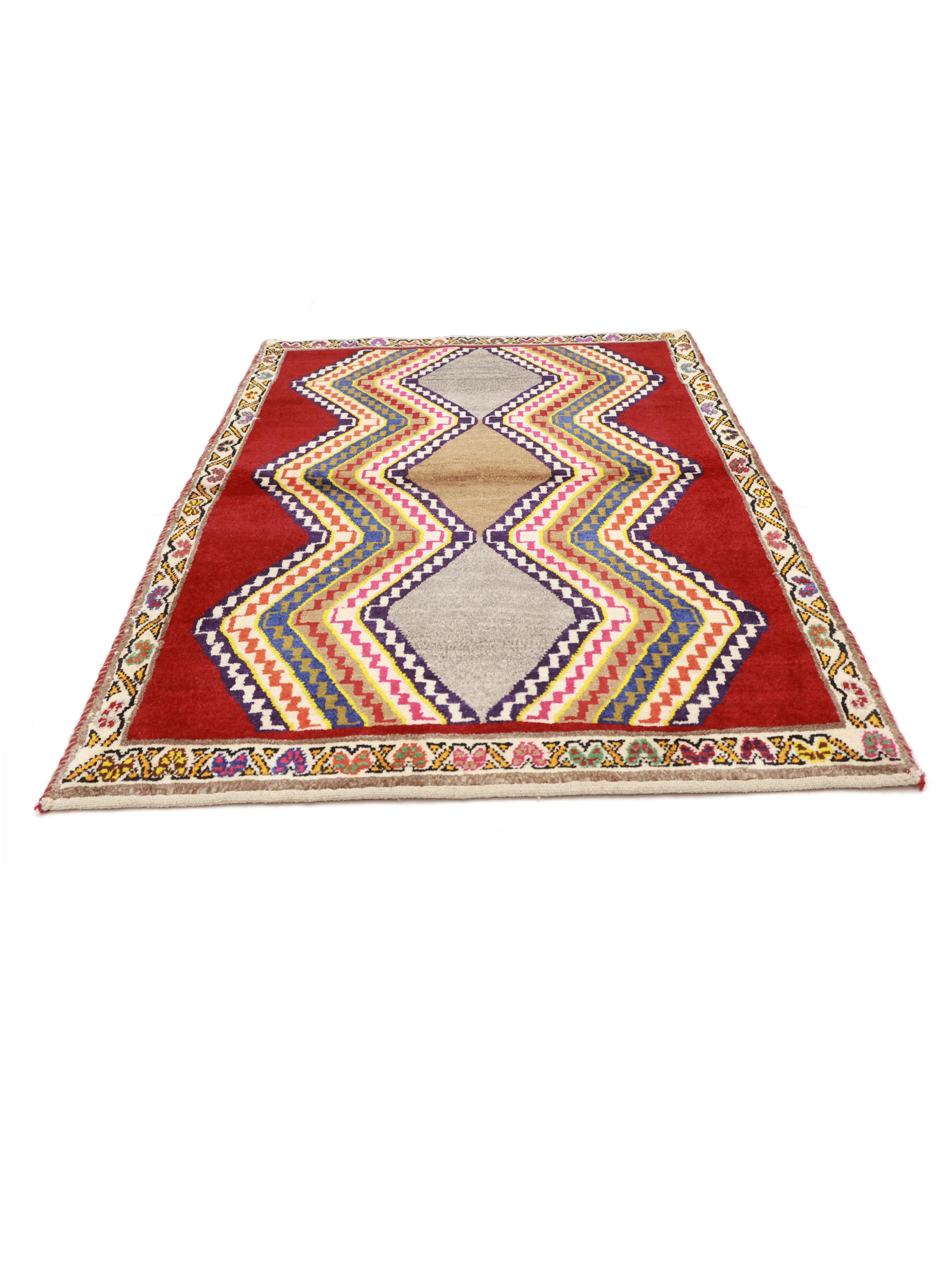
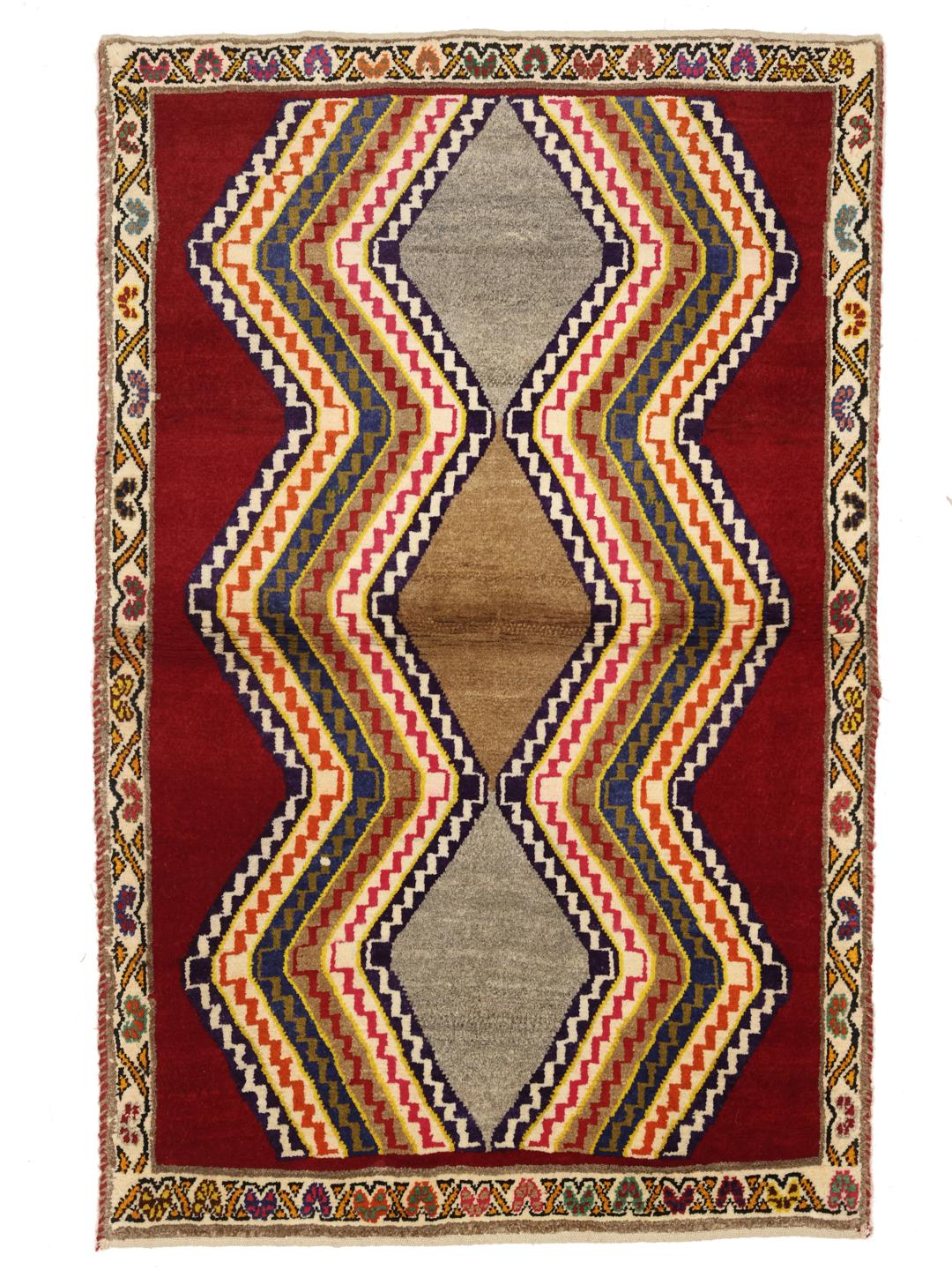
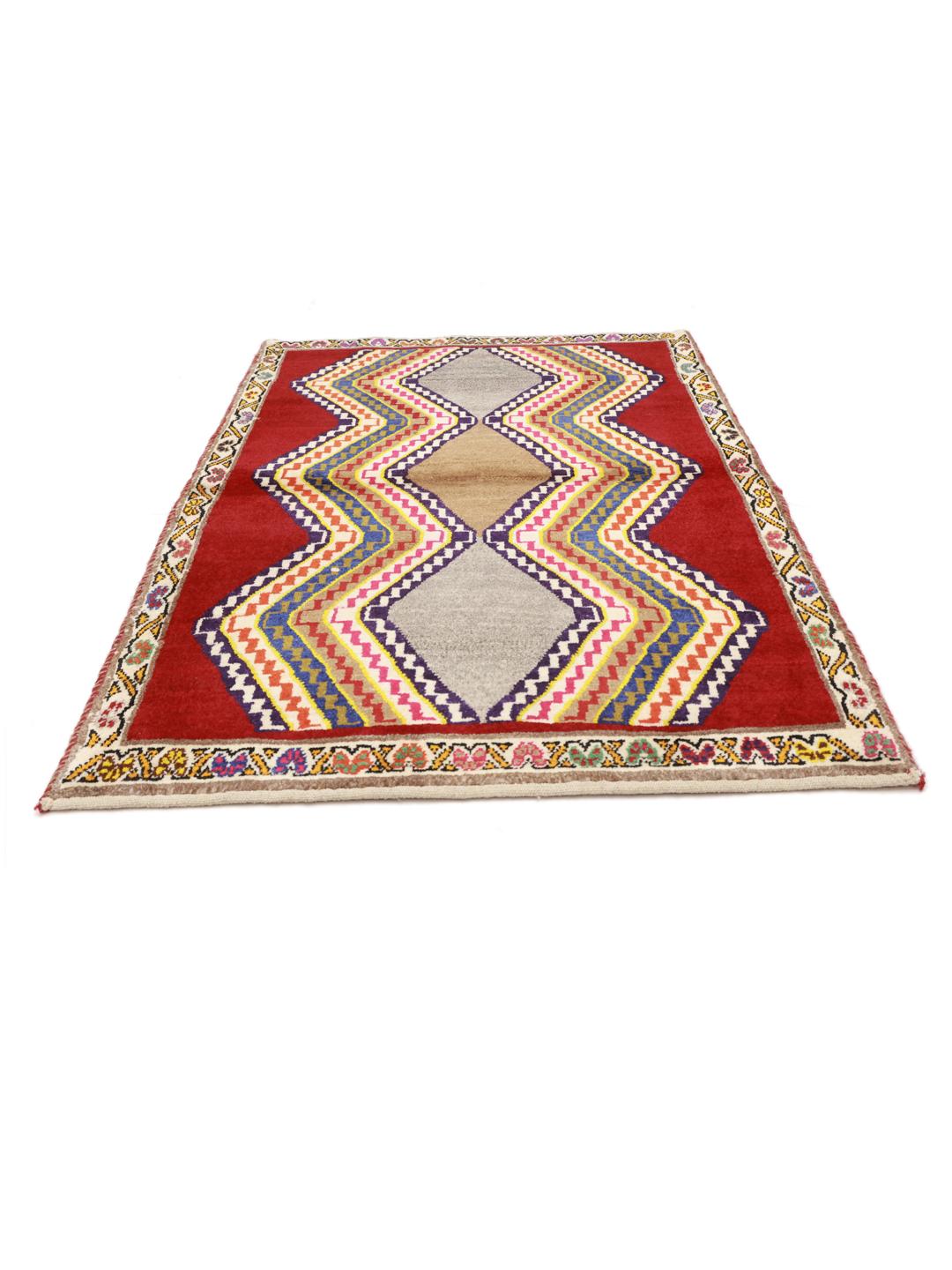
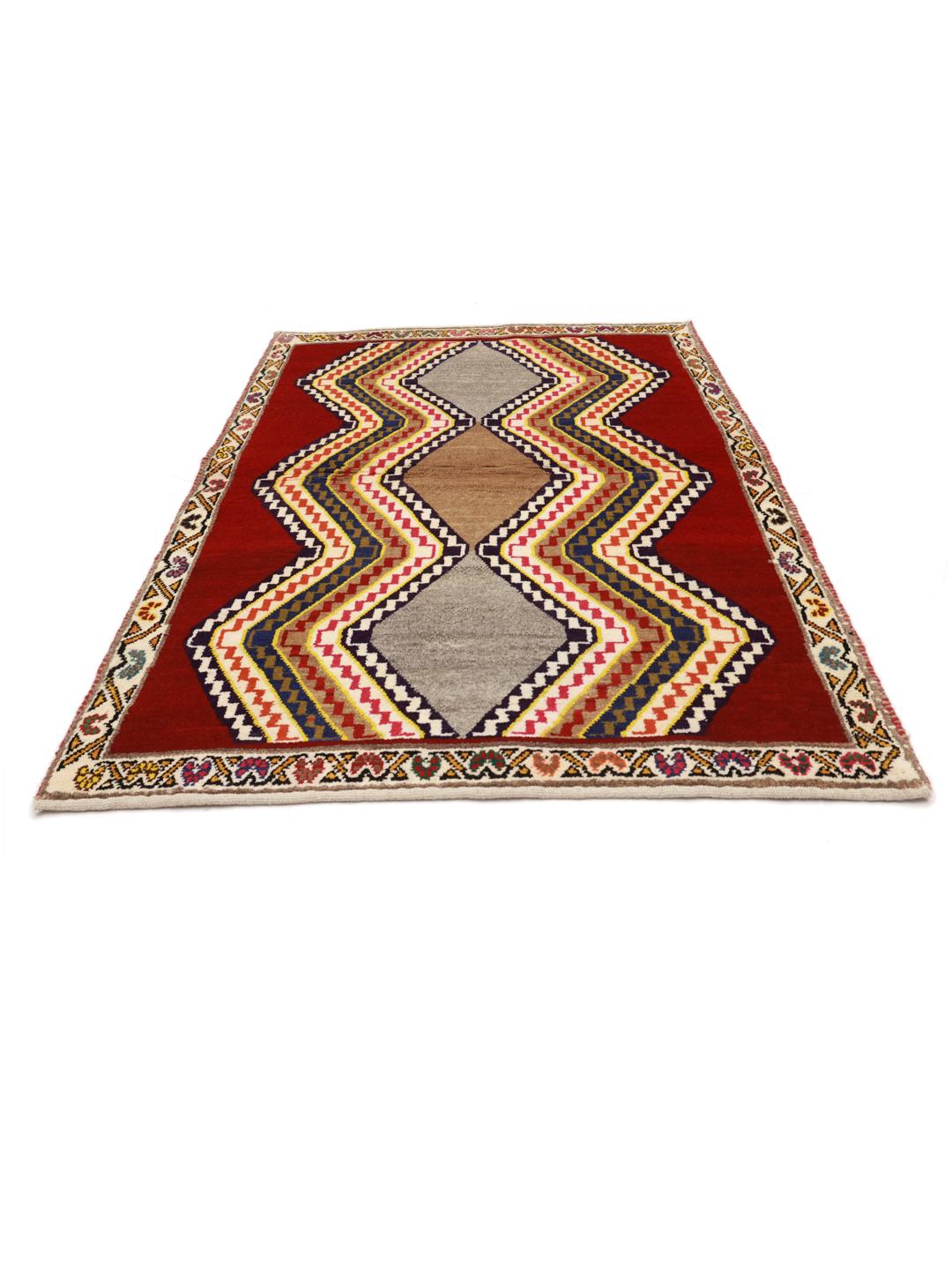
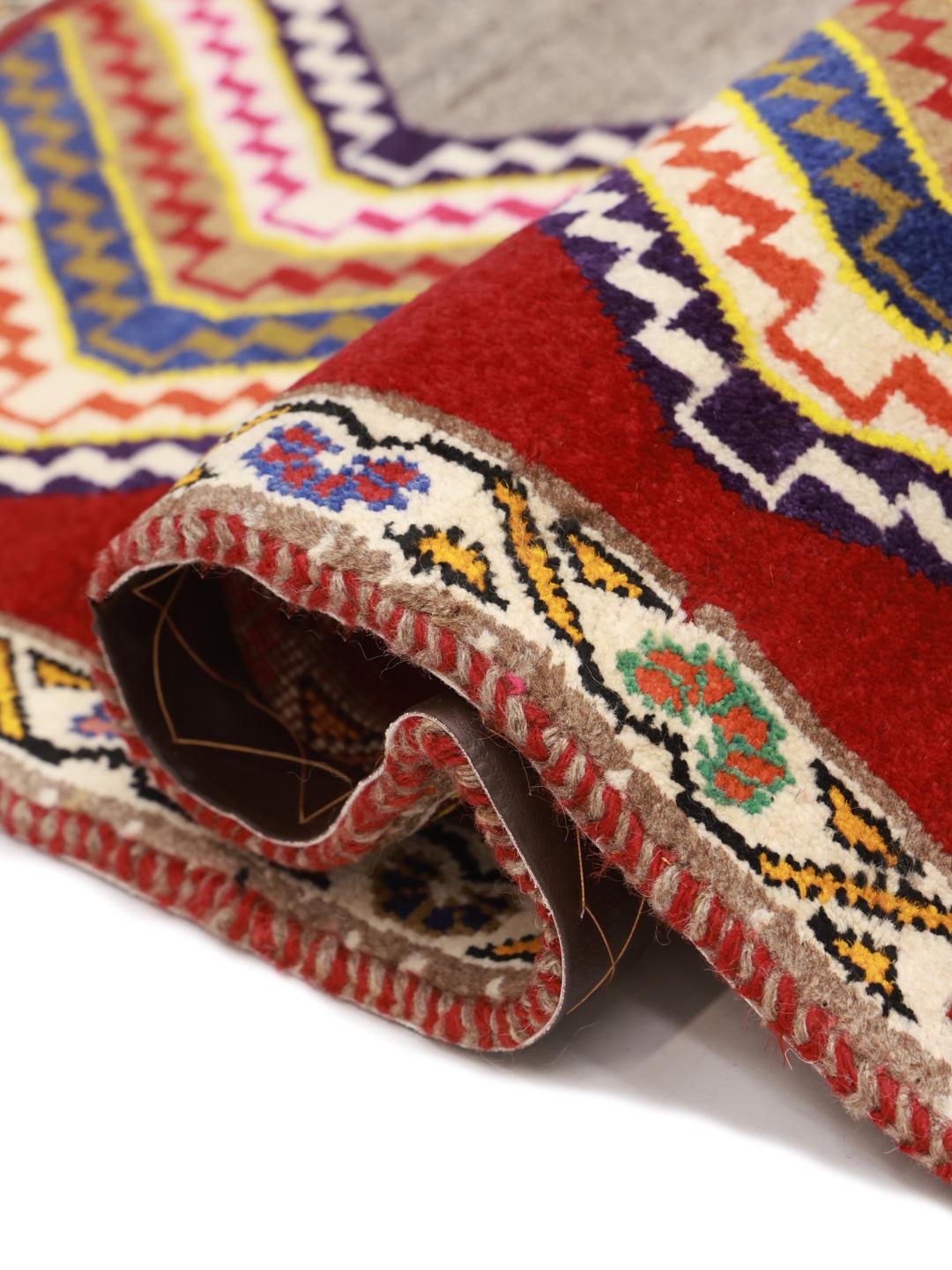
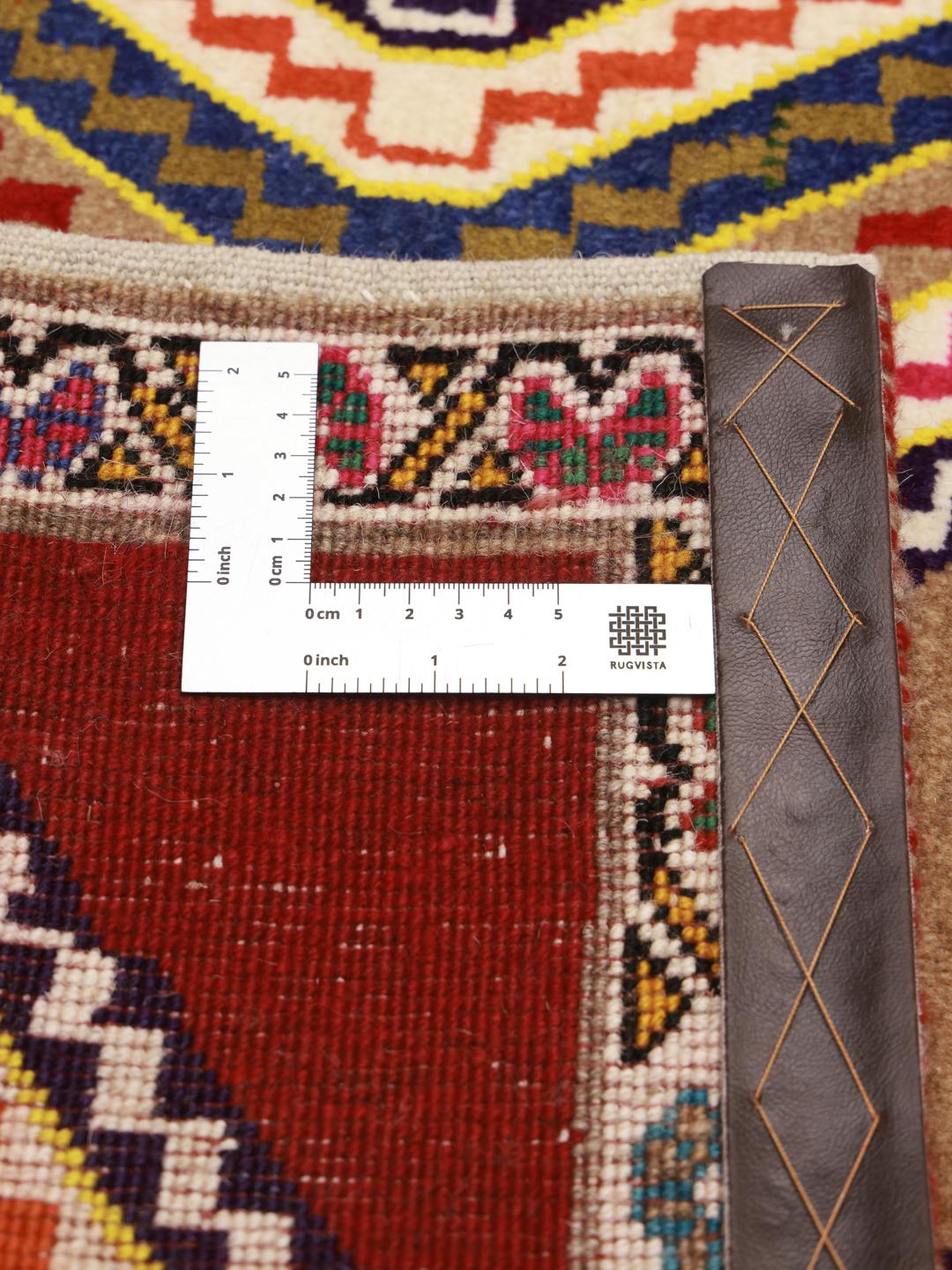
Gabbeh rugs were originally woven by nomadic tribes across the Middle East as practical, cozy floor coverings and bedding for tribal tents. The word itself translates to something raw, natural, or uncut, referring to the thick, plush pile and simple, spontaneous designs that set these pieces apart from formal city rugs.
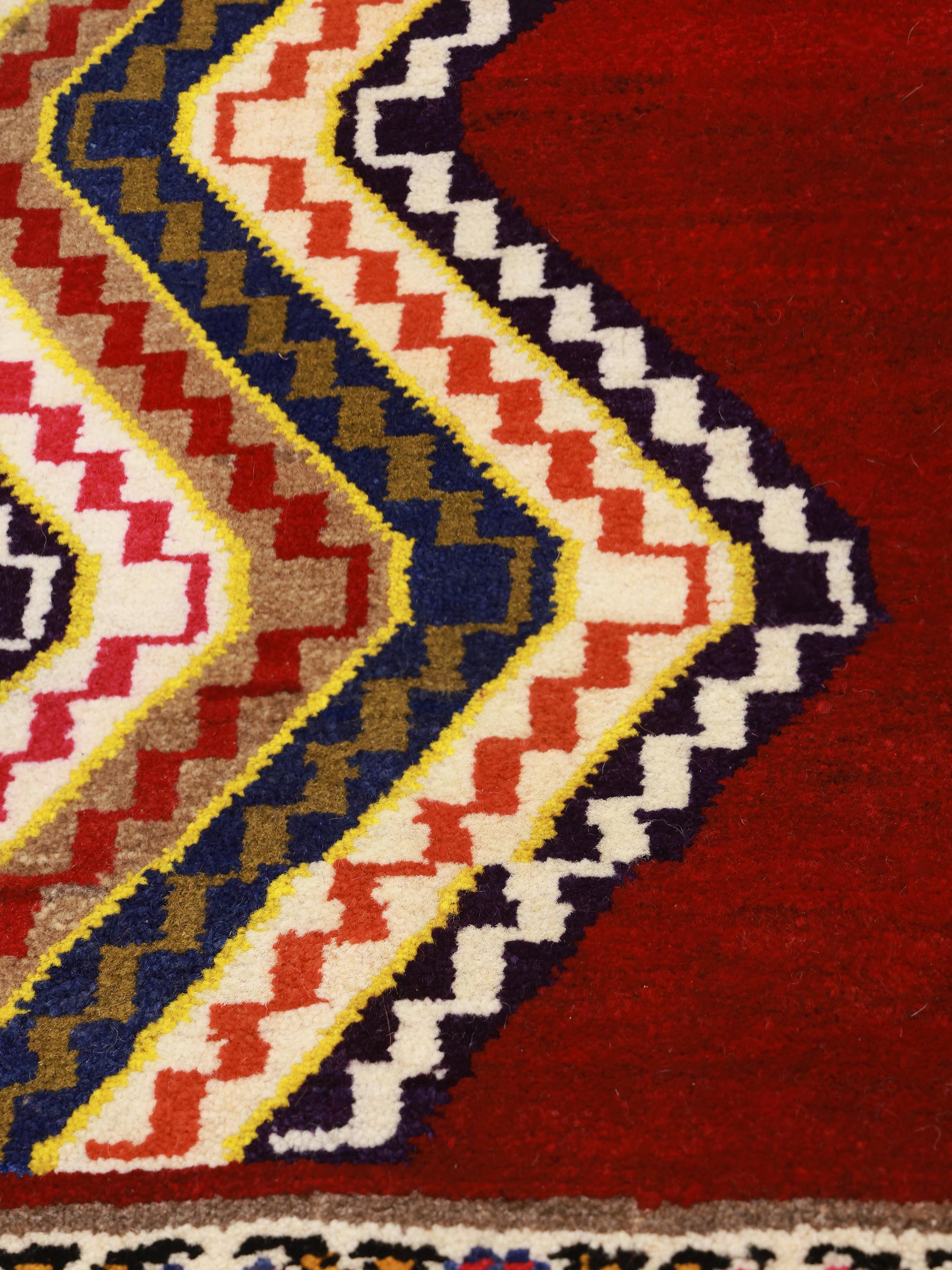
Over time, the popularity of the style led master weavers in Pakistan to adapt the tradition, pairing traditional nomadic motifs with refined regional knotting techniques. This evolution preserved the rustic charm and bold storytelling of the originals while introducing higher structural density and precise pattern definition.
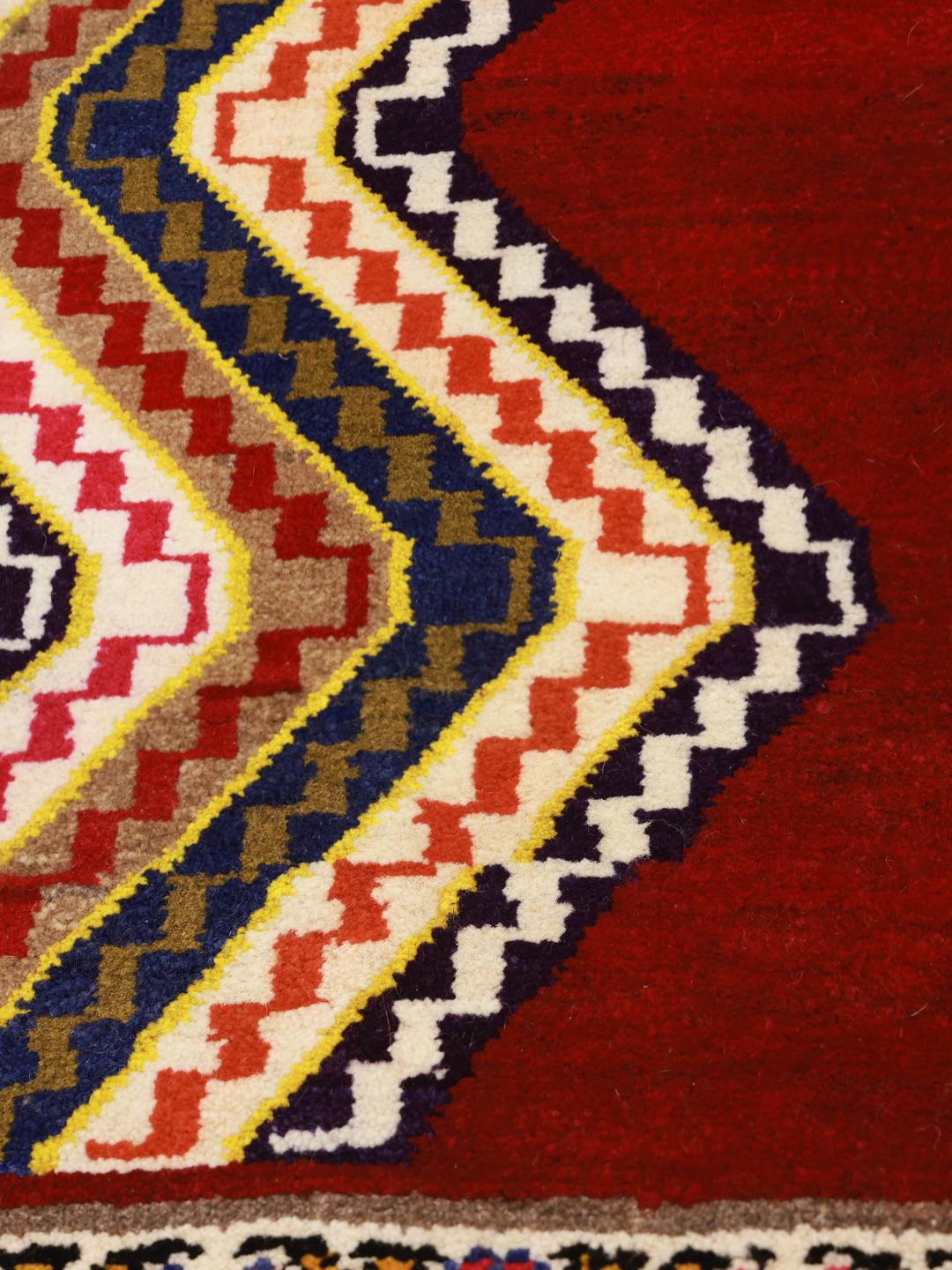
The visual signature of a Gabbeh centers around simple geometric shapes, diamond medallions, and repeating zigzag lines that symbolise everyday elements of nomadic life like rivers, mountains, and pathways. Bright border elements often enclose a dominant color field, balancing bold geometric energy with a structured frame.
Today, Gabbeh rugs are highly valued by collectors and homeowners alike for their artist freedom and honest craft. Owning a hand-knotted Gabbeh means bringing a piece of living textile history into your modern living space.