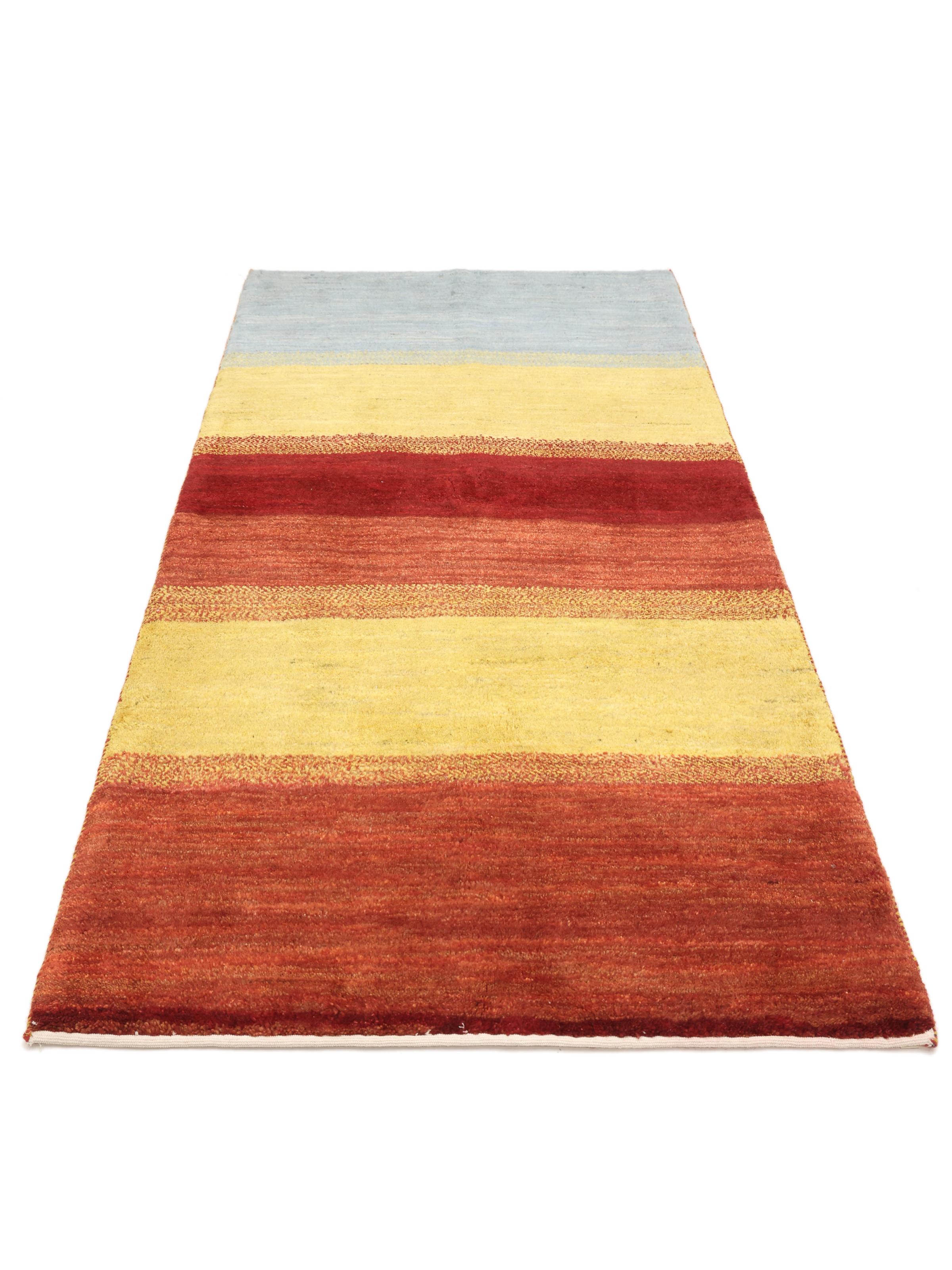
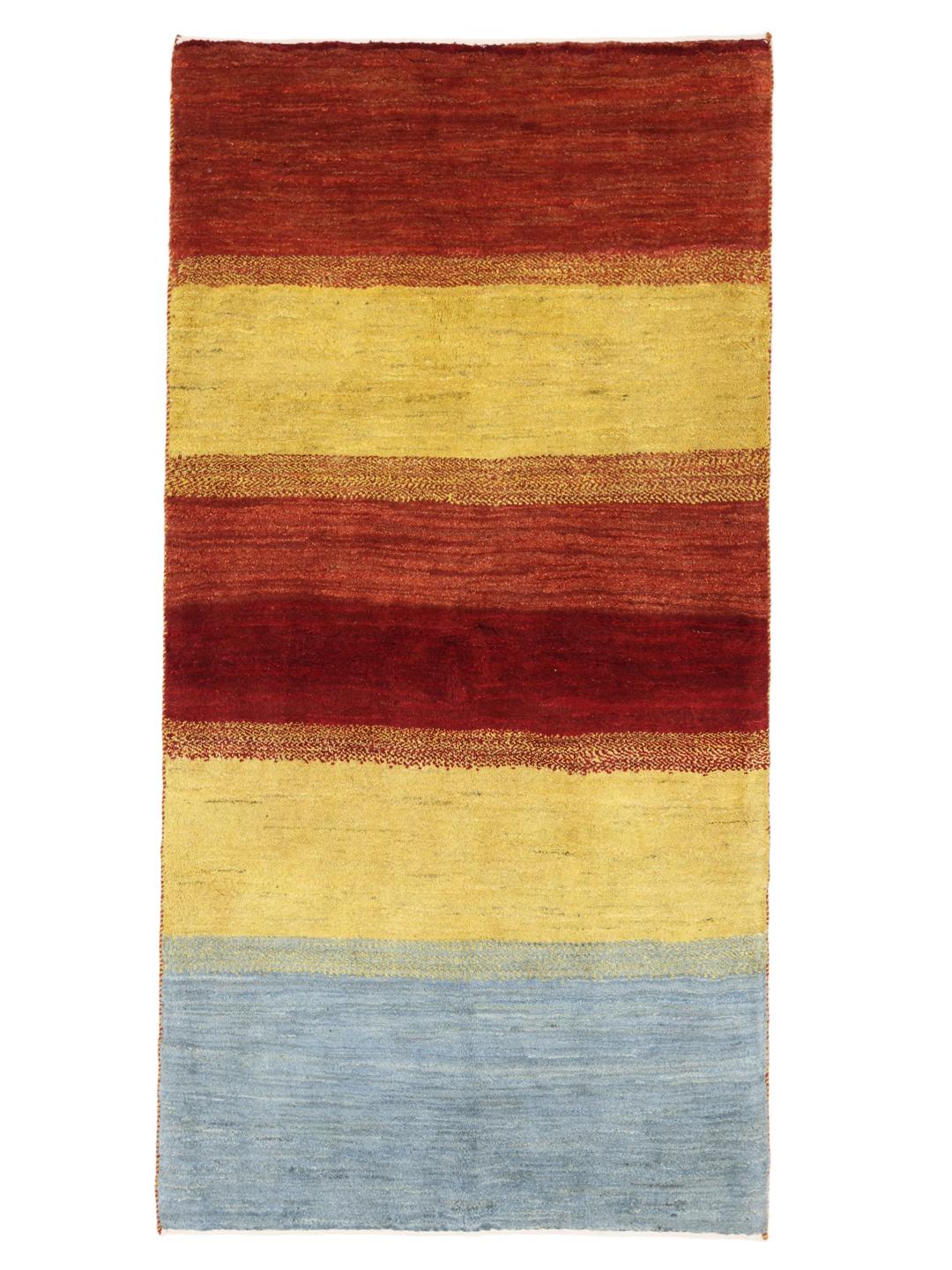
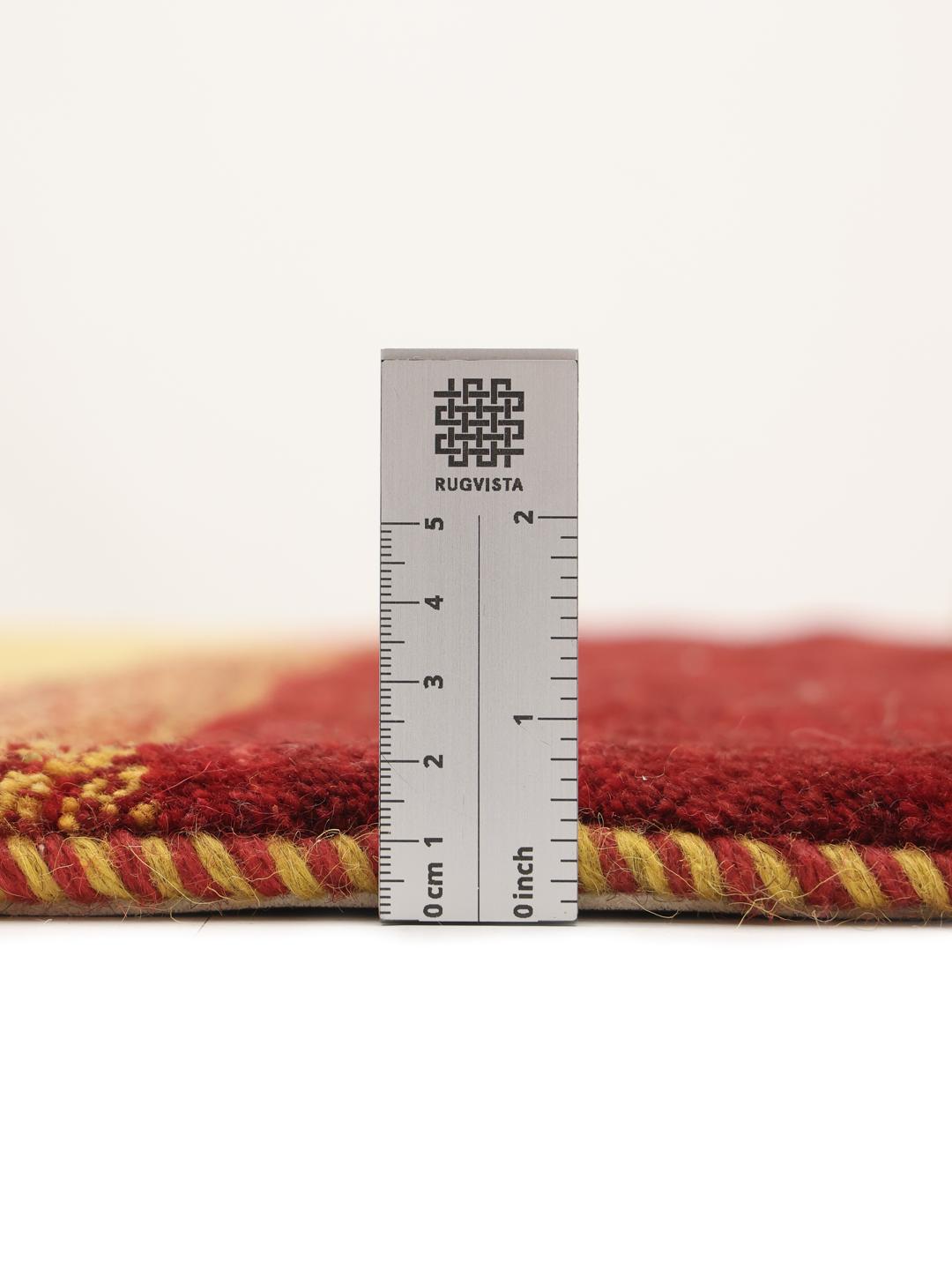
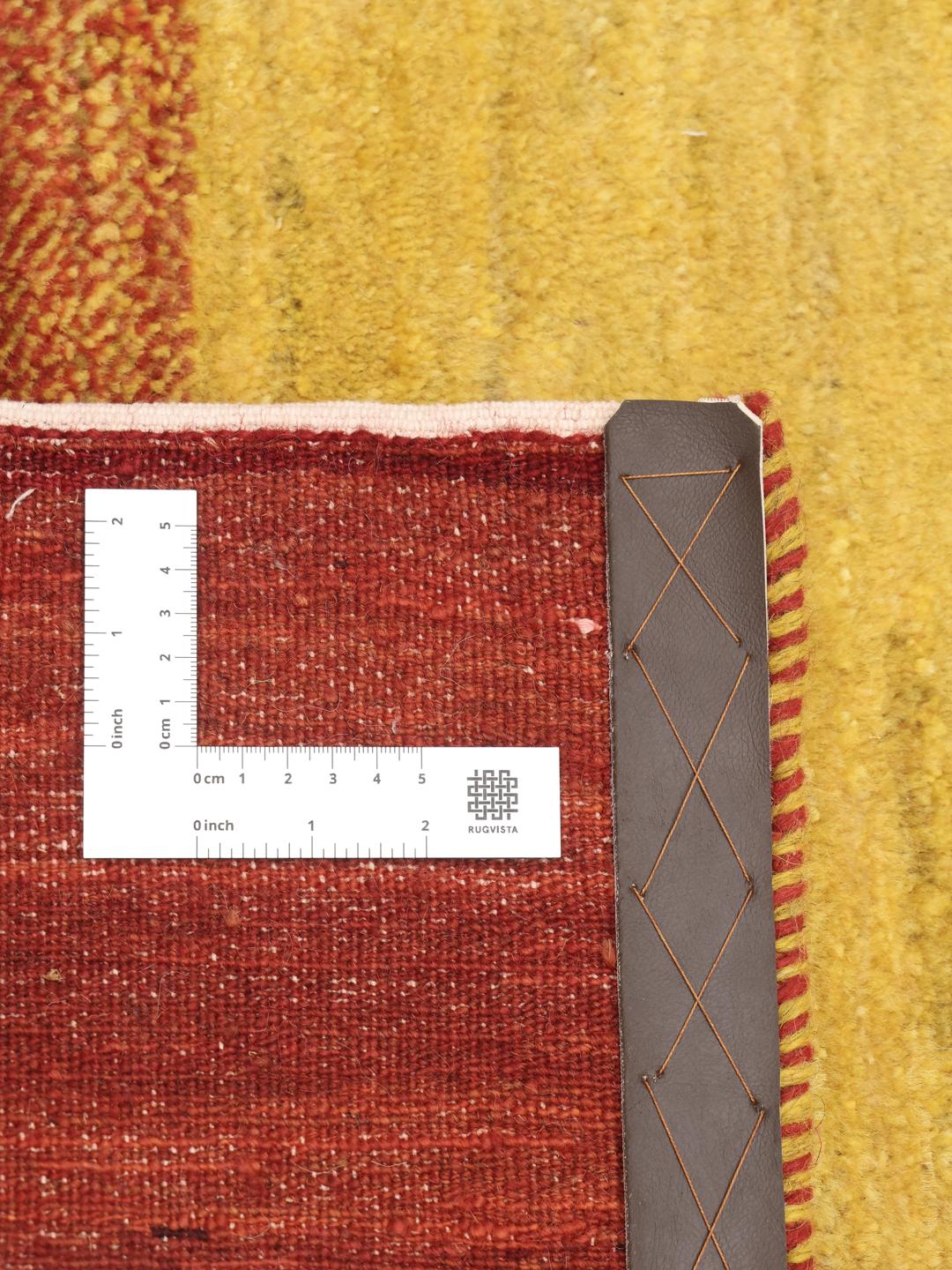
Gabbeh rugs have their roots in the nomadic cultures of the Middle East, where they were traditionally woven by tribal women for their own personal use. Unlike formal court rugs, these pieces were designed to be functional and warm, serving as bedding or floor coverings in harsh climates. This history of utility is why they are celebrated for their thick, durable construction and raw, honest beauty.
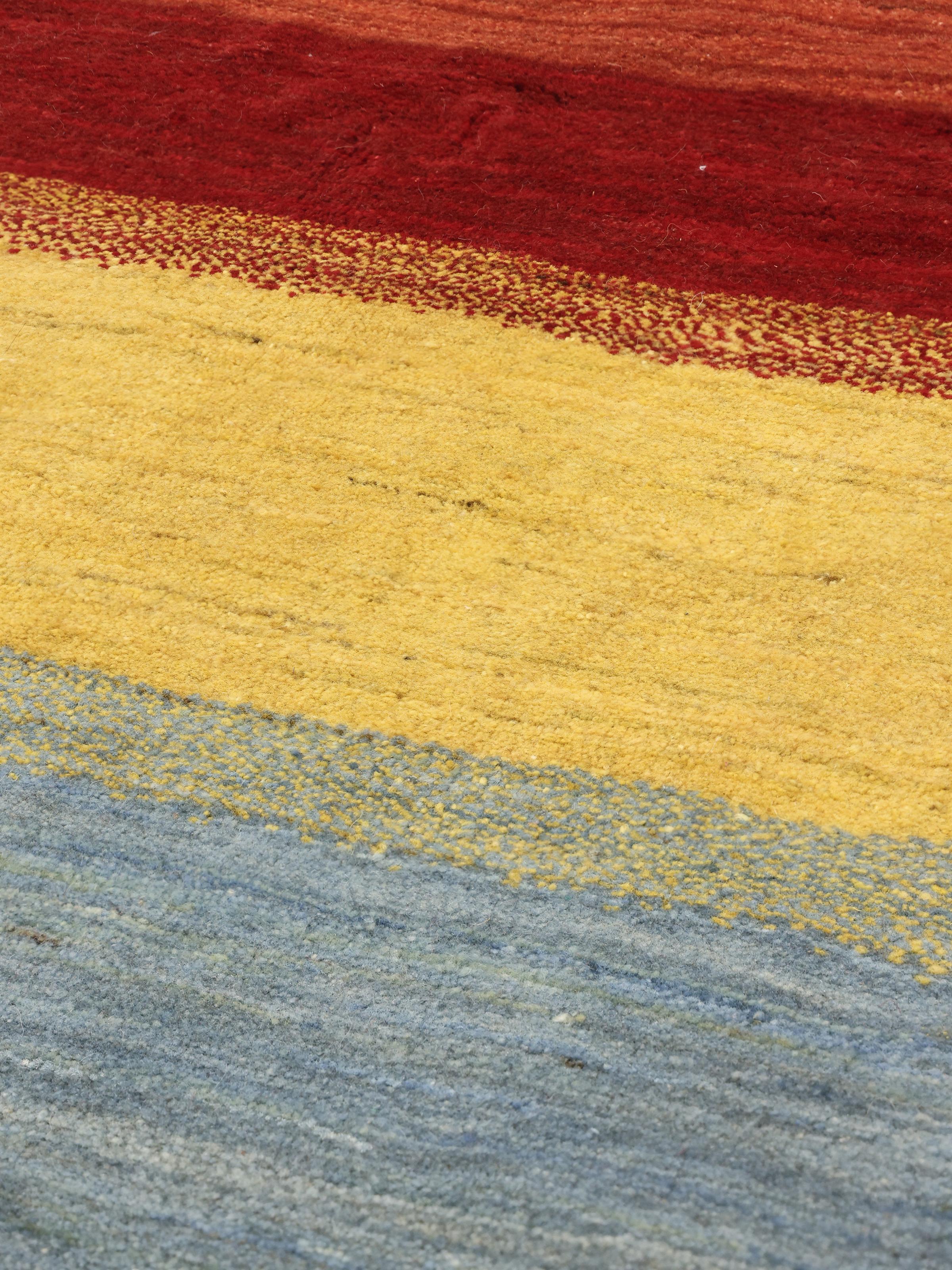
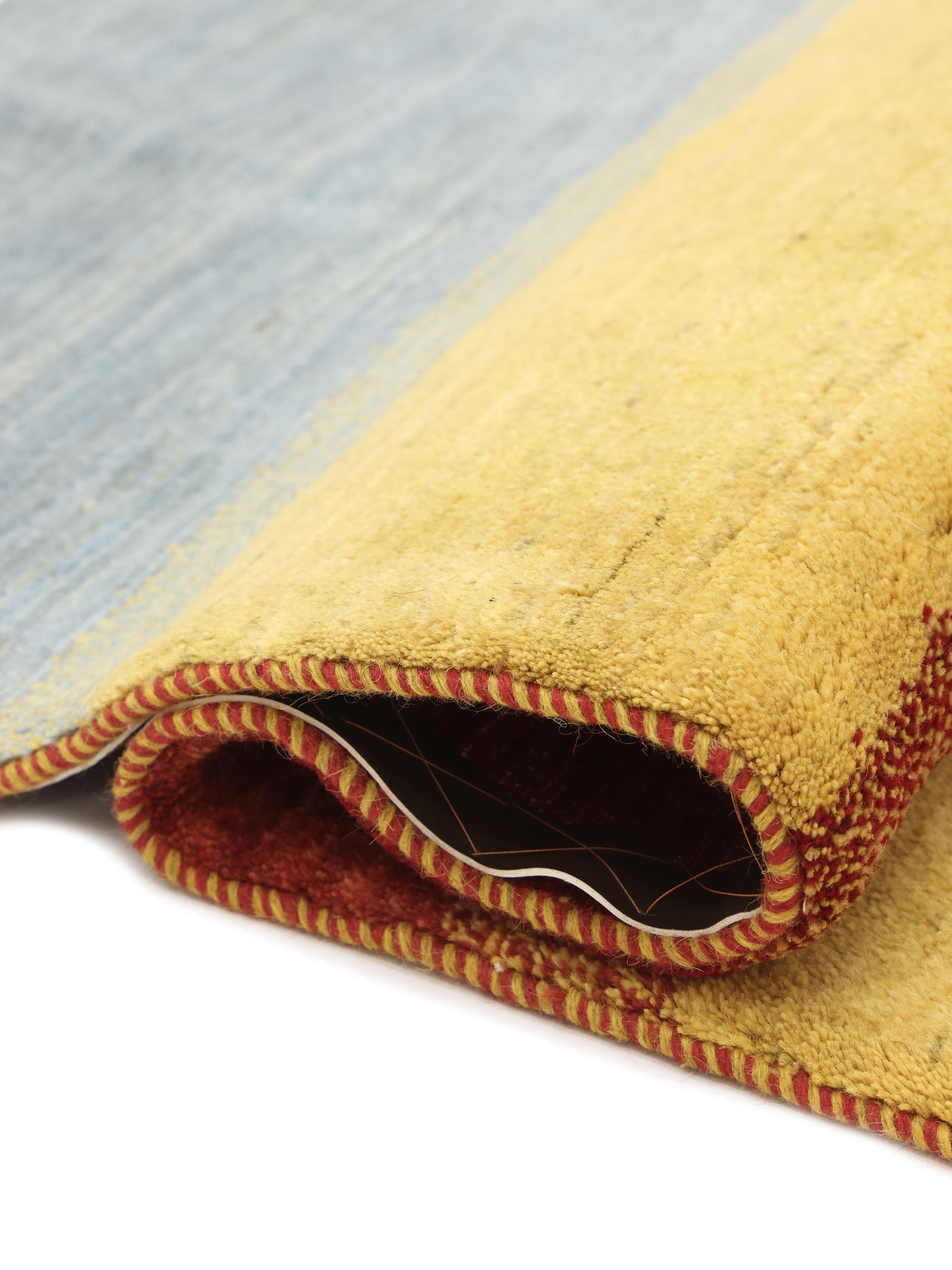
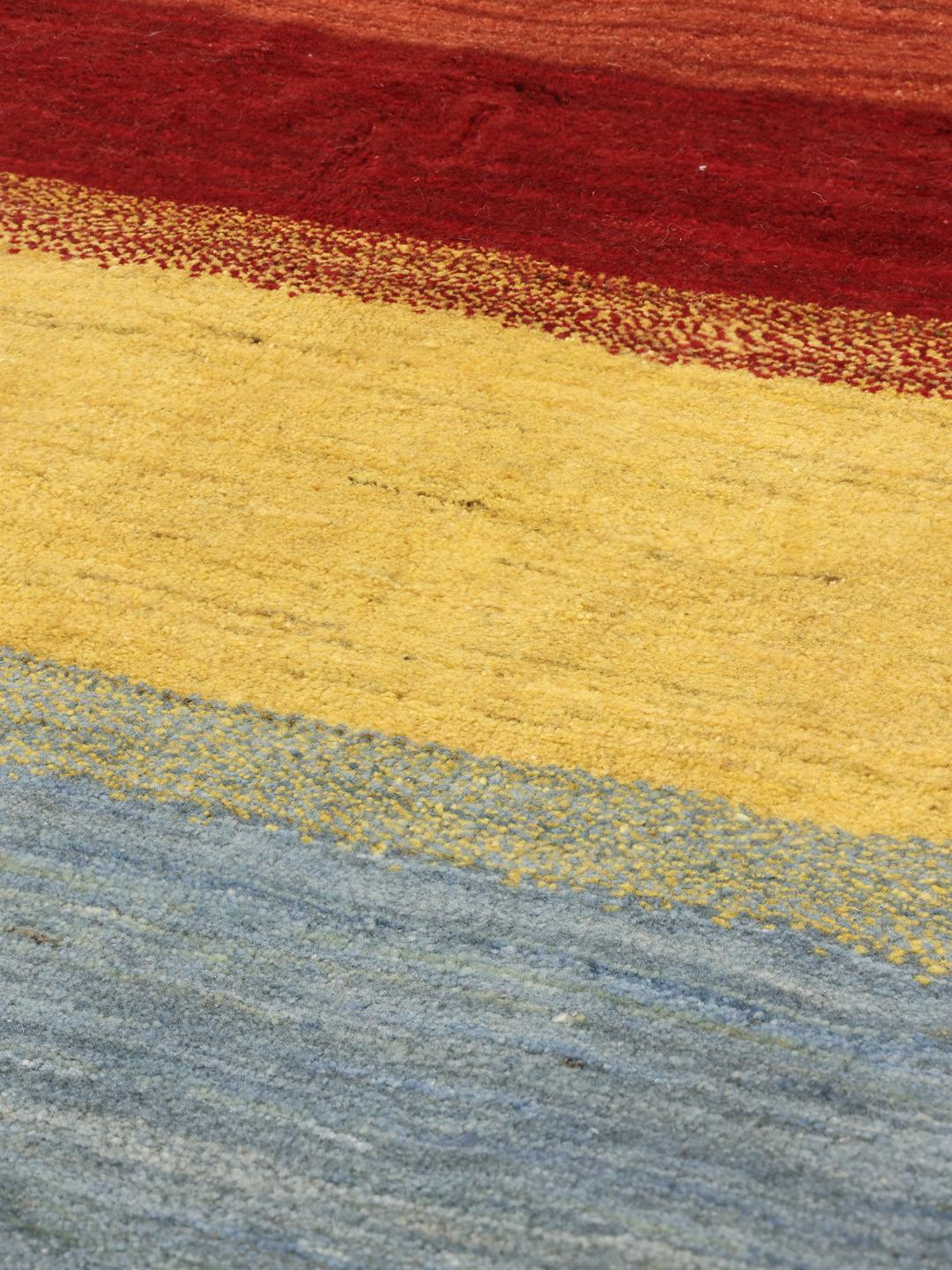
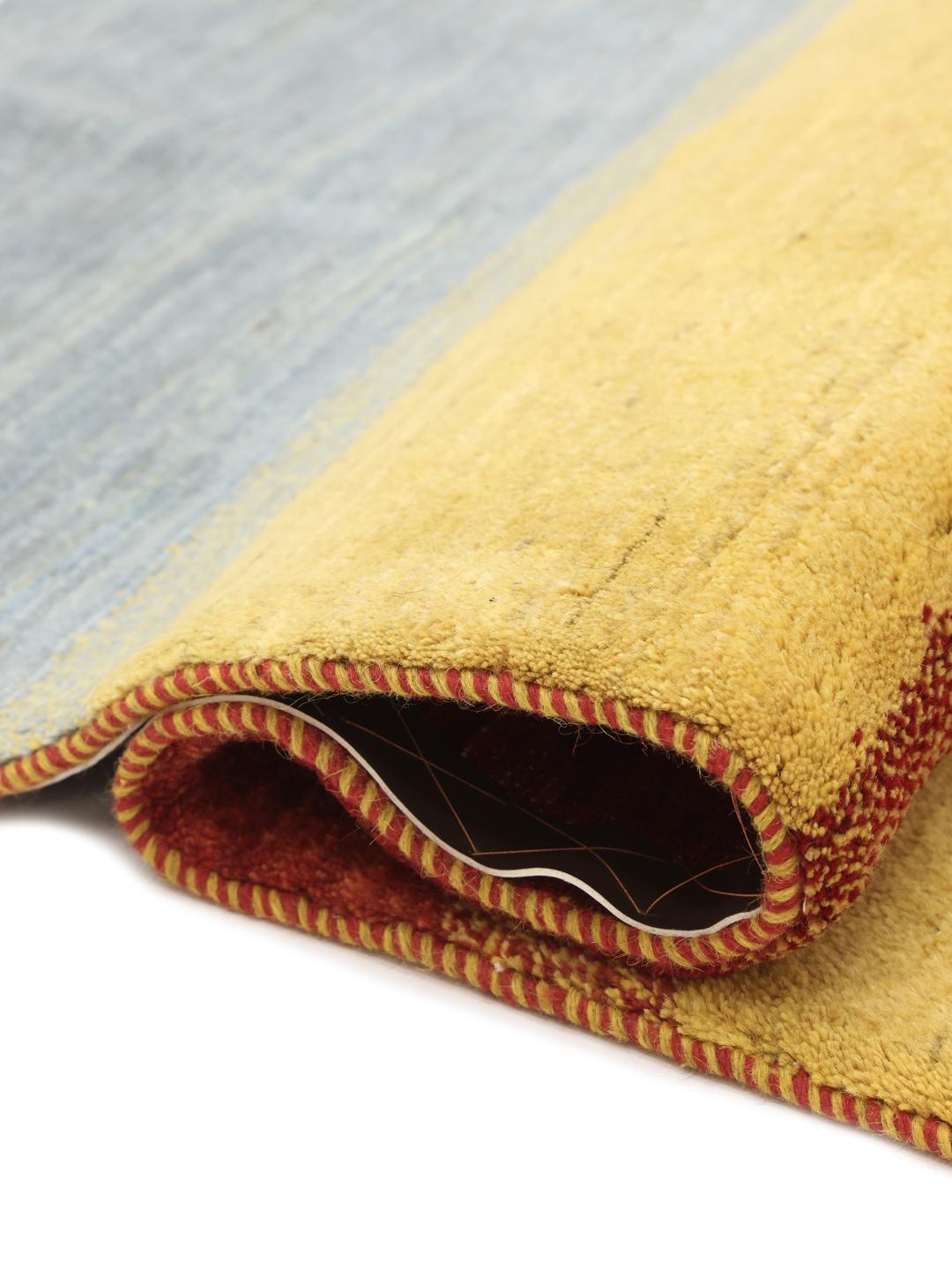
The term 'Gabbeh' itself translates to 'raw,' 'natural,' or 'unfinished,' which perfectly describes the aesthetic philosophy behind these rugs. They are known for their simplified designs and focus on the inherent qualities of the Wool. By using hand-spun Wool and traditional knotting techniques, weavers create a pile that is not only soft but also exceptionally hard-wearing, ensuring the rug can withstand the rigours of nomadic life.
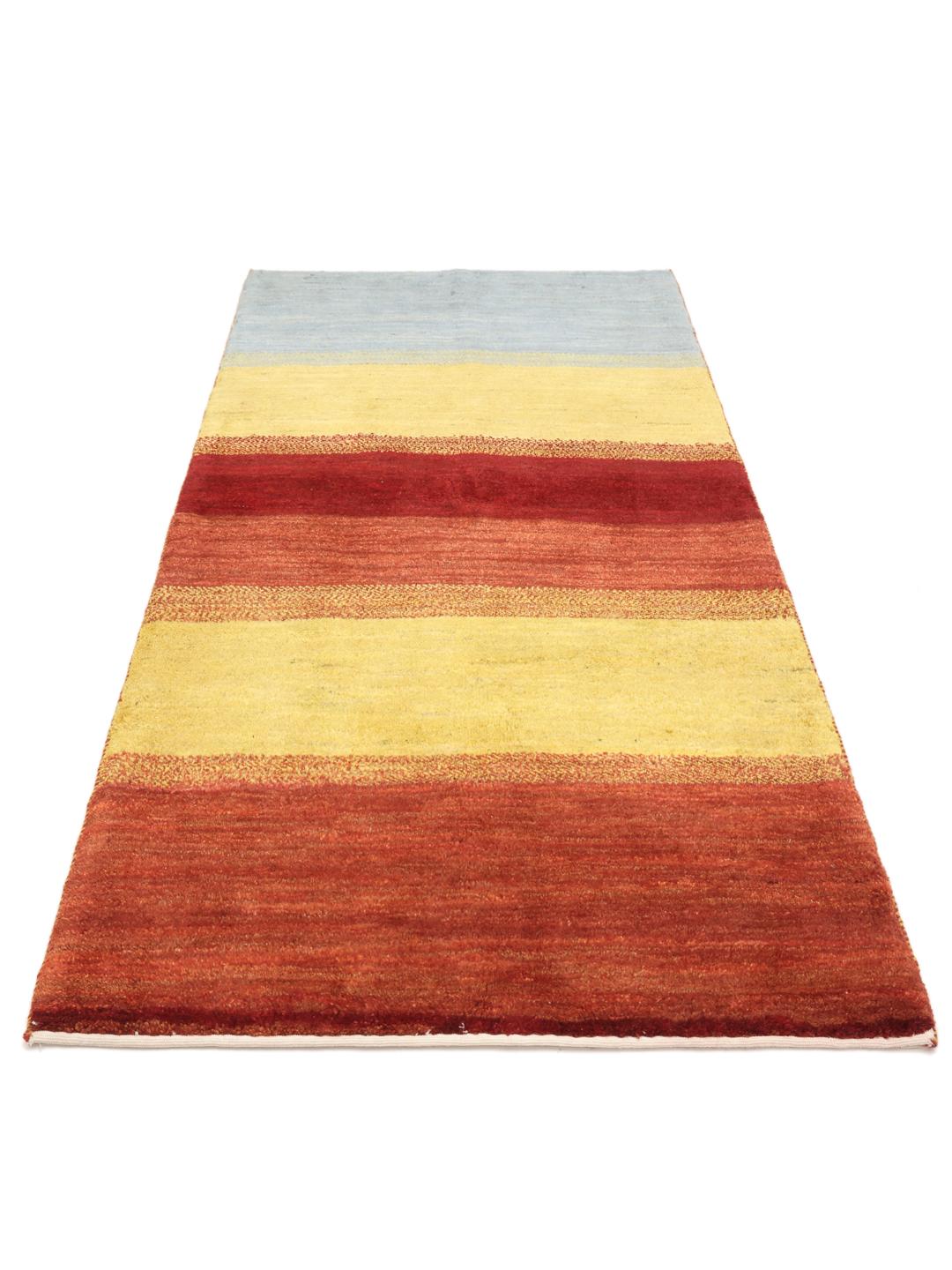
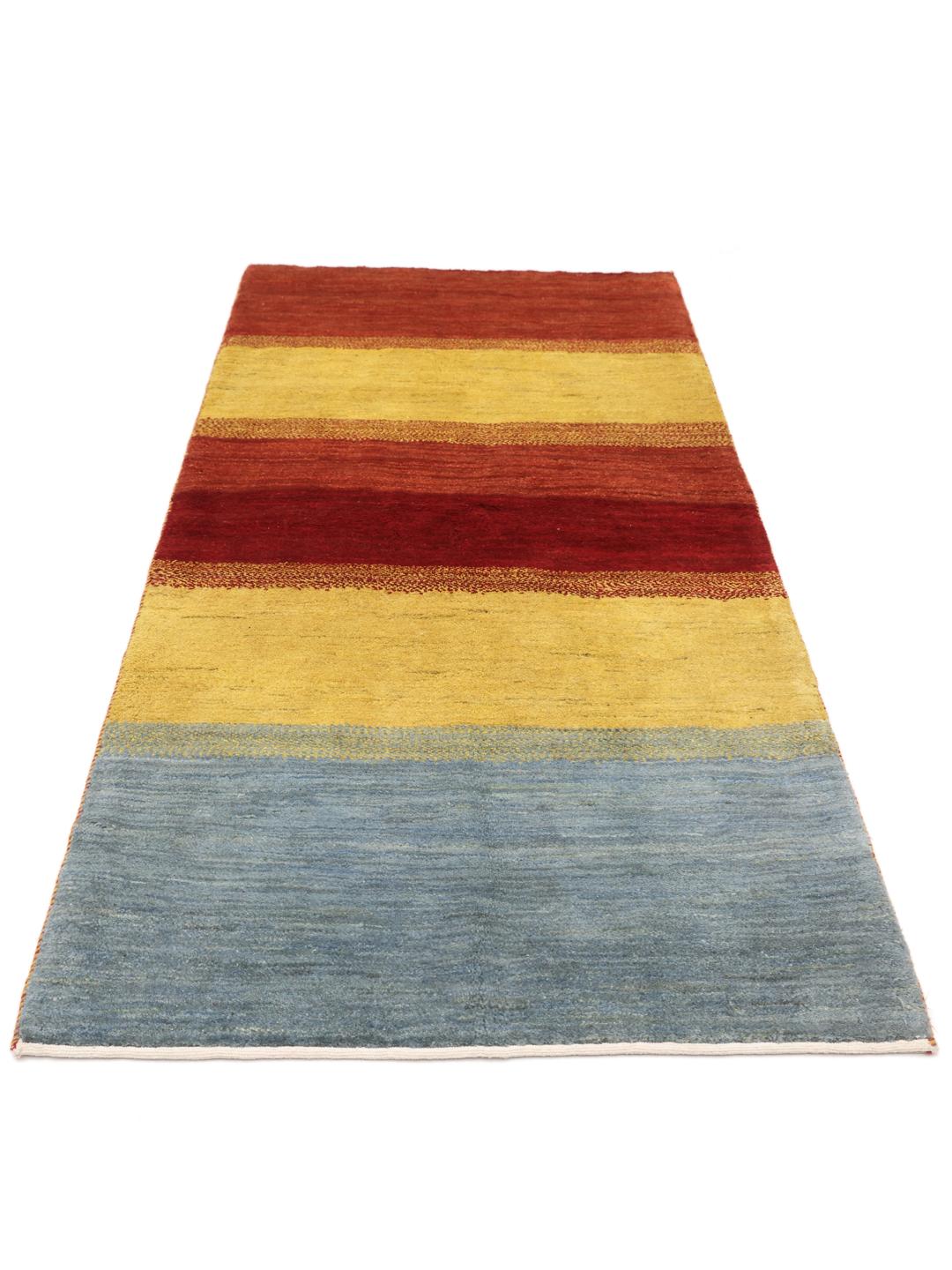
Design-wise, Gabbeh rugs are celebrated for their bold, often abstract or minimalist patterns. While many feature simple geometric shapes or fields of solid colour, they often incorporate subtle, symbolic motifs that reflect the weaver's environment and daily life. The use of vibrant, natural dyes derived from plants and roots remains a hallmark of the tradition, giving each rug a rich, earthy palette that feels both ancient and contemporary.
Owning a Gabbeh is about more than just decor; it is about connecting with a heritage of creative freedom and skilled craftsmanship. Because these rugs were woven without rigid patterns, they represent the individual expression of the weaver. This makes them highly valued by collectors who appreciate the blend of cultural history, human effort, and the soul inherent in a hand-crafted object.