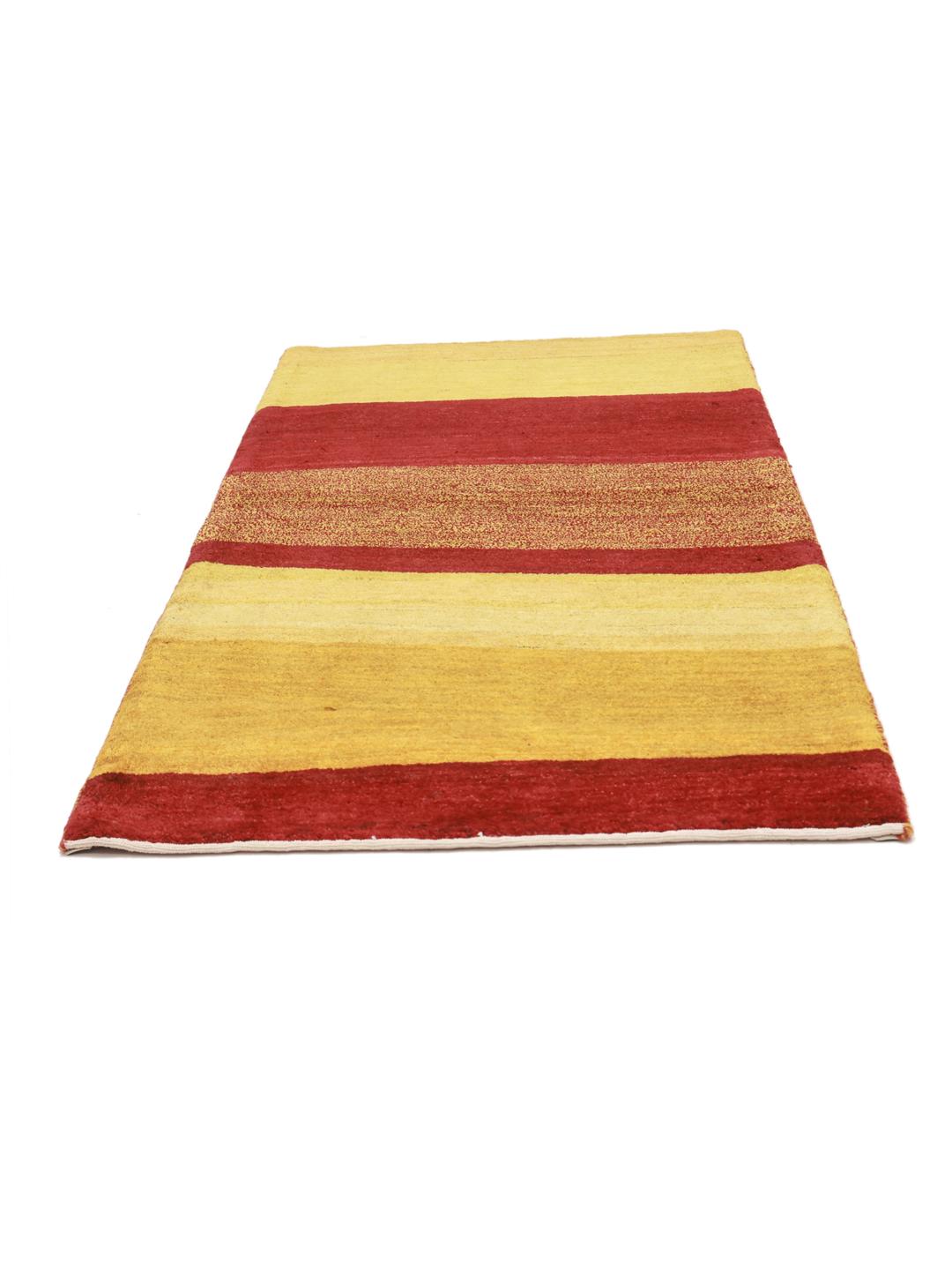
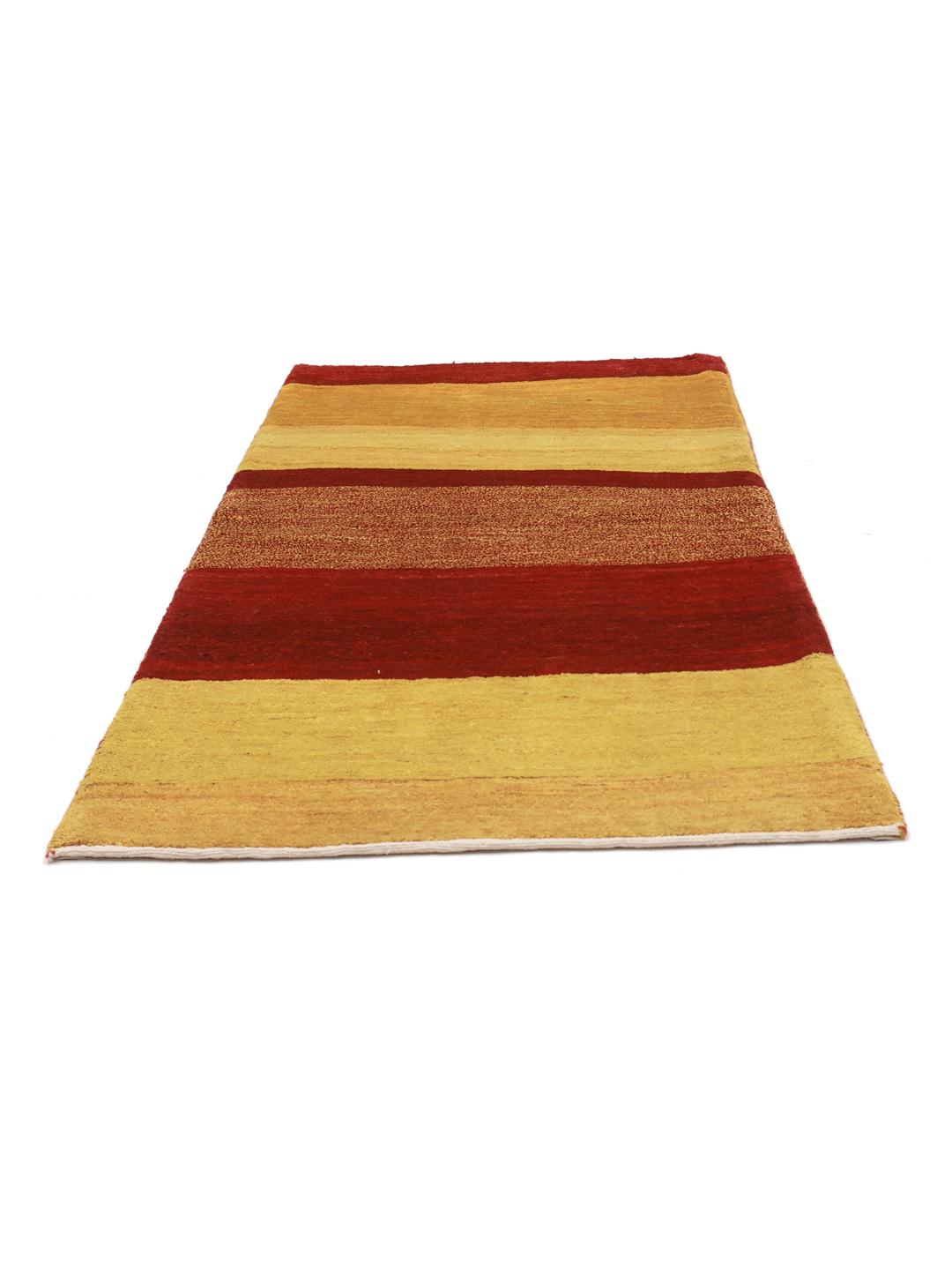
The Gabbeh tradition hails from the nomadic tribes of the Middle East, particularly the Qashqai people. Historically, these rugs were woven by women for domestic use rather than for trade, meaning they were deeply personal expressions of the weaver's life, surroundings, and imagination.
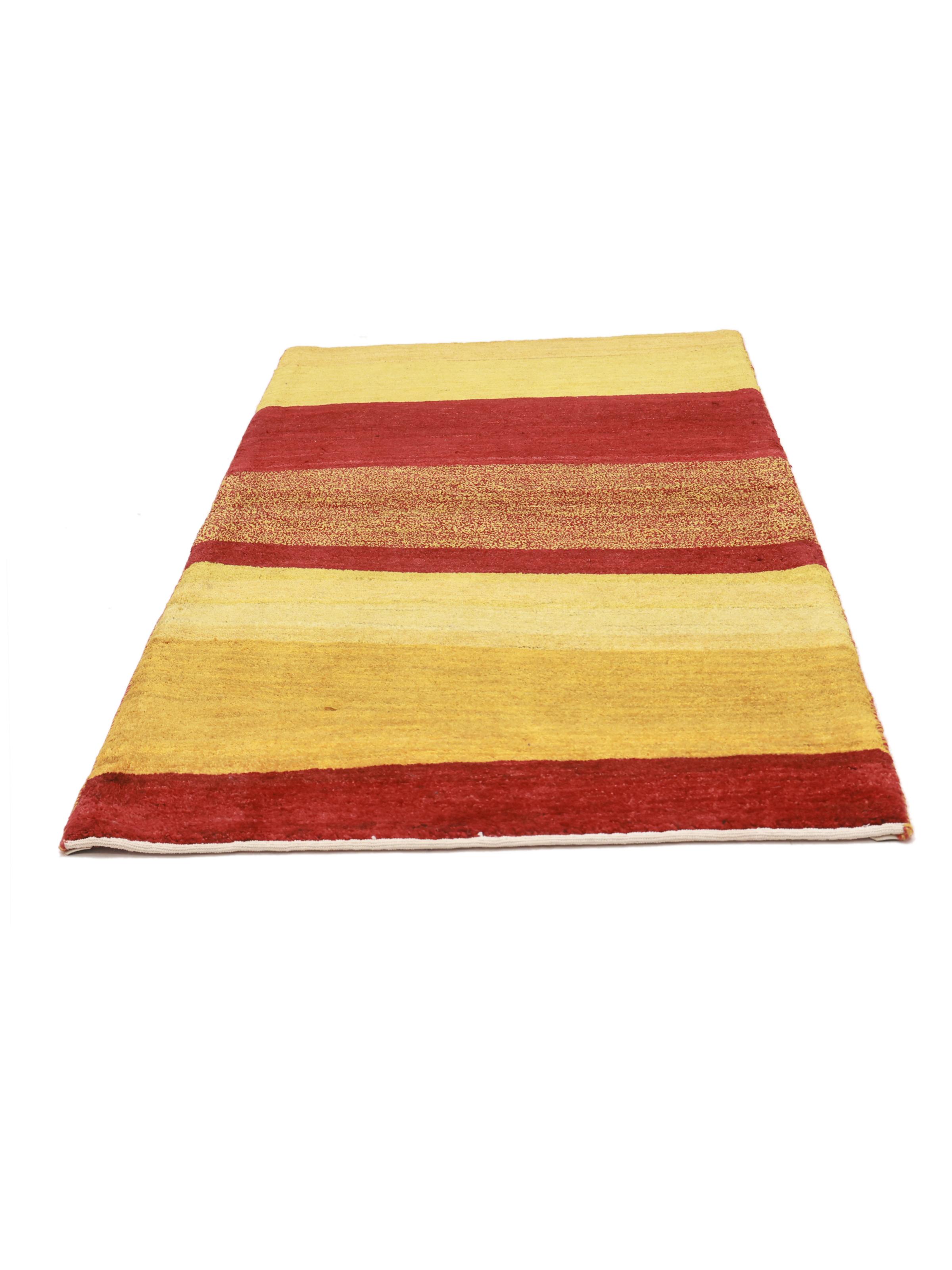
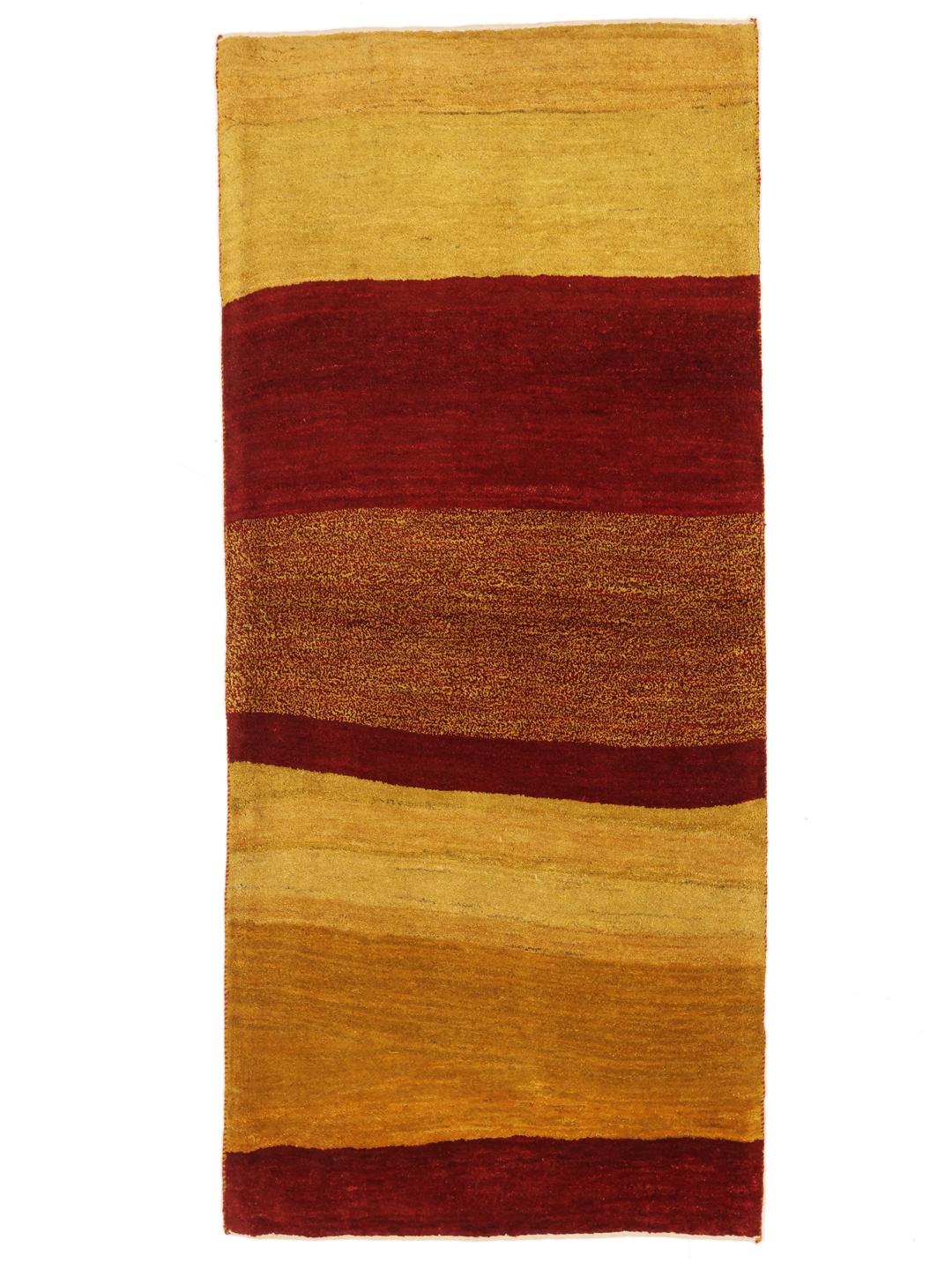
The word Gabbeh translates to 'raw' or 'natural', a term that perfectly captures the aesthetic of these rugs. Unlike the formal, symmetrical patterns found in urban workshop carpets, traditional Gabbeh rugs are known for their minimalist, abstract designs and bold use of colour, often inspired by the natural landscape of the mountains and deserts.
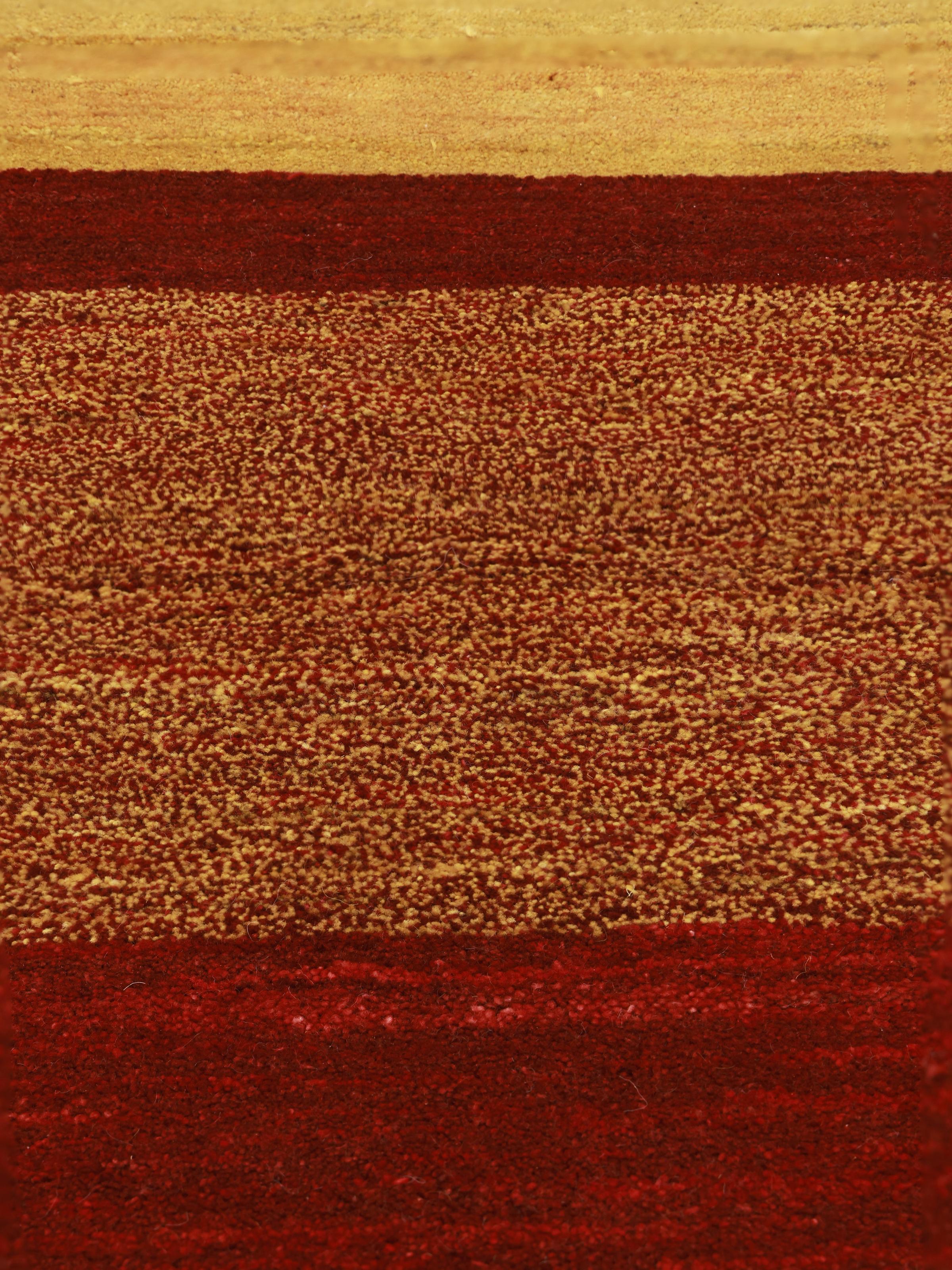
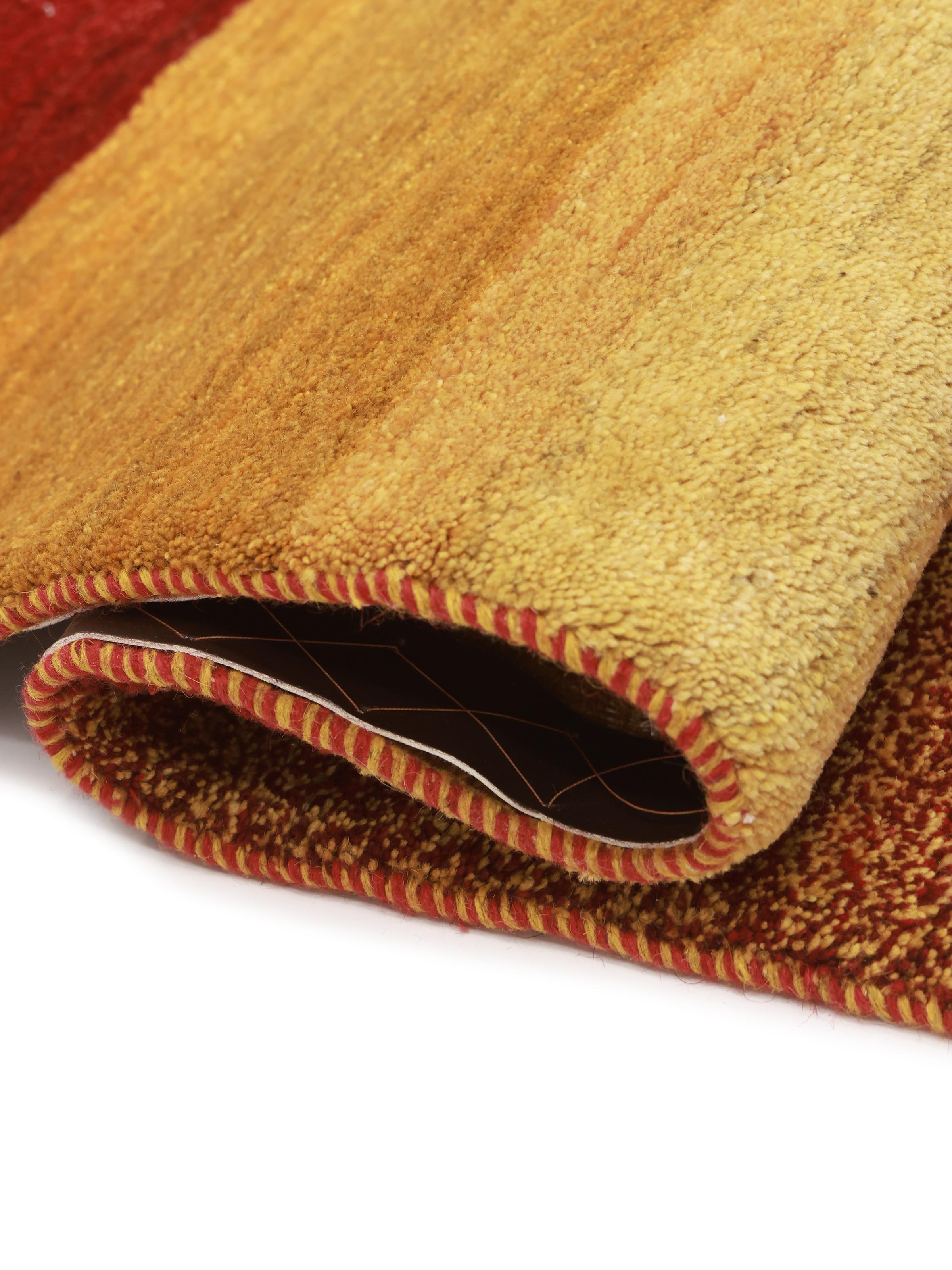
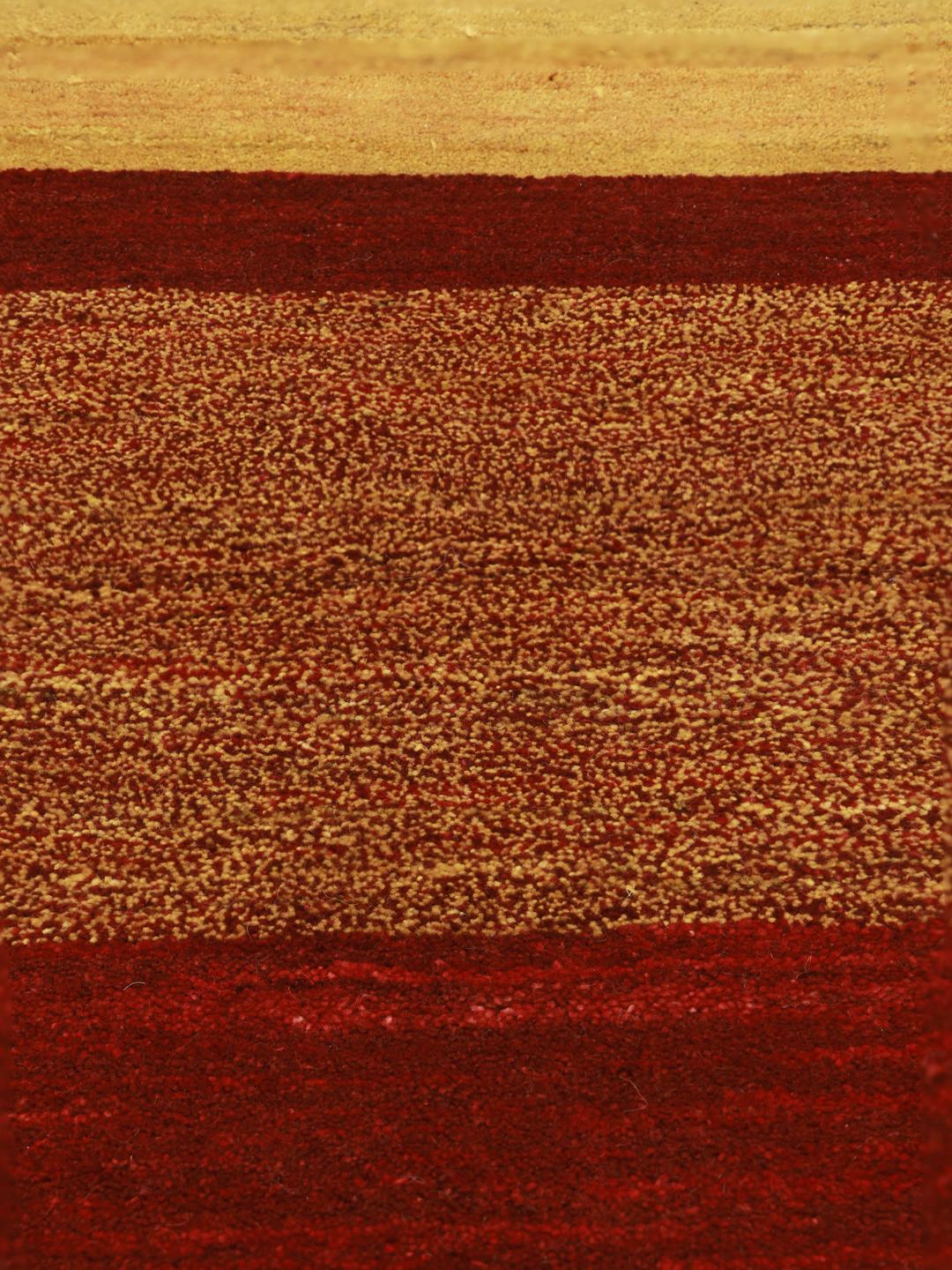
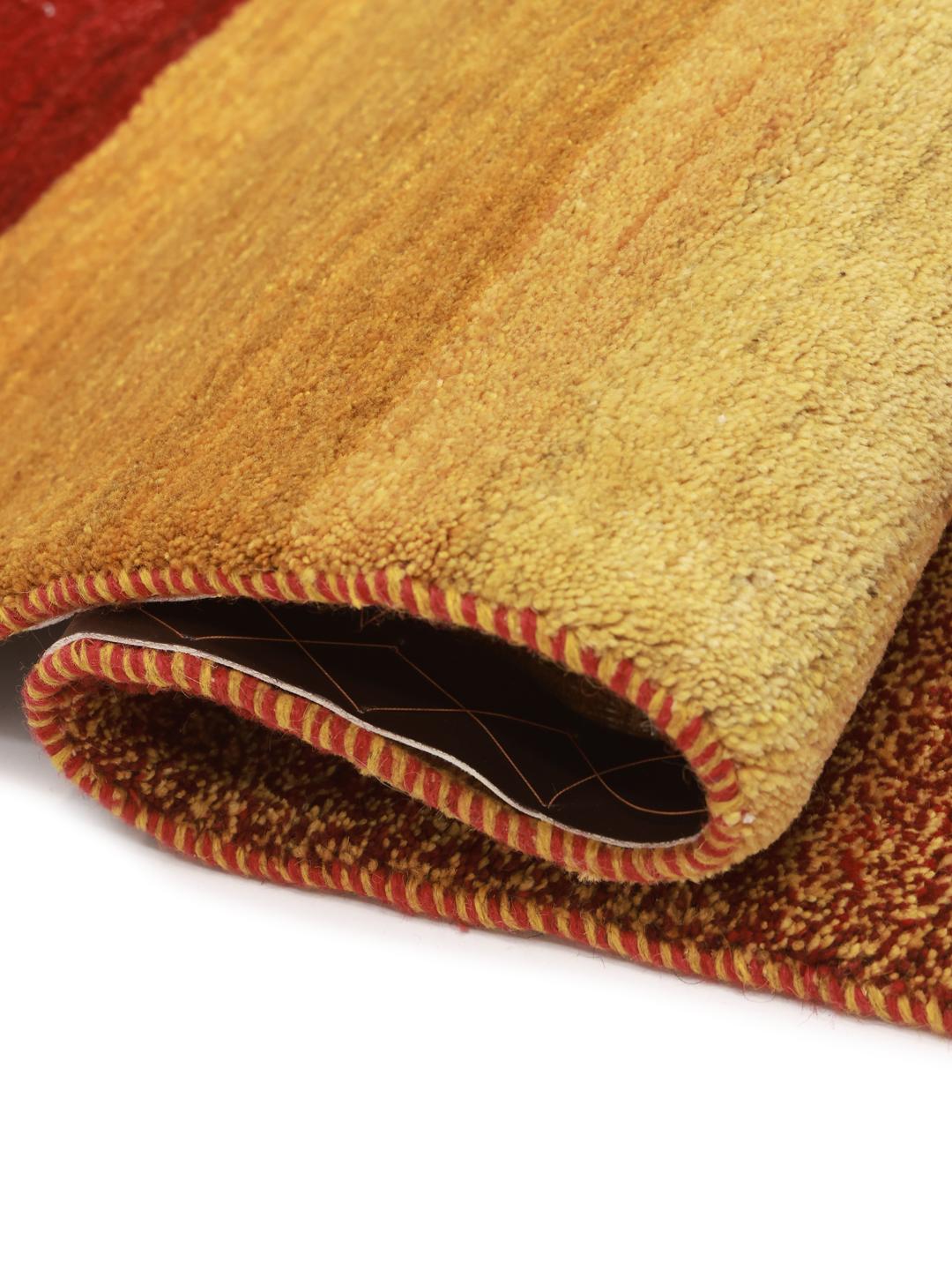
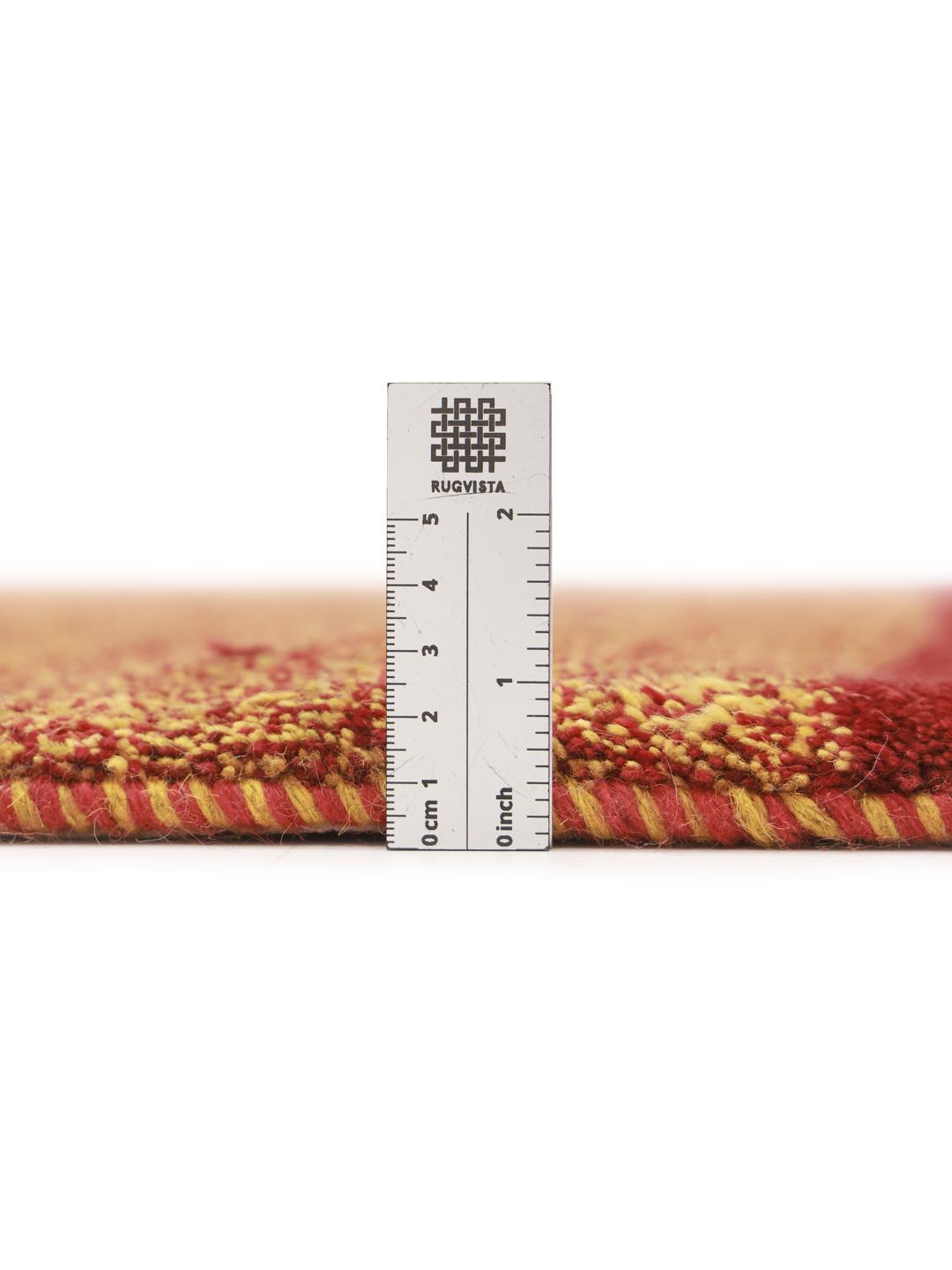
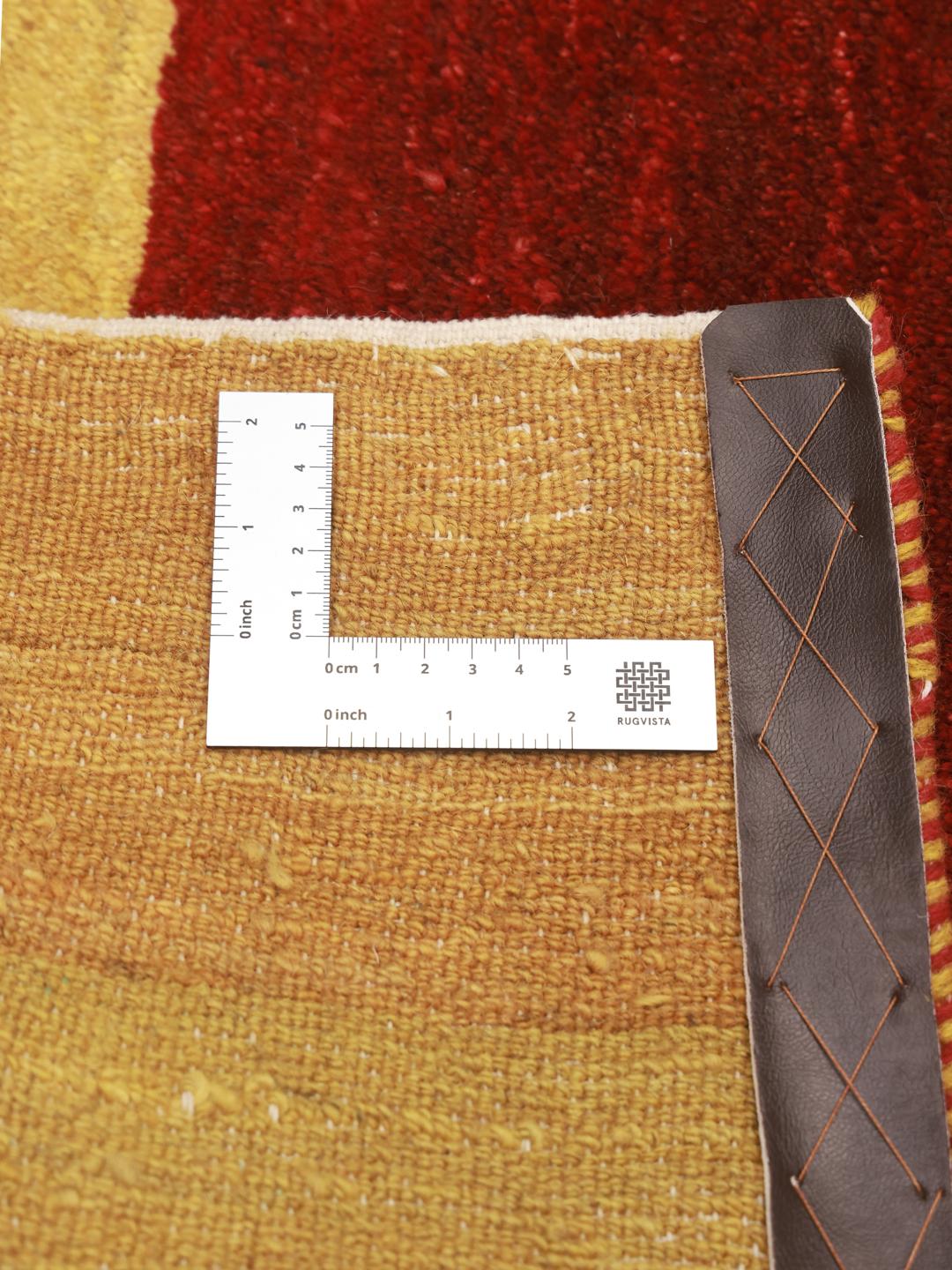
These rugs are typically defined by their thick, long pile and use of hand-spun, naturally dyed wool. The irregularity in the weave and the occasional inclusion of simple, symbolic motifs such as stylised trees, animals, or geometric shapes are considered hallmarks of their authenticity and charm.
Today, these rugs are highly sought after by collectors who value the blend of primitive design and sophisticated craft. Owning a piece from this tradition is a way to connect with a centuries-old nomadic heritage, where every rug serves as a tangible link to the lives and skills of the people who created them.