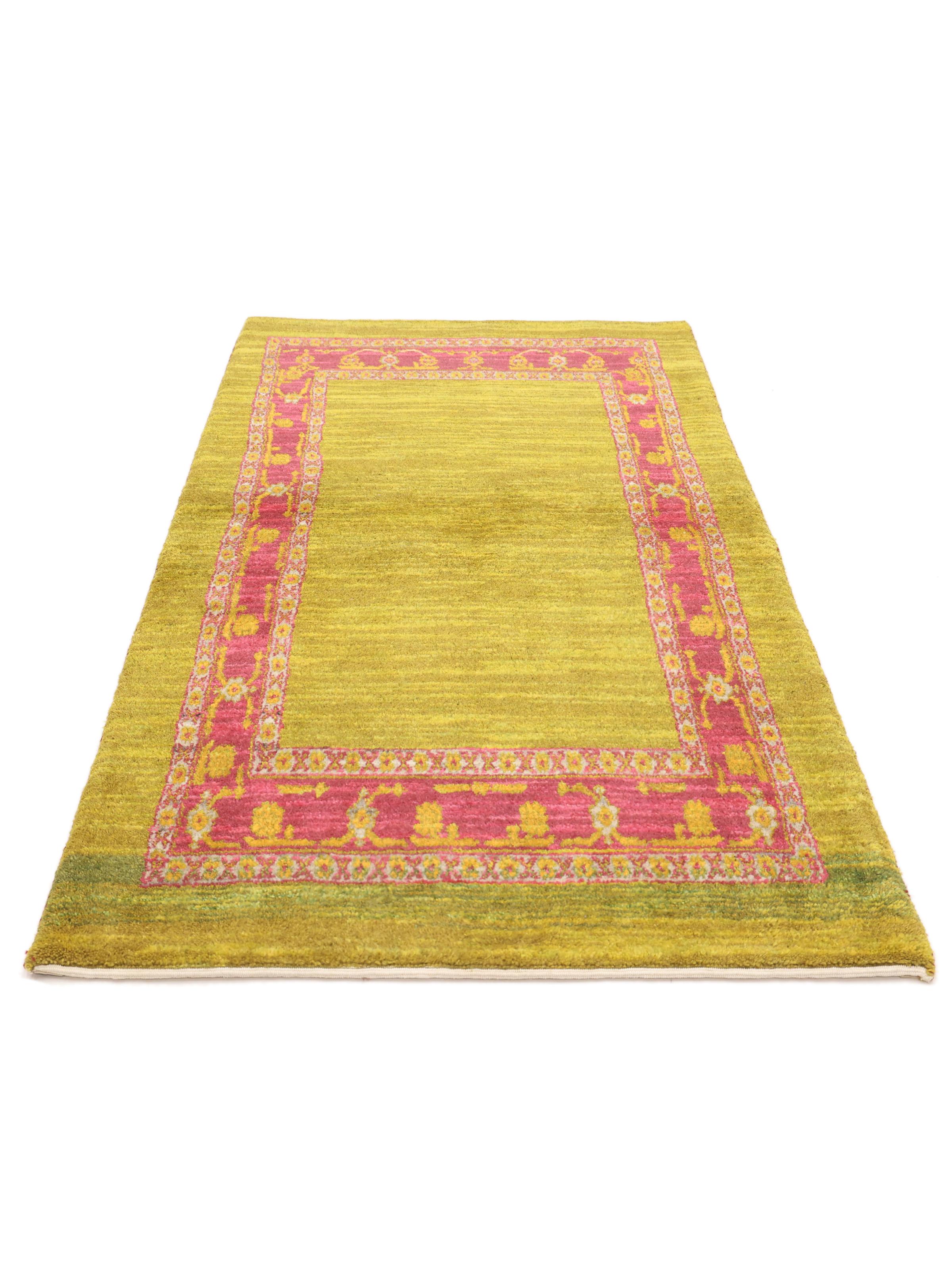
Gabbeh rugs trace their origins to the nomadic tribes of the Middle East, where they were originally woven for personal use rather than for trade. These rugs were designed to serve as functional, warm bedding and floor coverings within tents, reflecting the practical needs and the creative spirit of the families who crafted them.
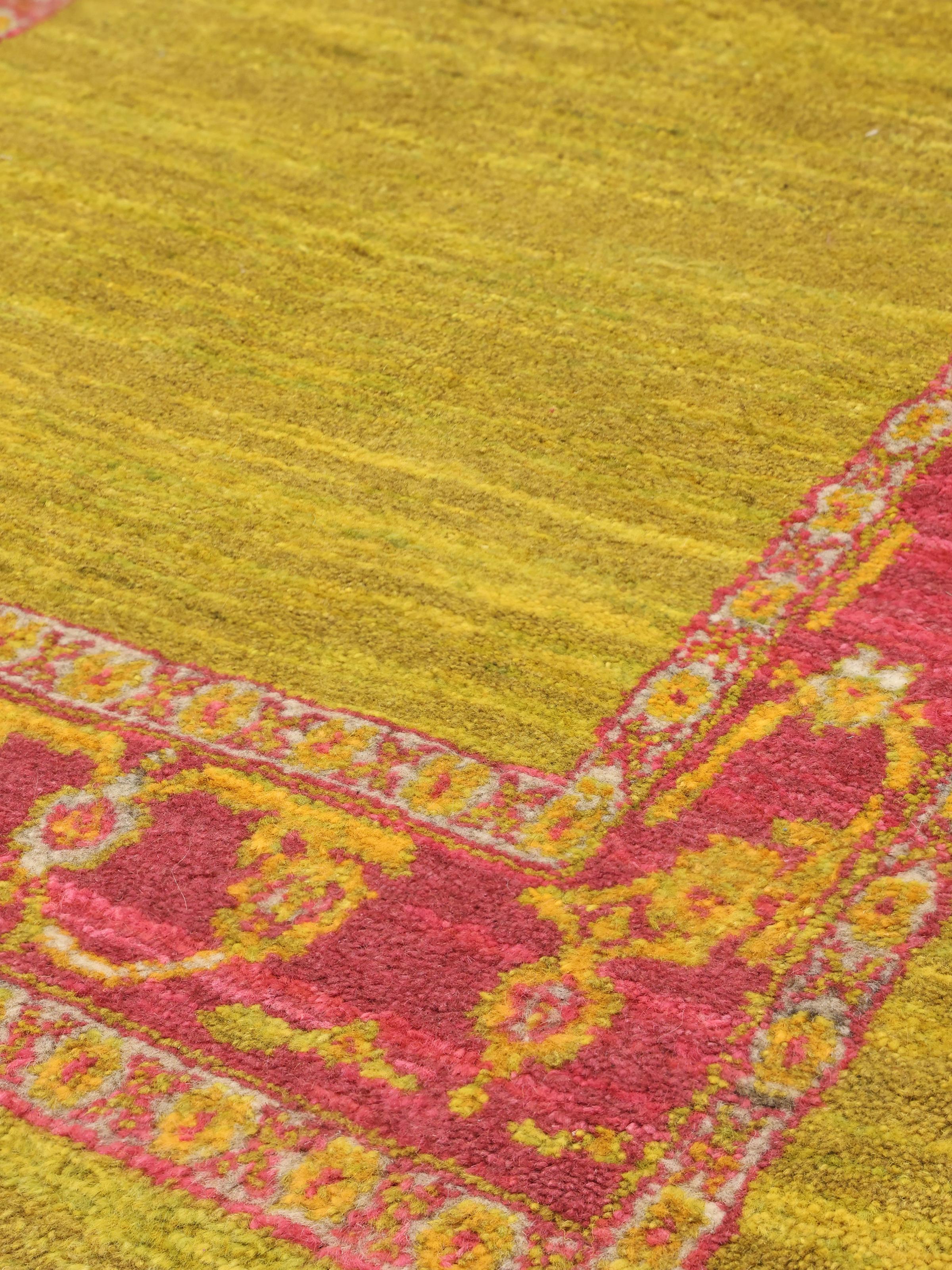
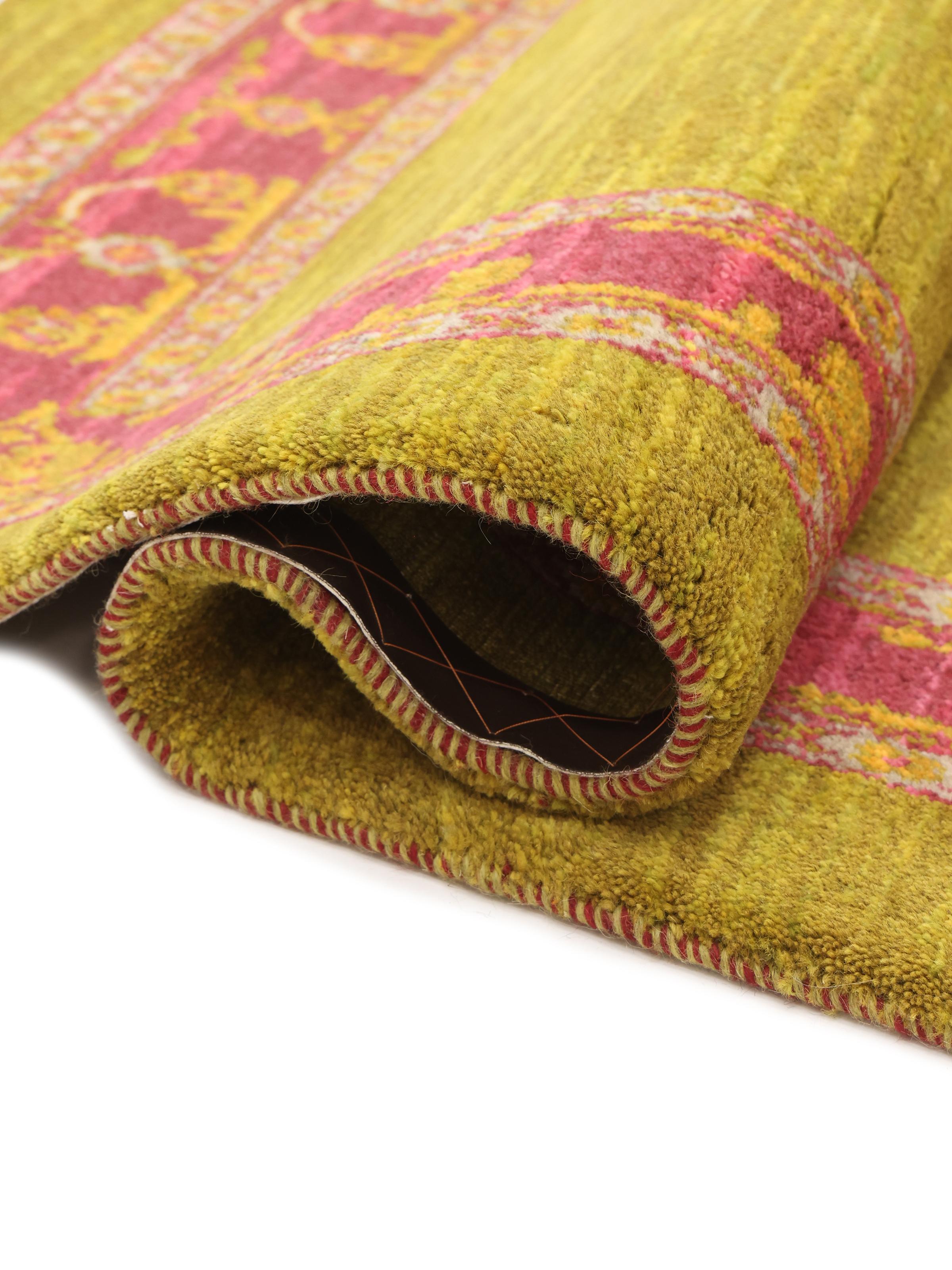
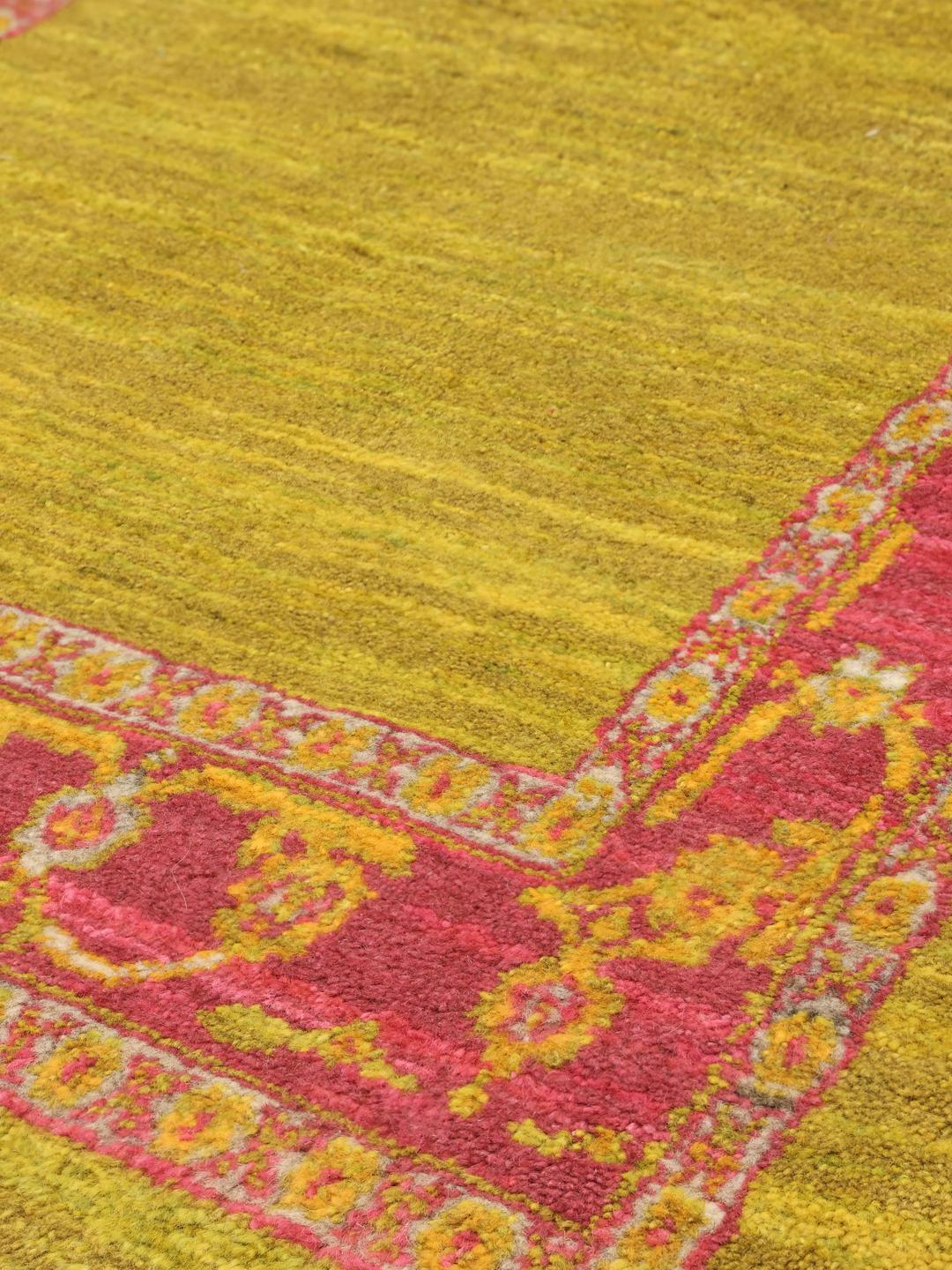
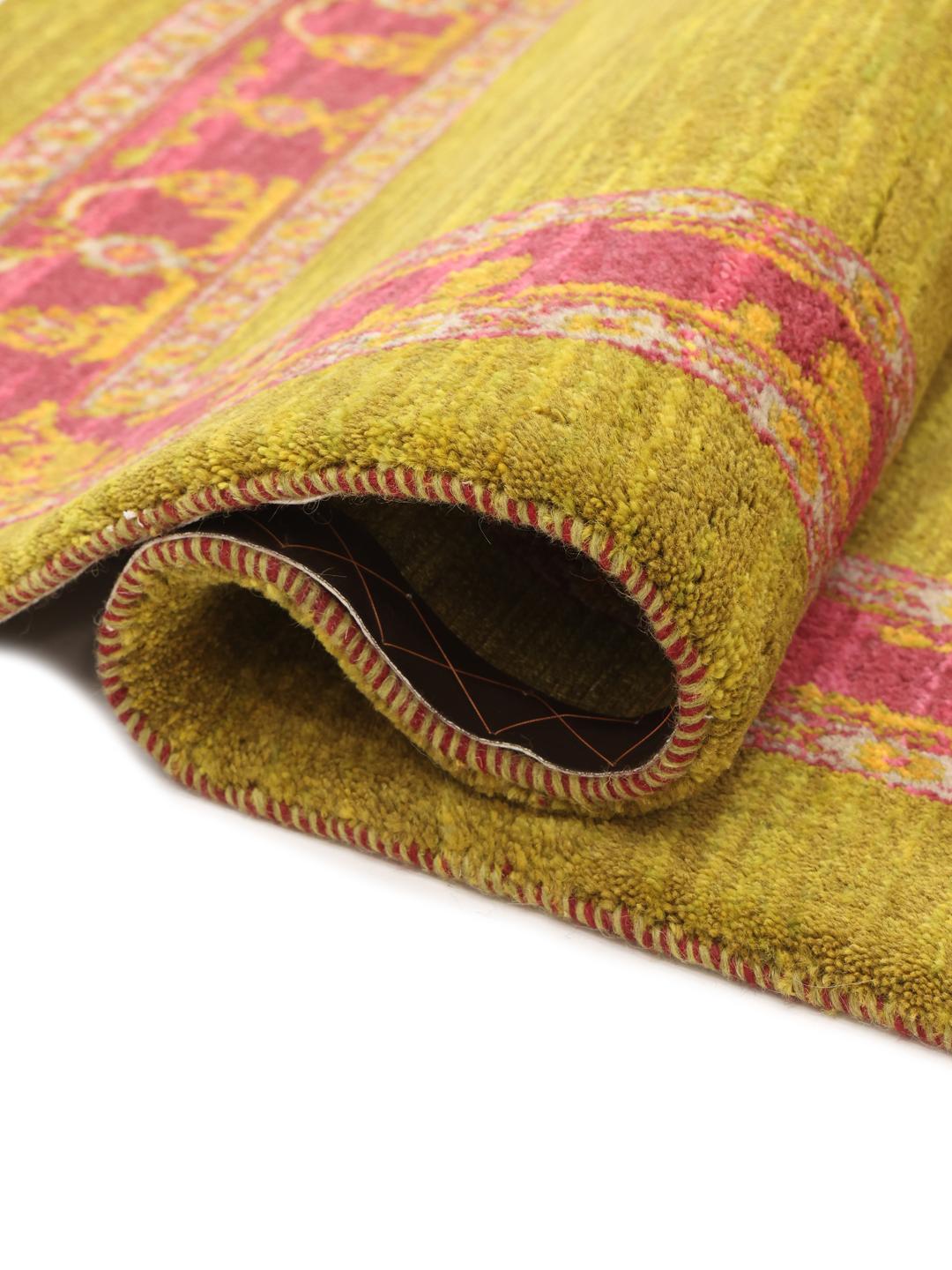
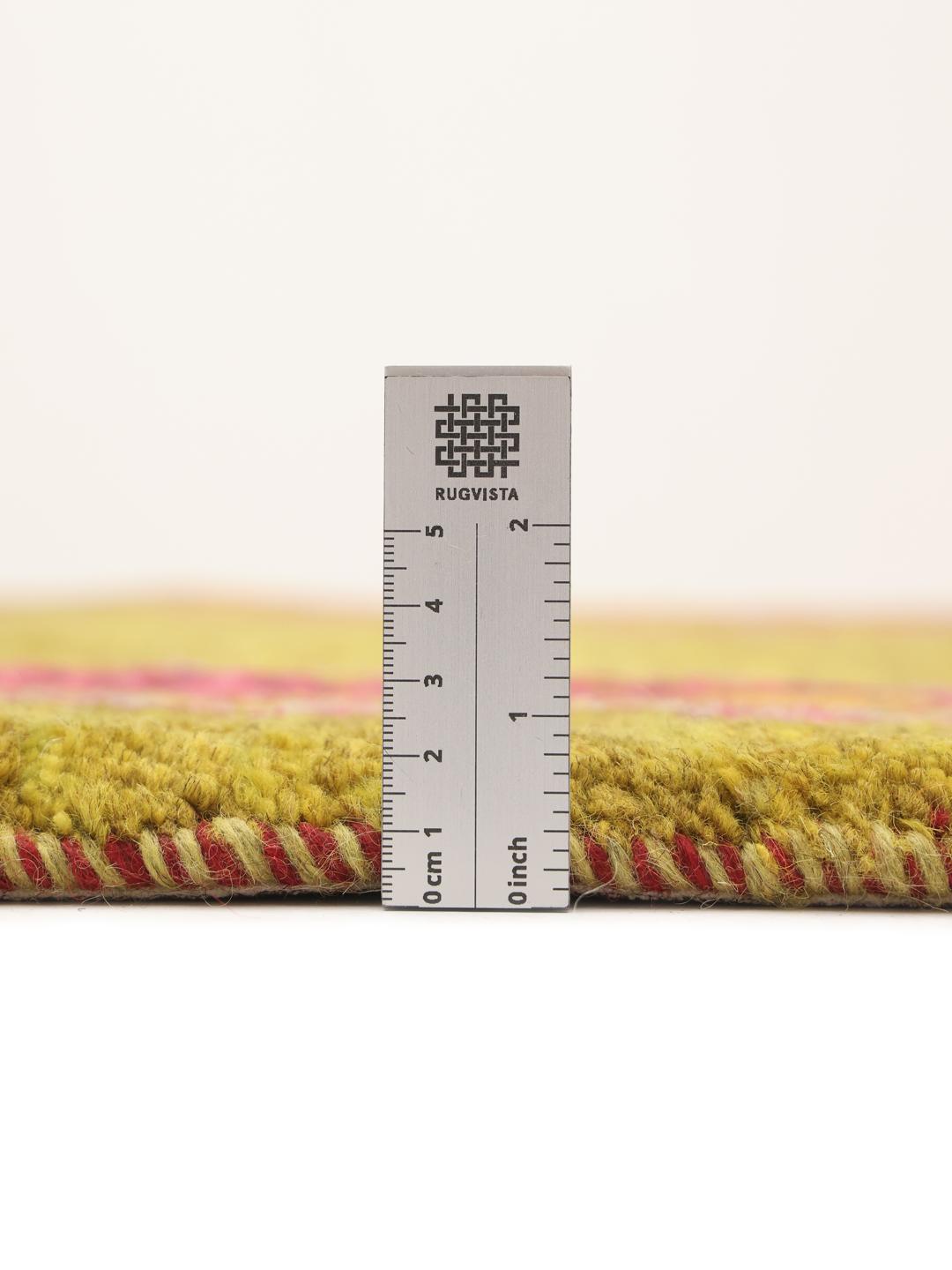
The term 'Gabbeh' itself translates to 'raw', 'natural', or 'unclipped', which refers to the long, thick pile that characterises these pieces. This style of weaving emphasises a soft, tactile experience, prioritising comfort and utility. The use of hand-spun yarn, often dyed with natural pigments, gives each piece a distinct, organic quality that feels deeply connected to its source.
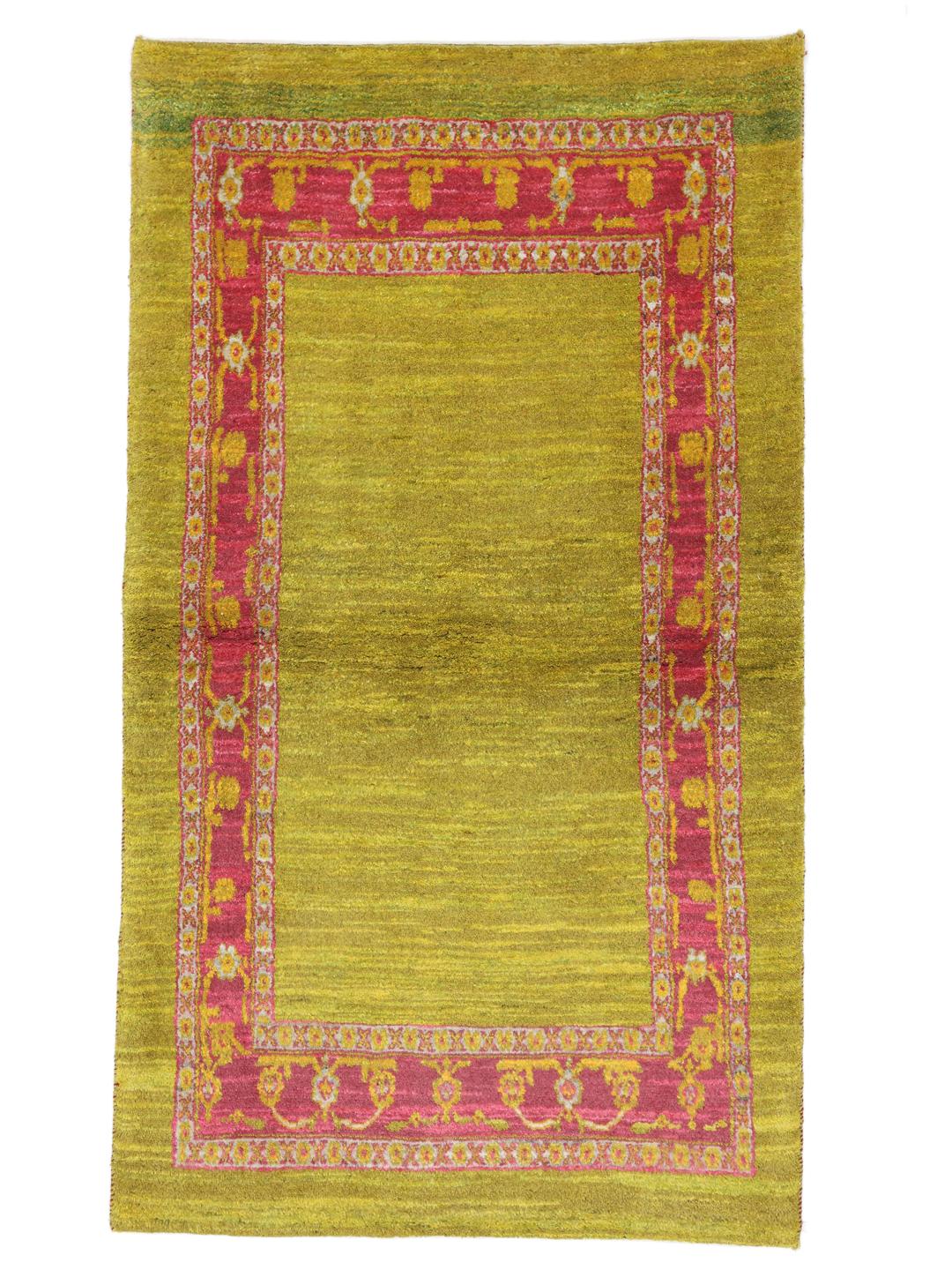
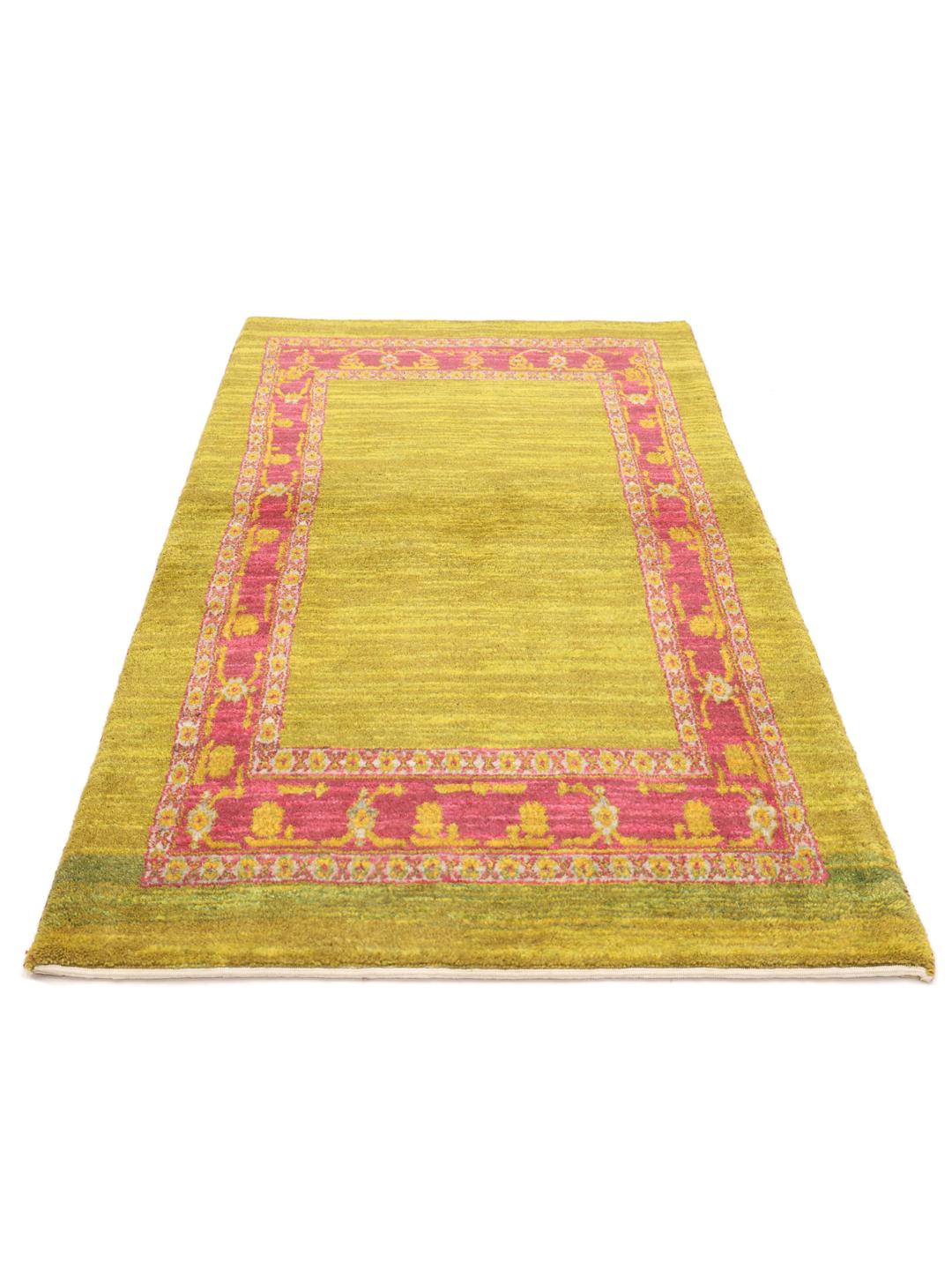
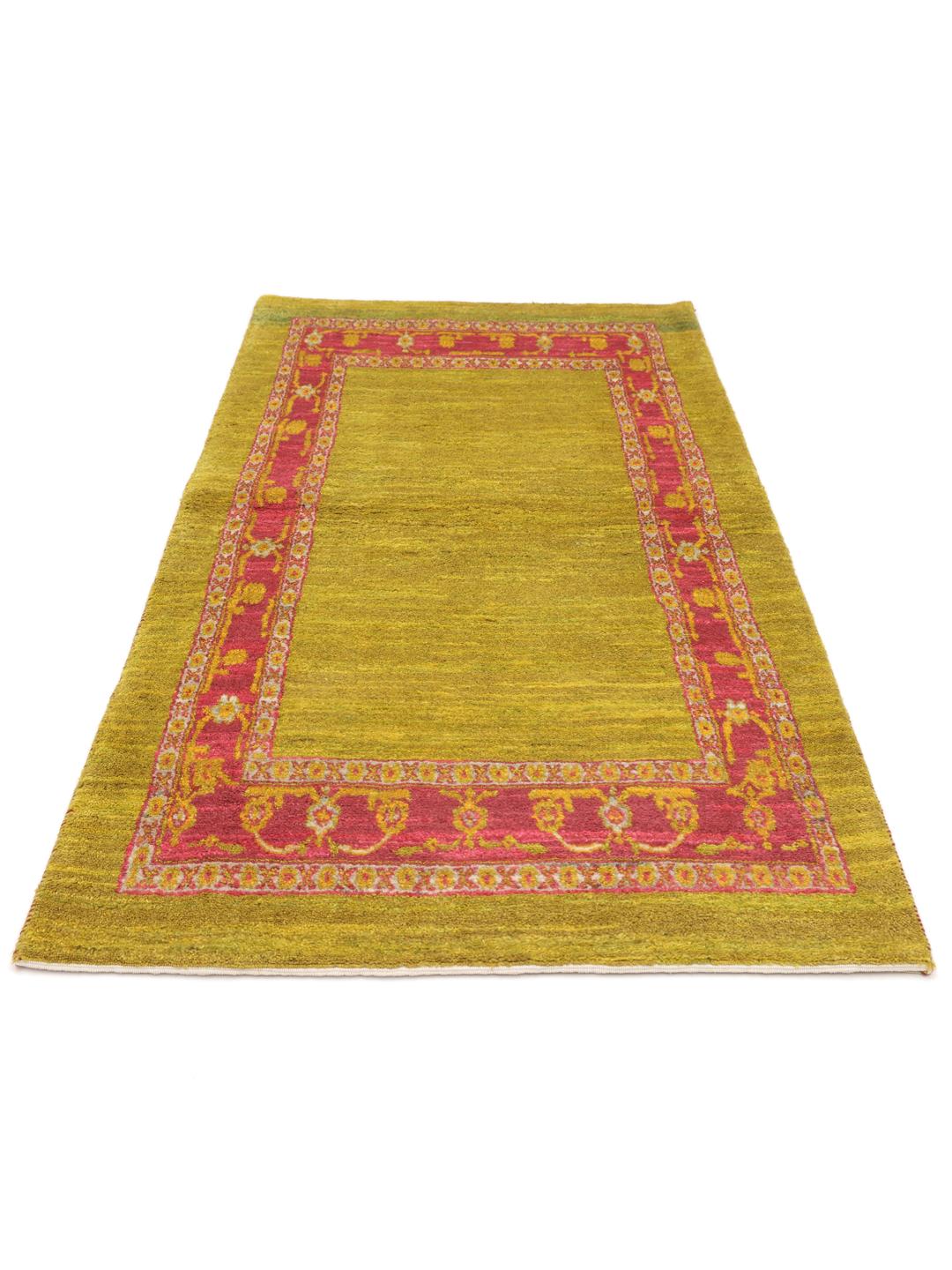
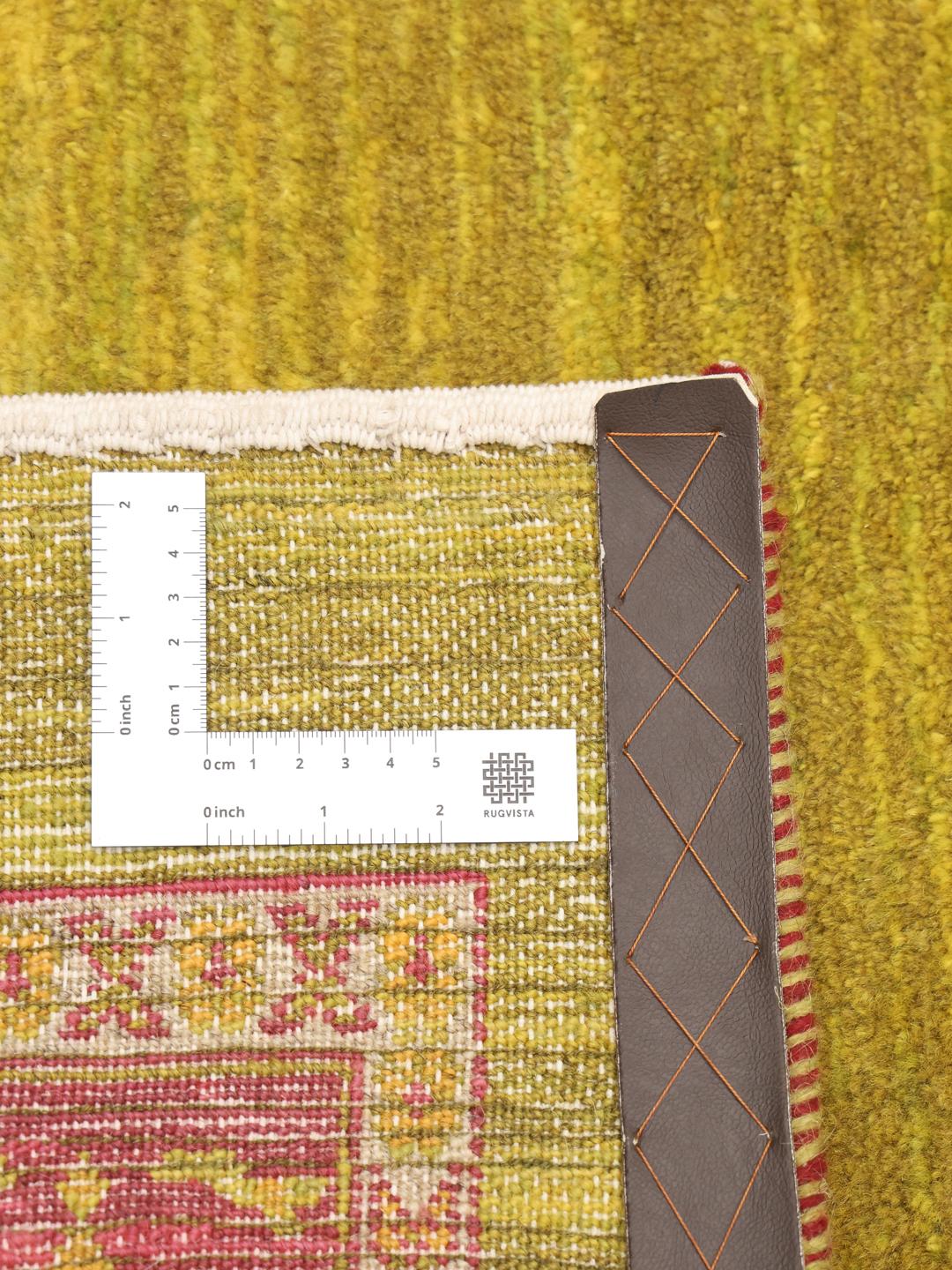
Visually, Gabbeh rugs are celebrated for their artistic simplicity and bold use of colour. While many traditional rugs feature dense, complex patterns, these pieces often favour open fields or simplified, stylised motifs that feel modern and abstract. The borders are frequently decorated with geometric or tribal elements that add structure without overwhelming the serene, open nature of the design.
Today, these rugs are highly valued by collectors and interior enthusiasts alike for their authentic, soulful character. Owning a piece from this tradition is an investment in human skill and cultural heritage. It represents a connection to a long-standing nomadic history, where every rug tells a personal story through its choice of colours and intuitive, unscripted design.