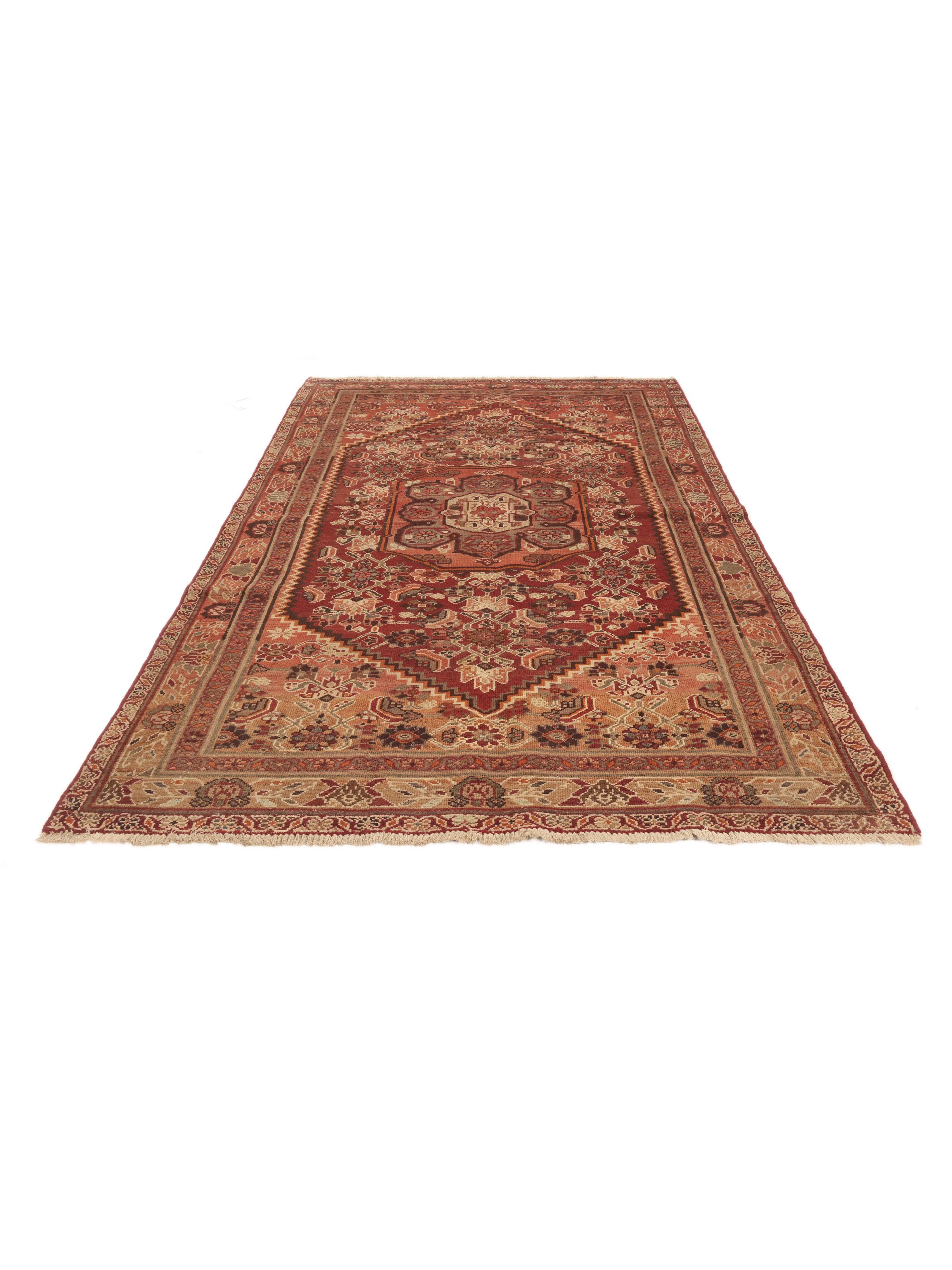
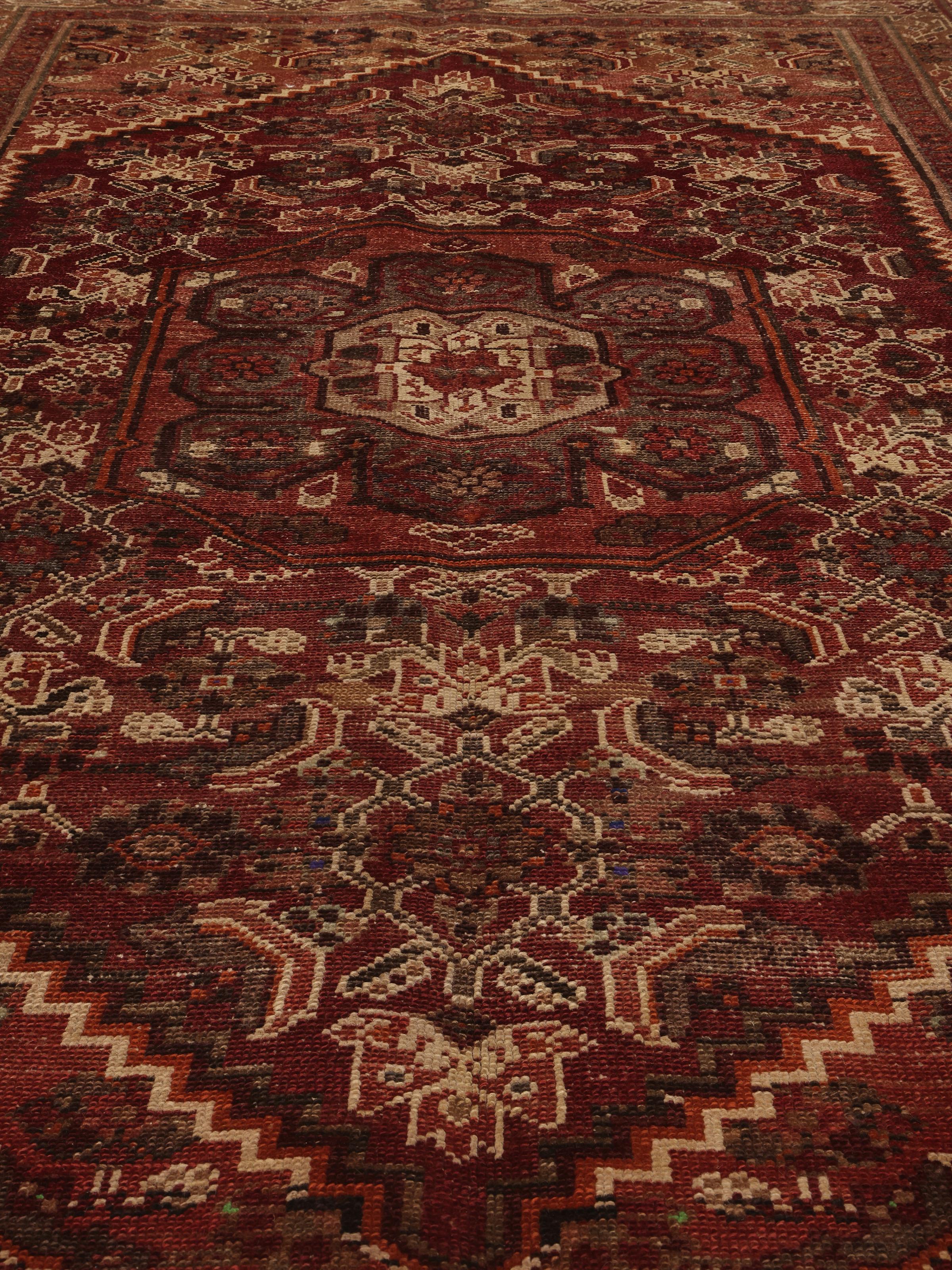
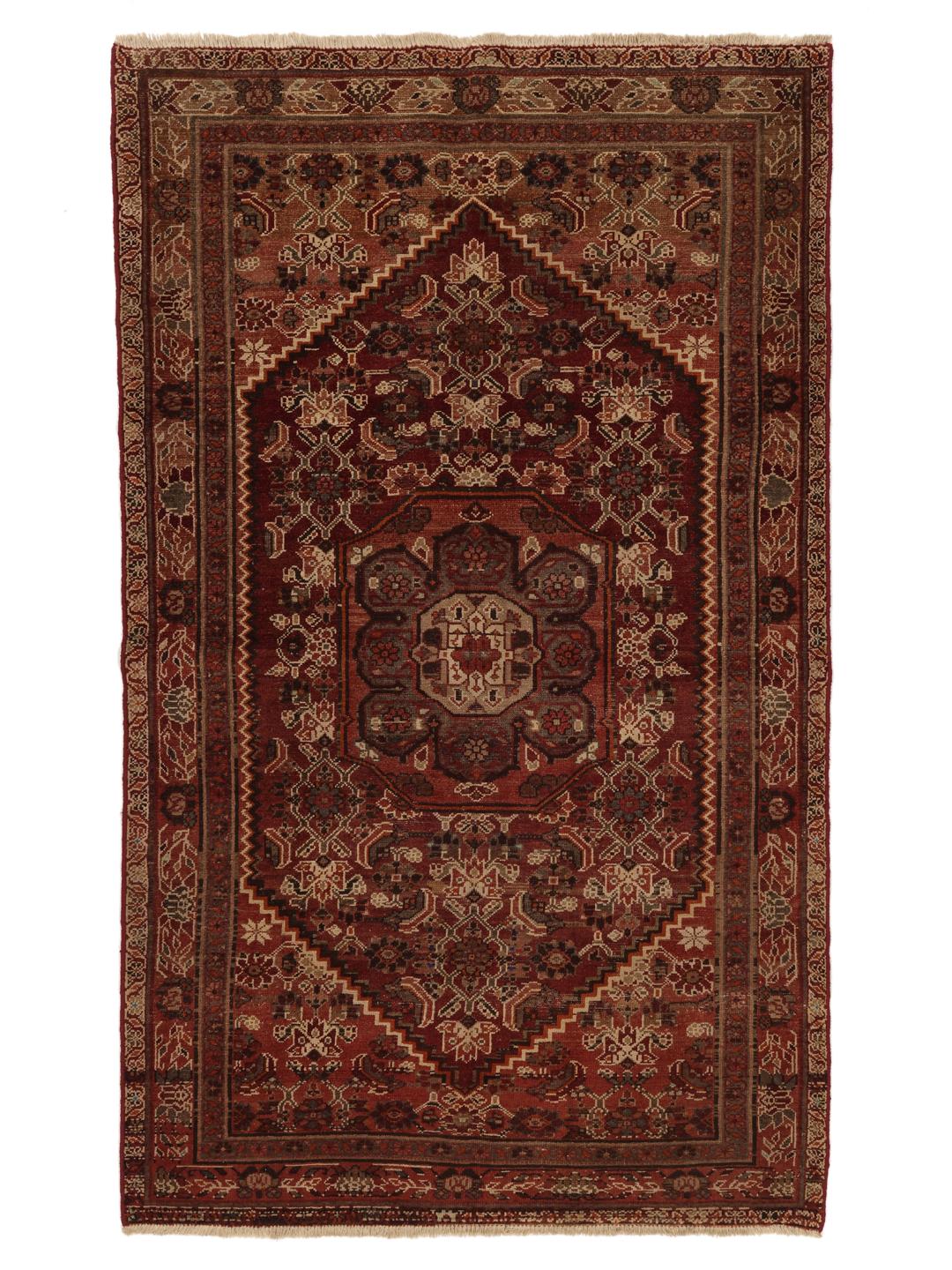
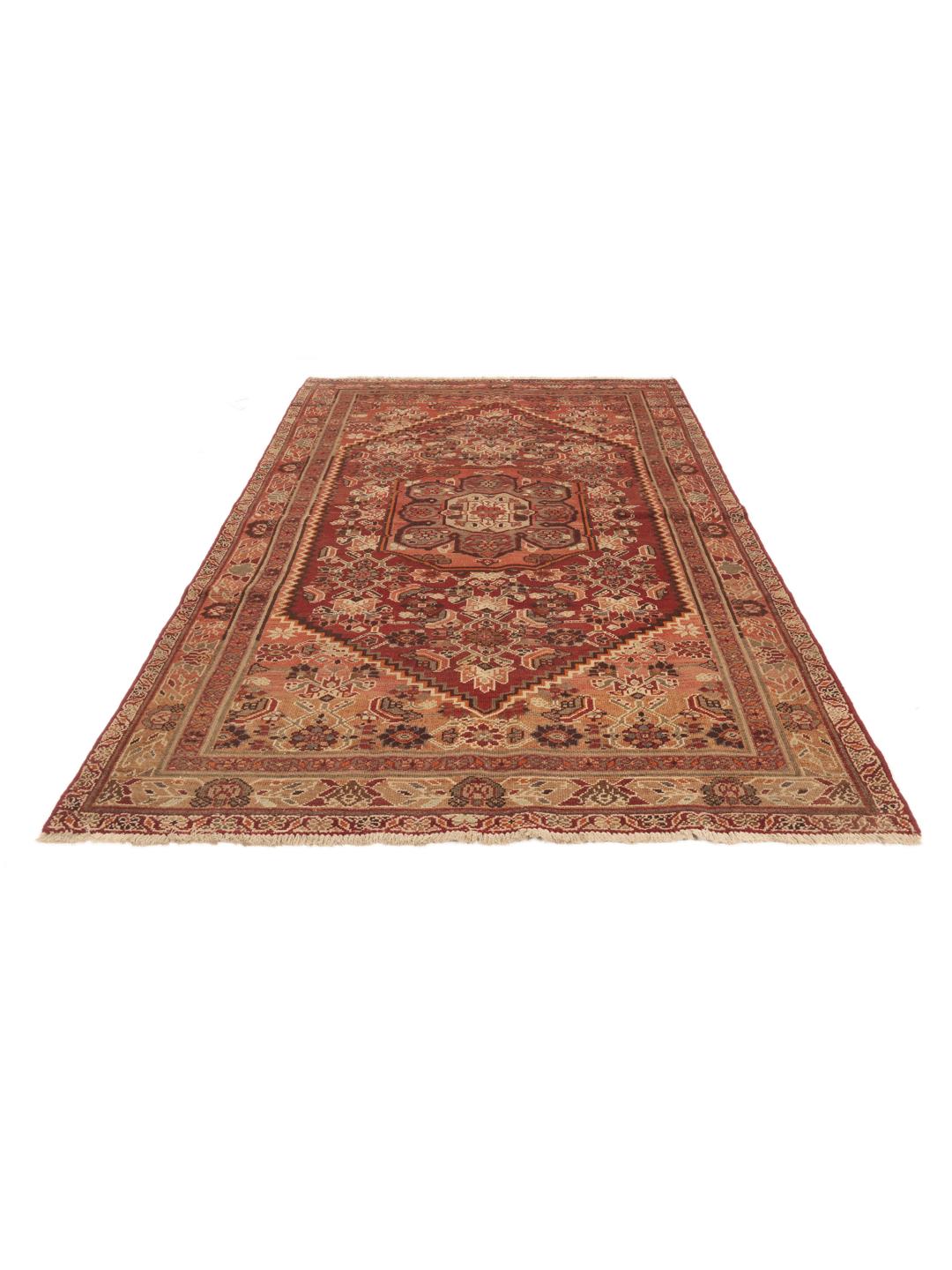
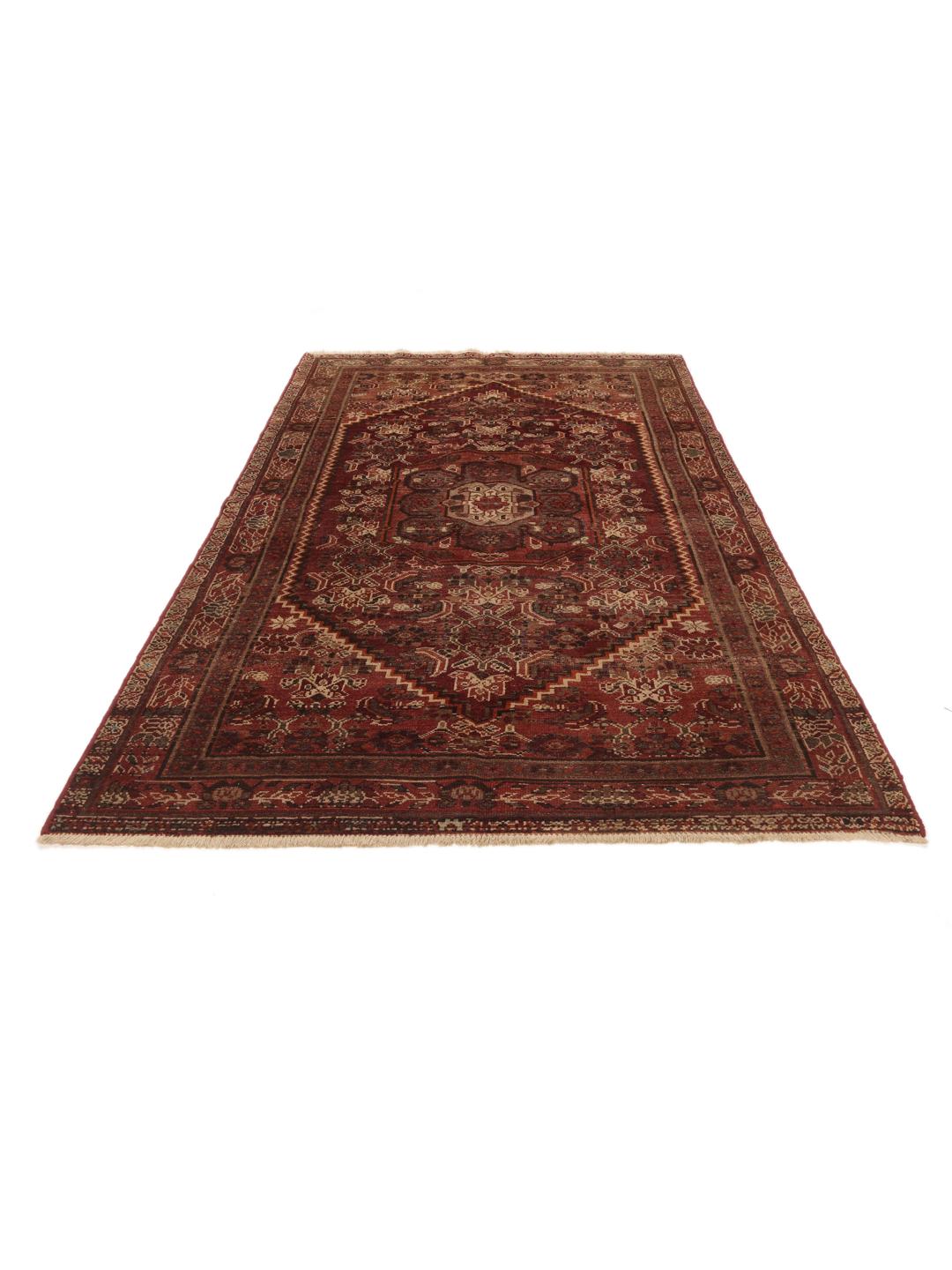
Hamadan rugs originate from one of the oldest cities in the Middle East, a hub of commerce and craft located in the western part of the region. This area has long been a centre for weaving, where generations of families have preserved their specific regional styles, often characterised by their sturdy construction and bold, vibrant character.
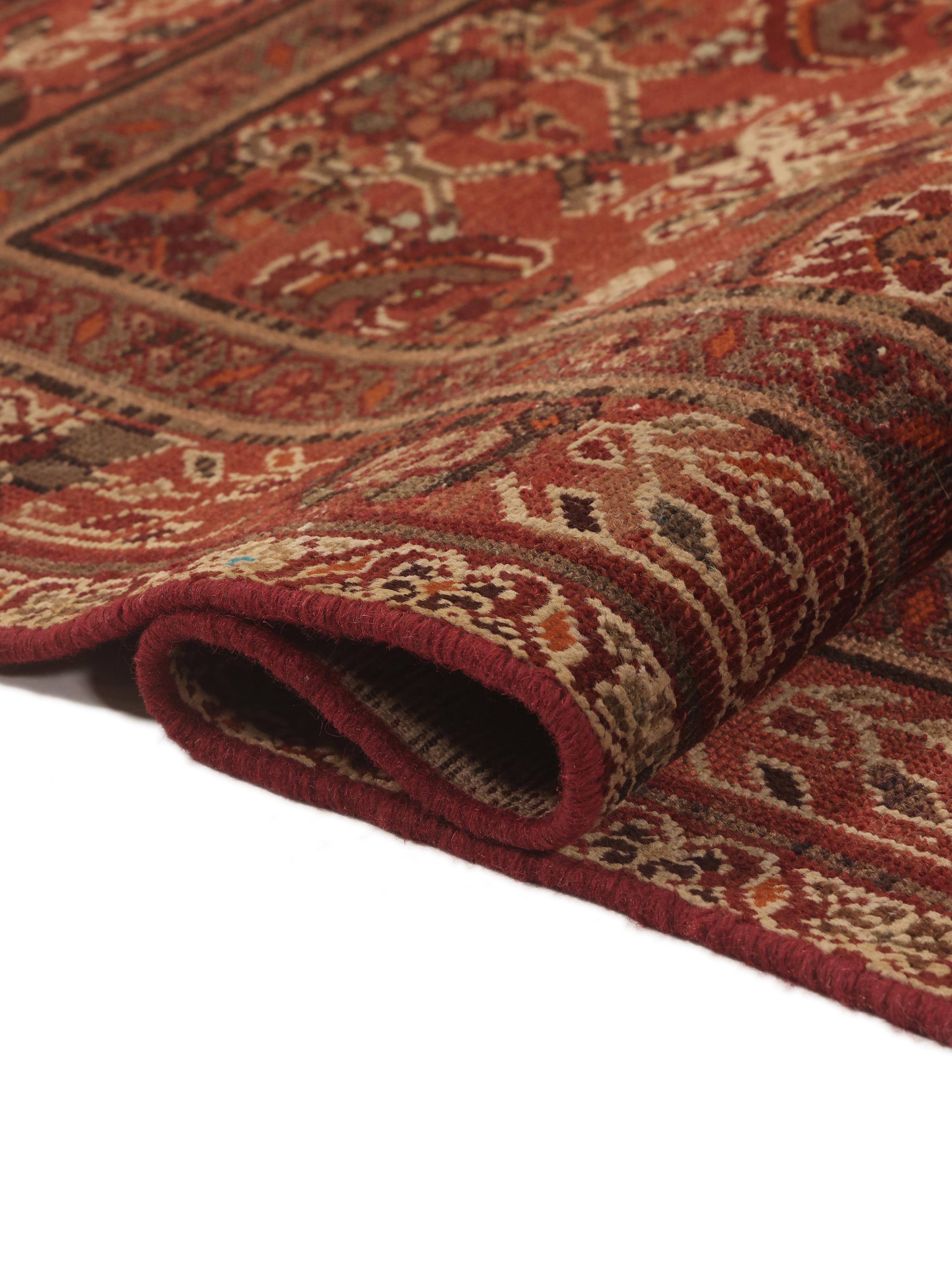
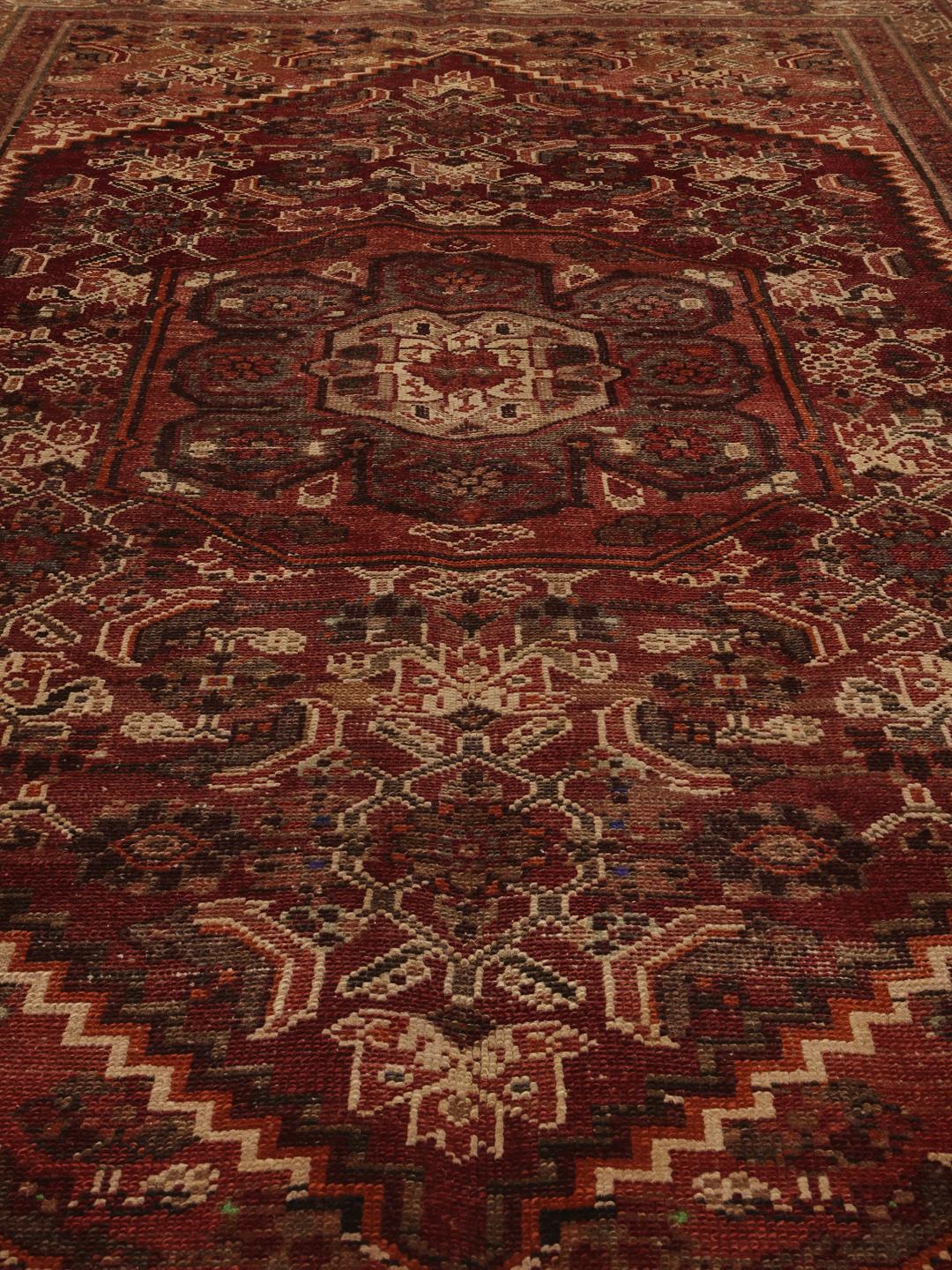
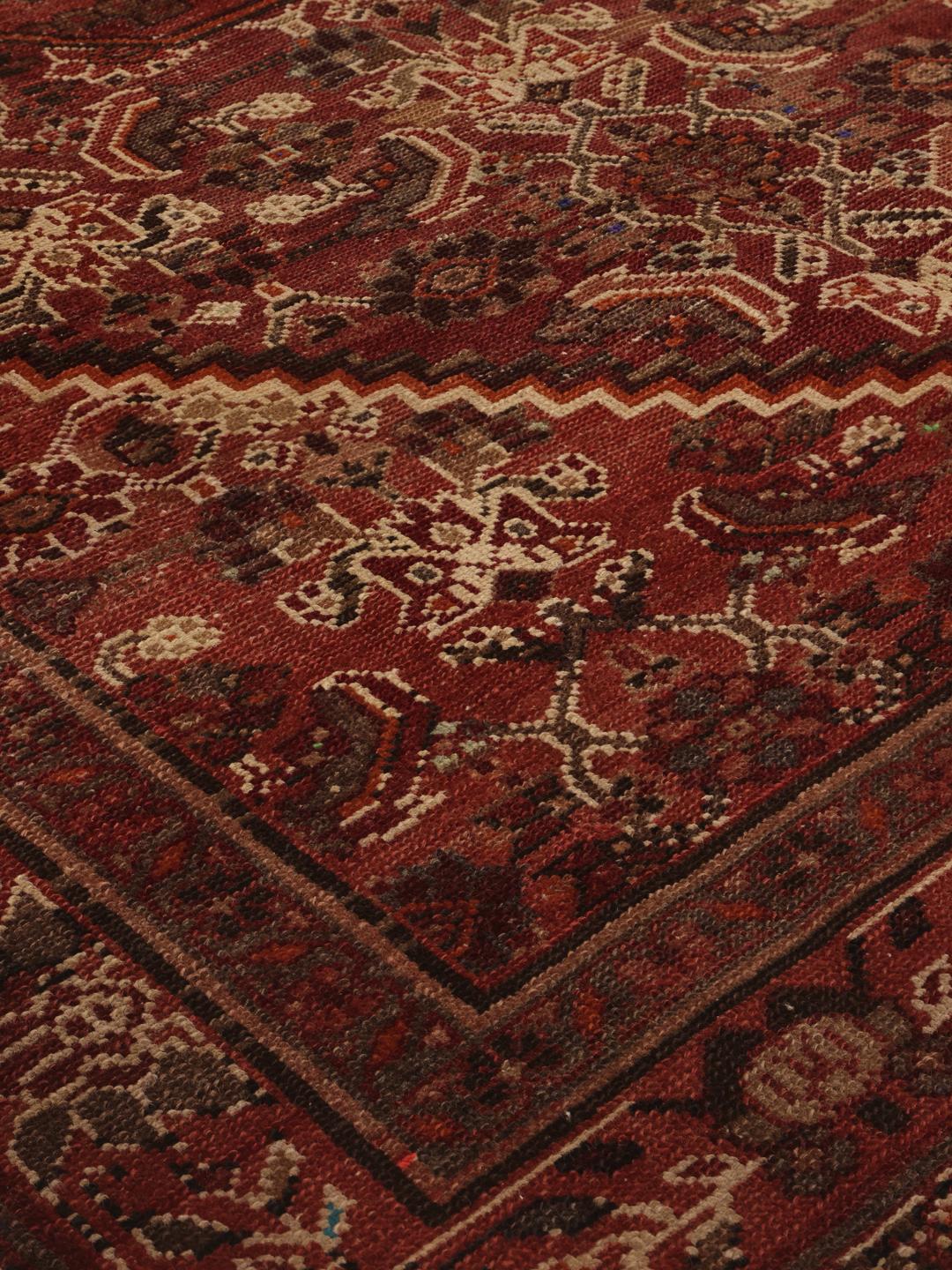
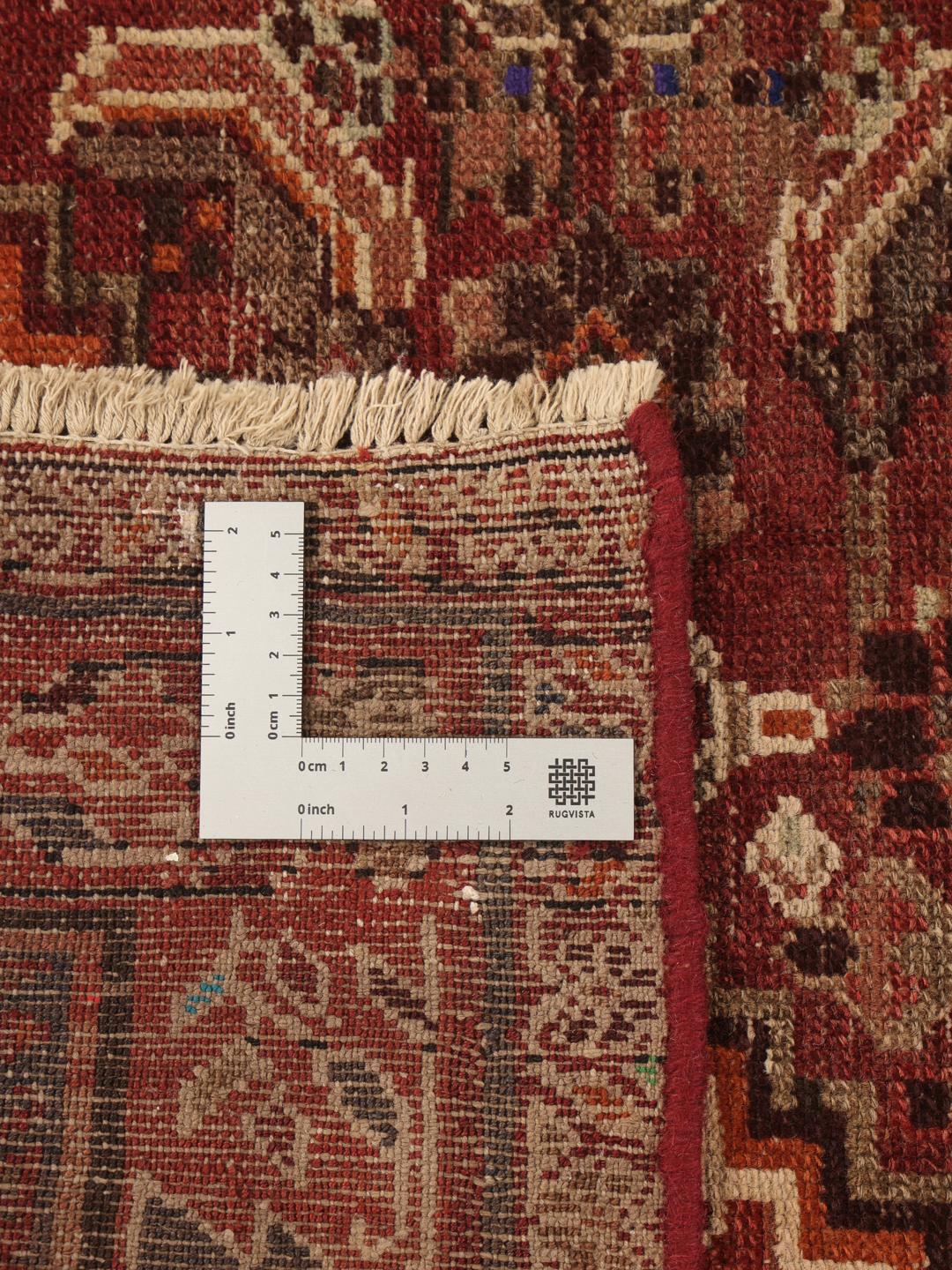
The term Hamadan refers to a wide variety of rugs produced in the city and its surrounding hundreds of villages. These rugs are highly regarded for their practical, reliable nature. They often feature a cotton foundation, which provides a crisp, stable base for the wool pile, allowing for intricate geometric and floral patterns that maintain their definition over time.
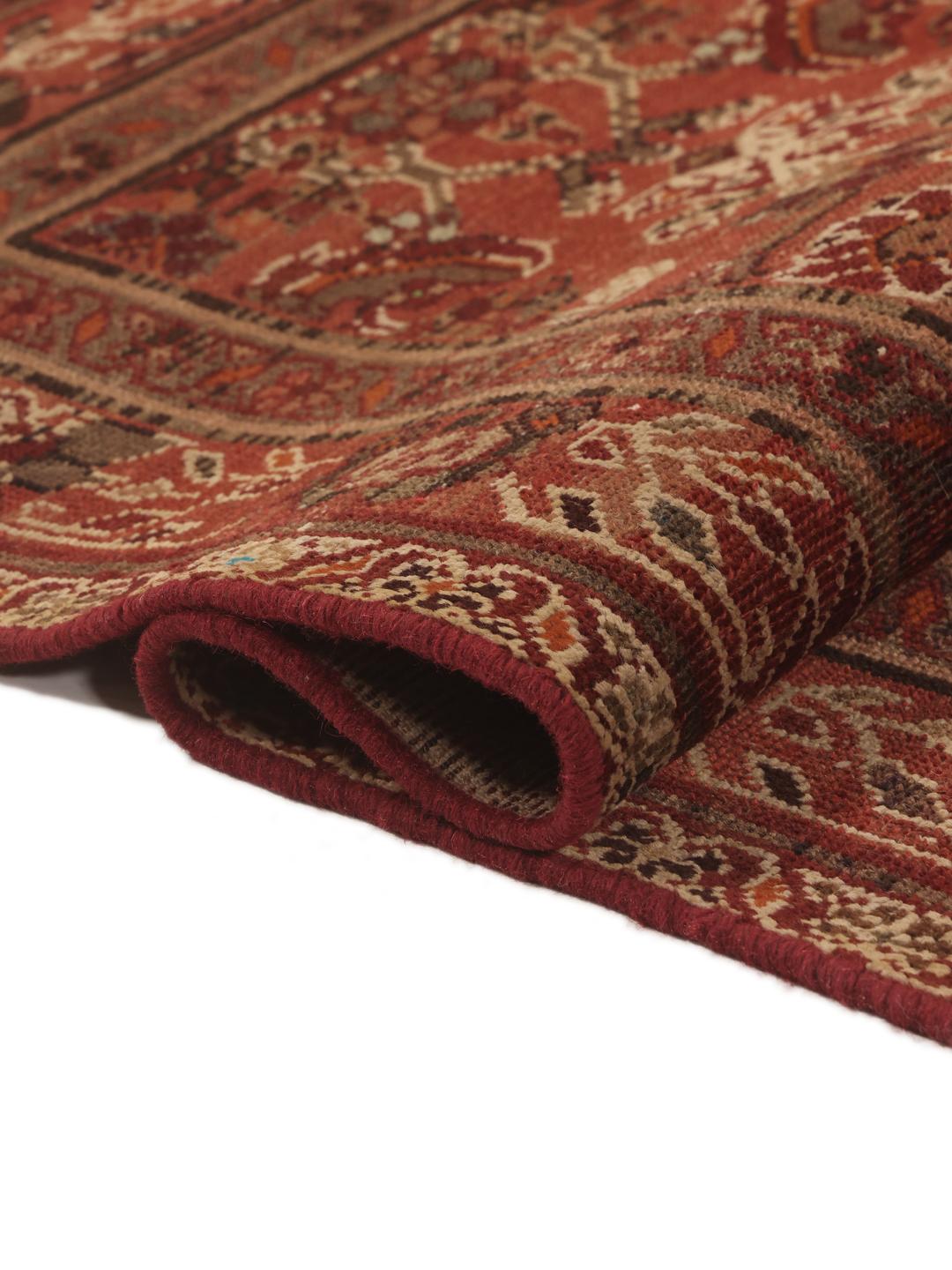
Visually, Hamadan rugs are celebrated for their diverse design language. While they often feature a central medallion surrounded by stylised floral or tribal motifs, the specific patterns can vary greatly depending on the village where they were created. The use of warm, earthy colours, particularly rich reds, is a hallmark of the tradition, providing a classic aesthetic that complements a wide array of interiors.
Collectors and homeowners alike value these rugs for their authenticity and cultural weight. Owning a Hamadan rug is a way to connect with a centuries-old tradition of home-based weaving. It represents an investment in skill and heritage, offering a tangible link to the artistry of the Middle East that adds genuine depth and personality to any modern home.