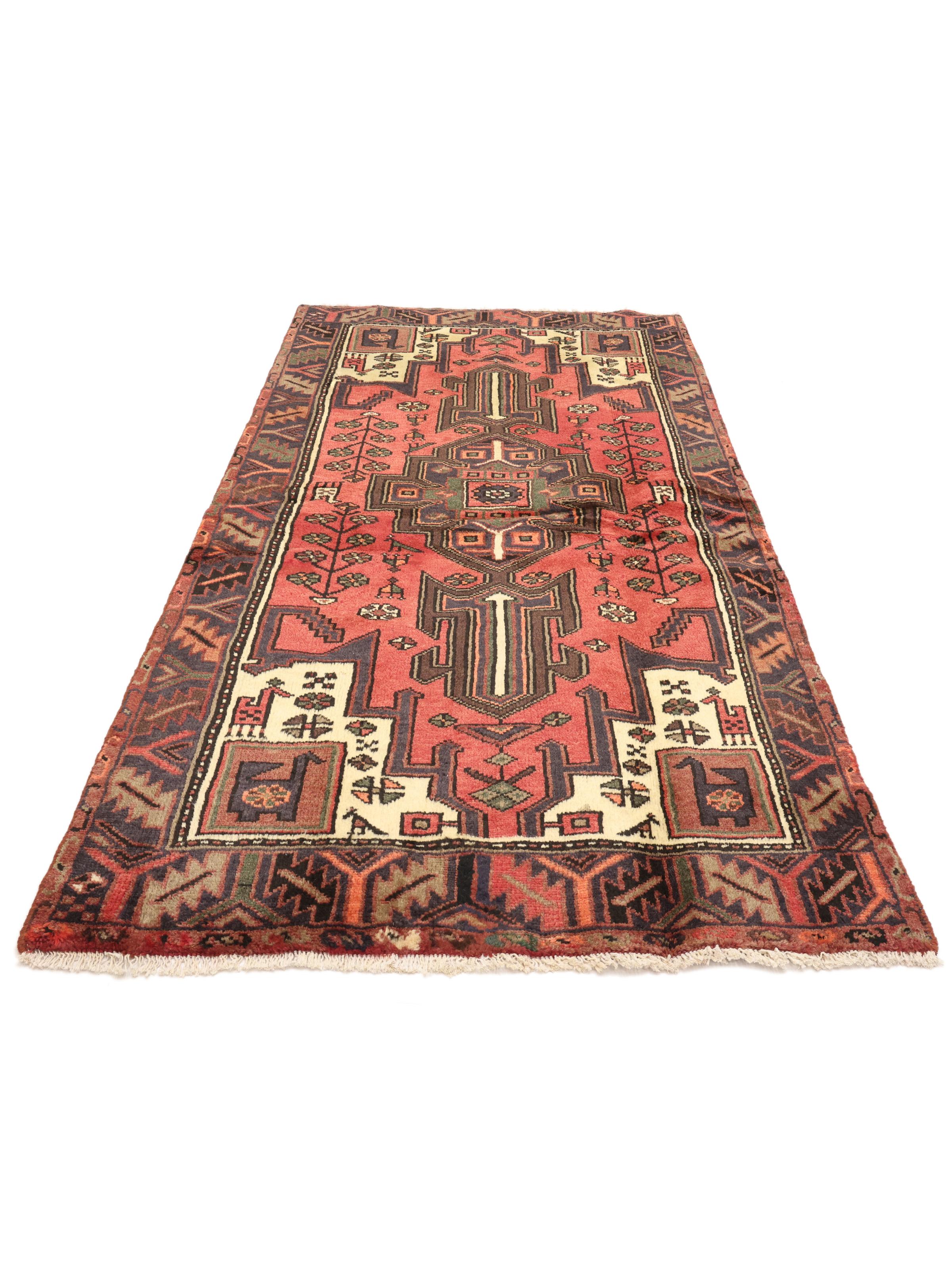
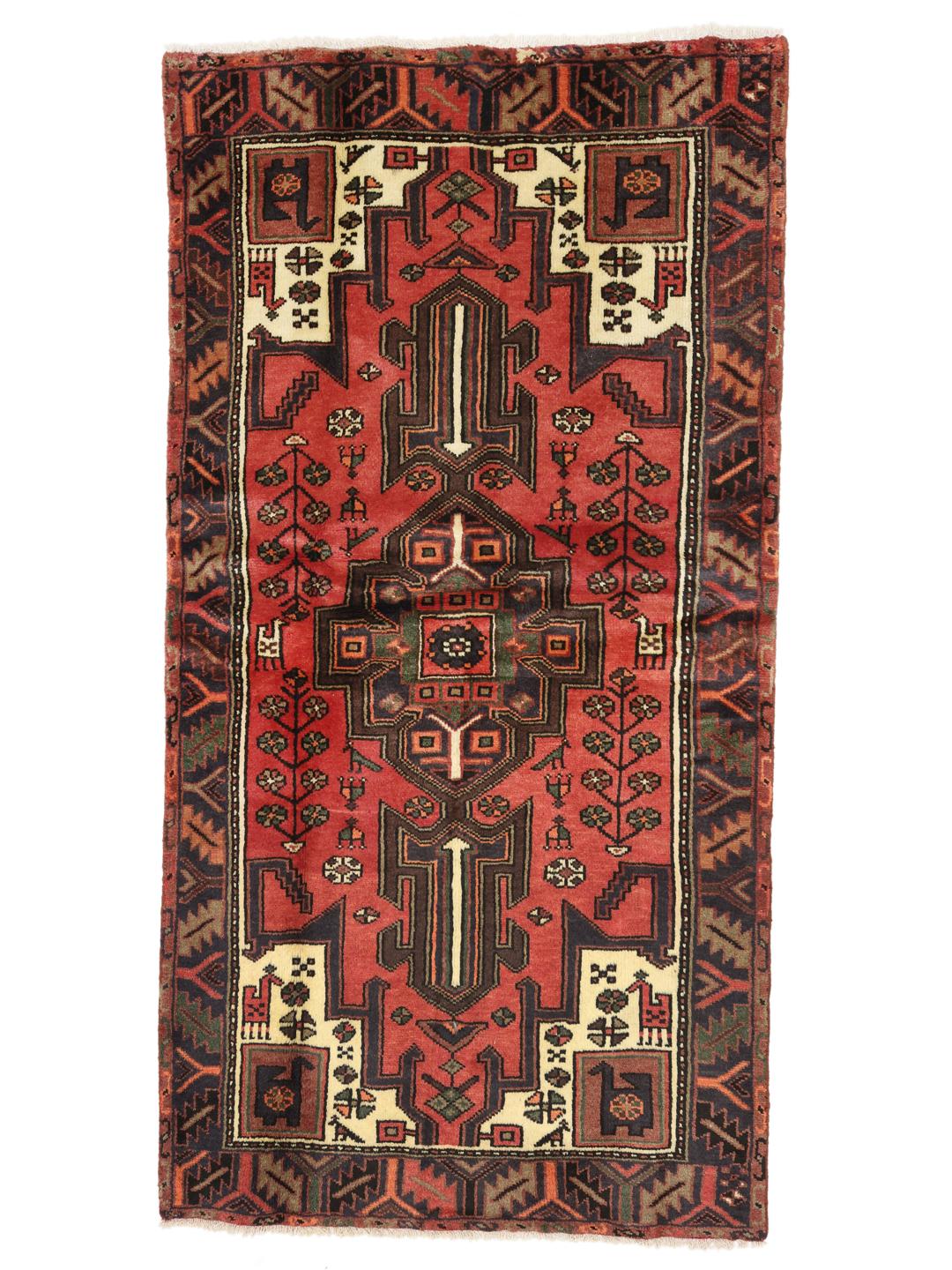
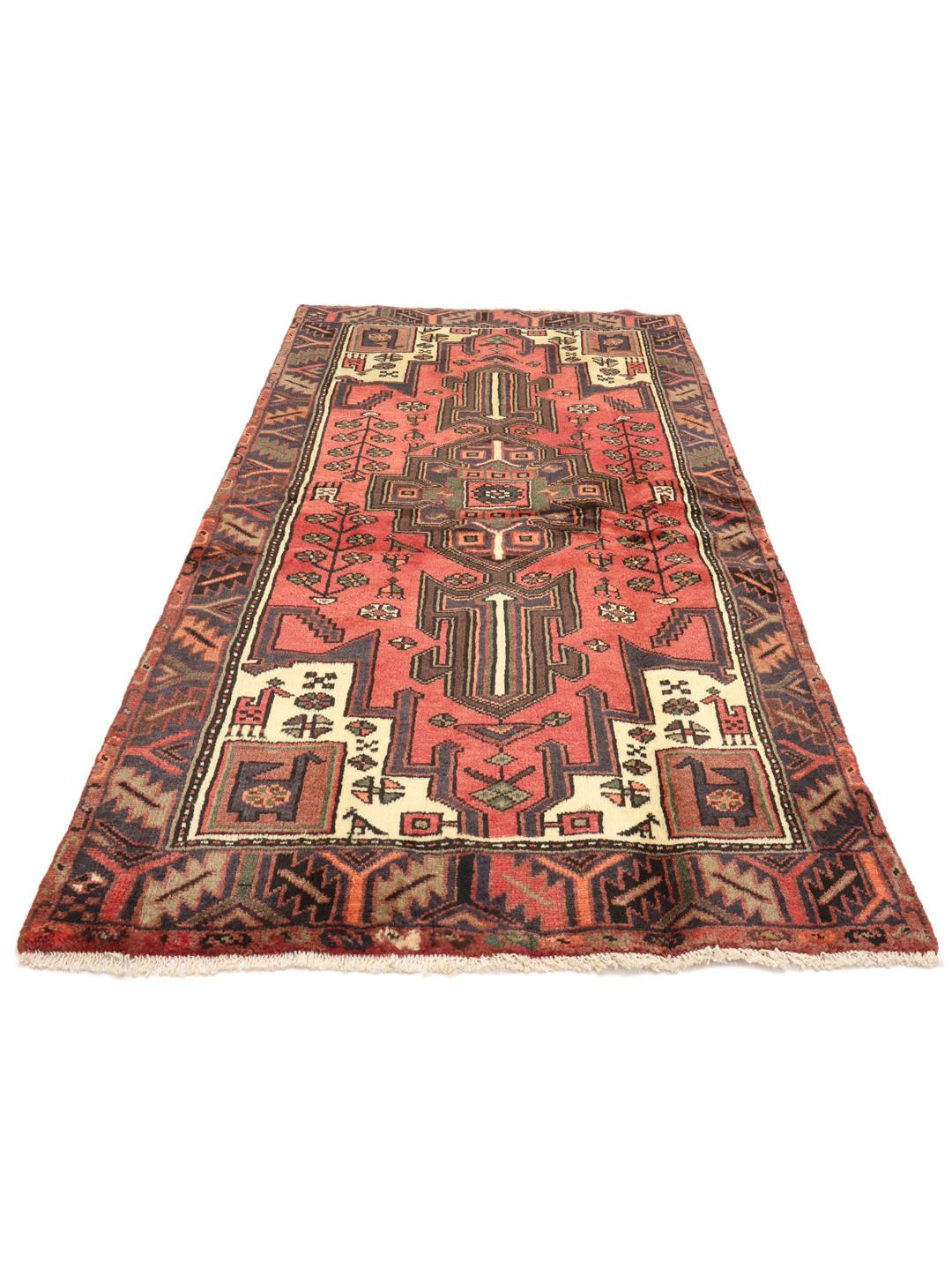
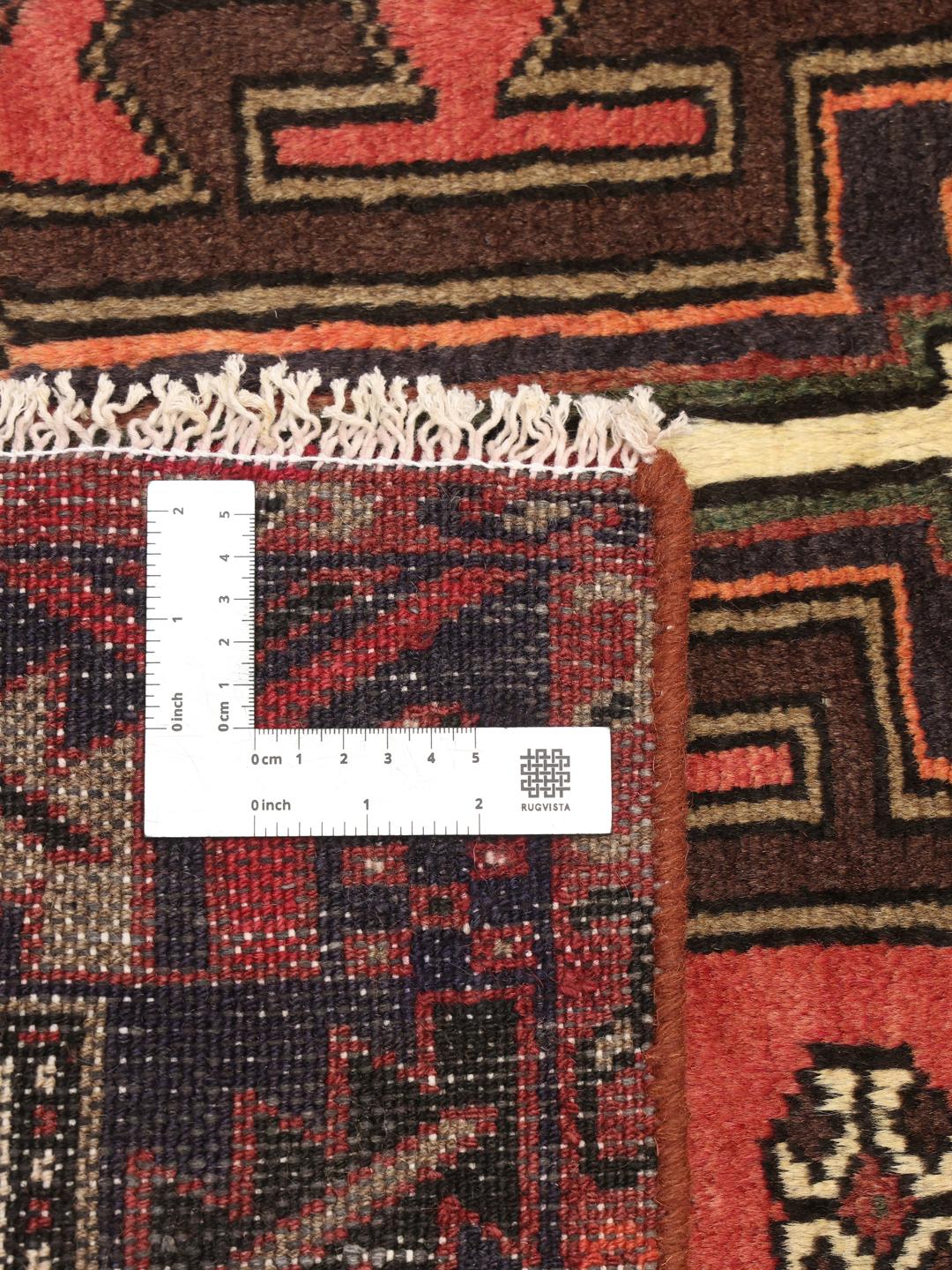
Hamadan rugs originate from one of the oldest cities in the Middle East, a region known for its deep-rooted weaving culture. Located in the western part of the region, Hamadan serves as a major trade hub where various tribal and village weaving styles converge. This creates a diverse design language, as weavers in the surrounding villages draw inspiration from both ancient nomadic heritage and more formal, city-based aesthetic traditions.
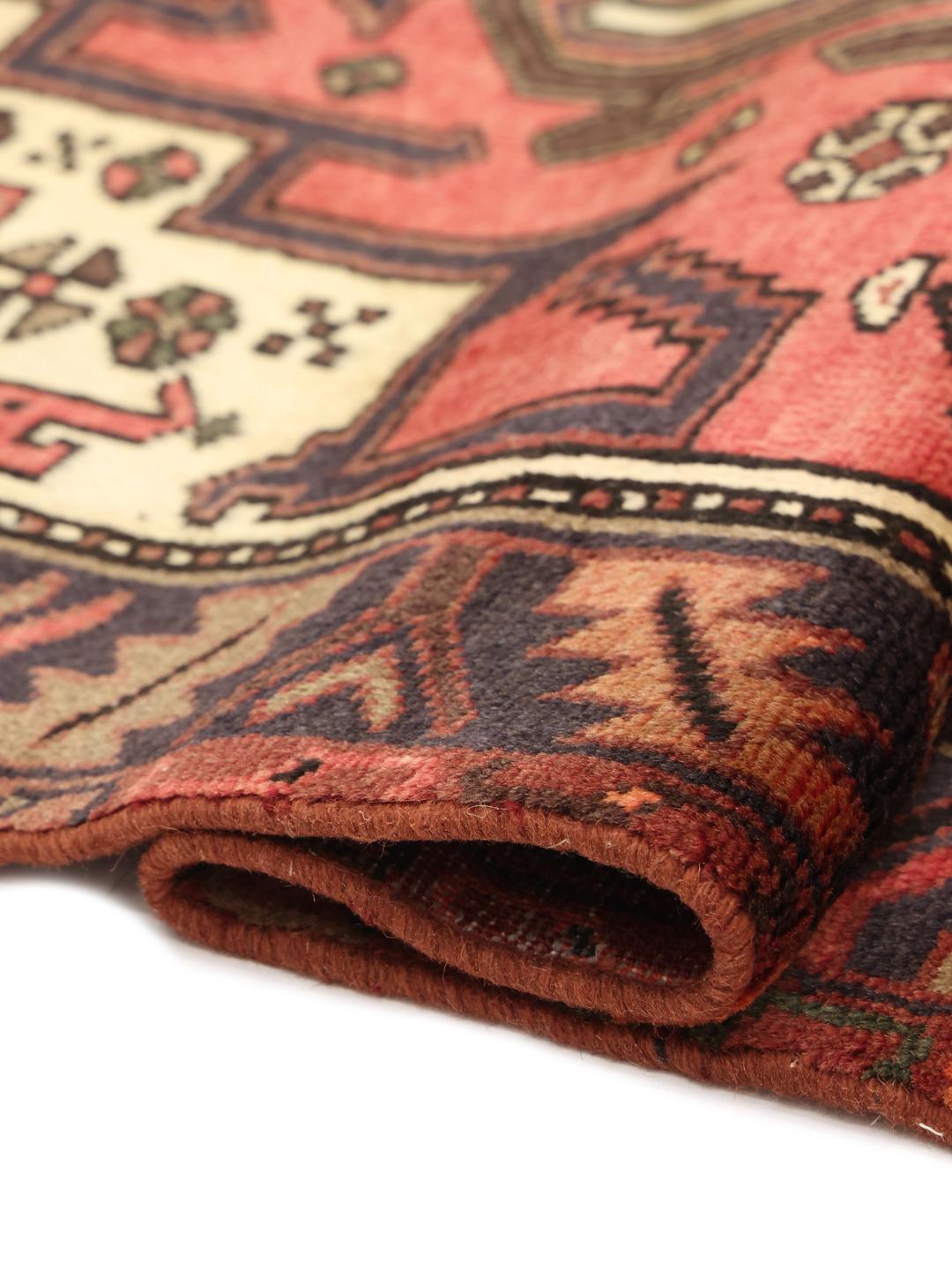
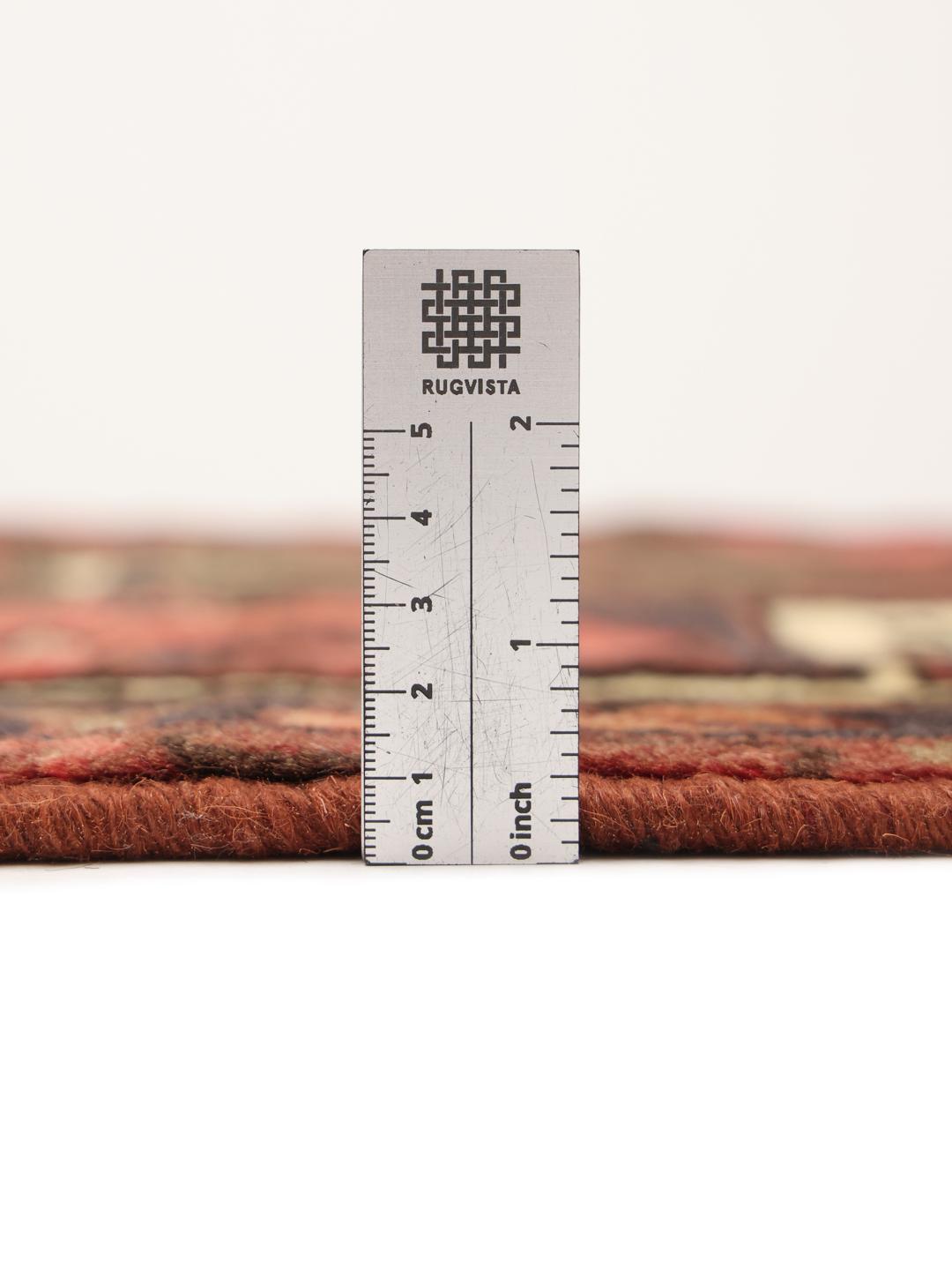
The term Hamadan refers to a broad category of rugs that are celebrated for their variety and durability. These rugs are known for being exceptionally hard-wearing, often utilizing high-quality, sturdy wool that is well-suited for everyday life. The construction is typically robust, reflecting a tradition that prioritizes utility alongside beauty, ensuring that these pieces remain functional in a home for generations.
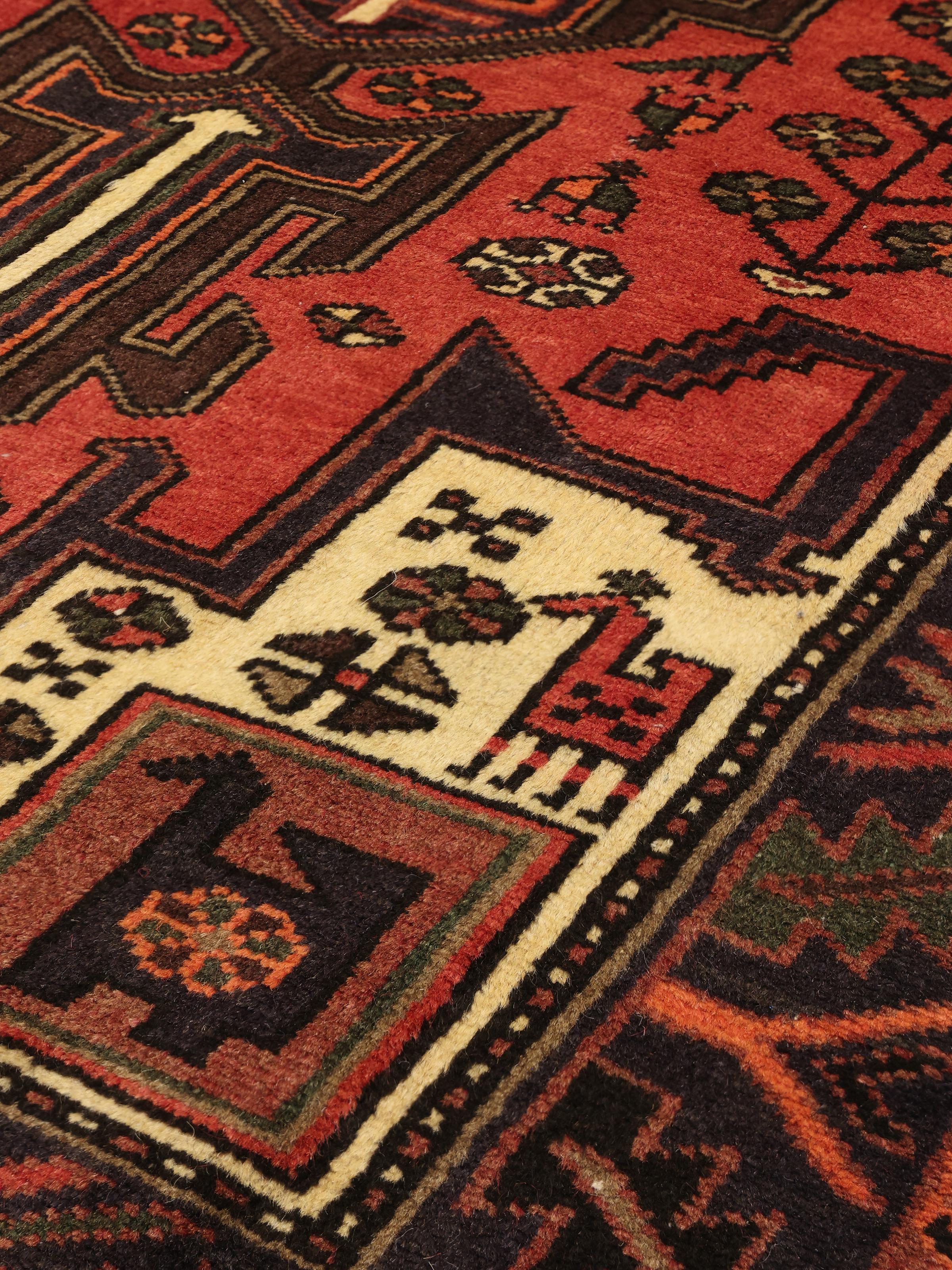
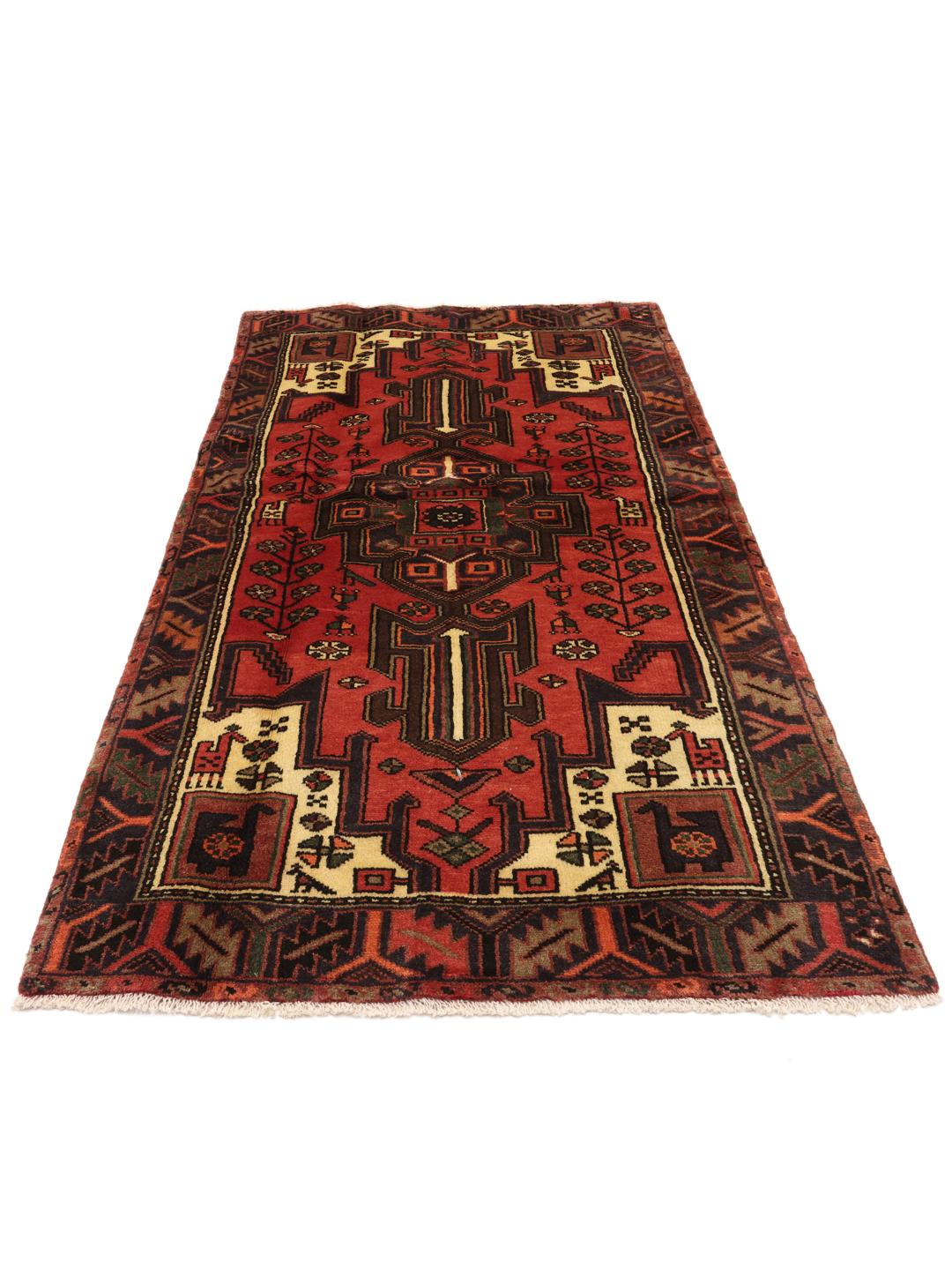
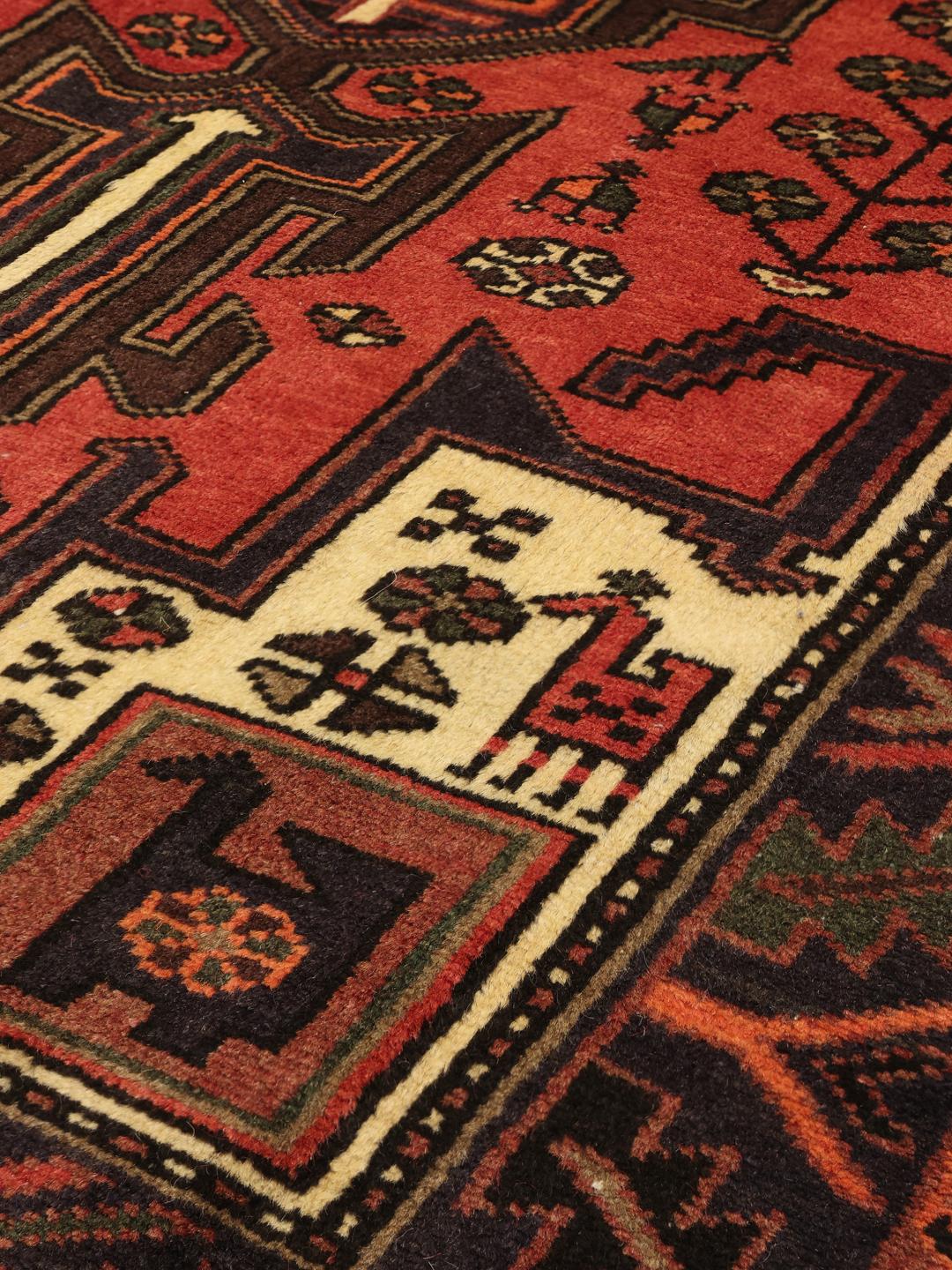
Visually, these rugs are often defined by their bold geometric patterns and iconic medallion motifs. While designs can vary greatly from village to village, common elements often include stylized floral forms, repeating geometric shapes, and deep, saturated color palettes that draw the eye. Many examples feature a central medallion surrounded by a field of intricate motifs, framed by a sturdy, well-defined border that anchors the overall composition.
Collectors value Hamadan rugs for their authenticity and the skill involved in their creation. Owning one means participating in a centuries-old tradition of storytelling through textiles. These rugs are not merely decorative items but are recognized as significant cultural artifacts that bring heritage and a sense of enduring quality to modern interiors, standing as a testament to the weaver's enduring artistry.