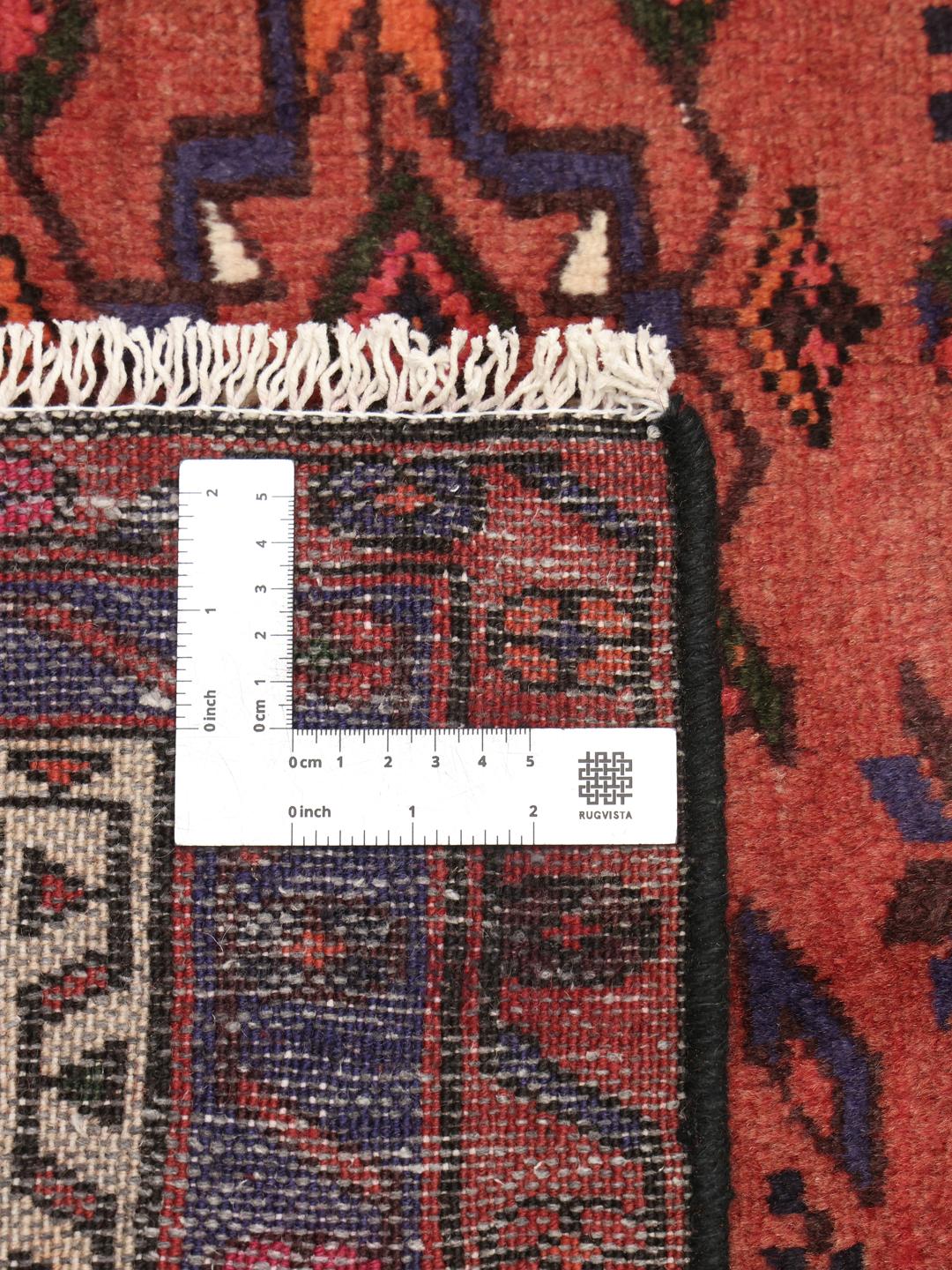
Hamadan rugs originate from one of the oldest cities in the Middle East, a historic hub located on the ancient trade routes. The weaving tradition in this region is deeply embedded in the local culture, with families passing down specific knotting techniques and design vocabularies through generations. These rugs are renowned for their incredible variety and the distinct regional character they bring to interior spaces.
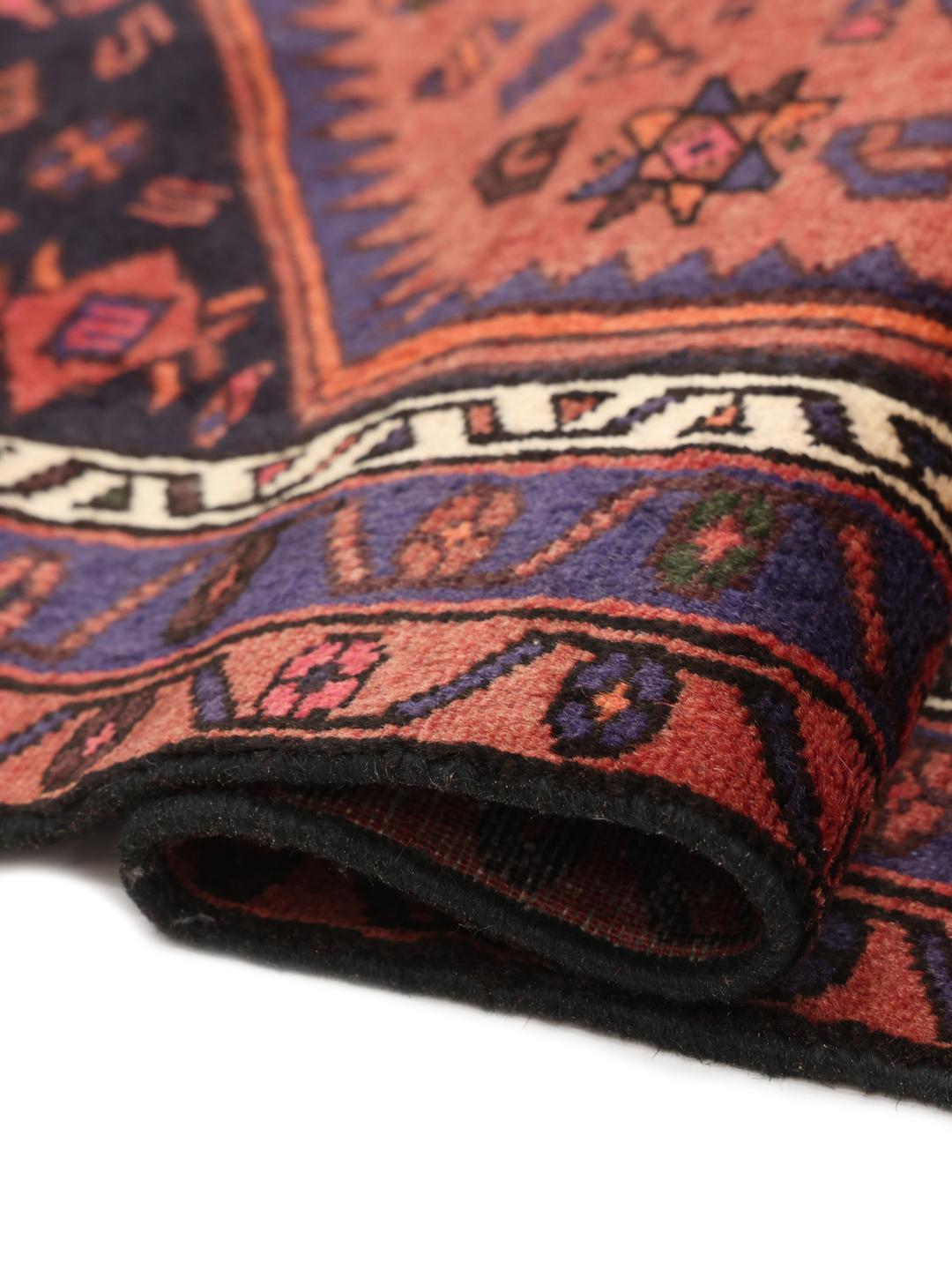
The term Hamadan refers to a wide range of rugs produced in the city and its surrounding hundreds of villages. Each village often maintains its own signature approach to construction, often utilising a sturdy foundation that allows for a long-lasting, resilient pile. This heritage of robust construction is why these rugs have remained a favourite for families looking for floor coverings that can withstand the rigours of daily life while maintaining their aesthetic appeal.
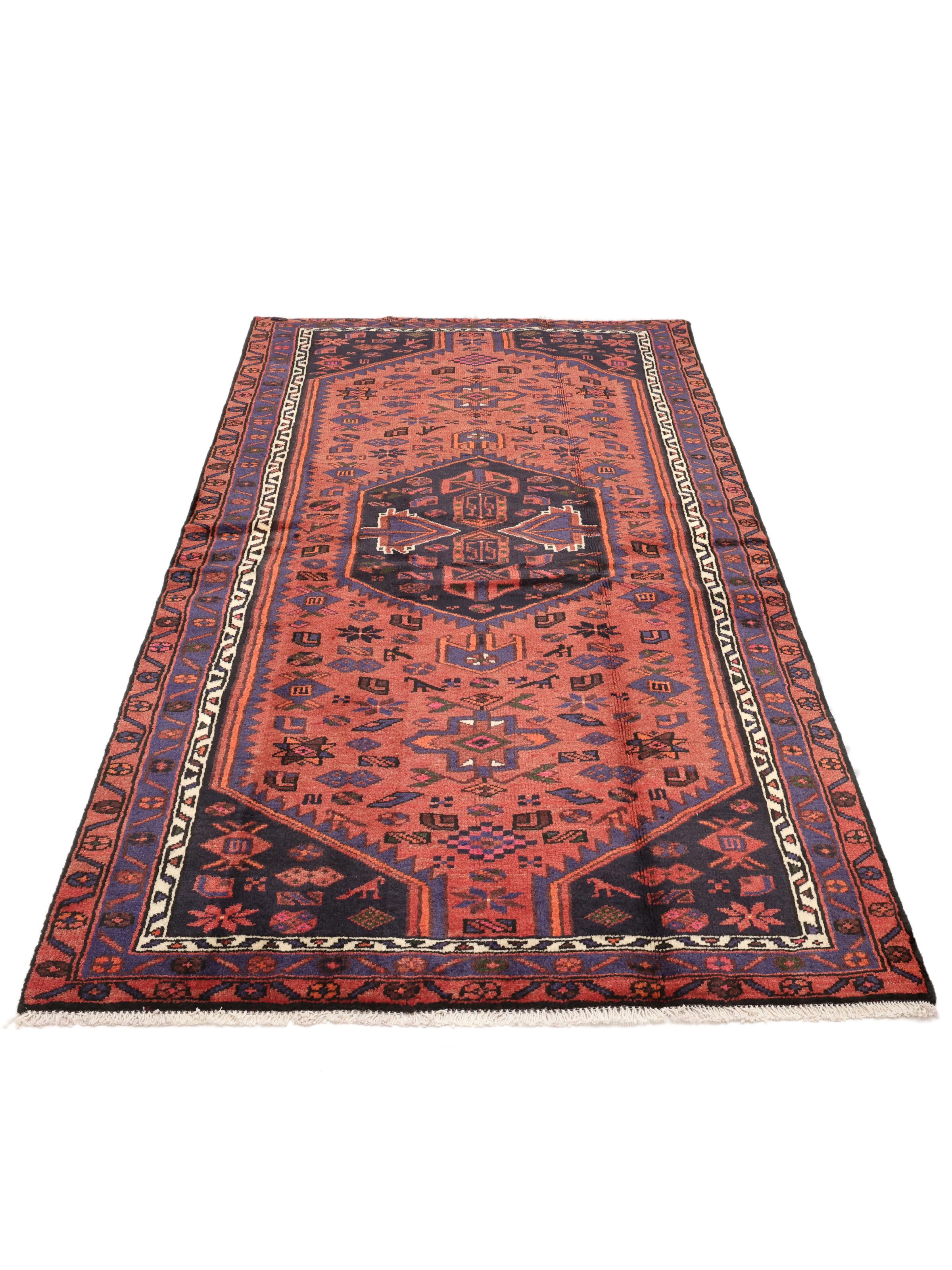
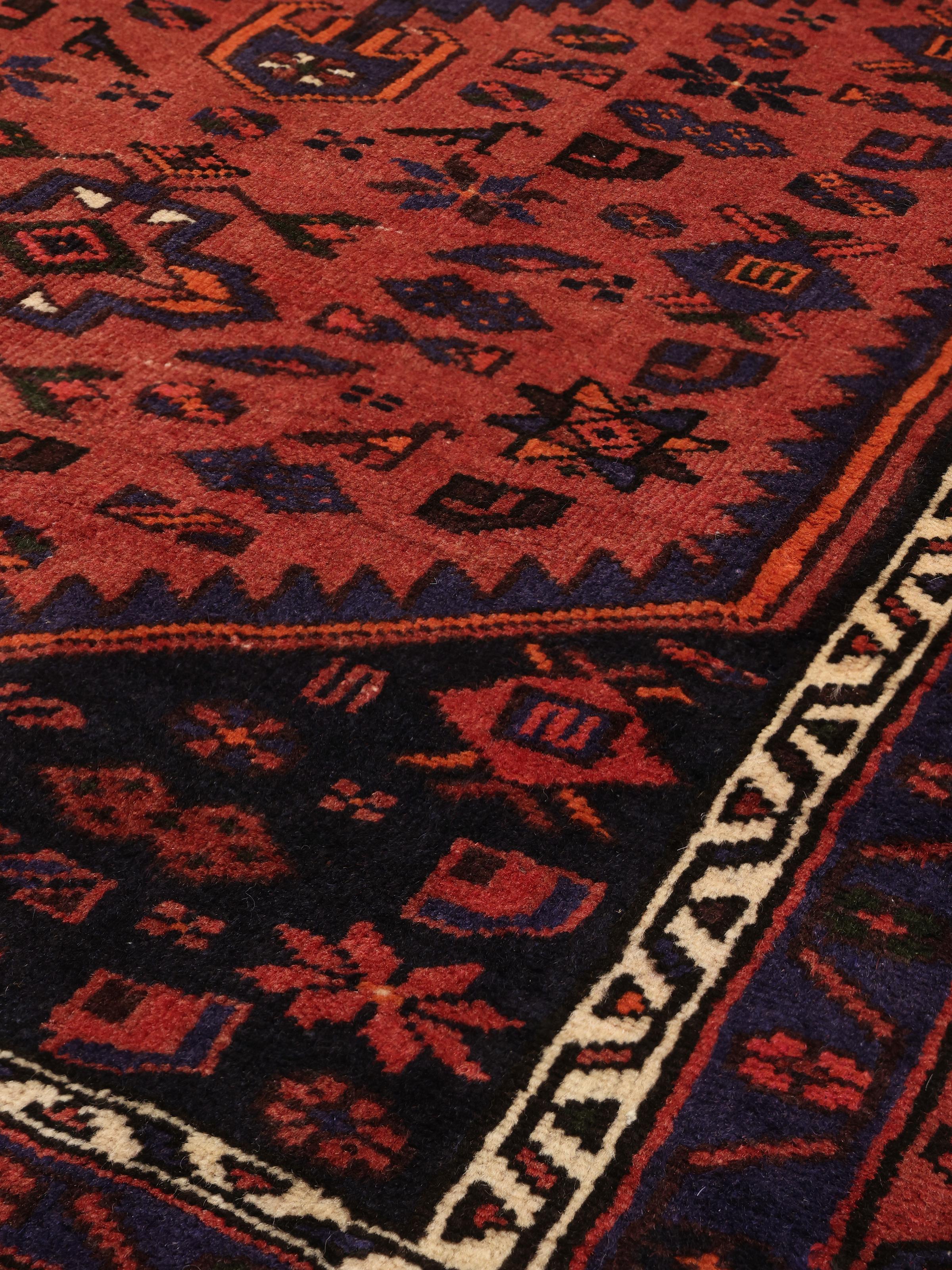
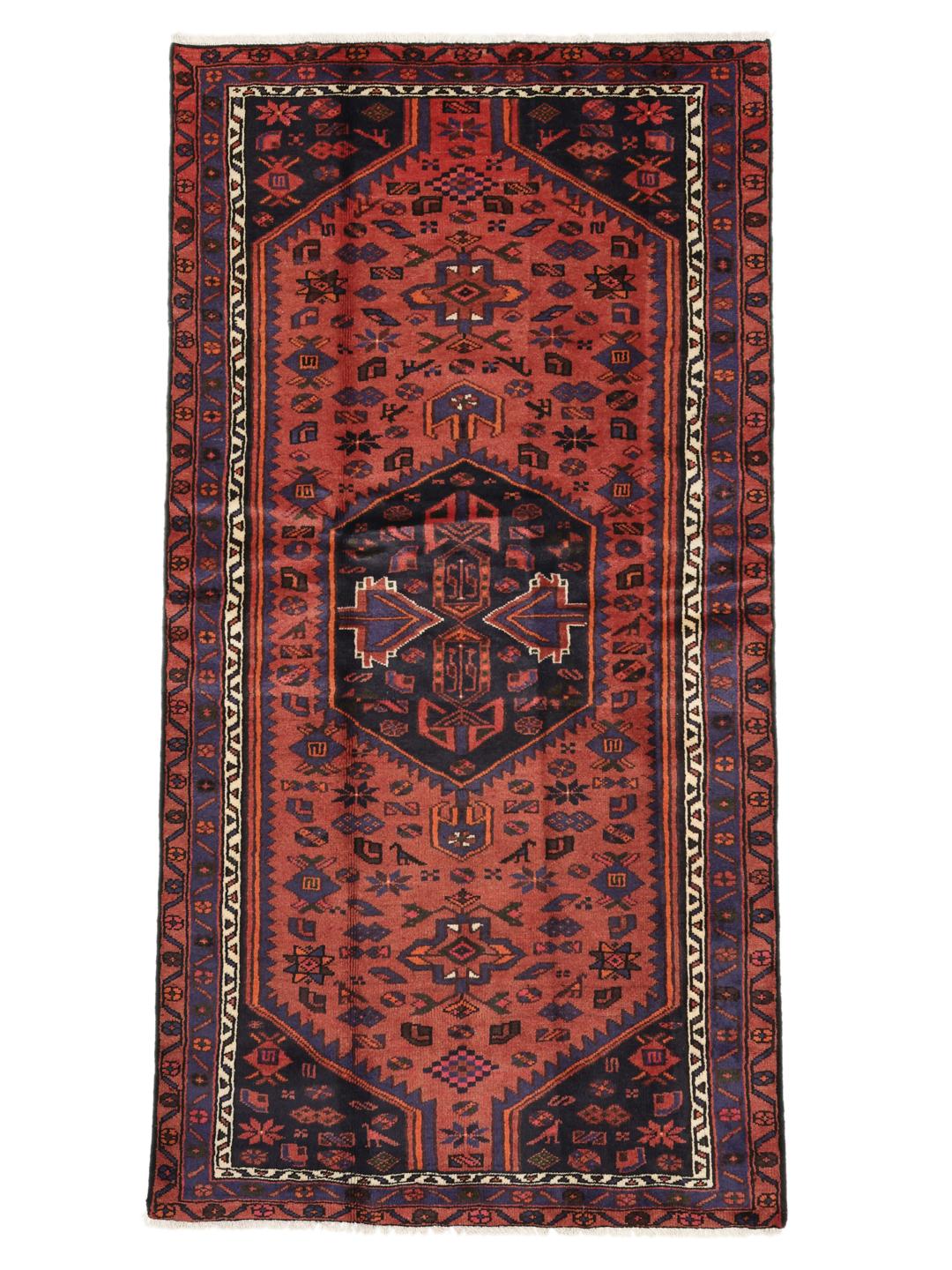
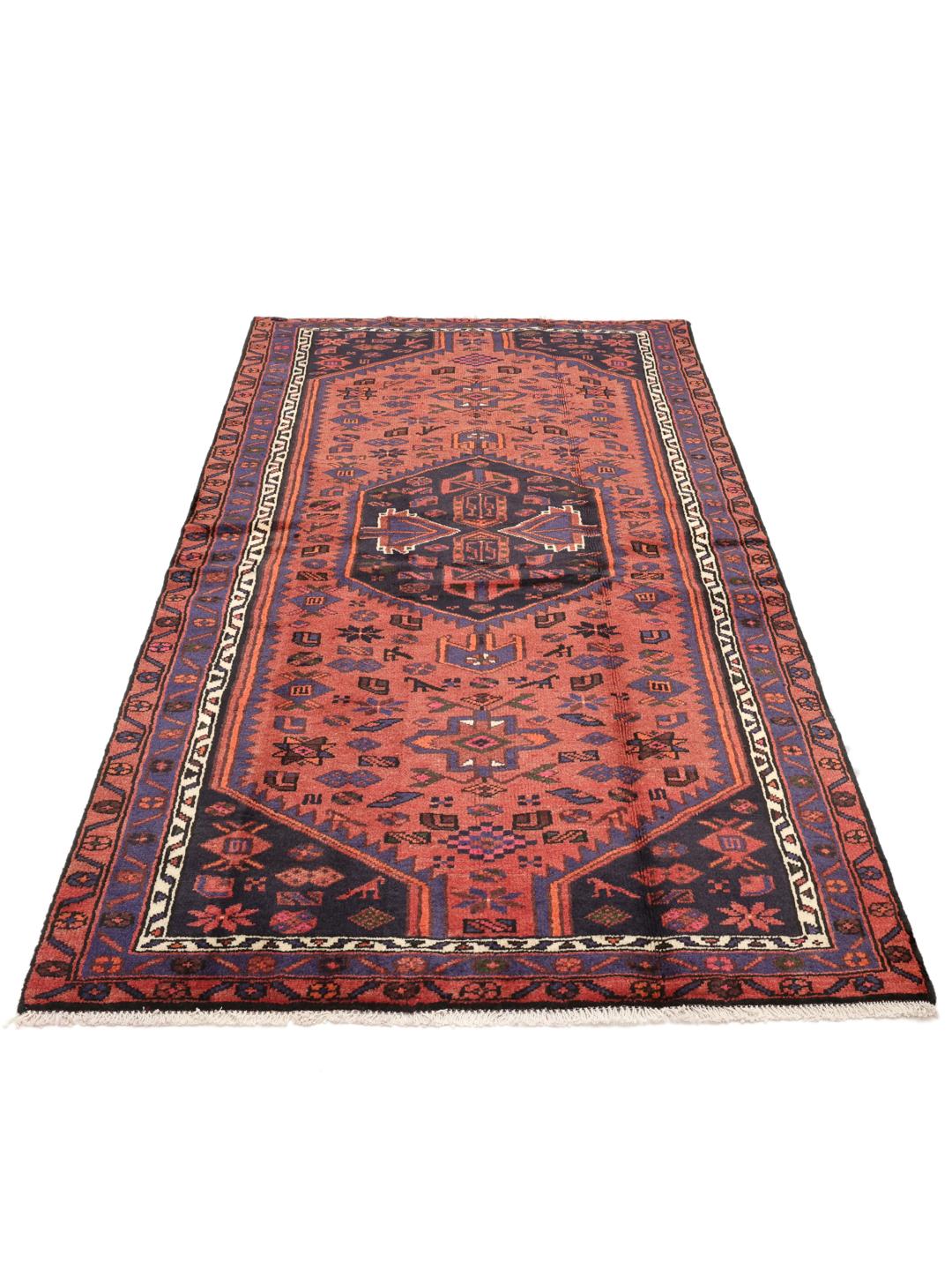
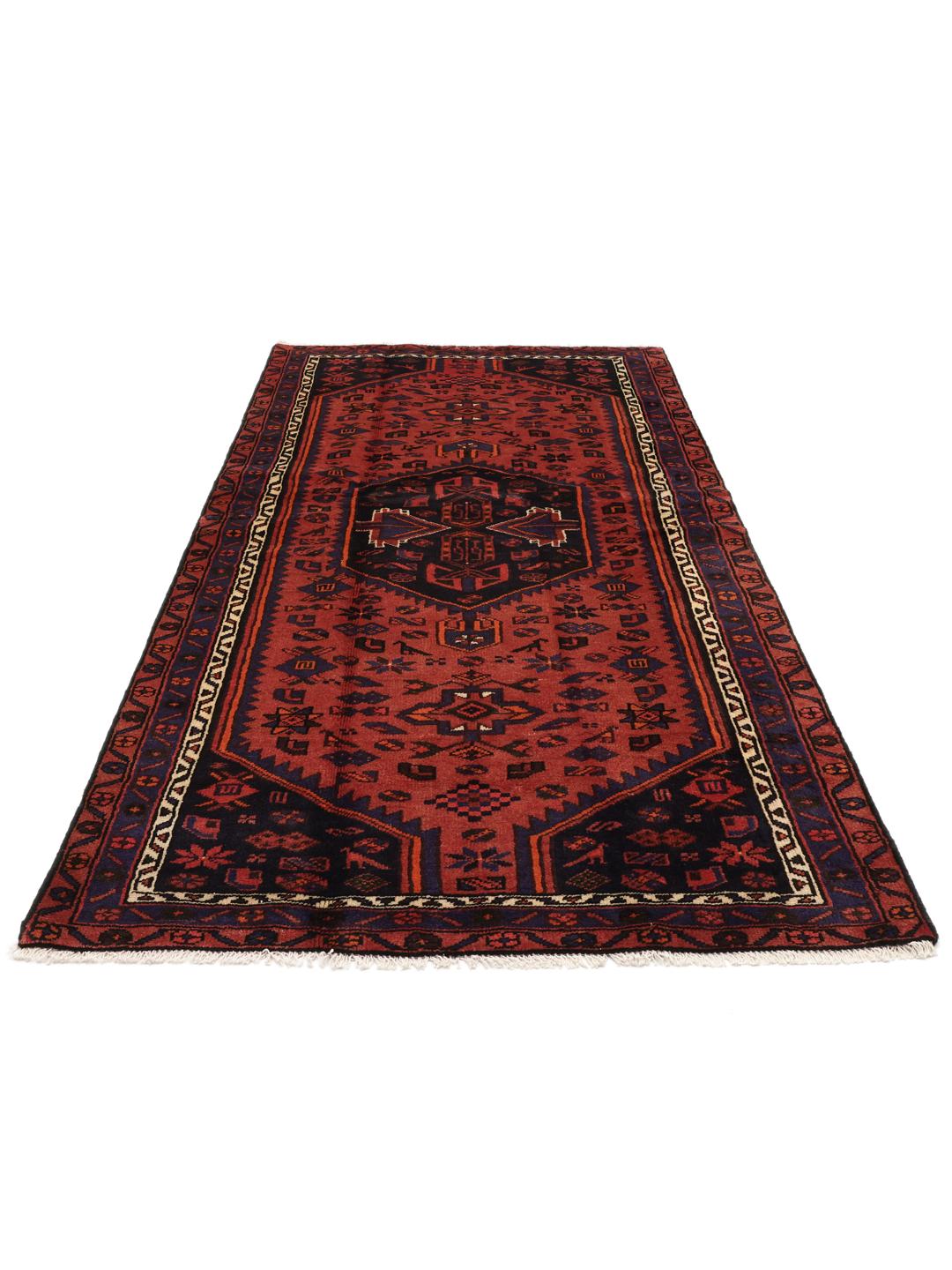
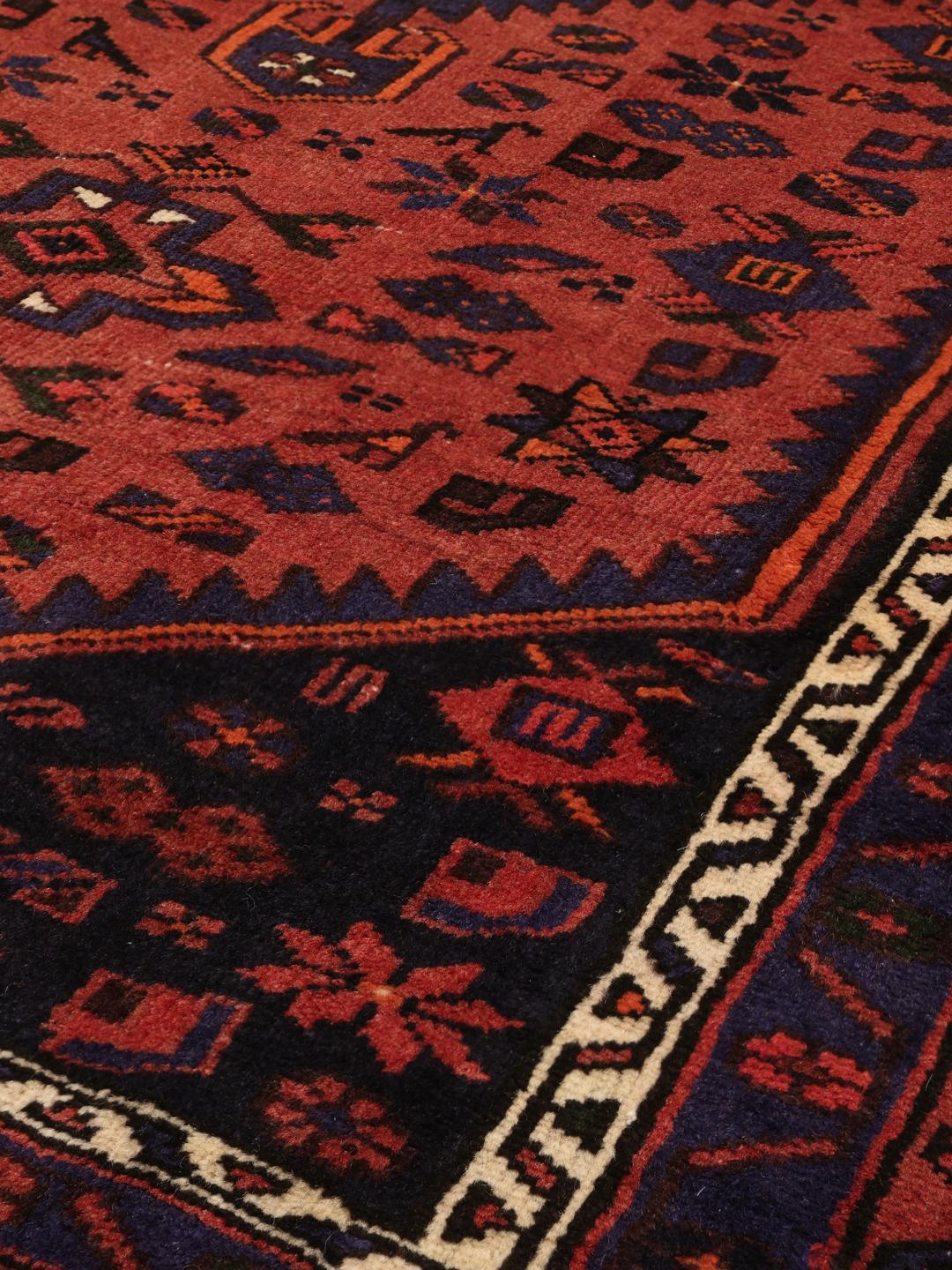
Visually, these rugs are often defined by their geometric medallions and repeating motifs. While styles can vary, they frequently feature a central medallion surrounded by stylised floral or tribal patterns, framed by intricate borders. The colour palette typically draws on deep, earthy tones, reflecting the natural dyes historically available in the region, which provide the rich, saturated hues found in this specific piece.
Owning a piece from this tradition is an invitation to bring a piece of Middle Eastern heritage into your home. Collectors value these rugs for their authenticity and the human story behind every knot. By choosing this rug, you are supporting a craft tradition that has been perfected over centuries, ensuring that this legacy of skill and beauty continues to thrive.